
Most cyclists think discomfort is normal.
They assume sore wrists mean they need stronger arms.
They think back pain means they need better core strength.
They blame tight hips, aging joints, or “being out of shape.”
But here’s the uncomfortable truth:
In most cases, it’s not your fitness level. It’s the bike.
Modern bike marketing has conditioned riders to focus on speed, weight, and brand prestige. Lightweight frames. Race-inspired geometry. Performance components. Aero design.
Yet the majority of people riding today aren’t training for a podium finish. They’re commuting to work. Riding on weekends. Exploring local paths. Trying to stay active. Reducing stress.
And those goals require something entirely different.
This guide flips that script. Instead of chasing numbers on a spec sheet, we’ll put comfort first: posture, stability, and long-term rideability. You’ll learn how to spot the design choices that cause pain, which features actually make a bike feel good, and how to choose a hybrid, cruiser, gravel, or city bike that stays comfortable for years — not just for the first test ride.
“Comfortable bikes” isn’t code for slow or casual. Comfort is the foundation that lets you ride farther, more often, and without compensating with tense muscles. A properly designed, well-fitted bike transmits power efficiently while keeping your spine, shoulders, hands, and hips relaxed. That means less fatigue, fewer injuries, and more time enjoying the ride instead of thinking about it.
The Real Reason Your Bike Feels Uncomfortable
Discomfort on a bicycle is rarely a matter of rider fitness. In fact, the majority of common complaints—numb hands, lower back stiffness, hip soreness, or knee pain—can be traced to mismatched geometry, improper contact points, and inefficient load distribution.
In short, the design of your bike dictates how your body interacts with it over time. Recognizing these factors is essential for identifying truly comfortable bikes.
1. Frame Geometry and Postural Demands
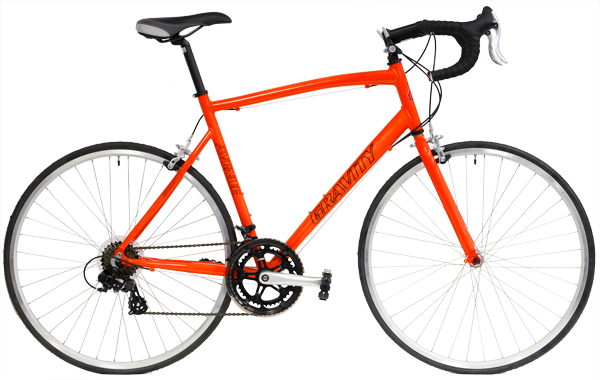
The frame’s geometry establishes how your torso, arms, and legs are positioned relative to the bike. Performance-oriented or race-derived geometries often prioritize aerodynamics over ergonomics, resulting in:
- Aggressive forward lean
- Extended reach to handlebars
- Elevated saddle-to-handlebar drop
These factors shift excessive weight onto the wrists and shoulders while increasing lumbar compression and cervical strain. For riders prioritizing comfort, neutral or semi-upright geometries are preferred, as they maintain spinal alignment, reduce hand loading, and promote long-term endurance.
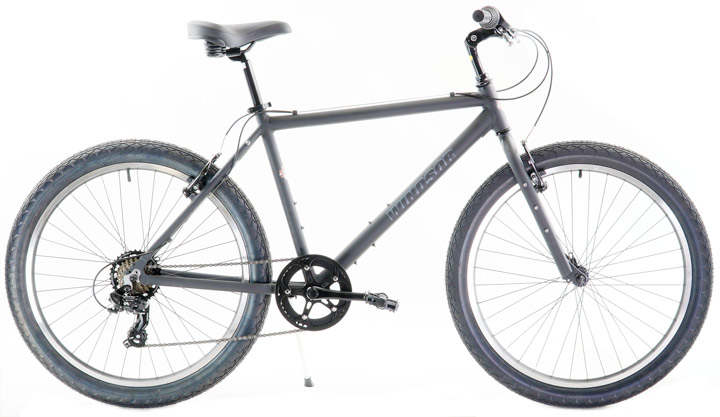
Check out this WFB SPORT bike or order our top-selling Gravity Swift E Electric to experience the difference.
2. Weight Distribution and Load Management
Optimal comfort requires that approximately 85–90% of body weight be supported through the sit bones and feet, leaving the hands primarily responsible for steering and balance. When a bike’s geometry or handlebar setup positions too much weight forward, it results in:
- Palmar numbness and tingling
- Elbow hyperextension fatigue
- Shoulder tension and micro-strain
Comfort-oriented bikes integrate design cues—higher head tubes, shorter top tubes, and relaxed stem angles—that maintain a balanced center of gravity, significantly reducing upper-body stress.
3. Contact Points: Saddles, Grips, and Pedals
The interface between rider and bike is where comfort is most immediately perceptible:
Saddle Considerations:
- Sit-bone width compatibility is critical; generic saddles often cause pressure hotspots and soft tissue compression.
- Padding density must balance shock absorption with stability; overly soft saddles allow excessive lateral movement, generating friction and discomfort.
Handlebar and Grip Design:
- Ergonomically contoured grips reduce ulnar and median nerve compression.
- Correct bar diameter and flare distribute pressure evenly, minimizing hand fatigue over long rides.
Pedal Interface:
- Pedals should maintain a neutral foot angle relative to the knee and hip to prevent anterior knee stress.
- Platform or clipless pedals with adequate support enhance power transmission while reducing compensatory tension in the lower extremities.
4. Vibration Transmission and Shock Mitigation
High-frequency vibration, transmitted through rigid frames and narrow tires, is a primary contributor to cumulative discomfort. Over time, this “road buzz” can lead to:
- Lumbar microstrain
- Shoulder and wrist fatigue
- Reduced proprioceptive stability
Comfort-first designs mitigate this via:
- Wider, lower-pressure tires
- Compliance-enhanced frame materials (e.g., carbon layup flex or engineered aluminum)
- Suspension components when appropriate (seatpost or fork damping)
Even modest reductions in vibration significantly improve endurance and perceived comfort.
5. Dynamic Stability and Handling Characteristics
A bike that feels unstable forces constant micro-adjustments from the rider’s core and upper body. This instability leads to muscular fatigue and reduces confidence in both urban and trail environments. Key markers of comfort include:
- Predictable, stable steering response
- Controlled trail and wheelbase geometry
- Smooth weight transitions through turns
Stability allows the rider to focus on pedaling efficiency rather than compensating for handling quirks, which is critical for long-term comfort.
6. Proper Sizing and Fit
Even the most ergonomically designed bike becomes uncomfortable if it doesn’t match the rider’s anthropometry. Signs of an incorrect frame size include:
- Knees striking handlebars or frame
- Excessive forward lean to reach grips
- Difficulty controlling the bike during acceleration or braking
A professional fit—considering inseam, torso length, arm reach, and flexibility—ensures that the geometry and contact points function as intended.
The Cumulative Effect of Design Mismatches
Unlike acute injuries, discomfort from poor bike design is cumulative. Initial rides may feel acceptable, but microstrain accumulates over days and weeks, manifesting as chronic soreness or fatigue. Proper ergonomic design addresses these stressors from the outset, ensuring neutral alignment, efficient load distribution, and minimal compensatory tension.
The Four Core Pillars of Truly Comfortable Bikes
Selecting a bike that feels effortless and pain-free isn’t about brand prestige or frame weight—it’s about design, ergonomics, and ride dynamics. Across all categories—hybrid, gravel, city, or cruiser—truly comfortable bikes share four critical pillars.
Pillar 1: Ergonomic Geometry for Natural Posture
The frame’s geometry dictates your posture, spinal alignment, and weight distribution—making it the single most important factor for comfort. Key considerations include:
- Upright or Semi-Upright Riding Position: Keeps the spine neutral, reduces lumbar compression, and limits cervical strain. Ideal torso angles generally fall between 50°–70° relative to the horizontal.
- Short Top Tube and Higher Head Tube: Minimizes forward reach, reducing shoulder and wrist load.
- Balanced Center of Gravity: Ensures ~85% of body weight rests on the sit bones and feet rather than the hands.
Bikes that integrate these design cues allow long rides without fatigue, letting the rider focus on cadence and terrain instead of compensating for structural stress.
Pillar 2: Optimized Contact Points
Where your body interfaces with the bike—saddle, handlebars, grips, and pedals—determines how long you can ride comfortably. Precision here is non-negotiable.
Saddle Design:
- Must match sit-bone width and pelvic anatomy
- Adequate padding without excessive lateral compression
- Slightly concave or ergonomically contoured to maintain neutral pelvic alignment
Handlebars and Grips:
- Ergonomic grips prevent median and ulnar nerve compression
- Bar flare and diameter distribute pressure evenly across palms
- Adjustable stems allow fine-tuning of reach and height
Pedal Interface:
- Neutral foot alignment relative to knees and hips reduces strain
- Platform or clipless pedals with stable surfaces improve efficiency and reduce compensatory fatigue
Pillar 3: Smooth Ride Dynamics
Comfortable bikes minimize vibration and absorb terrain irregularities, preventing cumulative fatigue over long rides. Features that enhance ride dynamics include:
- Tire Width and Pressure: Wider tires (≥32mm) with appropriate pressure absorb bumps and provide stability without sacrificing rolling efficiency.
- Frame Compliance: Materials engineered for slight flex—modern aluminum alloys, carbon fiber layups—dampen road buzz without compromising pedaling efficiency.
- Suspension Elements (Optional): Seatpost or front fork damping is highly effective on mixed surfaces or urban roads with cracks and potholes.
The goal is to transmit only the intended power to the drivetrain while insulating the rider from micro-vibrations that lead to long-term discomfort.
Pillar 4: Stability and Handling
Even minor instability forces micro-corrections that fatigue muscles and compromise rider confidence. Comfort-focused bikes achieve stability through:
- Optimized Wheelbase and Trail: Balanced steering geometry ensures predictable handling and reduces upper-body tension.
- Weight Distribution: Maintains center of mass over the bike to reduce wobble at low speeds and increase control on turns.
- Responsive Yet Forgiving Design: Allows subtle steering corrections without transmitting shock to the rider.
A stable, predictable bike allows riders to maintain proper posture and alignment without constant muscle engagement, which is essential for long-term comfort.
Comfort by Bike Type — Choosing the Right Fit for Your Riding Style
Comfort doesn’t manifest the same way across every bike category. Geometry, tire choice, and design priorities vary depending on whether you’re commuting, cruising, or exploring gravel trails. Understanding how each type addresses the four pillars of comfort—ergonomic geometry, optimized contact points, smooth ride dynamics, and stability—helps you make a confident, pain-free choice.
1. Hybrid Bikes — Versatile Comfort for Daily Riding
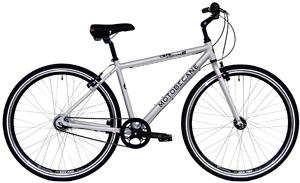
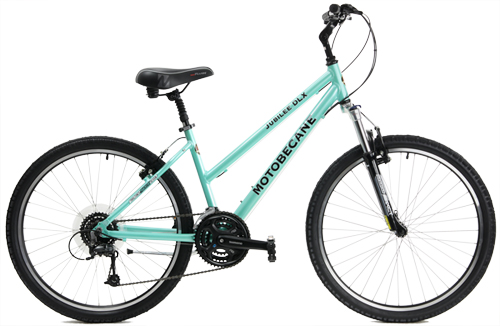
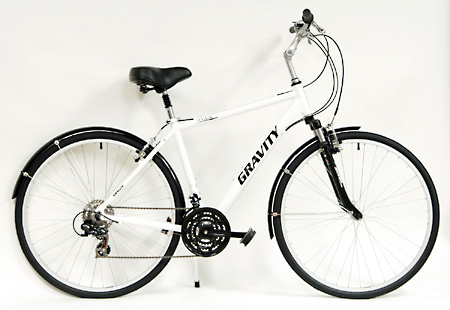
Hybrid bikes are designed as a middle ground between road and mountain bikes, prioritizing upright posture, stability, and efficiency. Bikes such as Motobecane Mulekick Express Comp and many others are ideal for commuters, fitness riders, and casual weekend cyclists.
Comfort Features in Hybrids:
- Geometry: Semi-upright frame keeps the torso at a neutral angle, reducing lumbar and cervical strain.
- Tires: Wider than standard road bikes (typically 32–42mm), offering enhanced shock absorption and smoother rolling on pavement and light trails.
- Contact Points: Flat or riser handlebars maintain natural wrist alignment, and saddles are often wider and cushioned for long-term comfort.
- Handling: Longer wheelbase improves stability at moderate speeds and during stops, making hybrids forgiving for city traffic and recreational paths.
Why They Work for Comfort-First Riders
Hybrids distribute weight effectively, require minimal adjustments for posture, and generally accommodate ergonomic upgrades easily. Riders benefit from longer, fatigue-free commutes or weekend rides without sacrificing versatility.
Explore comfortable hybrid bikes: Hybrid Bikes
2. Beach Cruisers — Relaxed, Upright Riding
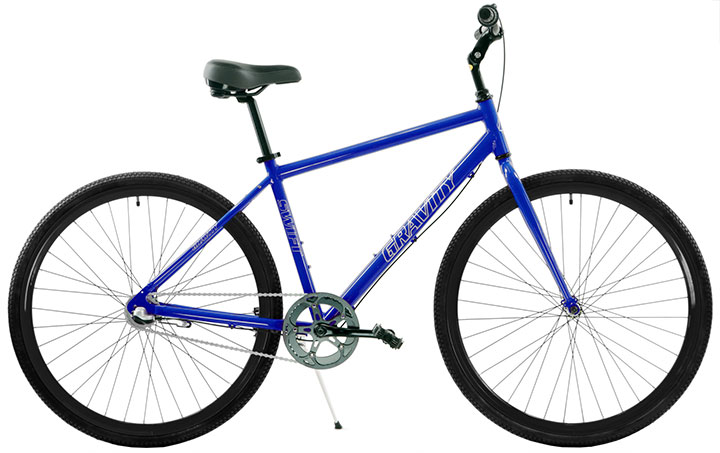
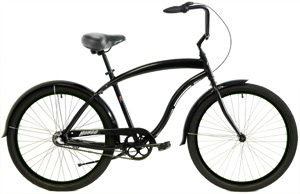
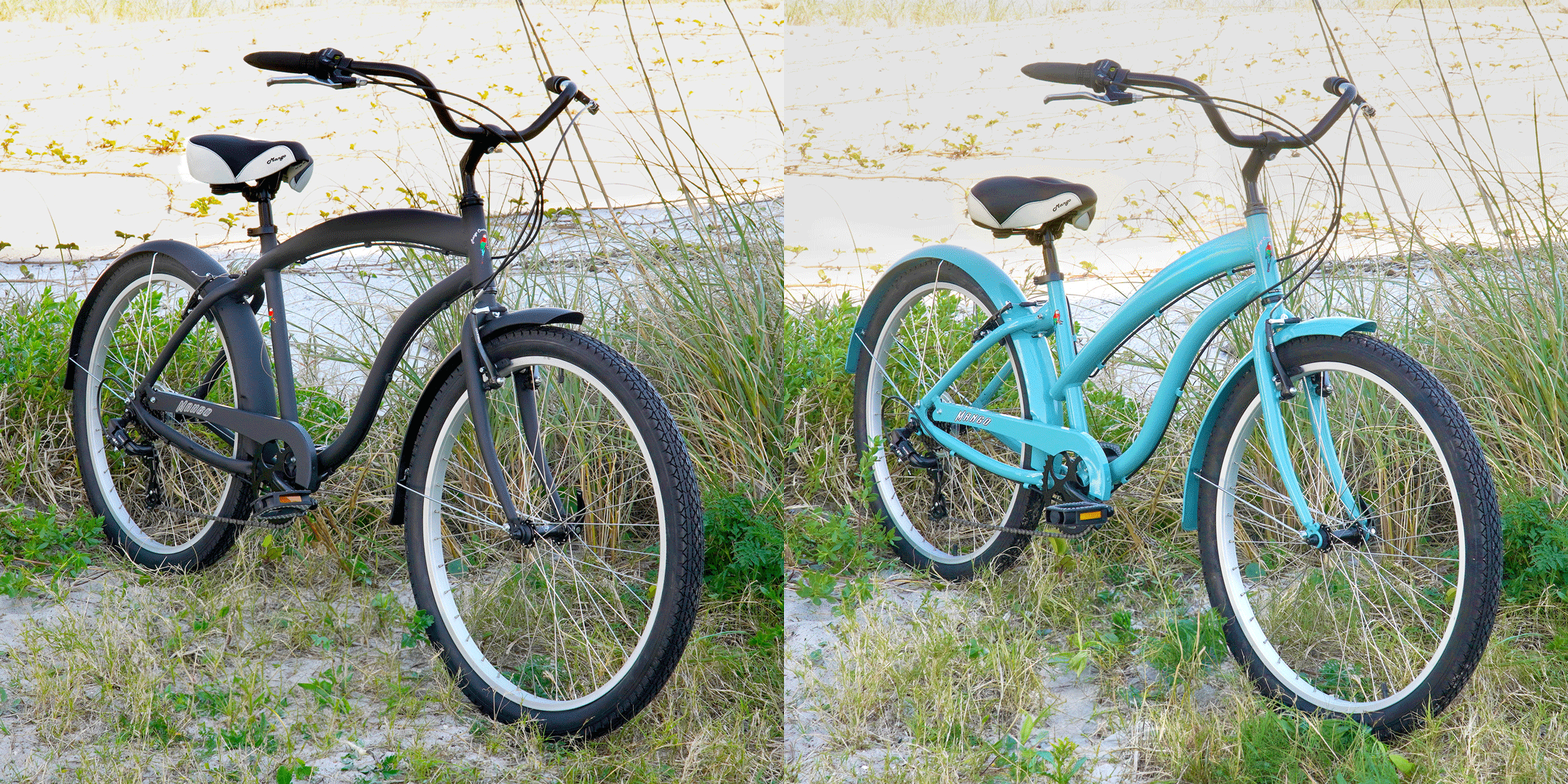
Cruisers are synonymous with leisurely, upright cycling. Bikes like Gravity Snake Eyes Cruiser Bikes prioritize body alignment and smooth ride experience over speed or aggressive efficiency.
Comfort Features in Cruisers
- Geometry: Highly upright seating keeps the spine neutral and shoulders relaxed.
- Tires: Wide, balloon-style tires provide natural suspension over uneven pavement and boardwalks.
- Contact Points: Oversized saddles with additional cushioning absorb vibration; grips are often ergonomic to minimize hand fatigue.
- Handling: Long wheelbase and low center of gravity offer rock-solid stability, allowing effortless, confident turns even at low speeds.
Ideal For:
- Flat urban areas, parks, or beach boardwalks
- Short-to-moderate daily rides
- Riders prioritizing comfort and scenic enjoyment over speed
Discover beach cruiser options: Beach Cruiser Bikes
3. Gravel Bikes — All-Terrain Comfort with Performance Potential
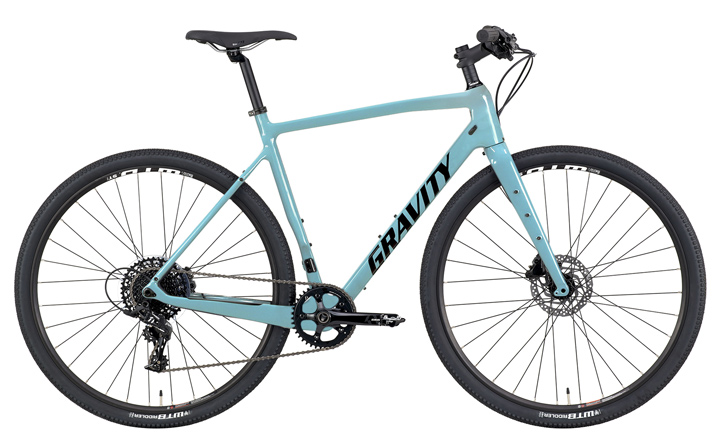
Gravel bikes are designed for mixed surfaces, from pavement to packed dirt or light trail paths. While they retain some efficiency of road bikes, comfort-oriented gravel designs soften aggressive geometry.
Comfort Features in Gravel Bikes
- Geometry: Slightly relaxed frame angles reduce forward lean without sacrificing pedal efficiency.
- Tires: Clearance for wider tires (35–45mm) absorbs micro-vibrations and provides traction on loose surfaces.
- Contact Points: Drop handlebars with flared ends allow multiple hand positions, reducing wrist and shoulder strain on long rides.
- Handling: Longer wheelbase and moderate trail offer stability, while responsive steering still accommodates off-road maneuvers.
Why Gravel Bikes Suit Comfort-First Riders
They combine upright ergonomics with versatility for urban commuting, weekend adventures, or mixed-surface touring. Properly spec’d, they reduce fatigue while enabling longer, more exploratory rides.
4. City/Commuter Bikes — Practical Comfort for Urban Use
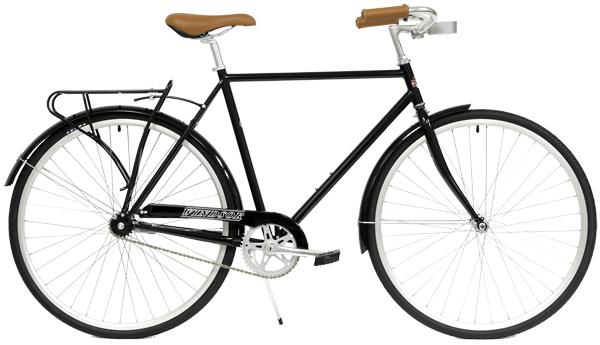
City bikes focus on ease of mounting, upright posture, and low-maintenance reliability, making them excellent choices for commuters and casual urban riders.
Comfort Features in City Bikes:
- Geometry: Short top tube and high head tube allow a natural upright position, minimizing spinal and shoulder stress.
- Tires: Moderate width (32–38mm) balances speed with shock absorption on uneven pavement.
- Contact Points: Wider saddles and flat handlebars keep hands and hips relaxed; adjustable stems allow customization for individual fit.
- Handling: Stable, predictable steering for navigating traffic and frequent stops.
Why City Bikes Work for Comfort
They emphasize ergonomic alignment over performance metrics, ensuring riders arrive at work or errands without hand, back, or hip strain. Combined with fenders, racks, or internal hub gears, city bikes are highly practical for daily use.
How to Fit Your Comfortable Bike — Achieving a Personalized, Pain-Free Ride
Even the most ergonomically designed bike can feel uncomfortable if it isn’t properly fitted to your body. Proper fit ensures that your posture, joint alignment, and weight distribution work in harmony with the bike’s design, preventing fatigue and discomfort on every ride. This section outlines a systematic approach to achieving an optimal fit for comfort-first cycling.
1. Frame Size and Standover Height
Frame sizing is the foundation of comfort. Key considerations include:
- Standover Height: When standing over the bike, there should be approximately 1–2 inches of clearance between your crotch and the top tube for road, hybrid, and gravel bikes. Cruiser bikes may allow slightly more.
- Reach to Handlebars: Your torso should feel neutral and relaxed, not overextended. Excessive forward lean increases strain on wrists, shoulders, and lower back.
- Seat Tube Length: Ensures your knee angles are optimal at the bottom of the pedal stroke, reducing the risk of knee pain or overextension.
Professional fitting tools or charts from the manufacturer can guide you, but test rides remain the gold standard. If your knees feel compressed or you must stretch to reach the bars, the frame size is incorrect.
2. Saddle Height and Fore-Aft Position
The saddle must position your pelvis for effective pedaling without placing undue stress on soft tissue:
- Height: With the pedal at its lowest position, your leg should have a slight bend (~25–35° at the knee). Too high causes hip rocking; too low strains knees.
- Fore-Aft Position: Your knee should align over the pedal spindle when the crank is horizontal. This ensures proper weight transfer and reduces knee and hip stress.
- Tilt: A level saddle or slight nose-down angle prevents pressure on soft tissue without causing slide forward or instability.
Adjusting these parameters allows the sit bones to bear the majority of body weight, freeing hands and arms from excess load.
3. Handlebar Height and Reach
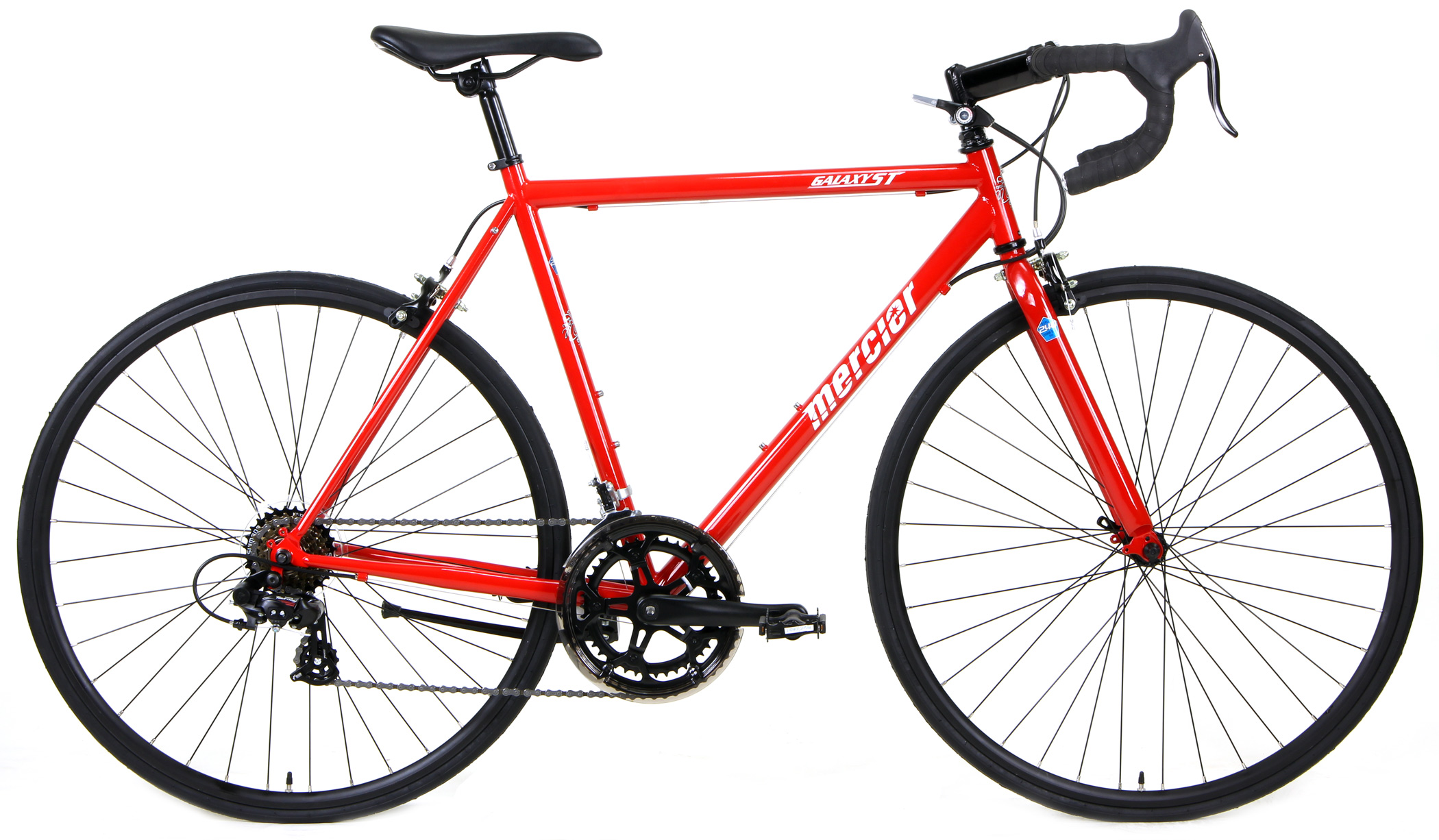
Proper handlebar positioning maintains spinal alignment and reduces wrist tension:
- Height: Ideally, handlebars are level with or slightly above the saddle for comfort-oriented bikes. Lower positions increase forward lean, compressing the lower back and shoulders.
- Reach: Ensure elbows are slightly bent and shoulders are relaxed. A neutral angle avoids overreaching, which can lead to fatigue in arms and upper back.
- Stem Adjustments: Adjustable stems or risers allow fine-tuning without replacing the frame, accommodating variations in torso length and flexibility.
4. Pedal Selection and Foot Alignment
Efficient power transfer with minimal strain depends on the pedal interface:
- Platform Pedals: Broad, stable surfaces prevent foot slippage and distribute pressure evenly.
- Clipless Pedals: Allow precise foot placement and improved pedaling efficiency but require proper cleat alignment to avoid knee or hip stress.
- Foot Angle: Ensure toes are pointing forward and the midfoot aligns over the pedal spindle. Misalignment increases joint strain and fatigue.
Correct pedal setup supports the core-leg chain, allowing smooth, fatigue-free pedaling.
5. Tire Pressure and Width
Tire selection directly impacts comfort by affecting shock absorption and ride stability:
- Wider Tires (≥32mm): Provide better damping over rough surfaces and increase stability, especially for hybrids, city, and gravel bikes.
- Pressure: Use moderate pressure that balances efficiency with vibration absorption. Overinflated tires transmit every road imperfection to your body; underinflated tires reduce control.
Even small adjustments in width and pressure can dramatically improve ride comfort.
6. Testing and Fine-Tuning
A proper fit is iterative. After initial adjustments:
- Test Ride: Start with short rides to assess saddle comfort, wrist and shoulder tension, and core engagement.
- Assess Fatigue Points: Note any areas that feel sore, numb, or unstable.
- Adjust Gradually: Minor adjustments to saddle height, handlebar reach, or stem angle can resolve issues without compromising overall ergonomics.
- Re-Test: Longer rides help confirm comfort under sustained load.
Professional bike fitting is recommended for riders with persistent discomfort or anatomical considerations, but these steps provide a strong baseline for most riders.
Ride Pain-Free with Comfort-First Bikes
Choosing a bike that prioritizes comfort, posture, and stability completely changes the riding experience. When a bike is designed and fitted correctly, every ride becomes effortless, and common complaints like sore backs, numb hands, or hip fatigue are eliminated. Comfort enables longer rides, reduces fatigue, and prevents the aches and strains that so often cut cycling adventures short.
Whether you are commuting through busy streets, exploring gravel paths, or cruising along scenic boardwalks, the right bike keeps your muscles relaxed, your spine neutral, and your hands and hips free from stress. Comfort does not mean sacrificing style, versatility, or performance. When properly chosen, a comfortable bike allows you to ride farther, more often, and with confidence in every mile.
At BikesDirect, riders can find a full range of bicycles designed to provide long-term comfort across a variety of terrains and riding styles. Every bike type is designed with the rider’s long-term comfort in mind. Discovering the right fit allows every ride to feel effortless from start to finish.
Reach out to learn more – Experience the difference that a properly designed, ergonomically fitted bike makes and start your journey toward comfortable, effortless cycling.