Most riders don’t want the lightest race machine. They want a bike that feels good, rides confidently, and doesn’t empty their wallet. The search for the best value comfort bikes isn’t about chasing trends. It’s about finding the balance between smooth ride quality, reliable control, and smart pricing. That balance exists. You just need to know where to look.
What “Best Value” Really Means
Value isn’t about the cheapest option. It’s about return on investment. A bike that costs less but fits poorly or rides harshly is not a bargain. True value combines:
Upright, ergonomic positioning
Stable, predictable handling
Durable components
Fair, direct pricing
Certain categories consistently deliver this formula better than others.
Upright geometry that reduces back and wrist strain
Medium-width tires for cushioning without drag
Flat handlebars for easy steering control
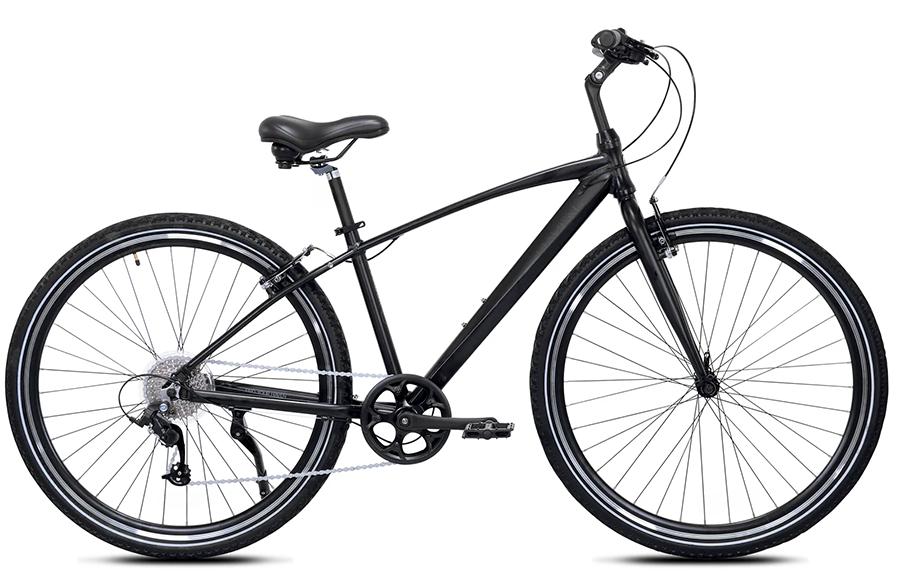
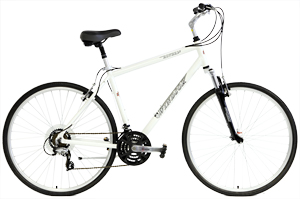
For commuting, fitness riding, and weekend miles, a hybrid bike checks nearly every box. You get smooth pavement performance with enough stability for light gravel paths. Riders who want one bike to do almost everything often land here. Comfort plus versatility equals strong long-term value.
Gravel Capability Without Premium Pricing
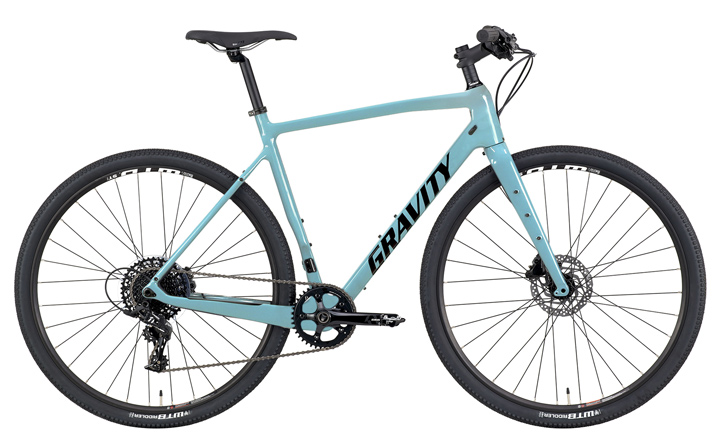
The rise of the gravel bike changed how riders define comfort. Wider tires and stable frames absorb rough pavement and dirt roads better than traditional race setups. A gravel bike typically provides:
Clearance for larger tires
Relaxed geometry compared to aggressive road frames
Disc brakes for confident stopping
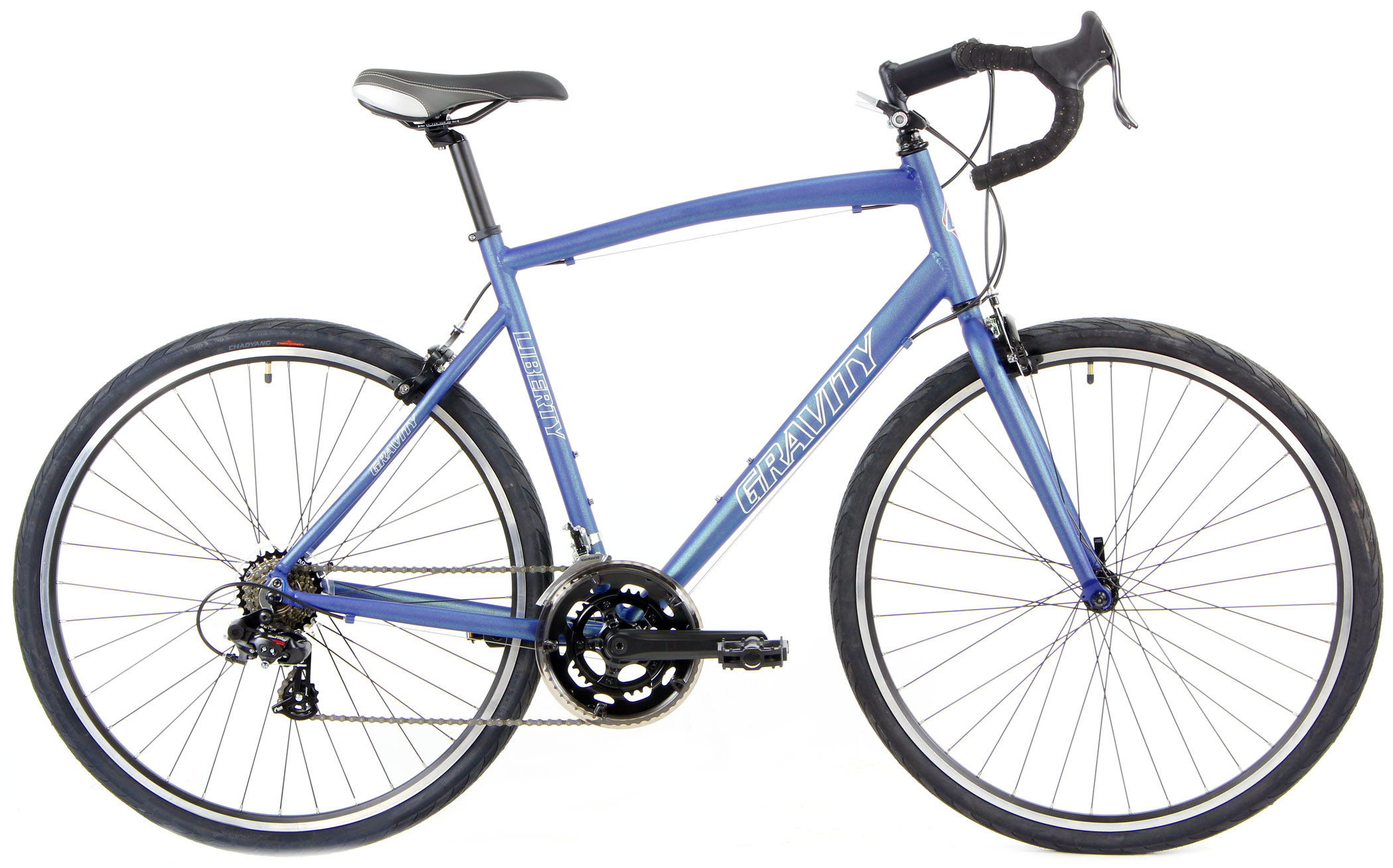
For riders who mix pavement, backroads, and light trails, this category delivers exceptional ride quality per dollar. You gain durability and confidence without entering high-end race pricing. If your routes vary, this is often the sweet spot.
Rethinking the Modern Road Bike
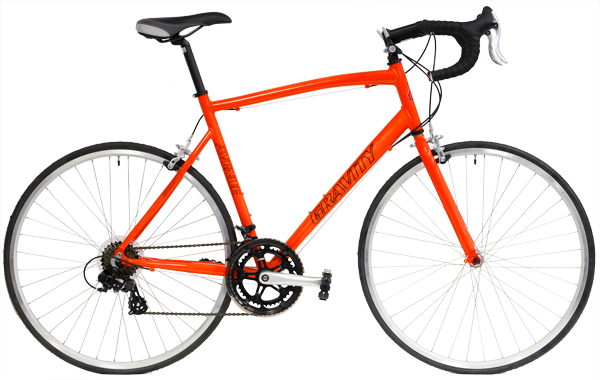
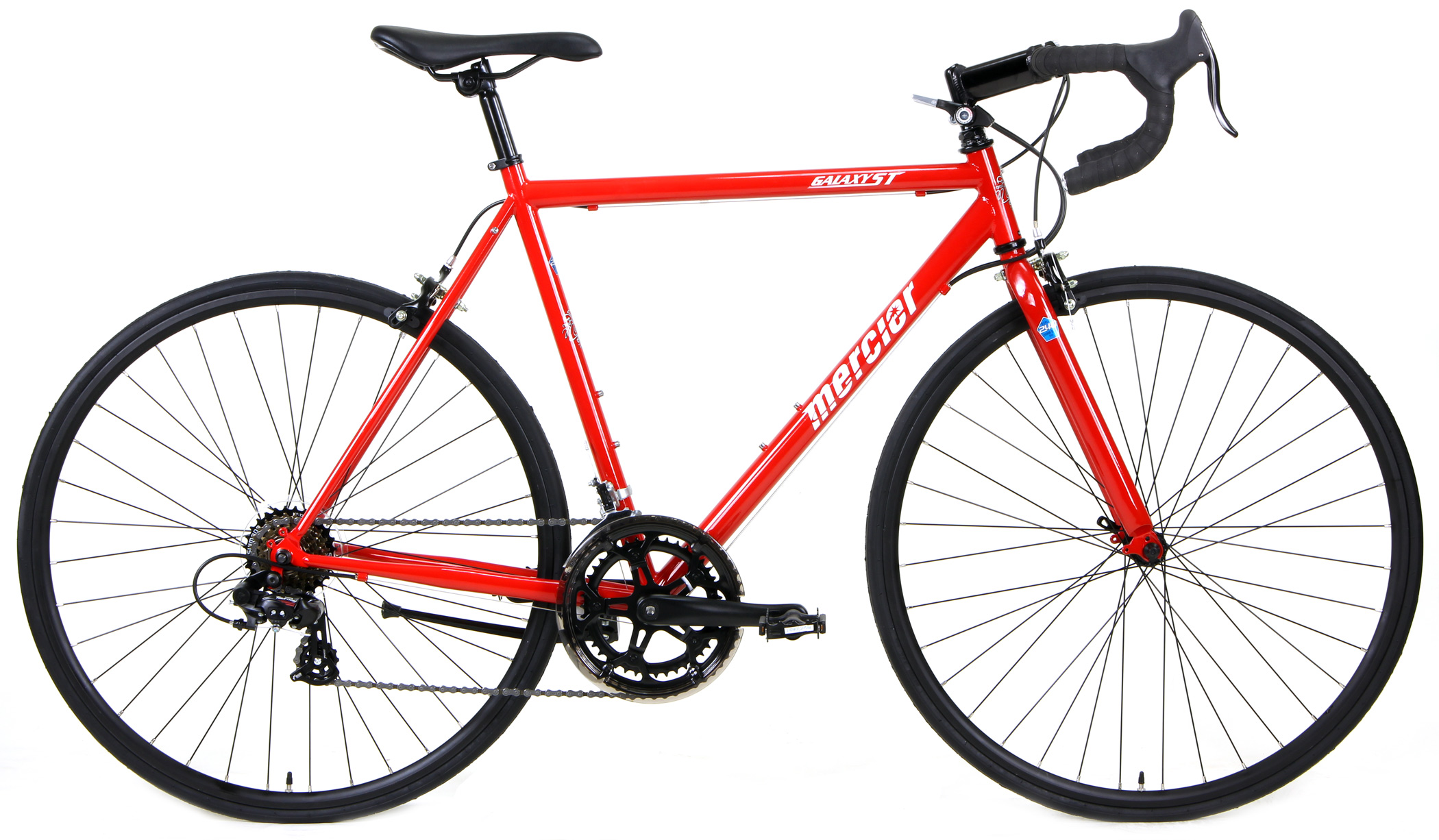
Not all road bikes are aggressive race machines. An endurance-style road bike prioritizes comfort geometry and smoother ride characteristics. Look for:
Slightly taller head tubes
Stable wheelbases
Vibration-reducing frame materials
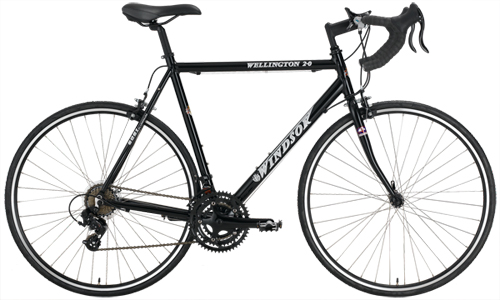
A thoughtfully chosen road bike can feel efficient without being punishing. Riders who prioritize long pavement rides often find surprising comfort when geometry is right. Speed matters. But comfort keeps you riding.
Trail Stability from a Mountain Bike
If your rides include uneven paths, roots, or park trails, a mountain bike delivers unmatched control. Modern hardtails provide front suspension and wide tires that absorb impact. A quality mountain bike gives riders:
Increased traction
Upright control
Strong braking performance
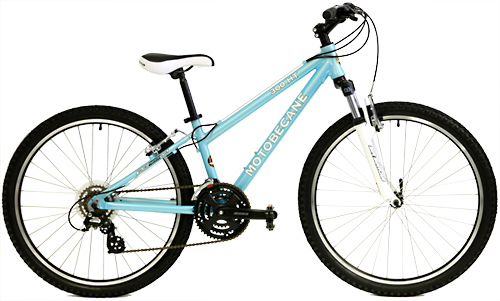
Even when used on rough pavement, the added tire volume improves comfort. For riders prioritizing stability over pure speed, this category delivers serious value.
The Relaxed Appeal of a Beach Cruiser
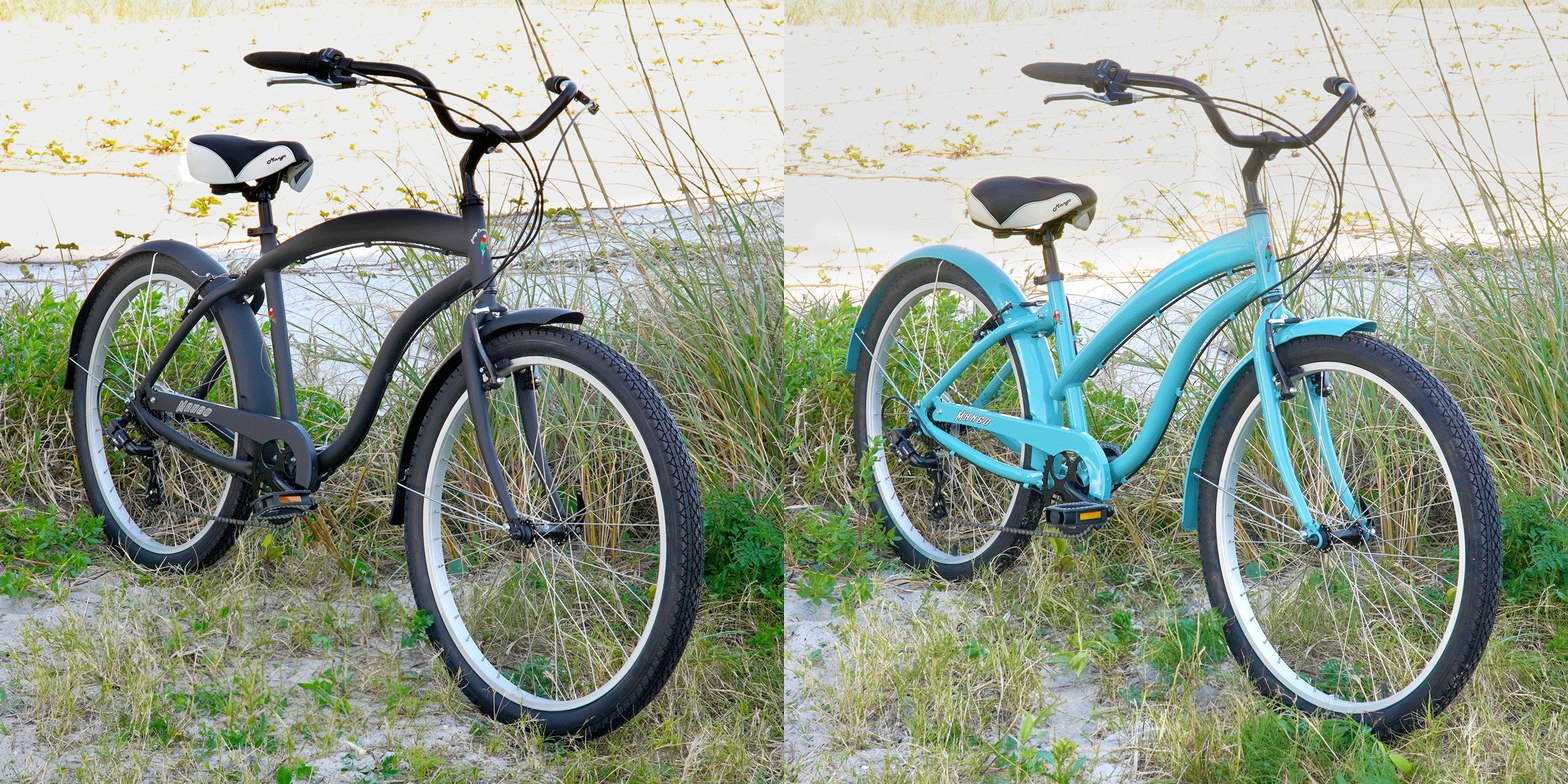
Sometimes value means simplicity. A beach cruiser strips cycling down to comfort and ease. With wide saddles, upright handlebars, and forgiving tires, a beach cruiser excels at short, casual rides. There are no aggressive angles. No complex components. Just smooth, relaxed motion. For neighborhood spins or boardwalk cruising, it’s hard to beat that experience per dollar spent.
Extreme Comfort from a Fat Bike
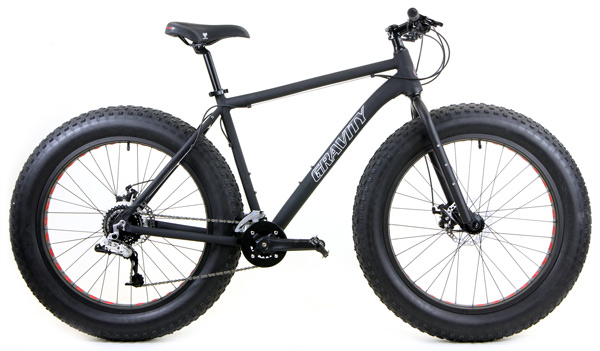
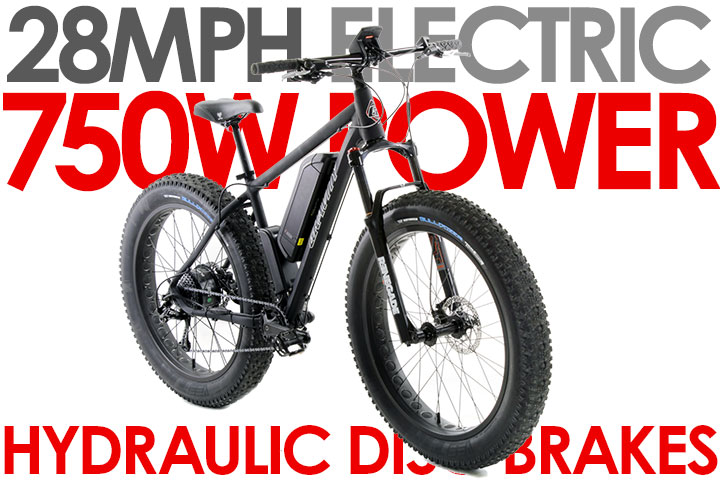
If comfort means absorbing everything beneath you, consider a fat bike. Oversized tires run at low pressure create natural suspension. A fat bike floats over sand, snow, and broken terrain. It’s not about speed. It’s about traction and shock absorption. For specific environments, the comfort-to-price ratio can be outstanding.
Smart Price Comparison Leads to Better Decisions
Value-focused buyers perform careful price comparison before committing. But comparing numbers alone misses the bigger picture. Effective price comparison evaluates:
Component quality
Frame design
Intended use
Long-term durability
Direct-to-consumer pricing helps eliminate traditional retail markups. That structure allows riders to access better specifications at lower price tiers. When comfort and build quality align with fair pricing, you’ve found the sweet spot.
How to Identify Your Comfort Category
Before buying, ask:
Where will I ride most?
Do I value speed, stability, or versatility?
How upright do I want to sit?
Do I need tire clearance for rough terrain?
Answering these questions narrows your options quickly.
A commuter often thrives on a hybrid.
A mixed-surface explorer benefits from gravel geometry.
A casual rider prefers cruiser simplicity.
A trail user demands mountain stability.
Clarity creates confidence.
Why Practical Value Beats Flashy Specs
High-end components look impressive on paper. But everyday riders rarely need pro-level drivetrains. Comfort geometry, dependable braking, and durable wheels matter more than marginal weight savings. Riders who focus on feel rather than marketing often enjoy better long-term satisfaction. The goal is simple: ride more often. Ride longer. Ride comfortably.
The Sweet Spot Is Personal
There is no universal best bike. There is only the best bike for how you ride. When comfort meets control and fair pricing, confidence follows. And confident riders stay consistent. That’s the real definition of value.
Find Your Sweet Spot at BikesDirect.com
The right bike should feel balanced from day one. Explore options that match your riding style without inflating your budget.
At BikesDirect.com, you’ll find thoughtfully engineered aluminum options across every major category. Compare specifications confidently, review assembly guidance in the FAQ, and reach out directly through the Contact page for expert support.
Ready to ride lighter? Browse the full collections:
If it has been years since your last ride, the first push-off can feel strange. That is normal. Balance returns quickly, but confidence comes faster when the bike feels stable, comfortable, and easy to control.
Choosing the best bike to start cycling again is less about speed and more about comfort, fit, and predictable handling. The goal is a first ride that feels welcoming, not intimidating. Many returning riders do well starting with a relaxed geometry and everyday features from ourhybrid bike range, especially if they plan to ride roads, paths, and neighborhood streets.
Stop-and-go riding is where nervousness shows up first. A bike that feels stable at low speeds helps you relax. Step-through or low-step frames can also reduce awkward moments at intersections because getting on and off is simpler.
Tires that forgive imperfect roads
Wider tires cushion bumps and reduce the skittish feel you might remember from narrow tires. For a comeback bike, comfort is not luxury. Comfort is confidence.
Braking that feels predictable
You want brakes that feel smooth and steady, not grabby. A consistent braking feel helps you focus on riding instead of worrying about stopping.
Comfort features that matter in real life
It is easy to get distracted by components, but the most important comfort factors are simple.
Tire volume and pressure matter more than many new riders expect. A slightly wider tire at a sensible pressure can make a rough street feel dramatically calmer.
Saddle comfort matters, but it is not only padding. Saddle shape, position, and how the bike fits your hips are bigger factors than a thick cushion. A comfortable saddle should support you without forcing you to shift around constantly.
Touch points matter too. Grips that feel secure, bars that match your reach, and a stable stem setup make the whole bike feel composed.
If you are picking the best bike to start cycling again, prioritize comfort and stability first. You can always chase performance later.
Gearing that encourages you instead of overwhelming you
Returning riders often benefit from gearing that is simple to understand. You want a system that helps you manage small hills without thinking too hard.
If your rides are mostly flat, a simpler setup can be a relief. If you expect hills, you still do not need a confusing drivetrain. You need a range that supports your routes, with shifting that feels intuitive.
For some riders, the relaxed pace and simplicity of a beach cruiser can be exactly right, especially for neighborhood rides and paved paths. For others, a comfort hybrid with practical gearing is the sweet spot.
A short plan to rebuild confidence
Start with rides that are so easy they feel almost too short. Ten to fifteen minutes is enough at first. Choose a calm loop where you can stop whenever you want.
On the second week, add time, not intensity. Extend to twenty minutes, then thirty. Your body will adapt quickly, and your comfort will grow faster when you keep early rides pleasant.
If something feels off, adjust fit before you assume you need a different bike. A small saddle height change can transform the ride.
Three friendly picks to get you rolling again
Here are three options that fit what many returning riders ask for:
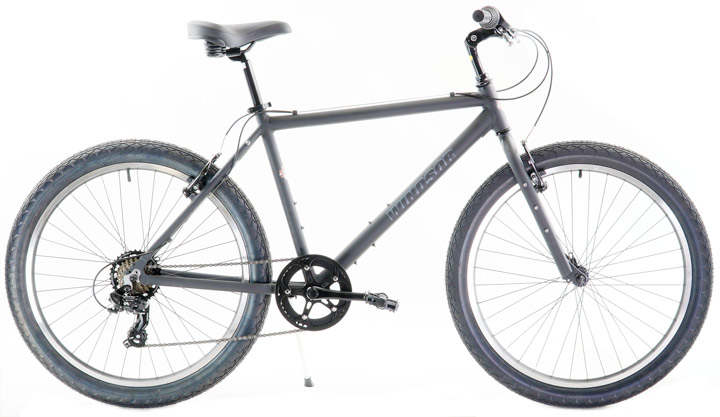
The Windsor Dover X7 is a confidence-builder with a comfort-focused approach that suits riders who want stability right away.
The Windsor Rover 2 is a practical choice for easy cruising on streets and paths when you want a calm, everyday ride.
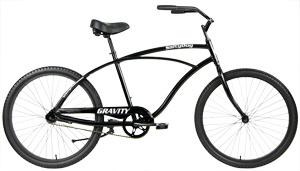
The Gravity Salty Dog is a relaxed option for riders who want a simple, comfortable style that feels approachable.
Make the comeback feel easy
The best return-to-cycling story is the one where you finish the ride thinking, I can do that again tomorrow. The best bike to start cycling again is the one that removes barriers, not the one that tries to impress you on paper. Comfort, stability, and ease are what get you riding consistently.
We design our selection around real riders and real routes, so you can find a bike that makes the first ride back feel natural. If you tell us where you plan to ride and what you want to feel on the bike, we can help you choose the best bike to start cycling again without overthinking it.
They assume sore wrists mean they need stronger arms. They think back pain means they need better core strength. They blame tight hips, aging joints, or “being out of shape.”
But here’s the uncomfortable truth:
In most cases, it’s not your fitness level. It’s the bike.
Modern bike marketing has conditioned riders to focus on speed, weight, and brand prestige. Lightweight frames. Race-inspired geometry. Performance components. Aero design.
Yet the majority of people riding today aren’t training for a podium finish. They’re commuting to work. Riding on weekends. Exploring local paths. Trying to stay active. Reducing stress.
And those goals require something entirely different.
This guide flips that script. Instead of chasing numbers on a spec sheet, we’ll put comfort first: posture, stability, and long-term rideability. You’ll learn how to spot the design choices that cause pain, which features actually make a bike feel good, and how to choose a hybrid, cruiser, gravel, or city bike that stays comfortable for years — not just for the first test ride.
“Comfortable bikes” isn’t code for slow or casual. Comfort is the foundation that lets you ride farther, more often, and without compensating with tense muscles. A properly designed, well-fitted bike transmits power efficiently while keeping your spine, shoulders, hands, and hips relaxed. That means less fatigue, fewer injuries, and more time enjoying the ride instead of thinking about it.
The Real Reason Your Bike Feels Uncomfortable
Discomfort on a bicycle is rarely a matter of rider fitness. In fact, the majority of common complaints—numb hands, lower back stiffness, hip soreness, or knee pain—can be traced to mismatched geometry, improper contact points, and inefficient load distribution.
In short, the design of your bike dictates how your body interacts with it over time. Recognizing these factors is essential for identifying truly comfortable bikes.
1. Frame Geometry and Postural Demands
The frame’s geometry establishes how your torso, arms, and legs are positioned relative to the bike. Performance-oriented or race-derived geometries often prioritize aerodynamics over ergonomics, resulting in:
Aggressive forward lean
Extended reach to handlebars
Elevated saddle-to-handlebar drop
These factors shift excessive weight onto the wrists and shoulders while increasing lumbar compression and cervical strain. For riders prioritizing comfort, neutral or semi-upright geometries are preferred, as they maintain spinal alignment, reduce hand loading, and promote long-term endurance.
Optimal comfort requires that approximately 85–90% of body weight be supported through the sit bones and feet, leaving the hands primarily responsible for steering and balance. When a bike’s geometry or handlebar setup positions too much weight forward, it results in:
Palmar numbness and tingling
Elbow hyperextension fatigue
Shoulder tension and micro-strain
Comfort-oriented bikes integrate design cues—higher head tubes, shorter top tubes, and relaxed stem angles—that maintain a balanced center of gravity, significantly reducing upper-body stress.
3. Contact Points: Saddles, Grips, and Pedals
The interface between rider and bike is where comfort is most immediately perceptible:
Saddle Considerations:
Sit-bone width compatibility is critical; generic saddles often cause pressure hotspots and soft tissue compression.
Padding density must balance shock absorption with stability; overly soft saddles allow excessive lateral movement, generating friction and discomfort.
Handlebar and Grip Design:
Ergonomically contoured grips reduce ulnar and median nerve compression.
Correct bar diameter and flare distribute pressure evenly, minimizing hand fatigue over long rides.
Pedal Interface:
Pedals should maintain a neutral foot angle relative to the knee and hip to prevent anterior knee stress.
Platform or clipless pedals with adequate support enhance power transmission while reducing compensatory tension in the lower extremities.
4. Vibration Transmission and Shock Mitigation
High-frequency vibration, transmitted through rigid frames and narrow tires, is a primary contributor to cumulative discomfort. Over time, this “road buzz” can lead to:
Lumbar microstrain
Shoulder and wrist fatigue
Reduced proprioceptive stability
Comfort-first designs mitigate this via:
Wider, lower-pressure tires
Compliance-enhanced frame materials (e.g., carbon layup flex or engineered aluminum)
Suspension components when appropriate (seatpost or fork damping)
Even modest reductions in vibration significantly improve endurance and perceived comfort.
5. Dynamic Stability and Handling Characteristics
A bike that feels unstable forces constant micro-adjustments from the rider’s core and upper body. This instability leads to muscular fatigue and reduces confidence in both urban and trail environments. Key markers of comfort include:
Predictable, stable steering response
Controlled trail and wheelbase geometry
Smooth weight transitions through turns
Stability allows the rider to focus on pedaling efficiency rather than compensating for handling quirks, which is critical for long-term comfort.
6. Proper Sizing and Fit
Even the most ergonomically designed bike becomes uncomfortable if it doesn’t match the rider’s anthropometry. Signs of an incorrect frame size include:
Knees striking handlebars or frame
Excessive forward lean to reach grips
Difficulty controlling the bike during acceleration or braking
A professional fit—considering inseam, torso length, arm reach, and flexibility—ensures that the geometry and contact points function as intended.
The Cumulative Effect of Design Mismatches
Unlike acute injuries, discomfort from poor bike design is cumulative. Initial rides may feel acceptable, but microstrain accumulates over days and weeks, manifesting as chronic soreness or fatigue. Proper ergonomic design addresses these stressors from the outset, ensuring neutral alignment, efficient load distribution, and minimal compensatory tension.
The Four Core Pillars of Truly Comfortable Bikes
Selecting a bike that feels effortless and pain-free isn’t about brand prestige or frame weight—it’s about design, ergonomics, and ride dynamics. Across all categories—hybrid, gravel, city, or cruiser—truly comfortable bikes share four critical pillars.
Pillar 1: Ergonomic Geometry for Natural Posture
The frame’s geometry dictates your posture, spinal alignment, and weight distribution—making it the single most important factor for comfort. Key considerations include:
Upright or Semi-Upright Riding Position: Keeps the spine neutral, reduces lumbar compression, and limits cervical strain. Ideal torso angles generally fall between 50°–70° relative to the horizontal.
Short Top Tube and Higher Head Tube: Minimizes forward reach, reducing shoulder and wrist load.
Balanced Center of Gravity: Ensures ~85% of body weight rests on the sit bones and feet rather than the hands.
Bikes that integrate these design cues allow long rides without fatigue, letting the rider focus on cadence and terrain instead of compensating for structural stress.
Pillar 2: Optimized Contact Points
Where your body interfaces with the bike—saddle, handlebars, grips, and pedals—determines how long you can ride comfortably. Precision here is non-negotiable.
Bar flare and diameter distribute pressure evenly across palms
Adjustable stems allow fine-tuning of reach and height
Pedal Interface:
Neutral foot alignment relative to knees and hips reduces strain
Platform or clipless pedals with stable surfaces improve efficiency and reduce compensatory fatigue
Pillar 3: Smooth Ride Dynamics
Comfortable bikes minimize vibration and absorb terrain irregularities, preventing cumulative fatigue over long rides. Features that enhance ride dynamics include:
Tire Width and Pressure: Wider tires (≥32mm) with appropriate pressure absorb bumps and provide stability without sacrificing rolling efficiency.
Frame Compliance: Materials engineered for slight flex—modern aluminum alloys, carbon fiber layups—dampen road buzz without compromising pedaling efficiency.
Suspension Elements (Optional): Seatpost or front fork damping is highly effective on mixed surfaces or urban roads with cracks and potholes.
The goal is to transmit only the intended power to the drivetrain while insulating the rider from micro-vibrations that lead to long-term discomfort.
Pillar 4: Stability and Handling
Even minor instability forces micro-corrections that fatigue muscles and compromise rider confidence. Comfort-focused bikes achieve stability through:
Optimized Wheelbase and Trail: Balanced steering geometry ensures predictable handling and reduces upper-body tension.
Weight Distribution: Maintains center of mass over the bike to reduce wobble at low speeds and increase control on turns.
Responsive Yet Forgiving Design: Allows subtle steering corrections without transmitting shock to the rider.
A stable, predictable bike allows riders to maintain proper posture and alignment without constant muscle engagement, which is essential for long-term comfort.
Comfort by Bike Type — Choosing the Right Fit for Your Riding Style
Comfort doesn’t manifest the same way across every bike category. Geometry, tire choice, and design priorities vary depending on whether you’re commuting, cruising, or exploring gravel trails. Understanding how each type addresses the four pillars of comfort—ergonomic geometry, optimized contact points, smooth ride dynamics, and stability—helps you make a confident, pain-free choice.
1. Hybrid Bikes — Versatile Comfort for Daily Riding
Hybrid bikes are designed as a middle ground between road and mountain bikes, prioritizing upright posture, stability, and efficiency. Bikes such as Motobecane Mulekick Express Comp and many others are ideal for commuters, fitness riders, and casual weekend cyclists.
Comfort Features in Hybrids:
Geometry: Semi-upright frame keeps the torso at a neutral angle, reducing lumbar and cervical strain.
Tires: Wider than standard road bikes (typically 32–42mm), offering enhanced shock absorption and smoother rolling on pavement and light trails.
Contact Points: Flat or riser handlebars maintain natural wrist alignment, and saddles are often wider and cushioned for long-term comfort.
Handling: Longer wheelbase improves stability at moderate speeds and during stops, making hybrids forgiving for city traffic and recreational paths.
Why They Work for Comfort-First Riders Hybrids distribute weight effectively, require minimal adjustments for posture, and generally accommodate ergonomic upgrades easily. Riders benefit from longer, fatigue-free commutes or weekend rides without sacrificing versatility.
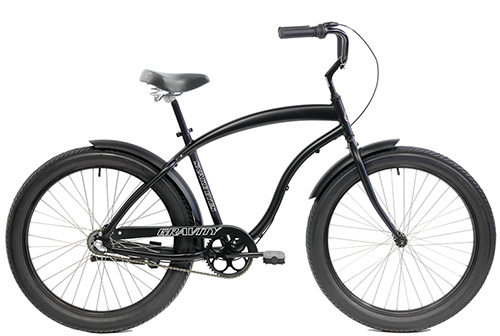
Cruisers are synonymous with leisurely, upright cycling. Bikes like Gravity Snake Eyes Cruiser Bikes prioritize body alignment and smooth ride experience over speed or aggressive efficiency.
Comfort Features in Cruisers
Geometry: Highly upright seating keeps the spine neutral and shoulders relaxed.
Tires: Wide, balloon-style tires provide natural suspension over uneven pavement and boardwalks.
Contact Points: Oversized saddles with additional cushioning absorb vibration; grips are often ergonomic to minimize hand fatigue.
Handling: Long wheelbase and low center of gravity offer rock-solid stability, allowing effortless, confident turns even at low speeds.
Ideal For:
Flat urban areas, parks, or beach boardwalks
Short-to-moderate daily rides
Riders prioritizing comfort and scenic enjoyment over speed
3. Gravel Bikes — All-Terrain Comfort with Performance Potential
Gravel bikes are designed for mixed surfaces, from pavement to packed dirt or light trail paths. While they retain some efficiency of road bikes, comfort-oriented gravel designs soften aggressive geometry.
Tires: Clearance for wider tires (35–45mm) absorbs micro-vibrations and provides traction on loose surfaces.
Contact Points: Drop handlebars with flared ends allow multiple hand positions, reducing wrist and shoulder strain on long rides.
Handling: Longer wheelbase and moderate trail offer stability, while responsive steering still accommodates off-road maneuvers.
Why Gravel Bikes Suit Comfort-First Riders They combine upright ergonomics with versatility for urban commuting, weekend adventures, or mixed-surface touring. Properly spec’d, they reduce fatigue while enabling longer, more exploratory rides.
4. City/Commuter Bikes — Practical Comfort for Urban Use
City bikes focus on ease of mounting, upright posture, and low-maintenance reliability, making them excellent choices for commuters and casual urban riders.
Comfort Features in City Bikes:
Geometry: Short top tube and high head tube allow a natural upright position, minimizing spinal and shoulder stress.
Tires: Moderate width (32–38mm) balances speed with shock absorption on uneven pavement.
Contact Points: Wider saddles and flat handlebars keep hands and hips relaxed; adjustable stems allow customization for individual fit.
Handling: Stable, predictable steering for navigating traffic and frequent stops.
Why City Bikes Work for Comfort They emphasize ergonomic alignment over performance metrics, ensuring riders arrive at work or errands without hand, back, or hip strain. Combined with fenders, racks, or internal hub gears, city bikes are highly practical for daily use.
How to Fit Your Comfortable Bike — Achieving a Personalized, Pain-Free Ride
Even the most ergonomically designed bike can feel uncomfortable if it isn’t properly fitted to your body. Proper fit ensures that your posture, joint alignment, and weight distribution work in harmony with the bike’s design, preventing fatigue and discomfort on every ride. This section outlines a systematic approach to achieving an optimal fit for comfort-first cycling.
1. Frame Size and Standover Height
Frame sizing is the foundation of comfort. Key considerations include:
Standover Height: When standing over the bike, there should be approximately 1–2 inches of clearance between your crotch and the top tube for road, hybrid, and gravel bikes. Cruiser bikes may allow slightly more.
Reach to Handlebars: Your torso should feel neutral and relaxed, not overextended. Excessive forward lean increases strain on wrists, shoulders, and lower back.
Seat Tube Length: Ensures your knee angles are optimal at the bottom of the pedal stroke, reducing the risk of knee pain or overextension.
Professional fitting tools or charts from the manufacturer can guide you, but test rides remain the gold standard. If your knees feel compressed or you must stretch to reach the bars, the frame size is incorrect.
2. Saddle Height and Fore-Aft Position
The saddle must position your pelvis for effective pedaling without placing undue stress on soft tissue:
Height: With the pedal at its lowest position, your leg should have a slight bend (~25–35° at the knee). Too high causes hip rocking; too low strains knees.
Fore-Aft Position: Your knee should align over the pedal spindle when the crank is horizontal. This ensures proper weight transfer and reduces knee and hip stress.
Tilt: A level saddle or slight nose-down angle prevents pressure on soft tissue without causing slide forward or instability.
Adjusting these parameters allows the sit bones to bear the majority of body weight, freeing hands and arms from excess load.
3. Handlebar Height and Reach
Proper handlebar positioning maintains spinal alignment and reduces wrist tension:
Height: Ideally, handlebars are level with or slightly above the saddle for comfort-oriented bikes. Lower positions increase forward lean, compressing the lower back and shoulders.
Reach: Ensure elbows are slightly bent and shoulders are relaxed. A neutral angle avoids overreaching, which can lead to fatigue in arms and upper back.
Stem Adjustments: Adjustable stems or risers allow fine-tuning without replacing the frame, accommodating variations in torso length and flexibility.
4. Pedal Selection and Foot Alignment
Efficient power transfer with minimal strain depends on the pedal interface:
Tire selection directly impacts comfort by affecting shock absorption and ride stability:
Wider Tires (≥32mm): Provide better damping over rough surfaces and increase stability, especially for hybrids, city, and gravel bikes.
Pressure: Use moderate pressure that balances efficiency with vibration absorption. Overinflated tires transmit every road imperfection to your body; underinflated tires reduce control.
Even small adjustments in width and pressure can dramatically improve ride comfort.
6. Testing and Fine-Tuning
A proper fit is iterative. After initial adjustments:
Test Ride: Start with short rides to assess saddle comfort, wrist and shoulder tension, and core engagement.
Assess Fatigue Points: Note any areas that feel sore, numb, or unstable.
Adjust Gradually: Minor adjustments to saddle height, handlebar reach, or stem angle can resolve issues without compromising overall ergonomics.
Re-Test: Longer rides help confirm comfort under sustained load.
Professional bike fitting is recommended for riders with persistent discomfort or anatomical considerations, but these steps provide a strong baseline for most riders.
Ride Pain-Free with Comfort-First Bikes
Choosing a bike that prioritizes comfort, posture, and stability completely changes the riding experience. When a bike is designed and fitted correctly, every ride becomes effortless, and common complaints like sore backs, numb hands, or hip fatigue are eliminated. Comfort enables longer rides, reduces fatigue, and prevents the aches and strains that so often cut cycling adventures short.
Whether you are commuting through busy streets, exploring gravel paths, or cruising along scenic boardwalks, the right bike keeps your muscles relaxed, your spine neutral, and your hands and hips free from stress. Comfort does not mean sacrificing style, versatility, or performance. When properly chosen, a comfortable bike allows you to ride farther, more often, and with confidence in every mile.
At BikesDirect, riders can find a full range of bicycles designed to provide long-term comfort across a variety of terrains and riding styles. Every bike type is designed with the rider’s long-term comfort in mind. Discovering the right fit allows every ride to feel effortless from start to finish.
Reach out to learn more – Experience the difference that a properly designed, ergonomically fitted bike makes and start your journey toward comfortable, effortless cycling.