
Ask any rider what their training routine looks like, and you’ll likely hear about long climbs, intervals, or weekend centuries. What often goes unmentioned? Rest. Many cyclists—whether they’re pushing their limits on a road bike or tackling trails on a mountain bike—fall into the trap of thinking progress comes only from piling on more miles. In reality, your body grows stronger not during the ride itself but in the hours and days after, when recovery kicks in.
The Science Behind Recovery
At its core, training is controlled stress. Each ride creates micro-tears in your muscles and taxes your cardiovascular system. Without recovery, those systems can’t repair or adapt. That’s why ignoring rest days often leads to fatigue, poor performance, and even overtraining syndrome.
Research consistently shows that cycling recovery tips—like proper sleep, nutrition, and active recovery rides—are as important as structured workouts. Sleep in particular triggers the release of growth hormones that rebuild muscle. Meanwhile, glycogen stores need time and fuel to replenish. When you skip this stage, you’re essentially riding on an empty tank.
Active vs. Passive Recovery
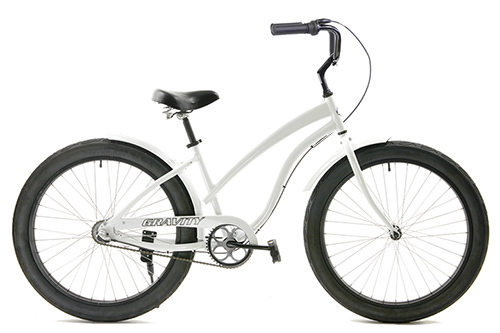
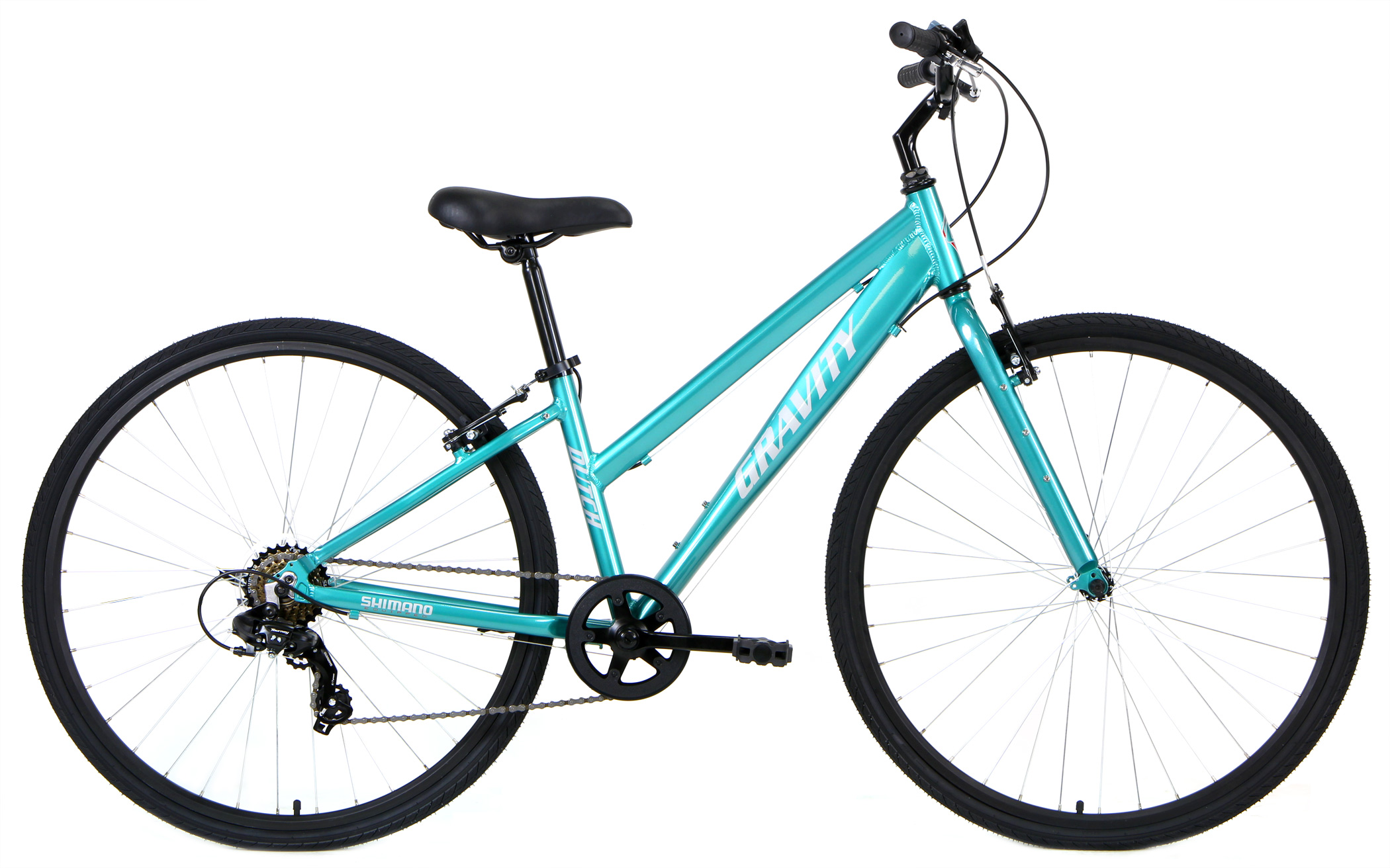
Recovery doesn’t always mean lounging on the couch, though sometimes that’s exactly what your body needs. Passive recovery is total rest—no rides, no gym, just letting your system recharge. Active recovery, on the other hand, involves light activity, such as a 30-minute spin on a hybrid bike or an easy cruise on a beach cruiser. These low-intensity sessions boost circulation, helping deliver nutrients to muscles and flush out waste products.
A common rule of thumb: after a high-intensity ride, follow with an active recovery day, then a full rest day if needed. The key is listening to your body. If your legs feel heavy, your heart rate spikes unusually high on easy rides, or motivation is low, it’s time to prioritize rest.
Nutrition: Fuel for Repair
Another overlooked aspect of recovery is nutrition. What you eat in the hours after a ride can determine how quickly you bounce back. Aim for a mix of carbohydrates to restore glycogen and protein to rebuild muscle. Hydration is just as vital. Even mild dehydration can slow down recovery significantly.
Think of your body like a finely tuned machine. You wouldn’t neglect oiling the chain of your gravel bike before a long ride. Similarly, skipping recovery nutrition leaves your “engine” less efficient for the next outing.
The Role of Equipment in Recovery
Believe it or not, your gear also plays a role in how well you recover. For example, tire choice affects fatigue. Wider tires on a fat bike or gravel setup can reduce road vibration, sparing your joints on long rides. Properly fitted saddles, ergonomic handlebars, and quality pedals reduce strain, making it easier for your body to rebound.
Even something as simple as switching to clipless pedals on a road bike can distribute power more evenly, minimizing hotspots that take longer to recover from. When your equipment supports efficiency, recovery starts the moment you pedal.
Mental Recovery: The Overlooked Element
Physical rest is only half the equation. Cycling is mentally demanding, too. Structured training blocks, data tracking, and performance goals can weigh heavily on riders. Taking intentional mental recovery days helps prevent burnout.
This might look like leaving the power meter at home for a relaxed spin along the coast on a beach cruiser, or joining a social ride with no pace goals. These shifts remind us why we started cycling in the first place: joy, freedom, and connection.
Recovery Techniques That Work
Experienced riders often swear by small but powerful recovery habits. Foam rolling eases tight muscles, compression gear supports circulation, and stretching maintains mobility. Cold showers or contrast baths can reduce inflammation, while yoga adds flexibility. None of these replaces the need for rest, but together they accelerate it.
Another tried-and-true method? Sleep. While training apps and gadgets provide endless data, the simplest of all cycling recovery tips remains consistent: high-quality rest. Aim for seven to nine hours of sleep, with consistency being the real game changer.
Rest Days Don’t Mean Regression
Many cyclists fear that taking a day off will undo their progress. The opposite is true. When done strategically, recovery is the bridge between where you are and where you want to be.
Imagine training for a long off-road event. If you’re hammering daily sessions on a mountain bike, fatigue eventually builds faster than fitness. Incorporating recovery rides or off days allows adaptations to catch up, meaning you arrive at the start line strong, not burned out.
In fact, most training plans for endurance events—whether it’s a 100-mile road race or a gravel grinder—intentionally schedule rest. Elite cyclists don’t consider rest optional, and neither should everyday riders.
Conclusion: Rest as Part of the Ride
Cycling culture often glorifies the grind, celebrating riders who log endless hours. But true progress happens in the balance between effort and recovery. Whether you’re training on a road bike, exploring gravel trails, or cruising along the beach, your performance tomorrow depends on how well you rest today.
So embrace recovery not as an interruption to training but as an essential part of it. Prioritize sleep, fuel wisely, and don’t hesitate to take a full day off when needed. You’ll return stronger, fresher, and ready to enjoy the ride.
Ready to take your cycling further with smarter training and recovery? Find the perfect ride for your next adventure at Bikesdirect.com—whether it’s a road, gravel, mountain, or cruiser bike, we’ve got the bike that fits your journey.
Choosing between tubeless and traditional (tubed) tires is one of those classic cycling debates that never seems to settle. Some riders swear by the sealing magic of tubeless, others by the simplicity and reliability of tubes. But the real question is: which setup makes sense for you? That depends on your terrain, riding frequency, comfort threshold, and how much tinkering you’re willing to do.
In this post, we’ll take you through the nitty-gritty: puncture resistance, weight, ride quality, and practical trade-offs so you can make a choice that feels right for your riding style. And yes—we looked far and wide to make sure this is grounded in real-world facts and recent tests.
The Basics: What Do “Tubeless” and “Tubed (clincher)” Mean?
Before we dive deeper, a quick refresher:
Tubed (Clincher with inner tube): The classic setup. A tire sits on the rim, and an inner tube holds the air. If a sharp object slices the tube, you typically get a flat.
Tubeless (or “tubeless-ready” clincher): No inner tube. Instead, the tire + rim interface seals airtight. You generally add a bit of liquid sealant inside, which can automatically seal small punctures.
Tubeless technology is borrowed heavily from tires in the auto industry (and mountain biking), but to work well on bicycle rims it requires good rim/tire compatibility, strong bead walls, and reliable sealing surfaces.
Nowadays, many performance tires sold via sites like ours are “tubeless-ready” (meaning they can run tubeless if your rims support it). For example, we list the Panaracer GravelKing SK TLC as tubeless-compatible on our site.
One caveat: not every rim is tubeless-compatible, and converting older rims can require special tape, sealant, or rim strips. So your wheelset is a key constraint.
Puncture Resistance: Who Stands Taller?
If you ride through thorn-strewn paths, rough roads, or gravel, puncture resistance will likely be one of your top concerns.
Tubed Systems – Pros & Weaknesses
Pros:
If you get a puncture, it’s typically easier to fix on the roadside: pull the tire, patch or replace the tube, reinstall.
Spare inner tubes are cheap, light, and ubiquitous.
In many parts of the world, tubes and patches are the fallback—no need to worry about sealant or rim tape.
Weaknesses:
The classic “pinch flat” (tube gets pinched between rim and obstacle) is a common issue, especially if you hit sharp edges or potholes at low pressures.
The friction between tube and tire can contribute to rolling resistance losses.
Tubes don’t self-seal; a puncture means flat unless patched or replaced.
Tubeless Systems – Pros & Weaknesses
Pros:
Self-sealing: One of the biggest advantages. The sealant inside can automatically close many small punctures (nails, glass shards, etc.).
No pinch flats: Because there’s no tube to pinch, running lower pressures is safer against rim-tube pinch incidents.
More forgiving in rough terrain: Especially advantageous in gravel, mixed-surface, or less-than-perfect roads, where sealing ability and lower pressure capability help.
Weaknesses:
Sealant can dry out over time, requiring periodic topping up (say every few months or based on use).
Larger punctures, big cuts, or sidewall rips may defeat the sealant; you’ll need a plug or fallback tube option.
Setting up tubeless (mounting, sealing, getting initial “pop” of bead) can be finicky, especially on older rims.
Adds complexity if you’re not mechanically inclined.
The Bottom Line on Puncture Resistance: If you ride regularly in rough terrain, debris, gravel, or you want peace of mind, tubeless gives a real edge. But if your way is smooth pavement, and you’d rather rely on the simplicity of patches or spare tubes, tubed is still a solid fallback.
Weight & Rolling Resistance: Which Setup Is Lighter or Faster?
Weight and efficiency are often the first things performance-focused riders harp on.
Weight Considerations
On face value, a tube + standard clincher setup might look lighter (no sealant, no special beads).
But in practice, you often add sealant (~20–60 ml depending on tire size), tubeless valves, rim tape, etc. Those bits add weight.
Also, many tubeless-ready tires are built sturdier (stronger casings, reinforced beads), potentially offsetting weight gains.
Rolling Resistance & Efficiency
This is where the data can get interesting—and sometimes surprising.
No tube = less hysteresis loss: Because there’s no tube being stretched/compressed inside, some of the energy losses (especially in real-world roughness) are reduced.
Lab tests: Some sources assert that a tubeless setup can save 2–5 watts per tire when compared to a clincher + butyl tube.
Gravel and larger tires: The advantage of tubeless grows in lower pressure, larger-volume setups (gravel, cyclocross) where tubes are heavier and less efficient. For example, Bicycle Rolling Resistance finds tubeless has better rolling resistance in those contexts.
Latex tubes are tricky competition: If you use a latex inner tube (rather than butyl), the gap narrows (latex is quite efficient).
The sealant swirl penalty: Some riders note that the moving sealant inside can slightly reduce efficiency. Others say it’s negligible in most setups.
In real-world riding, the differences might be subtle—but over long distances or racing, those watts count.
Ride Quality & Comfort: Feel the Difference
One of the biggest subjective benefits many riders report switching to tubeless is improved ride comfort. Why?
Lower pressure without pinching risk: You can run a lower PSI and absorb bumps, grit, and small irregularities more smoothly without risking pinch flats.
The tire can conform more to road texture, improving grip and reducing harshness.
Many riders note a “silkier,” more forgiving feel.
If your routes include chipseal, cobbles, farm tracks, or imperfect roads, that comfort edge might be the tiebreaker.
Setup, Maintenance & Practical Realities
We’d be kidding ourselves if we ignored the real-world frustrations (and joys) of setup and upkeep.
Tubed Setup
Very simple: mount tire, insert tube, inflate.
If flat, remove, patch or replace tube, remount.
Spare tubes are cheap; patch kits are small.
Virtually no sealant or tape issues.
Tubeless Setup & Maintenance
Mounting / initial inflation: Getting the bead to “pop” and seal can be fiddly. Some rims/tires need an air blast or compressor.
Sealant upkeep: The sealant dries over time; you’ll need to replenish periodically (every few months, depending on temperature/use).
Plug kits / sealant in the field: Carrying a plug kit helps if the sealant doesn’t fully seal a cut.
Fallback tubes: Many tubeless riders still carry a tube in case of a catastrophic cut or failure.
Rim tape and valve care: You need high-quality rim tape (to cover spoke holes), secure tubeless valves, and ensure everything stays airtight.
In short: tubeless demands more occasional love—but many argue it’s worth the effort for the long-term gains.
Terrain & Riding Frequency: Which Setup for Which Use?
Let’s get scenario-specific so you can match setup to your reality.
Smooth Pavement & Commuting (Road, City, Tarmac)
Tubed systems are still totally valid. Reliability and ease of repair tend to matter more than every last watt.
But if your roads are imperfect (e.g. potholed, gravel patches) and you ride often, the comfort and puncture resilience of tubeless make sense.
On road bikes, many of the latest tubeless road tires now approach the classic clincher feel and speed.
Gravel, Mixed Surface, Bikepacking, Cyclocross
This is where tubeless shines. The ability to run lower pressure, self-seal small punctures, and reduce flats is a game-changer.
Many gravel and cross tires (including ones sold via us) support tubeless setups. For instance, we list the Challenge Chicane TLR33 as a tubeless-ready tire.
The rolling resistance benefit increases in this domain.
Mountain & Off-road
Tubeless is already dominant in mountain biking for good reason: higher risk of punctures, rough terrain, and the need for lower pressures all favor tubeless setups.
But tubed setups still exist (e.g., in certain trail or lower-cost builds), especially if the rider wants simpler maintenance.
Occasional / Low-Mileage Riders
If your bike sits a lot or sees occasional use (commuter, weekend rides), tubes can be lower-maintenance overall (no dried sealant worries).
Tubed setups also tolerate periods of low pressure better without sealant drying issues.
Performance / Racing Riders
Marginal gains matter: every watt counts. Tubeless efficiency, lower rolling resistance, and fewer flats can tilt things in its favor.
But ease and confidence under pressure matter, and some racers still prefer tube systems for consistency and predictability.
Pros & Cons Summary
Here’s a side-by-side to help you see the trade-offs clearly:
Feature / Metric
Tubed (Inner Tube)
Tubeless
Ease of setup / repair
Very simple, few parts
More fiddly, requires sealant & tape
Puncture cases
Tube puncture → flat
Many small punctures auto-seal
Pinch flats risk
High at low pressure
Essentially eliminated
Rolling resistance
Higher, especially with butyl tubes
Lower; especially at low pressure / high volume setups
Weight (practical)
Lightweight spare tubes, no sealant
Valve + sealant + stronger casings offset weight gain
Pulling all of this together, here’s how you can decide what works best for you:
Ask your terrain
Mostly smooth roads and commuting? Tubed is safe, simple, and proven.
Mix of rough roads, gravel segments, or remote routes? Tubeless gives more margin.
Check your rims & tires
If your rims are tubeless-ready (or adaptable), the barrier to entry is lower.
If your tires (or your preferred models) don’t support tubeless, you’d need to replace them.
Consider riding frequency & maintenance comfort
If you ride often and don’t mind tinkering, tubeless is attractive.
If you want minimal fuss, a tubed system wins for low overhead.
Weigh benefits against trade-offs
Do you value every watt saved? Then tubeless may justify the effort.
Do you value reliability and ease in the field more than marginal gains? Tubed is still reliable.
Be ready to hybridize
Many riders run tubeless but still carry a spare tube (just in case).
Some use tubeless on rear wheel and tube on front, or vice versa, depending on conditions.
Tips for Transitioning to Tubeless (If You Choose That Route)
If you decide to go tubeless, here are a few helpful pointers:
Use good quality rim tape to prevent leaks from spoke holes.
Choose sealant rated for your temperature range.
Use a high-volume pump or compressor to get the bead to snap into place.
After mounting, spin and shake the wheel to distribute sealant evenly.
Check for leaks (listen or spray soapy water).
Keep a plug kit or slim spare tube in your saddlebag.
Replenish sealant periodically (often every 2–6 months, depending on climate and use).
If a cut is too big, sometimes you can “fault-tube” it: insert a tube anyway as a backup.
Final Thoughts
There’s no one-size-fits-all answer between tubeless and tubed. If you want simplicity, easy repairs, and low overhead, tubed systems remain valid—even today. But if you ride frequently, crave fewer flats, and want that smoother, more confident ride across mixed surfaces, tubeless often delivers meaningful advantages.
At BikesDirect.com, we’re proud to carry a broad selection of tubeless-ready tires (like the GravelKing SK) as well as classic clinchers, so whatever your path, you can build a setup that reflects how you ride.
Your optimal choice depends on your roads, your patience for maintenance, and how much you value ride feel vs. ease. Take your time, test things out, and don’t be afraid to swap or tweak as your riding evolves.
Let’s Ride Smarter Together
Ready to Choose Your Setup?
Whether you’re eyeing a Hybrid Bike or pushing limits on a Road Bike, dreaming of adventures on a Gravel Bike or carving trails with a Mountain Bike, we’ve got your back. Browse our lineup at BikesDirect.com, check out our warranty policy, and learn our story. Need help picking the right tire or setup? Call now—we’re ready to help.
Picture this: you buy your first bike, excited to hit the road, and within weeks you’re racking up miles, feeling the wind, and discovering new routes. But soon, you hit a plateau. No matter how far or fast you go, progress stalls. This is where cycling training tips matter most. Riding smarter—not just harder—can transform your experience from casual spins to professional-level performance.
The beauty of cycling is that it’s a sport for every stage. Whether you’re pedaling a road bike to increase endurance, a mountain bike to build power on trails, or even a hybrid bike for balanced fitness, structured training can elevate your rides.
Building the Foundation: Consistency Over Distance
One of the biggest mistakes new riders make is chasing miles. Logging long rides feels rewarding, but real growth comes from consistent effort. The best cycling training tips emphasize routine—shorter, regular rides often outperform occasional endurance slogs.
If you ride three to four times a week, even for 30–60 minutes, you’ll develop stronger cardiovascular fitness and muscular endurance. Beginners often see results faster by mixing flat spins with small hills, allowing their body to adapt gradually. Once that base is set, the longer weekend rides become both more enjoyable and more effective.
Technique Matters More Than Speed
Ask any seasoned rider, and they’ll tell you: efficiency is everything. Smooth pedaling technique can save energy on climbs and give you power when sprinting. Beginners often “mash” pedals with brute force, while pros focus on circular motion—pushing and pulling evenly throughout the stroke.
On a road bike, cadence training (keeping a steady pedal rhythm) helps reduce fatigue. On a mountain bike, learning to shift gears early before steep terrain can prevent wasted energy. Even a casual spin on a beach cruiser feels smoother when you adopt these pro habits.
Nutrition: Fuel for Smarter Training
Cycling burns serious calories, but training isn’t just about output—it’s about fuel. Many new riders skip meals or rely on quick sugar fixes. Instead, think like a pro: balance carbohydrates for energy, protein for recovery, and hydration for performance.
On longer rides, small snacks like bananas, energy gels, or trail mix can keep your energy consistent. Even casual riders on a gravel bike will notice how proper nutrition reduces fatigue. After training, recovery meals rich in lean protein and complex carbs help muscles repair, making your next ride stronger.
Training with Intensity, Not Just Volume
Progress in cycling doesn’t come from endless miles but from intentional training. Interval sessions—alternating between high effort and recovery—boost cardiovascular performance and power output. Hill repeats, where you climb the same slope several times, can build incredible leg strength.
For example, a rider training on a fat bike in sand or snow naturally works in resistance intervals, strengthening muscles and improving balance. Meanwhile, urban riders using a hybrid bike can replicate interval training with stoplight sprints on city streets.
The key is variety. Mixing endurance rides, interval days, and recovery spins keeps training balanced and prevents burnout.
The Role of Recovery in Smart Training
Rest is not laziness—it’s strategy. Muscles grow stronger when they repair, not while you’re pushing them to the limit. Pros schedule rest days with as much discipline as training rides.
Yoga, stretching, and even gentle spins on a beach cruiser can aid recovery. Without rest, riders risk overtraining, which leads to injury, fatigue, and mental burnout. Beginners often overlook this, but adopting a pro’s recovery mindset is one of the smartest cycling training tips you can apply.
Equipment: Choosing the Right Bike for Your Training Goals
Your bike is not just a tool—it’s your training partner. Choosing the right model can accelerate progress. A road bike is perfect for endurance and speed. A mountain bike builds strength and technical handling on trails. A gravel bike offers unmatched versatility, making it a favorite for riders who train on both pavement and dirt.
For casual riders focused on comfort, a beach cruiser makes training fun and low-pressure. Even a fat bike can be a powerhouse for endurance when training in extreme conditions. The right equipment not only supports smarter training but also keeps motivation high.
Setting Realistic Goals and Tracking Progress
Every rider dreams of personal milestones—whether it’s a first 50-mile ride, climbing a tough trail, or competing in a local race. The best way to achieve these is by setting measurable goals.
Begin with short-term achievements, like improving your average speed over a 10-mile loop or climbing a local hill without stopping. Then build toward long-term goals, such as completing a charity ride or mastering a century.
Modern apps and bike computers make tracking easier than ever. Seeing weekly or monthly progress not only motivates but also provides valuable feedback on which cycling training tips are paying off.
The Mental Side of Training
Cycling is as much a mental game as it is physical. Long climbs test patience, and intense intervals challenge focus. The pros often speak about “mental endurance”—the ability to keep going when your legs want to stop.
Riding with friends or joining group rides can make training more enjoyable and push you further. Even a relaxed cruise on a hybrid bike with neighbors can strengthen discipline and consistency. Learning to embrace discomfort and stay positive through challenges is what transforms a beginner into a seasoned rider.
From Beginner to Pro: A Lifelong Journey
What sets pros apart isn’t just fitness—it’s mindset. They know when to push hard, when to rest, and how to listen to their body. Most importantly, they ride with passion.
Cycling is a sport you can enjoy for life. Whether you’re racing on a road bike, exploring new trails on a mountain bike, or simply enjoying weekend spins on a beach cruiser, the smarter you train, the more rewarding the journey becomes.
Conclusion: Train Smarter, Ride Stronger
Cycling is more than a workout—it’s a pathway to growth, resilience, and discovery. By focusing on consistent training, proper technique, balanced nutrition, and recovery, you can steadily transform from beginner to confident rider.
No matter your bike—whether it’s a sleek road bike, a rugged mountain bike, or a versatile gravel bike—the key is training smarter, not harder.
Now’s the time to take your cycling to the next level. Explore the wide range of bikes available at Bikesdirect.com, find the ride that fits your goals, and start your journey today.
When you hop on a bike, those little platforms under your feet—pedals—are one of the few points of contact to the machine. It’s where you ask your legs to turn effort into forward motion. But not all pedals are created equal. The two major camps in the pedal world are clipless and flat (platform) pedals. Each offers a different kind of “connection” to your bike, and understanding their trade-offs will help you choose what fits your goals, style, and terrain best.
In this article, we’ll dig into how clipless pedals enhance power transfer, how flat pedals offer freedom and versatility, the real-world tradeoffs, and how to match your pedal style to your riding ambitions. And yes—we’ll even peek at what the research says.
What Does “Clipless” Even Mean?
First, a little myth-busting: clipless pedals don’t mean “no clip.” The name is a throwback to older systems that used toe clips (the cage-and-strap system). Clipless systems let your cycling shoes clip in via a cleat that locks into the pedal’s mechanism.
When you’re clipped in, your foot is more securely connected to the pedal, meaning less slipping and more efficient transmission of force. But, as with most things in cycling, it’s not a magic bullet. There are tradeoffs.
How Clipless Pedals Improve Power Transfer
If you’re chasing speed, efficiency, or performance, clipless pedals often come up in the conversation—and for good reason. Let’s break down how they can help you squeeze more out of your legs.
1. A More Direct Connection: Less Wasted Movement
One of the biggest advantages of clipless systems is that you eliminate much of the micro-slippage or foot shifting that can happen on flat pedals, especially under high load or in rough terrain. When your foot is latched in, your energy is less “leaky.” That means more of your muscle power goes straight into driving the cranks.
2. Compression of the Pedal Stroke
In high-performance riding—sprints, steep climbs, fast accelerations—being clipped in lets you “draft” a little more force onto that upstroke or help carry the pedal over the “dead spot” near top-dead-center. In practice, elite riders often press hard on the downstroke and minimize upward pulling, but the security of being clipped in allows for more aggressive pedaling styles without fear of losing contact.
For example: in one racing or sprint context, clipped-in cyclists produced ~16.6% more maximum power compared to flat-pedal setups. Also, in a master’s thesis comparing flats, toe-strap, and clipless pedals, average power for short maximal intervals was significantly higher with clipless systems.
3. Better Performance Under High Load
When your speed is up, cadence is high, or you’re climbing hard, small inefficiencies or foot slips matter more. Clipless systems shine in those conditions. One field test showed that clipless setups cut climbing time by ~26 to 41 seconds over flat-pedal setups on comparable climbs. In controlled outdoor sprint tests, clipped-in riders also outperformed flat users in peak wattage scenarios.
Also, a recent study found that the combo of stiff-soled cycling shoes and clipless pedals boosted sprint metrics by ~7–9 % over flexible, non-cycling shoe setups. That suggests that for short bursts or all-out efforts, clipless systems give you a tangible edge.
4. Consistency and Confidence in Pedal Strokes
In high-performance settings—riding fast descents, navigating technical terrain, or shifting your pedal mechanics mid-race—knowing your foot won’t shift helps your brain focus more on line choice, cadence, and strategy. That reliability is one intangible benefit that advanced riders often cite.
Why Flat Pedals (Platform Pedals) Still Rule for Many
Clipless systems tend to hog the spotlight, but flat pedals remain relevant—and for good reason. In many riding styles, their advantages outweigh the marginal gains of clipless systems.
1. Unlimited Foot Position Freedom
On flat pedals, you can shift your foot placement instantly—move forward, back, angle inward, angle outward—to adapt to terrain, jumps, obstacles, or balance demands. That freedom is especially valuable for mountain biking, technical descents, or when you want to dab quickly on loose surfaces.
2. Easy Entry/Exit and No Learning Curve
Flip the bike to a stop, put your foot down instantly—no twisting your heel, no unclip tension settings, no fumbling. For many riders—urban, commuter, casual—this is a massive psychological ease. You don’t have to babysit your pedal technique.
3. Use Whatever Shoes You Want
You’re not bound to cycling shoes. Ride in sneakers, sandals (if brave), or multi-purpose footwear without needing special cleats. That’s big for someone using their bike for errands, commuting, or casual cruising.
4. Fewer Hardware Complications & Maintenance
No cleats, springs, release tension mechanisms, or delicate systems to adjust. Platform pedals tend to be robust, simple, and forgiving. Especially in muddy, gritty, or harsh conditions—flats don’t get clogged with mud the way some clipless designs can.
5. Nearly Comparable Efficiency in Many Cases
Here’s where things get interesting. Several studies and real-world tests suggest that for steady-state, moderate-intensity riding, the efficiency difference between clipped-in and platform setups is negligible. In those scenarios, the difference in overall power output is minimal. Cycling UK notes that outside of maximum-effort sprints or climbs, a clipped-in advantage is often minimal.
Some GCN tests even showed flat pedals holding their own on time trials, hill climbs, and casual sprint segments when matched with good shoes and pedal setups. That doesn’t mean flats outperform clipless in every scenario, but it means the gap isn’t always massive for many riders.
Tradeoffs & Real-World Considerations
Because neither system is perfect, your choice boils down to matching tradeoffs to your riding style, goals, and personality.
Learning Curve & Safety
Clipless systems bring a learning period. The classic rookie move is failing to unclip at a stop and tipping over. That’s part of the rite of passage. Many systems allow easy tension adjustment to ease you in. Flat pedals, by contrast, require no adaptation. You just put your foot down.
Terrain & Riding Discipline
Mountain bikes / technical trails: Many mountain bikers prefer flat pedals for ease of recovery, ability to reposition, and quick dabs on technical ground.
Gravel / mixed terrain: This is a sweet spot. Some gravel riders favor clipless systems to take advantage of efficiency on long stretches, yet want stability for rough terrain, hiking segments, or unexpected walk sections. As a result, dual-sided clipless MTB-style pedals (e.g., SPD) are common.
Road / performance / racing: Clipless is nearly ubiquitous because uninterrupted power transfer and foot security matter more.
Commuting / urban riding: Frequent stops, traffic lights, errands, and unpredictable conditions push many to stick with flat pedals. But some commuters do adopt clipless systems—especially for longer rides—if they’re comfortable unclipping on demand.
Comfort, Fit & Injury Risk
Clipless systems force more precise foot placement. If your cleats are misaligned, you risk knee pain over time. On the flip side, platform pedals can force more micro-adjustments mid-ride, especially under load, which may strain joints depending on your riding style.
Cost & Accessories
Going clipless usually means buying cycling-specific shoes, cleats, possibly multiple pedal systems (e.g., switching pedal styles between bikes). Platforms let you ride with minimal gear. Also, flat pedals tend to be more tolerant of rugged conditions and lower maintenance.
Versatility & Practicality
Flat pedals excel in practical versatility—you can stop anywhere, wear any shoes, run errands, cross terrain without thinking about cleats. If your ride isn’t purely about performance, those everyday conveniences matter.
Which Pedal System Suits Your Riding Style?
At the end of the day, your ideal pedal probably leans on what you ride, where you ride, and what you’re after. Let’s map some scenarios:
Riding Type / Goal
Likely Best Pedal Style
Why
Competitive road, club rides, long distance
Clipless (road-style or performance)
Every watt counts, foot security, aero gains
Trail riding, downhill, jumps, technical terrain
Flat pedals (platform)
Flexibility, quick foot placement, safer dabbing
Gravel / mixed terrain
Clipless MTB / dual-sided or hybrids
Efficiency on flow, but flexibility when needed
Commuting / errands / urban
Flat pedals, or easy-release clipless
Urban stops favor flat; but if confident, clipless works
Casual rides, bike paths, social
Flat pedals
No fuss, no gear, maximum ease
You don’t always have to pick one forever. Some cyclists mix & match: flats on a mountain bike, clipless on road rigs. Or use hybrid pedals (clip on one side, flat on the other) as a compromise.
Tips for Transitioning & Maximizing Your Pedal Setup
Ease in the tension on clipless pedals when first starting; crank tension low so you can unclip more easily.
Practice unclipping in a safe area before hitting traffic or technical zones.
Use dual-release cleats (multi-release) if you’re new—they allow unclip from different angles.
Adjust cleat position carefully—even a few millimeters of misalignment can cause discomfort or injury.
On flat pedals, choose shoe + pedal combos with aggressive tread or pins for better grip.
Don’t expect instant gains—if you just switch to clipless, you might be slower initially until you adapt your pedal stroke and balance.
Clean and maintain your pedals/cleats. Mud, grit, and grime reduce performance and life.
Matching Pedals to Bike Types & Goals (via BikesDirect.com’s Lens)
Road Bike: Clipless is the norm. You’ll ride long, fast, and want that locked-in efficiency.
Gravel Bike: You’ll often want clipless (MTB-style) for long endurance sections, but with tolerance for rough patches or walking segments.
Mountain Bike: Flat pedals dominate for many riders due to flexibility, especially in technical terrain. But clipless MTB is also common in cross-country performance.
Hybrid / Commuter: Flat pedals shine in this space for ease, versatility, and casual riding. Some opt for clipless if they ride long distances or want performance.
Fat Bike / Snow / Adventure: Flat pedals often make sense here because of the unpredictability of terrain and conditions.
Beach Cruiser / Casual: You probably won’t want clipless. Flat pedals (or stylized platform pedals) dominate for comfort and style.
So, depending on which bike you ride from BikesDirect.com, your ideal pedal could change.
The Final Verdict: Connect How You Ride
If you’re chasing every last watt, racing, or pushing into performance territory, clipless pedals give you a more direct, secure interface and—under load—real gains. But if your riding is about enjoyment, flexibility, casual outings, or mixed terrain, flat pedals might offer more real-world satisfaction with negligible tradeoffs in many situations.
Your decision should hinge on what kind of rider you are, what terrain you ride, and how much fuss (or gear) you’re comfortable managing. There’s no one-size-fits-all. The best system is the one you can ride with confidence, consistency, and joy.
If you’ve been riding flats your whole life and feel curious, try clipless for a season. Or the reverse: if you’ve always clipped in but want more adaptability, ride flats for a while. You might discover a sweet spot you didn’t expect.
Ride what feels right. And thanks to modern pedal systems, you can always change.
Looking to match your pedal choice to your next bike? Thank you for choosing BikesDirect.com — we’ve been selling high-quality bicycles online for over 20 years. We believe in bringing you the best deals possible—some are almost unbelievable!
If you want to learn more about our business, visit our About Us page. Each bike comes backed by Warranty, giving you confidence in every purchase.
There’s never been a better time to buy a bike. From sleek road bikes that could double as art pieces to rugged mountain bikes that devour trails, the choices (and prices) have exploded. But here’s the real question: do you need to spend thousands to ride something worth bragging about?
At BikesDirect.com, we’ve seen it all—commuters who score killer value from $400 setups, and performance-driven cyclists who swear their $2,000 carbon beauty changed their life. Truth is, there’s a sweet spot for everyone. And this post will help you figure out when it makes sense to save, and when it’s worth splurging.
(Also, if you want to see how cycling tech has evolved and what’s driving innovation, check out Forbes—they’ve covered the cycling boom from every angle.)
The Modern Bike Market: The Wild Price Spectrum
A few decades ago, the choice was simple—steel frames, rim brakes, and not much else. Today, you can find hybrid bikes starting under $300 and carbon-fiber race rockets topping $12,000.
That massive gap exists for good reason: materials, manufacturing precision, and components drive performance. But here’s the twist—budget bikes have never been better. Thanks to modern engineering, even entry-level bikes now use tech that used to belong exclusively to pro racing circles.
At our shop, we carry everything from the affordable Gravity Avenue road series to the high-end Motobecane Le Champion carbon bikes. Both roll beautifully—one’s just built for the everyday rider, the other for someone chasing KOMs on Strava.
When “Budget” Doesn’t Mean “Basic”
The word “budget” often gets a bad rap. But in cycling, it’s more about smart choices than cheap compromises.
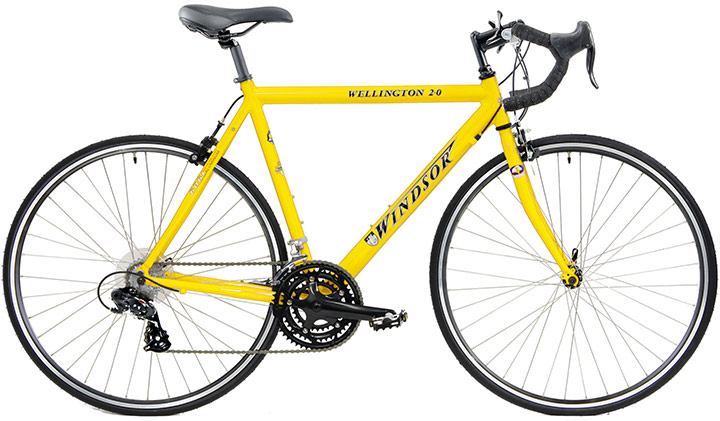
Take the Windsor Wellington 2.0, for instance—a road bike that costs under $500 but comes with a lightweight aluminum frame, Shimano drivetrain, and double-walled rims. Ten years ago, those specs were considered mid-tier luxury.
Or the Gravity FSX 1.0 mountain bike—front and rear suspension, disc brakes, and rugged performance at a fraction of what big-box stores charge.
Budget bikes shine when you’re:
New to cycling and figuring out your riding style.
Using the bike for casual commuting or weekend leisure rides.
Focusing on fitness rather than podiums.
You’ll get 85% of the experience for 40% of the cost—without the anxiety of scratching an ultra-expensive frame.
The Hidden Cost of Going Cheap
Of course, “budget” has limits. A $300 bike might get you rolling, but if you’re hitting steep climbs or trail descents regularly, components start showing stress.
Cheaper bikes often use heavier frames and entry-level drivetrains that wear faster under heavy mileage. Over time, those replacement parts can add up.
In short: if you’re logging serious miles or tackling demanding terrain, consider spending a little more now to save a lot later.
Premium Bikes: What You’re Actually Paying For
When you cross into premium territory, the difference isn’t just about brand prestige—it’s about materials, precision, and ride quality.
1. Frame Materials: Carbon fiber isn’t just lighter—it absorbs vibration better and offers superior stiffness-to-weight ratios. It’s what makes the Motobecane Century Pro glide on the road while feeling solid in sprints.
2. Components: Premium drivetrains (like Shimano 105, Ultegra, or SRAM Rival) shift smoother, last longer, and require less maintenance.
3. Weight Savings: Every pound matters—especially on climbs. A lighter bike feels more responsive, accelerates quicker, and handles better.
4. Wheelsets and Tires: Higher-end wheelsets roll faster and stay truer longer. They’re also typically tubeless-ready, meaning fewer flats and smoother rides.
So while premium bikes do cost more upfront, they deliver a smoother, more efficient, and more reliable experience that serious riders appreciate every single mile.
The Psychological Edge: The Feel-Good Factor
Let’s be real—part of buying a premium bike is emotional. When you unbox a carbon-framed beauty, clip in, and feel that instant acceleration, it’s hard not to smile.
Cycling, after all, is as much about how it feels as how it performs. That’s why many riders upgrade—not because they need to, but because they want that connection between machine and momentum.
And honestly, that’s okay. A better bike can motivate you to ride more often, push harder, and even join new riding communities.
Component Quality: The Great Equalizer
The component set—gears, brakes, derailleurs—often defines how a bike feels on the road.
On budget bikes, you’ll typically find Shimano Tourney, Altus, or MicroShift. These work beautifully for commuting and casual rides. On mid-range or premium models, you step into Shimano 105, Tiagra, or SRAM Apex—offering lighter shifting, tighter tolerances, and better long-term reliability.
But again, thanks to direct-to-consumer pricing at BikesDirect.com, you can get these premium components on bikes that cost hundreds less than similar retail models. It’s not uncommon to find a $1,200 bike on our site that would retail for $2,000 elsewhere.
When It’s Worth Splurging
So, when should you stretch your budget? Here are the situations where spending more genuinely pays off:
You ride frequently. If you’re logging 100+ miles per week, durability and comfort matter.
You love climbing. Lighter frames and smoother gearing will make a world of difference.
You compete or train seriously. Power transfer, aerodynamics, and precision shifting become non-negotiable.
You’re upgrading from a starter bike. Going from an aluminum frame to carbon is like switching from economy to first class—it’s that noticeable.
When You Shouldn’t Overspend
However, not everyone needs a top-shelf setup. If your bike is more about lifestyle than lap times, a budget model might make more sense.
For example, if you’re cruising along beach boardwalks, a simple Beach Cruiser like the Micargi Tahiti does the job beautifully. You don’t need carbon rims for that sunset ride.
Or if you’re commuting a few miles daily, a Hybrid Bike with fenders and a rack might serve you better than a race-ready road machine.
Hybrid Bikes: The Perfect Middle Ground
Hybrid bikes are where budget and performance often meet halfway. You get comfort, speed, and practicality rolled into one ride.
At BikesDirect.com, our Hybrid Bike range—like the Gravity Liberty 2.0 or Motobecane Café Century—offers lightweight aluminum frames, disc brakes, and versatile gearing.
They’re ideal for riders who want a bike that can handle morning commutes, weekend fitness rides, or even light gravel paths—all without breaking the bank.
Mountain Bikes: From Budget to Beast Mode
Mountain biking is where bike pricing can really escalate—but also where value engineering shines.
Entry-level models like the Gravity FSX 1.0 give you dual suspension and disc brakes under $600, perfect for beginner trails. Step up to the Motobecane HAL 6 Expert, and you’re looking at full-suspension aluminum with advanced geometry and top-tier components.
If you love rough terrain, investing in a higher-end Mountain Bike is money well spent. The improved suspension performance, geometry, and durability make every descent smoother and every climb less punishing.
Road Bikes: The Price of Precision
Road cycling is all about efficiency—power transfer, aerodynamics, and weight savings.
Our Road Bike lineup runs the gamut from the Windsor Wellington to the Motobecane Le Champion CF. The main jump from budget to premium here is the frame (aluminum vs carbon) and the drivetrain (Claris vs Ultegra).
If your goals include group rides, racing, or covering long distances, you’ll feel the benefit of spending more here. But if you’re riding for fitness or fun, aluminum will do just fine.
Gravel Bikes: The New All-Rounders
Gravel bikes have blurred the lines between road and off-road adventures.
Budget models like the Gravity Liberty CXD let you explore dirt paths, crushed limestone trails, and rough pavement without the weight of a mountain bike. Higher-end models like the Motobecane Immortal CX Carbon bring race-ready performance with lightweight frames and hydraulic brakes.
If you want a bike that can do it all—commuting, touring, exploring—investing in a good Gravel Bike might be the smartest choice.
Fat Bikes: Pure Fun on Two (Big) Wheels
Fat bikes are adventure machines—those oversized tires float over sand, snow, and loose gravel.
The Fat Bike category at BikesDirect.com includes models like the Motobecane Boris X7, which proves you don’t have to overspend to get premium quality. Fat bikes offer unparalleled stability and versatility, perfect for riders who love off-season adventure or unconventional routes.
Here, the jump from budget to premium usually means lighter wheels and better drivetrains, but even the entry-level models deliver smiles for miles.
Beach Cruisers: The Art of Simplicity
For pure relaxation, nothing beats a classic Beach Cruiser.
Our cruisers blend vintage design with modern materials—aluminum frames that won’t rust, cushioned saddles, and relaxed geometry that screams “weekend mode.”
In this category, paying more usually gets you design flair or upgraded comfort features, not performance. So if you’re riding for leisure, a modest budget works perfectly.
Durability vs Upgradability
Another thing to consider: how much do you plan to tinker with your bike?
Budget bikes are great for riders who prefer simple, ready-to-go setups. Premium bikes, however, often use modular designs—allowing for future upgrades to drivetrains, wheelsets, or suspension.
If you love customizing and upgrading, a slightly pricier frame with better long-term compatibility might be worth the investment.
Brand and Build Quality: Why Direct-to-Consumer Wins
Traditional bike shops often mark up prices 30–40% to cover overhead. By selling direct, we cut that out entirely. That’s how BikesDirect.com can offer a Motobecane, Windsor, or Gravity bike with mid-tier components for hundreds less than equivalent store models.
You’re getting the same performance and engineering—just without the middleman.
Final Thoughts: Finding Your Balance
Cycling has a funny way of reflecting life itself — it’s all about balance. Not just the kind that keeps you upright on two wheels, but the balance between passion and practicality, dreams and budget, want and need. Whether you’re a weekend cruiser, a trail junkie, or someone finally swapping the car commute for a morning spin, the truth is simple: the best bike isn’t always the most expensive one. It’s the one that fits your lifestyle like a favorite pair of jeans.
At BikesDirect.com, we’ve spent decades helping riders find that balance. Some come in convinced they need carbon everything, only to fall in love with a $600 Hybrid Bike that does it all. Others start small, then circle back after a season or two ready to upgrade to a lightweight Road Bike or a full-suspension Mountain Bike. And that’s the beauty of cycling — it evolves with you.
The Real Value Lies in the Ride
When you strip away all the marketing jargon, the value of a bike isn’t measured in dollars or component tiers — it’s measured in rides. The morning commute that clears your head. The weekend ride that reconnects you with nature. The grin when you coast downhill, no matter what kind of drivetrain you’re rocking.
A $400 bike that gets you outside three times a week is infinitely more valuable than a $4,000 bike that collects dust. That’s why we always tell our riders: don’t buy for prestige, buy for purpose.
Sure, premium materials, carbon layups, and top-tier groupsets are incredible — but they only matter if you’ll truly feel the difference. If your routes are mostly flat and your rides social, an entry-level aluminum frame might be perfect. But if you chase elevation, crave speed, or train for endurance, investing in lighter components or advanced geometry pays back every mile.
Ride Frequency Changes Everything
How often you ride is the simplest and most honest metric for how much to spend. Think of your bike as cost-per-ride, not cost-per-purchase.
If you ride twice a week year-round, even a $1,200 Gravel Bike pays for itself in joy within months. But if you’re hopping on occasionally, an affordable all-rounder — like a Hybrid Bike or Beach Cruiser — gives you unbeatable value without financial guilt.
That’s the kind of math we love: every pedal stroke brings returns in health, happiness, and adventure.
Technology Has Leveled the Playing Field
What makes today’s market so amazing is that the gap between “budget” and “premium” is narrower than ever. Direct-to-consumer brands like ours have democratized access to high-end performance.
Ten years ago, features like internal cable routing, disc brakes, and tubeless-ready wheels were luxury upgrades. Now they’re practically standard across most of our range. Even entry-level Mountain Bikes and Gravel Bikes come with the kind of thoughtful engineering once reserved for elite racers.
That means riders can focus less on what they can afford and more on what kind of riding they want to do.
Longevity vs. Lifestyle
Another factor to weigh is how long you want to keep the bike. If this is your “starter” ride — a way to test if cycling fits your lifestyle — start modest. Aluminum frames are lighter than ever, and modern drivetrains are easy to maintain. You can always trade up later when you discover what you really love — road speed, trail grit, or all-terrain exploration.
But if you already know you’re in it for the long haul, investing in a bike with upgrade potential makes sense. Premium models tend to use higher-end hubs, bottom brackets, and frame materials that support future component swaps. It’s not just about buying one bike — it’s about building your perfect setup over time.
The Emotional Side of the Purchase
Let’s be honest: buying a bike isn’t just a transaction. It’s an emotional experience. The first time you roll out of the garage on a new ride, the world feels bigger, brighter, and faster.
That connection — that click between you and your machine — is priceless. It’s why cyclists name their bikes, polish their drivetrains like jewelry, and talk about “ride feel” as if it’s poetry.
And that feeling doesn’t discriminate based on price. A budget commuter that fits like a glove can bring as much joy as a race-ready carbon rocket.
Resale and Future-Proofing
Another angle to consider is resale. Premium bikes tend to retain value better, especially if they use industry-standard components and clean geometry. Riders upgrading every few years often recoup part of their cost by selling or trading up.
However, the depreciation gap between mid-range and high-end bikes isn’t always as wide as people think. Because BikesDirect.com sells directly to riders, you’re already skipping the retail markup. That means even if you sell your bike later, your cost-to-own remains lower than buying from a brick-and-mortar shop.
In other words: value doesn’t just come from the sticker price — it comes from smart buying.
Comfort and Fit Always Trump Price
A $5,000 bike that doesn’t fit your body is worse than a $500 one that does. Fit is the single biggest performance upgrade you’ll ever make.
That’s why we always tell new riders: invest first in fit, then in fancy. When your posture, reach, and saddle position are dialed in, every pedal stroke feels smoother and more natural.
Even the lightest carbon frame can’t compensate for poor ergonomics. But a properly fitted aluminum frame can feel like an extension of yourself.
The Direct-to-Consumer Advantage
Let’s not forget one major point: value doesn’t always mean “cheap.” It means smart. And the smartest way to buy a bike today is direct.
Our model eliminates middlemen, letting you get high-quality bikes — from entry to elite — for hundreds or even thousands less. You’ll see the same drivetrains, same wheelsets, and same frame materials that big brands use, but at honest prices. That’s why over 100,000 cyclists have chosen us — not just for savings, but for trust.
Whether you’re choosing a Road Bike for daily rides or a Fat Bike for winter fun, the value you get through BikesDirect.com is real, tangible, and time-tested.
Your Riding Story Starts Here
In the end, there’s no universal rule for what you “should” spend — only what feels right for you. Think of your bike as the beginning of a story, not the end of a purchase. Maybe it’s your gateway into weekend adventures. Maybe it’s your return to fitness after a few lazy years. Maybe it’s just your favorite way to grab coffee on a Saturday.
The best bike is the one that makes you want to ride. That might mean saving up for that dream carbon frame — or it might mean embracing a simple, durable, no-fuss aluminum model that just works. Either way, it’s about momentum.
At the end of the day, every spin of the crank is a little celebration — of freedom, movement, and choice. Whether your next ride costs $500 or $5,000, what really matters is that it takes you somewhere new.
Ride Smart, Spend Right
Thank you for choosing BikesDirect.com! We’ve been delivering top-tier bikes directly to riders for over 20 years—longer than most local shops around. From the first Hybrid Bike you buy to your dream Mountain Bike, we’re here to help you ride better, faster, and smarter.
Our commitment is simple: unbeatable value and uncompromised quality. Learn more about our warranty, explore our Gravel Bike or Road Bike collections, and if you ever need assistance, call now—our team’s got your back.
At the end of the day, every great ride starts with a great deal—and that’s what we’re here for.
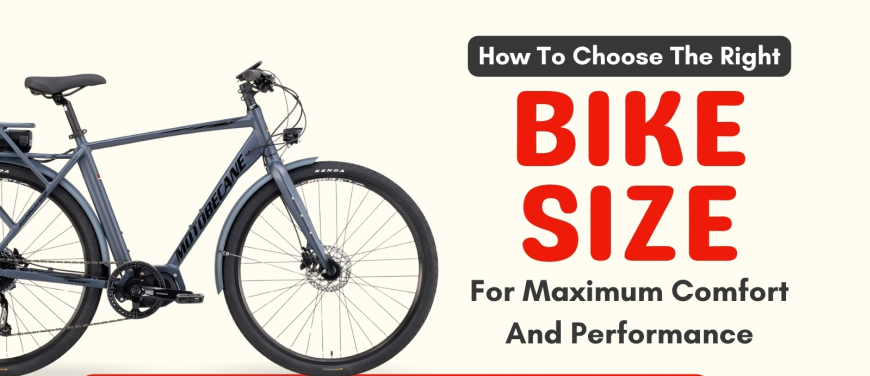
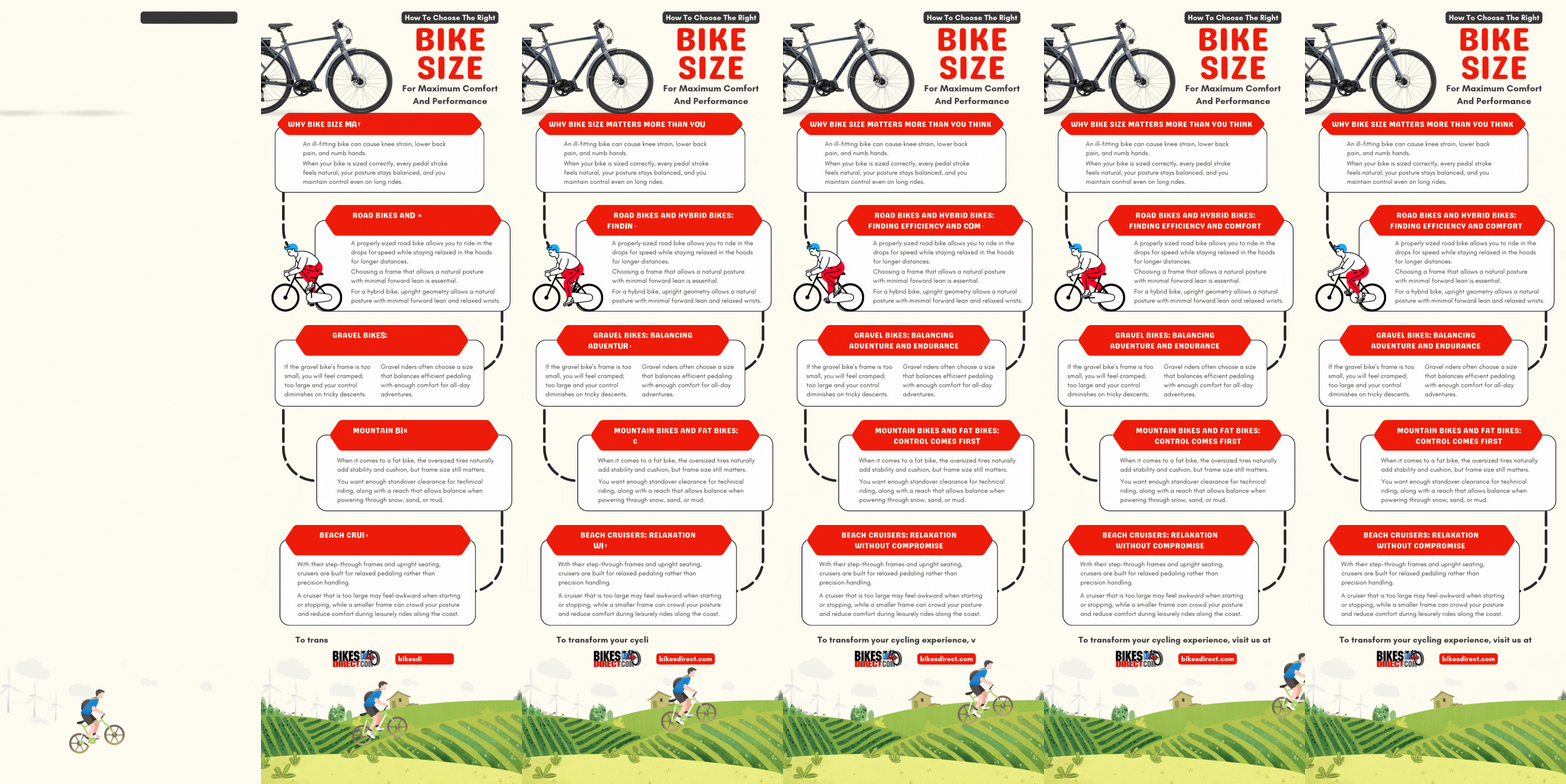
Finding the right bike size is essential whether you’re riding a road bike, mountain bike, or hybrid bike. The correct fit improves efficiency, ensures comfort, and helps prevent strain or injury. A properly sized bike allows riders to maintain better posture, pedal more smoothly, and get the most out of every ride—making cycling a more enjoyable and sustainable choice.
Cycling has a way of drawing you in. At first, it might be a weekend spin around the neighborhood, a casual ride with friends, or a short commute to the office. But before long, the itch to push further sets in—you want to ride longer distances, climb bigger hills, and maybe even keep up with the local group rides. Making the jump from beginner to intermediate is about more than just logging more miles; it’s about refining your skills, training with intention, and making sure your equipment supports your goals.
This post will guide you through that transition. We’ll look at how to improve technique, train smarter, and choose the right bike for your evolving needs. Whether you’re dreaming of your first long-distance event or simply want to feel stronger and more confident on the road, these cycling tips for beginners will set you up for steady, sustainable progress. And yes—upgrading your equipment can be a big part of that growth, whether it’s moving from a casual ride to a purpose-builtRoad Bike, or exploring other cycling styles that keep your rides fresh and challenging.
Understanding the Shift from Beginner to Intermediate
So what exactly does it mean to move from “beginner” to “intermediate”? The line isn’t always sharp, but there are some common markers that can help you see where you stand.
1. Riding Consistency
Beginners often ride once a week or whenever they have spare time. Intermediate cyclists, on the other hand, start building consistency into their schedule—two or three structured rides per week, often with different goals in mind.
2. Distance and Duration
A beginner might feel accomplished riding five miles around the block, while an intermediate cyclist can comfortably cover 15–30 miles at a stretch, sometimes more. It’s not just about raw mileage but also the endurance to ride longer without fatigue taking over.
3. Terrain Variety
Beginners typically stick to flat, familiar routes. Intermediate riders start seeking out hills, trails, or mixed surfaces to test themselves and expand their skills. That willingness to embrace variety is part of what helps them grow.
4. Mindset and Goals
Moving up a level is as much mental as physical. Intermediate cyclists set goals: riding a century, tackling a charity ride, or simply improving average speed. They start paying attention to things like cadence, heart rate, or nutrition.
Recognizing these milestones is encouraging. If you’ve already ticked off some of these boxes, you’re on the right track. The next step is sharpening your technique to ride more efficiently and safely.
Building Better Technique
Riding longer and harder isn’t just about strong legs—it’s about skill. Many beginners plateau not because they lack fitness, but because their technique hasn’t kept up. Here are three key areas where developing better technique can make all the difference.
Mastering Bike Handling
Good handling makes every ride smoother and safer. As you push into longer rides, group rides, or more technical terrain, these skills matter even more.
Balance and Control: Practice riding with one hand to get used to signaling. Learn to drink from a bottle while riding straight.
Cornering: Beginners often brake too hard going into turns or lose speed by not looking through the corner. Focus on leaning the bike, keeping your eyes on the exit, and carrying momentum smoothly.
Braking: Get comfortable feathering both brakes rather than grabbing them suddenly. Learn how weight shifts during braking and how to stop quickly without skidding.
Even a casualHybrid Bike or a comfortableBeach Cruiser can be the perfect practice ground for these skills. These bikes are forgiving, stable, and allow you to gain confidence before transitioning into more performance-driven styles like road or gravel cycling.
Improving Cadence & Gear Use
Many new riders grind in too high a gear, which feels powerful but leads to early fatigue. Intermediate cyclists learn to “spin” at a higher cadence—typically 80–100 pedal revolutions per minute. This smooth pedaling style conserves energy and keeps muscles fresher for longer rides.
Practice Drills: Try riding in an easier gear and focus on pedaling circles rather than squares.
Climbing: Shift early before the hill gets steep to maintain rhythm rather than fighting to grind up.
Downshifting: Anticipate stops and shifts in terrain so you don’t stall out in too hard a gear.
These small adjustments add up quickly, turning your rides into more fluid, enjoyable experiences.
Road Awareness & Safety
One of the biggest steps between beginner and intermediate riding is becoming comfortable sharing the road or trail with others.
Signaling: Practice clear hand signals for turns and stops.
Group Riding: Learn to ride in a line, hold a straight wheel, and communicate hazards to riders behind you.
Traffic Skills: Position yourself predictably, obey signals, and understand how to read traffic flow.
Safety and awareness don’t just protect you—they build confidence. And confidence is often the missing ingredient when riders are hesitant to push into longer distances or new riding environments.
Training Smarter, Not Just Harder
In the early days of cycling, almost any time spent on the bike leads to quick improvement. Ride a little farther each week, push yourself slightly harder, and the results show up almost immediately. But as your fitness level rises, the easy gains begin to taper off. Simply piling on more miles isn’t enough to keep moving forward. What separates the intermediate rider from the beginner is a more thoughtful approach to training—riding with purpose rather than only for time or distance.
This means moving beyond repetitive loops at the same pace and introducing structure to your rides. One day might focus on building endurance through a longer, steady effort, while another could be about testing your speed with bursts of higher intensity. Climbing hills repeatedly, even if it feels daunting, helps you build strength in both your legs and your mindset. Instead of approaching every ride the same way, intermediates learn to shape their week so that each outing serves a different purpose.
Progress also comes from what you do off the bike. Strength training—think of movements like squats, lunges, and core work—builds stability and raw power, making you more efficient when pedaling. Flexibility practices such as yoga or simple stretching keep your body balanced and reduce the aches that come with longer hours in the saddle. Even activities like swimming or hiking add variety and keep you active without straining the same muscles cycling demands day after day.
Another sign of growth is learning to track your progress. Beginners often ride purely for enjoyment, but intermediate cyclists become curious about numbers. Using apps or a cycling computer to monitor speed, elevation, or cadence provides insight into how fitness is improving. Recording these details creates benchmarks to celebrate small victories, like climbing a hill faster than you did last month or riding the same route with a higher average speed.
Switching up your terrain can also accelerate improvement. Taking aGravel Bike onto country lanes or aMountain Bike onto singletrack trails challenges your body in new ways. Loose surfaces demand more focus, uneven climbs build strength differently, and technical descents sharpen your reflexes. When you return to smooth pavement, you’ll notice you’re stronger, steadier, and more confident. Training smarter, not harder, is about creating this kind of balance—where every ride and every choice contributes to steady, long-term progress.
Choosing the Right Bike for the Next Level
As you move out of the beginner stage, your bike becomes more than just a tool for getting from point A to point B. It becomes a partner in your growth, influencing the kind of rides you take, the distances you cover, and the confidence you feel along the way. For beginners, almost any bike is good enough to spark the love of riding. But for intermediate cyclists, choosing the right bike can open doors to entirely new experiences.
If your goals lean toward covering longer distances, keeping up on group rides, or chasing speed, then aRoad Bike is a natural step forward. The lightweight frame, aerodynamic position, and efficient gearing are all designed to help you go farther and faster with less wasted energy. A well-fitted road bike can turn what once felt like a struggle into a fluid, enjoyable experience, making those 30-mile rides not only possible but comfortable.
For others, versatility is more appealing than pure speed. That’s where aGravel Bike comes into its own. With wider tires and more stable handling, gravel bikes allow you to leave the smooth asphalt behind and venture onto dirt roads, forest paths, and farm lanes. Many riders find this versatility keeps cycling exciting, especially if they enjoy mixing adventure with fitness.
If trails and rugged terrain are what inspire you, then aMountain Bike is the obvious choice. Whether it’s rolling singletrack or steep, technical descents, mountain bikes challenge your body in ways that road riding can’t. The strength and control you develop on trails feed back into your overall cycling ability, making you more powerful and confident no matter what surface you’re on.
For something entirely different, there areFat Bikes. With oversized tires built for stability, these bikes thrive in conditions where traditional bikes struggle, such as sand, snow, or loose gravel. They might not be the fastest option, but they provide an unmatched sense of fun and open up riding opportunities in places you’d normally avoid.
And for those who are still straddling the line between casual rides and dedicated training, aHybrid Bike remains a fantastic choice. Upright and comfortable, hybrids work well for commuting, fitness rides, or as an entry point into more structured cycling. They let you refine your technique and build fitness before deciding whether road, gravel, or mountain riding is where your heart truly lies.
The key is not to assume that the most expensive bike is automatically the right bike. A properly sized frame that fits your goals and riding style will take you further than any single component upgrade. Investing in a bike that feels natural under you makes every ride more enjoyable and keeps you motivated to keep progressing.
Nutrition & Recovery Habits
Cycling longer and harder places new demands on your body, and this is where nutrition and recovery step into the spotlight. Beginners can often get away with hopping on the bike without much preparation, but intermediate cyclists soon realize that fueling correctly can make the difference between finishing strong and limping home.
Carbohydrates remain the backbone of endurance riding, providing the energy your muscles need to keep turning the pedals. Having a simple snack before you ride—a banana, a slice of toast with jam, or a small bowl of oats—tops up your energy stores. On rides lasting more than an hour, bringing along easy-to-digest fuel, whether that’s an energy bar, a gel, or even something as simple as a peanut butter sandwich, helps prevent the dreaded bonk. Hydration is just as crucial. Water may be enough for shorter efforts, but for longer rides, adding electrolytes ensures your body stays balanced and able to perform.
Recovery is when the magic happens. Muscles grow stronger not during the ride itself but in the hours that follow. A meal or snack that includes protein shortly after finishing helps repair tissue, while consistent, quality sleep allows your body to adapt to the training load. Stretching or gentle yoga on rest days can ease soreness and maintain flexibility, making it easier to stay consistent with your schedule.
It’s tempting to think that more is always better, but pushing too hard without rest quickly backfires. The signs of overtraining—constant fatigue, irritability, or a plateau in performance—are your body’s way of asking for balance. Respecting recovery days is part of what makes an intermediate cyclist. You’re no longer just riding to push harder; you’re riding smarter, giving your body the care it needs to keep improving.
Setting Challenges and Staying Motivated
Once you’ve built a base of fitness and developed stronger technique, the next hurdle is keeping your momentum. For many riders, the transition from beginner to intermediate can stall not because of physical limits but because of a lack of motivation. The best way to keep progressing is to set clear challenges that give your rides a sense of purpose.
Joining a local cycling group is one of the most effective ways to stay inspired. Riding with others pushes you to maintain a steady pace, teaches you new handling skills, and introduces you to the social side of cycling. The encouragement and accountability of a group can transform a routine ride into something you look forward to each week.
Events and charity rides also provide powerful motivation. Having a goal—whether it’s your first 50-mile event, a local gran fondo, or even just a personal milestone like a 20-mile loop without stopping—gives structure to your training. Each ride becomes part of a bigger story, not just exercise for the sake of it. Even smaller challenges, such as improving your average speed on a favorite route or climbing a local hill without resting, can reignite enthusiasm when motivation dips.
Celebrating milestones along the way is just as important. Many cyclists focus only on the next achievement, forgetting how far they’ve already come. Take time to acknowledge the first time you rode beyond 20 miles, the first climb you conquered without walking, or the first time you joined a group ride and held your own. These moments remind you why you started and why it’s worth continuing.
Common Mistakes Cyclists Make When Moving Up
As exciting as progress is, it’s easy to stumble into traps that slow development. One of the most common mistakes is doing too much, too soon. The enthusiasm for improvement often leads riders to stack their schedules with long, hard rides, believing more effort equals more results. In reality, this often leads to fatigue or even injury. Intermediate cycling requires balance—pushing yourself enough to grow, but respecting the role of recovery.
Another frequent oversight is ignoring bike fit. As rides become longer and more demanding, the little aches that seemed tolerable at first—numb hands, sore knees, or stiff backs—become real problems. Investing in a proper fit or at least adjusting your position carefully can transform your comfort and efficiency. The difference is night and day, and it often costs far less than upgrading equipment.
Many cyclists also underestimate the importance of bike maintenance. Beginners can sometimes get away with infrequent servicing, but as mileage increases, so does the wear on components. A dirty chain or worn brake pads may not just hinder performance; they can create safety issues. Learning basic maintenance, such as keeping the drivetrain clean, checking tire pressure, and inspecting brakes, is a mark of an intermediate rider who understands that cycling is about more than just fitness—it’s about responsibility, too.
Finally, some riders neglect skills practice, assuming that fitness alone will carry them forward. Yet handling, cornering, and braking with confidence can make a bigger difference than shaving a pound off the bike’s weight. A technically skilled rider on a modest bike often outperforms a fitter but less confident rider on top-tier equipment.
Conclusion: Leveling Up with the Right Support
Progressing from a beginner to an intermediate cyclist is a rewarding journey that blends fitness, skill, and mindset. It’s about refining your technique, embracing structured training, fueling your body properly, and setting challenges that keep you inspired. Along the way, it’s also about recognizing mistakes and learning from them, because growth doesn’t come from perfection—it comes from consistency, curiosity, and resilience.
As your ambitions expand, the role of the bike itself becomes more central. The right equipment doesn’t just make riding more enjoyable; it shapes the kind of rider you can become. That’s why at BikesDirect, we make it easy to find the bike that matches your goals without breaking your budget. Whether you’re preparing for long-distance rides on aRoad Bike, exploring new terrain on aGravel Bike, building strength and handling with aMountain Bike, or enjoying the relaxed freedom of aBeach Cruiser, we have options designed to fit every stage of your cycling journey.
What makes our approach different is the direct-to-consumer model. By shipping factory-direct, we help riders save up to 60% compared with traditional retail prices. That means upgrading your ride doesn’t have to be a financial burden—you can invest in quality equipment that supports your growth while keeping more money in your pocket. Our range includes everything from entry-level bikes that welcome beginners to advanced builds ready for competitive cyclists.
Cycling is about freedom, adventure, and progress. And while the path from beginner to intermediate is unique to each rider, having the right support makes all the difference. At BikesDirect, we’re proud to be part of that journey. Whether your next step is your first group ride, your longest distance yet, or simply discovering the joy of riding a bike built for your needs, we’re here to help you move forward—one pedal stroke at a time.
The Motobecane Cafe 21—perfect for urban explorers and casual riders alike
Choosing a bike isn’t just about getting from point A to point B — it’s about expressing who you are and what kind of ride fits your lifestyle. At Bikesdirect.com, we believe every rider has a unique “bike style personality” that matches their preferences, goals, and daily adventures. Whether you’re drawn to the speed and sleekness of a road bike, the versatility of a hybrid, the ruggedness of a fat bike, or the chill vibe of a cruiser, your bike choice says a lot about your personality. In this post, we’ll explore the defining traits of each bike style and help you discover which one suits you best — plus, we’ll highlight some top models you can find right here at Bikesdirect.com.
Hybrid Rider: The Practical Adventurer
If you’re someone who loves a mix of city streets, weekend trails, and fitness rides, the hybrid bike is probably your perfect match. Hybrid riders value versatility, comfort, and convenience — blending the best of road and mountain bikes for an all-around smooth ride. Your personality tends to be practical but adventurous, always ready for a spontaneous ride, whether it’s a quick commute or a longer outing.
At Bikesdirect.com, our Motobecane Cafe 21 Hybrid Bike perfectly captures this spirit with its lightweight frame, reliable components, and comfortable geometry. This bike is built for riders who want performance without sacrificing everyday usability.
Hybrid riders tend to appreciate:
Comfortable upright riding position
Moderate tire width for mixed terrain
Practical features like disc brakes for reliable stopping power
A bike that’s as at home on paved paths as on gravel trails
If this sounds like you, exploring hybrid bikes is a great way to find a ride that fits your active, flexible lifestyle.
Road Rider: The Speed Seeker
Built for speed—the Le Champion CF Disc Di2 delivers elite-level road performance
If your ideal ride is all about speed, endurance, and slicing through pavement, you’re likely a road rider at heart. You thrive on performance and efficiency, whether that means training for races, conquering long-distance rides, or just feeling the thrill of the open road. Your personality is driven, focused, and always chasing that next personal best.
At Bikesdirect.com, our LeChamp CF Disc Di2 Carbon Road Bike exemplifies cutting-edge design and lightweight performance. This bike offers the precision, speed, and responsiveness that dedicated road riders crave, complete with high-end components and carbon fiber frame technology.
Road riders typically enjoy:
Lightweight, aerodynamic frames for max speed
Narrow tires designed for smooth pavement
Advanced gearing systems for tackling varied terrain
A riding position that’s aggressive and efficient
If you identify with this style, a performance road bike like the LeChamp can elevate your ride and match your passion for speed.
Mountain Rider: The Trail Conqueror
For those who feel alive on rough trails, rocky paths, and technical climbs, the mountain rider personality is all about adventure and resilience. You love the challenge of off-road terrain and the thrill of conquering nature’s obstacles. Your bike needs to be tough, reliable, and ready for anything.
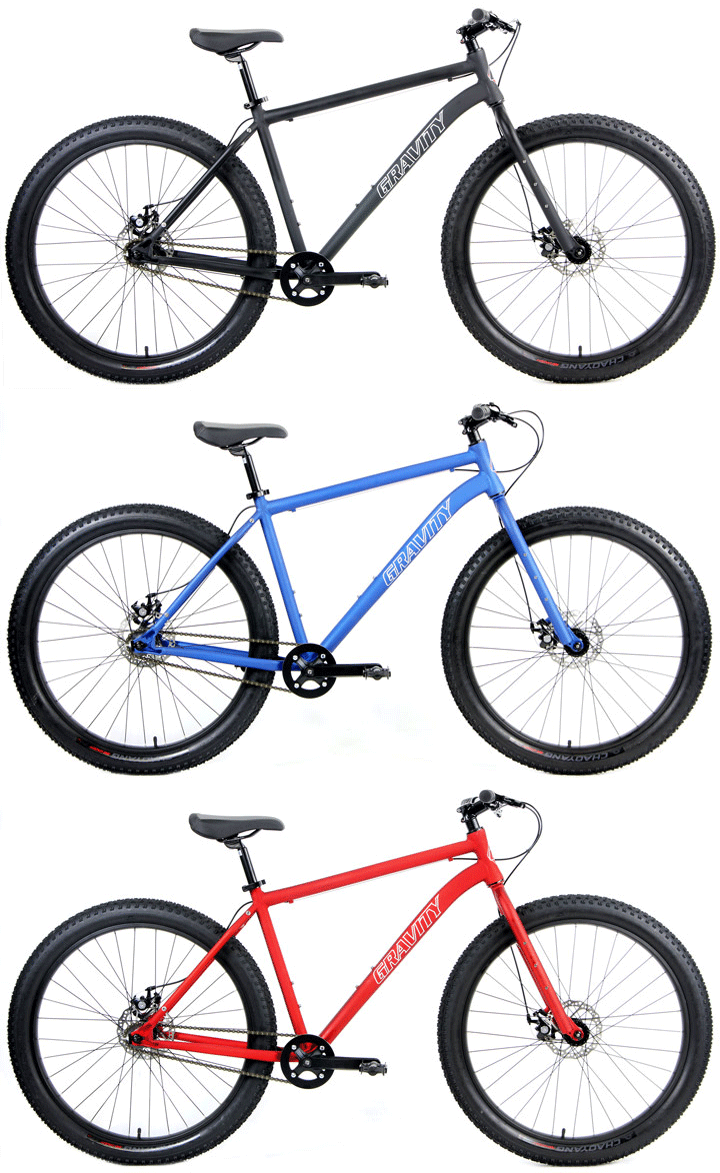
At Bikesdirect.com, our SingleSpeed Deadeye 27.5+ Mountain Bike is built for trail enthusiasts who demand durability without sacrificing fun. With wide tires, sturdy frames, and simplified gearing, this bike is perfect for riders who want to focus on the pure joy of trail riding.
Mountain riders tend to prefer:
Robust frames and suspension for shock absorption
Wider tires for grip and control on uneven ground
Gearing tailored to steep climbs and technical descents
A more upright riding position for visibility and control
If your bike style personality fits the mountain rider mold, a rugged mountain bike like the Deadeye 27.5+ is your perfect trail companion.
Fat Bike Rider: The Adventurous Explorer
For the trail minimalist—the Deadeye 27.5+ is all grit, no gimmicks
If your ideal ride involves tackling snow, sand, mud, or any surface that challenges standard tires, you’re a fat bike rider through and through. You crave versatility and enjoy exploring off-the-beaten-path terrain that few dare to venture into.
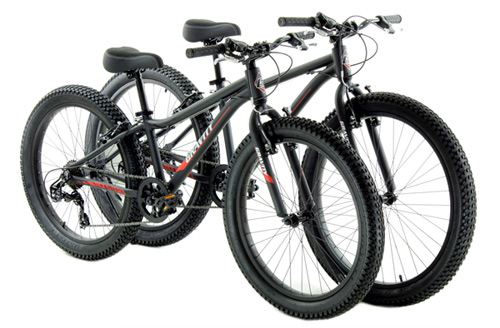
Our Monster 3 Fat Bike for Kids offers a great introduction to fat biking, with wide, grippy tires designed to float over soft surfaces. For adult riders ready to go big, we recommend checking out our full fat bikes collection, featuring bikes that combine toughness with fun.
Fat bike riders love:
Extra-wide tires (usually 3.8” or wider) for ultimate stability
Lower tire pressure for better traction on loose surfaces
Frames designed to accommodate massive tires without compromising control
A sense of freedom to explore places inaccessible to other bikes
If you identify with the fat bike rider personality, you’re all about adventure and pushing the limits of where your bike can take you.
Cruiser Rider: The Laid-Back Cruiser
If you prefer relaxed rides along the boardwalk, a smooth commute, or just want to enjoy the breeze without breaking a sweat, you’re a beach cruiser rider at heart. Comfort and style top your list, with a bike that’s as much about enjoying the journey as the destination.
Our cruiser selection focuses on classic designs with comfortable seats, upright handlebars, and smooth-rolling tires.
Cruiser riders love:
Wide, cushy saddles and ergonomic grips
Simple gear setups that make riding easy
A relaxed riding position that keeps you upright and comfortable
Timeless designs that turn heads on every street
If your bike style personality leans toward cruiser, you’re all about laid-back vibes and savoring every moment on two wheels.
Find Your Ride, Embrace Your Style
Whether you see yourself cruising the city, racing the tarmac, taming the trails, or floating over sand and snow, your bike style personality says a lot about how you roll. Choosing the right bike isn’t just about specs—it’s about connection. The type of riding that excites you, the terrain that calls your name, and the comfort level that keeps you coming back for more.
At Bikesdirect.com, we offer a curated lineup for every personality and riding preference—from sleek road bikes to rugged fat tire beasts. Whatever your vibe, we’ve got the perfect match, ready to ship directly to your door.
Ready to ride your way? Explore our full selection of bikes right here. Your perfect ride is just a click away.
Motobecane Cafe Strada 4130 Disc Brake Steel Flatbar — a versatile hybrid bike perfect for urban riders.
Urban cycling has experienced a remarkable surge in popularity over the last decade. More people are embracing bikes as their preferred way to stay fit, commute efficiently, and enjoy city life without the hassle of traffic or parking. Among the many bike types flooding the streets, hybrid bikes have quickly become the go-to choice for riders seeking versatility, comfort, and performance all in one package.
At Bikesdirect.com, we’ve witnessed this shift firsthand. Hybrid bikes perfectly blend the speed of road bikes with the ruggedness of mountain bikes, creating a flexible option that handles everything from city streets to light trails. Whether you’re commuting to work, running errands, or just enjoying a leisurely weekend ride, a hybrid bike offers the best of all worlds — making it a top contender for the best urban hybrid bike on the market today.
What Makes a Hybrid Bike Perfect for Urban Riding?
Hybrid bikes are uniquely designed to address the diverse needs of city cyclists. Unlike specialized road or mountain bikes, hybrids offer a balanced combination of comfort, speed, and durability—ideal for navigating the unpredictable terrain of urban environments.
Comfortable Geometry and Riding Position
One of the defining features of hybrid bikes is their upright riding position. This geometry reduces strain on your back and wrists, making longer rides or daily commutes much more comfortable. For city riders who might need to stop frequently or weave through traffic, this more relaxed posture enhances control and visibility.
Versatile Tires for Mixed Terrain
Hybrid bikes typically come equipped with medium-width tires that strike a balance between smooth pavement riding and handling rougher surfaces like gravel or cobblestones. These tires provide better traction and shock absorption compared to narrow road tires, while still rolling efficiently on asphalt.
Reliable Components for Everyday Use
Urban riders need bikes built to last and withstand frequent stops, starts, and varying weather conditions. Hybrid bikes often feature sturdy frames made of lightweight aluminum or steel, paired with dependable gearing systems that handle everything from flat roads to moderate hills. Disc brakes are increasingly common on hybrids, offering superior stopping power and control—essential for city safety.
Top Hybrid Models from Bikesdirect.com for Urban Riders
Motobecane Cafe Disc Comp Hybrid Bike — combining comfort and reliable disc brakes for your city commute.
At Bikesdirect.com, we offer a wide range of hybrid bikes that combine style, performance, and value to suit every city cyclist’s needs. Whether you’re commuting to work, running errands, or just enjoying a casual weekend ride, our selection covers all bases.
Motobecane Cafe Strada 4130 Disc Brake Steel Flatbar
Built with a classic steel frame, the Cafe Strada offers a smooth, comfortable ride and exceptional durability. Its flat handlebars provide excellent control for city traffic, while hydraulic disc brakes ensure confident stopping power in any weather. This bike is perfect for riders seeking a blend of vintage style and modern performance. View Motobecane Cafe Strada
Motobecane Cafe Disc Comp
For those who want a lightweight and efficient hybrid, the Cafe Disc Comp combines an aluminum frame with performance disc brakes. Its gearing is optimized for both city streets and mild hills, making it a versatile choice for daily urban riding and fitness. View Motobecane Cafe Disc Comp
Motobecane Cafe 21
With a focus on comfort and practicality, the Cafe 21 features a step-through aluminum frame, perfect for quick stops and easy mounting in busy city settings. Its durable build and smooth shifting gears make it a reliable companion for errands and weekend rides. View Motobecane Cafe 21
Motobecane Elite Adventure Pro Hybrid
For riders who want a bit more ruggedness in their urban bike, the Elite Adventure Pro Hybrid blends sleek design with hydraulic disc brakes and a wide gear range. It’s ideal for those combining city streets with light trails or gravel paths on their commute. View Motobecane Elite Adventure Pro Hybrid
Why Hybrid Bikes Are Dominating Urban Cycling
Motobecane Cafe 21 Hybrid Bike — sleek design and smooth performance for versatile urban riding.
Hybrid bikes have surged in popularity for good reason. They bridge the gap between road bikes and mountain bikes, offering the perfect blend of comfort, speed, and versatility—exactly what urban riders need. At Bikesdirect.com, we’ve seen firsthand how hybrid bikes are transforming city commuting and recreational riding.
Versatility for Every Ride
One of the biggest advantages of hybrid bikes is their adaptability. Whether your daily route includes smooth pavement, rough patches, or occasional gravel paths, hybrids handle it all. This makes them a great choice for fitness enthusiasts, casual riders, and commuters who want a reliable ride without switching bikes.
Comfortable Riding Position
Unlike road bikes that put you in a low, aerodynamic posture, hybrids feature a more upright seating position. This reduces strain on your back and shoulders, making longer rides more comfortable. The handlebars also provide better control, especially in stop-and-go urban traffic.
Practical Features for City Living
Most hybrid bikes come equipped with mounts for racks, fenders, and lights—key accessories for urban commuters. These features make it easier to carry groceries, stay dry in wet conditions, and ride safely after dark. At Bikesdirect.com, many of our hybrids include these thoughtful touches to enhance your daily ride.
Efficient Yet Durable Components
Hybrids balance speed and sturdiness with their gear setups and frame materials. You’ll find lightweight aluminum and steel frames paired with reliable drivetrains that perform well on varied terrain. Disc brakes are increasingly standard, offering consistent stopping power no matter the weather.
Affordable and Accessible
Compared to specialized road or mountain bikes, hybrids often come with a more approachable price tag—without sacrificing quality. This makes them an excellent entry point for riders just starting out or anyone looking to upgrade their daily transportation without breaking the bank.
How to Choose the Best Urban Hybrid Bike for You
Motobecane Elite Adventure Pro Hybrid — high-performance hydraulic disc brakes and adventure-ready design.
Selecting the right hybrid bike depends on your unique needs, riding style, and budget. At Bikesdirect.com, we recommend considering the following factors to find your perfect urban companion.
1. Frame Material: Aluminum vs. Steel
Hybrid bikes typically come with aluminum or steel frames. Aluminum is lightweight and resistant to rust, making it ideal for city riders who want a nimble bike. Steel, on the other hand, offers durability and a smoother ride due to its natural shock-absorbing properties. If you prioritize comfort over weight, steel might be your go-to choice.
2. Brake Type: Rim vs. Disc Brakes
Braking performance is critical in busy urban environments. While rim brakes are lighter and easier to maintain, disc brakes provide superior stopping power—especially in wet or slippery conditions. For city commuting, we recommend opting for models with hydraulic or mechanical disc brakes for added safety and control.
3. Gearing Setup
Your bike’s gears should match the terrain you’ll be riding. If your city features lots of hills, a wider gear range can make climbing easier. For flat urban landscapes, a simpler gear setup reduces maintenance and weight. Many of our hybrid bikes offer 7 to 21 speeds to suit various cityscapes.
4. Tire Width and Tread
Hybrid bikes usually have medium-width tires (between 28mm and 42mm), balancing speed and stability. Smooth tires are great for pavement, while a bit of tread helps with occasional gravel or wet roads. If your ride includes diverse surfaces, look for hybrids with versatile tires that handle both well.
5. Additional Features
Practical elements like fender mounts, rear racks, and integrated lighting systems add convenience to your daily rides. Bikesdirect.com offers models with these accessories either included or easily added, ensuring you’re ready for all weather and cargo needs.
Why a Hybrid Bike Could Be Your Perfect Urban Ride
Hybrid bikes have truly carved out their place as the best urban bike choice for riders who want versatility, comfort, and performance all in one package. Whether you’re commuting, training, or just enjoying weekend rides, our range of hybrid bikes at Bikesdirect.com offers something for everyone—from steel classics to high-tech hybrids built for speed and control.
With features like disc brakes, lightweight frames, and versatile gearing, these bikes help you tackle city streets with confidence and style. At Bikesdirect.com, we’re proud to provide quality, affordability, and expert support to help you find the hybrid bike that suits your lifestyle perfectly.
Ready to upgrade your ride? Explore our full selection of hybrid bikes today and discover the freedom and fun that comes with owning the best urban hybrid bike.
Affordable Motobecane GravelX2 XTL: Great for new gravel riders seeking value without sacrificing quality.
Picture this: It’s a crisp morning, your tires crunching over gravel paths and winding country roads. The freedom and versatility of your gravel bike make every ride an adventure, blending the speed of road cycling with the toughness of off-road terrain. Gravel bikes have surged in popularity among cycling enthusiasts, offering unmatched versatility for riders who want to explore beyond pavement without sacrificing performance.
However, the booming gravel bike market has created a conundrum: Should you buy online directly from sites like Bikesdirect.com, where prices are often lower, or is it better to support your local bike shop and pay a premium for in-store service and experience? This detailed gravel bike price comparison will help you unpack the differences, from pricing and specs to long-term value and customer experience. By the end, you’ll be empowered to pick the perfect gravel bike and the right place to buy it.
What Is a Gravel Bike, and Why Are They So Popular?
Before diving into price and retailer comparisons, it’s helpful to understand what makes gravel bikes unique. Gravel bikes bridge the gap between road bikes, designed for smooth pavement and speed, and mountain bikes, built for rough trails and durability. They feature wider tires, relaxed geometry for comfort on longer rides, and components that balance efficiency with ruggedness.
For riders who want a bike that can handle a daily commute, weekend trail rides, or even multi-day adventures on mixed surfaces, a gravel or even a hybrid bike is a versatile choice. The ability to switch effortlessly between terrains without changing your setup is a game-changer.
Pricing Models: Bikesdirect.com vs. In-Store Retailers
One of the biggest factors in choosing where to buy your gravel bike is price. Bikesdirect.com employs a direct-to-consumer model, cutting out traditional retail overhead costs such as physical storefronts, multiple middlemen, and high-commission sales staff. This allows us to offer competitive pricing and value-packed bikes that often cost significantly less than those at local bike shops.
Take the entry-level Motobecane GravelX2 XTL, for example. Priced at just $549.95, it features a sturdy aluminum frame, Shimano 14-speed drivetrain, and reliable disc brakes—enough to satisfy beginners and budget-conscious riders. In contrast, an equivalent model from a popular in-store retailer, such as the Specialized Diverge E5, often lists for $1,299.99 or more. That’s more than double the price for very similar specs.
At the mid-range level, Bikesdirect.com’s Gravity Carbon Gravel CF Express offers a carbon frame, SRAM Apex 1×11 drivetrain, and hydraulic disc brakes at $1,199.95. A comparable model from a brick-and-mortar store, such as the Cannondale Topstone 4, can easily cost upwards of $1,375 or more.
And when you look at high-end gravel bikes, the price gap widens further. Bikesdirect.com’s Motobecane Mulekick Ti PRO with a titanium frame and premium Shimano GRX 820 components is $2,999.95, whereas a comparable Trek Checkpoint SL 7 AXS Gen 3 can set you back $5,699 or more in-store.
This significant price disparity mainly stems from the online retailer’s lean operating model. Bikesdirect.com doesn’t pay for expensive retail space or in-person staff, savings that are passed directly on to the customer.
Gravity Carbon Gravel CF Express: Mid-tier carbon frame gravel bike with hydraulic disc brakes.
Breaking Down Features: What Does Your Money Buy?
Price alone doesn’t tell the whole story. To understand value, you must examine the features and components of the bikes offered by both sources.
Frame Material is a major factor influencing price and ride quality. Entry-level gravel bikes typically use aluminum frames—light, durable, and affordable. Mid to high-end bikes often use carbon fiber or titanium, which reduces weight and improves ride comfort by dampening vibrations on rough terrain. Bikesdirect.com offers options across these materials, from the affordable Motobecane aluminum frames to the high-end titanium Mulekick Ti PRO.
Drivetrain systems influence shifting precision and maintenance. A 1x drivetrain, featuring a single chainring, is favored for gravel riding due to its simplified gear changes and reduced weight. Bikesdirect.com’s mid-range models tend to offer 1x drivetrains with quality SRAM or Shimano groupsets. Many in-store models offer 2x drivetrains, which provide a wider gear range but add complexity and weight.
Braking systems are critical for safety and control. Mechanical disc brakes, common in entry-level bikes, are reliable and easier to maintain. Hydraulic disc brakes provide superior stopping power and modulation, especially important on technical descents or in wet conditions. Bikesdirect.com’s mid to high-end gravel bikes come equipped with hydraulic brakes, matching or exceeding the specs of many in-store bikes.
Other features like tire clearance, frame geometry, and component brands can also vary but tend to be comparable between Bikesdirect.com’s offerings and similarly priced in-store bikes.
Long-Term Value: Maintenance and Durability
When considering price, factor in maintenance costs and durability. Bikesdirect.com sources components from reputable manufacturers, meaning their bikes hold up well and don’t require excessive upkeep. Additionally, many models offer straightforward assembly instructions and customer support to assist with maintenance.
Motobecane Mulekick Ti PRO: High-end titanium gravel bike built for serious endurance and durability.
In contrast, in-store purchases often include perks like free tune-ups for a limited time, professional assembly, and personalized service. These benefits may justify the premium for some riders, particularly those who lack bike maintenance experience.
Warranty and Customer Support
Both Bikesdirect.com and in-store retailers offer warranties, but their approaches differ. Bikesdirect.com provides manufacturer warranties and online or phone support, while in-store retailers often offer direct, in-person assistance, including immediate exchanges or repairs.
If you value face-to-face support, an in-store purchase might be reassuring. But if you’re comfortable troubleshooting or working with online support, Bikesdirect.com’s warranties are competitive.
Buying Experience: Convenience vs. Interaction
The online buying experience with Bikesdirect.com is convenient, offering a vast selection available 24/7. Shipping is usually fast, and detailed specs and customer reviews help you make informed decisions. The downside is no test rides before purchase and the need to self-assemble or find local help.
In-store shopping offers tactile experience—test rides, expert advice, instant gratification—and the ability to ask questions. However, this comes at the cost of higher prices and limited inventory compared to the online marketplace.
Final Verdict: Which Side Wins the Gravel Bike Price Comparison?
Ultimately, the decision boils down to your priorities. If price and selection are paramount, Bikesdirect.com offers unbeatable value with quality bikes at every level. Their direct-to-consumer model delivers savings that add up, especially for budget-conscious or adventurous riders willing to manage assembly and tuning themselves.
By carefully evaluating your riding needs, budget, and comfort level with bike assembly and maintenance, you can choose the gravel bike and buying option that will deliver the best riding experience.
Ready to find your perfect gravel bike at the best price? Explore Bikesdirect.com today to discover unbeatable deals, quality components, and a wide selection of bikes including mountain bikes, beach cruisers, kids bikes, and more designed for every rider. Don’t miss out—start your gravel adventure now with savings that put you ahead of the pack!