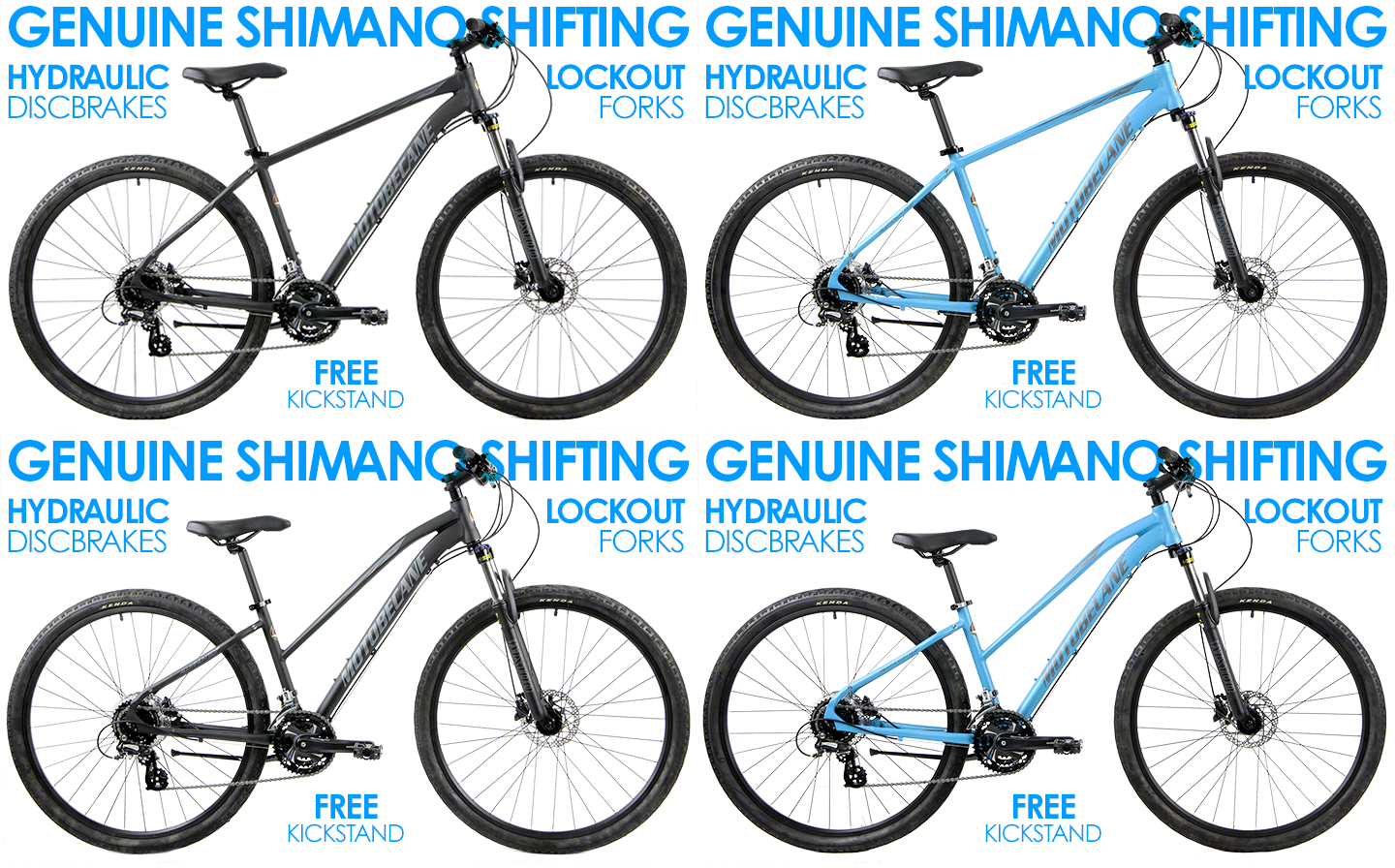
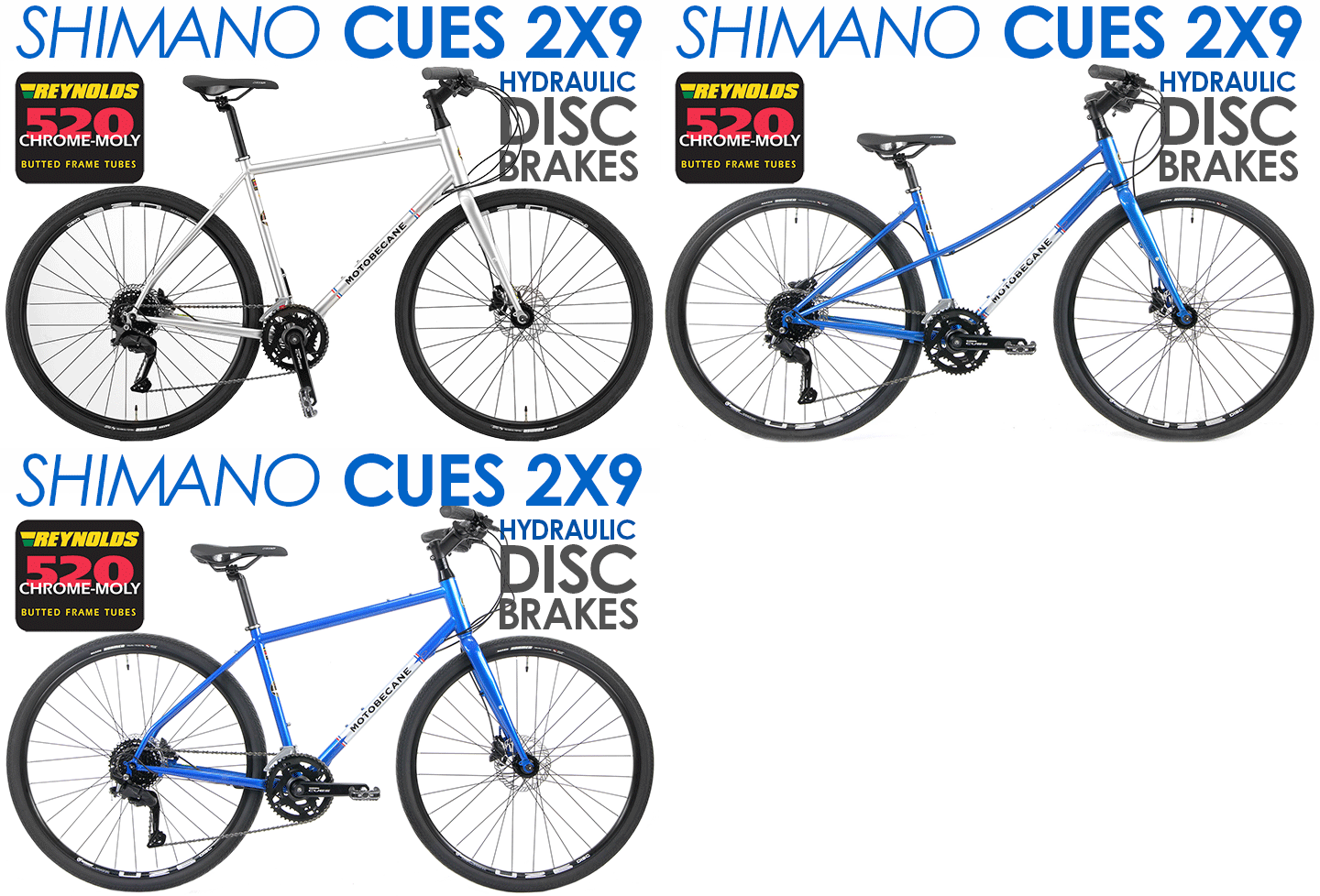
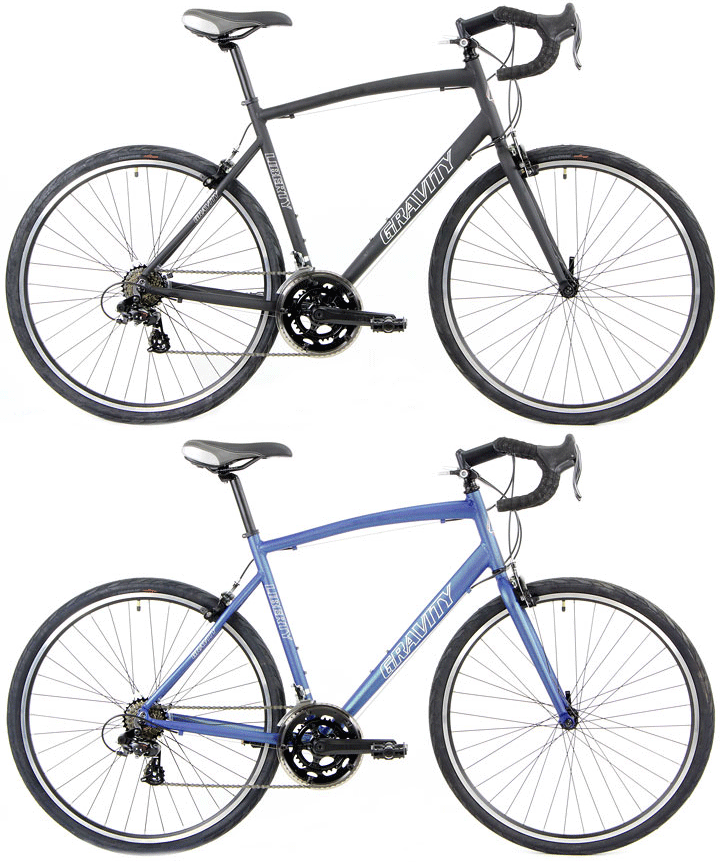
If it has been years since your last ride, the first push-off can feel strange. That is normal. Balance returns quickly, but confidence comes faster when the bike feels stable, comfortable, and easy to control.
Choosing the best bike to start cycling again is less about speed and more about comfort, fit, and predictable handling. The goal is a first ride that feels welcoming, not intimidating. Many returning riders do well starting with a relaxed geometry and everyday features from ourhybrid bike range, especially if they plan to ride roads, paths, and neighborhood streets.
Stop-and-go riding is where nervousness shows up first. A bike that feels stable at low speeds helps you relax. Step-through or low-step frames can also reduce awkward moments at intersections because getting on and off is simpler.
Tires that forgive imperfect roads
Wider tires cushion bumps and reduce the skittish feel you might remember from narrow tires. For a comeback bike, comfort is not luxury. Comfort is confidence.
Braking that feels predictable
You want brakes that feel smooth and steady, not grabby. A consistent braking feel helps you focus on riding instead of worrying about stopping.
Comfort features that matter in real life
It is easy to get distracted by components, but the most important comfort factors are simple.
Tire volume and pressure matter more than many new riders expect. A slightly wider tire at a sensible pressure can make a rough street feel dramatically calmer.
Saddle comfort matters, but it is not only padding. Saddle shape, position, and how the bike fits your hips are bigger factors than a thick cushion. A comfortable saddle should support you without forcing you to shift around constantly.
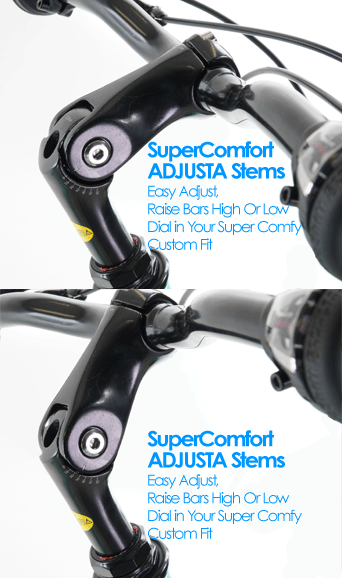
Touch points matter too. Grips that feel secure, bars that match your reach, and a stable stem setup make the whole bike feel composed.
If you are picking the best bike to start cycling again, prioritize comfort and stability first. You can always chase performance later.
Gearing that encourages you instead of overwhelming you
Returning riders often benefit from gearing that is simple to understand. You want a system that helps you manage small hills without thinking too hard.
If your rides are mostly flat, a simpler setup can be a relief. If you expect hills, you still do not need a confusing drivetrain. You need a range that supports your routes, with shifting that feels intuitive.
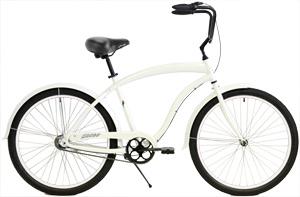
For some riders, the relaxed pace and simplicity of a beach cruiser can be exactly right, especially for neighborhood rides and paved paths. For others, a comfort hybrid with practical gearing is the sweet spot.
A short plan to rebuild confidence
Start with rides that are so easy they feel almost too short. Ten to fifteen minutes is enough at first. Choose a calm loop where you can stop whenever you want.
On the second week, add time, not intensity. Extend to twenty minutes, then thirty. Your body will adapt quickly, and your comfort will grow faster when you keep early rides pleasant.
If something feels off, adjust fit before you assume you need a different bike. A small saddle height change can transform the ride.
Three friendly picks to get you rolling again
Here are three options that fit what many returning riders ask for:
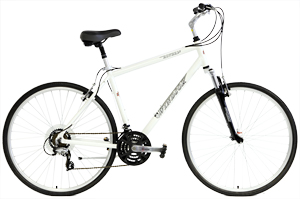
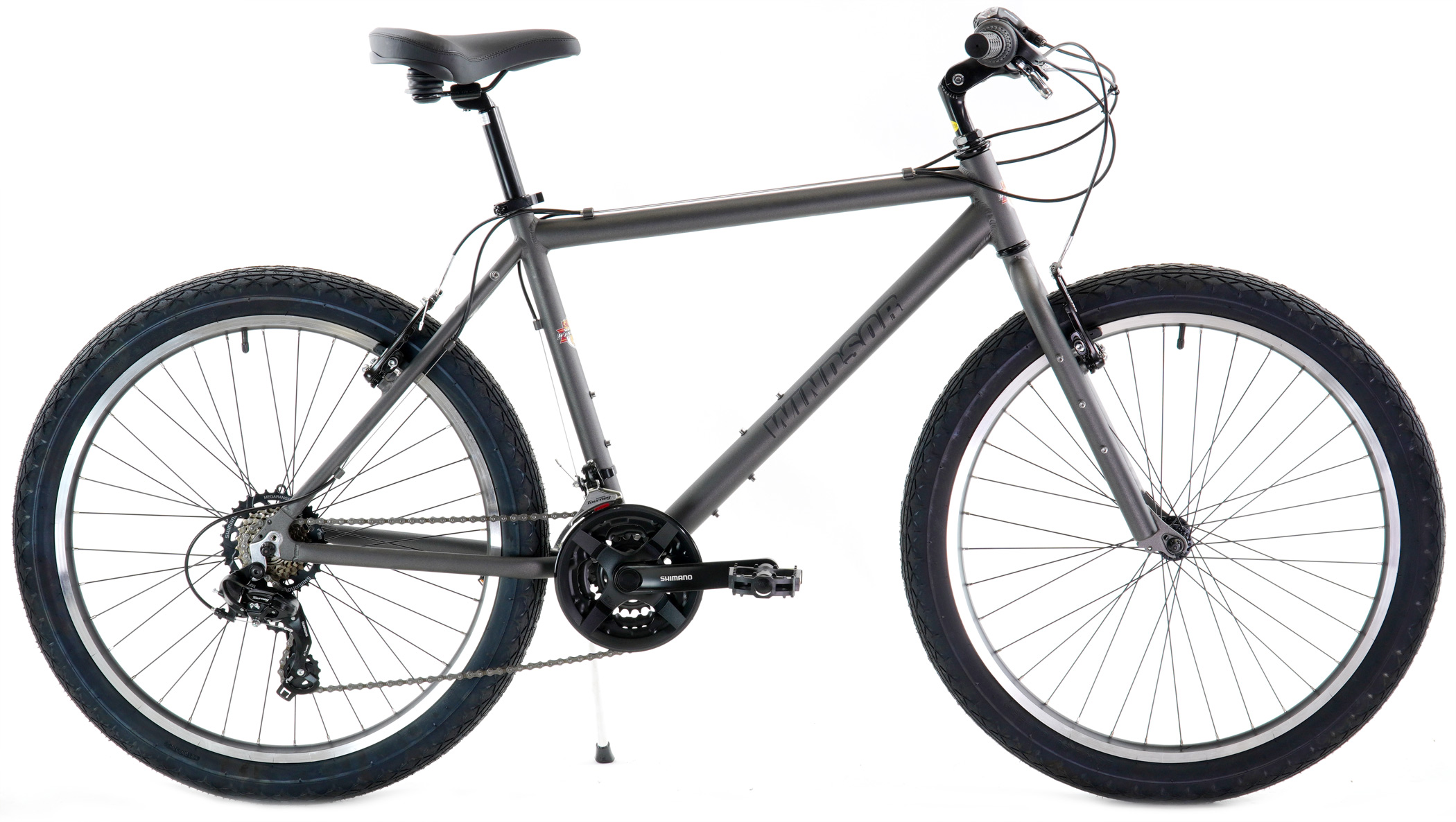
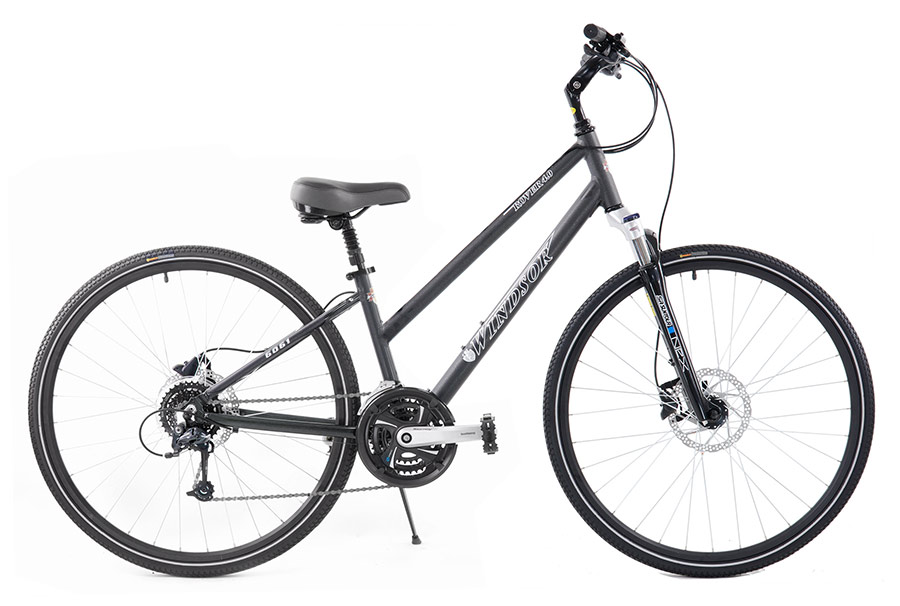
The Windsor Dover X7 is a confidence-builder with a comfort-focused approach that suits riders who want stability right away.
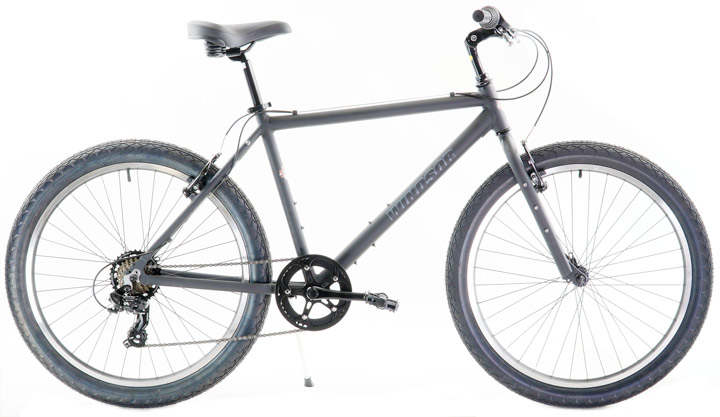
The Windsor Rover 2 is a practical choice for easy cruising on streets and paths when you want a calm, everyday ride.
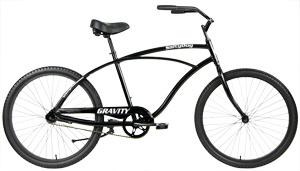
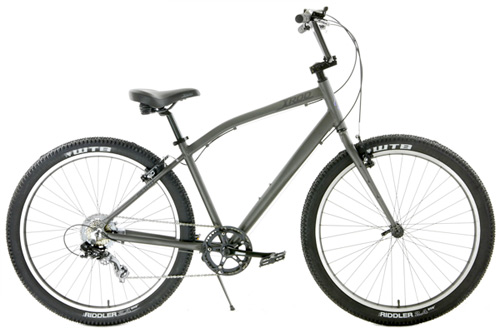
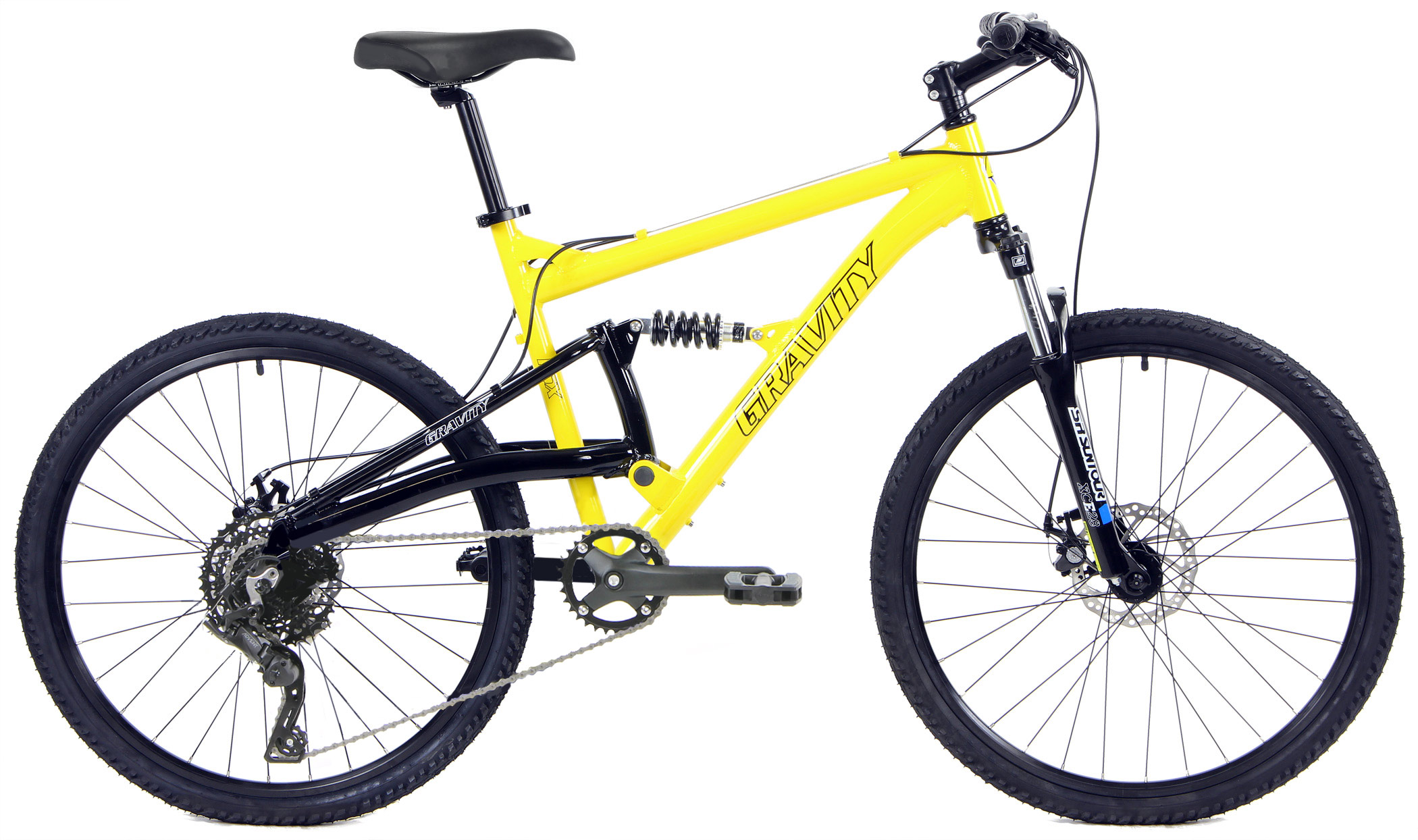
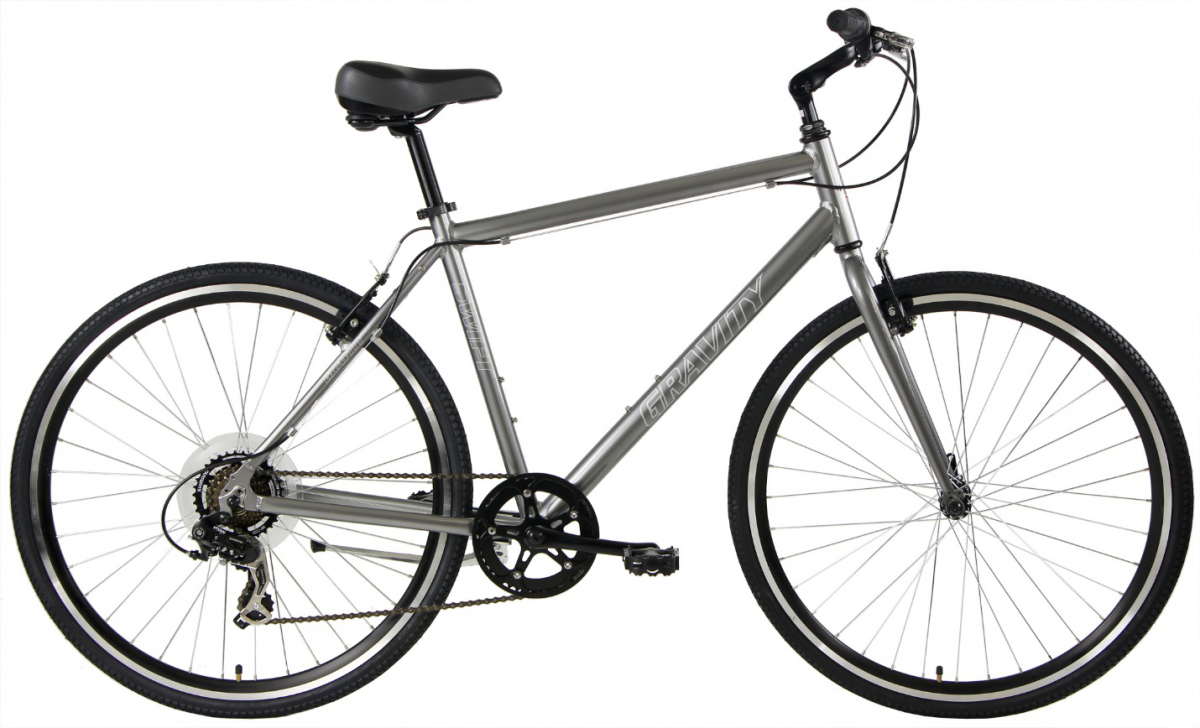
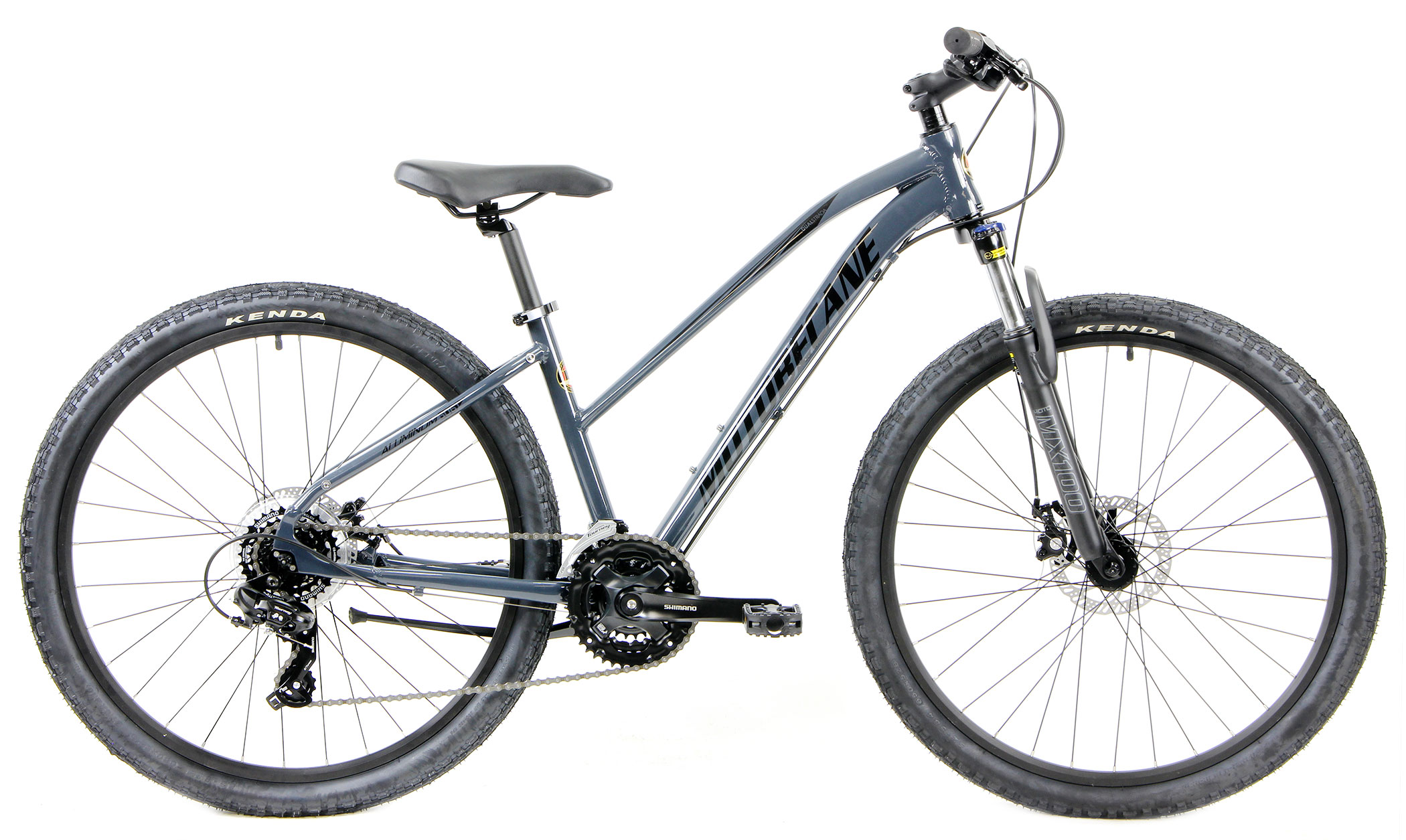
The Gravity Salty Dog is a relaxed option for riders who want a simple, comfortable style that feels approachable.
Make the comeback feel easy
The best return-to-cycling story is the one where you finish the ride thinking, I can do that again tomorrow. The best bike to start cycling again is the one that removes barriers, not the one that tries to impress you on paper. Comfort, stability, and ease are what get you riding consistently.
We design our selection around real riders and real routes, so you can find a bike that makes the first ride back feel natural. If you tell us where you plan to ride and what you want to feel on the bike, we can help you choose the best bike to start cycling again without overthinking it.
A lot of adults return to cycling with one hope: ride more and feel better. Then the first long ride happens, and the body sends a clear message. Sore hands. Tight shoulders. A back that needs a stretch break.
It is tempting to blame the saddle. But comfort rarely starts there.
The most comfortable bikes for adults are comfortable because posture, geometry, and tires work together. When those three pieces line up, you can ride longer without constantly shifting around or counting minutes until you get home.
If you are shopping, start by looking at bikes built for comfort by design, such as models in the Comfort Bike category, where relaxed posture is part of the blueprint.
Secret one: reach is the silent comfort killer
Reach is how far you have to stretch to the bars. Too much reach forces you to lock your elbows, round your back, and brace through your hands. That creates pressure and fatigue even if you feel fine for the first few miles.
Many adults simply feel better when the bars are higher and closer. That posture reduces the load on wrists and shoulders and lets you keep your head up naturally. It is one reason some riders struggle on road bikes for casual riding, even though the bikes are great at speed.
A comfort-first bike should let you hold the bars with a relaxed grip, not white knuckles. If your shoulders can drop and your elbows can stay soft, you are on the right track.
Secret two: tire volume is built-in smoothing
Tires are your first suspension. More air volume can soak up vibration and tame rough pavement. This matters a lot for adult riders because small impacts add up over time.
Higher volume tires also increase grip, which reduces the feeling that the bike is skittering across cracks and debris. That alone can make riding feel more relaxed because you are not constantly guarding against slips.
A bike like the Windsor Dover X7 highlights how a comfort-oriented build can pair upright posture with wider tires for a smoother, more forgiving ride on everyday surfaces.
Secret three: comfort comes from how your body stacks over the bike
A truly comfortable ride often looks like this:
Your torso angle feels natural.
Your hands feel light.
Your hips feel open.
Your vision is forward without strain.
That body stacking is why step-through and upright designs can be so appealing for adults. Getting on and off feels easy, stops feel stable, and the bike invites relaxed riding instead of demanding an athletic pose.
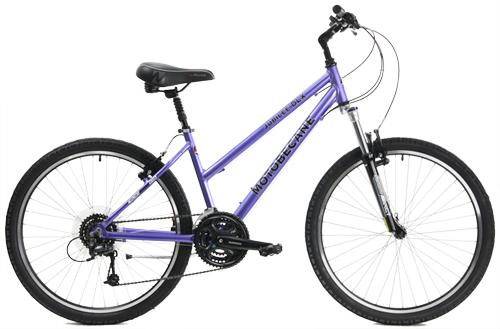
If you want a comfort example built for easy posture adjustment and smooth cruising, the Motobecane Jubilee Deluxe is designed around the idea that comfort should be the default, not an afterthought.
Secret four: the best comfort bikes let you fine-tune posture
Adults come in every shape and flexibility level. Most comfortable bikes for adults make it easy to dial in small changes that have big impact.
A few practical adjustments help most riders:
Raise the bars slightly if your hands carry too much weight.
Slide the saddle so your knees feel natural over the pedals.
Choose grips that reduce pressure points.
Use tires with enough width to smooth your typical routes.
You do not need a complicated fit session to benefit. The goal is simple: a posture you can hold without tension.
Secret five: comfort still needs stability
Comfort is not only soft. It is also predictable.
A bike that handles calmly helps you relax your upper body. That is why comfort bikes often feel reassuring, even at slow speeds. In contrast, a bike designed for quick response can feel nervous when you are trying to cruise.
This matters when riding on paths, neighborhood roads, and uneven pavement where calm handling keeps your shoulders loose and your breathing steady.
How to spot comfort in five minutes
If you are deciding between bikes, here are quick signs you are on a comfort-forward design:
You can sit tall without feeling pulled forward.
Your hands can stay relaxed without numbness.
You can scan left and right easily.
Bumps feel muted, not sharp.
Starts and stops feel steady.
When those boxes are checked, the ride tends to feel easy longer. That is exactly what most returning riders want.
Comfort is what makes cycling stick
The most comfortable bikes for adults are not just pleasant, they are practical. They reduce aches, increase confidence, and make it easier to ride often. If you have tried to ride more and your body pushed back, switching to a design that supports comfortable bikes for adults comfort is often the difference between quitting and building a habit.
We carry bikes for every style of riding, including road bike options, trail-ready mountain bike builds, mixed-surface gravel bikes, laid-back beach cruisers, versatile hybrid bike models, and adventure-focused fat bikes. If you want help choosing the best match for your comfort goals, please contact us.
Shopping for an easy, confidence-building bike can take you in two very different directions: the laid-back simplicity of a beach cruiser, or the big-tire confidence of a fat bike. On paper, both look “comfortable” because both put a lot of rubber on the ground and both can feel stable at low speeds. In practice, they’re built for different kinds of comfort—and different kinds of riding.
This beach cruiser vs fat bike comparison breaks down the real differences in posture, tire width, ride feel, and best-use scenarios so you can choose the bike that matches how you’ll actually ride.
The Quick Summary: Which One Fits Your Life?
If your rides are mostly local and relaxed—neighborhood loops, errands, short commutes, and casual weekend cruising—comfort usually means a natural upright posture and easy handling. That’s where the beach cruiser shines.
If you ride in conditions where traction is unpredictable—soft sand, snow, loose dirt, chunky gravel, or rough terrain—and you want maximum grip and stability, capability becomes the priority. That’s where the fat bike earns its reputation.
Neither is “better.” They’re just built to solve different problems.
Riding Posture: Upright Ease vs Neutral Control
Beach cruiser posture: relaxed by design
Cruisers are built around an upright, easy position that keeps your shoulders relaxed, your head up, and your wrists comfortable. The steering is typically calm and forgiving, and the bike feels intuitive if you’re riding in normal clothes and you’re stopping frequently.
This is why cruisers feel so approachable for adults who want low-stress riding. A cruiser invites slow rides, casual trips, and comfort-first routine miles.
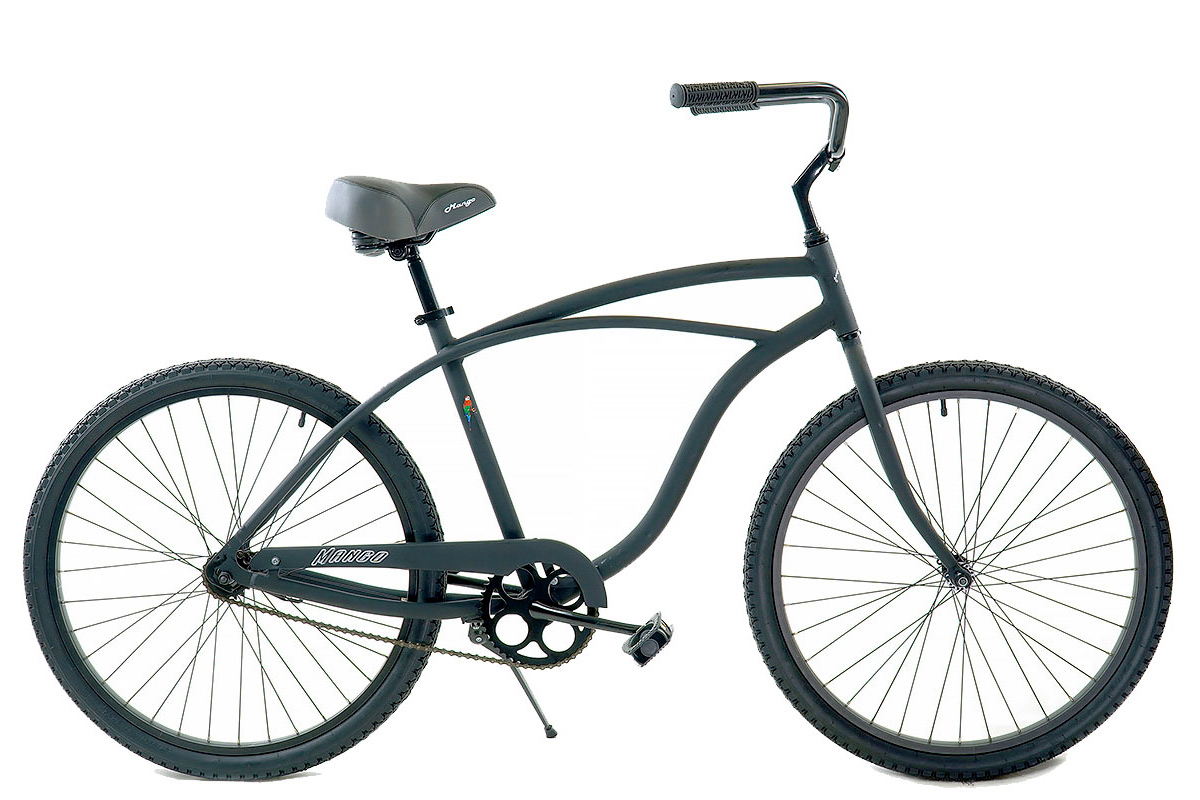
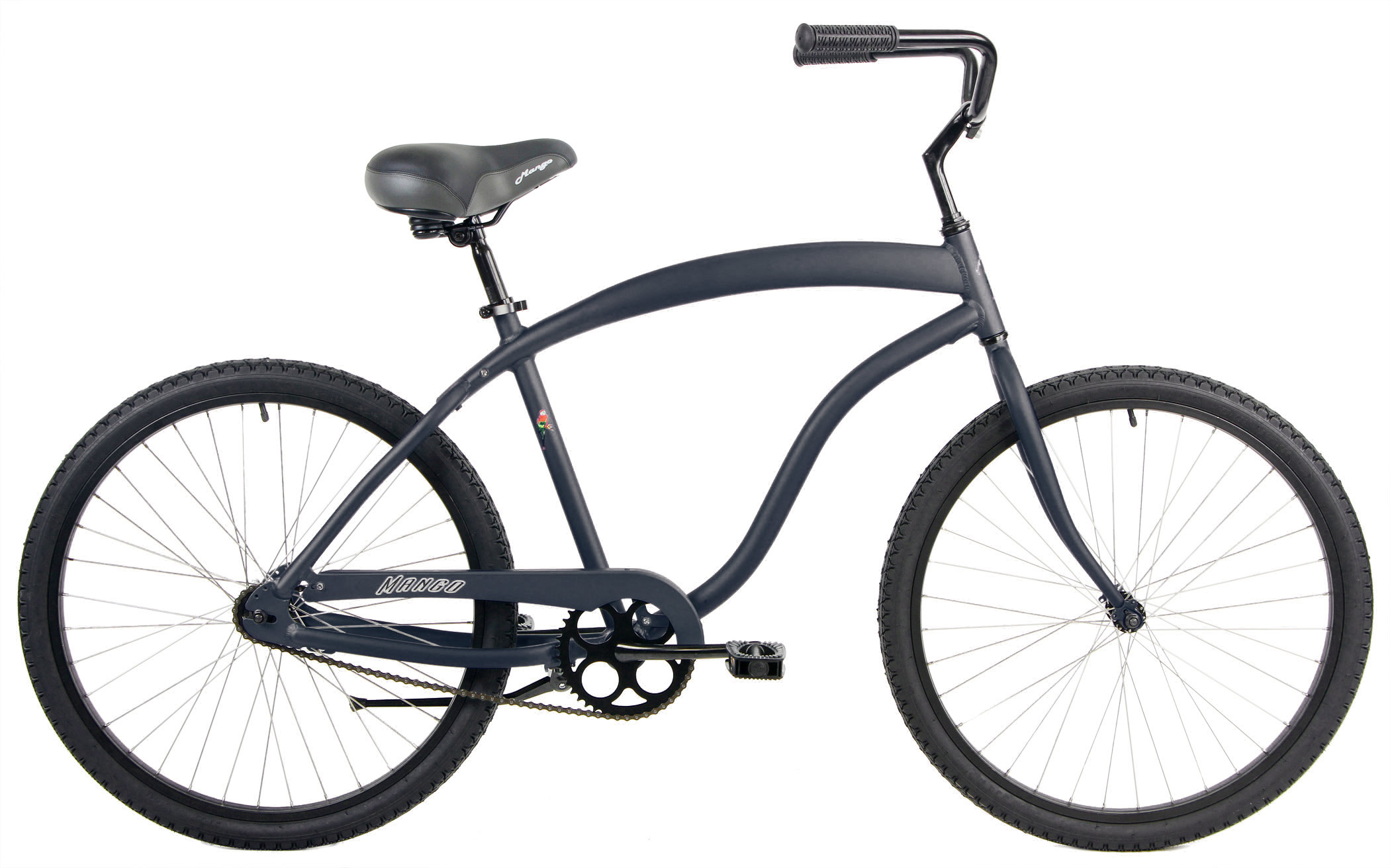
If that’s your priority, BikesDirect’s Mango lineup is a strong reference point for what modern cruisers are meant to feel like:
Fat bikes vary, but most are designed to handle rough surfaces and low-traction conditions. The posture tends to be more “neutral control” than pure upright lounging. You’ll often feel like you’re positioned to steer and manage big tires through uneven terrain, rather than sitting fully upright for a leisurely roll.
That difference matters. If your main goal is relaxed comfort on smooth streets, a cruiser posture is often the winner. If your goal is stability in challenging conditions, fat bike posture supports that kind of control.
Tire Width: The Real Difference Most Riders Feel Immediately
Tires are where these two categories diverge most dramatically.
Cruiser tires: comfort through moderation
Cruiser tires are usually wider than typical road tires, but they’re not extreme. They’re designed to roll smoothly on pavement while taking the edge off cracks, seams, and rough patches. That means you get a softer feel without turning every ride into a workout.
This is “comfort for everyday surfaces.” It works for neighborhood streets, paved paths, and casual commuting.
Fat bike tires: capability through maximum flotation
Fat bike tires are designed to stay in place on soft or loose terrain. The added width creates flotation and grip in conditions where a normal tire would sink or slip. That’s why fat bikes are popular for sand and snow, and why they feel so stable on loose surfaces.
The trade-off is rolling resistance. On pavement, big tires can feel slower and heavier, especially over longer distances. Many riders love that stability, but if your riding is mostly on smooth roads, the extra tire can feel like more work than you need.
Comfort Isn’t Just “Soft”: It’s How the Bike Matches Your Routes
Here’s a useful way to think about comfort:
Cruiser comfort = relaxed posture + easy rolling on pavement
Fat bike comfort = stability + traction in unpredictable terrain
If your “comfort problem” is related to body position (neck, shoulders, wrists) or you want a calmer ride at casual speeds, a beach cruiser tends to solve it better.
If your “comfort problem” is fear of slipping, sinking, or losing control on loose surfaces, a fat bike tends to solve it better.
Best-Use Scenarios: Which Bike Wins Where?
Choose a beach cruiser if you want:
Short rides, errands, neighborhood cruising
An upright posture that feels natural immediately
Easy handling in stop-start situations
A low-stress bike you’ll actually use frequently
Cruisers are also great if you’re returning to riding and want to rebuild consistency without discomfort. The Mango options linked above are excellent examples of cruiser setups that prioritize everyday rideability.
Choose a fat bike if you want:
Sand, snow, or consistently loose terrain
Maximum traction and stability off pavement
A bike that thrives when routes are rough or unpredictable
A “go anywhere” mindset, even if it’s slower on pavement
If your routes are mostly paved with occasional dirt paths, a fat bike can be overkill. But if you truly ride soft, loose terrain regularly, it can feel like the perfect tool.
What About “Mixed Riding”? Consider This Middle Ground
A lot of riders are choosing between these categories because they want comfort and versatility. If your riding is mixed—streets, paths, rough pavement, and occasional hardpack—there’s a strong argument for a different style entirely: a hybrid bike or a gravel bike.
A hybrid can provide you with upright comfort and practical versatility without requiring extreme tires.
A gravel-style setup can provide efficiency and stability across pavement and paths, eliminating the rolling resistance of a fat bike.
If you’re in that “mostly pavement but sometimes rough” zone, those middle options often deliver the best balance.
Comfort vs Capability Comes Down to Your Real Routes
The beach cruiser is the comfort choice when comfort means relaxed posture, easy handling, and enjoyable everyday riding on normal streets and paths. The fat bike is the capability choice when capability means traction and stability in loose, soft, unpredictable terrain.
If your goal is to ride more often, run errands, and enjoy low-stress cruising, a beach cruiser setup—like the Mango cruisers available through BikesDirect—will usually be the best match. If your goal is to ride sand, snow, or rough terrain where flotation and grip matter most, a fat bike is hard to beat.
If you want help choosing the right category and a bike that fits your riding style, pleasecontact us.
The question usually starts small. Someone walks into cycling, curious but unsure. They want to ride more, maybe commute a few days a week, explore trails on weekends, or simply get fitter without feeling locked into one style of riding. They look at two bikes that seem similar at first glance and ask the question that has become increasingly common: Should I get a hybrid or a gravel bike?
The hybrid vs gravel bike debate isn’t about which bike is better overall. It’s about which bike fits your life better. Both categories were created to escape the limitations of traditional bikes. Both promise versatility. But they approach that goal in very different ways, and those differences matter more than most riders realize.
This guide breaks down speed, comfort, terrain handling, maintenance, and real-world use so you can make a confident, informed decision.
Why This Comparison Matters More Than Ever
Cycling has changed. Riders no longer fit neatly into categories like “road cyclist” or “mountain biker.” Today’s riders commute during the week, ride paths after work, and chase dirt roads on the weekend. They want a bike that adapts to life, not the other way around.
That shift is why hybrid and gravel bikes have exploded in popularity. Each offers freedom from specialization, but they serve different types of freedom. Understanding the difference between a hybrid bike and a gravel bike starts with understanding how you actually ride, not how you imagine riding someday.
What a Hybrid Bike Is Designed to Do
A Bikesdirect hybrid bike is built around approachability. It blends elements of road and mountain bikes but prioritizes comfort, ease of use, and everyday practicality. Upright geometry reduces strain on the back and neck. Flat handlebars offer intuitive control. Tires are wide enough to smooth rough pavement and light trails without slowing you down.
Hybrid bikes are often chosen by riders who value comfort and versatility over outright speed. They excel at commuting, fitness riding, neighborhood cruising, bike paths, and light gravel or dirt. If your riding includes errands, casual rides, or mixed urban terrain, a hybrid feels natural almost immediately.
Many riders transitioning from a beach cruiser or returning to cycling after a long break find hybrids welcoming. They feel stable at low speeds and forgiving when stopping or starting frequently.
What a Gravel Bike Is Designed to Do
A gravel bike takes a different approach. Instead of prioritizing upright comfort, gravel bikes prioritize efficiency across unpredictable terrain. They borrow speed and geometry cues from the road bike world while adding stability, tire clearance, and durability inspired by off-road riding.
Drop handlebars allow multiple hand positions, which matters on longer rides. Frames are shaped for stability when surfaces change quickly. Tires are wider and often more aggressive than road tires, but narrower and faster than most mountain bike tires.
Gravel bikes are designed for riders who want to cover distance. They shine on long mixed-terrain routes, gravel roads, forest service paths, and endurance-style adventures. If you enjoy riding for hours, exploring unfamiliar routes, or linking pavement with dirt seamlessly, gravel bikes feel purpose-built.
Hybrid vs Gravel Bike: Speed Differences That Matter
Speed is often misunderstood in the hybrid vs gravel bike discussion. On paper, gravel bikes are faster. Their geometry is more aerodynamic, their wheels roll efficiently, and their drivetrain choices favor sustained momentum. On open pavement or packed gravel, a gravel bike will usually outpace a hybrid ridden at the same effort.
However, speed isn’t just about top-end velocity. It’s also about how easily you can maintain your pace. Hybrids trade raw speed for relaxed efficiency. Their upright posture makes breathing easier for many riders. Acceleration feels less demanding. For short trips, stop-and-go riding, or casual fitness loops, hybrids often feel “fast enough” without feeling demanding.
If you’re coming from a road bike, a hybrid may feel slower but more forgiving. If you’re coming from a mountain bike, a gravel bike will feel dramatically faster while still handling rough surfaces.
Comfort: Where the Two Bikes Truly Diverge
Comfort is where the choice becomes personal. Hybrid bikes win immediate comfort. Upright positioning reduces pressure on wrists and lower back. Flat bars feel intuitive. Wider saddles and forgiving frames absorb vibration well.
Gravel bikes approach comfort differently. They distribute weight more evenly between hands, saddle, and pedals. Drop bars allow position changes, which reduces fatigue over long rides. While the posture is more forward, many riders find gravel bikes more comfortable over distance once they adapt.
If your rides are under an hour and include frequent stops, hybrids often feel more relaxed. If your rides stretch into multiple hours, gravel bikes often feel better as fatigue builds.
Terrain Handling: Matching the Bike to the Surface
This is the heart of the hybrid vs gravel bike decision.
Hybrid bikes handle pavement, bike paths, and smooth dirt extremely well. They tolerate gravel, but deep or loose surfaces can feel sketchy at speed. They are not built for aggressive off-road riding, but they don’t need to be.
Gravel bikes are designed for uncertainty. Loose gravel, washboard roads, hard-packed dirt, and mixed pavement transitions are exactly where they excel. Wider tires, longer wheelbases, and stable geometry allow riders to maintain control without slowing dramatically.
For truly rough terrain, roots, rocks, or steep technical trails, a mountain bike or fat bike is still the better tool. Gravel bikes are not mountain bikes. But for everything between smooth pavement and technical trails, gravel bikes dominate.
Handling and Confidence for New Riders
New riders often feel more confident on hybrids initially. The upright stance improves visibility. Flat bars feel familiar. Putting a foot down at stops feels natural.
Gravel bikes require a short learning curve, especially for riders unfamiliar with drop bars. Once that adjustment happens, many riders find gravel bikes incredibly confidence-inspiring at speed, especially on mixed surfaces.
If you prioritize immediate ease and confidence, hybrids have the edge. If you’re willing to learn and grow into your bike, gravel bikes reward you over time.
Maintenance and Ownership Considerations
Maintenance is often overlooked, but it matters.
Hybrid bikes are generally simpler. Flat-bar controls are straightforward. Replacement parts are common and affordable. Adjustments are easy for beginners to understand. If you plan to do basic maintenance yourself, hybrids feel less intimidating.
Gravel bikes often use road-style components. While still reliable, they can be slightly more complex to adjust. Drop-bar shifters combine braking and shifting into one unit, which can increase replacement cost.
Neither bike is high-maintenance by nature, but hybrids tend to be slightly easier and cheaper to own long-term, especially for casual riders.
Fitness Goals and Riding Style
Your goals matter more than marketing.
If fitness means moderate rides, steady effort, and enjoying the process, hybrids align well. They encourage consistency. They don’t punish casual riding.
If fitness means endurance, distance, and progression, gravel bikes often feel more motivating. They encourage exploration and longer routes, which naturally build fitness over time.
Many riders who start on hybrids eventually move to gravel bikes as their confidence and ambition grow. Very few move in the opposite direction unless their priorities change.
Versatility Compared to Other Bike Types
When comparing hybrids and gravel bikes to other popular categories, their versatility becomes clearer. Against a traditional road bike, both hybrids and gravel bikes offer a more forgiving ride. Road bikes prioritize speed and efficiency on smooth pavement, but that focus often comes at the cost of comfort and flexibility. Hybrids and gravel bikes soften the ride with wider tires and more relaxed geometry, allowing riders to move confidently beyond perfect asphalt and onto varied surfaces without feeling restricted.
When placed next to a mountain bike, hybrids and gravel bikes stand out for efficiency. Mountain bikes excel on technical trails, roots, and steep descents, but their weight, suspension, and aggressive tires can feel sluggish on pavement and bike paths. Hybrids and gravel bikes roll faster, accelerate more easily, and feel better suited for everyday riding when smooth surfaces make up most of the route.
Compared to a beach cruiser, both bikes dramatically expand how far and how long you can ride. Cruisers shine in relaxed, short-distance scenarios, but they sacrifice efficiency and adaptability. Hybrids and gravel bikes maintain comfort while adding gearing, responsiveness, and terrain flexibility that open the door to longer rides and broader exploration. Between the two, gravel bikes cover a wider performance envelope, while hybrids cover a wider lifestyle envelope, blending cycling into daily routines with minimal friction.
Which One Fits Your Lifestyle Better
A hybrid bike is a natural fit if your riding includes commuting, errands, fitness loops, bike paths, and casual exploration. Comfort, ease of use, and practicality define the hybrid experience. Riders who prefer upright positioning, frequent stops, and the ability to ride in everyday clothes often find hybrids seamlessly fit into their lives.
A gravel bike suits riders drawn to longer distances, mixed terrain, backroads, and adventure. If speed, efficiency, and exploration motivate you, gravel bikes feel equally at home on pavement and dirt, encouraging curiosity beyond familiar routes. The hybrid vs gravel bike choice is not about right or wrong. It is about alignment with how you want to ride.
The Long-Term Perspective
Think beyond your first month of riding. Think about where you want to ride six months from now. Think about whether your curiosity leans toward comfort or adventure. Hybrids often become lifelong companions for practical riders. Gravel bikes often become gateways into endurance cycling, bikepacking, and exploration. Both bikes can change how you experience cycling. The best one is the one that makes you want to ride tomorrow.
The beauty of modern cycling is choice. You no longer have to fit into a rigid category. Both hybrid and gravel bikes represent freedom from limitation, just expressed differently. If you understand how you ride, where you ride, and why you ride, the answer becomes clear.
Ready to Choose the Bike That Fits Your Life
Explore the full range of hybrid and gravel options at Bikesdirect.com and find the bike that matches your goals, terrain, and riding style. Compare features, pricing, and designs all in one place, and get more performance for your investment. Whether you lean toward comfort or adventure, we make it easy to choose confidently and start riding the way you want—today.
Most people don’t buy the wrong bike because they picked a bad brand; they buy the wrong bike because they picked the wrong category for their day-to-day riding. A bike that feels amazing on one surface can feel slow, harsh, or unstable on another. And once a bike feels like work instead of fun, it sits.
If you’re here because you searched for the types of bikes, we’ll make this simple and practical. In this guide, we’re going to match bike categories to real riding situations: commuting, fitness, weekend exploring, trails, and casual cruising, so you can choose with confidence.
To keep this easy to shop as you read, we’ll include links to our main categories and talk through what to look for (and what not to overthink). If you already know you want a pavement-focused bike, you can start browsing ourRoad bike category right away and use the sections below to narrow in on the best fit.
A fast decision framework that works for nearly everyone
Before we get into road vs. mountain vs. gravel, let’s zoom out. The best buyer’s guide isn’t a list of features; it’s a way to decide quickly based on your needs.
1) Surface: What will you ride most of the time?
Be honest here. Most of the time, daily surface matters more than the once-a-month adventure ride.
Smooth pavement → efficiency and speed matter; narrower tires usually feel faster.
Rough pavement + paths → comfort and stability move up the priority list.
Dirt, roots, rocks, and real trails → traction and control become the whole game.
Sand/ snow/ very loos terrain → you’ll want serious tire volume for float.
2) Goal: What does a great ride mean to you?
Fitness & speed: you’ll enjoy a bike designed to reward effort.
Comfort & easy miles: upright posture and stable handling keep you riding longer.
Exploration: versatility matters; tire clearance, mounts, and confident handling on mixed surfaces.
Utility: commuting and errands are smoother with practical features and predictable steering.
3) Posture: How upright do you want to sit?
This is one of the biggest differences between categories.
More forward: can be efficient and fast, especially over distance.
More upright: often feels more natural for casual riding, commuting, and city routes.
Neither is better. The best posture is the one you’ll happily ride for an hour.
4) Tolerance for maintenance and tinkering
More complex setups can mean more fine-tuning over time. Many riders love that and enjoy dialing in their bike. Others want simple, reliable, and low-fuss. There’s no right answer; only what fits you.
5) Where your budget makes the biggest difference
If you’re trying to get the best ride quality per dollar, prioritize:
braking confidence
drivetrain feel (shift quality + useful gearing)
wheels and tires (comfort and traction live here)
Now, let’s apply this to the categories you’ll see most often.
Road bikes: fast, efficient, and made for pavement
A road bike is the category built to cover distance efficiently. The geometry is designed to translate your effort into speed. Tires are typically narrower than other categories, and the position is often more forward-leaning for aerodynamic efficiency and power transfer.
If most of your rides revolve around pavement, fitness loops, longer weekend rides, group rides, or distance goals, this is where to start:Road bike.
What to look for in a road bike (without overcomplicating it)
Fit and comfort come first. A road bike that’s a little more relaxed can be a better everyday choice than an ultra-aggressive setup, especially if you’re newer to the category or you’re planning longer rides.
Gearing should match your terrain. If you’ve got hills, you’ll want enough low gears to keep climbs enjoyable. Riders often regret too tall gearing more than they regret a little extra range.
Don’t obsess over tiny weight differences. It’s easy to get pulled into grams. In practice, fit, tire choice, and your route choice matter more.
When a road bike isn’t the best fit
If your local roads are broken up, you ride mixed-use paths a lot, or you want to leave pavement whenever curiosity strikes, you may be happier on a gravel bike or a hybrid. You’ll give up a little pure-road speed, but you’ll often gain comfort and confidence.
Mountain bikes: control, traction, and confidence off-road
Mountain bikes are designed for terrain where traction and stability matter more than aerodynamics. They’re built to handle uneven surfaces; dirt, rocks, roots, and steep grades; and they’re tuned to keep you in control when trails get rough.
If trails, parks, and off-road routes are your main priority, browse here:Mountain bike.
Hardtail vs. full suspension: the difference you’ll feel immediately
Hardtail (front suspension, rigid rear)
Often feels efficient when climbing
Typically simpler and lighter
Great for smoother trails, mixed terrain, and riders who want a responsive ride feel
Full suspension (front + rear suspension)
Often feels more controlled on rough trails
Can reduce fatigue and increase comfort on longer rides
Helps keep traction when the ground gets choppy and unpredictable
If you ride terrain that regularly beats you up, or if you’re building confidence and want a bike that feels more forgiving, full suspension can be a real quality-of-life upgrade.
A practical full-suspension example: Gravity FSX 1.0 Advent26 1BY
When riders are trying to understand what full suspension actually changes, we like pointing to a straightforward trail-ready option as a reference point. The Gravity FSX 1.0 Advent26 1BY is a great example of the kind of bike that can make rougher routes feel smoother and more controllable, especially for riders who want more comfort and traction without jumping straight into a premium price bracket.
The key takeaway isn’t that full suspension is always better. It’s that full suspension can make trail riding more approachable and less punishing, which usually means you ride more and progress faster.
Key mountain-bike comparisons that actually matter
Wheel size and stability Larger wheels can feel steadier over obstacles and carry momentum well. Smaller wheels can feel more agile and playful. Neither is a universal win; the best choice depends on your trails and your preferences.
Tire width and tread Tires do a lot of work. If you want more confidence, look at the tire setup before you get lost in marketing terms.
What kind of trails are you riding? Smooth flow trails, rocky technical trails, steep descents, and mixed terrain all ask for different priorities. Choose the bike that matches the riding you’ll do next weekend, not the riding you might do someday.
Gravel bikes: the one-bike answer for mixed surfaces
Gravel bikes are built for riders who want versatility without giving up the ability to cover distance efficiently. They’re designed to feel stable on mixed terrain, accept wider tires than most road bikes, and stay comfortable over longer rides, especially when the pavement turns rough, or you decide to explore a dirt road just to see where it goes.
If your riding includes rough pavement, rail trails, dirt roads, or a blend of everything, start here:Gravel bike.
Why gravel feels different from road (in a good way)
Tire clearance and comfort Wider tires can add comfort and stability on surfaces that would feel harsh on narrower road setups.
Stable handling Many gravel designs prioritize predictable steering and composure on loose terrain.
Practical versatility Gravel bikes are often chosen by riders who want one bike that can handle weekday fitness rides and weekend adventure routes without needing a separate specialized bike for every scenario.
And when riders ask for types of bikes explained, gravel is often the category that unlocks the decision, because it bridges the gap between fast pavement riding and confident mixed-surface exploring.
A comfort-focused option worth knowing about: Windsor Dover 1.0
Not every rider wants a forward-leaning posture. Some riders care most about stable handling, comfort, and day-to-day practicality, and that’s where comfort-leaning builds can shine.
The Windsor Dover 1.0 is a great example of a bike that fits into real-life riding; the kind of routes that mix neighborhoods, paths, and imperfect pavement where comfort and confidence matter more than chasing top speed. If your goal is to ride more often, feel steady, and keep things enjoyable, this style of bike can be an excellent match.
Hybrid bikes: the everyday sweet spot for fitness, commuting, and comfort
If you want one bike that feels natural right away, and doesn’t demand you dress like a cyclist to enjoy it, a hybrid is often the easiest win. Hybrids blend an efficient pedaling position with a more upright posture and stable handling, which is why so many riders end up happiest here long-term.
You can browse our hybrid selection here:Hybrid bike.
Who a hybrid is perfect for
A hybrid is a great fit if your rides look like:
paved paths, greenways, and bike lanes
neighborhood loops and casual fitness rides
commuting to work or school
errands where you want stable handling and easy starts/stops
Hybrids also shine for riders who value comfort and confidence over outright speed. You may not win a sprint against a dedicated road setup, but you’ll likely ride more often and enjoy it more, because the bike feels friendly instead of demanding.
What to look for in a hybrid (the stuff you’ll actually notice)
1) Fit and posture
Hybrids are typically more upright than road bikes, which can be easier on your neck, shoulders, and hands, especially if you’re returning to cycling after a break.
2) Tire width and ride feel
Moderately wider tires can make rough pavement feel smoother. If your routes include bumpy paths or city streets, this matters more than most people expect.
3) Gearing that matches your area
If you’ve got hills, you’ll want low gears you can actually use. If you’re mostly flat, simpler gearing can be perfectly satisfying.
4) Brakes you trust
The best brakes are the ones that feel consistent and predictable for your conditions, especially if you’ll ride in traffic, in wet weather, or on descents.
Two real-world hybrid examples from our lineup
If you want a capable, straightforward bike for paths, commuting, and daily miles, the Gravity Swift DLX24 is an excellent do a bit of everything option. It’s the kind of hybrid we recommend to riders who want a stable ride, practical ergonomics, and an easy setup that supports regular use; fitness rides during the week, longer path rides on the weekend, and the occasional errand without fuss.
If comfort is the priority, and you want a ride that stays calm and steady on imperfect pavement, the Windsor Rover 2.0 is a great match. Riders often gravitate toward this style when they want more upright confidence and a just-feels-right posture for everyday riding.
Hybrid vs. gravel vs. road: choosing the right pavement-plus bike
A lot of riders get stuck here: they mostly ride the pavement, but they don’t want to feel limited. The good news is you don’t need to overthink it; just match the bike to how you actually ride.
Choose a hybrid if…
want upright comfort and predictable handling
ride in traffic, around neighborhoods, or on mixed paths
value ease of use and stability more than top-end speed
want a bike that feels approachable from the first ride
Choose a gravel bike if…
routes regularly include rough pavement, dirt roads, or rail trails
like the idea of exploring beyond the pavement without committing to a mountain bike
want one bike that can do a lot while still feeling efficient
Choose a road bike if…
rides are primarily smooth pavement, and you care about speed and distance efficiency
enjoy a more forward riding position
want a bike built to reward effort over longer miles
The decision often comes down to posture and surface: more upright and practical points toward hybrid; more mixed surfaces and longer distance exploring points toward gravel; smooth pavement and speed goals toward road.
Cruisers: comfort-first riding for relaxed fun
Cruisers are exactly what they sound like: simple, comfortable bikes built for enjoying the ride. They’re ideal when you care more about comfort, style, and easy miles than you care about speed or technical performance.
Upright posture Cruisers typically put you in a relaxed position that feels intuitive; great for sightseeing, neighborhood rides, and short errands.
Stable steering They’re designed to feel calm and steady at casual speeds.
Simplicity Many cruiser setups keep things straightforward, which can be appealing if you’re not looking for a project bike.
When a cruiser is the best choice
Cruisers are a great fit if:
ride mostly flat terrain
ou want short-to-medium casual rides
want something comfortable and easy to hop on
ou’re riding boardwalks, beach paths, and neighborhoods
When a cruiser is not the best choice
If your area is hilly, or you want longer fitness rides where efficiency matters, you may be happier on a hybrid or gravel setup. Cruisers can absolutely be ridden beyond short rides, but they’re happiest when the goal is relaxed comfort.
Fat bikes: traction and float for sand, snow, and loose terrain
Fat bikes are built for conditions where typical tires struggle. They use very wide tires at relatively low pressures to create float, helping you stay on top of soft, loose surfaces like sand or snow.
Sand and snow This is the classic fat-bike use case. The wide tires help you keep momentum where other bikes sink or spin out.
Loose and rugged terrain They can be extremely confidence-inspiring on unpredictable surfaces.
Comfort through tire volume Even when you’re not on sand or snow, the tire volume can feel cushy and stable; though it’s not the same as suspension, and it comes with tradeoffs (more rolling resistance on pavement).
The tradeoffs to know before you choose one
Fat bikes can be amazing, but they aren’t a universal upgrade.
On pavement, they often feel slower than a hybrid or gravel bike because the tires create more resistance.
They can be heavier and more tractor-like, which many riders love off-road, but not everyone wants them day to day.
If your riding includes true sand/snow seasons or consistently loose terrain, a fat bike can be the perfect tool. If most of your riding is pavement and paths, you’ll usually get more everyday enjoyment from a hybrid or gravel setup.
A quick match your ride cheat sheet
If you want a simple way to sanity-check your choice, use this:
Mostly pavement, fitness goals, longer distances → road bike
Pavement plus mixed-surface exploring → gravel bike
Real trails: dirt, rocks, roots, technical terrain → mountain bike
Relaxed short rides and comfort-first fun → cruiser
Sand/snow/loose terrain priority → fat bike
This cheat sheet is simple on purpose. Most people don’t need more complexity than that to choose well.
Fit, sizing, and a first-ride setup checklist
You can pick the perfect category and still end up frustrated if the fit is off. Fit is what turns good on paper into I can’t wait to ride it again.
Fit basics that matter immediately
1) Standover and confidence
You should be able to stand over the bike comfortably when stopped. Confidence at stops is a big part of how enjoyable a bike feels.
2) Reach (how stretched you feel)
If you feel like you’re reaching too far to the handlebars, you’ll feel it in your shoulders, neck, and hands. A slightly shorter reach often makes riding dramatically more comfortable.
3) Saddle height (the biggest performance/comfort lever)
A too-low saddle can make your knees and quads work harder than they should. A too-high saddle can cause hip rocking and discomfort. Getting this close to right makes a massive difference.
4) Handlebar height and angle
Small adjustments can change wrist comfort and reduce pressure on your hands. If you’ve ever gotten numb hands, this matters.
First-ride setup checklist (simple and practical)
Before your first longer ride, do a quick confidence lap and a few checks:
Tires: Inflate to an appropriate pressure (use the sidewall range as your guide).
Brakes: Test braking at slow speed and confirm the levers feel firm and consistent.
Shifting: Shift through gears on a short ride and confirm it’s smooth.
Bolts: Confirm key areas are snug (handlebar/stem, seatpost, pedals).
Comfort: After 10–15 minutes, reassess: Is the saddle height right? Are you reaching too far? Do your wrists feel natural?
If something feels off, it’s usually fixable with small adjustments. Getting the setup right early makes the whole experience better.
How to avoid the most common category mistakes
A few patterns show up again and again. Avoid these, and you’ll save yourself time and frustration:
Mistake 1: Buying for the someday ride instead of the weekly ride
If you ride paved paths every week and do trails twice a year, buy for the paved paths. The right bike for your weekly ride is the bike that will actually get used.
Mistake 2: Overbuying complexity
You don’t need advanced features to have fun or get fit. In many cases, a simpler, well-matched bike rides better day to day than a more complex bike that doesn’t fit your riding style.
Mistake 3: Ignoring posture preferences
If you want upright comfort, don’t talk yourself into a more aggressive posture because it sounds faster. Comfort is what keeps you riding.
Mistake 4: Underestimating tires
Tires influence comfort and confidence more than most people expect. The right tire for your terrain often matters more than tiny frame differences.
Choose with confidence, and get a bike you’ll actually ride
The best category choice is the one that matches your routes, your comfort preferences, and your goals. When you choose that way, riding becomes easier, more fun, and more consistent, because the bike feels like it belongs in your life.
If you came here looking for types of bikes explained, remember this: road bikes reward efficiency on pavement, mountain bikes deliver control on real trails, gravel bikes bridge surfaces for exploring, hybrids balance comfort and practicality, cruisers prioritize relaxed fun, and fat bikes unlock sand and snow.
At BikesDirect, we’ve built our categories so you can shop clearly, compare real specs, and find the best value for the way you ride. And if you’re still narrowing it down, revisiting types of bikes explained through the lens of your terrain and posture preference is one of the fastest ways to land on the right bike without second-guessing yourself.
If you’d like help choosing a category, picking the right size, or comparing models, pleasecontact us here.
For years, bike fitting worshipped exact angles: knee-over-pedal by the plumb bob, elbows at tidy degrees, stems slammed because pros did it. The result was often a fast-looking bike that felt twitchy after 40 minutes and punishing after 90. Modern bike fit flips the script. Instead of making your body serve a geometry chart, it tunes contact points and posture to your mobility, riding goals, and terrain. Numbers still matter—they’re guardrails, not handcuffs. What counts is whether you can breathe deeply, steer lightly, and put down power without discomfort from the first ten minutes to the last ten miles.
To make this practical, we’ll compare how modern bike fit plays out on three distinct platforms you can buy today—an endurance-leaning carbon road bike, a flat-bar city/fitness bike, and an all-road/gravel bike—so you can see how the same principles adapt to different ride styles.
The new fit priorities: posture, pressure, and predictability
Feel-first fit asks three questions. First, posture: can you see the road easily and breathe without shrugging your shoulders? Second, pressure: are weight and contact pressures spread so hands, sit bones, and feet feel supported rather than pinched? Third, predictability: does the bike steer where your eyes go, without micro-corrections?
On the Le Champion CF LTD, a taller stack and modest reach encourage a chest-open posture with soft elbows. That keeps breathing deep and core engaged on long road rides. The Avenue FXD Disc supports an upright stance for traffic awareness and lower-back ease, ideal for commutes and fitness loops. The Gravel X3 Disc adds tire volume and a slightly longer wheelbase, helping you stay relaxed as surfaces change. Different bikes, same goal: a stable torso with relaxed hands and a pelvis that’s supported—not hunting around the saddle every minute.
Saddle position: where comfort starts (and injury prevention, too)
Classic advice set saddle height by heel-on-pedal or fixed knee angles. Modern bike fit still respects those ranges but refines them by feel. You want a smooth knee path with no hip rock and power that arrives early in the downstroke, not awkwardly late. Most riders land near a 25–40° knee angle at the bottom of the stroke, but adaptation comes first: if your hamstrings or lower back are tight, slightly lowering the saddle (or moving it a touch forward) can stabilize your pelvis and unlock comfortable cadence.
On the Le Champion CF LTD, a millimeter or two can be the difference between all-day calm and creeping hamstring tug. On the Avenue FXD Disc, a hair lower position paired with a slightly more forward saddle often helps starts and stops feel confident in traffic. On the Gravel X3 Disc, keep height conservative to preserve traction when seated over rough patches; stability equals speed on chattery gravel.
Saddle tilt follows the same rule: level is the starting point; micro-tilt by half-degree steps. Numb hands? Your pelvis may be sliding forward—lift the nose a whisper. Pressure at the front? Drop the nose slightly so pelvic tilt is neutral. Small changes, big relief.
Bars and cockpit: breathing room over bravado
A generation ago, “slammed and long” signaled speed. Today, fit prioritizes breathing room and light hands. For drop bars, look for a position where you can spend most time on the hoods with a soft elbow bend and a neutral wrist. If you need to shrug or lock your elbows to reach, the cockpit is too long or too low. On Le Champion CF LTD, adding a spacer or choosing a compact-reach bar can transform comfort without sacrificing pace. On Gravel X3 Disc, shallow-flare bars improve control on loose surfaces while maintaining neutral wrists. The Avenue FXD Disc’s flat bar benefits from a modest rise and gentle backsweep; those few degrees take strain out of wrists and shoulders in start-stop city flow.
Bar width has evolved, too. For road and all-road, many riders now prefer slightly narrower bars to reduce frontal area and shoulder strain, provided the chest still feels open. For flat-bars, avoid overly wide stances that load the wrists; let steering come from the core, not tension in your hands.
Cranks, cleats, and the quiet lower body
Shorter crank trends aren’t fashion—they reduce hip closure at the top of the stroke, improve breathing, and cut knee shear for many riders. If you’ve felt pinched at the top or struggle to spin smoothly, a 2.5–5 mm shorter crank can be a revelation, especially on endurance frames like Le Champion CF LTD. Cleat placement follows comfort and stability: start a bit farther back (toward mid-foot) than you think, align with your natural foot angle, and let your knees track without forcing them “straight.” The goal is quiet knees under load. On the Gravel X3 Disc, a forgiving cleat float helps as terrain tilts and cadence varies. On the Avenue FXD Disc, if you ride in everyday shoes, choose pedals with a broad, grippy platform and set saddle a shade lower for stable starts.
Tire volume and pressure: fit’s secret ally
Fit isn’t only contact points. Tire volume and pressure shape how your body experiences the bike. The Le Champion CF LTD shines with 28–32 mm tires at realistic pressures; that “quiet road” sensation reduces hand clench and shoulder fatigue, which keeps posture tidy. The Avenue FXD Disc thrives on 32–38 mm; calmer feedback lets you steer from your core instead of white-knuckling over cracks and paint. The Gravel X3 Disc is built for 38–45 mm tubeless; lower pressures smooth washboard and let your hips stay still, which stabilizes knee tracking and power.
If a fit feels almost right but not quite, check pressures. Over-inflated tires masquerade as a “cockpit problem” by putting buzz into your hands and lower back. Drop a few PSI and re-assess before chasing stems and spacers.
A feel-first setup plan for each platform
On Le Champion CF LTD, begin with a comfort-endurance posture: hoods as the home base, bar drop that keeps your chest open, and a saddle height that favors a smooth knee path over a maximal extension. Test on real roads with light surges. If hands load up late in rides, raise the bars a touch or rotate them slightly to bring the hoods higher.
On Avenue FXD Disc, aim for heads-up control: a modest bar rise and backsweep, levers set close for easy one-finger braking, and a saddle position that enables calm, seated starts. Keep the reach short enough that shoulder checks are second nature.
On Gravel X3 Disc, bias toward stability: a slightly shorter reach and a hair higher bar than your road position, shallow-flare drops for leverage, and saddle height set for traction and cadence on uneven surfaces. Let the bike absorb chatter so your hips stay quiet.
The ten-minute parking-lot test (modern bike fit in action)
Take an Allen key set and do three short loops. First loop: note any hand pressure or neck craning—if present, raise the bars 5–10 mm or shorten reach 5 mm and ride again. Second loop: watch your knees from above; if they sweep out or you’re rocking, lower the saddle 2–3 mm or slide it slightly forward. Third loop: add a handful of hard efforts; if you scoot on the saddle, fine-tune tilt by half-degree. Lock in the changes, then ride 30–40 minutes on familiar roads and re-check only what still talks back. This is modern bike fit: iterative, simple, guided by feel, with numbers validating comfort rather than dictating it.
When to consider a different size (or bike)
If your fit requires extreme stems, maximum spacers, or saddle rails slammed to one end, the frame-rider match is off. An endurance frame like Le Champion CF LTD will usually accommodate a wide range of riders who want comfort and speed. If traffic visibility and everyday clothes matter more, the Avenue FXD Disc’s geometry may suit your lifestyle better than forcing a road bike upright. If your favorite routes keep detouring onto dirt, the Gravel X3 Disc’s stability will feel “right” with fewer cockpit contortions.
Fit the rider first, then the numbers—BikesDirect can help
The future of road bike fitting isn’t anti-data; it’s pro-rider. Start with how you breathe, steer, and support your weight. Use numbers as sanity checks, not shackles. The Le Champion CF LTD, Gravity Avenue FXD Disc, and gravel bike X3 Disc each make that approach easy in their own way: endurance calm for long road days, upright control for daily miles, and stable versatility for mixed terrain. Tell BikesDirect about your mobility, routes, and ride goals, and they’ll translate “modern bike fit” into a setup you can hold for hours—without numb hands, tight hips, or wandering knees. If you’d like a short list of sizes, stems, bars, saddles, and tire pressures tailored to your body and terrain,contact BikesDirect and get a feel-first configuration that’s fast because it’s comfortable—and comfortable because it fits you.
Fuel strategy isn’t one-size-fits-all. Your position, rolling resistance, and terrain dictate power output—and that dictates what, when, and how much to eat and drink. To turn advice into something practical, we’re comparing cycling nutrition guides across three distinct long-ride bikes: an endurance-calm carbon road bike, an aero-leaning road setup, and a gravel/all-road machine for mixed surfaces. You’ll see how we adjust carbs, fluids, and electrolytes to match the effort each platform invites.
The reference bikes are the Motobecane Le Champion CF LTD (endurance carbon), the Motobecane Fast Aero Road Elite Disc (aero road), and the Motobecane Gravel X3 Disc (all-road/gravel). You can explore them here:Le Champion CF LTD,Fast Aero Road Elite Disc, andGravel X3 Disc.
The big picture: simple rules that actually work
Three principles anchor this guide. First, carbs power performance; most weekend riders under-fuel early and fade late. Second, hydration and sodium guard the engine; cramps and brain fog are often fluid/electrolyte problems, not fitness problems. Third, timing beats tinkering; set a schedule that’s easy to remember and stick to it even when you “feel fine.”
We’ll keep numbers conservative and easy to implement, then show how to tweak for pace and terrain.
The Le Champion CF LTD positions you a touch taller, accepts 28–32 mm tires, and encourages smooth pedaling. That “calm speed” profile means fewer spikes and a heart rate that hovers in aerobic zones. For most riders, this supports a straightforward fueling plan.
Night before: Aim for a normal dinner with balanced carbs—pasta, rice, potatoes—plus protein and veg. Skip experiments. Hydrate until urine runs pale, not clear.
Pre-ride (90–30 minutes out): 60–90 g carbs total, split however you tolerate—toast and banana, rice cakes with honey, or a simple drink mix. Sip 300–500 ml fluid.
On the bike: Target 40–60 g carbs per hour and 400–600 ml fluid per hour, adjusting up in heat. Use simple, repeatable units: one bottle with 20–30 g carbs plus one small chew or half a bar every 30 minutes. Include 300–600 mg sodium per hour via mix or tablets when it’s warm.
Why it works here: The bike’s smoothness reduces surges, so your stomach cooperates. Tire volume and posture lower overall stress, which means your gut stays online for digestion. If you finish with gas in the tank, step up to 60–75 g/h on future rides.
After: Within 30–60 minutes, add 20–30 g protein and 60–90 g carbs—yogurt and granola, a rice bowl, or chocolate milk plus a sandwich. Rehydrate to normal thirst and include some salt.
Plan B: Aero road (Fast Aero Road Elite Disc) — higher tempo, more surges
Pre-ride: Bump carbs to the higher end—80–100 g in the 90 minutes before rollout. A low-fiber option reduces gut friction at speed.
On the bike: Start early—within the first 15 minutes. Target 60–90 g carbs per hour, ideally as mixed sources (glucose + fructose blends) to increase absorption. Keep fluids 500–750 ml per hour with 500–800 mg sodium in heat or if you see salt streaks on kit. If you hate eating at pace, push more carbs into bottles with isotonic mixes and top up with small chews every 20–30 minutes.
Why it works here: The aero bike encourages “pulls” and surges out of corners; fueling early prevents the downward spiral where you under-eat, slow down, and then struggle to catch up.
After: Same protein target (20–30 g), but prioritize carbs quickly—fruit + cereal + milk, or rice with eggs and soy. Keep sipping electrolytes if the ride was hot.
Plan C: Gravel/all-road (Gravel X3 Disc) — variable surfaces and cadence
Mixed terrain changes cadence and body position constantly. You may stand more, absorb bumps with your core, and fight washboard. That raises overall cost even at modest speeds and can reduce appetite.
Pre-ride: Choose easy, low-fiber carbs and arrive with a bottle already half-finished. Consider a small, salty snack to kickstart thirst.
On the bike: Use an alarm every 15 minutes as a nudge. Aim 50–70 g carbs per hour and 500–700 ml fluid per hour with 600–900 mg sodium when it’s hot or dusty. Carry a mix of textures: soft chews for rough sections, a gel near climbs when chewing is awkward, and a small, real-food bite (rice bar, fig bar) each hour to keep the stomach happy. Lower tire pressure reduces whole-body shake and helps digestion—comfort is nutrition.
After: Rehydrate more deliberately; dust and dry air hide sweat loss. Protein stays 20–30 g, carbs 60–90 g, plus a salty element to speed recovery.
Troubleshooting: what goes wrong and how to fix it
You bonk despite eating. You started too late or under-hydrated. Front-load the first hour next time and put carbs in bottles if chewing at speed fails you. Cramps mid-ride. Increase sodium and fluids per hour, and check that your bottles actually match your plan. Don’t rely on sips “when thirsty” in heat. Gut slosh. Slow down for five minutes, switch to smaller, more frequent sips, and avoid stacking a bar and a full-strength bottle at once. On future rides, reduce fiber the morning of. No appetite after. Liquid calories count—smoothies with yogurt, fruit, and oats fit easily when solids don’t.
How the bike influences fueling logistics
On the Le Champion CF LTD, upright comfort and calm handling make it easy to unwrap food and drink regularly. Mount two bottles and stash a top-tube bag to keep reach short. On the Fast Aero Road Elite Disc, your head is down more often. Pre-open wrappers, favor bottle-based carbs, and use shallow, frequent sips to avoid big gulps before corners. On the Gravel X3 Disc, bars and bags are your friends: a small frame bag prevents dropped snacks on bumpy sectors, and wider tires at realistic pressures keep your hands steady enough to eat.
A simple, repeatable weekend template
Friday evening: Normal dinner; pack the bike; fill bottles and label them “Hour 1 / Hour 2 / Water.”
Ride day: Eat 60–100 g carbs in the 90 minutes before, depending on the bike/pace. Start fueling within 15 minutes. Keep to your per-hour plan even when you “don’t feel hungry yet.”
Post-ride hour: Protein 20–30 g, carbs 60–90 g, electrolytes if it was hot. Later, a balanced meal. Log what worked.
Match fueling to your bike and route, then make it a habit
The right nutrition plan is the one you’ll follow automatically. Endurance carbon rewards steady, early fueling; aero road needs higher hourly carbs and bottle-based calories; gravel asks for alarms, variety, and a comfort-first setup so your gut stays online. Tell us your weekend routes, speeds, and where fueling usually falls apart—first climbs, mid-ride lulls, or hot finishes—and we’ll help you choose the bike setup and storage that makes your nutrition plan effortless. To compare the Le Champion CF LTD, Fast Aero Road Bike Elite Disc, and gravel bike X3 Disc—and to get a simple checklist for bottles, bags, and mixes—contact our team and we’ll tailor a long-ride kit that keeps you strong from mile one to the last turn home.
“Future bicycle technology” often sounds abstract—AI this, IoT that. The most useful way to understand where hybrid bikes are headed is to ride it today. So we’re treating three smart, urban-focused e-bikes as living previews of the next five years and comparing them like products you can buy right now. You’ll see how connectivity, assist intelligence, safety systems, and serviceability translate into daily gains for commuting, errands, and weekend explorations—and what to expect in future bicycle technology.
Our three reference points are the Diamondback Union 2, the Diamondback Union 1, and the Diamondback Response—three flavors of modern e-commuters that already embed the trends reshaping the category. Explore them here:Union 2,Union 1, andResponse.
Assist intelligence: from “power on” to ride-aware support
The biggest shift in e-bike feel is how the motor chooses to help. Early systems were binary: tap the button, get a surge. Modern torque-sensing units read your pedal force dozens of times per second and blend in power so you still feel like you. On a route with rolling grades and traffic cues, that nuance is everything. The Union 2 and Union 1 focus on that calm, predictable ramp—no lurch off the line, no empty lag when you need to thread a gap. The Response takes the same principle into rougher, mixed-surface use, where seamless assist keeps your weight balanced over uneven patches rather than pitching you forward.
This ride-aware support is the foundation for the next wave—AI-assisted profiles that learn your habits. In the near term, expect “adaptive eco” modes that quietly stretch range on tailwinds or dial up support when you consistently arrive late to a meeting on Tuesdays. The hardware in these Diamondback platforms is already tuned for smooth blending; firmware is where future wins stack up.
Connectivity: batteries, diagnostics, and anti-theft that actually help
Connectivity has matured from novelty apps to useful tools. The obvious win is range confidence—knowing, not guessing, you’ll make it home. Union-series connectivity focuses on simple status you’ll check routinely: charge state, estimated range based on recent riding, and service reminders. The next step—already trickling into premium lines—is over-the-air updates for motor tuning and battery management. That will feel like your phone’s OS update, but with tangible ride effects: a smoother torque curve, smarter regen on long descents, or quicker wake-from-sleep at lights.
Anti-theft is growing up, too. Expect tighter integration with location services and tamper alerts that matter in busy bike racks. We’re already seeing “movement detected” pings and lockout features that render the assist unusable if a bike is powered without the owner’s credential. The Union and Response frameworks are designed to accept those integrations as the ecosystem standardizes.
Progress in safety is incremental but compounding. Integrated lighting is moving toward automotive-style beam shaping: cutoffs that light the road without dazzling, and day-flash patterns that stand out against urban clutter. The Union models are lighting-ready by design; riders typically mount a compact, road-legit headlight and a high-placement rear. Over the next five years, expect DIN-style standards for brightness and patterns to spread from Europe, making “good” lights more consistent across brands.
Braking is already “the new normal”: hydraulic discs with consistent lever feel in rain and better pad compounds for longevity. The Response’s spec leans into that for mixed surfaces, where tire grip can vary by the meter. Combine predictable braking with bigger urban tires at honest pressures and you get the magic safety cocktail: shorter stops, straighter lines, and calmer hands.
Batteries: chemistry, longevity, and smart charging
Battery gains are less about headline capacity and more about usable cycles and smarter management. The near-term future is improved cell chemistry paired with BMS logic that reduces stress: charging that slows at high percentages, storage modes that preserve health when you travel, and temperature-aware safeguards. For riders, this translates into multi-year reliability and fewer range surprises in winter. The Union 2 and Union 1 emphasize easy, routine charging workflows; the Response’s mixed-surface intent benefits from the same predictability when you stretch routes off pavement.
We expect “fleet thinking” to filter down—analytics that show you which assist modes, speeds, and stop patterns age your pack faster, then suggest tweaks. The hardware is there; software will surface those insights in plain language.
Drivetrains and maintenance: toward cleaner, quieter, easier
Another future-ready shift is the move from oily chains to belt drives and sealed gear hubs on more urban bikes. That change reduces weekly fuss, keeps pant legs clean, and pairs perfectly with e-assist torque. While our three Diamondback references use conventional drivetrains, the chassis decisions—frame stiffness, dropout design, hub spacing—are increasingly made with future upgradability in mind. Expect more commuter lines to add belt-ready frames, even when they ship with chains for price accessibility.
Digital maintenance is the wildcard. We’re already seeing simple service logs in companion apps. The next evolution is guided troubleshooting: “That click is likely pad rub; loosen caliper bolts, squeeze lever, retighten to X Nm.” For riders without a home workshop, that’s time back every month.
Frames, materials, and integration: lighter without fragility
Weight reductions will be real but modest; urban e-bikes prioritize durability. The bigger gains are where grams disappear—rotational mass and accessory sprawl. Expect slimmer, stiffer wheel builds and cleaner cable paths, with mounts that disappear when unused but accept racks, child seats, and fenders without creaks. Union-series frames already take this seriously: plenty of mounts, tidy routing, and geometry that stays predictable when you add cargo. The Response extends that thinking to harsher terrain, where a quiet bike becomes a safe bike because you can hear the city around you.
Which future fits which rider today?
Choose the Diamondback Union 2 if you want the most refined road-mannered assist and an urban package that feels “finished” now, with clear upgrade paths for lighting and software features as they arrive. Choose the Union 1 if your routes are shorter or flatter and you want the same predictability at a friendlier price; you still get the smooth torque-sensing ride and the daily-driver calm that makes e-commuting stick. Choose the Response if your city miles include rough connectors, canal paths, or steep cut-throughs; its stance and component picks are built for surfaces that change under you while the motor keeps your rhythm even.
How we expect the next five years to play out
Assist gets more adaptive. The bike learns your week and quietly optimizes support to hit your arrival times with comfortable battery margin.
Connectivity gets more useful. Over-the-air tweaks become routine; anti-theft blends alerts with genuine immobilization.
Safety becomes standardized. Headlight cutoffs and day-flash norms make visibility less of a lottery; wet-brake performance converges upward.
Maintenance gets guided. Apps turn anxious noises into simple, confidence-building fixes—or tell you exactly what to ask a mechanic.
Urban spec shifts cleaner. Belts and hubs move downmarket; mounts and racks integrate better; tires get wider by default because comfort is control.
The future should feel calmer, not just faster
Good tech fades into the background and delivers reliable, predictable rides. That’s the through-line across Union 2, Union 1, and Response: smooth assist that respects your inputs, components chosen for real city surfaces, and frames prepared for accessories you’ll actually use. If you want help deciding which setup matches your streets, hills, and weekly range, we’ll map your routes to the right spec today and keep an eye on the upgrades that matter tomorrow. Tell us how you ride and what must never go wrong—launches at busy lights, rainy descents, late-evening returns—and we’ll build a shortlist that’s future-ready without future-shock. To compare sizes, features, and pricing side-by-side,contact our team and we’ll configure a hybrid bike or gravel bike that feels like tomorrow while solving your commute today.
On a sunny Saturday morning not too long ago, I walked past a row of shiny bicycles outside a big box retailer. A bright tag on a simple, entry-level model read $649.99. The bike looked decent from a distance, but the closer I got, the more corners I could see had been cut. Basic rim brakes, heavy steel frame, and a drivetrain better suited for a garage sale than daily riding.
Right next to it, a customer was asking a store associate if they could help choose a size. After a long pause, the reply was: “I’m not really sure. I just work with electronics.”
For many riders, that’s the experience when shopping in traditional stores. What looks affordable at first often comes with compromises on durability, performance, and long-term value.
The Big Difference: Direct Pricing vs Retail Markups
When buying a hybrid bike, most shoppers want the same thing: something comfortable, reliable, and versatile enough for fitness rides, commuting, and weekend adventures.
The challenge is that brick-and-mortar retail stores add layers of markup long before the bike hits the sales floor. Those extra costs aren’t about performance — they’re about overhead.
Bikesdirect removes that overhead by selling directly to riders. The result is a surprising contrast:
A $550 hybrid from a big box store might include low-end parts and heavy frames, while a Bikesdirect hybrid at the same price point often includes:
Lightweight aluminum frames
Disc brakes (including hydraulic options)
Better gearing for hills
Name-brand tires and components
Riders get more value per dollar because the budget goes into performance, not display lighting or floor space.
Example Models That Show the Value
To understand the real differences, look at the bikes themselves.
A model like the Motobecane Mirage sells in big box retail at an entry-level price, but a performance upgrade from Bikesdirect with disc brakes is often available for less.
Take the Swift Flatbar series, a popular commuter favorite with tuned geometry and quality drivetrain. On shelves elsewhere, bikes with similar parts regularly retail at $700–$900.
But the Swift DLX comes in under $600 and includes features most big box hybrids never touch.
The difference shows up during the first mile: smooth shifting, better power transfer, more confidence downhill.
Frame Quality Is the Real Secret
A hybrid can look basic at first glance, but the frame tells the truth. Cheaper retail-store bikes often rely on heavy hi-ten steel. It may be affordable, but riders notice the weight quickly, especially if they climb hills or lift the bike onto a rack.
Bikesdirect hybrid models usually use lighter aluminum, including high-end tubesets found on performance platforms. The Windsor Rover, for example, brings comfort-first geometry with modern brake upgrades.
Every one of these models reflects the concept behind a hybrid bike: efficiency on pavement, comfort on paths, and room for accessories.
The Dual Strada ST proves that a step-through frame doesn’t mean compromised performance — it simply makes riding more inviting.
Component Choices That Matter Over Time
The heart of this hybrid bike price comparison is component longevity.
Once riders start using their bikes regularly, cheap parts wear quickly. Brake levers get sticky, cables stretch, and gears click under load. Upgrades become expensive.
Many Bikesdirect hybrids come with:
Shimano drivetrains
True alloy rims
Double-wall wheelsets
Disc brakes on most builds
A model like the Dual Strada Comp even offers hydraulic disc brakes — something you almost never find under $600 at physical retail.
Hydraulic performance transforms daily riding: effortless stopping in rain, smooth modulation on descents, and minimal hand fatigue.
More Versatility for Real Riding
Hybrid riders don’t want a specialist bike. They want one machine that handles fitness, errands, commuting, and exploration.
That’s why so many riders compare hybrids to other platforms:
A gravel bike gives confidence on dirt roads. A road bike offers speed and long-distance efficiency. A fat bike rules snow and sand. A beach cruiser keeps coastal riding fun and relaxed. A mountain bike tackles wilderness trails.
Hybrids blend parts of all these categories. They keep tires fast enough for pavement, add comfort positioning, and allow upright riding that feels natural for new riders.
The Elite Adventure 29er handles mixed terrain thanks to bigger wheels and surprisingly confident handling. At under $600, it’s a platform that carries riders past pavement and into something new.
Where the Savings Actually Come From
The conversation isn’t about cutting corners — it’s about eliminating unnecessary ones. No membership fees, no sales floor, no showroom. Just bikes.
When the budget isn’t spent on retail overhead, it goes into:
Stronger wheels
Better drivetrains
Higher-quality frames
Longer-lasting brakes
Riders get more for less because the business model puts performance first.
Buying Confidence With Better Value
Many beginners worry that an affordable hybrid means compromise. In practice, the opposite is true. Bikesdirect hybrids give riders confidence from day one because the bike simply works. It shifts cleanly, holds lines, and stops when needed.
That confidence leads to more miles, more fitness, more fun — and fewer regrets.
A customer can buy a bike today without wondering if the brake levers will need upgrading next season. That reliability is worth more than the price tag.
The easiest way to see the difference is to ride one. Bikesdirect has hundreds of hybrid models ready to ship, including step-through frames, disc brake options, and versatile 29er builds. It only takes a few minutes to compare features and pricing online, and many bicycles that would cost $700–$900 elsewhere fall under $600 here. Riders who want more value from their next purchase will find it when they start with Bikesdirect.com.
Short city trips are a poor match for cars: stop-and-go traffic, parking hunts, and tiny distances that devour time. Cargo bike commuting wins by launching cleanly with weight, stopping straight in rain, staying stable at walking speed, and carrying loads low and tight. To show how that feels on real streets, we compare three routes to “errand-proof” riding: a value flat-bar commuter, a route-flexible all-road bike, and an e-assist utility platform.
Motobecane Gravel X3 Disc (All-Road/Gravel) — longer wheelbase, 38–45 mm tire room, lots of mounts:Gravel X3 Disc
Motobecane Elite eAdventure (E-Assist Utility) — torque-sensing assist for hills, headwinds, heavy loads:Elite eAdventure
Load Handling & Mounts: Carry More, Sway Less
Avenue FXD Disc
Rear rack and twin panniers fit neatly; 32–38 mm tires keep steering composed. For two-bag grocery trips and clustered errands inside six miles, it’s effortlessly practical.
Gravel X3 Disc
Multiple frame and fork mounts stabilize front platforms or low-rider panniers. The longer wheelbase and wider tires tame asymmetric or bulky loads—hardware store runs, odd-shaped parcels, market crates.
Elite eAdventure
E-assist normalizes 20–30 kg payloads. With a rated child seat and stout rear rack, school runs and steep blocks stop being scheduling gambles.
Low-Speed Stability & Maneuvering
Avenue feels planted yet nimble weaving through parked cars. Gravel X3 is calmest at walking pace, especially with front loads; big tires track steadily over seams and cobbles. eAdventure wins uphill restarts with cargo—assist eliminates the wobbly first pedal stroke.
Braking, Wet or Dry
All three use disc brakes for predictable power in rain. Avenue is straightforward to keep aligned after wheel removal. Gravel X3 gains a traction bonus from wider rubber, shrinking stopping distances on grit. eAdventure remains linear at assisted speeds when descending with weight.
Comfort = Control: Tires and Pressure
Avenue FXD Disc
At rider-appropriate PSI, 32–38 mm tires turn chatter into background texture and keep corner entrances precise, not tentative.
Gravel X3 Disc
Tubeless 40 mm at modest pressure smooths alley cobbles, tram tracks, and broken shoulders. With front load, the bike still points where you look.
Elite eAdventure
Keep volume generous; add a few PSI with fully loaded panniers to prevent squirm while preserving wet grip. The motor’s smoothness reduces over-gripping the bars on climbs.
Speed, Range & Time Certainty
Avenue is quick off lights and perfect for stacked errands over short distances. Gravel X3 may be slightly slower on pristine pavement but faster overall if your route uses park paths and cut-throughs. eAdventure provides the most consistent arrival times across wind and hills; you charge like a phone and leave each day with margin.
Real Errands, How They Feel
Groceries (≈20 lb): Avenue carries low and tight; steering stays precise even across damp paint. Gravel X3 glides the back-alley shortcut without rattling jars. eAdventure makes the uphill home trip conversational instead of labored.
School Run (child seat + backpack): Avenue prefers gentle starts. Gravel X3 remains steady during curbside remounts. eAdventure smooths launches in chaotic drop-off windows and keeps cadence even on inclines.
Hardware Store (long + heavy items): Avenue straps diagonally across the rack—ride conservatively and keep weight centered. Gravel X3 distributes volume with a front platform plus rear panniers. eAdventure offsets awkward mass so braking stays predictable.
Setup Tips That Multiply Ease and Safety
Mount loads low and symmetric; two panniers beat one bulging tote. Add 3–6 PSI over your solo baseline when carrying cargo, but keep enough suppleness for wet grip. Use a bright headlight aimed slightly down, a high-mount pulsing taillight, and reflective ankle bands for motion visibility. Full-coverage fenders keep braking and drivetrains cleaner—especially important when stopping distances matter.
Ownership & Running Costs
Avenue is the lowest-cost pathway to reliable errands: universal spares, easy DIY maintenance, and a short accessory list to go fully “car-replacement.” Gravel X3 expands route freedom; tubeless reduces flats, mounts future-proof your carry system. eAdventure has the highest sticker price but the lowest schedule stress; electricity costs are tiny, and many riders report they ride more days because assist flattens the hard parts.
Which One Fits Your Life?
Apartment living, mostly flat trips, value first: Avenue FXD Disc. Suburban cut-throughs, winter grit, or frequent mixed-surface shortcuts: Gravel X3 Disc with 40 mm tubeless and full fenders. Steep neighborhoods, multiple kid activities, or bulk shopping on a timetable: Elite eAdventure with a rated child seat, stout rack, and bright lights.
Replace Two Errands This Week—We’ll Configure the Right Bike to Do It
Cargo cycling sticks when the bike is stable at walking speed, brakes straight in rain, and carries weight without wobble. Each of these platforms delivers that core experience in a different way: Avenue solves daily trips with minimal fuss; Gravel Bike X3 opens calmer, traffic-free routes; eAdventure restores time certainty on hills and headwinds. Tell BikesDirect your streets, loads, and time windows—we’ll match racks, tires, and fit so your first two errands become the easiest rides of your week. Ready to compare road bike sizes and accessories?Contact BikesDirect for a tailored shortlist and pricing.