Some bikes seem to demand constant tinkering, while others just work. For riders who prefer reliability over endless adjustments, low-maintenance bikes are a game-changer. Designed with practical features, these bikes allow you to focus on enjoying the ride, not repairing it.
Whether you’re commuting to work, exploring weekend trails, or cruising along the boardwalk, choosing the right low-maintenance bike reduces frustration and keeps cycling simple.
Features That Minimize Maintenance
Not all bikes are built the same. Several key features make a bike easier to care for:
Internal Gear Hubs: Unlike derailleurs that require frequent tuning, internal hubs stay protected from dirt and moisture.
Belt Drives: Replace traditional chains with belts that never rust and need little attention.
Disc Brakes: Hydraulic or mechanical disc brakes offer reliable stopping power without the frequent adjustments rim brakes demand.
Robust Tires: Wider tires with puncture-resistant layers prevent flats and reduce roadside repairs.
These design elements are becoming standard across categories like hybrid bikes, gravel bikes, and even beach cruisers, ensuring comfort and reliability without constant maintenance.
Why Hybrid Bikes Are Perfect for Minimal Upkeep
Hybrid bikes combine the best traits of road and commuter bikes. With durable frames, straightforward drivetrains, and comfortable ergonomics, they make daily rides smooth and dependable. Their versatility means you can handle paved streets, light gravel paths, or casual trails without worrying about frequent repairs.
Gravel Bikes: Adventure Without Worry
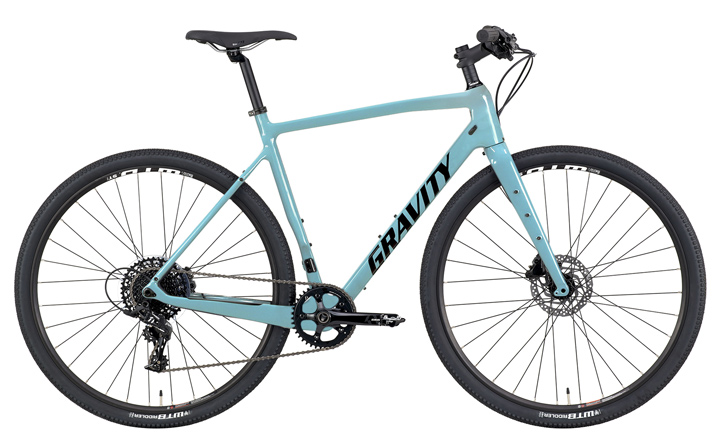
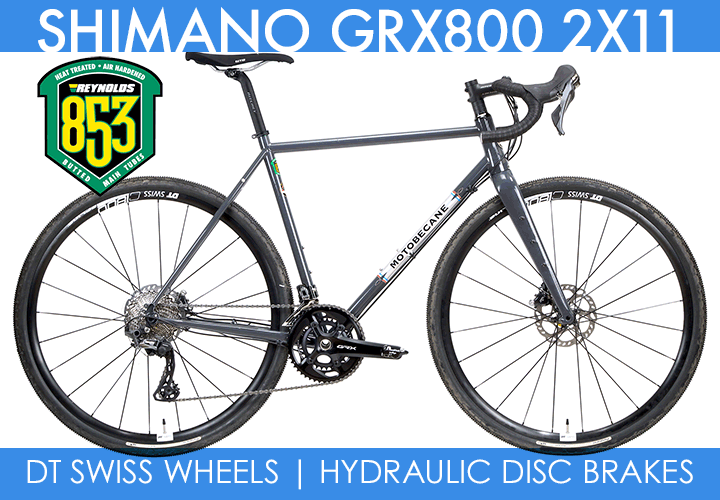
Image filename: gravel-bike-durable-components.jpg Alt-text: Image Caption: Gravel bikes balance performance and reliability, making off-road adventures enjoyable with minimal upkeep.
For those who love adventure but dislike constant tinkering, gravel bikes offer a durable solution. Built for mixed surfaces and variable conditions, these bikes typically feature simple gearing systems and rugged components that tolerate dirt, rocks, and mud. Gravel bikes balance performance with dependability, making them ideal for riders who want versatility without the maintenance hassle.
Road Bikes That Stay in Shape
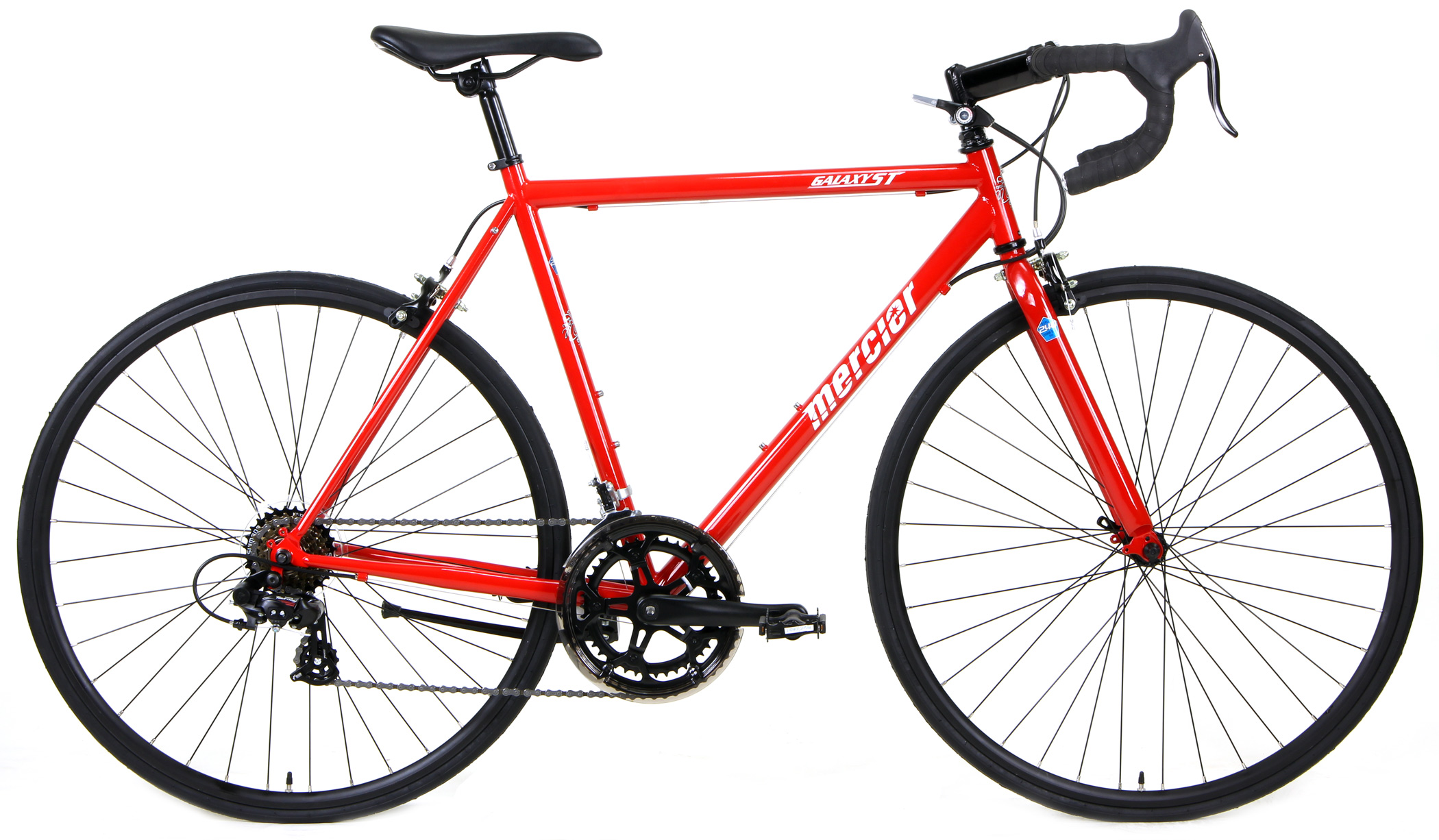
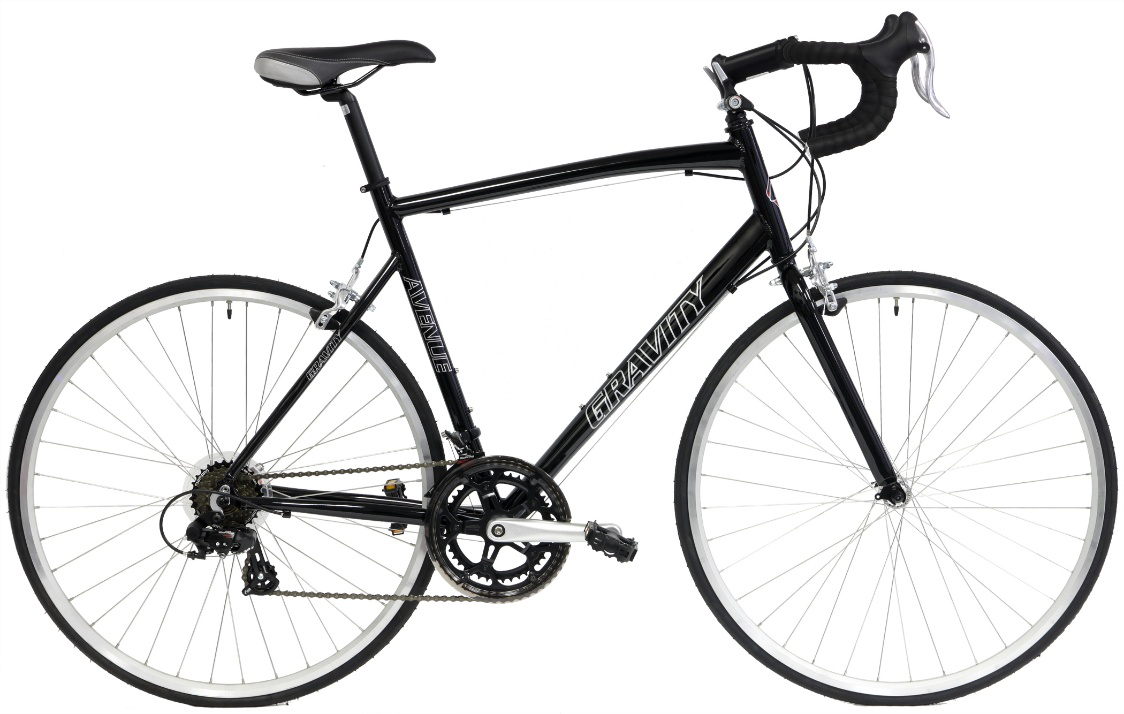
Even road bikes can be designed for low-maintenance reliability. Modern commuter road bikes often come with sealed bearings, minimal exposed chains, and durable wheels that reduce the need for frequent adjustments. This is perfect for cyclists who crave speed but not the constant tuning that traditional road racing bikes demand.
Mountain Bikes That Keep Up Without the Work
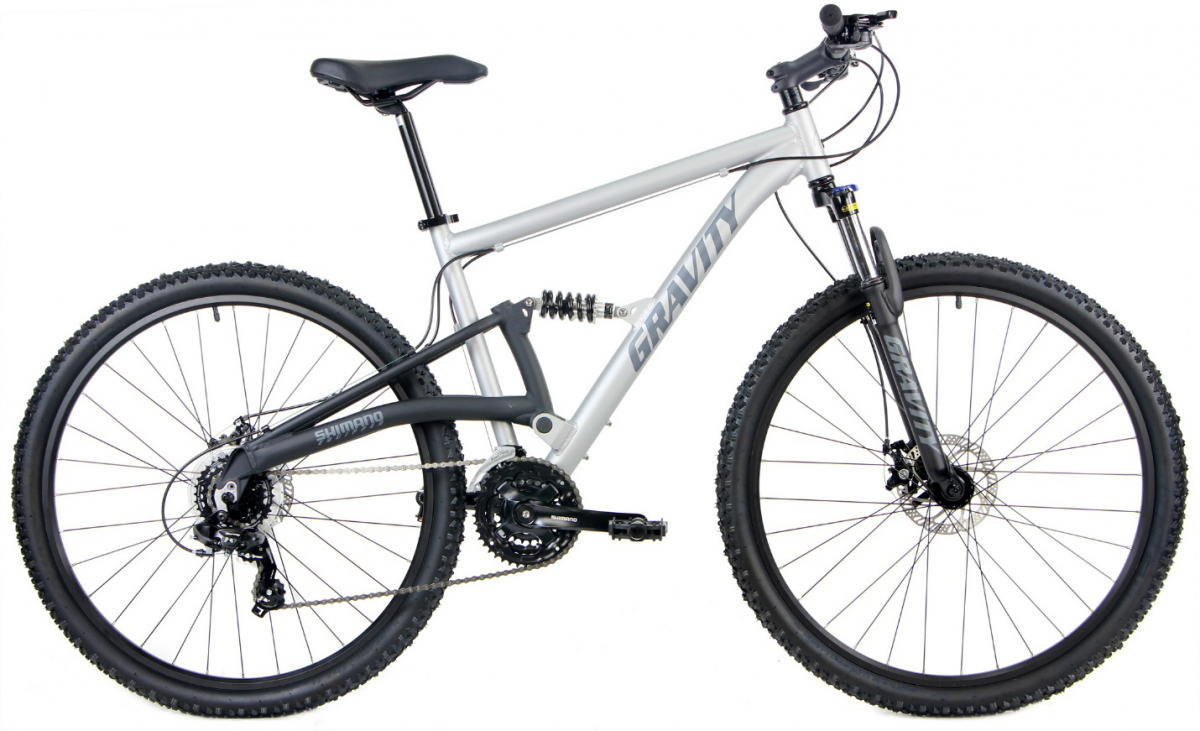
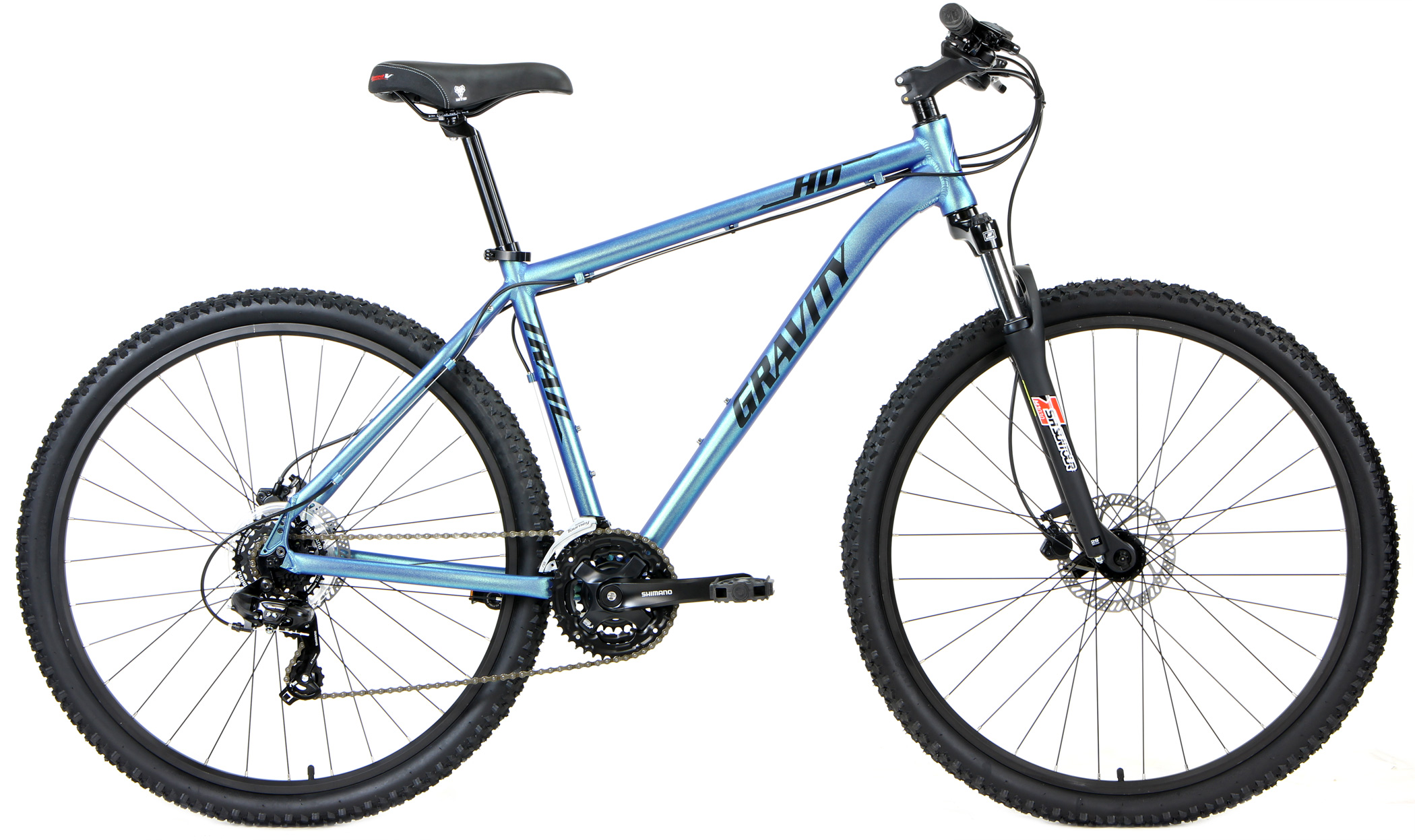
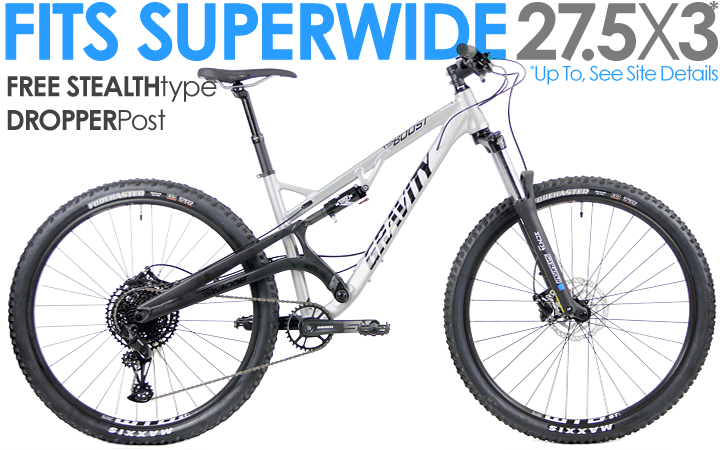
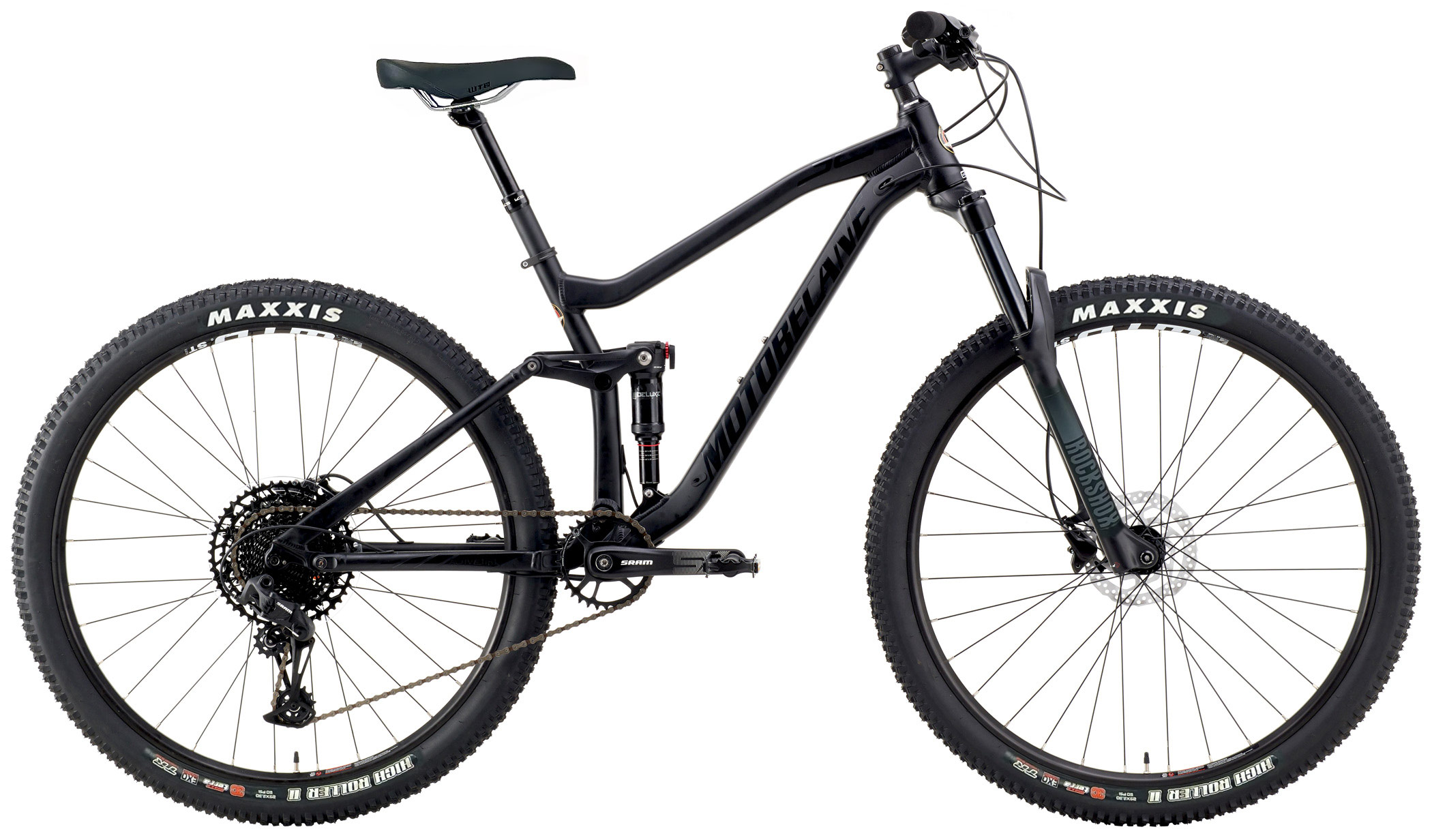
Mountain biking often conjures images of muddy trails and mechanical headaches. However, some mountain bikes now come with simplified drivetrains, robust suspensions, and durable wheelsets, making trail rides smoother with less upkeep. Oversized tires, wider rims, and high-quality components reduce the need for frequent maintenance even on rough terrain.
Fat Bikes: Extreme Comfort, Minimal Fuss
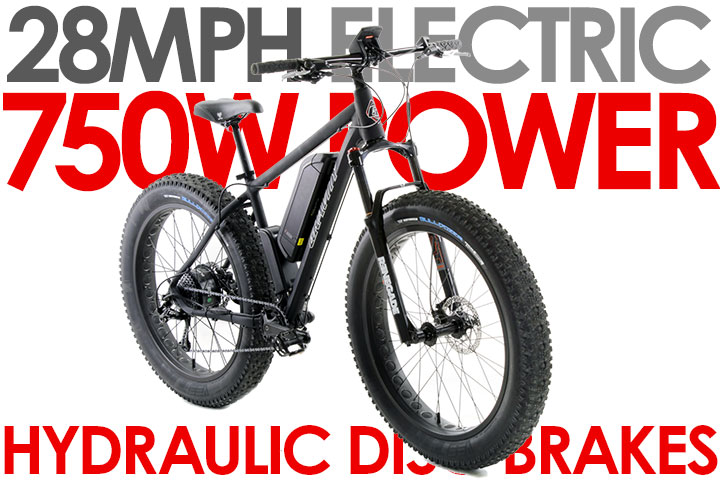
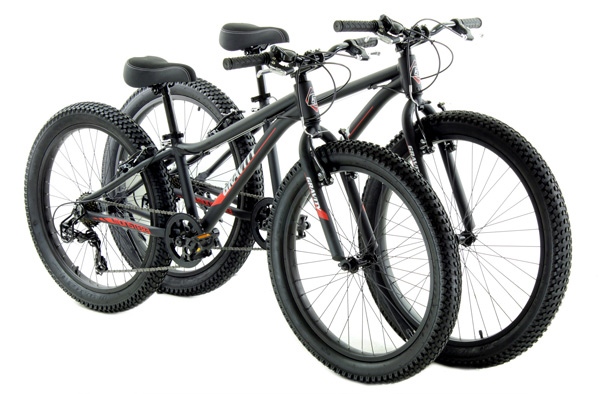
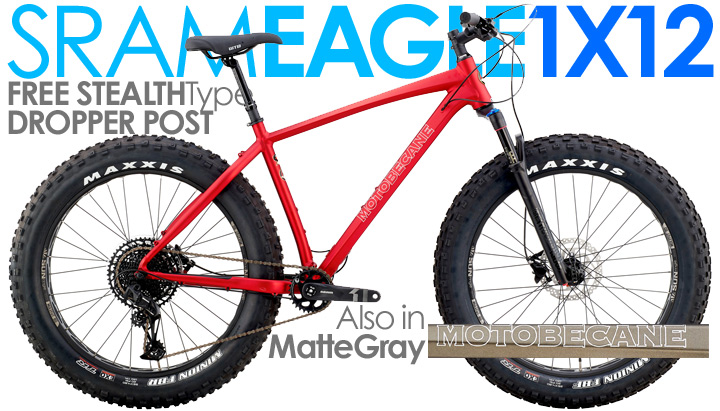
Fat bikes are designed for sand, snow, and broken terrain. While their wide tires get most attention for comfort, many models also feature low-maintenance components like belt drives and sealed hubs. This combination provides a smooth, reliable ride across harsh surfaces without constant tinkering.
Beach Cruisers: Simplicity Meets Relaxed Riding
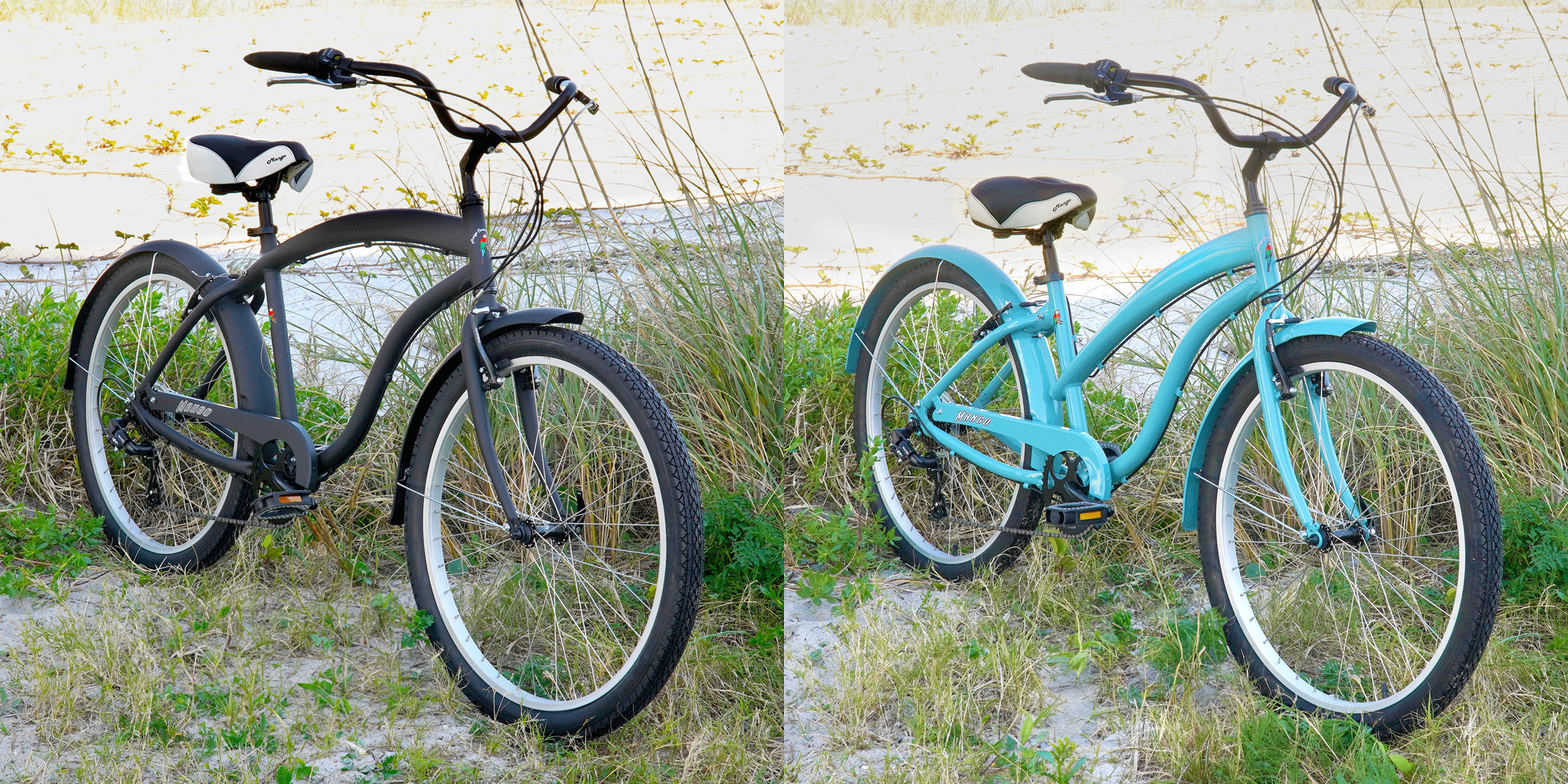
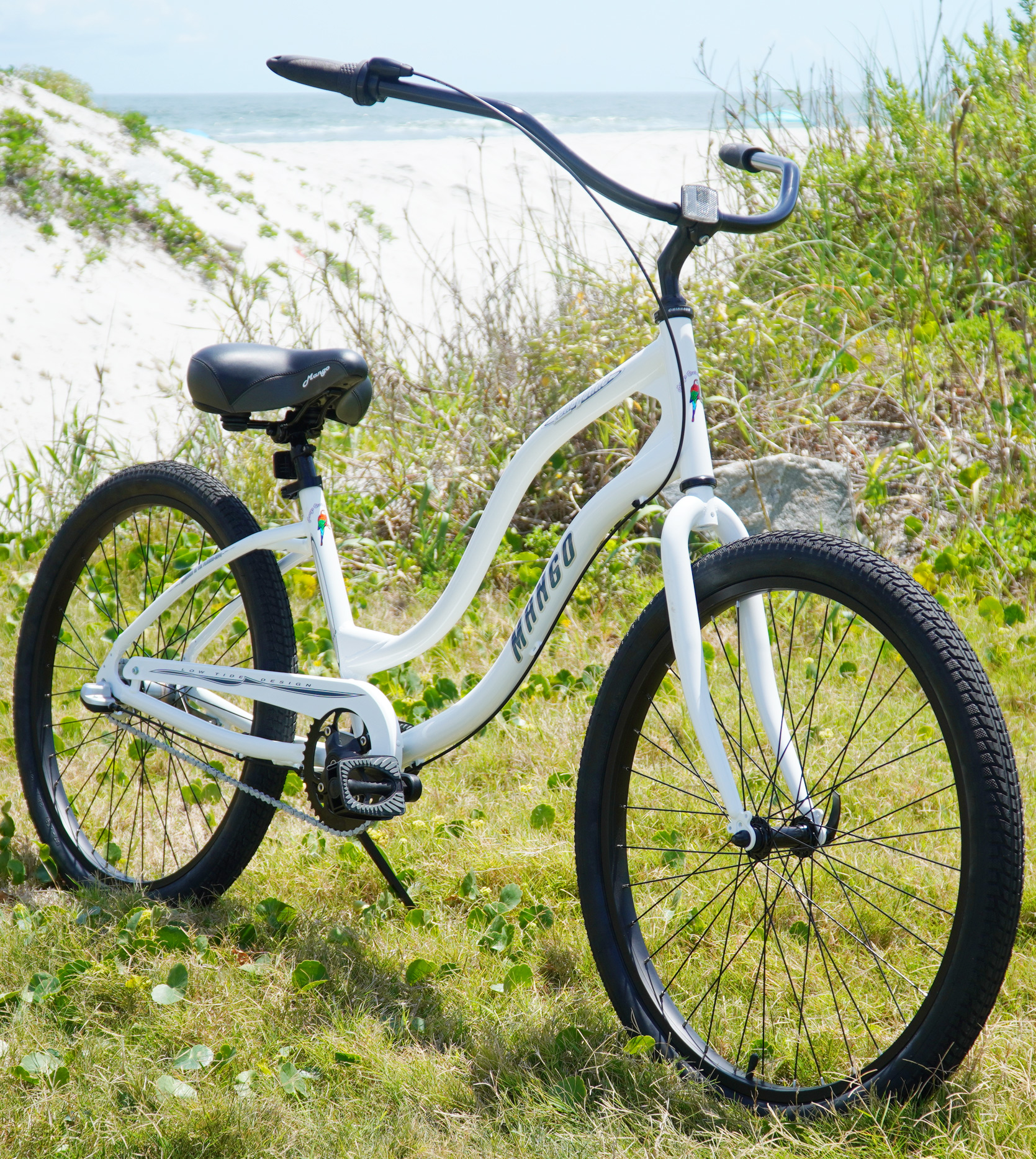
For casual riders, beach cruisers remain the gold standard of low-maintenance design. Single-speed or internally geared setups, durable steel frames, and wide, cushioned tires make them easy to ride and easy to care for. They’re perfect for boardwalks, neighborhood streets, or short errands with minimal mechanical headaches.
Comparing Bikes Without Breaking a Sweat
When evaluating options, a straightforward price comparison can help you find bikes that deliver value and low upkeep. Consider drivetrain simplicity, brake type, and component durability alongside cost to identify models that save you time and money in the long run. Price comparison isn’t just about dollars, it’s about finding a bike that matches your lifestyle and minimizes maintenance stress.
The Bottom Line on Low-Maintenance Cycling
Choosing a low-maintenance bike allows you to ride more and worry less. From hybrid bikes to fat bikes, the right design choices reduce tune-ups, prevent mechanical failures, and make cycling a daily pleasure. Whether you’re commuting, adventuring, or enjoying a relaxed ride, reliable bikes ensure your focus stays on the journey.
Choosing the Right Bike for a Lifetime of Minimal Maintenance
Selecting a bike designed for long-term reliability doesn’t have to be complicated. The key is understanding which features reduce routine upkeep while still matching your riding style. For many riders, a well-chosen hybrid bike or gravel bike provides the perfect balance of performance and durability. Internal gear hubs, belt drives, and sealed components mean fewer adjustments and longer-lasting rides. For riders who spend more time on paved streets or light trails, a road bike with sealed bearings and robust wheels can offer both speed and low-maintenance reliability. Meanwhile, mountain bikes now come with simplified drivetrains and durable suspensions, letting you tackle trails confidently without constant tuning. Even for extreme conditions, fat bikes are built to absorb shocks from sand, snow, and rough terrain while keeping components protected from wear.
Casual riders shouldn’t be overlooked either. Beach cruisers remain a favorite because single-speed setups and sturdy frames create a predictable, low-maintenance experience. Wide, cushioned tires reduce the risk of flats and absorb road imperfections, making rides easy and comfortable. When evaluating bikes, don’t just look at price, consider a price comparison alongside durability and ease of care. A slightly higher upfront investment in low-maintenance features often pays off over years of reliable riding. By focusing on bikes that combine smart design with strong components, you can reduce time spent tinkering, avoid unexpected repairs, and enjoy every ride with confidence.
No matter your preferred riding style, choosing a bike built for low-maintenance performance ensures that your time is spent riding, not fixing. Prioritizing durability, simplicity, and reliability makes cycling more enjoyable for commuters, weekend adventurers, and casual riders alike.
Ready to Ride Without the Hassle?
Explore our full range of low-maintenance bikes designed for hassle-free riding:
Learn more about our story, read our FAQs, or contact us for personalized advice. Get your perfect, low-maintenance ride today and enjoy cycling without compromise.
They assume sore wrists mean they need stronger arms. They think back pain means they need better core strength. They blame tight hips, aging joints, or “being out of shape.”
But here’s the uncomfortable truth:
In most cases, it’s not your fitness level. It’s the bike.
Modern bike marketing has conditioned riders to focus on speed, weight, and brand prestige. Lightweight frames. Race-inspired geometry. Performance components. Aero design.
Yet the majority of people riding today aren’t training for a podium finish. They’re commuting to work. Riding on weekends. Exploring local paths. Trying to stay active. Reducing stress.
And those goals require something entirely different.
This guide flips that script. Instead of chasing numbers on a spec sheet, we’ll put comfort first: posture, stability, and long-term rideability. You’ll learn how to spot the design choices that cause pain, which features actually make a bike feel good, and how to choose a hybrid, cruiser, gravel, or city bike that stays comfortable for years — not just for the first test ride.
“Comfortable bikes” isn’t code for slow or casual. Comfort is the foundation that lets you ride farther, more often, and without compensating with tense muscles. A properly designed, well-fitted bike transmits power efficiently while keeping your spine, shoulders, hands, and hips relaxed. That means less fatigue, fewer injuries, and more time enjoying the ride instead of thinking about it.
The Real Reason Your Bike Feels Uncomfortable
Discomfort on a bicycle is rarely a matter of rider fitness. In fact, the majority of common complaints—numb hands, lower back stiffness, hip soreness, or knee pain—can be traced to mismatched geometry, improper contact points, and inefficient load distribution.
In short, the design of your bike dictates how your body interacts with it over time. Recognizing these factors is essential for identifying truly comfortable bikes.
1. Frame Geometry and Postural Demands
The frame’s geometry establishes how your torso, arms, and legs are positioned relative to the bike. Performance-oriented or race-derived geometries often prioritize aerodynamics over ergonomics, resulting in:
Aggressive forward lean
Extended reach to handlebars
Elevated saddle-to-handlebar drop
These factors shift excessive weight onto the wrists and shoulders while increasing lumbar compression and cervical strain. For riders prioritizing comfort, neutral or semi-upright geometries are preferred, as they maintain spinal alignment, reduce hand loading, and promote long-term endurance.
Optimal comfort requires that approximately 85–90% of body weight be supported through the sit bones and feet, leaving the hands primarily responsible for steering and balance. When a bike’s geometry or handlebar setup positions too much weight forward, it results in:
Palmar numbness and tingling
Elbow hyperextension fatigue
Shoulder tension and micro-strain
Comfort-oriented bikes integrate design cues—higher head tubes, shorter top tubes, and relaxed stem angles—that maintain a balanced center of gravity, significantly reducing upper-body stress.
3. Contact Points: Saddles, Grips, and Pedals
The interface between rider and bike is where comfort is most immediately perceptible:
Saddle Considerations:
Sit-bone width compatibility is critical; generic saddles often cause pressure hotspots and soft tissue compression.
Padding density must balance shock absorption with stability; overly soft saddles allow excessive lateral movement, generating friction and discomfort.
Handlebar and Grip Design:
Ergonomically contoured grips reduce ulnar and median nerve compression.
Correct bar diameter and flare distribute pressure evenly, minimizing hand fatigue over long rides.
Pedal Interface:
Pedals should maintain a neutral foot angle relative to the knee and hip to prevent anterior knee stress.
Platform or clipless pedals with adequate support enhance power transmission while reducing compensatory tension in the lower extremities.
4. Vibration Transmission and Shock Mitigation
High-frequency vibration, transmitted through rigid frames and narrow tires, is a primary contributor to cumulative discomfort. Over time, this “road buzz” can lead to:
Lumbar microstrain
Shoulder and wrist fatigue
Reduced proprioceptive stability
Comfort-first designs mitigate this via:
Wider, lower-pressure tires
Compliance-enhanced frame materials (e.g., carbon layup flex or engineered aluminum)
Suspension components when appropriate (seatpost or fork damping)
Even modest reductions in vibration significantly improve endurance and perceived comfort.
5. Dynamic Stability and Handling Characteristics
A bike that feels unstable forces constant micro-adjustments from the rider’s core and upper body. This instability leads to muscular fatigue and reduces confidence in both urban and trail environments. Key markers of comfort include:
Predictable, stable steering response
Controlled trail and wheelbase geometry
Smooth weight transitions through turns
Stability allows the rider to focus on pedaling efficiency rather than compensating for handling quirks, which is critical for long-term comfort.
6. Proper Sizing and Fit
Even the most ergonomically designed bike becomes uncomfortable if it doesn’t match the rider’s anthropometry. Signs of an incorrect frame size include:
Knees striking handlebars or frame
Excessive forward lean to reach grips
Difficulty controlling the bike during acceleration or braking
A professional fit—considering inseam, torso length, arm reach, and flexibility—ensures that the geometry and contact points function as intended.
The Cumulative Effect of Design Mismatches
Unlike acute injuries, discomfort from poor bike design is cumulative. Initial rides may feel acceptable, but microstrain accumulates over days and weeks, manifesting as chronic soreness or fatigue. Proper ergonomic design addresses these stressors from the outset, ensuring neutral alignment, efficient load distribution, and minimal compensatory tension.
The Four Core Pillars of Truly Comfortable Bikes
Selecting a bike that feels effortless and pain-free isn’t about brand prestige or frame weight—it’s about design, ergonomics, and ride dynamics. Across all categories—hybrid, gravel, city, or cruiser—truly comfortable bikes share four critical pillars.
Pillar 1: Ergonomic Geometry for Natural Posture
The frame’s geometry dictates your posture, spinal alignment, and weight distribution—making it the single most important factor for comfort. Key considerations include:
Upright or Semi-Upright Riding Position: Keeps the spine neutral, reduces lumbar compression, and limits cervical strain. Ideal torso angles generally fall between 50°–70° relative to the horizontal.
Short Top Tube and Higher Head Tube: Minimizes forward reach, reducing shoulder and wrist load.
Balanced Center of Gravity: Ensures ~85% of body weight rests on the sit bones and feet rather than the hands.
Bikes that integrate these design cues allow long rides without fatigue, letting the rider focus on cadence and terrain instead of compensating for structural stress.
Pillar 2: Optimized Contact Points
Where your body interfaces with the bike—saddle, handlebars, grips, and pedals—determines how long you can ride comfortably. Precision here is non-negotiable.
Bar flare and diameter distribute pressure evenly across palms
Adjustable stems allow fine-tuning of reach and height
Pedal Interface:
Neutral foot alignment relative to knees and hips reduces strain
Platform or clipless pedals with stable surfaces improve efficiency and reduce compensatory fatigue
Pillar 3: Smooth Ride Dynamics
Comfortable bikes minimize vibration and absorb terrain irregularities, preventing cumulative fatigue over long rides. Features that enhance ride dynamics include:
Tire Width and Pressure: Wider tires (≥32mm) with appropriate pressure absorb bumps and provide stability without sacrificing rolling efficiency.
Frame Compliance: Materials engineered for slight flex—modern aluminum alloys, carbon fiber layups—dampen road buzz without compromising pedaling efficiency.
Suspension Elements (Optional): Seatpost or front fork damping is highly effective on mixed surfaces or urban roads with cracks and potholes.
The goal is to transmit only the intended power to the drivetrain while insulating the rider from micro-vibrations that lead to long-term discomfort.
Pillar 4: Stability and Handling
Even minor instability forces micro-corrections that fatigue muscles and compromise rider confidence. Comfort-focused bikes achieve stability through:
Optimized Wheelbase and Trail: Balanced steering geometry ensures predictable handling and reduces upper-body tension.
Weight Distribution: Maintains center of mass over the bike to reduce wobble at low speeds and increase control on turns.
Responsive Yet Forgiving Design: Allows subtle steering corrections without transmitting shock to the rider.
A stable, predictable bike allows riders to maintain proper posture and alignment without constant muscle engagement, which is essential for long-term comfort.
Comfort by Bike Type — Choosing the Right Fit for Your Riding Style
Comfort doesn’t manifest the same way across every bike category. Geometry, tire choice, and design priorities vary depending on whether you’re commuting, cruising, or exploring gravel trails. Understanding how each type addresses the four pillars of comfort—ergonomic geometry, optimized contact points, smooth ride dynamics, and stability—helps you make a confident, pain-free choice.
1. Hybrid Bikes — Versatile Comfort for Daily Riding
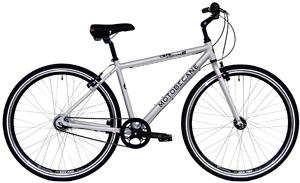
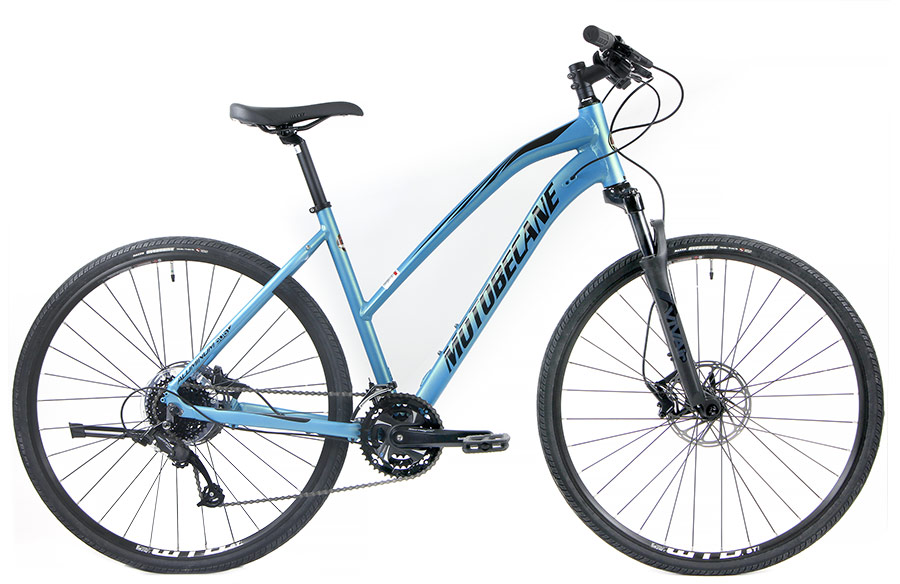
Hybrid bikes are designed as a middle ground between road and mountain bikes, prioritizing upright posture, stability, and efficiency. Bikes such as Motobecane Mulekick Express Comp and many others are ideal for commuters, fitness riders, and casual weekend cyclists.
Comfort Features in Hybrids:
Geometry: Semi-upright frame keeps the torso at a neutral angle, reducing lumbar and cervical strain.
Tires: Wider than standard road bikes (typically 32–42mm), offering enhanced shock absorption and smoother rolling on pavement and light trails.
Contact Points: Flat or riser handlebars maintain natural wrist alignment, and saddles are often wider and cushioned for long-term comfort.
Handling: Longer wheelbase improves stability at moderate speeds and during stops, making hybrids forgiving for city traffic and recreational paths.
Why They Work for Comfort-First Riders Hybrids distribute weight effectively, require minimal adjustments for posture, and generally accommodate ergonomic upgrades easily. Riders benefit from longer, fatigue-free commutes or weekend rides without sacrificing versatility.
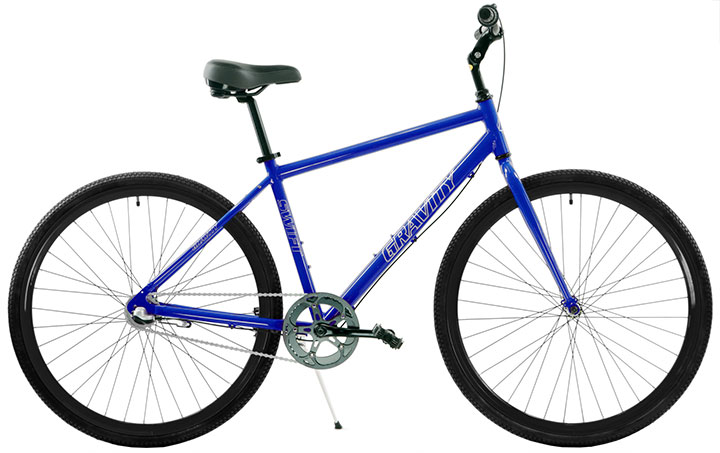
Cruisers are synonymous with leisurely, upright cycling. Bikes like Gravity Snake Eyes Cruiser Bikes prioritize body alignment and smooth ride experience over speed or aggressive efficiency.
Comfort Features in Cruisers
Geometry: Highly upright seating keeps the spine neutral and shoulders relaxed.
Tires: Wide, balloon-style tires provide natural suspension over uneven pavement and boardwalks.
Contact Points: Oversized saddles with additional cushioning absorb vibration; grips are often ergonomic to minimize hand fatigue.
Handling: Long wheelbase and low center of gravity offer rock-solid stability, allowing effortless, confident turns even at low speeds.
Ideal For:
Flat urban areas, parks, or beach boardwalks
Short-to-moderate daily rides
Riders prioritizing comfort and scenic enjoyment over speed
3. Gravel Bikes — All-Terrain Comfort with Performance Potential
Gravel bikes are designed for mixed surfaces, from pavement to packed dirt or light trail paths. While they retain some efficiency of road bikes, comfort-oriented gravel designs soften aggressive geometry.
Tires: Clearance for wider tires (35–45mm) absorbs micro-vibrations and provides traction on loose surfaces.
Contact Points: Drop handlebars with flared ends allow multiple hand positions, reducing wrist and shoulder strain on long rides.
Handling: Longer wheelbase and moderate trail offer stability, while responsive steering still accommodates off-road maneuvers.
Why Gravel Bikes Suit Comfort-First Riders They combine upright ergonomics with versatility for urban commuting, weekend adventures, or mixed-surface touring. Properly spec’d, they reduce fatigue while enabling longer, more exploratory rides.
4. City/Commuter Bikes — Practical Comfort for Urban Use
City bikes focus on ease of mounting, upright posture, and low-maintenance reliability, making them excellent choices for commuters and casual urban riders.
Comfort Features in City Bikes:
Geometry: Short top tube and high head tube allow a natural upright position, minimizing spinal and shoulder stress.
Tires: Moderate width (32–38mm) balances speed with shock absorption on uneven pavement.
Contact Points: Wider saddles and flat handlebars keep hands and hips relaxed; adjustable stems allow customization for individual fit.
Handling: Stable, predictable steering for navigating traffic and frequent stops.
Why City Bikes Work for Comfort They emphasize ergonomic alignment over performance metrics, ensuring riders arrive at work or errands without hand, back, or hip strain. Combined with fenders, racks, or internal hub gears, city bikes are highly practical for daily use.
How to Fit Your Comfortable Bike — Achieving a Personalized, Pain-Free Ride
Even the most ergonomically designed bike can feel uncomfortable if it isn’t properly fitted to your body. Proper fit ensures that your posture, joint alignment, and weight distribution work in harmony with the bike’s design, preventing fatigue and discomfort on every ride. This section outlines a systematic approach to achieving an optimal fit for comfort-first cycling.
1. Frame Size and Standover Height
Frame sizing is the foundation of comfort. Key considerations include:
Standover Height: When standing over the bike, there should be approximately 1–2 inches of clearance between your crotch and the top tube for road, hybrid, and gravel bikes. Cruiser bikes may allow slightly more.
Reach to Handlebars: Your torso should feel neutral and relaxed, not overextended. Excessive forward lean increases strain on wrists, shoulders, and lower back.
Seat Tube Length: Ensures your knee angles are optimal at the bottom of the pedal stroke, reducing the risk of knee pain or overextension.
Professional fitting tools or charts from the manufacturer can guide you, but test rides remain the gold standard. If your knees feel compressed or you must stretch to reach the bars, the frame size is incorrect.
2. Saddle Height and Fore-Aft Position
The saddle must position your pelvis for effective pedaling without placing undue stress on soft tissue:
Height: With the pedal at its lowest position, your leg should have a slight bend (~25–35° at the knee). Too high causes hip rocking; too low strains knees.
Fore-Aft Position: Your knee should align over the pedal spindle when the crank is horizontal. This ensures proper weight transfer and reduces knee and hip stress.
Tilt: A level saddle or slight nose-down angle prevents pressure on soft tissue without causing slide forward or instability.
Adjusting these parameters allows the sit bones to bear the majority of body weight, freeing hands and arms from excess load.
3. Handlebar Height and Reach
Proper handlebar positioning maintains spinal alignment and reduces wrist tension:
Height: Ideally, handlebars are level with or slightly above the saddle for comfort-oriented bikes. Lower positions increase forward lean, compressing the lower back and shoulders.
Reach: Ensure elbows are slightly bent and shoulders are relaxed. A neutral angle avoids overreaching, which can lead to fatigue in arms and upper back.
Stem Adjustments: Adjustable stems or risers allow fine-tuning without replacing the frame, accommodating variations in torso length and flexibility.
4. Pedal Selection and Foot Alignment
Efficient power transfer with minimal strain depends on the pedal interface:
Tire selection directly impacts comfort by affecting shock absorption and ride stability:
Wider Tires (≥32mm): Provide better damping over rough surfaces and increase stability, especially for hybrids, city, and gravel bikes.
Pressure: Use moderate pressure that balances efficiency with vibration absorption. Overinflated tires transmit every road imperfection to your body; underinflated tires reduce control.
Even small adjustments in width and pressure can dramatically improve ride comfort.
6. Testing and Fine-Tuning
A proper fit is iterative. After initial adjustments:
Test Ride: Start with short rides to assess saddle comfort, wrist and shoulder tension, and core engagement.
Assess Fatigue Points: Note any areas that feel sore, numb, or unstable.
Adjust Gradually: Minor adjustments to saddle height, handlebar reach, or stem angle can resolve issues without compromising overall ergonomics.
Re-Test: Longer rides help confirm comfort under sustained load.
Professional bike fitting is recommended for riders with persistent discomfort or anatomical considerations, but these steps provide a strong baseline for most riders.
Ride Pain-Free with Comfort-First Bikes
Choosing a bike that prioritizes comfort, posture, and stability completely changes the riding experience. When a bike is designed and fitted correctly, every ride becomes effortless, and common complaints like sore backs, numb hands, or hip fatigue are eliminated. Comfort enables longer rides, reduces fatigue, and prevents the aches and strains that so often cut cycling adventures short.
Whether you are commuting through busy streets, exploring gravel paths, or cruising along scenic boardwalks, the right bike keeps your muscles relaxed, your spine neutral, and your hands and hips free from stress. Comfort does not mean sacrificing style, versatility, or performance. When properly chosen, a comfortable bike allows you to ride farther, more often, and with confidence in every mile.
At BikesDirect, riders can find a full range of bicycles designed to provide long-term comfort across a variety of terrains and riding styles. Every bike type is designed with the rider’s long-term comfort in mind. Discovering the right fit allows every ride to feel effortless from start to finish.
Reach out to learn more – Experience the difference that a properly designed, ergonomically fitted bike makes and start your journey toward comfortable, effortless cycling.
That first moment matters. You hop on, push off, and your brain instantly decides whether the bike feels calm or unpredictable. For new riders and returning riders, that first 30 seconds can decide whether cycling becomes a habit or a headache.
The good news is that this feeling is not random. A bike that feels steady usually has design traits that support balance and reduce surprises. If you are shopping for stable bikes for beginners, you can look for a few signals that predict how the bike will behave before you ever worry about upgrades.
A great starting point is choosing a category built for everyday handling, like a hybrid bike, where fit and stability are often prioritized over aggressive posture.
What your body notices before you can explain it
When you push off, your body starts collecting data:
How often you need to correct the steering
Whether the bike tracks straight or wanders
How planted the front wheel feels in a turn
Whether your hands feel relaxed or tense
If you have to constantly correct your line, the bike feels twitchy. If it naturally holds a direction and responds smoothly, it feels reassuring. Beginners often assume they just need more skill. In reality, a lot of that sensation comes from geometry and fit.
Stability comes from geometry, not luck
Two bikes can look similar and feel completely different. That difference is usually baked into the frame design.
A longer wheelbase generally feels steadier because it resists quick pitching and yawing. Steering geometry also matters. Many comfortable, all-around bikes use design choices that create a calmer steering feel. For a beginner, that reduces the sensation that the front wheel wants to dart around.
Fit matters just as much. If the reach is too long, you end up bracing with your arms, and every bump turns into a steering input. With stable bikes for beginners, a slightly more upright posture helps because your weight is centered and your hands are not fighting the bars.
Contact points can make a steady bike feel shaky
Even a stable frame can feel wrong if the contact points are off.
Handlebar width and shape influence leverage. Wider bars can feel more controllable, especially on imperfect pavement. Bar height changes how much weight lands on your hands. If the bars are too low, you shift forward and the steering can feel overly sensitive.
Saddle position plays a role too. If you are too far back, you may feel light on the front wheel. Too far forward, and your hands carry more load.
A practical way to shop is to look at bikes designed for easy posture adjustment. The Gravity Swift3 is one example of a practical, everyday setup built for straightforward handling and comfort-focused riding.
Tires are the secret confidence booster
Tires are where the bike meets the world, and they shape your first impression more than most people expect.
Wider tires at appropriate pressure can smooth vibrations and increase grip. That grip makes starts, stops, and turns feel more predictable. If your routes include rough pavement, bike paths, or mixed surfaces, tire choice can be the difference between feeling in control and feeling nervous.
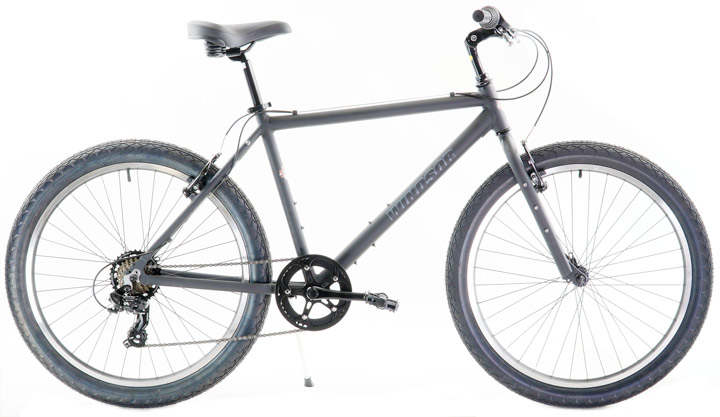
This is one reason a bike like the Windsor Dover X7 tends to feel friendly for a wide range of riders, especially when road conditions are less than perfect.
The first-ride checklist that works
Before you overthink specs, use a simple test mindset. On your first push-off, ask yourself:
Can I keep my grip light?
Can I look ahead without straining my neck?
Does the bike track straight when I relax my shoulders?
Do turns feel smooth, not sudden?
If the answer is yes, you are probably on a bike designed to feel stable early.
If you want a fitness-oriented option that still leans into predictable handling, a flat-bar commuter style like the Motobecane Cafe Express 8 can be a strong match for riders who want a familiar, confidence-forward feel.
Why stability matters more than speed early on
Beginners do not need the sharpest handling. They need a bike that forgives small mistakes and rewards relaxed posture. Stability helps you learn faster because you are not spending mental energy correcting the bike every second.
As your skill grows, you might decide you want a quicker feel. But starting with stable bikes for beginners lets you build comfort and confidence first. Once cycling feels natural, you can decide whether your next bike should be faster, lighter, or more specialized.
Confidence is a feature you can choose
If your first moments on a bike feel calm, you are more likely to ride again. That is why we point new riders toward designs that make stable bikes for beginners a reality through fit, geometry, and sensible tires. A bike that feels right quickly is not a luxury, it is the foundation for consistency.
We stock a wide range of bikes for different goals, includingroad bikes models,mountain bike builds, a versatile gravel bike lineup, relaxed beach cruiser options, practicalhybrid bike choices, and go-anywhere fat bike designs. If you want help narrowing it down, please contact us.
Picture this: a congested downtown at rush hour. Cars idle, horns blare, and exhaust fumes linger in the air. Then, a cyclist glides past the traffic, calm and efficient, covering ground without burning a drop of gasoline. That moment captures the essence of cycling and sustainability—a simple act of choosing a bike over a car becomes a powerful step toward reducing pollution, improving public health, and reshaping our cities for the better.
With climate change concerns growing louder, more people are rediscovering bikes not just as a pastime, but as a daily tool for sustainable living. From the adaptable hybrid bike to the rugged mountain bike, cycling provides options for every lifestyle while cutting down your carbon footprint in measurable ways.
Why Cycling Matters in the Fight Against Climate Change
Transportation is one of the largest contributors to greenhouse gas emissions worldwide. Cars and trucks, powered primarily by fossil fuels, account for a significant percentage of CO₂ emissions. Every time you replace a short car trip with a bike ride, you’re actively reducing the demand for fuel and lowering the number of pollutants entering the atmosphere.
The beauty of cycling and sustainability lies in its accessibility. Unlike large-scale infrastructure changes or expensive technology shifts, riding a bike is a change almost anyone can make today. Commuting with a road bike or using a beach cruiser for neighborhood errands helps cut back on emissions, while also improving individual health and reducing traffic congestion.
Hybrid Bikes: The Everyday Eco-Friendly Hero
For many riders, the hybrid bike has become the go-to option for sustainable commuting. Combining the speed of a road bike with the comfort of a casual cruiser, hybrid bikes make it easy to replace car trips with pedal power. They’re efficient on city streets yet versatile enough for park trails, making them the perfect balance between practicality and fun.
Imagine replacing your daily five-mile commute with a hybrid bike. In just a year, that switch can save hundreds of pounds of carbon emissions, while also keeping your wallet fuller by avoiding fuel and parking costs.
Gravel and Road Bikes: Redefining Longer Rides
Sustainability isn’t limited to short commutes. Adventure seekers are embracing the gravel bike for weekend rides and long-distance journeys. Gravel bikes thrive on mixed terrain—roads, trails, and everything in between—making them ideal for eco-conscious travelers who want to explore without relying on cars or buses.
Similarly, the streamlined road bike remains a classic choice for those who value speed and efficiency. Swapping even one or two longer car trips a week for a road ride can have a compounding effect on your personal carbon reduction. And unlike cars, bikes don’t just get you from point A to B—they boost your fitness and mental health along the way.
Fat Bikes and Mountain Bikes: Eco-Friendly Adventure
Eco-friendly living doesn’t mean giving up adventure. The fat bike, with its oversized tires, makes riding possible on sand, snow, and rugged trails. Instead of taking a fuel-powered ATV for outdoor exploration, a fat bike lets you tread lightly—literally and figuratively—on the environment.
For those drawn to forest trails and mountain paths, a mountain bikeoffers the thrill of off-road riding without the environmental cost of gas-powered recreation. By choosing pedal-powered exploration, riders preserve fragile ecosystems while still getting their adrenaline fix.
Beach Cruisers: Sustainable Simplicity
The beach cruiser may seem casual, but it embodies sustainability in its purest form. Perfect for flat terrain and short trips, cruisers are often used for errands, neighborhood rides, and leisurely commutes. Each trip taken on a cruiser instead of a car adds up—fewer emissions, less road congestion, and more time spent outdoors.
What makes cruisers particularly sustainable is their simplicity. With fewer complex components, they require less frequent maintenance and have a longer lifespan compared to more intricate vehicles, adding durability to their eco-friendly appeal.
E-Bikes: The Future of Green Commuting
While not on the original list, e-bikes deserve mention in any discussion of cycling and sustainability. They bridge the gap between traditional bikes and cars, offering electric assistance that makes longer commutes or hilly routes accessible to more people. E-bikes drastically reduce the barriers to choosing cycling over driving, especially in urban environments.
An e-bike trip produces a fraction of the carbon emissions of a car journey—even when factoring in battery charging. By making cycling practical for more riders, e-bikes accelerate the shift toward sustainable transportation.
The Ripple Effect: How One Choice Inspires Many
Choosing cycling over driving doesn’t just impact your personal carbon footprint—it influences those around you. When friends, family, or coworkers see you regularly commuting on a hybrid bike or hitting the trails on a fat bike, it normalizes cycling as a practical alternative.
Communities with more cyclists often advocate for better infrastructure, such as bike lanes and greenways, which in turn encourage even more people to ride. The ripple effect of one cyclist can grow into a cultural shift that transforms entire neighborhoods into more sustainable, livable spaces.
Beyond Emissions: Other Environmental Benefits
While lowering carbon emissions is the most obvious environmental impact of cycling, it’s far from the only one. Biking reduces noise pollution, eases traffic congestion, and lessens the need for sprawling parking lots. Fewer cars on the road mean fewer resources used to build and maintain road infrastructure.
Even small daily changes—like taking your beach cruiser for groceries instead of your car—add up over time. Multiply that by millions of cyclists worldwide, and the potential for global impact becomes clear.
How to Start Living More Sustainably Through Cycling
Making cycling part of your sustainable lifestyle doesn’t require a dramatic change. Start small: replace one short car trip per week with a bike ride. As you gain confidence and enjoyment, expand your riding routine.
Invest in the right bike for your lifestyle. A hybrid bike works well for city commutes, while gravel or road bikes suit longer rides. Fat bikes and mountain bikes are excellent for eco-friendly adventures, and beach cruisers provide casual, everyday options. The key is consistency—sustainability thrives on habits repeated over time.
Conclusion: Pedal Toward a Greener Future
In a world where every action matters, choosing a bike ride over a car trip is a tangible way to fight climate change and embrace a more sustainable lifestyle. Whether it’s commuting on a hybrid bike, exploring trails on a mountain bike, or cruising the neighborhood on a beach cruiser, cycling transforms the way we move, live, and care for the planet.
Ready to make your rides matter—for your health and the planet? Explore the wide selection of hybrid, gravel, road, fat, mountain, and beach cruiser bikes at Bikesdirect.com. With factory-direct pricing and an unbeatable range of options, there’s never been a better time to choose a bike that saves money, reduces emissions, and supports a greener future.
Cyclists often fall in love with the freedom of the ride—the wind against their face, the rhythm of the pedals, and the way the road opens endless possibilities. But all too often, that romance is cut short by a squeaky chain, worn-out tires, or a costly repair that could have been avoided with simple upkeep. The truth is, the bike maintenance value goes far beyond convenience. Regular care is the difference between a smooth, dependable ride and an expensive repair bill down the road.
Imagine investing in a brand-new gravel bike for weekend adventures, or a rugged fat bike to conquer sand and snow, only to see it deteriorate prematurely because of skipped maintenance. That’s like buying a car and never changing the oil—it simply doesn’t last. In this blog, we’ll explore why taking care of your bike not only extends its lifespan but also maximizes your investment.
The Economics of Bike Ownership
When most riders calculate the cost of cycling, they focus on the upfront purchase. Whether it’s a versatile hybrid bike for city commutes or a high-performance road bike, the initial price tag feels like the biggest expense. Yet, the hidden cost of ownership often lies in neglect.
A chain left unlubricated wears out faster, which then prematurely damages the cassette and chainrings. What could have been solved with a few drops of oil turns into a $200–$400 repair. Tires that are underinflated not only reduce efficiency but also wear unevenly, forcing replacements far sooner than necessary. These examples highlight why the bike maintenance value is undeniable: regular upkeep keeps small issues from snowballing into wallet-draining problems.
Preventative Care Adds Years to Your Ride
One of the most overlooked aspects of bike ownership is just how much preventative maintenance matters. Think about a mountain bike built to handle rocky trails and steep descents. Its suspension, brakes, and drivetrain are designed for abuse, but without cleaning, tuning, and inspections, those parts degrade quickly. Riders who skip maintenance may find themselves replacing shocks or disc brake rotors long before their expected lifespan.
By contrast, riders who wash their bikes regularly, keep drivetrains clean, and check bolts before each ride see years of reliable performance. It’s not about spending hours in a workshop—it’s about small, consistent steps that protect your investment.
Comfort and Safety: Two Hidden Dividends
The bike maintenance value isn’t only measured in dollars—it’s also measured in peace of mind. Picture a sunny weekend ride on a beach cruiser. If the brakes are poorly adjusted, every stop feels uncertain. If the saddle or handlebars are loose, every bump becomes uncomfortable. Neglected bikes chip away at both safety and enjoyment, making riders less likely to use them.
On the other hand, a well-maintained bike offers reliability and comfort. You trust your brakes on a steep hill. You glide smoothly without unnecessary creaks or rattles. The psychological impact is enormous—confidence in your equipment directly translates to better riding experiences.
Maintenance as an Investment, Not a Chore
Many riders hesitate to spend money on bike tools, lubricants, or professional tune-ups. But reframing this cost as an investment changes everything. The average tune-up may cost $75–$150, depending on location, but it can prevent $500 worth of component replacements. A $15 floor pump with a pressure gauge can double the lifespan of your tires. Even something as simple as replacing brake pads early can protect more expensive rotors from unnecessary wear.
Every dollar spent on preventative care often saves three to five dollars in future repairs. That’s the true essence of bike maintenance value: small investments now create significant savings later.
Environmental and Lifestyle Benefits
There’s also a bigger picture to consider. Extending the life of your bike through maintenance means fewer discarded parts, less manufacturing waste, and a lighter footprint on the environment. By keeping your current bike in top condition, you reduce the need for frequent replacements and align with cycling’s sustainable ethos.
From a lifestyle perspective, maintenance keeps your riding habit consistent. Nothing disrupts a training plan for a road bike rider or a commuter’s daily routine on a hybrid bike like a breakdown. Regular care ensures your bike is always ready, which in turn keeps you active, healthy, and stress-free.
DIY vs. Professional Care
The balance between do-it-yourself maintenance and professional servicing is another factor in the equation. Basic upkeep, like cleaning, lubrication, and tire checks are simple task any rider can learn. They take minutes but yield massive returns in performance and longevity.
More advanced tasks—wheel truing, suspension servicing, or bottom bracket replacements—are often best left to professionals. Paying for expertise may feel like an expense, but it ensures the job is done correctly, avoiding costly mistakes. Smart riders know when to handle their own care and when to bring in reinforcements. Together, these approaches amplify the bike maintenance value and keep your ride performing like new.
Why Different Bikes Require Different Care
Not all bikes are created equal, and neither are their maintenance needs. A gravel bike that sees dusty backroads will need more frequent chain cleaning than a beach cruiser that rolls along the boardwalk. A fat bike tackling winter trails will need extra attention to bearings and drivetrain, as salt and snow accelerate corrosion.
Understanding your bike’s unique needs ensures you aren’t just maintaining it—you’re maintaining it correctly. That knowledge protects not only your wallet but also your enjoyment of the ride.
Final Thoughts
Cycling is about freedom, but freedom doesn’t come free if you neglect your ride. Proper care transforms your bike from a short-term purchase into a long-term partner. The bike maintenance value lies in extending the life of your components, improving your safety, and keeping money in your pocket. Whether you ride a mountain bike through rugged trails, a road bike for speed, or a hybrid bike for everyday commutes, maintenance protects both your investment and your joy of riding.
If you’re ready to maximize your bike’s potential and save money over the long haul, start with the basics: clean it, tune it, and give it the care it deserves. And when you’re ready to explore your next upgrade, shop Bikesdirect.com for high-quality bikes at unbeatable prices—you’ll find your next ride waiting, built to last.
There’s nothing quite like the smooth hum of tires on pavement, the crunch of gravel under wheels, or the freedom of pedaling down a winding trail. Whether you’re rolling through city streets on a hybrid bike, cruising the boardwalk on a beach cruiser, or tackling steep singletrack on a mountain bike, one truth unites all cyclists: a well-maintained bike makes every ride safer, smoother, and more enjoyable.
Yet, far too often, riders overlook the importance of regular upkeep. A skipped chain lube here, a delayed brake adjustment there—it all adds up. Suddenly, your shifting feels sluggish, your stopping power weakens, and those creaks and squeaks become constant companions. The good news is that with the right bike maintenance tips, you can extend the life of your components, reduce repair costs, and ensure every ride feels as good as the first spin out of the box.
This guide will walk you through essential practices to keep your road bike, gravel bike, fat bike, or everyday commuter in peak condition.
Why Regular Maintenance Matters
Think of your bike as a high-performance machine. Every part, from the chain and cassette to the tires and bearings, works together under stress. Over time, dirt, weather, and repeated use wear things down. Neglecting maintenance doesn’t just impact performance—it can lead to safety hazards. A poorly adjusted brake can double your stopping distance, while a stretched chain can ruin an entire drivetrain.
Whether you’re pedaling casually on a beach cruiser or pushing limits on a road bike, consistent care makes the difference between confidence and uncertainty. More importantly, a little attention now saves a lot of money later. Replacing a chain at the right time costs far less than replacing the cassette and chainrings it might otherwise damage.
Cleaning: The Foundation of Longevity
The simplest and most effective habit is keeping your bike clean. Dirt, mud, and road grime act like sandpaper, wearing down parts faster than you might realize. For a mountain bike that sees muddy trails or a gravel bike that gets coated in dust, rinsing after rides is crucial. Use a gentle spray of water, a mild bike-specific cleaner, and a soft brush to remove buildup from the frame, drivetrain, and wheels.
Drying your bike afterward is equally important. Moisture left behind can corrode bolts and bearings. A quick wipe with a microfiber cloth and a few drops of chain lube keeps things running quietly and efficiently. Riders who skip this step often find themselves with creaky bottom brackets or stiff derailleurs.
Drivetrain Care: The Heart of Smooth Riding
If the frame is your bike’s skeleton, the drivetrain is its heartbeat. The chain, cassette, and chainrings transfer your energy into forward motion. Keeping this system clean and lubricated is essential.
Chains should be wiped down after wet or dirty rides, then lubed with a quality oil designed for the conditions. Dry lubes are great for dusty summer gravel rides, while wet lubes hold up against winter rain and snow. Riders on fat bikes, who often face snowy or sandy conditions, especially benefit from proper lubrication because grit can wreak havoc on components.
Check the chain stretch regularly with a simple tool. Replacing a worn chain early prevents damage to more expensive drivetrain parts. Shifting should feel crisp, not sluggish or jumpy—if it does, it’s time to clean, tune, or replace.
Brake Checks: Confidence in Every Stop
Few things matter more than stopping power. Traditional rim brakes still appear on many budget road bikes and hybrid bikes, but disc brakes are quickly becoming standard across categories for their superior performance in all weather conditions. Regardless of type, brakes need consistent attention.
Inspect brake pads for wear, and replace them before they’re paper-thin. For disc brakes, listen for squealing or rubbing, signs that the rotors need cleaning or realignment. Hydraulic systems may require the occasional bleed to keep the lever feel strong.
Whether cruising the boardwalk on a beach cruiser or charging downhill on a mountain bike, properly tuned brakes give you the confidence to enjoy the ride without fear.
Tires and Wheels: Your Connection to the Ground
Tires are often overlooked until a flat ends a ride, but they’re your most direct connection to the road or trail. Check tire pressure before every outing—low pressure increases rolling resistance and risks pinch flats, while overinflation reduces grip.
Worn tread means less control, particularly on a gravel bike or mountain bike that relies on traction in loose conditions. Fatigue cracks on the sidewalls or bulges signal it’s time for replacements. For fat bikes, with their wide tires designed for snow and sand, tire pressure plays an even greater role in performance. Just a few PSI can transform handling from sluggish to smooth.
Don’t forget wheels. Spin them freely to check for wobbles, which indicate the need for truing. A properly tensioned wheel not only feels smoother but also lasts longer under stress.
Bolts, Bearings, and Cables: The Details That Matter
Small details often make the biggest difference. Loose bolts on stems, handlebars, or crank arms can quickly escalate into dangerous failures. A torque wrench ensures every bolt is tightened to manufacturer specifications—no guesswork required.
Bearings in the headset, bottom bracket, and wheel hubs should move smoothly, without grinding or play. If you feel resistance or hear creaking, it’s time for service or replacement.
Cables and housing, especially on rim brake and mechanical shifting systems, wear down with time. Sticky cables make shifting clunky and braking less responsive. Replacing them is inexpensive but pays huge dividends in performance.
Seasonal Maintenance: Riding Through Every Condition
Just as your riding changes with the seasons, so should your maintenance. Winter brings salt, moisture, and grit—tough on steel parts and drive systems. Summer introduces dust and heat that dry out lubricants faster. Fat bike riders know the toll of winter salt, while beach cruiser enthusiasts see firsthand how ocean air accelerates corrosion.
Building seasonal checkups into your routine keeps surprises to a minimum. A spring overhaul, including drivetrain cleaning, wheel truing, and bearing checks, prepares you for a season of riding. Before winter, consider adding extra frame protection or fenders to extend component life.
At Bikesdirect.com, the goal isn’t just helping you find the perfect road bike, gravel bike, fat bike, beach cruiser, mountain bike, or hybrid bike—it’s ensuring you love every mile you ride. Take pride in your bike, care for it, and it will return the favor with countless adventures ahead.