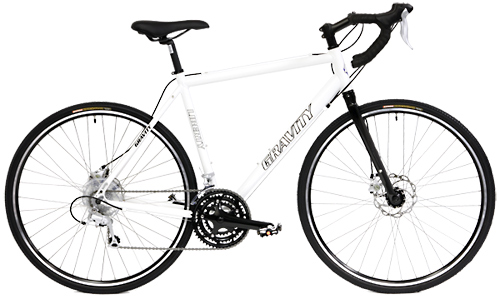
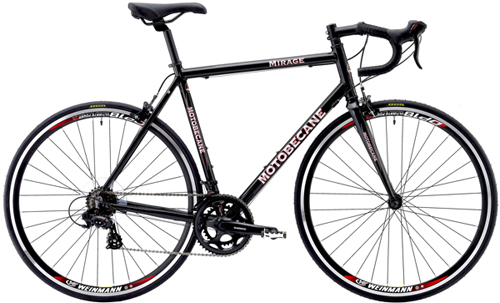
Most riders do not live on perfect pavement. They ride on patched asphalt, broken edges, utility cuts, and potholes that appear overnight. Yet many bikes are designed with smooth roads in mind, and that mismatch is why some owners feel like their bike is constantly taking a beating.
Choosing the right bikes for rough roads is not about toughness alone. It is about comfort, stability, and components that stay reliable when the surface is unpredictable. If your daily route includes rough pavement, starting with the right category matters, and many riders find better results by browsing ourgravel bike options or practical flat-bar commuters built for mixed conditions.
Tires: narrow tires at high pressure transmit every impact into your hands and lower back. They also increase the risk of pinch flats when you hit sharp edges.
Wheels: lighter wheels can be great, but rough roads punish poor durability. Repeated impacts can knock wheels out of true and loosen spokes.
Handling: twitchy steering feels exciting on clean pavement, but it can feel nervous on rough surfaces. That nervousness makes riders tense, and tension makes every bump feel worse.
This is why many people buy the bike they think they should own, then quietly stop riding because it feels uncomfortable and unpredictable.
The features that make bad roads manageable
Wider tires and sensible pressure
Tire volume is your first line of comfort. A wider tire can be run at lower pressure, which smooths the ride and improves grip on broken pavement. It also reduces the harshness that leads to fatigue on longer commutes.
Strong wheels and stable geometry
Durable wheels matter on pothole routes. Pair that with a frame geometry that feels calm at speed and steady at low speed, and you get a bike that inspires confidence instead of demanding constant attention.
Brakes that stay consistent
When streets are wet, gritty, or covered in debris, braking consistency becomes a safety issue. Disc brakes tend to keep their performance more stable across conditions. That matters when you are dealing with surprise stops and sketchy corners.
Practical fit and posture
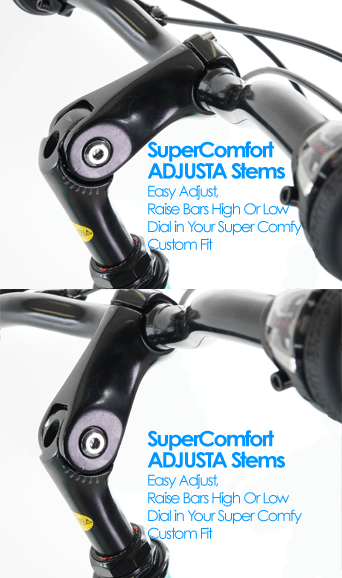
A slightly more upright position improves visibility and control in traffic. That is one reason a gravel bike style setup or a commuter-focused hybrid can feel far better in the city than a bike built purely for speed.
Hybrids and comfort commuters win daily city riding
Many riders assume a faster-looking bike is always better for commuting. In reality, the best commuter is usually the bike that keeps you comfortable and in control.
Hybrids and flat-bar commuters are easier to steer around obstacles, easier to outfit with racks and fenders, and generally better suited to stop-and-go riding. They also tend to accept wider tires, which is the simplest upgrade for rough pavement comfort.
A traditional fast setup can still work, but you often need to adapt it with wider tires, a more forgiving pressure choice, and a practical posture. If you are not excited about tuning and adapting, a purpose-built commuter is the easier route.
Small setup tweaks that help immediately
If your bike already feels harsh, you may not need a new bike right away.
Lower tire pressure slightly within safe limits. Choose tougher tires if flats are a frequent issue. Add ergonomic grips if your hands go numb. Consider fenders if road grit is constantly hitting your drivetrain.
These changes help, but they cannot fully fix a bike that is fundamentally wrong for your streets. That is why picking the right platform matters.
Three models that handle potholes with less drama
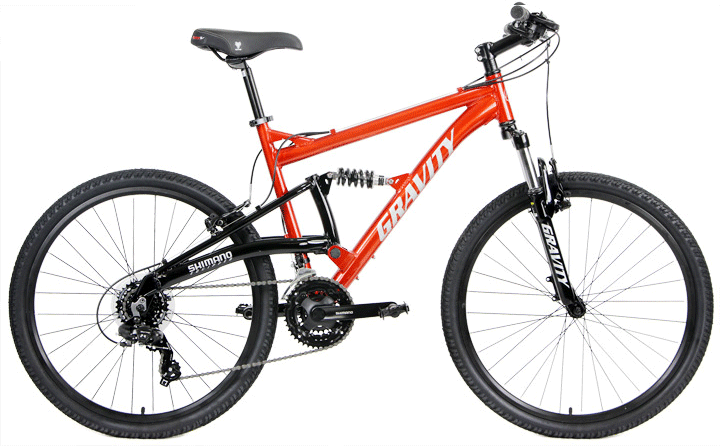
Here are three options that are well suited to rougher pavement and real-world urban riding:
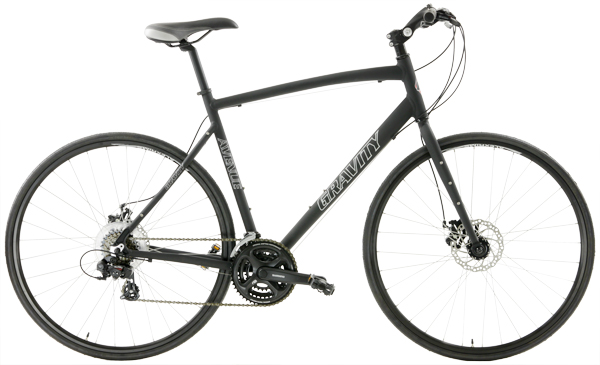
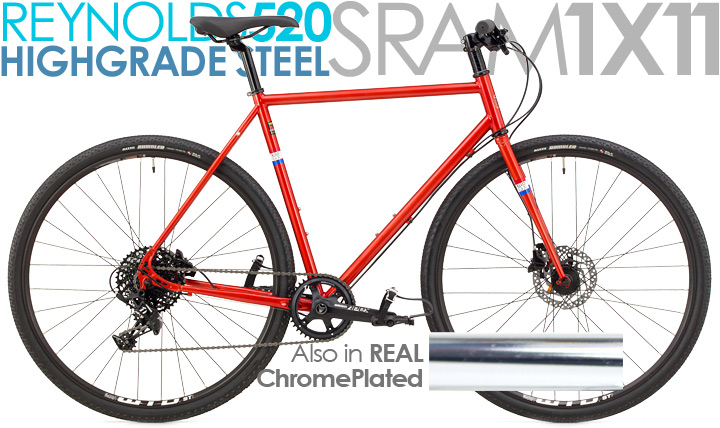
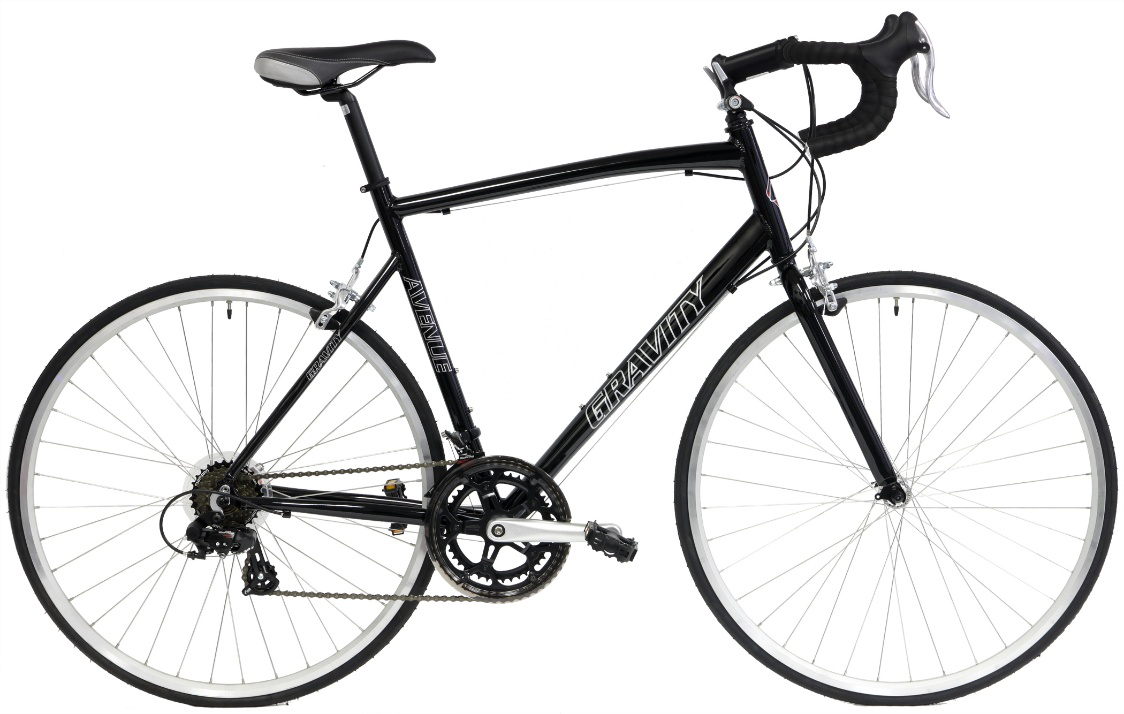
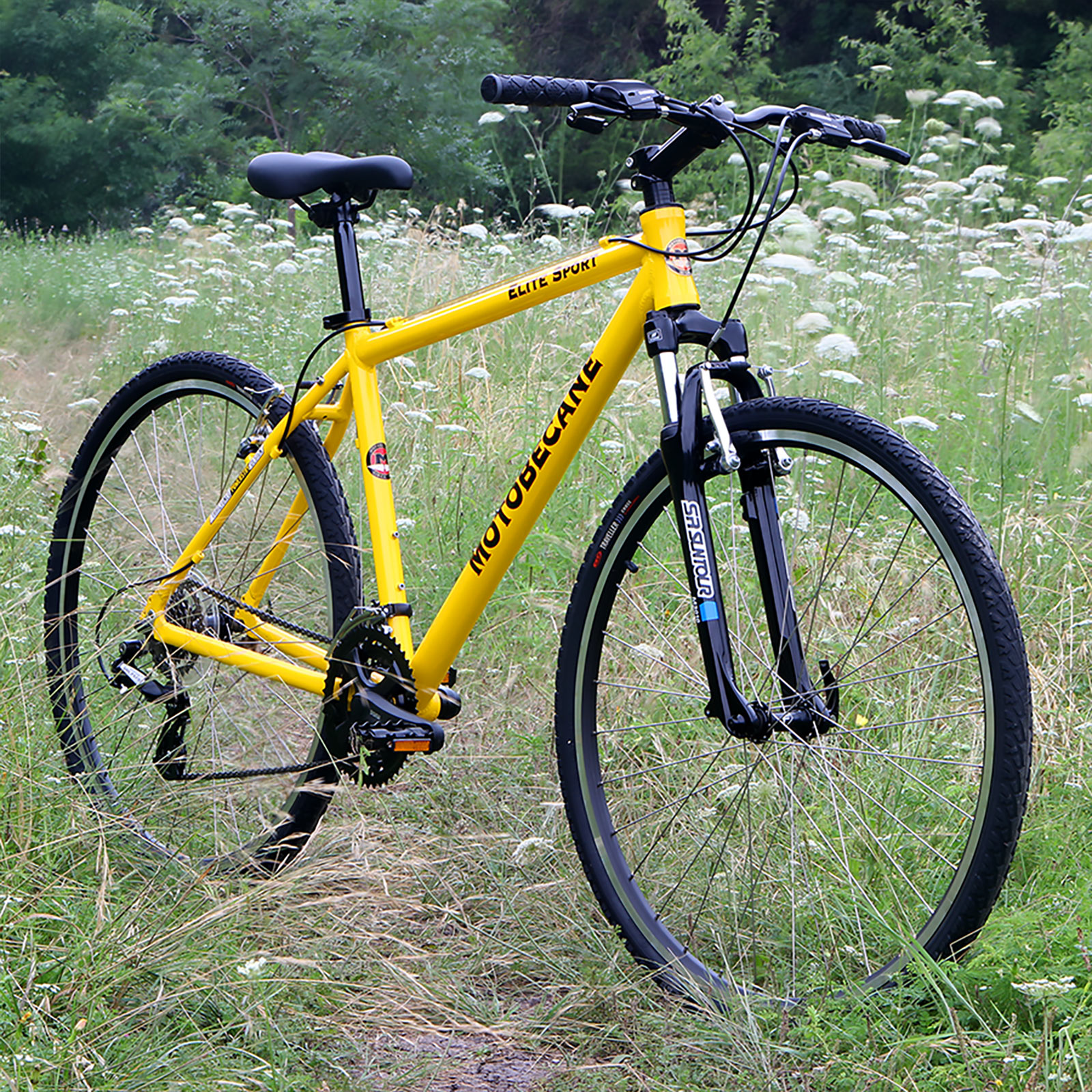
The Gravity Avenue FXD Disc is a practical commuter-style option for riders who want comfort and control on imperfect streets.
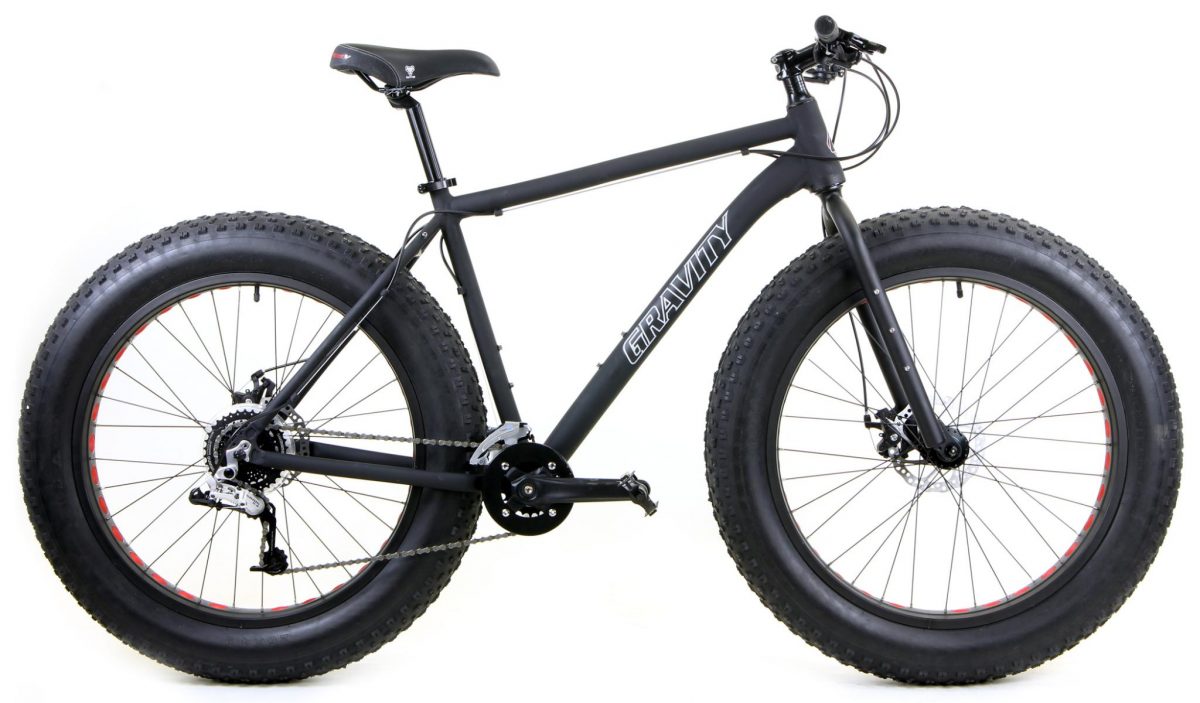
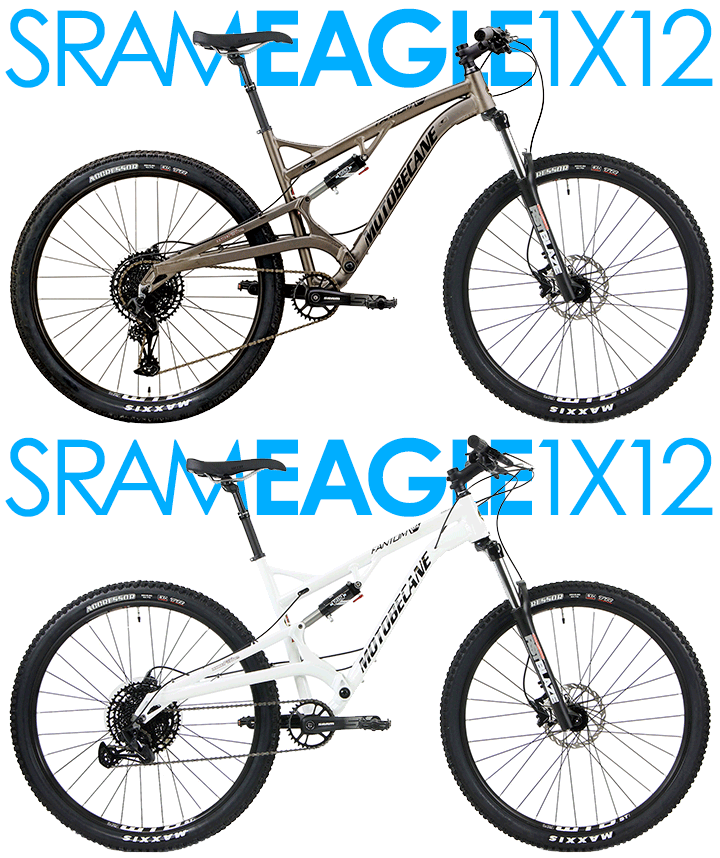
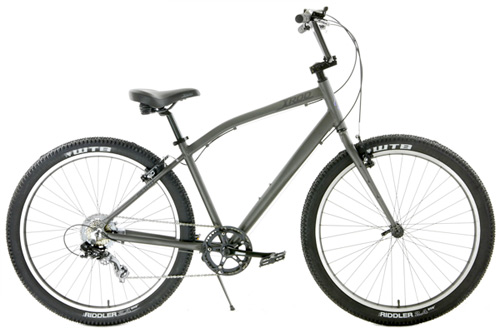
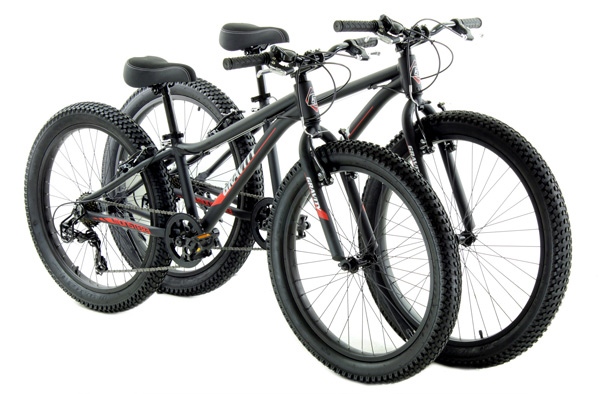
The Gravity Bullseye Monster FIVE is a bold choice for riders dealing with very rough surfaces who want maximum stability and traction.
Stop fighting your streets
City riding gets better when your bike matches reality. The right bikes for rough roads help you stay relaxed, roll over cracks without flinching, and keep your wheels and components happier over time. Comfort is not just about feeling nice. Comfort is what keeps you riding consistently.
We stock bikes designed for everyday riders who want a smoother, more confident ride on the streets they actually have. If you want guidance based on your route and your comfort goals, we can point you toward bikes for rough roads that make city miles feel easier.
For many riders, the idea of buying bikes online feels uncertain. After all, a bike is not just a product—it’s a piece of precision engineering, custom-fit to your body, riding style, and terrain preferences.
Traditionally, cycling enthusiasts have relied on local bike shops to “test-ride” and inspect bikes before making a purchase. However, modern direct-to-consumer (DTC) bike platforms like BikesDirect have transformed the way riders can shop, providing greater transparency, detailed specifications, and unbiased reviews—all from the comfort of home.
The first misconception about buying a bike online is that sizing and fit are impossible to verify without a physical ride. In reality, most online bike retailers provide comprehensive size charts, geometry diagrams, and detailed measurements that often exceed what a local store can offer. These tools allow riders to compare multiple models and determine which frames and geometries will suit their body and riding style.
Additionally, many platforms include step-by-step assembly instructions, video tutorials, and even online customer support, ensuring the bike is properly set up and ready for a comfortable ride.
Another advantage of buying bikes online is value transparency. Traditional bike shops must balance overhead costs, showroom space, and brand partnerships, which can inflate pricing and limit options. Online retailers pass these savings directly to customers, often offering a wider variety of models at competitive prices. This approach also encourages honest customer reviews.
Unlike in-store environments, where sales pressure can cloud judgment, online reviews from real riders highlight performance, comfort, and potential issues, giving buyers a data-driven perspective on their purchase.
Finally, direct-to-consumer purchasing allows riders to research beyond brand hype. Rather than relying solely on salesperson recommendations, riders can cross-reference specifications, compare component quality, and check expert or user feedback.
This transparency equips buyers to make informed choices tailored to their personal needs—whether it’s commuting, weekend gravel adventures, urban cruising, or high-speed road performance.
Bike Sizing and Geometry Clues for Online Buyers
One of the biggest challenges of buying bikes online is determining the correct size. Unlike visiting a physical store where you can sit on a bike and test it, online shopping requires interpreting geometry charts, frame measurements, and sizing recommendations to ensure the bike fits your body and riding style. Understanding these clues not only eliminates guesswork but also ensures a comfortable and efficient ride from day one.
The first place to start is frame size, usually measured in centimeters for road and gravel bikes or inches for mountain and hybrid models. While size charts provide a starting point, geometry diagrams are far more insightful.
Look for the top tube length, seat tube length, and head tube angle. The top tube length determines your reach to the handlebars, affecting posture and comfort. A too-long top tube can strain your back and shoulders, while a too-short one may feel cramped.
Standover height is another critical measurement, especially for hybrids, mountain bikes, and fat bikes. This is the distance from the ground to the top tube. Riders should have at least one to two inches of clearance when standing over the bike to allow easy mounting and dismounting, as well as increased safety on uneven terrain. For road and gravel bikes, clearance may be less, but it’s still important to avoid excessive stretching or compression of the knees when pedaling.
Reach and stack provide a complete picture of posture. Reach is the horizontal distance from the bottom bracket to the top of the head tube, influencing how stretched out you will be. Stack measures vertical distance to the same point, which determines how upright your torso will sit.
Riders who prefer long commutes or leisure rides may want higher stack and shorter reach for a more upright position, while racers often choose lower stack and longer reach for aerodynamic efficiency.
Beyond measurements, pay attention to the geometry style of the bike. Comfort-oriented bikes, like hybrids and cruisers, tend to have slacker head tube angles and longer wheelbases, increasing stability and smoothing out vibrations.
Road and gravel bikes often feature steeper angles and shorter wheelbases, prioritizing responsiveness and handling precision. When comparing bikes online, examine the manufacturer’s geometry charts, cross-reference your body measurements, and even use online calculators or fitting guides to determine the best match.
Finally, reviews can provide real-world clues about fit. Riders frequently note whether a bike feels smaller or larger than the stated size, whether the seat height adjustment is sufficient, or if handlebar reach feels stretched. These insights can compensate for what you cannot feel physically, making online sizing as reliable, if not more so, than in-store guesses.
Component Cues That Reveal Quality and Comfort Online
When buying bikes online, evaluating the frame alone isn’t enough. Components—brakes, drivetrains, tires, and suspension—directly affect ride comfort, control, and longevity. Even without physically testing a bike, careful attention to component specifications and quality clues ensures you select a bike that performs reliably and feels comfortable from the first ride.
Brakes: Stopping Power and Control
Look for clear indications of brake type and quality. Disc brakes, whether mechanical or hydraulic, provide superior stopping power in all weather conditions and on varied terrain, which is crucial for gravel bikes, mountain bikes, and hybrids.
Rim brakes are lighter and simpler but may require more frequent adjustments. Online listings usually specify the brake model, rotor size, and brake type—details that indicate real-world stopping performance.
Drivetrain: Smooth Shifting and Efficiency
The drivetrain determines pedaling efficiency and gear versatility. High-quality derailleurs, shifters, and cassettes from reputable brands often indicate a bike designed for smooth, reliable performance. Online buyers should check gear range, the number of speeds, and the material of cranks and chains. Reviews often mention whether shifts are crisp or sluggish, helping you anticipate ride experience before delivery.
Tires: Traction and Ride Quality
Tire width, tread pattern, and material affect comfort, grip, and stability. Wider tires with appropriate tread absorb shocks and vibrations, especially on hybrids, cruisers, and fat bikes. Gravel bikes benefit from slightly knobby tires for mixed terrain. Always check online specifications for recommended tire pressure ranges, width, and compatibility, as well as user feedback on comfort and rolling efficiency.
Suspension: Absorbing Bumps Without Compromising Control
Suspension, whether in the fork, seatpost, or full suspension setup, reduces vibration and fatigue. Even subtle compliance in a carbon fork or suspension seatpost can transform comfort on longer rides. Online listings often describe travel distance, spring type, and damping features. Combined with reviews, this information reveals how well the bike handles uneven surfaces.
Other Comfort-Enhancing Components
Ergonomic saddles, adjustable handlebars, padded grips, and wider pedals can dramatically improve ride experience. Many online listings include specifications for these items, allowing riders to assess whether the bike will suit their posture and personal riding style. Component details often provide early clues about whether a bike will feel comfortable during extended rides, without needing a showroom test ride.
Decoding Reviews and Ratings for Smart Online Bike Purchases
One of the greatest advantages of buying bikes online is access to a wealth of user feedback. Reviews and ratings provide real-world insights into fit, comfort, durability, and performance that go beyond the specifications listed by manufacturers. Learning to interpret these signals is a critical step in making an informed purchase.
Look for Consistent Patterns
While individual opinions vary, repeated comments about specific aspects are highly informative. For example, if multiple riders mention that a saddle is too narrow or a handlebar feels short, it’s likely a genuine fit issue rather than a personal preference.
Conversely, repeated praise for smooth shifting, stable handling, or comfortable geometry reinforces the bike’s quality claims. Patterns in reviews often reveal strengths and weaknesses that aren’t obvious in technical specs.
Pay Attention to Ride Type and Rider Profile
Many reviews include information about the rider’s height, weight, and typical riding style. This context helps online buyers determine if the bike will suit them. For instance, a mountain bike praised for stability by a 6-foot rider may feel different for someone shorter. Matching your profile with reviewer experiences reduces the guesswork in selecting the right model.
Check for Detailed Feedback on Components
High-value reviews often mention the performance of key components: brakes, drivetrain, suspension, and tires. Users may report squeaky brakes, stiff shifting, or tire durability concerns. These details help buyers anticipate maintenance needs and evaluate whether the bike’s components meet their expectations for comfort and longevity.
Spot Red Flags
Beware of vague or overly positive reviews that provide no specifics, as they may be less reliable. Multiple complaints about shipping damage, difficult assembly, or missing parts can indicate logistical or quality control issues. Paying attention to the nature and frequency of negative reviews gives you a realistic picture of what to expect when buying a bike online.
Leverage Verified Purchases
Many online platforms highlight reviews from verified buyers. These are often the most trustworthy, as they confirm the reviewer actually received and used the product. Combining verified feedback with unverified reviews provides a balanced perspective.
By systematically decoding reviews and ratings, online buyers can gain confidence in their choice, mitigate risks, and ensure the bike they select meets comfort, fit, and performance expectations—all without stepping into a store.
Step-by-Step Guide for Buying Bikes Online
Buying a bike online can feel intimidating at first, but with a structured approach, it becomes a streamlined, confidence-building process. This step-by-step guide helps riders move from research to purchase while ensuring the bike fits, performs, and delivers long-term comfort. Platforms like BikesDirect make this process even easier by providing detailed specs, geometry charts, and real customer reviews.
Step 1: Define Your Riding Goals
Before browsing, clarify how you plan to use your bike. Are you commuting through city streets, tackling gravel trails, cruising along the beach, or hitting mountain trails? Understanding your terrain and frequency of use helps narrow your options. This focus ensures you select a bike with geometry, components, and comfort features suited to your specific needs. BikesDirect’s website lets riders filter by bike type and intended use, saving time while narrowing down suitable models.
Step 2: Check Size and Geometry Charts
Once you’ve identified the type of bike, carefully study the size charts and geometry diagrams provided online. Measure your inseam, height, and reach, and compare them to top tube length, standover height, reach, and stack. Reputable online bike shops provide comprehensive charts for every model, making it simple to determine the correct size without visiting a store.
Step 3: Evaluate Components for Comfort and Performance
Examine the brakes, drivetrain, tires, and suspension to ensure they match your riding style and terrain. High-quality components reduce maintenance, improve ride feel, and enhance safety. Look for ergonomic handlebars, padded saddles, and wide tires that promote stability and comfort. At BikesDirect, we list all component specifications clearly, helping buyers make confident choices without guessing.
Step 4: Study Reviews and Ratings
Read reviews from riders with similar heights, weights, and riding styles. Focus on repeated mentions of comfort, fit, durability, and performance. Verified reviews and detailed feedback about assembly or ride quality can save you from unpleasant surprises. BikesDirect prominently features verified customer reviews, providing transparent insights into how bikes perform in real-world conditions.
Step 5: Compare Options and Features
Compare multiple models side by side. Look beyond brand names and flashy graphics—focus on geometry, component quality, ride experience, and value. Direct-to-consumer retailers like BikesDirect provide more transparent specifications and competitive pricing than traditional bike shops, allowing you to make informed comparisons from home.
Step 6: Confirm Shipping, Assembly, and Warranty
Check the seller’s shipping policies, assembly instructions, and warranty coverage. Many bikes arrive partially assembled with detailed video instructions or optional professional assembly services. BikesDirect offers shipping guidance and support to ensure your bike arrives safely and is ready for the road.
Step 7: Complete Your Purchase with Confidence
Once all steps are checked—fit, components, reviews, and logistics—you can purchase your bike with full confidence. Using BikesDirect to buy bikes online not only saves money but also provides detailed specifications, reliable customer support, and transparent reviews, making the online buying experience more trustworthy than ever. Following this roadmap ensures your new bike fits perfectly, rides comfortably, and lasts for years.
Buying a bike online opens up access to a wide range of models that suit different riding styles, terrains, and comfort preferences. Our platform makes it easy to explore detailed specifications, customer reviews, and geometry charts for every type of bike. Understanding which bike type fits your needs helps streamline your online purchase while ensuring comfort, performance, and long-term satisfaction.
Hybrid Bikes
Hybrid bikes combine the efficiency of road bikes with the comfort of cruisers. They are ideal for commuting, casual rides, and light trail use. Buying a hybrid online allows you to compare frame sizes, handlebar types, and gear configurations without feeling rushed in a store. With transparent specifications on BikesDirect, you can confidently choose a bike that balances speed, comfort, and stability.
Gravel Bikes
Gravel bikesare versatile machines designed for mixed surfaces, from paved roads to dirt trails. They feature geometry that supports longer rides with comfort-focused posture, plus wide gear ranges and durable tires. When buying bikes online, you can study geometry charts, read reviews from riders on similar terrain, and select models with components suited for off-road performance—all from home.
Road Bikes
Road bikes prioritize speed and efficiency but can also be comfortable when chosen carefully. Online shopping allows riders to evaluate frame material, geometry, and component quality, ensuring the bike matches their riding goals. BikesDirect provides detailed measurements and review insights, helping buyers select the right road bike for commuting, racing, or weekend adventures.
Fat Bikes
Fat bikes excel in sand, snow, and rugged trails thanks to wide tires that absorb shocks and enhance stability. Choosing a fat bike online means examining tire width, frame clearance, suspension features, and brake systems. Customer reviews on BikesDirect reveal how well a model performs in challenging conditions, allowing you to make an informed choice without test riding.
Beach Cruisers
Beach cruisers are all about leisurely rides with a relaxed posture. They often include wide, cushioned saddles, upright handlebars, and simple drivetrains. Buying a cruiser online gives riders access to detailed specs on comfort features, frame size, and aesthetics, ensuring a fun, smooth, and stylish ride along streets, parks, or boardwalks.
Mountain Bikes
Mountain bikes are engineered for off-road trails, steep climbs, and technical terrain. Online listings allow buyers to compare suspension travel, frame geometry, brake systems, and wheel sizes, all while reading firsthand reviews of trail performance. Platforms like BikesDirect provide in-depth details that make choosing a mountain bike online as reliable as trying it in-store.
Ride Smarter with BikesDirect
Buying a bike online doesn’t have to be stressful or uncertain. By focusing on fit, geometry, components, and trusted reviews, riders gain control over their purchase and often enjoy better transparency and value than traditional stores.
Platforms like BikesDirect make the process simple, providing detailed specifications, verified customer feedback, and a wide selection of bikes for every rider.
Whether you’re looking for a versatileHybrid Bike for commuting, a durableGravel Bike for mixed terrain, or a high-performanceRoad Bike for speed, BikesDirect has the right option. For challenging trails, explore their stableMountain Bikes, or enjoy relaxed rides on a cushionedBeach Cruiser. If you want to tackle snow, sand, or rough terrain with confidence, check out their powerfulFat Bikes.
No matter your style, buying bikes online with BikesDirect ensures you ride with comfort, confidence, and long-term satisfaction. From sizing and geometry to components and reviews, the platform provides all the tools you need to make an informed choice from the comfort of home.
Start your smart ride today—explore BikesDirect’s full range of bikes and find the perfect match for your next adventure.
A lot of adults return to cycling with one hope: ride more and feel better. Then the first long ride happens, and the body sends a clear message. Sore hands. Tight shoulders. A back that needs a stretch break.
It is tempting to blame the saddle. But comfort rarely starts there.
The most comfortable bikes for adults are comfortable because posture, geometry, and tires work together. When those three pieces line up, you can ride longer without constantly shifting around or counting minutes until you get home.
If you are shopping, start by looking at bikes built for comfort by design, such as models in the Comfort Bike category, where relaxed posture is part of the blueprint.
Secret one: reach is the silent comfort killer
Reach is how far you have to stretch to the bars. Too much reach forces you to lock your elbows, round your back, and brace through your hands. That creates pressure and fatigue even if you feel fine for the first few miles.
Many adults simply feel better when the bars are higher and closer. That posture reduces the load on wrists and shoulders and lets you keep your head up naturally. It is one reason some riders struggle on road bikes for casual riding, even though the bikes are great at speed.
A comfort-first bike should let you hold the bars with a relaxed grip, not white knuckles. If your shoulders can drop and your elbows can stay soft, you are on the right track.
Secret two: tire volume is built-in smoothing
Tires are your first suspension. More air volume can soak up vibration and tame rough pavement. This matters a lot for adult riders because small impacts add up over time.
Higher volume tires also increase grip, which reduces the feeling that the bike is skittering across cracks and debris. That alone can make riding feel more relaxed because you are not constantly guarding against slips.
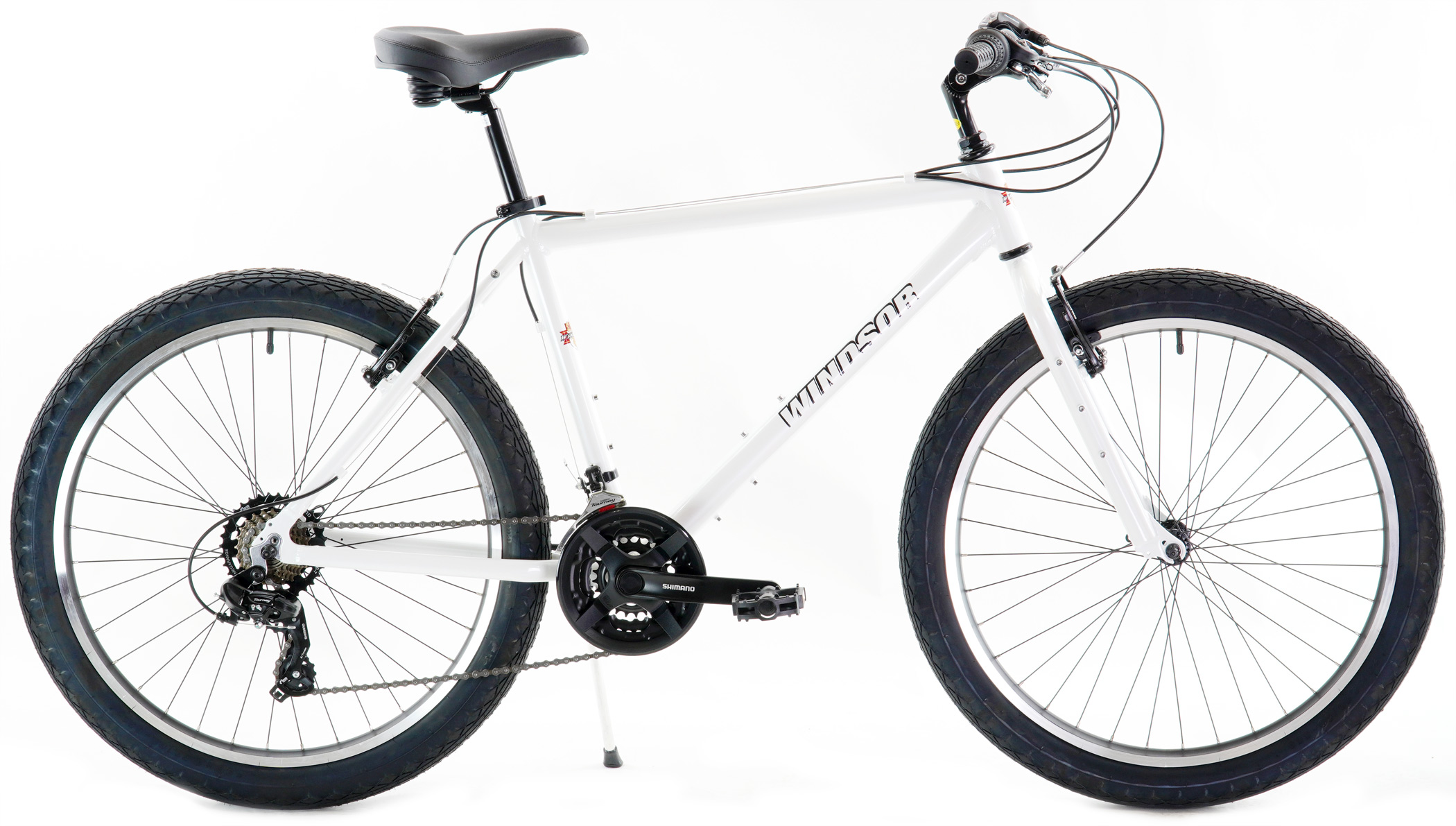
A bike like the Windsor Dover X7 highlights how a comfort-oriented build can pair upright posture with wider tires for a smoother, more forgiving ride on everyday surfaces.
Secret three: comfort comes from how your body stacks over the bike
A truly comfortable ride often looks like this:
Your torso angle feels natural.
Your hands feel light.
Your hips feel open.
Your vision is forward without strain.
That body stacking is why step-through and upright designs can be so appealing for adults. Getting on and off feels easy, stops feel stable, and the bike invites relaxed riding instead of demanding an athletic pose.
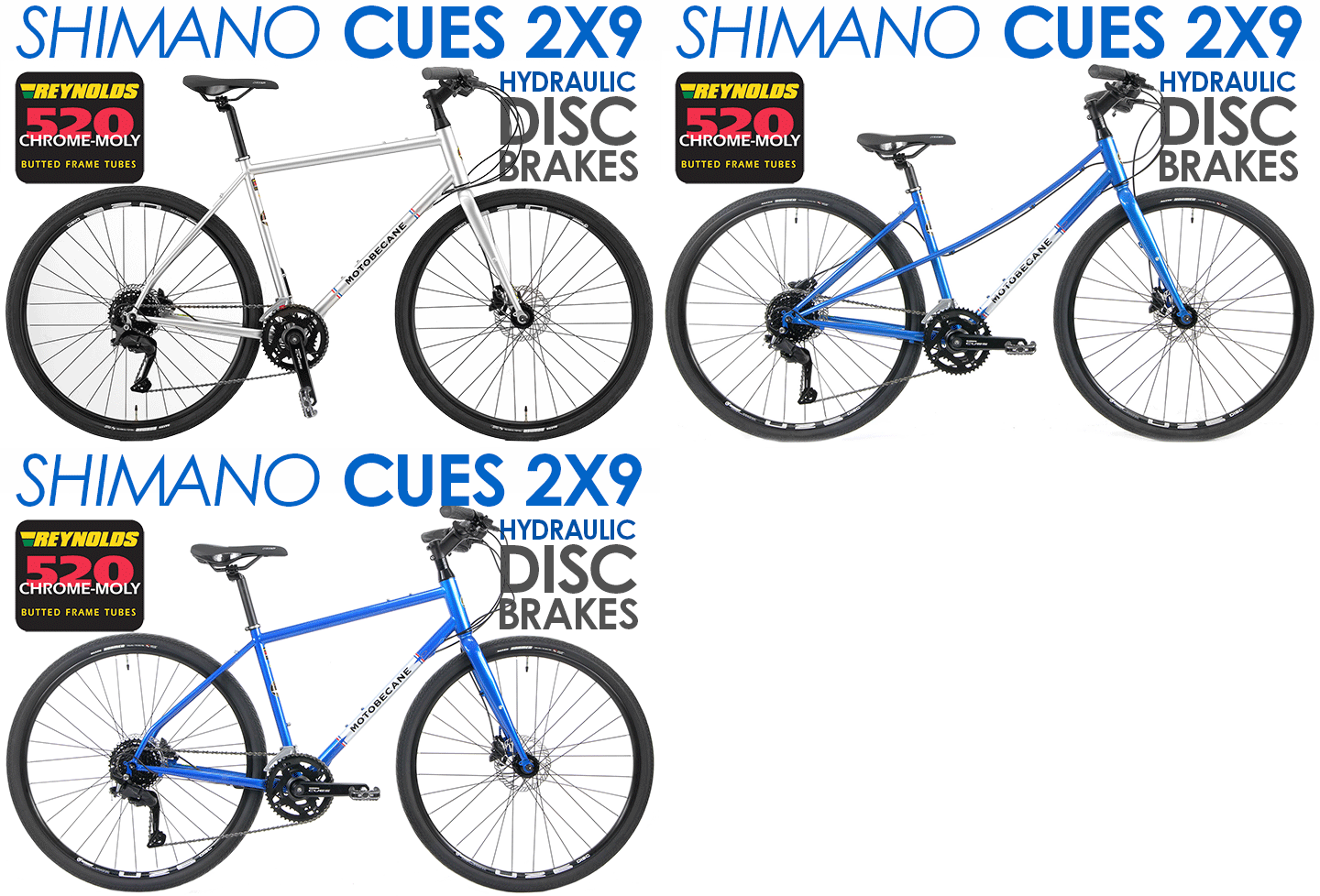
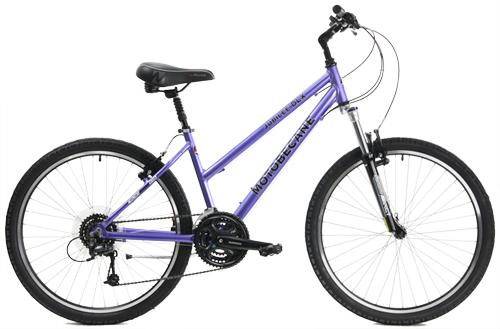
If you want a comfort example built for easy posture adjustment and smooth cruising, the Motobecane Jubilee Deluxe is designed around the idea that comfort should be the default, not an afterthought.
Secret four: the best comfort bikes let you fine-tune posture
Adults come in every shape and flexibility level. Most comfortable bikes for adults make it easy to dial in small changes that have big impact.
A few practical adjustments help most riders:
Raise the bars slightly if your hands carry too much weight.
Slide the saddle so your knees feel natural over the pedals.
Choose grips that reduce pressure points.
Use tires with enough width to smooth your typical routes.
You do not need a complicated fit session to benefit. The goal is simple: a posture you can hold without tension.
Secret five: comfort still needs stability
Comfort is not only soft. It is also predictable.
A bike that handles calmly helps you relax your upper body. That is why comfort bikes often feel reassuring, even at slow speeds. In contrast, a bike designed for quick response can feel nervous when you are trying to cruise.
This matters when riding on paths, neighborhood roads, and uneven pavement where calm handling keeps your shoulders loose and your breathing steady.
How to spot comfort in five minutes
If you are deciding between bikes, here are quick signs you are on a comfort-forward design:
You can sit tall without feeling pulled forward.
Your hands can stay relaxed without numbness.
You can scan left and right easily.
Bumps feel muted, not sharp.
Starts and stops feel steady.
When those boxes are checked, the ride tends to feel easy longer. That is exactly what most returning riders want.
Comfort is what makes cycling stick
The most comfortable bikes for adults are not just pleasant, they are practical. They reduce aches, increase confidence, and make it easier to ride often. If you have tried to ride more and your body pushed back, switching to a design that supports comfortable bikes for adults comfort is often the difference between quitting and building a habit.
We carry bikes for every style of riding, including road bike options, trail-ready mountain bike builds, mixed-surface gravel bikes, laid-back beach cruisers, versatile hybrid bike models, and adventure-focused fat bikes. If you want help choosing the best match for your comfort goals, please contact us.
Picture this: a congested downtown at rush hour. Cars idle, horns blare, and exhaust fumes linger in the air. Then, a cyclist glides past the traffic, calm and efficient, covering ground without burning a drop of gasoline. That moment captures the essence of cycling and sustainability—a simple act of choosing a bike over a car becomes a powerful step toward reducing pollution, improving public health, and reshaping our cities for the better.
With climate change concerns growing louder, more people are rediscovering bikes not just as a pastime, but as a daily tool for sustainable living. From the adaptable hybrid bike to the rugged mountain bike, cycling provides options for every lifestyle while cutting down your carbon footprint in measurable ways.
Why Cycling Matters in the Fight Against Climate Change
Transportation is one of the largest contributors to greenhouse gas emissions worldwide. Cars and trucks, powered primarily by fossil fuels, account for a significant percentage of CO₂ emissions. Every time you replace a short car trip with a bike ride, you’re actively reducing the demand for fuel and lowering the number of pollutants entering the atmosphere.
The beauty of cycling and sustainability lies in its accessibility. Unlike large-scale infrastructure changes or expensive technology shifts, riding a bike is a change almost anyone can make today. Commuting with a road bike or using a beach cruiser for neighborhood errands helps cut back on emissions, while also improving individual health and reducing traffic congestion.
Hybrid Bikes: The Everyday Eco-Friendly Hero
For many riders, the hybrid bike has become the go-to option for sustainable commuting. Combining the speed of a road bike with the comfort of a casual cruiser, hybrid bikes make it easy to replace car trips with pedal power. They’re efficient on city streets yet versatile enough for park trails, making them the perfect balance between practicality and fun.
Imagine replacing your daily five-mile commute with a hybrid bike. In just a year, that switch can save hundreds of pounds of carbon emissions, while also keeping your wallet fuller by avoiding fuel and parking costs.
Gravel and Road Bikes: Redefining Longer Rides
Sustainability isn’t limited to short commutes. Adventure seekers are embracing the gravel bike for weekend rides and long-distance journeys. Gravel bikes thrive on mixed terrain—roads, trails, and everything in between—making them ideal for eco-conscious travelers who want to explore without relying on cars or buses.
Similarly, the streamlined road bike remains a classic choice for those who value speed and efficiency. Swapping even one or two longer car trips a week for a road ride can have a compounding effect on your personal carbon reduction. And unlike cars, bikes don’t just get you from point A to B—they boost your fitness and mental health along the way.
Fat Bikes and Mountain Bikes: Eco-Friendly Adventure
Eco-friendly living doesn’t mean giving up adventure. The fat bike, with its oversized tires, makes riding possible on sand, snow, and rugged trails. Instead of taking a fuel-powered ATV for outdoor exploration, a fat bike lets you tread lightly—literally and figuratively—on the environment.
For those drawn to forest trails and mountain paths, a mountain bikeoffers the thrill of off-road riding without the environmental cost of gas-powered recreation. By choosing pedal-powered exploration, riders preserve fragile ecosystems while still getting their adrenaline fix.
Beach Cruisers: Sustainable Simplicity
The beach cruiser may seem casual, but it embodies sustainability in its purest form. Perfect for flat terrain and short trips, cruisers are often used for errands, neighborhood rides, and leisurely commutes. Each trip taken on a cruiser instead of a car adds up—fewer emissions, less road congestion, and more time spent outdoors.
What makes cruisers particularly sustainable is their simplicity. With fewer complex components, they require less frequent maintenance and have a longer lifespan compared to more intricate vehicles, adding durability to their eco-friendly appeal.
E-Bikes: The Future of Green Commuting
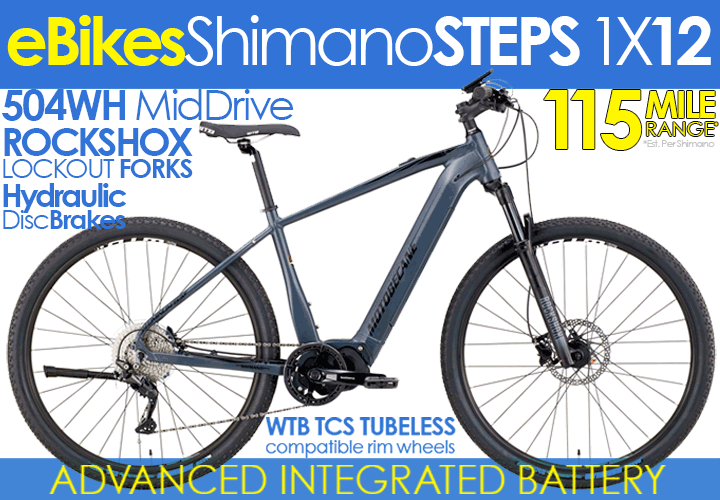
While not on the original list, e-bikes deserve mention in any discussion of cycling and sustainability. They bridge the gap between traditional bikes and cars, offering electric assistance that makes longer commutes or hilly routes accessible to more people. E-bikes drastically reduce the barriers to choosing cycling over driving, especially in urban environments.
An e-bike trip produces a fraction of the carbon emissions of a car journey—even when factoring in battery charging. By making cycling practical for more riders, e-bikes accelerate the shift toward sustainable transportation.
The Ripple Effect: How One Choice Inspires Many
Choosing cycling over driving doesn’t just impact your personal carbon footprint—it influences those around you. When friends, family, or coworkers see you regularly commuting on a hybrid bike or hitting the trails on a fat bike, it normalizes cycling as a practical alternative.
Communities with more cyclists often advocate for better infrastructure, such as bike lanes and greenways, which in turn encourage even more people to ride. The ripple effect of one cyclist can grow into a cultural shift that transforms entire neighborhoods into more sustainable, livable spaces.
Beyond Emissions: Other Environmental Benefits
While lowering carbon emissions is the most obvious environmental impact of cycling, it’s far from the only one. Biking reduces noise pollution, eases traffic congestion, and lessens the need for sprawling parking lots. Fewer cars on the road mean fewer resources used to build and maintain road infrastructure.
Even small daily changes—like taking your beach cruiser for groceries instead of your car—add up over time. Multiply that by millions of cyclists worldwide, and the potential for global impact becomes clear.
How to Start Living More Sustainably Through Cycling
Making cycling part of your sustainable lifestyle doesn’t require a dramatic change. Start small: replace one short car trip per week with a bike ride. As you gain confidence and enjoyment, expand your riding routine.
Invest in the right bike for your lifestyle. A hybrid bike works well for city commutes, while gravel or road bikes suit longer rides. Fat bikes and mountain bikes are excellent for eco-friendly adventures, and beach cruisers provide casual, everyday options. The key is consistency—sustainability thrives on habits repeated over time.
Conclusion: Pedal Toward a Greener Future
In a world where every action matters, choosing a bike ride over a car trip is a tangible way to fight climate change and embrace a more sustainable lifestyle. Whether it’s commuting on a hybrid bike, exploring trails on a mountain bike, or cruising the neighborhood on a beach cruiser, cycling transforms the way we move, live, and care for the planet.
Ready to make your rides matter—for your health and the planet? Explore the wide selection of hybrid, gravel, road, fat, mountain, and beach cruiser bikes at Bikesdirect.com. With factory-direct pricing and an unbeatable range of options, there’s never been a better time to choose a bike that saves money, reduces emissions, and supports a greener future.
Discover how cycling boosts mental wellness in this visual guide by BikesDirect.com, a leading online bike store USA. From reducing stress and improving focus to enhancing mood and promoting mindfulness, every ride—whether on a mountain bike, hybrid, or cruiser—supports both body and mind through the power of pedal therapy.
There’s a moment every cyclist dreams about—the day you push past casual rides and set your sights on a big challenge, whether that’s a century ride, a weekend gravel adventure, or a long charity event. The thought of riding 60, 80, or even 100 miles can feel both exhilarating and intimidating. For many, that first attempt at long-distance cycling isn’t just about endurance—it’s about proving to yourself that you’re capable of more than you imagined.
But success doesn’t happen by accident. Long rides demand preparation, both in training and in the gear you choose. Without a plan, you risk burning out early, battling unnecessary pain, or worse, not finishing. With the right approach, however, your first long-distance ride can feel less like survival and more like a personal victory.
Building the Foundation: Start Slow, Build Steady
One of the most common mistakes new riders make is jumping into big mileage too quickly. Long-distance cycling is less about raw speed and more about pacing and stamina. To prepare, start with shorter rides—20 to 30 miles—and add distance gradually each week. This builds your aerobic base, strengthens your legs, and allows your body to adapt without injury.
Your goal isn’t just to cover distance; it’s to ride consistently. Three to four sessions per week, mixing moderate midweek rides with a longer weekend effort, will prepare your body for endurance. Think of it as teaching yourself to be comfortable on the bike for hours at a time.
Train Like You’ll Ride
The key to long-distance success is specificity. If your goal is a road bike century, focus your training on the road. If you’re taking on a gravel race or adventure, spend plenty of time on your gravel bike over mixed terrain. Planning to explore wooded trails or mountain passes? Then saddle up your mountain bike and practice handling climbs, descents, and technical terrain.
This principle matters because each bike and riding style engages your body differently. A century on a sleek road machine demands smooth cadence and efficient pedaling, while a gravel adventure asks for grit, bike handling, and confidence over rough surfaces. Training on the right bike from Bikesdirect ensures you’re not just fit, but also familiar with how your bike responds under long-distance stress.
Don’t Forget Strength and Flexibility
Endurance riding isn’t only about spinning pedals. Core strength plays a massive role in keeping you stable in the saddle. Weak abs or back muscles often translate into poor posture and fatigue after just a few hours. Incorporating planks, squats, lunges, and yoga into your weekly routine builds a stronger platform for pedaling.
Flexibility matters, too. Tight hamstrings or hip flexors can make long-distance cycling painful, limiting your ability to maintain power comfortably. Simple stretches after each ride—focusing on quads, hips, and calves—go a long way toward injury prevention and efficiency.
Filename: gravity-disc-brake-road-bike. Alt-text: Gravity road bike with disc brakes for endurance training rides Caption: A Gravity road bike equipped with disc brakes offers smoother, safer stopping power, giving new endurance riders more confidence on longer rides.
Dial in Nutrition and Hydration
Ask any experienced rider, and they’ll tell you: nutrition is the silent killer of long-distance goals. Riding 60 or 100 miles without proper fueling is like expecting a car to run on fumes. During training rides, experiment with different foods and drinks to see what your body tolerates best.
Some riders thrive on energy gels and sports drinks, while others prefer real food—bananas, peanut butter sandwiches, or even rice cakes. The rule of thumb is simple: eat something every 45–60 minutes, and drink steadily, not just when you feel thirsty.
Hydration also includes electrolytes. On a hot day, plain water isn’t enough to replace what you lose through sweat. Electrolyte mixes help keep cramps at bay and maintain steady energy.
Gear Up: Choosing the Right Bike
Training is only half the equation. The wrong equipment can make your first long-distance ride miserable. Fortunately, Bikesdirect offers options across every discipline, ensuring you get the performance you need without overpaying.
If smooth pavement and speed are your focus, a lightweight road bike like the carbon and aluminum models at Bikesdirect will give you efficiency mile after mile. For those who prefer mixed routes, a gravel bike offers versatility, blending the efficiency of a road machine with the ruggedness of a trail bike. Planning trail adventures or endurance challenges in the mountains? Then a mountain bike with reliable suspension is your weapon of choice.
Even casual riders can enjoy distance on the right setup. A well-fitted hybrid bike or comfortable beach cruiser can make 30 to 40 miles of leisure riding an enjoyable part of a weekend. For adventurers who want to conquer snow, sand, or loose terrain, a fat bike provides stability and fun no matter the conditions.
The takeaway is this: the right bike not only improves performance but also ensures comfort. And when you’re spending hours in the saddle, comfort is not negotiable.
Plan Your First Big Ride
When your training builds to 70 or 80 percent of your goal distance, you’re ready to attempt the real thing. Don’t wait for perfect conditions—part of long-distance cycling is learning to adapt—but plan wisely. Choose a route with support if possible, or ride with friends who can share pacing duties.
Pacing is everything. Starting too hard is the fastest way to end up exhausted. Instead, ride conservatively in the first half and save energy for the final stretch. Think of it as running negative splits: finish strong rather than limping home.
Mental preparation is just as important. Long rides can test your patience as much as your legs. Break the distance into smaller segments—10 miles at a time, or stops at familiar landmarks. This makes the ride feel manageable, even when fatigue sets in.
Ready to prepare for your first big ride? Explore Bikesdirect.com today to find the perfect setup for your journey—whether that’s a performance-ready road bike, a rugged gravel bike, or a versatile hybrid bike for commuting and weekend rides.
Our direct-to-consumer model ensures you get top-quality bikes at unbeatable prices, so you can focus on training, not overspending. Your first long-distance challenge is waiting, and the right bike can make all the difference. Start your journey with Bikesdirect and ride farther than you ever thought possible.