
Why Fat Bikes Are the Unsung Heroes of All‑Season Riding

Every rider has a favorite “what if” route. What if you could stay on the shoreline where the sand is firm and the breeze smells like salt. What if the unplowed winter path through the woods became your fastest shortcut to work. What if the gravel road at the edge of town, the one that dissolves into washboard beyond the last mailbox, felt as welcoming as a paved bike path. Fat bikes make those “what ifs” real. With huge tires, frames built for clearance, and geometry that favors balance over drama, fat bikes for all terrain unlock surfaces that defeat ordinary rubber. They float where others sink, grip where others spin, and—most importantly—turn questionable conditions into genuinely fun rides. In this article, we’ll explain the physics of float, share practical setup guidance for sand, snow, and gravel, highlight components that matter, and point you to specific models in our lineup that deliver four‑season capability without demanding a lottery ticket.

The Physics of Float and Grip

The two numbers that define the fat bike experience are tire width and pressure. Typical mountain bikes roll on 2.2–2.6‑inch rubber; a fat bike starts around 3.8 inches and stretches to five inches or more. Spread that wide tire across a correspondingly wide rim and you lower the ground pressure under each knob. Instead of knifing into soft surfaces, the tire distributes your weight so the bike rides on top of sand or snow. Pressure completes the magic. Where a conventional trail setup might use 20–28 PSI, fat bikes come alive between roughly 4 and 12 PSI depending on rider weight and terrain. Lower pressure mushrooms the contact patch into an elongated footprint that grabs texture, irons out chatter, and keeps momentum alive. The change is so dramatic that a half PSI can be the difference between trenching and gliding. That sensitivity is part of the fun; you become the pilot of a small, friendly hovercraft.

Sand: Surf Without Sinking

Sand punishes narrow tires by dragging them down into a rut. The fatter the tire and the lower the pressure, the less you sink and the less energy you spend clawing back to the surface. On beaches and dunes, experienced riders often start around 6–8 PSI and drop lower as the surface softens. Steer with your hips and eyes, not your arms; any abrupt input digs the front end. Momentum is your ally, so pick lines that keep the bike rolling. If your riding life includes salty air, rinse bikes after shoreline sessions and keep a close eye on chains, cassettes, and bolts. Aluminum frames are naturally corrosion‑resistant; carbon also plays nicely with maritime conditions; steel requires a little extra care but rewards you with a lovely ride. For playful coastal rides where you’ll split time between hard sand and softer patches, a 3.8–4.5‑inch tire works wonders. When you want to push deeper into soft dunes or carry bags for sunset picnics, stepping up to five‑inch rubber increases float and stability.

Snow: The Winter “Play” Button

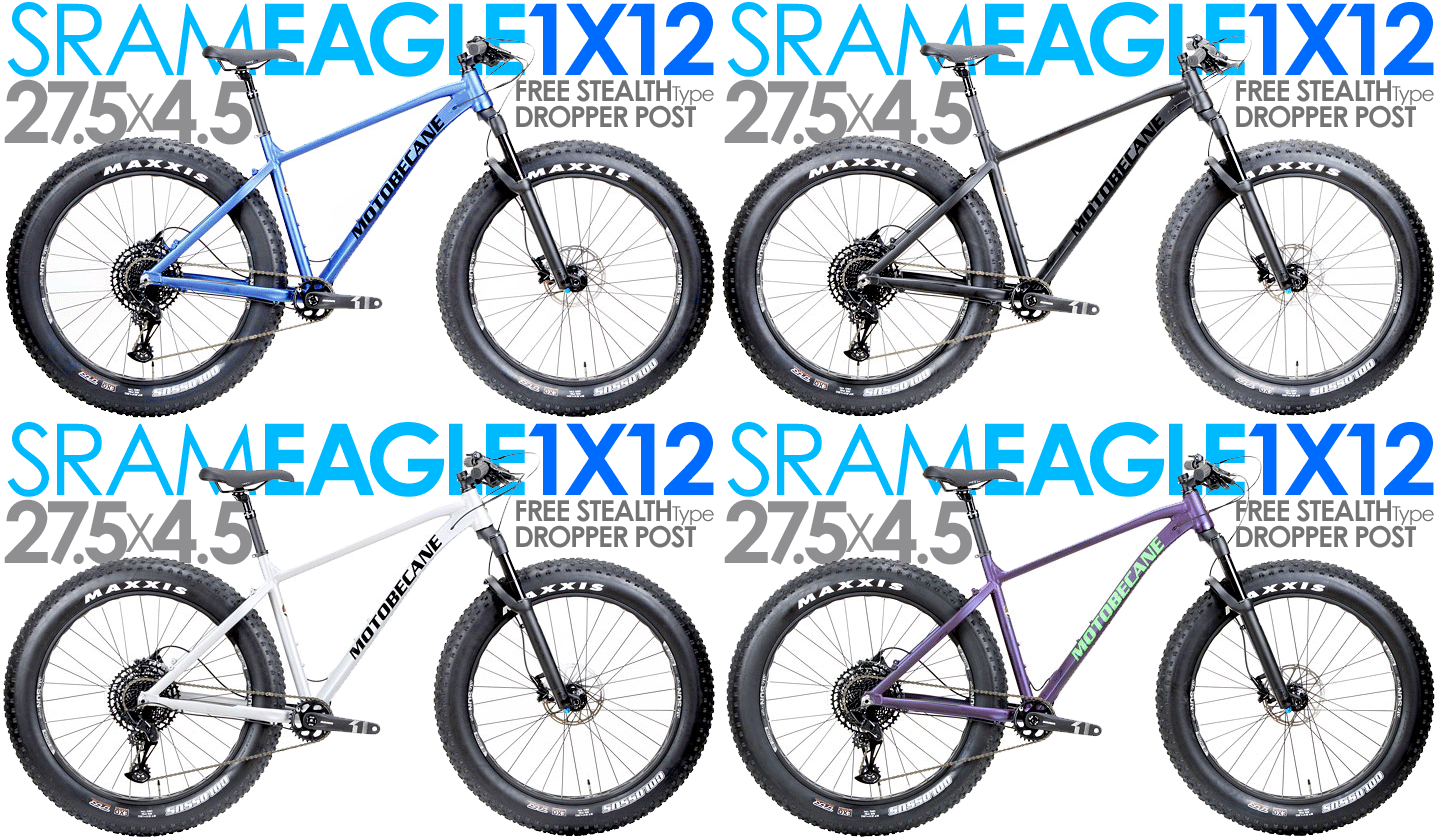
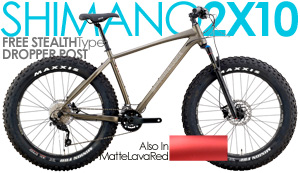
Motobecane Boris LTD fat bike equipped with oversized tires and durable frame.

A groomed fat bike trail in winter rides like a dream. The snow packs into a firm ribbon that rewards a little extra pressure—enough to speed you up without losing the gentle traction that makes corners feel glued. Fresh powder is a different game, one that favors very low PSI so the tire deforms around snow crystals and taps whatever texture exists in the subsurface. Many riders aim for 4–6 PSI and adjust by feel; on deep days, lighter riders drop even lower with careful attention to rim strikes. Wide platforms are forgiving of winter footwear; big flat pedals with aggressive pins keep boots planted. Dress like you would for a cross‑country ski—multiple layers, breathable shells, and gloves that allow free finger motion. If ice is part of your winter, studded tires are a superpower. They turn glazed corners and freeze‑thaw mornings from “nope” into “let’s go.” Keep drivetrain lube winter‑friendly and don’t forget that cold reduces sealant’s eagerness; check tubeless levels more often in January than in June.

Gravel and Loose Rock: Comfort Meets Control

Gravel looks easy from a car. From the saddle, it’s a different story: washboard ripples sap energy and numb hands, marbles at the crown threaten to roll under your tires, and surprise potholes hide in the shade. Fat bikes answer with tire volume. At 8–12 PSI, they erase much of the washboard and let you aim for the smoothest line instead of the only line. The result is a quieter ride and a steadier heart rate. You can chat through miles that would be teeth‑rattlers on a conventional setup. If your local gravel includes long paved connectors, add a few PSI to reduce squirm and enjoy a surprisingly efficient roll. Fat bikes won’t out‑sprint road bikes on tarmac, but on the mixed surfaces they’re built for, they are often faster simply because they maintain momentum where others stall.

Frame Materials for Fat Bikes: Aluminum, Carbon, and Steel

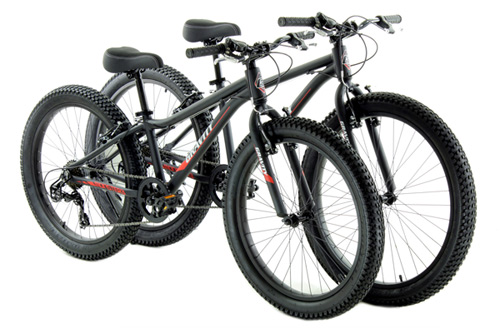
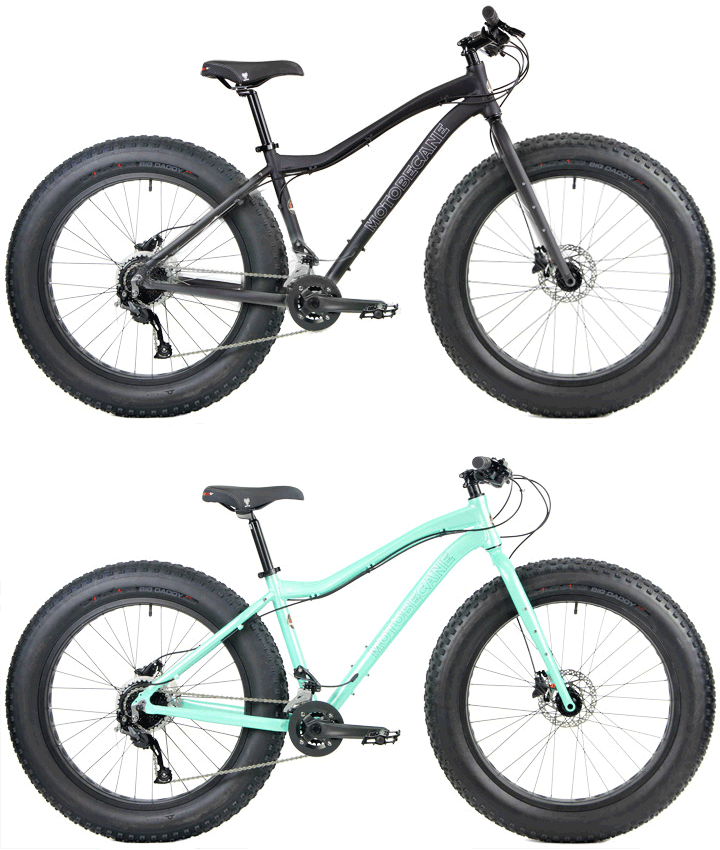
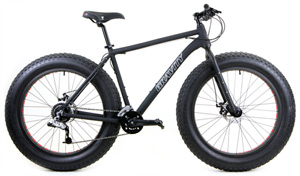
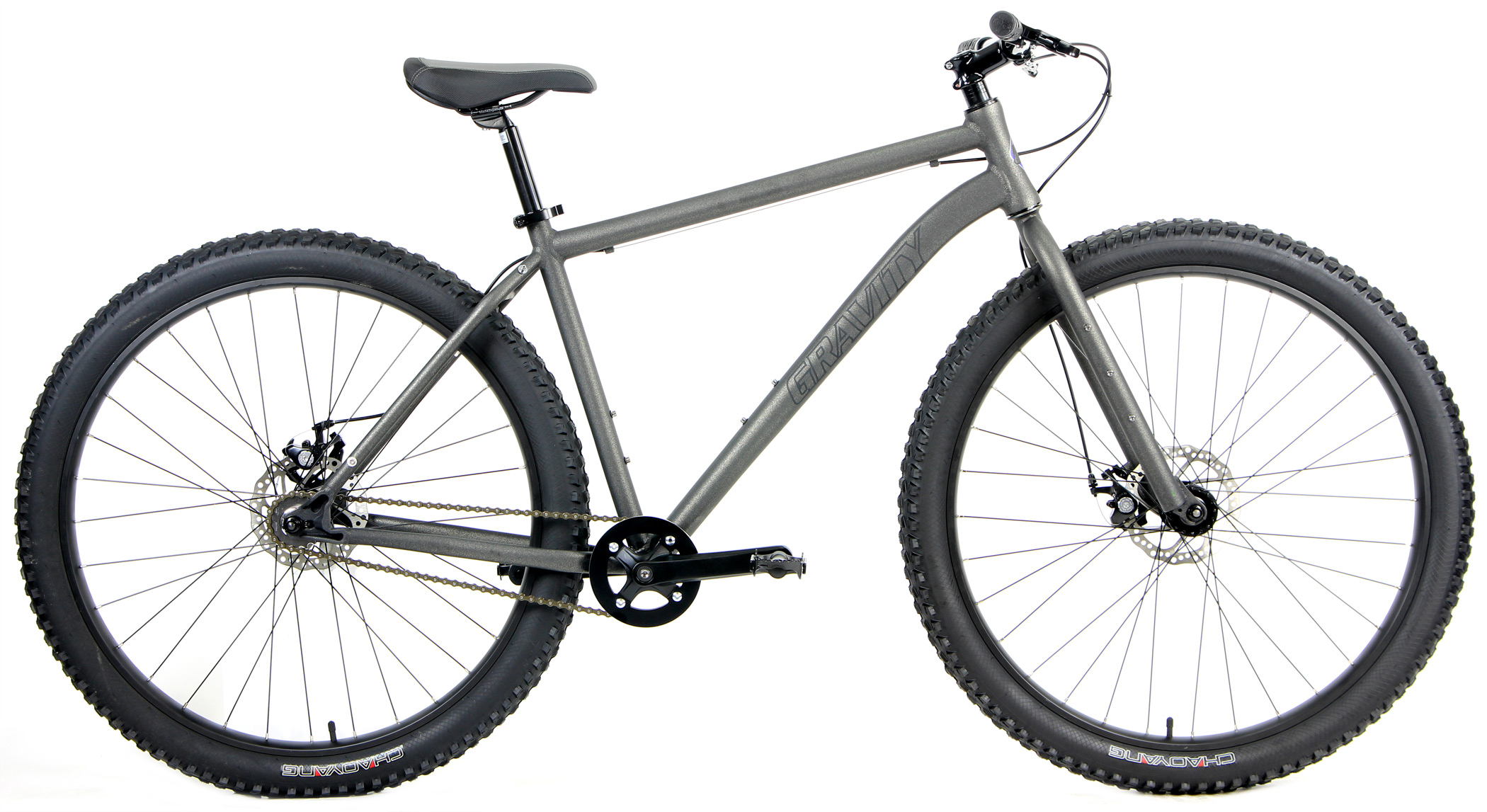
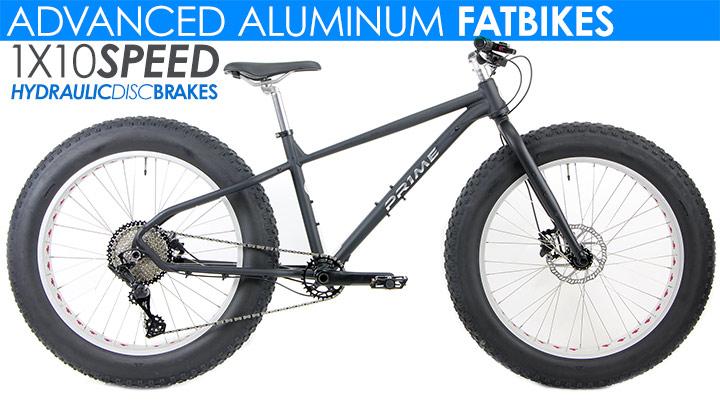
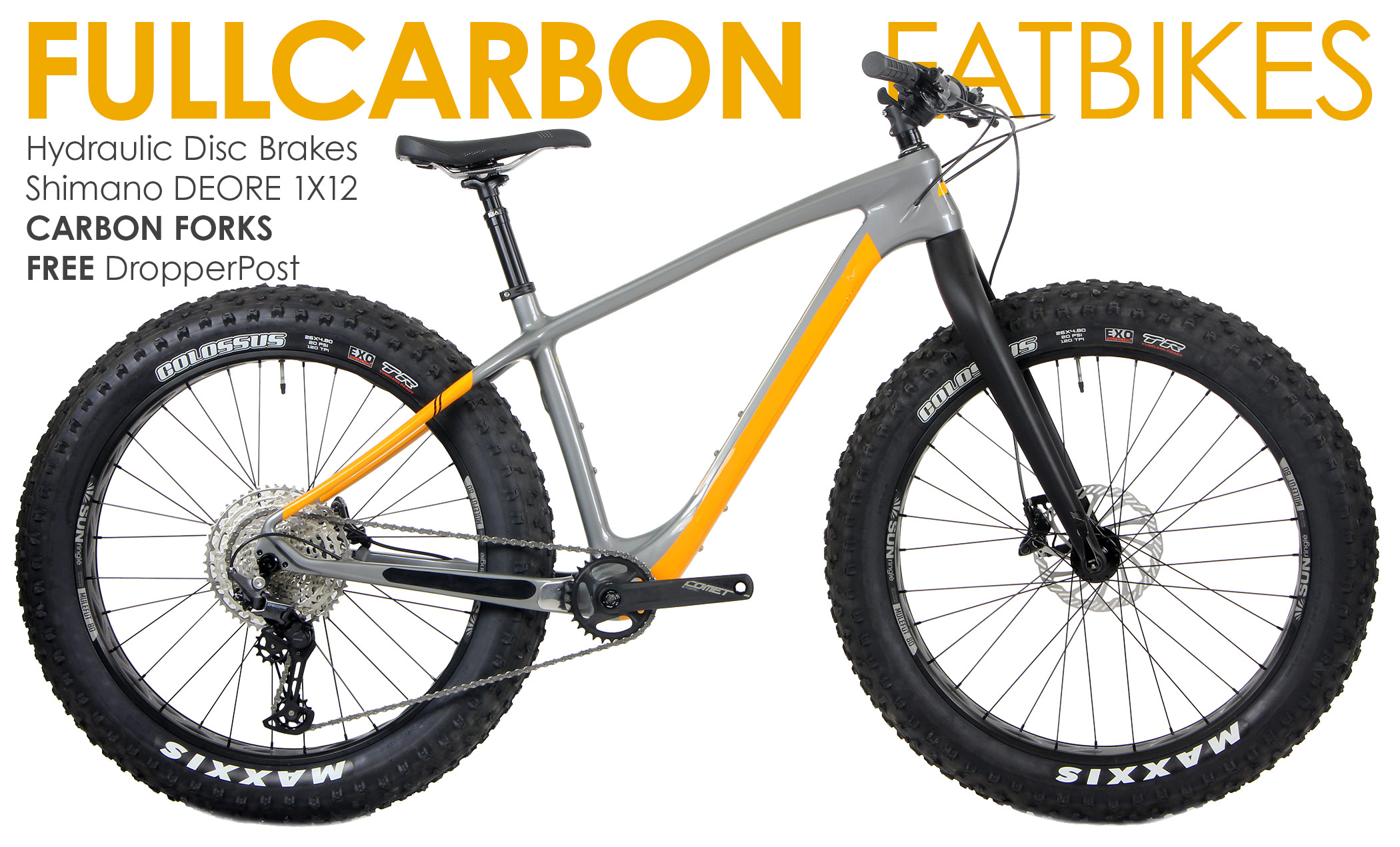
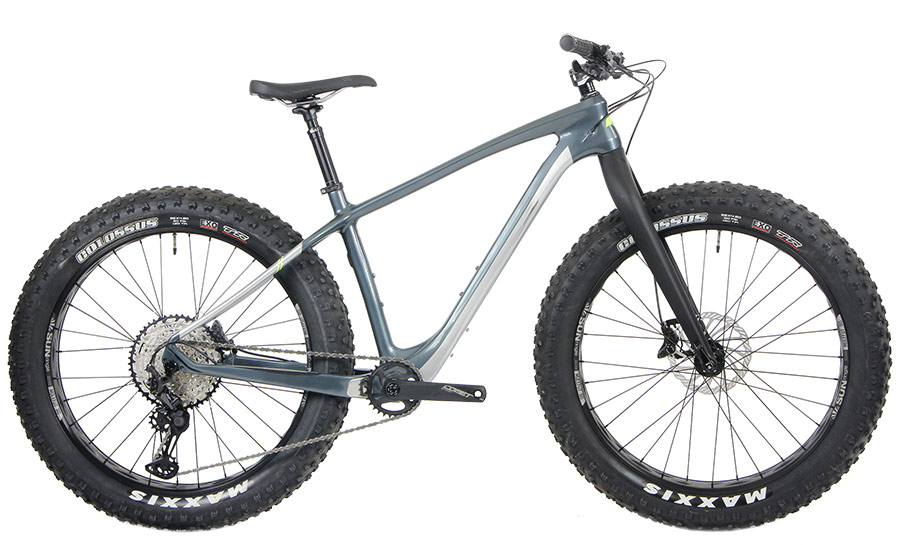
Fat bikes succeed because of tires, but frame material still shapes your experience. Aluminum remains the value king, pairing low weight with durability and corrosion resistance. It’s a natural choice for riders who want a four‑season tool that doesn’t demand fancy stewardship. Carbon trims real pounds from already heavy platforms, making a difference you feel every time you heave the bike onto a rack or loft the front wheel over a crust line. The ride is smooth, the handling precise, and the acceleration surprisingly lively for something that wears shoes the size of loaves. Steel brings classic feel and real‑world toughness; the material’s calm flex harmonizes with low PSI to produce a planted, confident ride in the softest conditions. In our lineup you’ll find all three personalities. Value‑packed aluminum platforms like the Prime wide‑tire fat bikes put four‑season fun within easy reach. If you want a proven alloy trail brawler with geometry that invites confidence, the Motobecane Boris LTD delivers. When low weight and premium feel are priorities, our carbon range—the WFB F4000, WFB F5000, and Motobecane Night Train CF—shows what happens when precision layups meet big rubber.

How to Choose the Right Fat Bike for Your Terrain

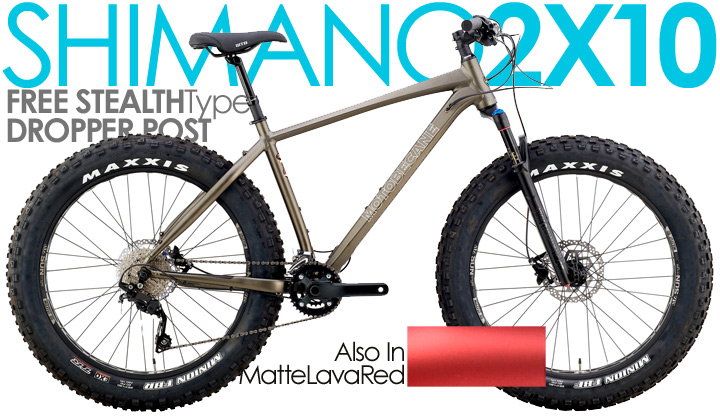
WFB F4000 carbon fat bike combining lightweight design with rugged capability.

Start with the surfaces you’ll ride most. If you live near groomed winter networks or beaches with firm morning sand, 3.8–4.5‑inch tires on supportive rims cover a huge range with satisfying speed. If you’re targeting dunes and deep snowfields, five‑inch tires tilt the odds in your favor. Consider weight not just for climbing but for every lift, carry, and roof‑rack moment in a year; carbon saves energy many times before you even pedal. Geometry matters too. Look for stable front ends that keep steering calm at low speeds, reasonable bottom bracket heights that won’t turn pedaling into pedal strikes, and chainstay lengths that balance traction with playful handling. Think about your kit: racks, frame bags, and bottle locations become more important when your rides stretch into shoulder seasons. Finally, get fit right. Standover, reach, and stack govern comfort when you’re layered in winter gear or balancing on shifting surfaces. If you’re between sizes, your preferred cockpit length and handling style should decide.

Setup Fundamentals: Pressure, Tread, and Tubeless

Treat pressure as a daily ritual. Check it before every ride because temperature swings can shift PSI dramatically; a tire that felt perfect at noon can feel wooden at dawn. Use a gauge that reads the low numbers accurately. On soft snow or deep sand, hover in the 4–6 PSI zone and let the bike float under you. On mixed trails, nudge toward 7–10 PSI for support. On hardpack and pavement connectors, 10–14 PSI improves efficiency without losing the fat‑bike calm. Tread depends on terrain. Low‑to‑mid knobs roll quickly and still bite into groomed snow or compact gravel; paddle‑style treads shine in loose sand and mashed‑potato snow. Studs are a specialized choice that pay dividends the first time you meet glare ice. Tubeless is worth the effort for lower pressures and fewer pinch flats. Bring plugs, a mini pump, and a little patience the first time you try to seat wide tires; once dialed, the system is dependable year‑round.

Drivetrain, Brakes, and Small Parts That Matter

Simplify shifting with a 1x drivetrain and a wide‑range cassette; the fewer moving pieces you have in grit and slush, the better. Pick a chainring that lets you spin through soft sections without turning squares; many riders like 28–32T up front paired with 46–50T out back. Hydraulic disc brakes are a blessing in wet and cold; they offer smooth power you can modulate with gloves. In salty or sandy environments, choose metallic pads for longevity and clean rotors regularly. Threaded bottom brackets keep maintenance straightforward after beach weeks or snow seasons. Don’t overlook contact points. Wide flat pedals with sharp pins keep winter boots planted. A slightly wider bar and a shorter stem steady steering at low speed. A dropper post, even on a fat bike, is a gift on steep beach cuts and snowy descents where shifting weight down and back builds confidence.

Accessory Kit for All‑Season Riding

WFB F5000 carbon fat bike featuring premium components for advanced performance.

Lights matter in winter not just because days are short but because snow amplifies glare and contrast. Run a bright headlight with a steady beam on dim trails and a flashing mode for road connectors; pair it with a powerful rear light that cuts through spray. Full‑coverage fenders are priceless on slushy commutes. Frame bags keep weight centered and sheltered from spray; pogies turn frigid winds into tolerable breezes by shielding your hands; a small thermos in a bottle cage can be the difference between finishing the loop and bailing early. For beach rides, bring a compact brush to knock sand off drivetrains before you rack the bike. For desert routes, stash extra water and a sunscreen stick where you can reach it without stopping. The goal isn’t to carry a store; it’s to remove excuses so you ride more.

Real‑World Scenarios: Three Riders, Three Terrains

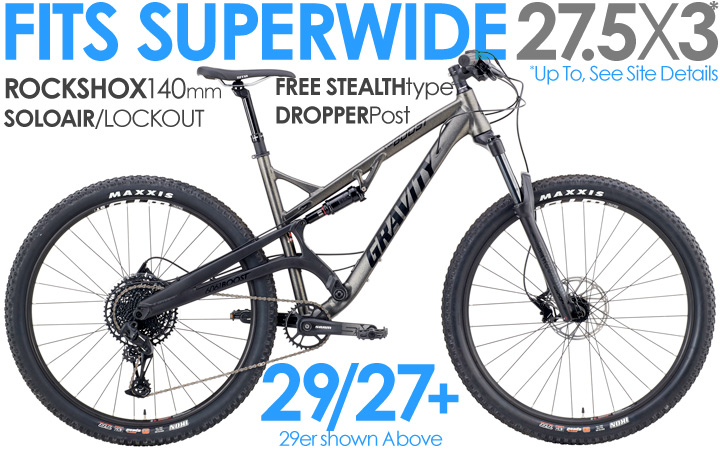
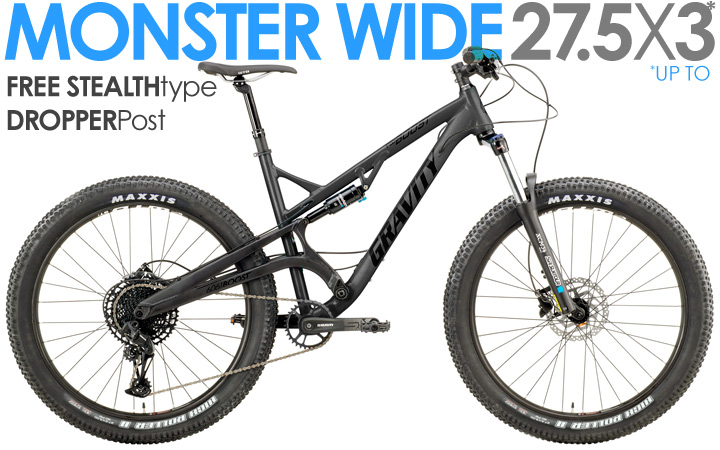
Picture a coastal rider who starts at dawn when the sand is cool and firm. They roll on 4.5‑inch tires at 7 PSI, tracing the waterline until seashells glitter like streetlights. A mid‑day loop adds a pound of pressure to avoid squirm as the surface warms and softens. An aluminum platform like the Prime fat bikes keeps costs low while delivering everything that matters on the beach: float, balance, and parts that shrug off salt with a little rinsing. Now imagine a mountain town rider with snowfall from November through March. They aim for groomed singletrack after work, and on weekends they string together snowmobile corridors and quiet roads. They run 4–6 PSI in fresh snow and switch to studs in January. Low weight pays off when every start is from a cold stop; a carbon option such as the WFB F4000 or Motobecane Night Train CF makes winter feel a size smaller. The third rider lives in a place where dirt is either marbles or moon dust. They want traction on loose climbs and comfort on washboard but still enjoy playful handling. An alloy trail favorite like the Motobecane Boris LTD nails the brief; when they want a different flavor of massive traction with added suspension pop, they grab a plus‑tire alternative like our Gravity FSXBoost Monster Eagle 27Plus, which isn’t a fat bike but overlaps in all the best ways.

Addressing Common Concerns

“Aren’t fat bikes slow?” Only when you judge them on the wrong surface. On snow, sand, and sketchy gravel, they carry momentum while other bikes hesitate or stall. “Aren’t they heavy?” The tires are big, but weight depends on the build. Modern alloy options are very reasonable, and carbon trims meaningful pounds from frames and forks. “Are they only for winter?” Absolutely not. True, winter communities embraced them first, but fat bikes thrive anywhere surfaces get loose. “Will shifting suffer in the cold?” Choose a winter‑appropriate lube, keep cables clean, and favor simple, sealed components; reliability follows. “What about sizing?” Fat bikes feel especially stable, so some riders prefer slightly shorter cockpits for agility. Use each model’s chart and think about reach in your winter layers.

Maintenance That Actually Keeps You Rolling

Fat bikes are honest machines. Rinse bikes after salty or gritty rides. Wipe chains and re‑lube often in slop, less often in summer sand. Re‑seat tire beads and top off sealant at the start of each season. Check spoke tension and wheel true after rocky miles. Torque bolts after a few rides on a new build; wide tires at low pressure encourage playful line choices, and it’s best practice to verify everything stays snug. Store bikes at neutral temperatures; extreme cold collapses pressure and can make rubber feel wooden. Do these simple things and your fat bike will reward you with seasons of low‑drama adventure.

Upgrade Path: Six Months and Beyond

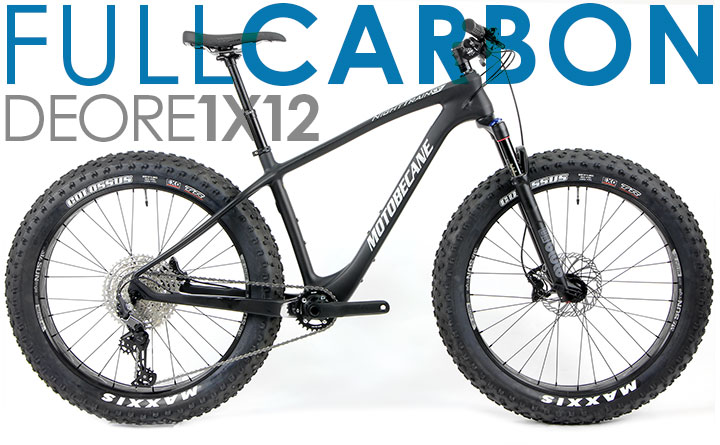
Motobecane Night Train CF carbon fat bike built for extreme terrain.

Once you’ve learned your terrain and pressure preferences, upgrades become obvious. A second wheelset lets you keep studs mounted for winter and swap quickly when spring arrives. Saddles that feel perfect at 10 PSI might feel different at 6 PSI; test until your contact points disappear beneath you. Consider a dropper post if your routes include steep sand cuts or winter descents; a single lever press can transform confidence. If you started with 4.0‑inch tires and discover you love dunes and deep snow, moving to 4.8–5.0 inches turns sloggy afternoons into floaty joy. If your winter commutes include long dark stretches, double your headlight and add a helmet light to read icy texture at speed.

Featured Picks From Our Lineup

If you want carbon lightness with the precise, quiet ride that makes every mile feel easier, start with the WFB F4000 and WFB F5000; both channel the advantages of advanced layups into real‑world speed on soft ground. The Motobecane Night Train CF is a proven platform for riders who live where winter is serious but fun. For alloy value with geometry you can trust from your first snowy corner to your thousandth mile of gravel, the Motobecane Boris LTD is a crowd favorite. When you want to keep costs friendly without skimping on capability, the Prime wide‑tire fat bikes are the most direct route to four‑season smiles. And if you decide the plus‑tire full‑suspension path fits your local singletrack better, the Gravity FSXBoost Monster Eagle 27Plus delivers many of the same stability benefits with added suspension pop for rocky trails.

The Joy Factor

Numbers and specs get you to the start of a ride. Joy keeps you riding. Fat bikes offer a kind of permission that other bikes don’t. They invite you to pedal when snow is falling, when the beach is empty, when the gravel road looks like a collection of marbles. They flatten bad surfaces into good days and make familiar routes new. If you’ve ever watched a winter sunrise alone on a silent trail or rolled past a tide pool at low tide with your tires whispering on the sand, you know how much that matters. This is what fat bikes for all terrain deliver: access, stability, creativity, and a bigger riding season than you thought you had.

Ready to Ride Anywhere? We Can Help

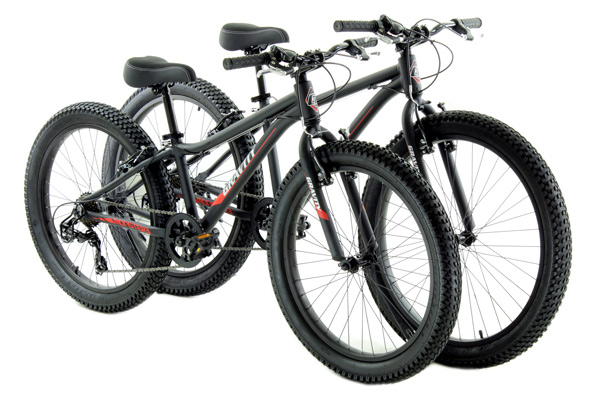
Gravity FSXBoost Monster Eagle 27.5+ full-suspension bike.

If your riding wish list includes sand, snow, and the sketchy miles between, a fat bike is the right kind of overkill. We love helping riders pick the tire width, frame material, and build that match local conditions and personal style. Whether you’re eyeing the value and reliability of the Prime fat bikes, the trail‑proven Boris LTD from Motobecane, or the weight‑saving zing of the WFB F4000, WFB F5000, or Night Train CF, our team will get you dialed. And if your local singletrack says “plus tires and suspension,” we’ll walk you through the FSXBoost Monster Eagle 27Plus alternative. At Bikes Direct, we ride year‑round because our bikes let us, and we want the same for you. Tell us where you ride and what surfaces you dream about. We’ll help you choose with confidence and build for the conditions that make other riders stay home. When you’re ready, reach out and contact our team—we’ll match you with a fat bike that makes all seasons feel like your season.