
Hybrid vs Mountain Bike: Which Is Better for Fitness and Adventure?

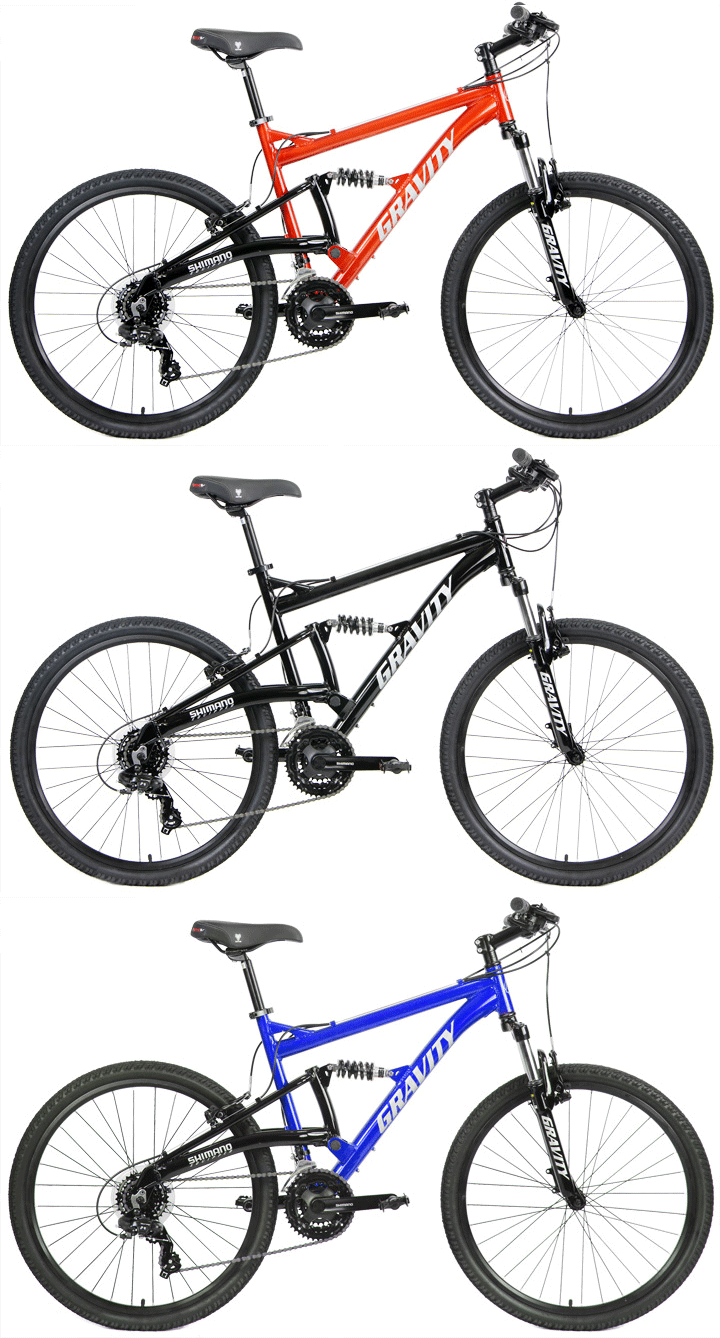
a full suspension mountain bike
Mountain bikes give you the confidence to explore even the toughest trails

It was a crisp Saturday morning in early spring. I hadn’t ridden in years, but something about the open trail calling me back to two wheels felt electric. I dusted off my old ride and set out — first through the park, then onto a winding dirt path.

By mile five, I was hooked again. But not long after that, the narrow tires skidded out on loose gravel. It was the kind of moment that makes you realize the importance of riding the right bike for the right purpose.

Whether you’re getting back into shape, exploring new trails, or commuting across town, choosing between a hybrid bike and a mountain bike can dramatically impact your experience. Fitness, adventure, comfort — each category has its strengths. Fortunately, Bikesdirect.com offers outstanding options for both.

So, how do you decide between the two? Let’s break it down from the perspective of performance, comfort, terrain, and your personal goals.

What Is a Hybrid Bike, Really?

A hybrid bike combines features from both road and mountain bikes, making it a versatile option for various types of cycling. This design typically offers a comfortable upright riding position that is easier on the back and neck compared to the more aggressive posture of traditional road bikes.

The gearing on hybrid bikes is moderate, allowing for smooth transitions on different terrains, while the tires are wider than those found on road bikes but narrower than mountain bike tires. This unique combination gives the hybrid bike its all-around capabilities, making it suitable for a variety of riding conditions.

Think of a hybrid bike as a do-it-all machine: it excels on smooth pavement, performs decently on unpaved trails, and is perfect for casual riders who may also want to venture into parks or light off-road paths. Unlike specialized road or mountain bikes, the hybrid is built for versatility, striking a balance between speed and stability without overwhelming the rider with complex features.

This type of bike is especially ideal if you’re commuting during the week and prefer a reliable and comfortable ride to navigate city streets. On weekends, it can serve you well for fitness rides, allowing you to get the exercise you need while enjoying the outdoors. Additionally, if you enjoy exploring light trails or parks, a hybrid bike can handle those environments without issue.

While it won’t perform like a mountain bike on rugged terrain—climbing rocks or leaping over logs—it stands out as one of the most practical choices for general riders who seek an adaptable bicycle for both urban commuting and leisurely weekend adventures. Overall, a hybrid bike is an excellent investment for those who value comfort, practicality, and the ability to ride in various conditions.

What Defines a Mountain Bike?

A mountain bike is a rugged, trail-tackling beast designed for those who crave adventure in the great outdoors. These bikes are built with advanced suspension systems, which can be either front suspension or full suspension, allowing for a smoother ride over uneven terrain.

Additionally, they are equipped with powerful disc brakes that provide excellent stopping power, essential for navigating steep descents and technical trails. The wide, knobby tires enhance grip and stability, ensuring that riders can conquer rocky paths, root-riddled singletrack, and sharp descents with confidence and control.
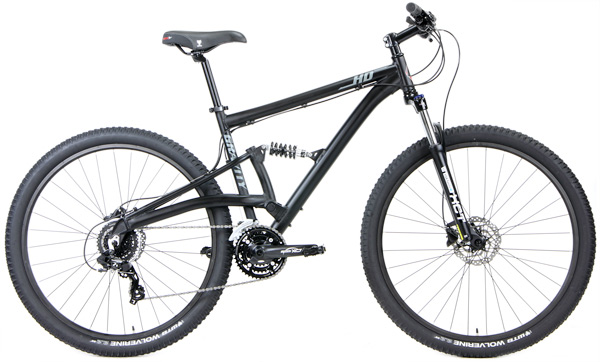
a black mountain bike
Tackle roots, rocks, and rugged trails with a hard-hitting mountain bike.

The geometry of a mountain bike is meticulously designed to optimize performance when traversing challenging landscapes. Riders benefit from a more aggressive riding position, which improves balance and maneuverability in rough conditions. Whether you’re tackling steep climbs or navigating through tightly woven trails, a mountain bike is engineered to handle various obstacles with ease.

However, this rugged durability does come with certain tradeoffs. Compared to a hybrid bike, mountain bikes tend to be heavier, which can be a drawback when agility and speed are paramount on paved surfaces.

The robust construction and specialized components mean that mountain bikes may not be the most efficient choice for longer rides on smooth roads or commutes through urban areas. For riders whose adventures rarely extend beyond city limits or local greenways, investing in a mountain bike could be overkill.

Ultimately, the decision to ride a mountain bike should be based on your specific needs and intended usage. If you frequently venture into varied terrains and seek thrilling experiences on rugged trails, a mountain bike is undoubtedly a fantastic choice. For those who primarily ride on paved pathways or urban environments, a hybrid or road bike might be more suitable.
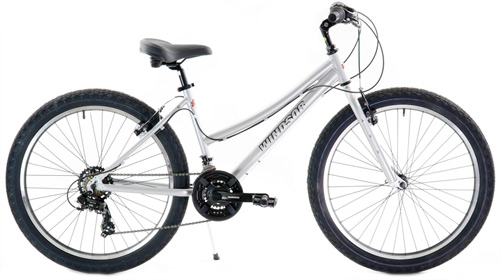
a white hybrid bike
A hybrid bike offers the perfect blend of comfort and efficiency for everyday fitness rides

Fitness Rides: Which Bike Works Best?

If your primary goal is improving your fitness, the terrain you ride on is key. Are you planning long rides through suburban neighborhoods or on bike paths? A hybrid bike is a strong contender. The more efficient tires and lighter frame help you cover more distance with less effort — ideal for cardio workouts and consistent fitness goals.

On the other hand, if your version of “working out” involves powering up steep hills, navigating switchbacks, or training with full-body engagement, a mountain bike delivers an intense, sweat-drenched experience. You’ll burn more calories per mile, engage different muscle groups, and push your limits with every twist of the trail.

Personally, I’ve ridden both to get in shape, and while I love the technical challenges of mountain biking, it’s the hybrid bike that kept me consistent during the week. It became my go-to for early morning rides and afternoon errands — turning every trip into a chance to move more.

Adventure Riding: Where Do You Want to Go?

Let’s talk adventure — because that’s the soul of cycling. If your idea of adventure includes discovering forest trails, climbing mountain paths, or taking on backcountry roads, a mountain bike is essential. It offers the control, shock absorption, and traction you need to handle unpredictable terrain.

That said, adventure doesn’t always have to mean wild trails. Exploring a long scenic byway, navigating through a national park’s paved and gravel roads, or enjoying a weekend ride through hills and farms can be equally rewarding — and for those trips, a hybrid bike excels. It handles varied surfaces better than a road bike, while still being smooth and speedy enough for longer distances.
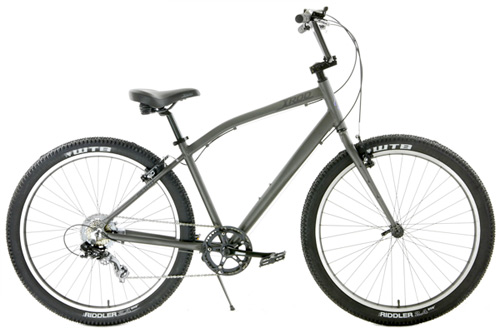
the X-Rod hybrid bike
For those who want versatility and performance, a hybrid bike is the clear winner.

For those craving even more off-road flexibility, check out the Gravel Bike category. It’s like a more adventurous cousin to the hybrid — equally at home on dirt and asphalt, with drop bars and bigger tire clearance.

Comfort and Control

When it comes to comfort, both hybrid bikes and mountain bikes offer unique benefits that cater to different types of riders.

A hybrid bike is designed to provide a more upright riding position, which significantly reduces strain on your neck, back, and wrists. This ergonomic design makes it an excellent choice for casual riders and those who prioritize comfort. Many hybrid bikes come equipped with front suspension forks, which help to absorb shocks from uneven surfaces and enhance the overall riding experience. Additionally, cushioned saddles are a common feature, providing extra comfort during longer rides, making them particularly popular among commuters and recreational cyclists. The main focus of a hybrid bike is on enjoyment; it caters to those who are riding primarily for pleasure or fitness rather than for high-performance goals.

On the other hand, mountain bikes, while they may appear more aggressive with their rugged designs, also offer their own form of comfort. The geometry of mountain bikes is specifically engineered to keep riders centered and stable, especially during steep descents or when navigating over challenging obstacles like tree roots and rocks.

The wide handlebars provide excellent control, allowing for precise maneuvering, while the robust suspension systems are specifically designed to absorb big hits and rough terrain effectively, offering a smooth ride even on the bumpiest trails.

If you’re new to cycling or if your primary goal is to ride for fun and exercise on paved paths or light trails, the comfort-oriented design of a hybrid bike might be exactly what you need. However, if you thrive on the challenge of overcoming difficult terrains and enjoy the thrill of adrenaline, a mountain bike can give you the control and confidence to tackle those obstacles. Each bike type has its merits, ensuring that riders can find the perfect fit for their preferences and riding style.

Durability and Maintenance

Mountain bikes are built tough, and for very good reason. They are designed to handle various challenging terrains, from rough paths to unexpected obstacles, enabling riders to power through mud and rocky terrain without hesitation. The sturdy frames, robust tires, and resilient drivetrains of mountain bikes are specifically engineered to endure the rigors of rugged use, making them generally more durable compared to other bike types. This durability allows mountain bikers to tackle extreme trails with confidence.

However, it’s important to note that this ruggedness often comes with a trade-off: more frequent maintenance is required to keep the bike in peak condition. The mud, water, and overall abuse from challenging trails can lead to quicker wear and tear on components. Key parts, such as the suspension, require periodic servicing to ensure optimal performance, while the drivetrain can accumulate dirt and grime rapidly, necessitating regular cleaning and maintenance.

On the other hand, hybrid bikes—which are primarily used for riding on pavement or well-maintained trails—tend to remain cleaner and wear down more slowly over time. This makes them easier to maintain and generally less expensive to repair.

For those who are short on time or prefer a lower-maintenance biking experience, choosing a hybrid bike might be the ideal solution. Especially for individuals who plan to ride daily, a hybrid can provide a hassle-free experience and allow for more riding and less time spent on upkeep. In summary, considering your riding habits and maintenance preferences is key when choosing the right bike for your needs.

Hybrid Bike vs Beach Cruiser: A Surprising Comparison

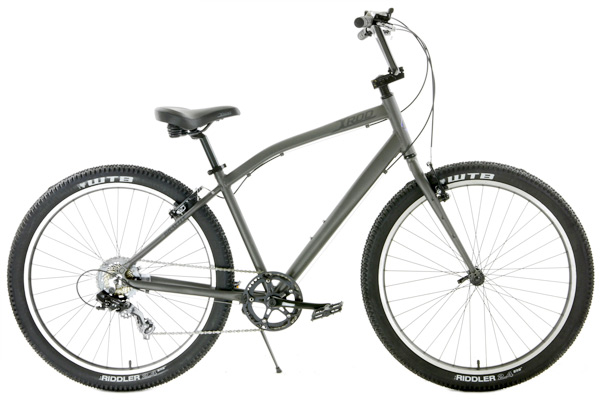
People often confuse hybrid bikes with beach cruisers, but while they share a relaxed and comfortable feel, that’s where the similarities largely end. A beach cruiser is specifically designed for slow, leisurely rides on boardwalks or coastal paths. These bikes typically feature wide, comfortable seats and curved handlebars that provide an upright riding position.

Some models even come with just a single speed, which makes them perfect for casual riding on flat terrain. They excel in providing a laid-back cycling experience, ideal for people who enjoy leisurely rides along scenic routes but are not particularly focused on fitness or tackling varied terrains.

In contrast, a hybrid bike is far more versatile and capable. It is engineered to handle a range of conditions, making it suitable for cycling enthusiasts who enjoy a variety of environments. Whether you’re climbing hills, embarking on long-distance rides, or navigating gravel paths or grassy terrain, a hybrid bike is built to perform admirably. It combines elements of both road bikes and mountain bikes, offering various gear options to tackle different challenges while still maintaining a comfortable ride quality.

If you’re in the market for a bicycle and are looking for a balance between form, style, and function, a hybrid bike stands out as the better investment. Its versatility allows riders to explore diverse landscapes and engage in fitness activities, making it a practical choice for those who want to enjoy cycling beyond just casual rides. Thus, understanding the distinctions between these two bike types is essential for making an informed decision based on your cycling needs.

Making the Right Choice for You

So — hybrid bike or mountain bike? The answer depends on how you ride.

If your goals are fitness, comfort, commuting, and the occasional off-road path, a hybrid bike will become your trusted partner. It’s versatile, efficient, and easy to maintain.

If your soul yearns for dirt, climbs, and adrenaline-filled descents, then a mountain bike is your ticket to adventure. The control, rugged build, and trail capabilities are unmatched.

Still not sure? Ask yourself: Where do I want to ride tomorrow? Your answer will lead the way.

Whether you’re team hybrid or team mountain, Bikesdirect.com has incredible deals and a wide range of bikes to match your lifestyle and budget. Get fit, explore more, and ride with confidence.
The Complete 2025 Buyer’s Guide to Hybrid Bikes

Explore the ultimate 2025 hybrid bike buyer’s guide—covering categories, features, and top Bikesdirect.com models—to help you choose the perfect ride for your lifestyle.

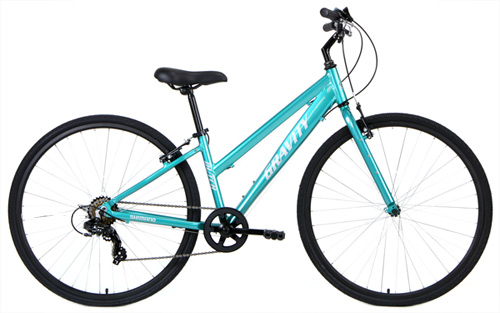
a blue hybrid bike
Experience the versatility of hybrid bikes on urban commutes and weekend adventures.

Imagine gliding through city streets on your morning commute, tackling a scenic trail on the weekend, and cruising along the beach—all with one bike. This versatility is the hallmark of the hybrid bike, a fusion of road and mountain bikes designed for riders seeking adaptability and comfort.

In 2025, the hybrid bike landscape has evolved, offering models tailored to various riding styles and preferences. Whether you’re a daily commuter, fitness enthusiast, or casual rider, understanding the nuances of hybrid bikes is essential to finding your ideal match.

Here’s a comprehensive hybrid bike buyer’s guide. 

Understanding Hybrid Bikes: The Best of Both Worlds

A hybrid bike is the go-to choice for riders who want versatility without sacrificing comfort or performance. It blends the lightweight speed of a road bike with the rugged durability of a mountain bike, creating a machine capable of handling everything from urban streets to light gravel paths. This makes hybrid bikes an ideal solution for commuters, recreational riders, and fitness enthusiasts alike.

One of the defining features of hybrid bikes is their frame geometry. Most hybrids are designed with a more upright riding position, which not only improves visibility in traffic but also enhances overall comfort—especially on longer rides. This is particularly beneficial for riders who experience discomfort with the forward-leaning stance of traditional road bikes.

The handlebars are typically flat or slightly curved, offering intuitive control and reducing pressure on the wrists and shoulders. This allows for better maneuverability, whether you’re weaving through traffic or cruising along a bike path.

Tires on hybrid bikes fall into a medium width range, generally between 28mm and 42mm. This size provides an excellent balance: they’re wide enough for stability on unpaved roads, yet narrow enough to maintain speed on smooth pavement.

Gearing is another area where hybrids shine. With a wide range of gears, these bikes are adaptable to various inclines and fitness levels, allowing you to tackle hills or pick up the pace on flat ground with ease.

Finally, hybrid bikes offer both rim brakes for weight-conscious riders and disc brakes for those prioritizing stopping power, especially in wet or variable conditions.

Categories of Hybrid Bikes

Hybrid bikes come in several distinct subcategories, each carefully designed to cater to specific riding needs, terrain preferences, and rider goals. Whether you’re navigating busy city streets, clocking miles for fitness, or taking on a mix of urban and off-road trails, there’s a hybrid bike type for you. Let’s break down the categories in this hybrid bike buyer’s guide. 

1. Commuter Hybrids
These hybrids are tailored for everyday travel and are especially popular among urban dwellers and professionals. A hallmark of commuter hybrid bikes is their emphasis on practicality and convenience. Most models come equipped with thoughtful features like fenders to protect against road spray, rear racks for carrying bags or groceries, and integrated lighting systems for improved visibility and safety. With a comfortable upright riding position and durable frames, commuter hybrids are built to handle the rigors of stop-and-go traffic, potholes, and unpredictable weather conditions. They’re perfect for those who need a reliable and efficient ride from point A to B, day in and day out.

2. Fitness Hybrids
For those who view cycling as a form of cardio or cross-training, fitness hybrids are an excellent choice. These bikes are generally lighter than other hybrid categories and are designed for speed and efficiency. They usually skip accessories like racks or fenders to reduce weight and streamline the design. With narrower tires, rigid forks, and performance-oriented geometry, fitness hybrids deliver a responsive ride, ideal for paved trails or roads. They offer a more athletic experience, making them a top pick for riders who want to burn calories, build endurance, or simply enjoy faster-paced rides.

3. Comfort Hybrids
If relaxed, stress-free riding is your priority; comfort hybrids are built with you in mind. These bikes offer a smooth, easygoing ride thanks to features like suspension forks that absorb bumps, wide saddles with extra cushioning, and ergonomic handlebars designed to reduce wrist and back strain. Comfort hybrids often have step-through frames, making mounting and dismounting easier for riders of all ages. They’re ideal for leisurely weekend rides around the neighborhood, on bike paths, or along scenic routes.

4. Dual-Sport Hybrids
Designed for versatility, dual-sport hybrids blend the best of road and light trail bikes. They’re equipped with slightly knobby tires and robust frames that can tackle a variety of surfaces—from pavement and gravel to compact dirt trails. These bikes often include front suspension for added shock absorption and are perfect for riders who want one bike that does it all. Whether you’re commuting during the week or exploring local trails on the weekend, dual-sport hybrids are up for the challenge.

5. Electric Hybrids (E-Hybrids)
E-hybrids are revolutionizing the cycling world with pedal-assist motors that give you a boost when you need it most. Ideal for longer commutes, hilly routes, or simply reducing physical strain, these bikes make cycling more accessible to a wider audience. E-hybrids still maintain the geometry and features of traditional hybrids but add an electric motor and battery for enhanced convenience. With various power modes and long battery life, e-hybrids are becoming a popular solution for eco-conscious commuters and riders looking to cover greater distances without fatigue.

Each of these subcategories caters to a unique rider profile, enabling cyclists to select a hybrid bike that aligns with their lifestyle, fitness goals, and terrain requirements.

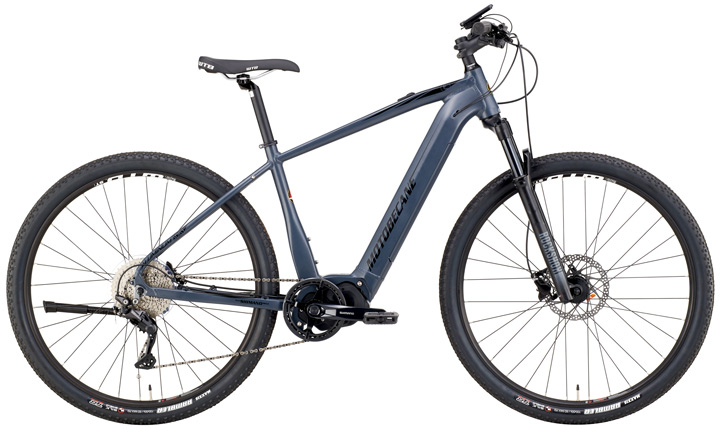
a black hybrid ebike with mid drive shimano steps motor system
Enjoy assisted rides with the advanced technology of e-hybrids.

Key Features to Consider

Choosing the right hybrid bike requires a closer look at the features that directly affect performance, comfort, and versatility. Hybrid bikes are known for their ability to adapt to a wide variety of riding conditions, and their key components are what make this possible. Understanding what to look for in a hybrid bike will help ensure you find a model that meets your unique riding style and needs.

Frame material is one of the most important factors. Most hybrid bikes use aluminum frames because they are lightweight, rust-resistant, and offer a solid balance between strength and affordability. For riders seeking a smoother, more vibration-absorbing experience, carbon fiber frames are also available. While they come at a premium price, carbon frames are incredibly light and do an exceptional job of minimizing road vibrations, making them a popular choice for long-distance or fitness-focused cyclists.

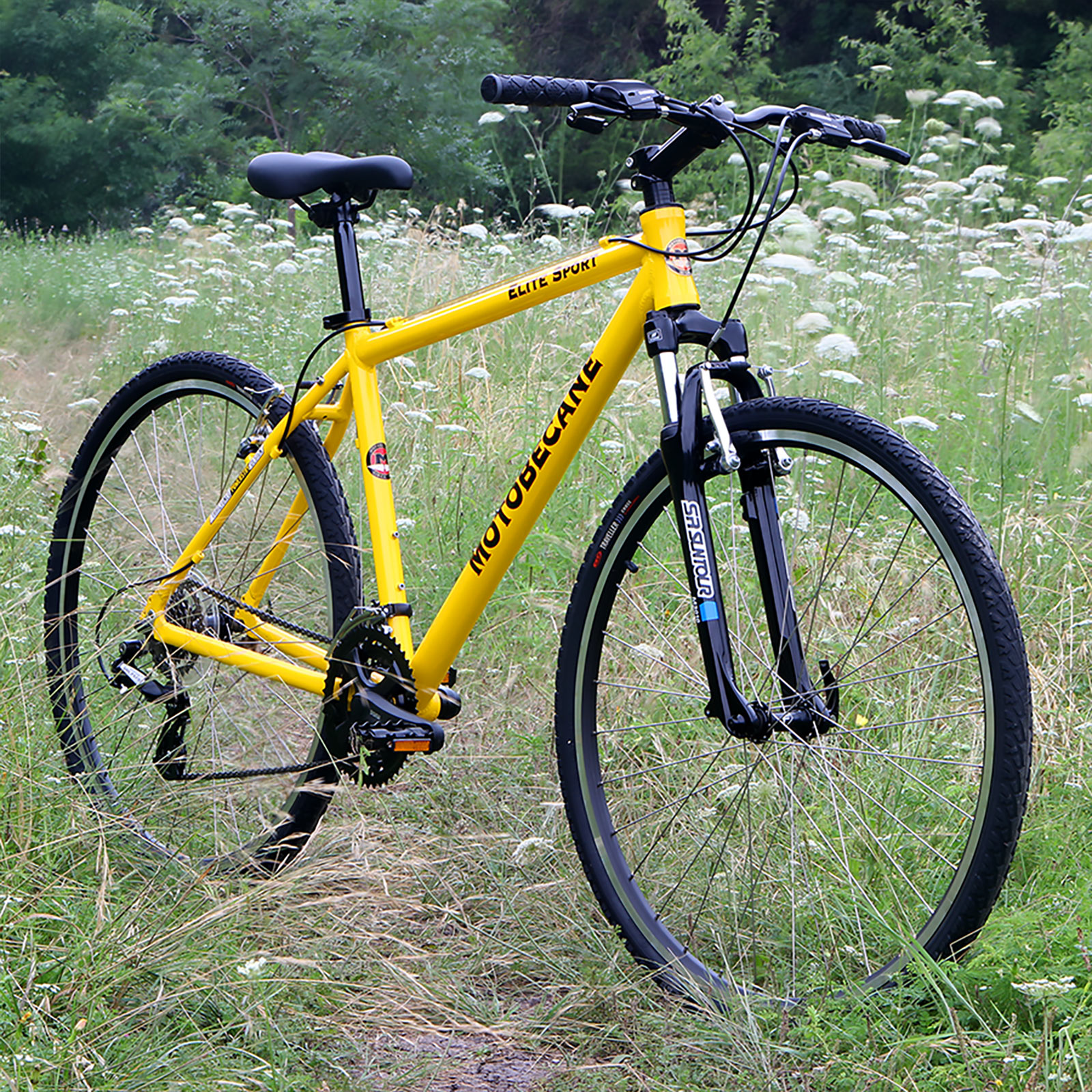
a yellow Elite Sport, dual sport hybrid bike
Tackle light trails confidently with a dual-sport hybrid bike

Another major consideration is suspension. Hybrid bikes can come with or without a front suspension fork. Bikes equipped with a suspension fork are better suited for riders who may encounter uneven paths, light trails, or pothole-ridden city streets. Suspension absorbs the shock from bumps and rough terrain, enhancing comfort during longer or off-road rides. However, if your rides are primarily on smooth pavement, a rigid (non-suspension) fork might be preferable, as it reduces weight and increases pedaling efficiency.

Gearing is another essential factor to evaluate. Riders tackling varied terrain, including hills, will benefit from a wider range of gears, which makes pedaling easier under changing conditions. On the other hand, single-speed or fewer-gear models are ideal for flat city riding and simpler to maintain.

When it comes to brakes, you’ll typically find either rim brakes or disc brakes. Rim brakes are more lightweight and easier to replace, while disc brakes provide better stopping power, especially in wet or muddy conditions.

Lastly, don’t overlook tire size. Wider tires offer greater comfort, better grip, and improved stability on mixed terrain, while narrower tires allow for faster speeds and reduced rolling resistance on smooth roads.

By carefully evaluating each of these features, riders can make informed decisions that lead to a more enjoyable and efficient hybrid biking experience.

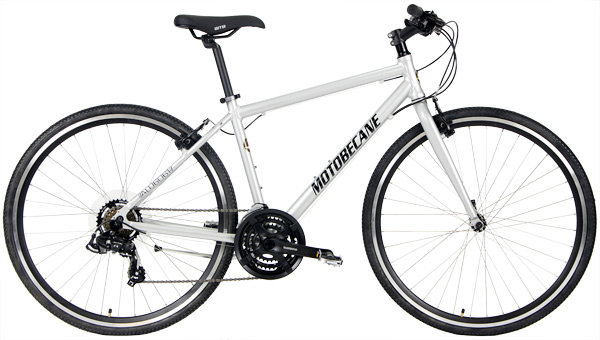
a white fitness hybrid bike
Find your perfect hybrid bike fit with Bikesdirect.com’s extensive selection

Riding Styles and Hybrid Bike Selection

Choosing the right hybrid bike starts with understanding how and where you plan to ride. Hybrid bikes are designed to adapt to a variety of conditions, but selecting the right model tailored to your specific riding style can dramatically improve your experience.

Urban Commuting:
If you’re navigating city streets or bike lanes during your daily commute, consider a hybrid bike equipped with practical features such as integrated racks, fenders, and built-in lights. These additions make it easy to carry a backpack or groceries, protect you from road spray on wet days, and ensure visibility in low-light conditions. Look for models with puncture-resistant tires and upright geometry for optimal visibility and control in traffic.

Fitness Training:
For those who prioritize speed, efficiency, and a good workout, fitness hybrids are the way to go. These bikes tend to be lighter, with streamlined frames and minimal accessories. Narrower tires and responsive gearing make them great for long-distance rides, paved trails, or a fast lap around the neighborhood.

Leisure Riding:
Casual riders seeking weekend joyrides or park path exploration should look for comfort-focused features. Suspension forks, cushioned saddles, and ergonomic handlebars provide a smooth, relaxing ride—ideal for beginners or those wanting a bike that’s easy on the back and wrists.

Trail Riding:
Riders who enjoy occasional off-road excursions or gravel paths will appreciate dual-sport hybrids. These bikes are rugged, with wider, treaded tires and front suspension to absorb shocks from uneven surfaces.

Assisted Riding:
If you’re tackling hilly routes or longer distances, electric hybrid bikes (e-hybrids) offer the boost you need. Their integrated motors assist with pedaling, making the ride easier and more accessible for all fitness levels.

Each riding style demands different strengths—and the hybrid category offers a bike built for every scenario.

Top Hybrid Bikes on Bikesdirect.com

Bikesdirect.com offers a range of hybrid bikes catering to various needs:

1. Gravity Swift 21-Speed Hybrid

A versatile bike suitable for commuting and fitness, featuring an aluminum frame and Shimano components.

2. Motobecane Cafe Latte

Combines comfort and performance with a lightweight frame and ergonomic design.

3. Windsor Rover 2.0

Ideal for leisure rides, offering a relaxed geometry and comfortable seating.

4. Gravity Avenue A

A fitness-oriented hybrid with a sleek design and efficient gearing system.

5. Motobecane Elite E-Sport

An electric hybrid providing pedal-assist technology for effortless riding.

Comparing Hybrid Bikes to Other Types

When choosing a new bike, it’s important to understand how hybrid bikes stack up against other popular styles. Each bike type is designed with a specific purpose in mind, and understanding those differences can help you make the most informed purchase—especially if you’re looking for a ride that can do a bit of everything.

Road bikes, for example, are purpose-built for speed and efficiency on smooth, paved surfaces. They feature lightweight frames, skinny tires, and drop handlebars that allow for an aerodynamic riding position. These characteristics make them excellent for long-distance rides, racing, or high-speed fitness training. However, their aggressive geometry and stiff frames often make them less comfortable for casual or recreational riders, especially on rougher surfaces or in stop-and-go urban environments.

a super hybrid bike
Navigate city streets with ease on a commuter hybrid bike

Mountain bikes, on the other hand, are designed to tackle rough terrain, such as trails, dirt paths, and rocky slopes. They come equipped with knobby tires for grip, suspension systems for shock absorption, and wide gear ranges to climb steep inclines. While they’re great off-road, their heavier frames and rugged tires can make them slower and less efficient when ridden on paved roads. They are also less ideal for commuting due to their bulk and lower speed capacity on flat surfaces.

Beach cruisers are another distinct category, known for their laid-back design and eye-catching aesthetics. They typically feature wide seats, balloon tires, and upright handlebars, making them a favorite for casual rides along the coast or in flat neighborhoods. However, they are not built for performance or distance. Their relaxed geometry and limited gear options make them less practical for hilly terrain or long commutes.

Finally, fat bikes are specially engineered with oversized tires, allowing them to float over snow, sand, and soft surfaces where traditional bikes would struggle. While they offer incredible stability and traction, especially in extreme conditions, they are not ideal for everyday use on roads due to their weight and rolling resistance.

Compared to all of these, hybrid bikes offer a well-rounded middle ground. They combine the efficiency of road bikes, the comfort of beach cruisers, and a touch of the ruggedness of mountain bikes, making them one of the most versatile options for riders in 2025.

Maintenance and Care Tips

One of the best ways to protect your investment and ensure your hybrid bike delivers a consistently high-performance ride is through routine maintenance. A well-maintained bike not only lasts longer but also rides more smoothly, helps prevent costly repairs, and ensures your safety. Even with the most advanced components, bikes require regular attention to remain in peak condition—especially if you’re riding frequently or across varied terrain. Below are essential maintenance practices every hybrid bike owner should follow to keep their ride road-ready all year round.

Regular Cleaning is essential to keeping your hybrid bike in top shape. Dust, dirt, mud, and grime can quickly accumulate on the frame, gears, drivetrain, and other components. Over time, this buildup can cause premature wear and affect performance. A simple wash using a soft brush, mild soap, and warm water can go a long way. Pay extra attention to the chain, derailleurs, and brake areas, where debris tends to gather. After cleaning, always dry your bike thoroughly with a towel to prevent moisture-related damage, such as rust on steel parts. If you ride in rainy or muddy conditions often, cleaning after each ride is recommended.

Brake inspection is crucial for both performance and safety. Hybrid bikes often come with either rim brakes or disc brakes, each with different wear indicators. For rim brakes, check that the brake pads are not worn down past the wear line and that they contact the rim evenly without rubbing when released. If your bike has disc brakes, inspect the brake pads and rotors for thickness and signs of scoring. You should also test the brake levers for a firm and responsive feel. Spongy or unresponsive brakes can indicate air in the hydraulic line or worn cables and housings in mechanical systems. Regular checks ensure your brakes provide reliable stopping power when you need it most.

Maintaining proper tire pressure might sound like a small detail, but it significantly impacts your comfort, speed, and safety. Under-inflated tires create more rolling resistance and increase your risk of flats, while over-inflated tires reduce traction and make for a bumpier ride. Hybrid bike tires usually require a pressure range between 50 and 70 PSI, but it’s essential to check the manufacturer’s recommendation stamped on the tire sidewall. Use a quality tire pressure gauge and inspect your tires weekly or before long rides. Also, scan the tread for embedded glass, thorns, or sharp objects that could lead to a puncture.

Lubrication of the chain and drivetrain is another cornerstone of bicycle maintenance. A dry or dirty chain can cause grinding noises, gear slippage, and accelerate wear on your cassette and chainrings. Use a bike-specific lubricant—either dry or wet formula, depending on your riding environment—and apply it evenly along the chain while backpedaling. After application, wipe off any excess with a clean rag to prevent attracting more dirt. Don’t forget to check and lubricate pivot points in your derailleur and any exposed cables. Proper lubrication ensures smoother shifting, reduces friction, and extends the life of your bike’s moving parts.

By dedicating just a little time each week to these basic care routines, your hybrid bike will continue to perform at its best—whether you’re commuting, cruising through the park, or exploring new paths. Regular maintenance is the secret to transforming your bike from a seasonal vehicle into a long-term companion.

Conclusion: Your Ideal Hybrid Bike Awaits

Selecting the right hybrid bike involves understanding your riding needs and preferences. With the diverse range of options available in 2025 combined with this comprehensive hybrid bike buyer’s guide, there’s a perfect match for every cyclist. Explore the extensive collection at Bikesdirect.com to find a bike that complements your lifestyle and enhances your riding experience.

Ready to upgrade your ride? Explore unbeatable deals, top-tier bikes, and factory-direct savings today at Bikesdirect.com—where performance meets value, and your next adventure begins.