

When riders ask about “value,” they usually mean this: over the next few years, which bike gets me where I’m going for less money, less hassle, and more joy? This electric bike vs traditional bike comparison sticks to numbers you can feel—purchase price, charging and maintenance, commuting efficiency, and resale—and then grounds the math in real models you can buy today.
What Counts as ROI for a Bike?
Return on investment with bikes isn’t only dollars. It’s time saved in traffic, trips replaced that would have needed a car, fitness gained, and rides you actually take. For a price comparison, though, we’ll track four hard categories that move the needle:
- Acquisition cost: what you pay on day one.
- Operating cost: charging or food-as-fuel, wear parts, and service.
- Commuting efficiency: parking, congestion, and whether you arrive fresh or frazzled.
- Resale value: what you get back when you change bikes.
Keep those in view and the decision gets simpler.
Purchase Price and Feature Stack
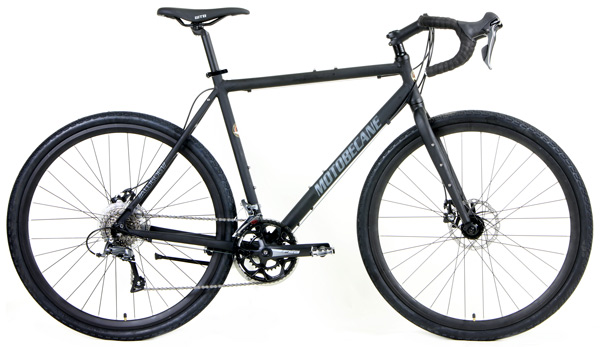
A traditional analog bike still wins the lowest door price. A capable, disc-equipped gravel/commuter like the Motobecane Gravel X3 Disc gives you year-round versatility—fender and rack friendliness, durable gearing, and confident brakes—without the premium of a motor and battery.
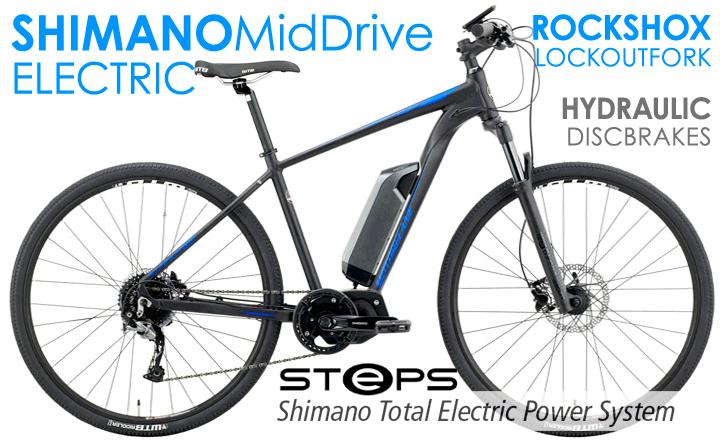
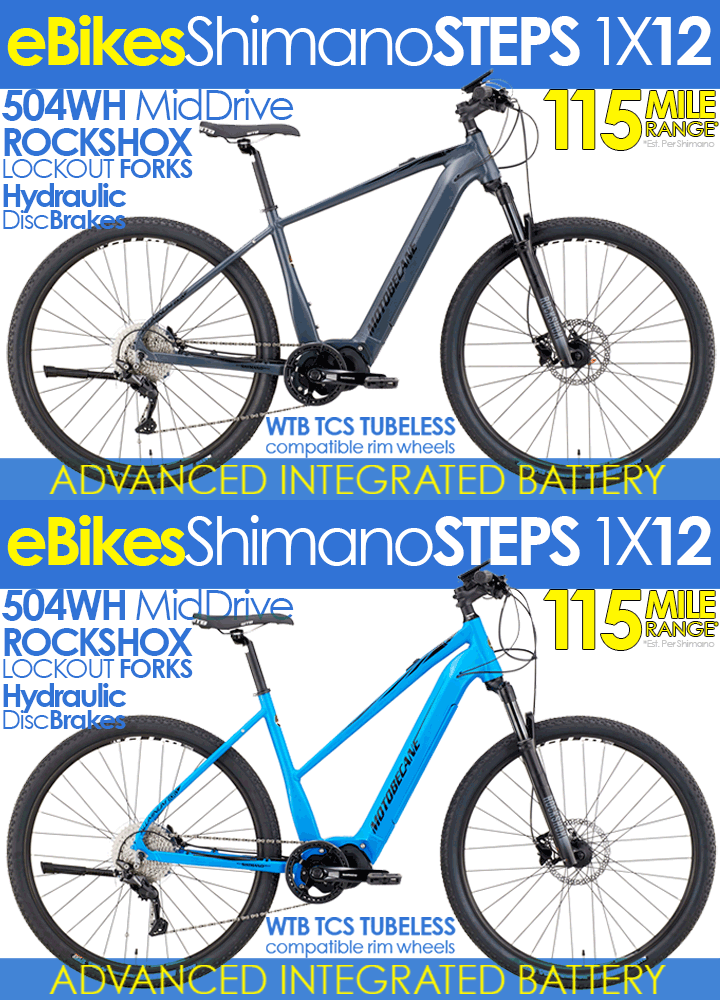
E-bikes cost more up front because you’re also buying torque-sensing electronics, a high-capacity battery, a motor, and an integrated control system. That price buys capability: consistent headwind-busting assistance, higher average speeds, and hill-flattening torque that keeps commutes predictable in all weather. Compare two all-road e-commuters built to replace car trips:
- Motobecane Elite eAdventure mountain bike: a slick daily e-commuter with integrated assist for fast, dependable trips. Explore the Elite eAdventure.
- Motobecane Elite eAdventure Team: upgraded spec for riders who want premium components with their assist platform. See the Elite eAdventure Team.
The question is whether the higher entry cost returns value in the first 12–36 months. For many commuters, it does.
Operating Cost: Charging vs. Chains and Pads
Charging: A typical e-bike battery (around 500–700 Wh) costs pennies to fill. Even with higher electricity rates, a full charge commonly lands well under the price of a coffee—and delivers 25–60 miles of assisted riding depending on mode, terrain, and payload. If you commute 10 miles round-trip, you might charge three times a week. Annual electricity spend is usually tiny compared to fuel.
Wear parts: Both platforms need chains, brake pads, rotors, and tires. E-bikes put more torque through the drivetrain, so you’ll replace chains a bit more often to protect the cassette. Factor one extra chain per year if you’re high-mileage. Traditional bikes can stretch service intervals further, particularly for lighter riders on flatter routes.
Service: Analog bikes are simpler: no firmware, no diagnostic ports. E-bikes add an electronic system, but most routine service is still standard bicycle work. If you rack up big assisted miles, schedule drivetrain checks a little earlier; your reward is commuting reliability that stays high.
Commuting Efficiency and the “Replace Car Trips” Dividend
This is where e-bikes often dominate ROI. Assistance boosts average speeds and smooths headwinds and hills, which turns “maybe I’ll drive” days into “I’ll ride” days. The more trips you replace, the faster the e-bike pays back its premium.
A quick illustration: say parking costs you $8 a day and you drive three days a week. That’s roughly $1,200 a year in parking alone, not counting fuel, insurance, or wear. If an e-bike convinces you to ride those days because you’ll arrive without a sweat-soaked kit and 10 minutes earlier than the bus, you can recover a big slice of the up-front cost quickly. A traditional bike can replace many of the same trips, but if your route includes long climbs, hot summers, or strong winds, assistance keeps the plan realistic every single week.
Battery Lifespan and Replacement
E-bike batteries are consumables with long but finite life. With proper charging habits, many riders see thousands of miles over multiple seasons before noticing meaningful range decline. When you eventually replace a pack, treat it like you would a set of car tires: it’s part of the long-term operating cost. If you amortize a future battery over several years of car-trip replacement, the math remains favorable for frequent commuters.
Traditional bikes, of course, don’t have this line item—but may invite upgrades (wheels, drivetrain, cockpit) as your mileage climbs. In practice, both platforms have long service lives with normal care.
Fitness Value: Honest Momentum vs. Consistent Habit
A conventional bike gives you maximum training effect per mile. If your top goal is fitness and your commute route is short and friendly, analog wins “sweat ROI” hands down. E-bikes, however, often produce more total active hours because they remove ride-stopping friction—arriving on time, not worrying about hills, carrying loads without dread. Many riders end up pedaling more days per month on an e-bike, just at slightly lower intensity. From a health perspective, consistent moderate activity wins long-term.
Where Each Platform Wins on ROI
Best ROI for High-Commitment Commuters
If you commute most weekdays, carry a laptop or groceries, or face serious wind and hills, the added price of an e-bike pays for itself in replaced car trips, parking avoided, and time saved. The Elite eAdventure gives you the dependable assist and commuter-ready build to make that switch; the Elite eAdventure Team layers on premium parts for riders who want top-shelf feel with their savings.
Best ROI for Price-First Buyers and Mixed Use
If you mostly ride on weekends, split trips with transit, or love fitness miles as much as errands, a traditional bike keeps acquisition and operating costs minimal. The Gravel X3 Disc is a price-smart platform that’s quick on pavement, stable on bike paths and dirt shortcuts, and inexpensive to keep perfect. Add racks and fenders and it doubles as a four-season commuter.
Example Year: The Math, Plainly
Imagine a 10-mile round-trip commute, three days a week, 48 weeks a year: 1,440 miles.
- E-bike electricity: at a few watt-hours per mile, expect only a handful of dollars annually—round up to $20 to be conservative.
- Traditional bike “fuel”: you’ll eat slightly more on longer rides either way; call it a wash.
- Maintenance: budget $120–$250 for either bike in chains, pads, and wear parts; add one extra chain for the e-bike if mileage climbs.
- Parking avoided: if parking would have cost $8 per day, you’ve avoided $1,152. Add fuel you didn’t burn.
- Time: if the e-bike saves 8–10 minutes daily versus transit/traffic, that’s ~24–30 hours a year back.
Over a couple of seasons, those avoided car costs dwarf electricity and extra chains. Even without paid parking, the time resilience alone often tips the scale toward assistance for heavy commuters.
Resale Considerations
Quality analog bikes hold value on proven frames with modern standards. E-bikes hold value when the system is from a recognized maker and the battery still has healthy range; keep original chargers and records, and your resale improves. Either way, clean drivetrains and fresh tires make used bikes attractive and shrink your total cost of ownership.
Picking the Right Tool for Your Routes
If your routes are flat, short, and scenic, the lowest-cost path to smiles is the traditional bike. If your routes are longer, hillier, windier—or your schedule and wardrobe demand reliable arrival times with minimal cooling-off—an e-bike is an everyday tool that returns its premium quickly. For many households, the best answer is both: a traditional do-everything bike for fitness and fun, plus an e-commuter that replaces weekday driving.
Need a Personalized Price/Feature Match?
We’re happy to run your numbers with you—route length, parking costs, hill profile, charging access—and match a build that maximizes value for your reality. If you’re leaning assisted, we’ll walk you through the Elite eAdventure and Elite eAdventure Team. If a traditional platform suits you better, we’ll spec a commuter-ready Gravel X3 Disc with the right tires, rack, and lighting to keep costs low and reliability high.
We ride daily and build with value in mind. Tell us your budget and your commute, and we’ll turn “it depends” into a clear choice. When you’re ready, contact our team and we’ll help you choose the bike that returns the most—money, minutes, and miles.