


City riding isn’t smooth anymore. Between potholes, cracked tarmac, curb drops, wet leaves, gravel cut-throughs, and badly patched roads, a lot of everyday routes look more like a low-grade obstacle course than a clean bike lane. That’s why more riders are choosing mountain bikes for casual rides, even when they’re not planning to hit singletrack.
Modern MTB-style geometry, wider tires, and confidence-focused handling can make daily riding feel calmer and more controlled. You don’t have to tiptoe around rough surfaces, and you don’t need perfect roads to enjoy a ride. If your routes are a mix of streets, paths, parks, and shortcuts, the same features designed for trails can translate into a more comfortable, more practical bike for real-world riding.
The Urban Trail Is Real: What We Actually Ride On
A lot of riders picture city cycling as smooth roads and predictable turns. In reality, most of us deal with:
- Uneven surfaces that rattle your hands and shoulders
- Sudden changes in traction (painted lines, wet cobbles, leaf litter)
- Curbs, speed bumps, and broken edges near drains
- Shared-use paths that mix pavement, grit, and debris
- Short unpaved stretches that connect better routes
That’s the environment where MTB traits make sense. Wider tires increase stability and reduce the harshness of rough pavement. A more upright position helps with visibility and control. And a frame built to handle impacts tends to feel less fragile when your route gets messy.
The result is simple: you spend less mental energy managing the road and more time enjoying the ride.
Geometry That Boosts Confidence, Not Just Off-Road Performance
One of the most important things MTB design does for everyday riders is make the bike feel predictable. Trail-oriented bikes are built to remain stable when the surface is imperfect and when your speed changes quickly. That can translate into real benefits on roads and paths.
More upright posture for comfort and awareness
An upright position can make commuting and casual riding feel far more natural. You’re not craning your neck to see ahead, and you can stay relaxed while still feeling in control. For many riders, that reduces fatigue and helps them ride more often.
Stable steering for real-world handling
MTB-style steering often feels less twitchy than more aggressive setups. That can be a major advantage on patchy roads or crowded paths, where sudden corrections and low-speed balance matter.
Built to tolerate bumps and impacts
Rough surfaces aren’t rare; they’re routine. A bike designed to handle repeated bumps tends to feel reassuring when your route includes curb transitions, potholes, or uneven cycle paths.
This is why a mountain bike can be a genuinely practical choice for riders who want more comfort and control on everyday terrain.
Tires: The Biggest Upgrade for Mixed-Surface Riding
If there’s one feature that changes the feel of a bike immediately, it’s tire volume. Wider tires give you:
- Better traction when the surface is dusty, damp, or gritty
- A smoother ride over cracks, seams, and rough pavement
- More confidence when you’re turning on unpredictable surfaces
You also get more flexibility. You can run slightly lower pressure for comfort and grip, then adjust upward if you want a faster feel on roads. That ability to tune the ride is a big reason MTB-style bikes work well for mixed routes.
Choosing tread for streets and paths
Not every rider needs aggressive knobs. For mostly urban riding, a faster-rolling tread pattern can reduce noise and resistance while still offering the stability that comes from extra tire width. If your rides include parks, hardpack paths, or loose gravel cut-throughs, a bit more tread can help you feel planted.
Suspension: Helpful When It Matches Your Riding
Suspension can be a game-changer for comfort, but it only helps if it fits your reality.
When front suspension makes sense
If your route includes lots of broken pavement, curb transitions, and rougher paths, a front suspension fork can reduce hand and wrist fatigue, especially on longer rides. It can also increase confidence if you’re new to riding mixed surfaces.
When you might not need it
If your riding is mostly smooth roads and paved paths, you may prefer a simpler setup. Tires do a lot of comfort work on their own, and a rigid or simpler front end can feel more direct and low-maintenance.
The best approach is choosing the bike around your actual surfaces, not the most extreme route you might do once.
How to Choose the Right MTB-Style Bike for Everyday Riding
You don’t need to overthink this. A few practical questions will narrow it down quickly.
Are you riding mostly streets, or a true mix?
If your routes are predominantly roads with occasional rough sections, you’ll likely value efficient rolling and comfort. If you’re regularly on mixed paths, you’ll benefit more from traction, stability, and a more forgiving feel.
Do you want something simple and reliable, or plush and capable?
Some riders want a straightforward bike that’s easy to live with. Others want maximum comfort and control for rougher rides. Both are valid; what matters is matching the bike to the riding you’ll do weekly.
Will you commute or carry gear?
If you’re commuting or running errands, think about practical add-ons like lights, a lock, and possibly a bag setup. A stable, confidence-inspiring bike often makes stop-start city riding feel easier.
Three Mountain Bikes We Recommend for Urban + Adventure Riding
At BikesDirect, we carry options that fit different types of riders; whether you want a capable hardtail for mixed routes or a more comfort-focused full suspension setup for rougher riding.
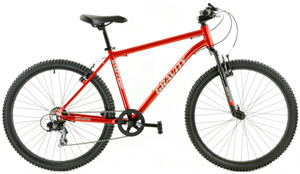
Gravity Basecamp V7: a confident hardtail that fits real routes
The Gravity Basecamp V7 is a solid pick for riders who want that classic point it where you want to go feeling without overcomplicating things. It’s well-suited to a mix of pavement, parks, and rougher paths where stability and tire volume matter. If you’re getting back into riding and want a bike that feels tough, predictable, and comfortable over imperfect surfaces, this style of hardtail is a practical place to start.
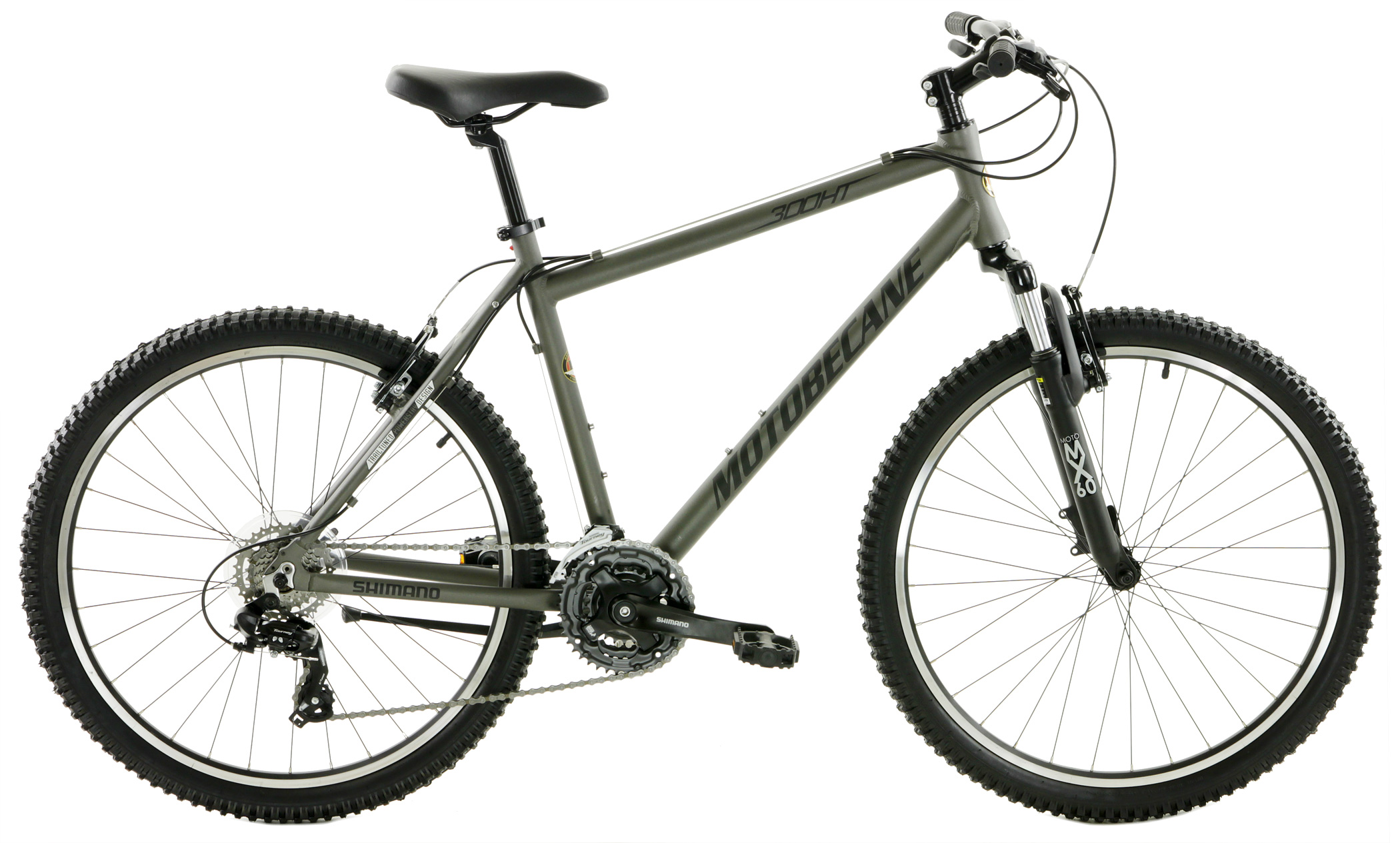
Motobecane 300HT: straightforward, capable, and easy to live with
If your priority is a clean, no-fuss setup for everyday riding plus weekend exploring, the Motobecane 300HT is a strong option. It suits riders who want a dependable bike for mixed routes; something that handles cracked roads and park paths confidently, without feeling like you bought a specialized tool you’ll only use occasionally. For many riders, this is the sweet spot: simple, capable, and ready for routine miles.
Gravity FSX 2: comfort and control when the route gets rough
If your riding includes rougher paths, longer mixed-surface rides, or you simply want more comfort over bumpy terrain, the Gravity FSX 2 brings extra forgiveness to the ride. Full suspension can reduce fatigue, improve traction on uneven surfaces, and make rough routes feel smoother and more controlled. For riders who value comfort and stability above all, especially on unpredictable terrain, this kind of setup can make riding feel easier and more enjoyable.
The Practical Case for MTB Traits in Everyday Riding
A mountain bike isn’t just for trails anymore because everyday routes have changed. When roads are rough, surfaces are inconsistent, and your rides mix streets with paths and shortcuts, MTB design can make riding feel calmer, more comfortable, and more confident.
If you want a bike that handles real-world conditions without fuss, our lineup is built around value, capability, and practical riding; not just niche use cases. The right mountain bike setup can turn I should ride into I ride all the time, because the bike feels comfortable and reliable across the routes you actually take.
If you’d like help choosing the best model and size for your riding, please contact us.