
Drop Bars vs Flat Bars: Which Handlebar Style Should You Choose

It happens to nearly every cyclist shopping for a new bike. You find yourself caught between two similar models—same frame material, same drivetrain quality, even the same wheelset. Yet, one detail jumps out: one has drop bars, and the other has flat bars. At first glance, it may seem like a small difference, but the choice between drop bars vs flat bars is one of the most defining factors in how your bike will ride and how comfortable you will feel.

For some riders, drop bars represent speed, aerodynamics, and efficiency. For others, flat bars symbolize comfort, stability, and a more relaxed ride. This is not just about aesthetics—it’s about how your body interacts with your bike, how much control you have on different terrain, and how your riding goals align with your setup.

In this blog, we’ll compare drop bars and flat bars across comfort, aerodynamics, and control, helping you decide which handlebar style is best for your riding style. Whether you are eyeing a road bike, a versatile gravel bike, a sturdy mountain bike, or even a commuter-friendly hybrid bike, this guide will give you the insights you need.

The History Behind Handlebar Styles

Handlebars have always shaped how bikes ride. Drop bars trace back to the early days of competitive cycling, where aerodynamics and speed were critical. Riders needed multiple hand positions for long races, and the curved design of drop bars allowed them to tuck low for sprints or climbs while staying upright for endurance.

Flat bars, on the other hand, originated from utilitarian and off-road cycling. Mountain bikers demanded wide, straight handlebars that provided stability on technical descents and rough terrain. Commuters also found them practical, as they allowed for upright riding and better visibility in traffic.

Today, both handlebar styles have expanded beyond their origins. Drop bars are no longer limited to professional racers, and flat bars are not just for mountain bikers. They now overlap across categories like gravel bikes, hybrid bikes, and even certain touring bikes, giving riders the chance to choose based on preference rather than tradition.
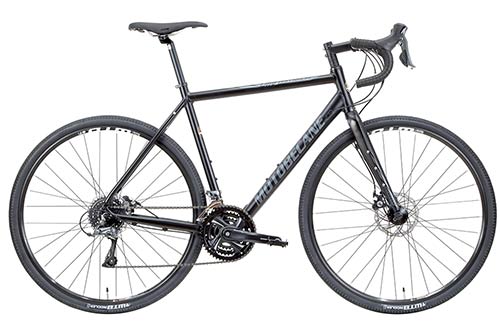
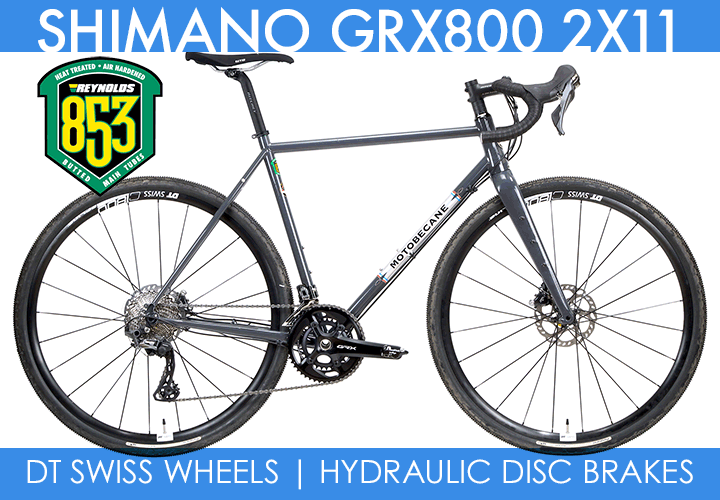
Motobecane gravel bike with drop bars and disc brakes for versatile road and off-road performance

Comfort: Upright Relaxation vs Multiple Positions

Comfort is one of the most personal aspects of the drop bars vs flat bars debate.

Flat bars naturally encourage a more upright posture. Your torso stays higher, reducing strain on your back, neck, and shoulders. This makes them a popular choice for hybrid bikes, daily commuters, and casual riders who prioritize comfort over speed. The wider grip also allows more leverage for handling, which is reassuring for new cyclists.

Drop bars, however, provide multiple hand positions. Riders can hold the tops for a more upright stance, the hoods for balanced control, or the drops for a low, aerodynamic position. This versatility helps prevent numbness and fatigue on long rides. On a road bike, where endurance matters, this variety is a major advantage. On a gravel bike, it gives riders options when transitioning between smooth roads and rough tracks.

So while flat bars may feel instantly comfortable for short rides and urban settings, drop bars often deliver greater long-term comfort by allowing you to shift your posture throughout the ride.
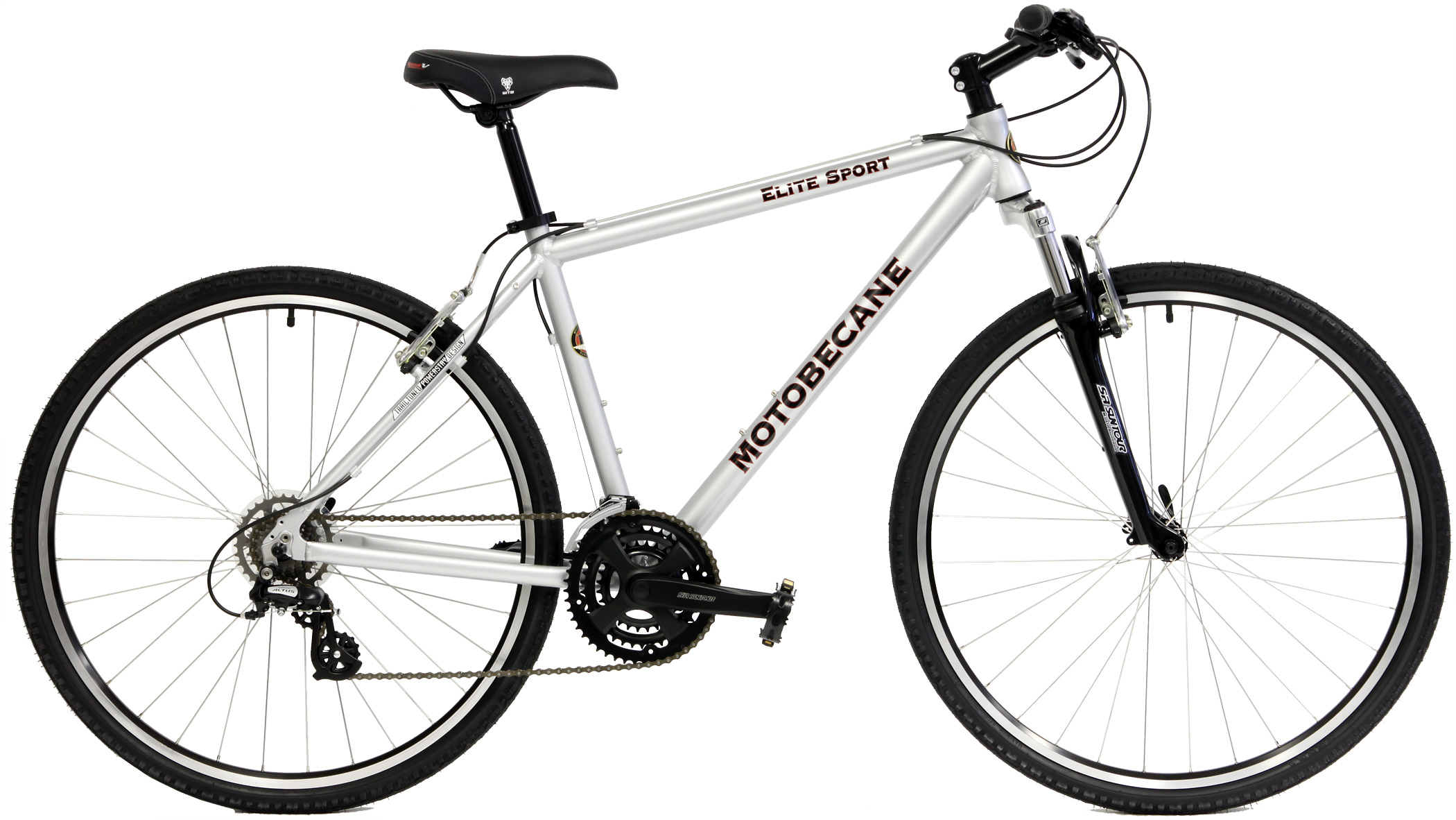
Motobecane hybrid bike with flat handlebars and front suspension for daily commuting and casual rides

Aerodynamics: Speed vs Simplicity

When it comes to aerodynamics, drop bars have a clear advantage. Their shape allows riders to tuck into a lower position, reducing wind resistance significantly. On a long ride, this can save substantial energy and improve average speed. That’s why nearly all performance road bikes and many gravel bikes feature drop bars.

Flat bars keep you upright, which increases drag. For city commuting or leisurely riding on a beach cruiser, this is not a deal-breaker. But for anyone who values speed or efficiency—whether for racing, endurance events, or simply riding faster with less effort—drop bars provide a noticeable benefit.

That said, flat bar bikes often make up for lost aerodynamics with practicality. You can mount accessories like lights, bells, or handlebar bags more easily, which matters for touring riders or urban commuters.

Control and Handling

Control is where flat bars often shine. Their wider grip gives riders more leverage over the front wheel, which translates to better stability at slower speeds and more confidence when maneuvering around obstacles. This is why flat bars dominate mountain bikes, where precision handling on technical terrain is critical.

Drop bars, while narrower, offer more agility at higher speeds. They excel when descending smoothly paved roads, allowing riders to maintain control while staying aerodynamic. On gravel bikes, drops give riders extra leverage when sprinting or climbing, while the tops provide stability during long rides.
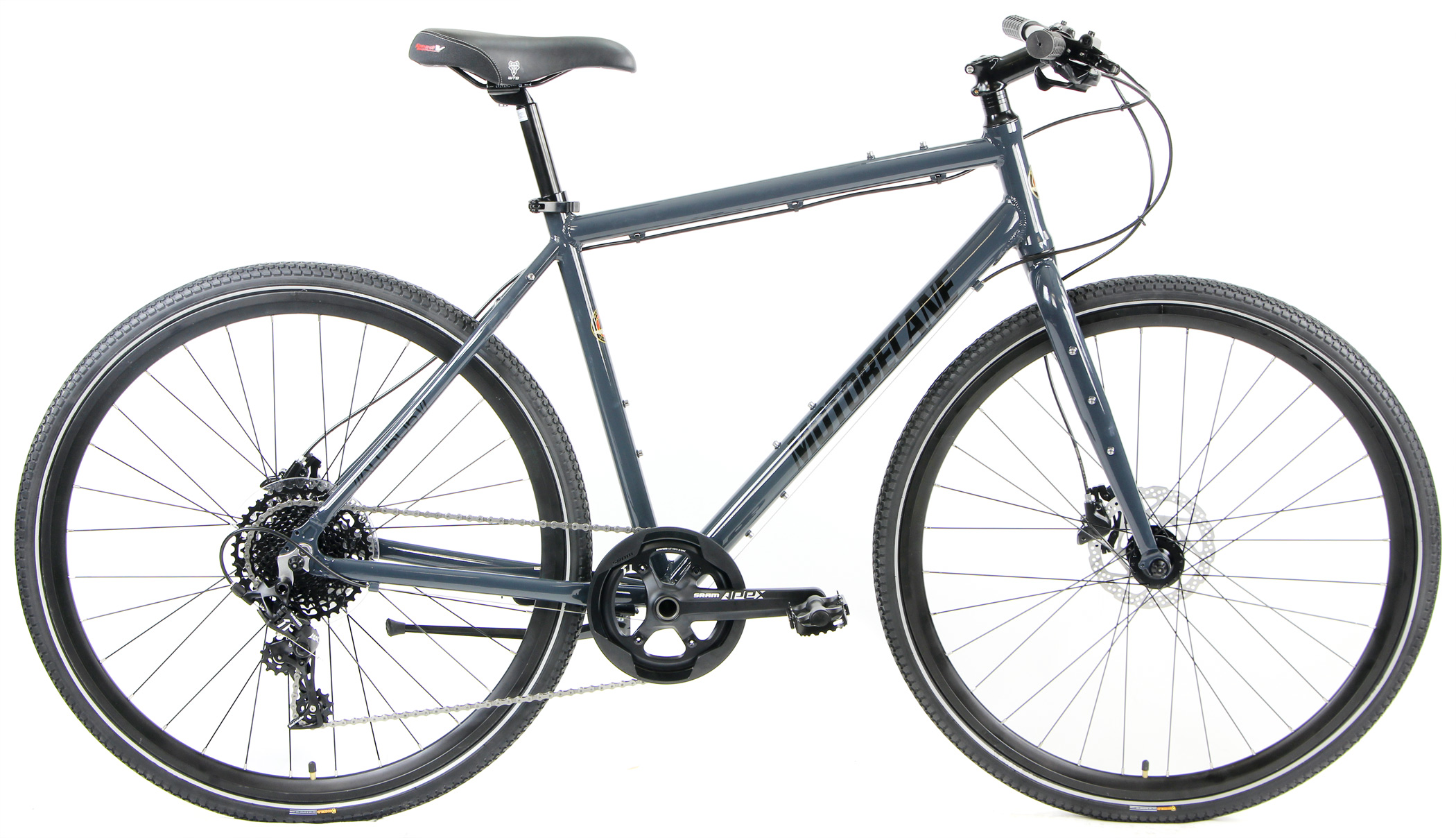
Motobecane flat bar bike with lightweight steel frame and disc brakes for urban fitness and commuting

If your riding involves weaving through city traffic, navigating rocky trails, or carrying heavy loads, flat bars may feel more natural. But if your riding is focused on long-distance efficiency and fast descents, drop bars deliver superior control.

Versatility Across Bike Types

Choosing between drop and flat bars often depends on the bike itself.

  • Road Bike: Almost always fitted with drop bars for aerodynamics, efficiency, and long-distance comfort.
  • Gravel Bike: Traditionally uses drop bars, though flat bar gravel bikes are gaining popularity among riders who want off-road stability without losing endurance potential.
  • Mountain Bike: Dominated by flat bars, which give the control and leverage needed for technical trails.
  • Hybrid Bike: Usually comes with flat bars for upright comfort and city practicality.
  • Fat Bike: Generally uses flat bars, as riders prioritize control over aerodynamics when navigating snow, sand, or mud.
  • Beach Cruiser: Always flat bars, designed for relaxed rides and easy handling.

The overlap is growing. Riders are experimenting more with setups, and manufacturers are offering hybridized designs that let you experience the best of both worlds.

Maintenance and Upgrades

Both handlebar styles require minimal maintenance, but drop bars can be slightly more complex. They often use integrated brake-shifter levers (STI), which can be more expensive to replace. Wrapping bar tape also requires some upkeep.

Flat bars typically use simpler brake levers and shifters, which are more affordable and easier to adjust. Swapping grips is quicker than re-wrapping tape, and accessories are easier to mount.

For riders who like to tinker, flat bars may offer more simplicity. But for those chasing performance gains, the integrated systems of drop bars are worth the investment.

The Rider’s Perspective

At the heart of the drop bars vs flat bars debate lies personal preference. Handlebar choice isn’t just a technical decision—it’s about how you connect to the bike and, by extension, how you experience every ride.

Some riders thrive on the aggressive posture and aerodynamic advantage of drop bars. They feel natural leaning into the curve, lowering their torso, and unlocking speeds that make long-distance rides smoother and faster. For these cyclists, drop bars are not simply about going faster—they are about efficiency. Being able to ride centuries, participate in sportives, or push harder on rolling terrain becomes more achievable when the bike’s geometry and handlebar design reduce drag and conserve energy. For endurance-focused riders, or those who want to explore extended gravel routes where multiple hand positions matter, drop bars can be the key to unlocking both comfort and performance over the long haul.
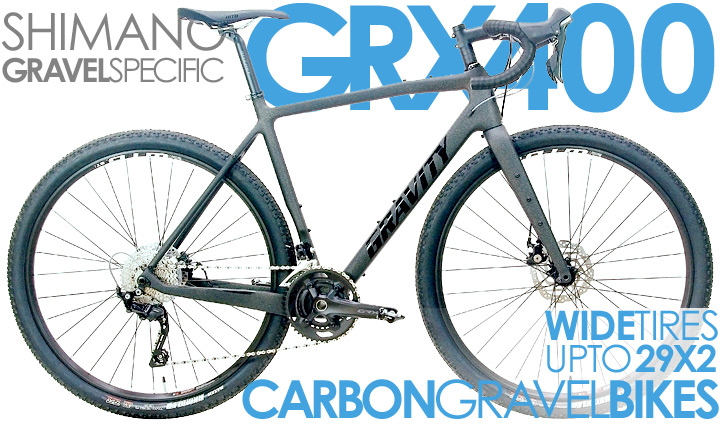
Gravity GRV carbon gravel bike with drop handlebars and wide tires for mixed terrain riding

Others gravitate toward the stability and upright posture offered by flat bars. These riders appreciate being in a position that feels intuitive, natural, and less intimidating, especially in traffic or on uneven trails. Flat bars keep you more upright, which not only eases strain on your back and neck but also improves visibility. For commuters, casual cyclists, and those who prize confidence and control above speed, flat bars often feel like the smarter option. The wider grip translates to direct handling and precise steering—qualities that shine when weaving through crowded streets, tackling technical terrain on a mountain bike, or cruising comfortably on a hybrid bike.

Ultimately, the best way to think about handlebar choice is to consider your goals and your environment. If you want to ride a road bike across long distances, drop bars give you the versatility of multiple hand positions and the aerodynamic edge needed for efficiency. If you are diving into gravel adventures, drop bars still offer endurance advantages, though flat bar gravel bikes are becoming increasingly popular for riders who want control over tricky surfaces. On the other hand, if your cycling revolves around commuting, casual spins, or technical off-road challenges, flat bars may be the best match. For many, the choice becomes clear once they reflect on where they spend most of their saddle time and what makes them feel most in control.

The Industry Trend

Interestingly, while personal preference remains central, the industry itself is evolving in response to how diverse cycling has become. Traditionally, drop bars belonged to road and gravel bikes, while flat bars ruled mountain bikes, hybrid bikes, and everyday commuters. That division still exists to a large extent, but the lines are blurring.

Manufacturers are offering more crossover models, expanding rider choice. Flat bar gravel bikes are now widely available, appealing to those who love the adventure-ready versatility of gravel bikes but want the upright stability of a hybrid. On the other side, we are even beginning to see experimental drop bar mountain bikes, designed for endurance riders who want to tackle rough terrain at speed. Add in the explosion of e-bikes, and the landscape becomes even more interesting—crossover models blend efficiency and comfort in new ways, giving riders choices that would have seemed unconventional a decade ago.

This trend reflects how cycling is no longer defined strictly by discipline. Lifestyle, convenience, and versatility now play as big a role as tradition. The rider who commutes during the week but craves long weekend adventures may find themselves choosing a bike that blends features from both drop and flat bar categories.

For many cyclists, the best way to resolve the debate is not to rely solely on theory or tradition but to test both setups. Trying bikes back-to-back often reveals what feels natural, whether it’s the tucked posture and multiple positions of drop bars or the wide, stable grip of flat bars. Some riders even make the switch later by converting handlebars, proving that the choice doesn’t need to be final.

In the end, the industry is responding to the truth riders already know: no single handlebar style is perfect for everyone. By offering more variety, bike makers ensure that whether you want the precision of a road bike, the adventurous balance of a gravel bike, the stability of a fat bike, or the laid-back comfort of a beach cruiser, there’s a setup to match your lifestyle. The decision is now more flexible and personal than ever before, and that is what makes cycling so exciting in today’s world.

Conclusion

When choosing between drop bars vs flat bars, there is no universal winner. Each has strengths: drop bars deliver aerodynamics, multiple hand positions, and efficiency over distance; flat bars offer comfort, stability, and superior handling at slower speeds or off-road.

Your decision comes down to where you ride, how you ride, and what goals you set. Whether it’s long-distance road cycling, adventurous gravel rides, technical mountain trails, or leisurely coastal spins on a beach cruiser, the right handlebar will make your bike feel like an extension of your body.

Choosing between drop bars and flat bars doesn’t have to feel overwhelming. At BikesDirect, you can explore a wide range of bikes equipped with both handlebar styles—whether you want the speed and efficiency of a drop bar road bike, the stability and control of a flat bar mountain bike, or the versatility of a gravel or hybrid bike that strikes a balance between the two. Take the time to consider your riding goals, test your options, and discover which style makes you feel most confident. Your perfect bike is waiting—start your search today at BikesDirect and make every ride better.
The Benefits of Disc Brakes Over Rim Brakes for Every Rider

Upgrade your cycling experience with disc-equipped bikes from BikesDirect.com. Offering stronger stopping power, better control, and reliable performance in all weather conditions, disc systems provide confidence and safety on every ride. Perfect for road, mountain, gravel, and hybrid bikes, they deliver smooth handling and consistent braking across any terrain.

The Benefits of Disc Brakes Over Rim Brakes for Every Rider

How to Train for Your First Long-Distance Bike Ride

There’s a moment every cyclist dreams about—the day you push past casual rides and set your sights on a big challenge, whether that’s a century ride, a weekend gravel adventure, or a long charity event. The thought of riding 60, 80, or even 100 miles can feel both exhilarating and intimidating. For many, that first attempt at long-distance cycling isn’t just about endurance—it’s about proving to yourself that you’re capable of more than you imagined.

But success doesn’t happen by accident. Long rides demand preparation, both in training and in the gear you choose. Without a plan, you risk burning out early, battling unnecessary pain, or worse, not finishing. With the right approach, however, your first long-distance ride can feel less like survival and more like a personal victory.

Building the Foundation: Start Slow, Build Steady

One of the most common mistakes new riders make is jumping into big mileage too quickly. Long-distance cycling is less about raw speed and more about pacing and stamina. To prepare, start with shorter rides—20 to 30 miles—and add distance gradually each week. This builds your aerobic base, strengthens your legs, and allows your body to adapt without injury.

Your goal isn’t just to cover distance; it’s to ride consistently. Three to four sessions per week, mixing moderate midweek rides with a longer weekend effort, will prepare your body for endurance. Think of it as teaching yourself to be comfortable on the bike for hours at a time.

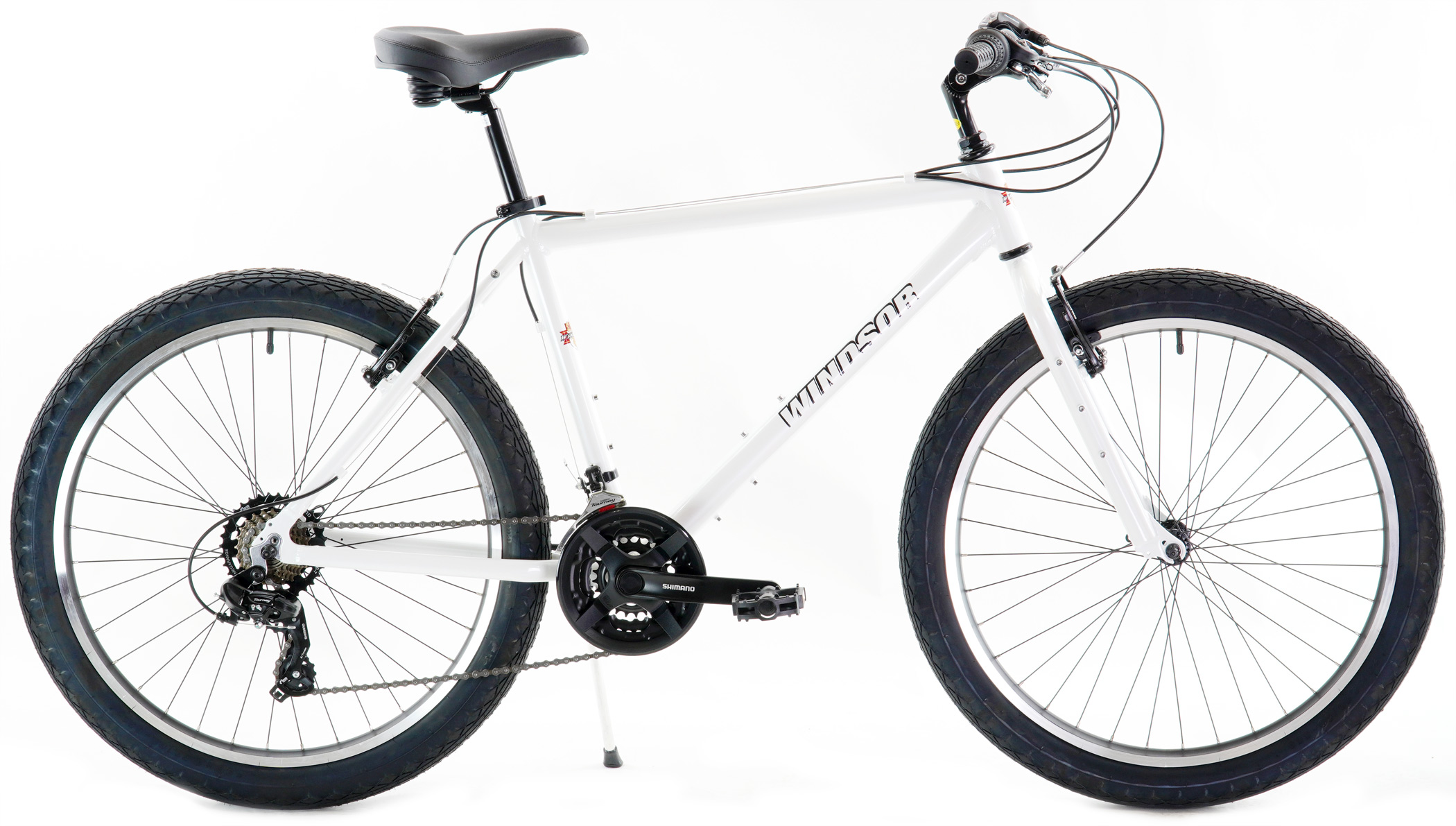
Windsor step-through hybrid bike designed for comfort and training

Train Like You’ll Ride

The key to long-distance success is specificity. If your goal is a road bike century, focus your training on the road. If you’re taking on a gravel race or adventure, spend plenty of time on your gravel bike over mixed terrain. Planning to explore wooded trails or mountain passes? Then saddle up your mountain bike and practice handling climbs, descents, and technical terrain.

This principle matters because each bike and riding style engages your body differently. A century on a sleek road machine demands smooth cadence and efficient pedaling, while a gravel adventure asks for grit, bike handling, and confidence over rough surfaces. Training on the right bike from Bikesdirect ensures you’re not just fit, but also familiar with how your bike responds under long-distance stress.

Don’t Forget Strength and Flexibility

Endurance riding isn’t only about spinning pedals. Core strength plays a massive role in keeping you stable in the saddle. Weak abs or back muscles often translate into poor posture and fatigue after just a few hours. Incorporating planks, squats, lunges, and yoga into your weekly routine builds a stronger platform for pedaling.

Flexibility matters, too. Tight hamstrings or hip flexors can make long-distance cycling painful, limiting your ability to maintain power comfortably. Simple stretches after each ride—focusing on quads, hips, and calves—go a long way toward injury prevention and efficiency.

https://www.bikesdirect.com/products/gravity/liberty_cxd_cybermonday.htm?srsltid=AfmBOooRa6l-6pb1BtPjh_rHy5LufkdAUIcJ-3Lhl3hbwsMT0apyd7cG

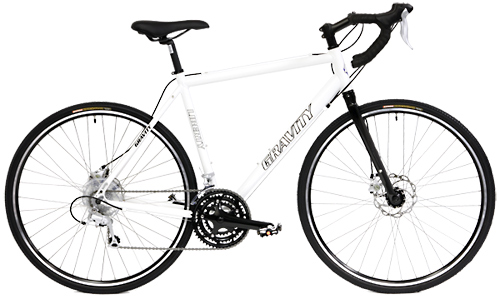
Filename: gravity-disc-brake-road-bike.
Alt-text: Gravity road bike with disc brakes for endurance training rides
Caption: A Gravity road bike equipped with disc brakes offers smoother, safer stopping power, giving new endurance riders more confidence on longer rides.

Dial in Nutrition and Hydration

Ask any experienced rider, and they’ll tell you: nutrition is the silent killer of long-distance goals. Riding 60 or 100 miles without proper fueling is like expecting a car to run on fumes. During training rides, experiment with different foods and drinks to see what your body tolerates best.

Some riders thrive on energy gels and sports drinks, while others prefer real food—bananas, peanut butter sandwiches, or even rice cakes. The rule of thumb is simple: eat something every 45–60 minutes, and drink steadily, not just when you feel thirsty.

Hydration also includes electrolytes. On a hot day, plain water isn’t enough to replace what you lose through sweat. Electrolyte mixes help keep cramps at bay and maintain steady energy.

Gear Up: Choosing the Right Bike

Training is only half the equation. The wrong equipment can make your first long-distance ride miserable. Fortunately, Bikesdirect offers options across every discipline, ensuring you get the performance you need without overpaying.

If smooth pavement and speed are your focus, a lightweight road bike like the carbon and aluminum models at Bikesdirect will give you efficiency mile after mile. For those who prefer mixed routes, a gravel bike offers versatility, blending the efficiency of a road machine with the ruggedness of a trail bike. Planning trail adventures or endurance challenges in the mountains? Then a mountain bike with reliable suspension is your weapon of choice.

Even casual riders can enjoy distance on the right setup. A well-fitted hybrid bike or comfortable beach cruiser can make 30 to 40 miles of leisure riding an enjoyable part of a weekend. For adventurers who want to conquer snow, sand, or loose terrain, a fat bike provides stability and fun no matter the conditions.

The takeaway is this: the right bike not only improves performance but also ensures comfort. And when you’re spending hours in the saddle, comfort is not negotiable.

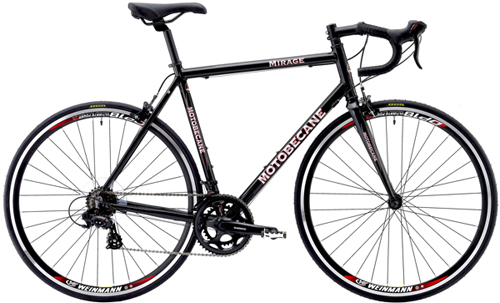
Motobecane Mirage road bike designed for efficient endurance training

Plan Your First Big Ride

When your training builds to 70 or 80 percent of your goal distance, you’re ready to attempt the real thing. Don’t wait for perfect conditions—part of long-distance cycling is learning to adapt—but plan wisely. Choose a route with support if possible, or ride with friends who can share pacing duties.

Pacing is everything. Starting too hard is the fastest way to end up exhausted. Instead, ride conservatively in the first half and save energy for the final stretch. Think of it as running negative splits: finish strong rather than limping home.

Mental preparation is just as important. Long rides can test your patience as much as your legs. Break the distance into smaller segments—10 miles at a time, or stops at familiar landmarks. This makes the ride feel manageable, even when fatigue sets in.

Ready to prepare for your first big ride? Explore Bikesdirect.com today to find the perfect setup for your journey—whether that’s a performance-ready road bike, a rugged gravel bike, or a versatile hybrid bike for commuting and weekend rides.

Our direct-to-consumer model ensures you get top-quality bikes at unbeatable prices, so you can focus on training, not overspending. Your first long-distance challenge is waiting, and the right bike can make all the difference. Start your journey with Bikesdirect and ride farther than you ever thought possible.

Essential Bike Maintenance Tips to Keep Your Ride in Top Shape

There’s nothing quite like the smooth hum of tires on pavement, the crunch of gravel under wheels, or the freedom of pedaling down a winding trail. Whether you’re rolling through city streets on a hybrid bike, cruising the boardwalk on a beach cruiser, or tackling steep singletrack on a mountain bike, one truth unites all cyclists: a well-maintained bike makes every ride safer, smoother, and more enjoyable.

Yet, far too often, riders overlook the importance of regular upkeep. A skipped chain lube here, a delayed brake adjustment there—it all adds up. Suddenly, your shifting feels sluggish, your stopping power weakens, and those creaks and squeaks become constant companions. The good news is that with the right bike maintenance tips, you can extend the life of your components, reduce repair costs, and ensure every ride feels as good as the first spin out of the box.

This guide will walk you through essential practices to keep your road bike, gravel bike, fat bike, or everyday commuter in peak condition.

Why Regular Maintenance Matters

Think of your bike as a high-performance machine. Every part, from the chain and cassette to the tires and bearings, works together under stress. Over time, dirt, weather, and repeated use wear things down. Neglecting maintenance doesn’t just impact performance—it can lead to safety hazards. A poorly adjusted brake can double your stopping distance, while a stretched chain can ruin an entire drivetrain.

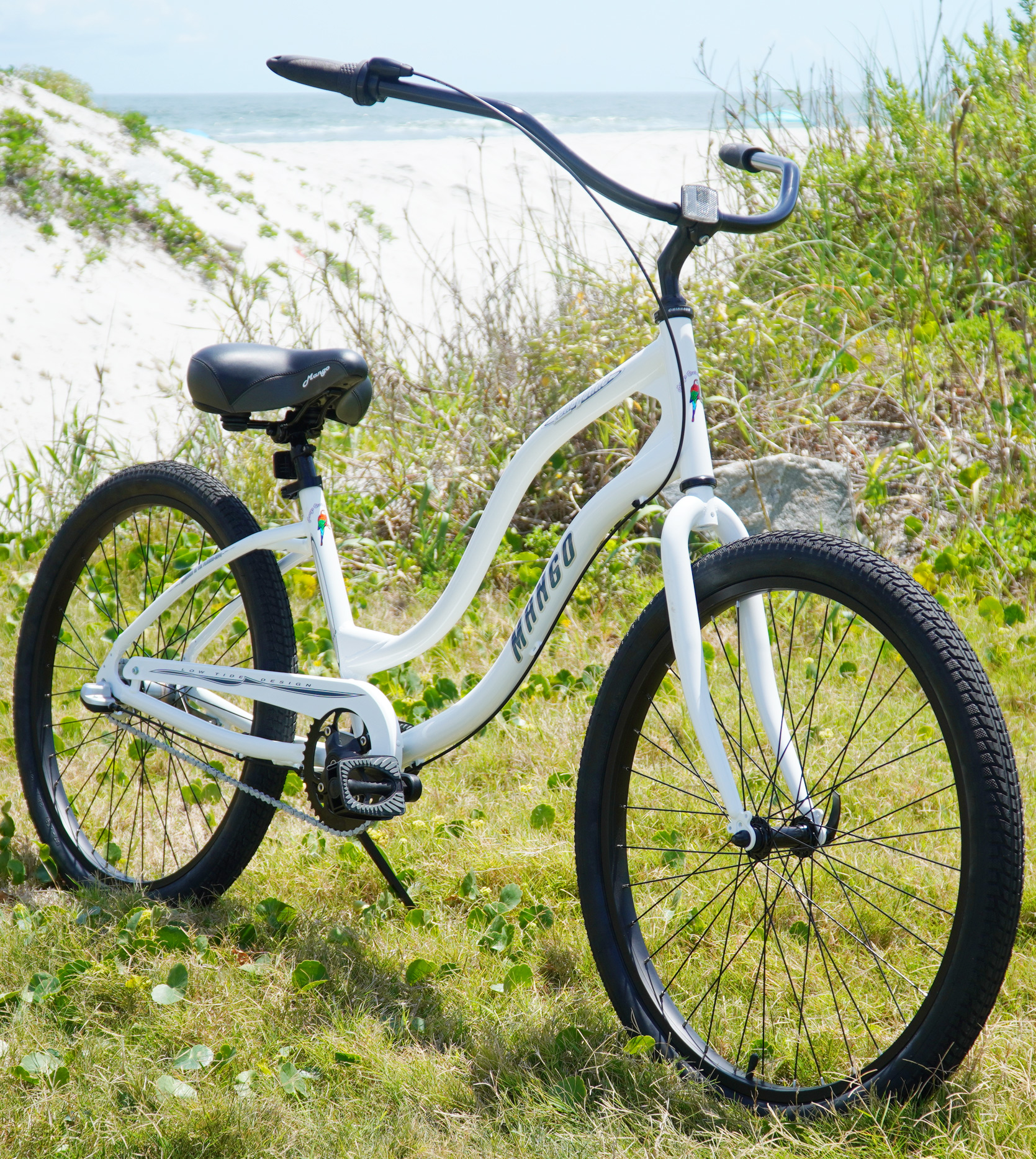
White beach cruiser bike parked near the shoreline

Whether you’re pedaling casually on a beach cruiser or pushing limits on a road bike, consistent care makes the difference between confidence and uncertainty. More importantly, a little attention now saves a lot of money later. Replacing a chain at the right time costs far less than replacing the cassette and chainrings it might otherwise damage.

Cleaning: The Foundation of Longevity

The simplest and most effective habit is keeping your bike clean. Dirt, mud, and road grime act like sandpaper, wearing down parts faster than you might realize. For a mountain bike that sees muddy trails or a gravel bike that gets coated in dust, rinsing after rides is crucial. Use a gentle spray of water, a mild bike-specific cleaner, and a soft brush to remove buildup from the frame, drivetrain, and wheels.

Drying your bike afterward is equally important. Moisture left behind can corrode bolts and bearings. A quick wipe with a microfiber cloth and a few drops of chain lube keeps things running quietly and efficiently. Riders who skip this step often find themselves with creaky bottom brackets or stiff derailleurs.

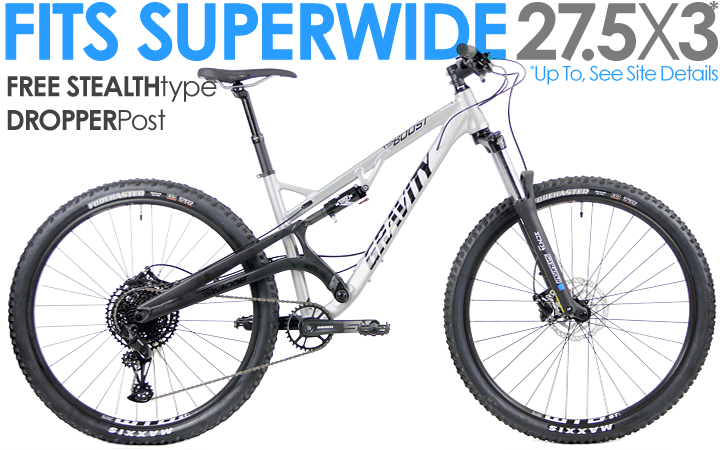
Gravity full suspension mountain bike with dropper post and wide tires

Drivetrain Care: The Heart of Smooth Riding

If the frame is your bike’s skeleton, the drivetrain is its heartbeat. The chain, cassette, and chainrings transfer your energy into forward motion. Keeping this system clean and lubricated is essential.

Chains should be wiped down after wet or dirty rides, then lubed with a quality oil designed for the conditions. Dry lubes are great for dusty summer gravel rides, while wet lubes hold up against winter rain and snow. Riders on fat bikes, who often face snowy or sandy conditions, especially benefit from proper lubrication because grit can wreak havoc on components.

Check the chain stretch regularly with a simple tool. Replacing a worn chain early prevents damage to more expensive drivetrain parts. Shifting should feel crisp, not sluggish or jumpy—if it does, it’s time to clean, tune, or replace.

Brake Checks: Confidence in Every Stop

Few things matter more than stopping power. Traditional rim brakes still appear on many budget road bikes and hybrid bikes, but disc brakes are quickly becoming standard across categories for their superior performance in all weather conditions. Regardless of type, brakes need consistent attention.

Inspect brake pads for wear, and replace them before they’re paper-thin. For disc brakes, listen for squealing or rubbing, signs that the rotors need cleaning or realignment. Hydraulic systems may require the occasional bleed to keep the lever feel strong.

Whether cruising the boardwalk on a beach cruiser or charging downhill on a mountain bike, properly tuned brakes give you the confidence to enjoy the ride without fear.

Tires and Wheels: Your Connection to the Ground

Tires are often overlooked until a flat ends a ride, but they’re your most direct connection to the road or trail. Check tire pressure before every outing—low pressure increases rolling resistance and risks pinch flats, while overinflation reduces grip.

Worn tread means less control, particularly on a gravel bike or mountain bike that relies on traction in loose conditions. Fatigue cracks on the sidewalls or bulges signal it’s time for replacements. For fat bikes, with their wide tires designed for snow and sand, tire pressure plays an even greater role in performance. Just a few PSI can transform handling from sluggish to smooth.

Don’t forget wheels. Spin them freely to check for wobbles, which indicate the need for truing. A properly tensioned wheel not only feels smoother but also lasts longer under stress.

Bolts, Bearings, and Cables: The Details That Matter

Small details often make the biggest difference. Loose bolts on stems, handlebars, or crank arms can quickly escalate into dangerous failures. A torque wrench ensures every bolt is tightened to manufacturer specifications—no guesswork required.

Bearings in the headset, bottom bracket, and wheel hubs should move smoothly, without grinding or play. If you feel resistance or hear creaking, it’s time for service or replacement.

Cables and housing, especially on rim brake and mechanical shifting systems, wear down with time. Sticky cables make shifting clunky and braking less responsive. Replacing them is inexpensive but pays huge dividends in performance.

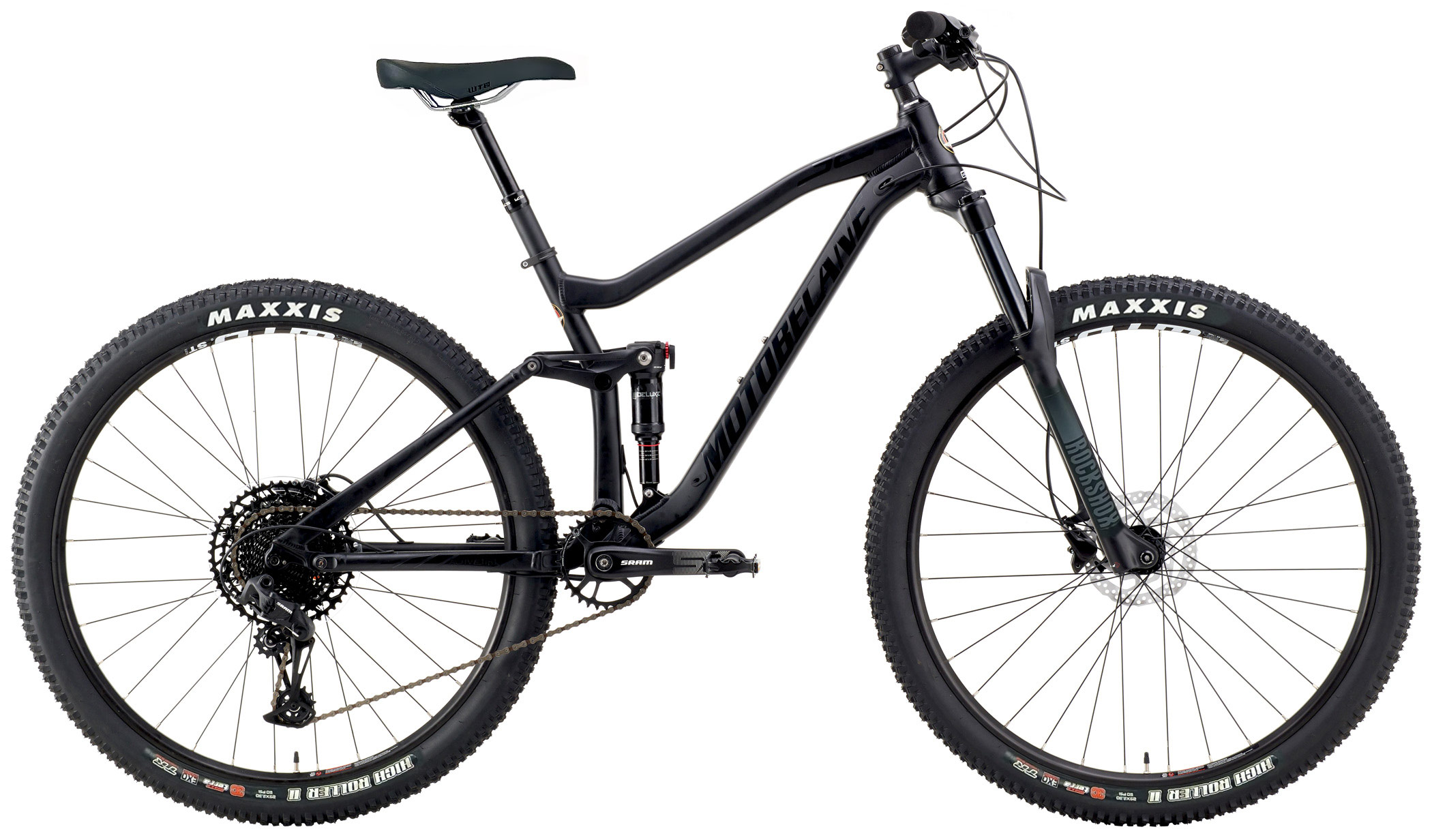
Motobecane full suspension mountain bike with Maxxis tires

Seasonal Maintenance: Riding Through Every Condition

Just as your riding changes with the seasons, so should your maintenance. Winter brings salt, moisture, and grit—tough on steel parts and drive systems. Summer introduces dust and heat that dry out lubricants faster. Fat bike riders know the toll of winter salt, while beach cruiser enthusiasts see firsthand how ocean air accelerates corrosion.

Building seasonal checkups into your routine keeps surprises to a minimum. A spring overhaul, including drivetrain cleaning, wheel truing, and bearing checks, prepares you for a season of riding. Before winter, consider adding extra frame protection or fenders to extend component life.

At Bikesdirect.com, the goal isn’t just helping you find the perfect road bike, gravel bike, fat bike, beach cruiser, mountain bike, or hybrid bike—it’s ensuring you love every mile you ride. Take pride in your bike, care for it, and it will return the favor with countless adventures ahead.

Explore our collection today.

Beach Cruisers Price Comparison: Affordable Style vs Premium Comfort

On a warm summer afternoon, few things feel as timeless as cruising along a boardwalk, wind in your hair, and the sun painting the sky. The bike beneath you isn’t built for racing or tackling steep mountain trails—it’s a beach cruiser, the classic ride known for comfort, style, and laid-back fun. But not all cruisers are created equal. While some models are affordable, designed for casual weekend rides, others lean into premium territory, offering upgraded frames, plush saddles, and thoughtful design touches that elevate the experience.

So, how do you decide between an affordable cruiser and a premium one? Understanding the differences in beach cruiser prices—and what those prices get you—can make the choice clearer. In this guide, we’ll explore the contrast between budget-friendly options and high-end builds, using real models from Bikesdirect to show what you gain at each level.

Why Beach Cruisers Still Matter

The appeal of a beach cruiser goes beyond nostalgia. Unlike a road bike, built for speed, or a mountain bike, made for rugged terrain, cruisers are about simplicity and comfort. With their upright seating positions, wide saddles, and balloon tires, cruisers encourage you to slow down and enjoy the ride. They shine on flat terrain—boardwalks, beach paths, and neighborhood streets—and they’re as much about style as they are about utility.

Where a gravel bike might call you to adventure and a fat bike thrives in snow and sand, a cruiser is about effortless fun. That’s why price becomes such a big factor—many riders want to know if paying more will actually improve comfort, performance, or longevity.

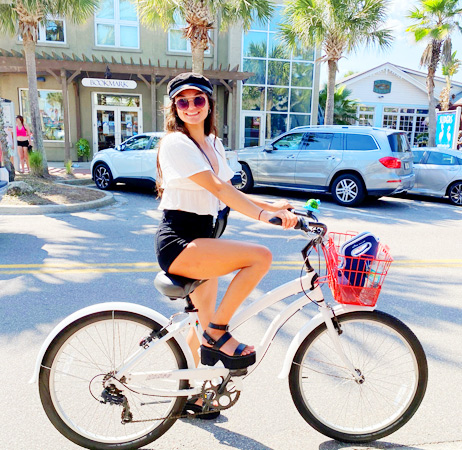
Rider enjoying a white Mango Sandpiper beach cruiser with a basket on city streets

Affordable Beach Cruisers: Budget-Friendly Style

At the entry-level, beach cruiser prices often fall around the $300–$400 range. These bikes keep costs down with steel frames, basic drivetrains, and simple design. They still deliver on comfort, but with fewer extras. Let’s look at two popular affordable options from Bikesdirect.

Mango Toucan 1-Speed Cruiser — ~$299

This entry-level cruiser gives you genuine cruiser vibes without sky-high cost. A rust-resistant aluminum frame keeps it lightweight and durable, while a comfy Mango Deluxe saddle adds rider-friendly cushioning. A coaster brake and minimal maintenance single-speed drivetrain make it perfect for casual spins.

Mango SandPiper Cruiser — Sale $299

Similar in price to the Toucan, the SandPiper emphasizes brightness and durability with corrosion-resistant aluminum tubing and reliable coaster brakes. Its clean design and straightforward setup make it ideal for daily neighborhood rides or rolling along the boardwalk.

Both models stick to the essentials: aluminum frames that won’t rust, comfy seats, and simple braking. They’re perfect for casual riders or first-time cruiser owners who want fun without fuss or high costs.

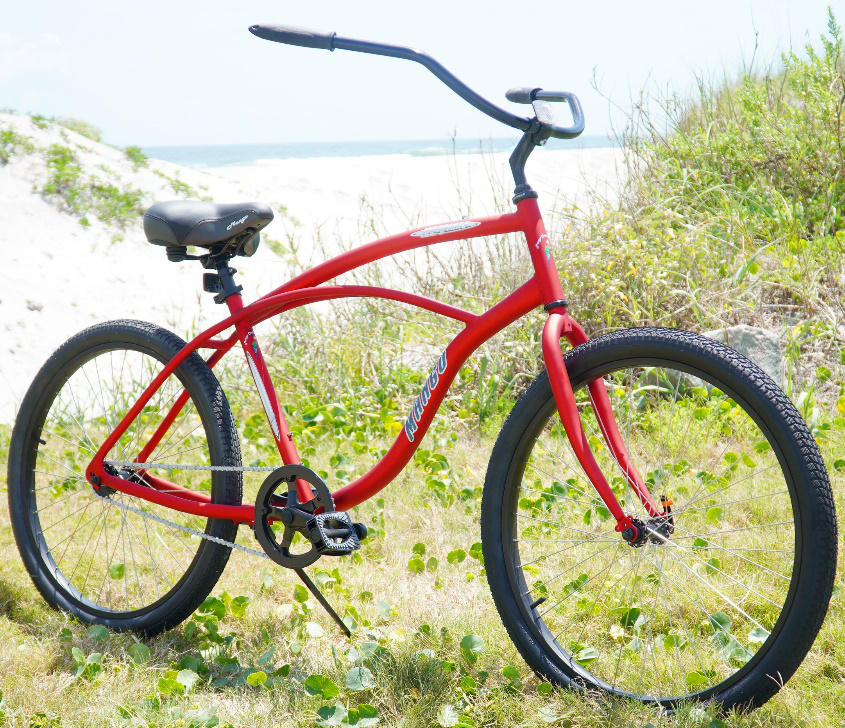
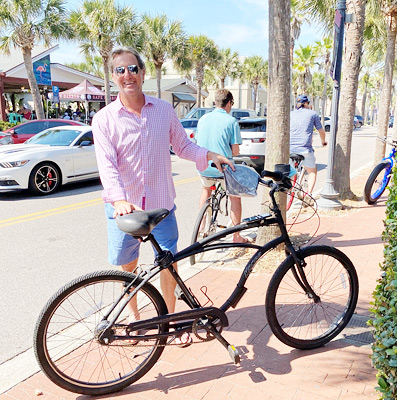
Premium Mango Longboard cruiser in black parked in a lively beach town

Premium Beach Cruisers: Comfort and Refinement

At the higher end, beach cruiser prices often climb past $700, reflecting upgrades in frame materials, seating comfort, and detailed design. These bikes are built not just for looks, but for all-day comfort and durability. Let’s highlight two premium options from Bikesdirect.

Mango LongBoard FT3 (3-Speed, Fat Tire) — Sale $599

The LongBoard FT3 upgrades comfort with broader tires that float over sand and absorb bumps. Featuring an internal 3-speed Shimano Nexus hub, riders get gear options without sacrificing clean lines. The “LowTide+UFit” frame design ensures easy stopping and comfortable straddling, making it ideal for longer beachside adventures.

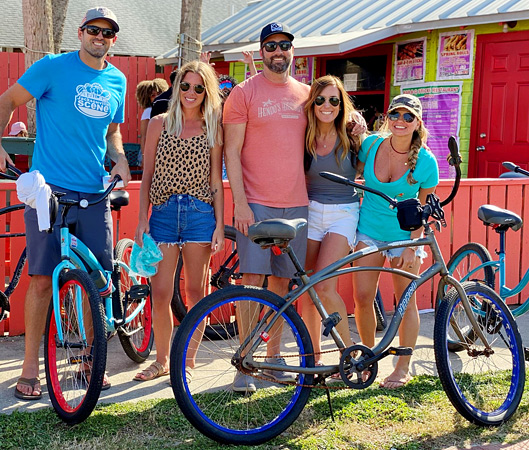
Group of riders with Mango Longboard FT3 fat-tire beach cruiser at a coastal gathering

Mango LongBoard 8-Speed Cruiser — Sale $699

Want more control on climbs or varying terrain? The 8-speed model includes internal Nexus gearing, a lightweight aluminum frame, V-brakes for better stopping power, and color-matched details that elevate both performance and style. It brings premium versatility to the traditional coaster-brake cruiser.

These premium cruisers upgrade your ride with additional gears, better traction, and improved control—making them a long-term investment for frequent riders who ride beyond flat beachfronts.

Comparing Budget vs Premium Cruisers

So how do the two categories compare? It comes down to three main areas:

Frame Materials: Budget cruisers typically use steel, which is strong but heavy. Premium models often upgrade to aluminum or alloy frames, reducing weight and improving handling.

Seat Comfort: While all cruisers come with wide saddles, premium bikes often use higher-quality padding or ergonomic designs, making long rides more enjoyable.

Design Details: Affordable models stick to simplicity, with single-speed drivetrains and coaster brakes. Premium options add gears, suspension, and even electric motors, offering riders more flexibility and refinement.

The Real Value of Beach Cruiser Prices

The truth is, you don’t need to spend top dollar to enjoy a cruiser. If your goal is short, casual rides around the neighborhood or along the beach, budget models will serve you well. They’re easy to ride, require little maintenance, and capture the cruiser’s classic aesthetic.

But if you see yourself using your cruiser more frequently, tackling varied terrain, or wanting a bike that adapts to longer rides, premium options offer clear advantages. These bikes provide a smoother, more versatile experience, making them a better long-term investment.

Conclusion

When comparing beach cruiser prices, the choice isn’t just about dollars—it’s about the kind of riding you envision. Budget models give you simple style and functionality, perfect for casual riders. Premium cruisers, on the other hand, add comfort, technology, and versatility, appealing to riders who see cycling as a lifestyle.

Both categories deliver what beach cruisers are known for: laid-back fun and timeless style. It’s just a matter of whether you want the basics or the extras.

Ready to roll into comfort and style? Explore the full lineup of affordable and premium beach cruisers at Bikesdirect today. Whether you’re drawn to a simple single-speed model for relaxed rides or a feature-packed premium cruiser with modern upgrades, the perfect bike is waiting for you. Don’t let another sunny day pass without a ride—shop now and find your cruiser at a price that fits your lifestyle.

The Benefits of Disc Brakes Over Rim Brakes for Every Rider

Picture this: you’re descending a winding mountain road, the air rushing past as your speed builds. Suddenly, a sharp turn appears. You squeeze your brakes, and in that split second, the difference between disc brakes and rim brakes becomes clear.

One delivers precise, confident stopping power regardless of the weather or terrain, while the other can leave you second-guessing. This moment of truth is why disc brakes are no longer reserved for professional cyclists—they are fast becoming the standard across modern road bikes, gravel bikes, mountainbikes, fat bikes, hybrid bikes, and even stylish beach cruisers.

In this article, we’ll explore why disc brakes are transforming cycling, what makes them superior to rim brakes in performance and reliability, and how they are shaping the future of Bikesdirect’s lineup.

A Quick Look at How Brakes Work

For decades, rim brakes ruled the cycling world. Simple and lightweight, they apply friction directly to the wheel’s rim to slow down the bike. For everyday use, rim brakes did the job, which is why they dominated road bikes and commuter bikes for years.

Disc brakes, however, take their cue from the motorcycle industry. Instead of relying on the rim, a disc rotor is mounted to the hub, and calipers clamp onto it to create braking force. This design moves the braking surface away from road grime, water, and mud, which immediately improves consistency and reliability.

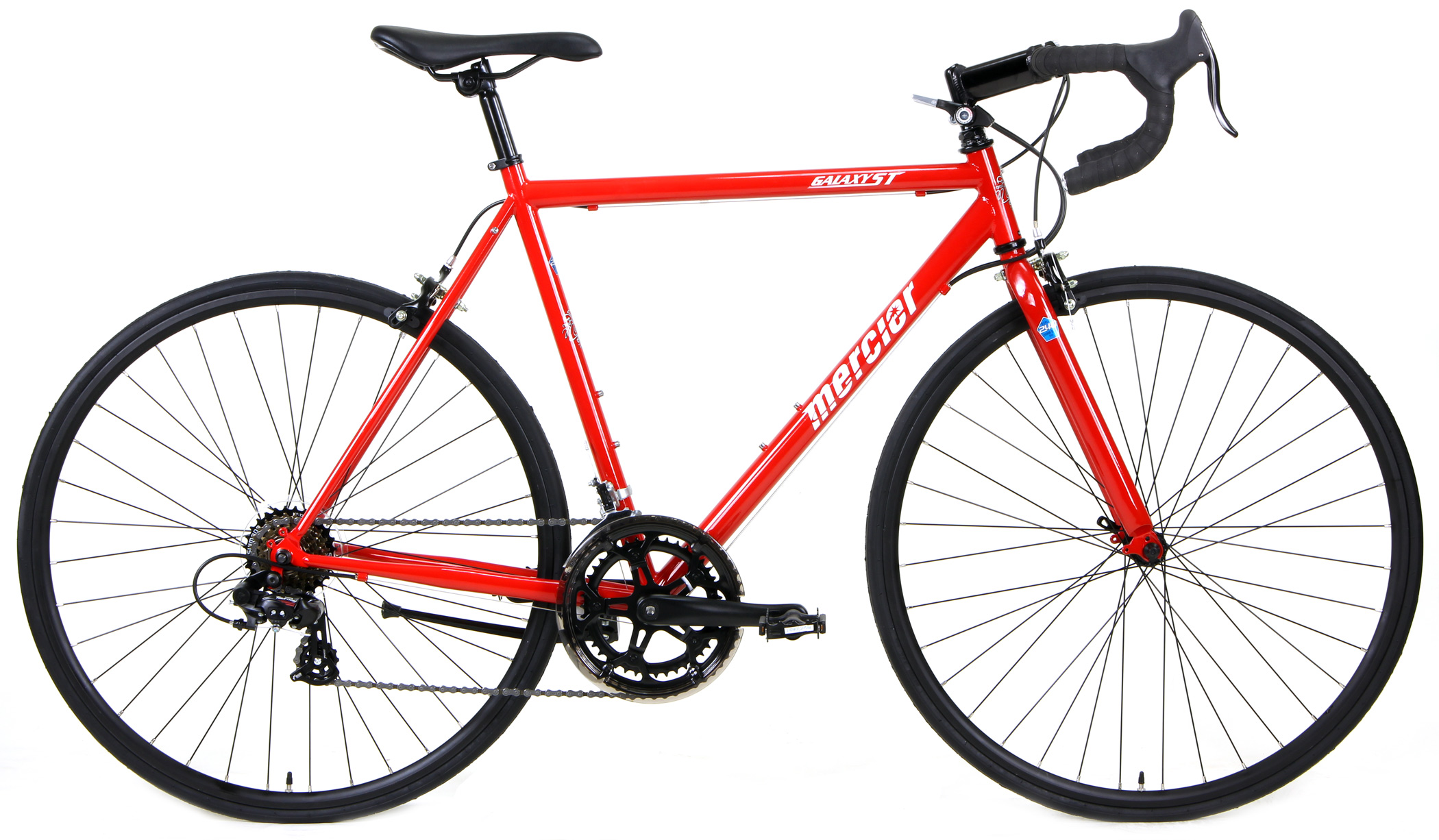
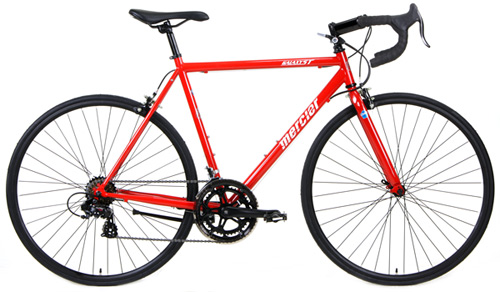
Mercier road bike in red with a lightweight frame and rim brake setup

Why Disc Brakes Offer Superior Stopping Power

The biggest advantage of disc brakes is stopping power. Riders who switch often remark on how much more control they feel, especially at higher speeds or in wet conditions. Whether you’re descending an alpine pass on a road bike or navigating loose gravel trails, disc brakes allow you to stop faster and with less force at the lever.

This added power is especially noticeable for riders who carry extra weight, such as commuters with panniers or adventurers loading up a gravel bike for bikepacking. With rim brakes, heavy loads can strain braking performance, while disc brakes maintain consistent stopping efficiency.

All-Weather Performance: Rain, Mud, and Beyond

If you’ve ever tried to brake in the rain with rim brakes, you know the unnerving delay before the pads bite into the wet rim. That lag can feel like an eternity. Disc brakes eliminate this issue because the braking surface is higher up, away from splashes, and designed to clear water quickly.

On a mountain bike or fat bike, this difference is even more important. Mud, snow, and grit wreak havoc on rims, but discs keep working regardless of what the trail throws at you. That’s why riders in diverse climates—from snowy Minnesota winters to sandy Florida trails—see disc brakes as a must-have, not a luxury.

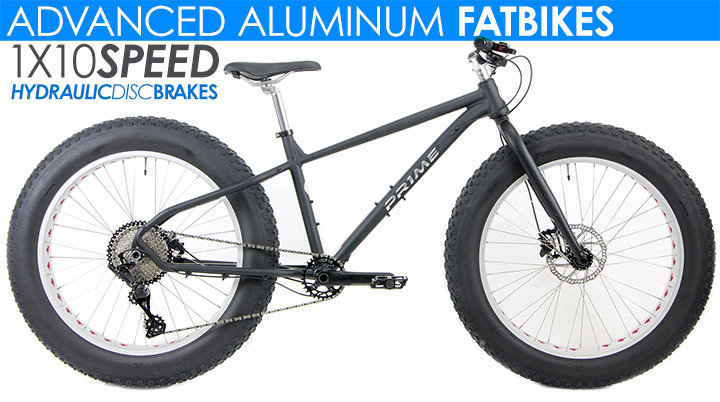
Prime aluminum fat bike with hydraulic disc brakes and wide tires

Control and Modulation: It’s Not Just About Power

Braking isn’t only about raw stopping force—it’s also about control. Rim brakes tend to feel more “all or nothing,” while disc brakes excel in modulation. This means you can feather your brakes to apply just the right amount of force, whether you’re slowing gradually or making an emergency stop.

Cyclists on gravel bikes especially appreciate this finesse. Loose gravel demands subtle braking inputs, and discs provide the fine-tuned control needed to stay upright. Similarly, on technical descents, mountain bike riders can modulate speed without locking up the wheels, leading to smoother and safer rides.

Maintenance: Rim Wear vs Rotor Longevity

One often overlooked advantage of disc brakes is how they protect your wheels. With rim brakes, every stop slowly wears down the rim’s braking surface. Over time, this can lead to costly wheel replacements. Disc brakes, on the other hand, use replaceable rotors. Not only are these cheaper to replace than rims, but they also last longer when maintained properly.

For the everyday rider on a hybrid bike or beach cruiser, this translates to fewer long-term expenses and more reliable performance. And for competitive cyclists, it means preserving expensive carbon rims from unnecessary wear.

Weight and Cost: Are Rim Brakes Still Relevant?

Of course, rim brakes still have their place. They’re lighter, cheaper, and simpler to maintain, which appeals to certain riders. If you’re racing in dry conditions on a lightweight road bike, rim brakes can shave precious grams and still perform adequately.

However, the industry trend is clear: disc brakes are now standard on almost all high-end road bikes, gravel bikes, and mountain bikes. Even fat bikes and hybrid bikes are increasingly disc-equipped. The slight weight penalty and extra cost are more than offset by the safety, performance, and durability benefits.

Disc Brakes Across Bike Categories

At Bikesdirect, the shift toward disc brakes is evident in nearly every category.

  • On road bikes, disc brakes provide the confidence to descend at speed and stop reliably in unpredictable city traffic.
  • On gravel bikes, they’re essential for managing variable terrain and long-distance endurance rides.
  • On mountain bikes, discs are the gold standard for tackling steep, technical trails.
  • On fat bikes, they handle snow, sand, and mud with ease.
  • Even hybrid bikes and beach cruisers are adopting disc setups, offering casual riders and commuters the same safety and control once reserved for elite athletes.

This universal adoption underscores one point: disc brakes are no longer just an upgrade—they’re the expectation.

Conclusion: Why Disc Brakes Make Sense for Every Rider

At the end of the day, cycling is about freedom, and that freedom feels best when it’s paired with safety and control. Disc brakes deliver both. They make steep descents less intimidating, wet commutes more predictable, and off-road exploration more exciting. While rim brakes still have a niche, the overwhelming trend in performance, reliability, and long-term value makes disc brakes the smarter choice for most riders.

If you’re ready to experience the difference, explore the growing lineup of disc-equipped road bikes, gravel bikes, mountain bikes, fat bikes, hybrid bikes, and even beach cruisers at Bikesdirect. The ride ahead will feel smoother, safer, and far more rewarding.

Now is the time to upgrade your ride. Don’t settle for outdated braking systems that limit your control and confidence. At Bikesdirect, you’ll find incredible deals on disc-equipped road bikes, gravel bikes, mountain bikes, fat bikes, hybrid bikes, and beach cruiser designed to perform in every condition. Explore the options, compare models, and see how much better your ride can be when you choose the braking technology that’s shaping the future of cycling.

Essential Bikes Maintenance Tips to Keep Your Ride in Top Shape

Keep your bicycle performing smoothly with these essential care tips from BikesDirect.com. Learn how regular cleaning, proper drivetrain lubrication, timely brake checks, and wheel inspections can extend your bike’s life and ensure safe, efficient rides. Maintain every detail from bolts to cables, for the best cycling experience every time you hit the road or trail.

Essential Bikes Maintenance Tips to Keep Your Ride in Top Shape

Why Tire Width Matters More Than You Think

If you’ve been riding for a while, you’ve probably noticed that not all bike tires look the same. Some are sleek and narrow, built for speed, while others are wide and rugged, designed for grip and stability. Yet many riders don’t give much thought to tire size when buying or upgrading their bikes. That’s a mistake, because bike tire width plays a bigger role in your cycling experience than almost any other feature.

The right width can transform the way you ride. It can make long road miles more comfortable, help you climb with confidence, or give you the grip you need when the pavement ends and the gravel begins. Whether you’re commuting to work, training for your first century, or exploring trails on the weekend, understanding tire width is the key to unlocking better performance and more enjoyment.

At BikesDirect, we’ve seen riders make dramatic leaps in both comfort and capability simply by switching to a bike with tires better suited to their goals. Sometimes that means moving from a general fitness setup to a dedicated Road Bike with slightly narrower tires, while other times it means stepping into the world of wider, all-terrain options. No matter where you ride, tire width shapes the experience—and it’s time to give it the attention it deserves.

Understanding Bike Tire Width Basics

So, what do we actually mean when we talk about tire width? Simply put, it’s the measurement of how wide the tire is from side to side. On road bikes, width is usually measured in millimeters, with common sizes ranging from 23mm to 40mm. On mountain bikes and fat bikes, it’s measured in inches, with widths starting around two inches and climbing to a massive five inches on certain models. That number may seem like a small detail, but it changes how the bike feels under you in very big ways.

A narrower tire, like those found on many entry-level road setups, has less surface area touching the ground. This reduces rolling resistance, which makes the bike feel fast and efficient on smooth pavement. The downside is that narrow tires can be less forgiving on bumps, potholes, or rough surfaces. They transmit more vibration to the rider, which is why some beginners struggle with comfort during longer rides.

On the other end of the spectrum, wider tires provide a larger contact patch with the road or trail. This translates into greater grip, improved stability, and a much smoother ride. Lower air pressures can be used in wider tires without risking pinch flats, which helps absorb shocks from uneven terrain. For casual riders, commuters, or those who enjoy exploring beyond the pavement, this added comfort and control can be a game-changer.

Different bike types naturally lend themselves to certain tire widths. A Mountain Bike will almost always have wide tires to handle rocks, roots, and dirt with confidence. A Hybrid Bike often strikes a balance, offering a width that’s comfortable enough for city streets but versatile enough for a park trail. Road bikes typically lean toward narrower widths, though modern designs are increasingly embracing slightly wider tires because they offer more comfort without sacrificing much speed.

It’s also worth mentioning how tire width interacts with air pressure. Narrow tires generally need higher pressure to roll smoothly and avoid flats, while wider tires operate best at lower pressures, which helps soak up bumps. This simple difference is why two riders on different setups can feel like they’re having completely different experiences on the same stretch of road.

For beginners, tire width often feels like an afterthought, but as you develop as a cyclist, you’ll realize how much it shapes your riding. A small change of just a few millimeters can make your bike feel more responsive, more comfortable, or more capable, depending on your needs. Understanding these basics is the foundation for choosing the right width—and for making sure your equipment supports your cycling goals, not limits them.

Comfort vs. Speed – Striking the Balance

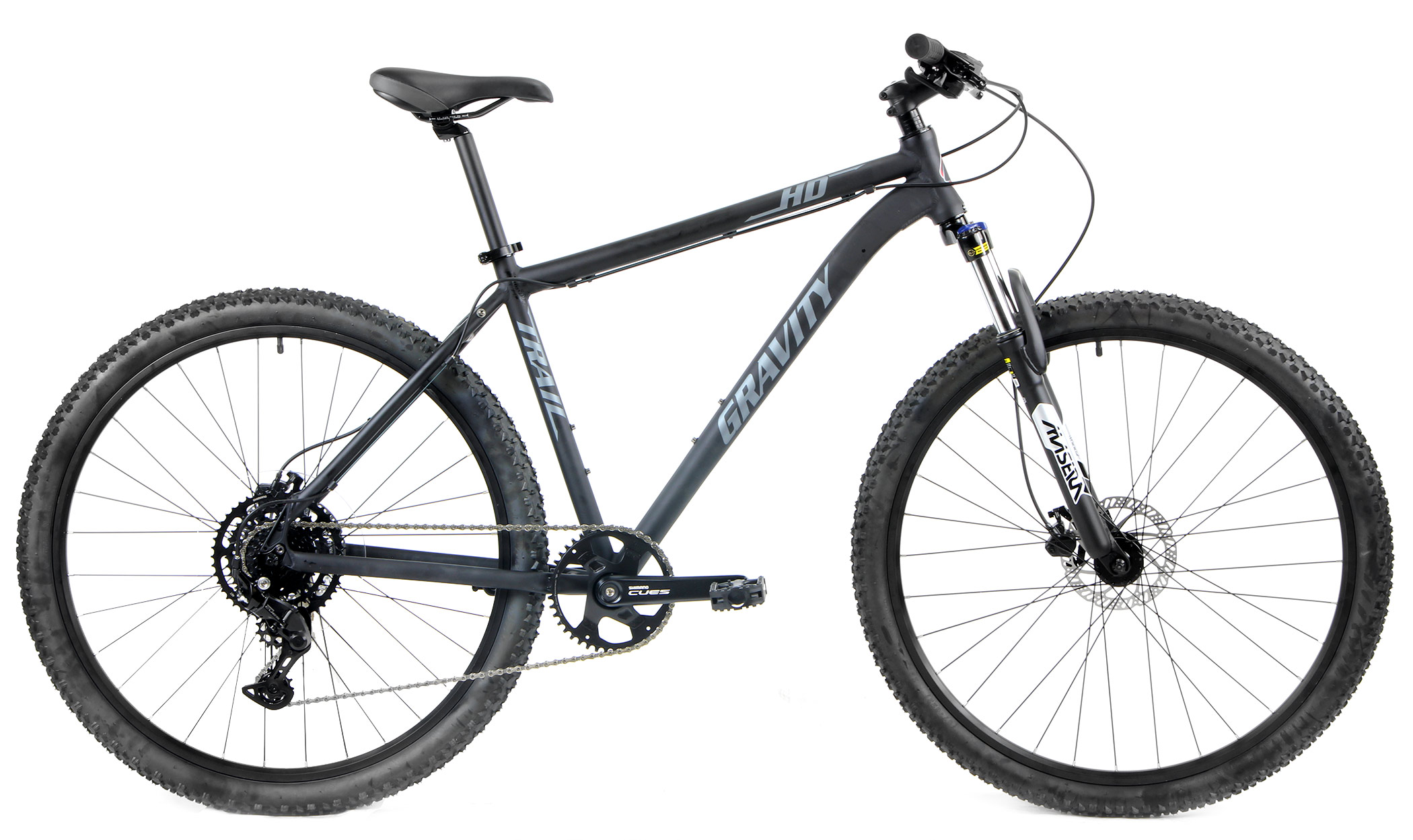
Gravity HD29 1BY Front Suspension Mountain Bike product image

Cyclists often fall into the trap of thinking that narrower is always faster. For years, road racing culture promoted the 23mm tire as the gold standard, promising maximum speed and efficiency. While it’s true that narrower tires can feel fast, the story isn’t quite that simple. Comfort, stability, and endurance all play crucial roles in performance—and that’s where wider tires start to shine.

Narrow tires reduce rolling resistance because there’s less rubber touching the ground. On smooth, well-paved roads, this can make you feel like you’re gliding effortlessly, a sensation many riders love. But the tradeoff comes when the surface isn’t perfect. Every crack, pothole, or rough patch sends more vibration through the frame and into your body. Over an hour, that might not matter much. Over three or four hours, the fatigue can set in, draining energy you’d rather save for the final miles.

Wider tires, in contrast, spread the load over more surface area. This extra contact not only adds stability but also absorbs road imperfections more effectively. By running slightly lower pressures, riders can float over rough pavement or gravel instead of feeling every bump. For many cyclists, especially those moving from beginner to intermediate levels, this added comfort doesn’t just feel better—it allows them to ride longer and more confidently.

This is why we’re seeing a shift even in traditional road cycling. Many modern Road Bikes now accommodate 28mm or even 32mm tires, acknowledging that real-world conditions demand more than just raw speed. The surprising truth is that wider tires don’t necessarily slow you down. In fact, with the right setup, they can roll just as quickly while making you feel fresher at the end of your ride. Comfort, as it turns out, is often the secret ingredient to true performance.

The balance between comfort and speed is personal. Riders chasing every second on smooth tarmac might still prefer narrower setups, while those who prioritize endurance or varied terrain will find wider tires a revelation. The beauty of cycling today is that you don’t have to choose one extreme or the other—you can tailor your tire width to the type of riding you love most.

Terrain Matters More Than You Think

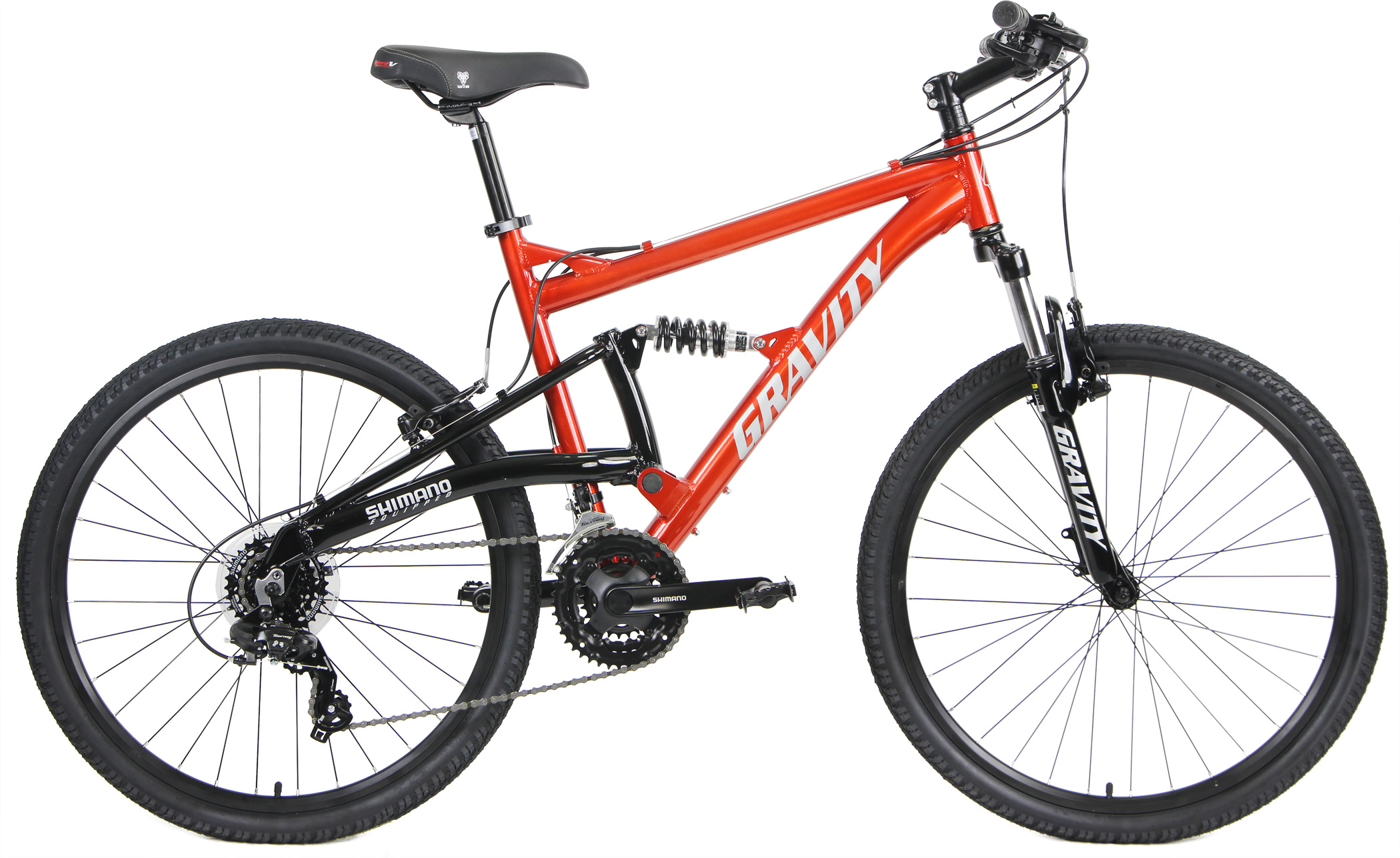
Gravity FSX V Full Suspension Mountain Bike product image

If comfort and speed are one side of the tire width equation, terrain is the other. Where you ride has as much influence on the ideal tire width as how you ride. Smooth city streets, gravel backroads, forest trails, or sandy beaches each place different demands on your tires. Choosing wisely can be the difference between feeling in control and feeling out of your depth.

On pavement, narrower widths make sense. They minimize friction and deliver a responsive feel, which is why road cyclists traditionally lean that way. But once the pavement ends, those same narrow tires quickly reveal their limits. Loose gravel, dirt, and uneven surfaces demand more grip, and that’s where wider options prove their worth. A Gravel Bike running 35–40mm tires gives riders the ability to move seamlessly from smooth tarmac to rough backroads, offering stability and control without sacrificing too much efficiency. For cyclists who enjoy variety or aren’t confined to perfect roads, gravel bikes have become one of the most exciting categories in recent years precisely because of their versatile tire widths.

Take things further off-road, and the value of wide tires becomes undeniable. A Mountain Bike relies on large-volume tires not just for traction but also for shock absorption. Roots, rocks, and steep descents would be nearly unmanageable without that extra rubber on the ground. Here, tire width is less about efficiency and more about safety and control. The grip that wider tires provide is what allows you to push into technical terrain without fear of losing traction or balance.

Then there are the extreme cases: sand and snow. Anyone who’s tried to ride a narrow tire through soft ground knows how frustrating it is to sink, slide, or spin out. That’s where Fat Bikes come in. With tires measuring four to five inches wide, these bikes almost float over terrain that would stop others in their tracks. While fat bikes aren’t built for speed, they make riding possible—and fun—in environments where it would otherwise be impossible.

At the other end of the spectrum, relaxed cruising on boardwalks or coastal paths has its own demands. Beach Cruisers typically feature wide, cushioned tires designed for comfort and stability. They aren’t meant to win races, but they deliver a smooth, effortless experience that matches the laid-back spirit of casual riding. The tire width here is about ease and relaxation, not performance, and that’s exactly the point.

Even for everyday city riding, tire width matters more than many commuters realize. A Hybrid Bike with medium-width tires offers the ideal compromise—efficient enough to keep your commute quick, but wide enough to handle rough patches, potholes, and park shortcuts. These tires give you confidence that you can handle whatever the city throws at you without feeling like you’re riding a fragile racing machine.

When you look at cycling this way, it becomes clear that tire width isn’t just a number on the sidewall. It’s a reflection of where you want to go and how you want to feel when you get there. Narrow, wide, or somewhere in between, the right choice depends on your terrain. Matching your tire width to your environment is one of the simplest yet most effective ways to elevate your riding experience.

How Tire Width Impacts Performance

Performance on the bike is about more than raw power. The connection between your tires and the ground is what translates your effort into speed, stability, and control. That’s why tire width plays such a decisive role.

Narrow tires, inflated to higher pressures, create less rolling resistance on smooth pavement. This makes them feel quick and responsive, which is why road racers often favor them. But rolling resistance is only one part of the story. Wider tires, especially when run at lower pressures, can actually perform just as well—or better—in many real-world conditions. By absorbing bumps and vibrations, they help you maintain momentum instead of losing energy every time the surface gets rough. Modern studies and rider experiences increasingly show that wider doesn’t always mean slower. In fact, for many riders, it means faster, because they can sustain speed longer without fatigue.

Grip is another critical factor. Wider tires put more rubber on the ground, giving you confidence in corners, descents, and sudden stops. They also provide a sense of security that narrower tires sometimes lack, particularly for newer riders or those venturing onto unpredictable terrain. The ability to handle confidently, rather than nervously, is itself a form of performance.

In short, tire width impacts speed, efficiency, comfort, and control in ways that go far beyond the surface-level assumption that “narrow is fast, wide is slow.” Performance is about the whole picture, and tire width is central to it.

Choosing the Right Tire Width for Your Riding Style

So how do you choose the best tire width? It starts with being honest about how and where you ride. A cyclist training for weekend centuries on smooth country roads will need something very different from a rider whose daily miles involve city streets, trails, or even sandy paths.

If your goals are speed and efficiency, a Road Bike with tires between 25mm and 30mm is often the sweet spot. They roll quickly on tarmac but now provide more comfort than the ultra-narrow tires of the past.

For riders who split their time between pavement and dirt, a Gravel Bike is the most adaptable option. With tires in the 35–45mm range, they offer stability across surfaces while still moving at a respectable pace on the road.

If your cycling takes you onto trails, roots, and technical terrain, a Mountain Bike with wide, knobby tires is essential. The extra grip and cushioning let you handle terrain that would stop a narrower setup in its tracks.

For urban commuters and fitness riders, a Hybrid Bike strikes the right balance. The tires are wide enough to smooth out rough patches but not so wide that they feel sluggish. They’re perfect for riders who want a practical, versatile option that’s efficient in the city yet comfortable over longer distances.

And for those who ride in sand, snow, or other extreme conditions, Fat Bikes are unbeatable. With tires four inches wide or more, they make the impossible possible, delivering stability and grip where other bikes simply cannot.

The right tire width isn’t about chasing trends or copying what others ride. It’s about aligning your equipment with your riding style, your environment, and your goals.

Common Myths About Bike Tire Width

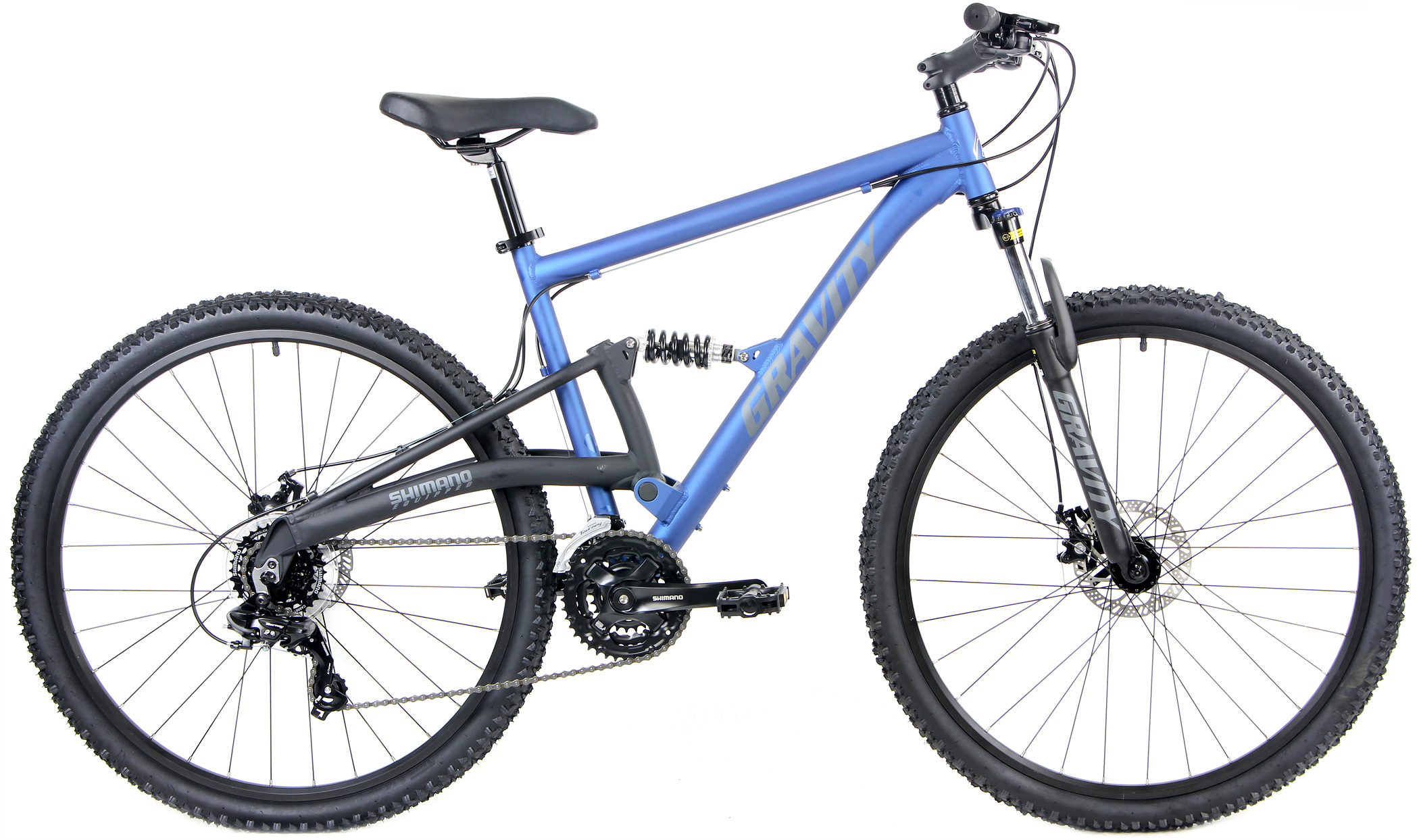
Gravity FSX 29LTDX 29er Mountain Bike product image

For years, a few persistent myths have shaped how riders think about tire width. The first is the belief that narrow tires are always faster. As research and experience now show, that simply isn’t true. Wider tires, properly inflated, often roll just as efficiently, while offering far more comfort.

Another myth is that wider tires don’t belong in competitive cycling. Yet even professional racers are increasingly turning to 28mm or 30mm widths, recognizing that comfort and control lead to better performance across long, grueling events. What was once considered unconventional is quickly becoming standard.

Finally, many assume that comfort automatically comes at the expense of speed. The reality is that comfort and performance often go hand in hand. A rider who feels good on the bike is a rider who can stay out longer, push harder, and perform better. Tire width is one of the easiest adjustments you can make to improve that balance.

Conclusion – Upgrading Your Ride with the Right Tires

The more you learn about cycling, the clearer it becomes that small details can have a big impact. Among those details, bike tire width is one of the most influential. It shapes how fast you feel, how confident you ride, and how long you can stay in the saddle. Choosing the right width for your terrain and riding style isn’t just a technical adjustment—it’s a step toward unlocking your full potential as a cyclist.

At BikesDirect, we believe every rider deserves equipment that makes their journey better. That’s why we offer a wide selection of bikes designed with the right tires for every situation. Whether you’re chasing speed on a Road Bike, exploring new paths on a Gravel Bike, building strength and skill on a Mountain Bike, cruising comfortably on a Beach Cruiser, or tackling extreme terrain on a Fat Bike, we make it easy to find the right fit.

And because we sell direct, you can upgrade without breaking the bank. By cutting out the middleman, we help cyclists save up to 60% off typical retail prices while still delivering high-quality bikes built to perform. That means you can focus on what really matters: enjoying your rides and progressing with confidence.

Tire width might seem like a small detail, but it’s one of the most powerful ways to improve your experience. At BikesDirect, we’re here to help you make those upgrades and enjoy every mile to the fullest.

Electric Bike Trends and Why More Riders Are Making the Switch

The first time you see someone effortlessly glide past you on a hill, barely breaking a sweat, there is a good chance they are riding an electric bike. At first, it feels like cheating—after all, isn’t cycling supposed to be about grit and power? But then you try one, and suddenly the game changes. You are still pedaling, still getting a workout, but with a boost that turns daunting climbs into joyful spins and long commutes into manageable rides.

That is the magic of e-bikes. They are not replacing traditional bikes; they are opening doors for more people to ride farther, longer, and with greater ease. Today, electric bikes are one of the fastest-growing segments in cycling, reshaping what it means to get around on two wheels.

Why Electric Bikes Are Exploding in Popularity

The rise of e-bikes is no accident. As cities become busier, fuel prices climb, and people look for greener ways to commute, riders are discovering that e-bikes solve multiple problems at once. They make cycling accessible to those who might be intimidated by distance or steep terrain. They help daily commuters arrive without being drenched in sweat. And they empower older riders or those with injuries to continue enjoying the freedom of cycling.

What sets electric bikes apart is that they keep the spirit of cycling intact. Unlike scooters or motorcycles, e-bikes still rely on pedaling—you just get an extra push when you need it. This unique balance of human power and electric assistance makes them versatile across different categories, from city commutes to rugged mountain trails.

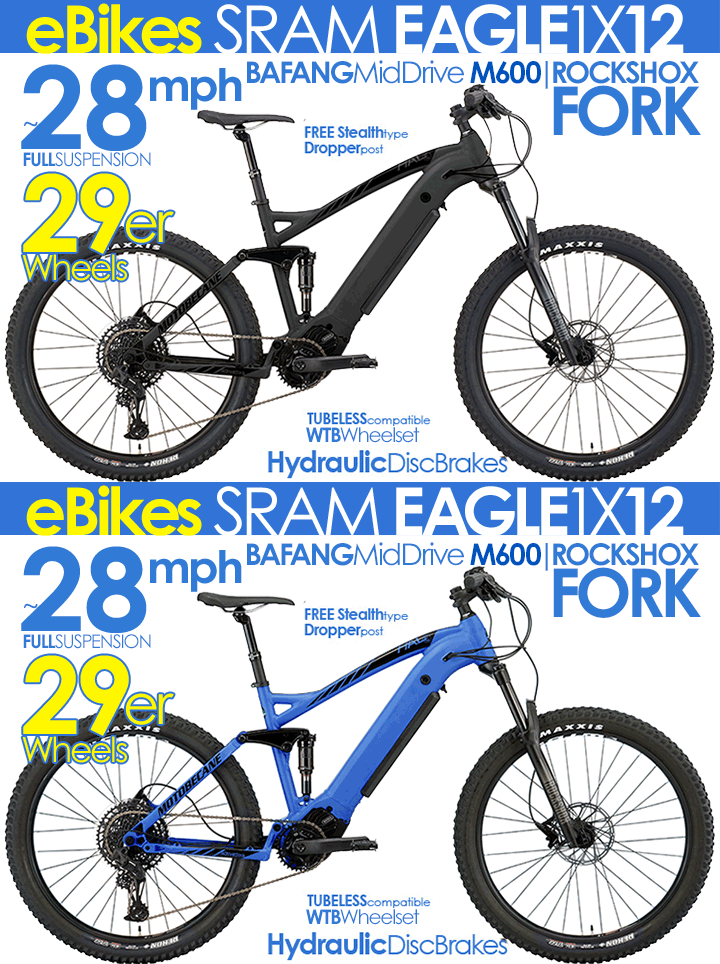
Motobecane HAL eBoost M600 full suspension electric mountain bike with SRAM Eagle 1x12 drivetrain and 29-inch wheels

How Electric Assistance Works

At their core, e-bikes combine a motor, battery, and pedal-assist system. When you pedal, sensors detect your effort and add a smooth boost of power. This can be subtle—just enough to flatten a hill—or powerful enough to make a long ride feel effortless.

Battery life continues to improve, with many models offering ranges of 40–80 miles on a single charge, depending on terrain and assistance levels. That is more than enough for most commuters, fitness riders, and weekend adventurers. And because the motor only activates when you pedal, you always feel connected to the ride rather than detached from it.

Electric Bikes Across Different Categories

Not all e-bikes are built the same. Just as traditional bikes are tailored to specific uses, e-bikes come in variations that cater to different riding styles.

A hybrid bike with electric assist is ideal for city commuters who want upright comfort and practical features like racks and fenders. A gravel bike with electric power gives adventure seekers the ability to push into longer, more rugged routes without fear of burning out too soon.

On the performance side, an electric road bike keeps you in the fast lane with an aerodynamic design while making long distances more manageable. Riders who crave off-road thrills can turn to an electric mountain bike, which combines suspension with motor assistance to tackle steep climbs and technical descents.

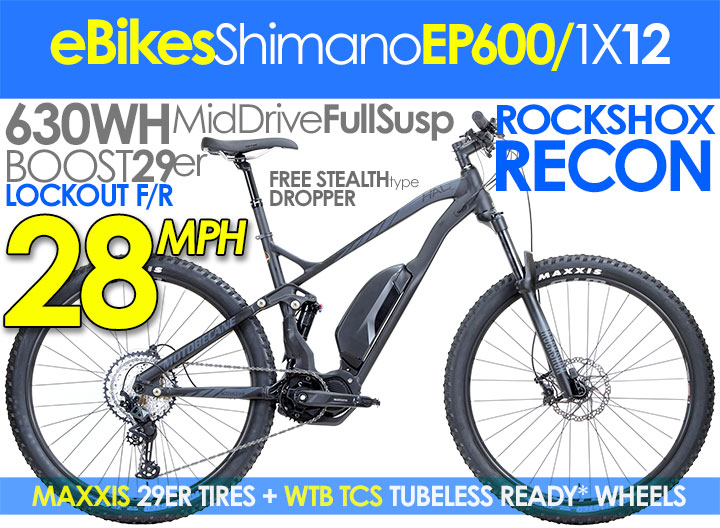
Motobecane HAL eBoost Elite Class 3 electric mountain bike with Shimano EP600 motor and Maxxis 29er tires

Even niche categories are going electric. There are fat bikes with motors to help riders power through snow and sand, as well as beach cruisers that blend style with effortless pedaling along coastal boardwalks. The variety means there is now an e-bike for nearly every rider, regardless of preference or terrain.

The Benefits That Keep Riders Coming Back

Once people try e-bikes, they rarely look back. The benefits go beyond simply riding faster.

First, they expand accessibility. A rider who might have avoided long commutes due to fatigue suddenly finds them enjoyable. Families can plan longer weekend rides knowing everyone can keep up. Older cyclists often describe e-bikes as giving them a “second life” on two wheels.

Second, they save time and money. Commuters can skip traffic, reduce parking costs, and arrive at work without needing a full wardrobe change. In many cities, e-bikes are proving faster than cars during rush hour.

Third, they encourage fitness. Contrary to the myth that e-bikes eliminate exercise, research shows that e-bike riders often cycle more frequently than traditional riders because the assistance removes barriers that might discourage them.

Features to Look for in Electric Bikes

As with any bike purchase, the details matter. Motors come in different wattages, influencing how much power they can provide. Batteries vary in capacity, affecting range. Integrated displays and smart controls allow riders to monitor speed, battery life, and assist levels.

Frame material also plays a role. Aluminum remains common for its balance of weight and cost, while carbon fiber options push the high-performance end of the spectrum. Suspension systems differ by category—an electric mountain bike may have full suspension for off-road control, while an electric road bike emphasizes stiffness and efficiency.

The good news is that e-bike technology is maturing rapidly, which means reliable options are available at increasingly affordable price points.

Trends Shaping the Future of E-Bikes

The e-bike boom shows no sign of slowing down. Several trends are shaping their future:

Integration is becoming seamless, with motors and batteries blending into frames so that many e-bikes are indistinguishable from traditional bikes at first glance. Range continues to improve, making all-day adventures more practical. Urban planners are investing in cycling infrastructure, which further encourages adoption.

There is also growing crossover appeal. Riders who once swore by their traditional road bikes or gravel bikes are now adding an e-bike to their collection as a complement rather than a replacement. It is no longer an either/or choice—it is about choosing the right tool for the right ride.

Top Electric Models at BikesDirect

At BikesDirect, the selection of electric bikes reflects these trends and caters to every kind of rider. From sleek commuter hybrids equipped with fenders and racks to rugged electric mountain bikes built for adventure, the lineup is designed to make e-bikes accessible without the premium markup often seen elsewhere.

Whether you are looking for a fitness-focused hybrid, a long-range gravel explorer, or a fat-tire model for year-round versatility, there is an e-bike that matches your lifestyle. The variety ensures that you can find an option that fits both your riding style and your budget.

Explore our collection today.

How to Choose the Right Bike Size for Maximum Comfort and Performance

You have finally decided to buy that new bike. You have scrolled through countless models, compared prices, and even envisioned your first ride. But then comes the most important question—what size should you get? Choosing the right size bike is not just about looking good on the saddle. A properly fitted bike determines whether your rides will be smooth and exhilarating or plagued by discomfort, fatigue, and even injury. This bike size guide will help you find the perfect fit so you can ride longer, faster, and with greater confidence.

Why Bike Size Matters More Than You Think

Many riders underestimate the importance of fit. They assume that adjusting the seat height or swapping out handlebars will solve any size issue. While adjustments help fine-tune, starting with the wrong frame size sets you up for ongoing frustration.

An ill-fitting bike can cause knee strain, lower back pain, and numb hands. More importantly, it saps efficiency—you will waste precious energy fighting against an awkward position. On the other hand, when your bike is sized correctly, every pedal stroke feels natural, your posture stays balanced, and you maintain control even on long rides. Whether you are commuting on a hybrid bike, tackling trails on a mountain bike, or cruising along the coast on a beach cruiser, the right fit changes everything.

Measuring Yourself Before Measuring the Bike

Before diving into bike charts and specifications, start with yourself. The key measurement most riders rely on is inseam length—the distance from your inner thigh to the ground. This number gives you a baseline for standover height, or how much clearance you should have between the top tube of the bike and your body when standing flat-footed.

Torso and arm length also matter. They determine your reach to the handlebars and influence whether your riding position feels stretched out or cramped. Riders with longer torsos often benefit from slightly larger frames, while shorter torsos may need compact geometry for comfort.

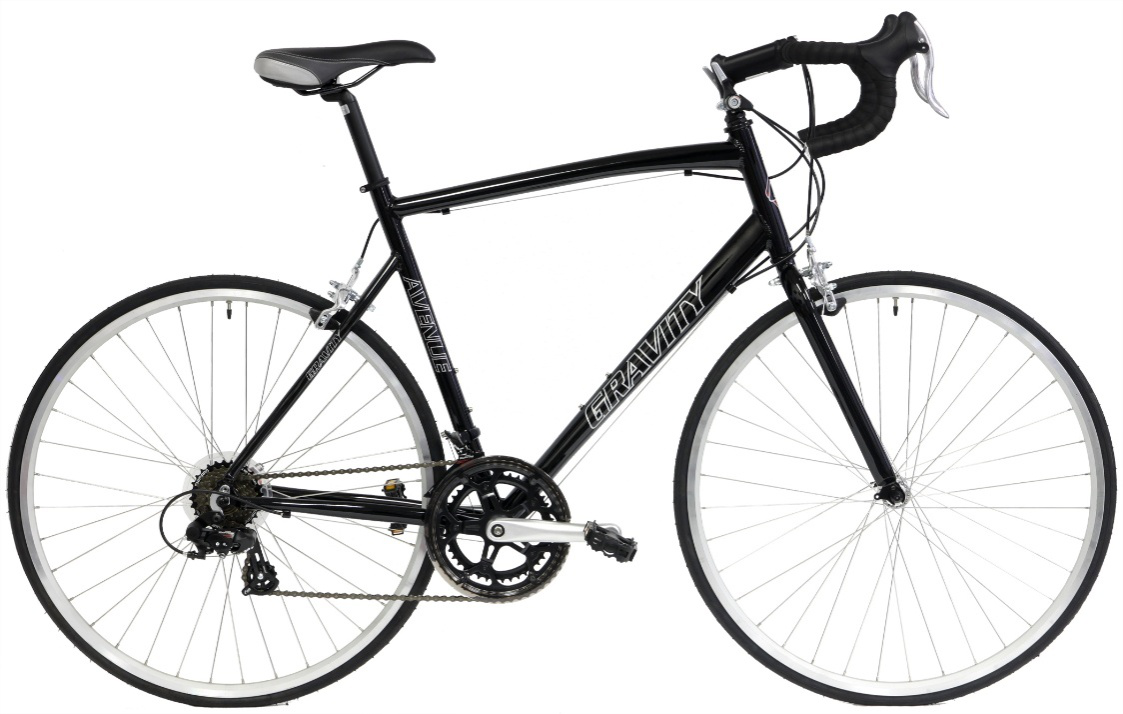
Gravity Avenue A road bike in white with a compact frame and road-ready design

Understanding Frame Size and Geometry

When browsing BikesDirect, you will notice that most models are listed with frame sizes in centimeters or inches. These numbers usually refer to the length of the seat tube. For example, a road bike might be listed as a 54 cm frame, while a mountain bike might come in 17-inch sizing.

However, seat tube length is only one part of the equation. Modern bikes also highlight “effective top tube length” and “reach,” both of which describe how far you must extend to hold the handlebars. These measurements can dramatically influence comfort and control. That is why two bikes with the same frame size may feel completely different depending on their geometry.

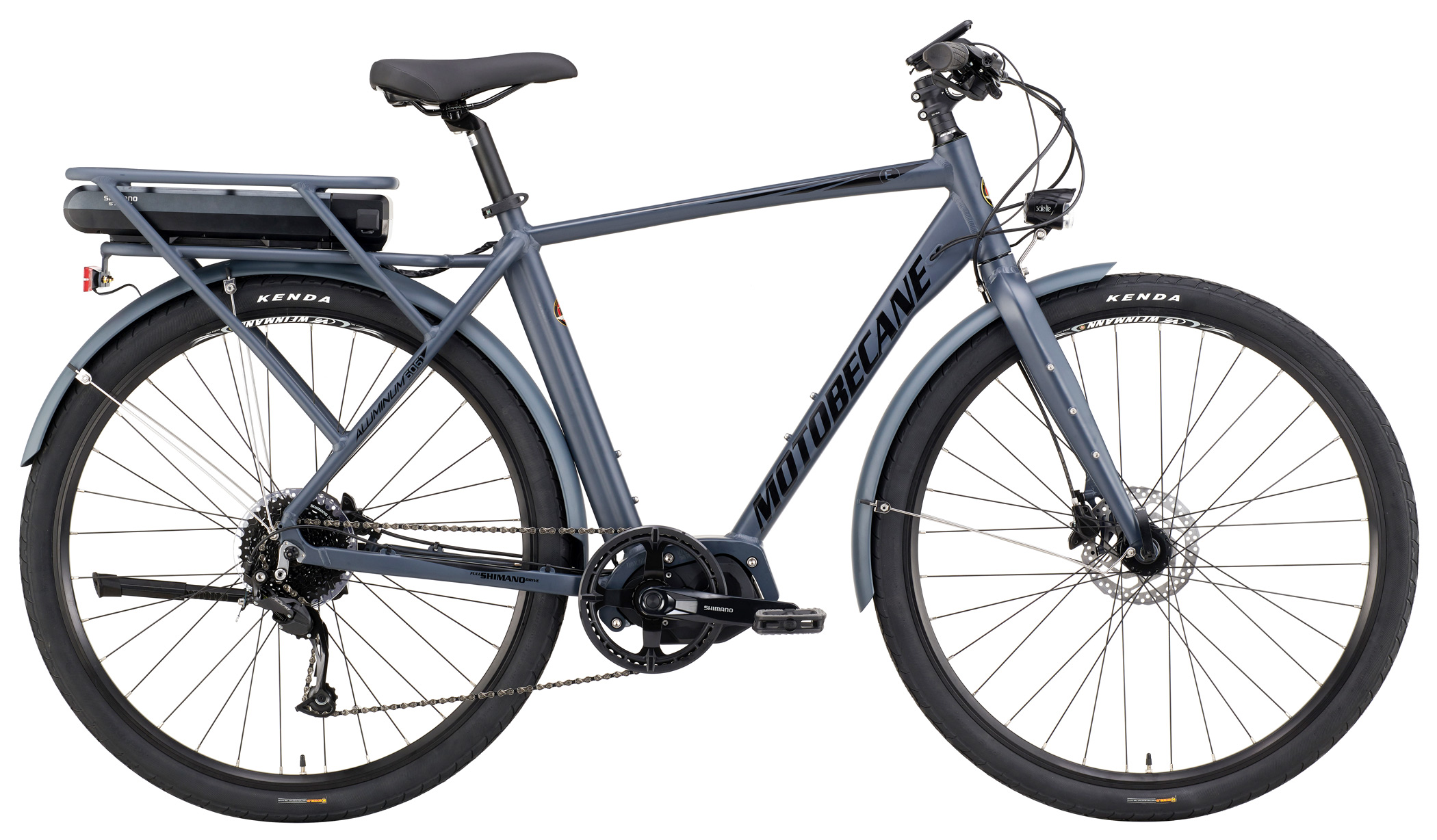
Motobecane Elite eSport hybrid e-bike with flat handlebars and integrated rear rack

Road Bikes and Hybrid Bikes: Finding Efficiency and Comfort

If you are considering a road bike, sizing leans toward efficiency and aerodynamics. Riders often choose slightly smaller frames to achieve a lower, more aggressive position that reduces wind resistance. Still, comfort should not be sacrificed. A properly sized road bike allows you to ride in the drops for speed while staying relaxed in the hoods for longer distances.

For a hybrid bike, the emphasis shifts to comfort. Hybrids are designed for city streets, light trails, and everyday rides, so upright geometry is key. Here, choosing a frame that allows a natural posture with minimal forward lean is essential. A correct hybrid fit will keep your back straight and wrists relaxed without losing pedaling efficiency.

Gravel Bikes: Balancing Adventure and Endurance

A gravel bike falls between road and mountain geometry. Because gravel rides can stretch for hours across uneven surfaces, fit plays a major role in endurance. Too small a frame and you will feel cramped; too large and your control diminishes on tricky descents. Gravel riders often choose a size that balances efficient pedaling with enough comfort for all-day adventures.

Mountain Bikes and Fat Bikes: Control Comes First

Sizing a mountain bike focuses on control. Off-road trails demand quick handling, stability on descents, and power on climbs. A frame that is too small feels twitchy, while one that is too large can limit your maneuverability.

Suspension also influences fit. Full-suspension models tend to feel more compact due to frame design, so many riders size up compared to hardtails. When it comes to a fat bike, the oversized tires naturally add stability and cushion, but frame size still matters. You want enough standover clearance for technical riding, along with a reach that allows balance when powering through snow, sand, or mud.

Beach Cruisers: Relaxation Without Compromise

A beach cruiser is perhaps the most forgiving when it comes to sizing. With their step-through frames and upright seating, cruisers are built for relaxed pedaling rather than precision handling. Still, picking the correct size matters. A cruiser that is too large may feel awkward when starting or stopping, while a smaller frame can crowd your posture and reduce comfort during leisurely rides along the coast.

Making Adjustments After You Choose

Even with the right frame size, fine-tuning your bike ensures the best performance. Seat height adjustments are critical—your leg should extend with a slight bend at the knee when the pedal is at its lowest point. Handlebar height and stem length can also be adjusted to relieve pressure on your back and wrists.

These tweaks are where BikesDirect customers often find the sweet spot between stock geometry and personal preference. Starting with the right frame makes these adjustments simple and effective.

BikesDirect and Your Perfect Fit

Buying a bike online might seem intimidating, but with a proper bike size guide, it becomes straightforward. BikesDirect provides detailed sizing charts for each model, helping riders translate inseam and height into the correct frame size. Combine these charts with your personal measurements, and you will have everything you need to choose confidently.

When you start with the right size, every ride feels smoother, more enjoyable, and more efficient. And that is exactly what cycling should be about.

Start shopping today, measure confidently, and discover how the perfect fit transforms your cycling experience.