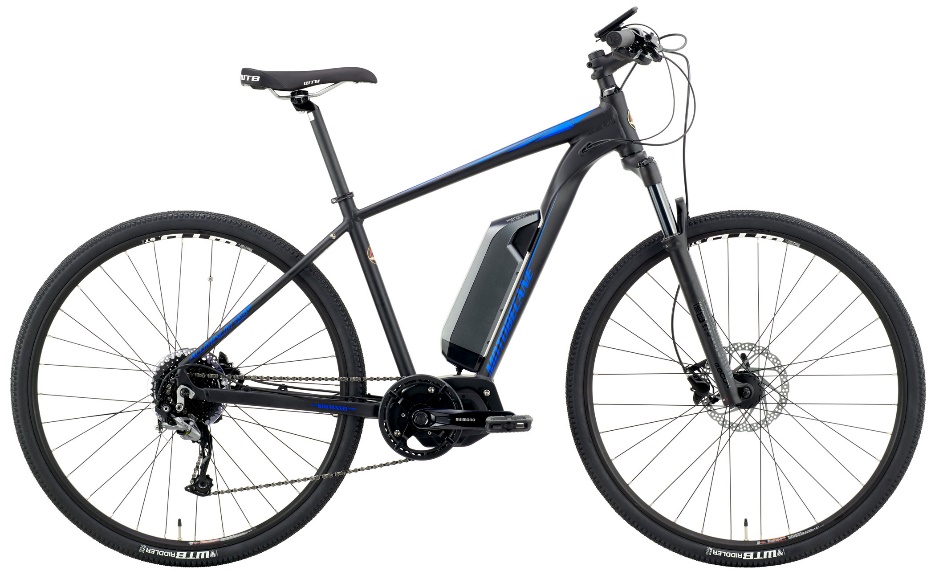
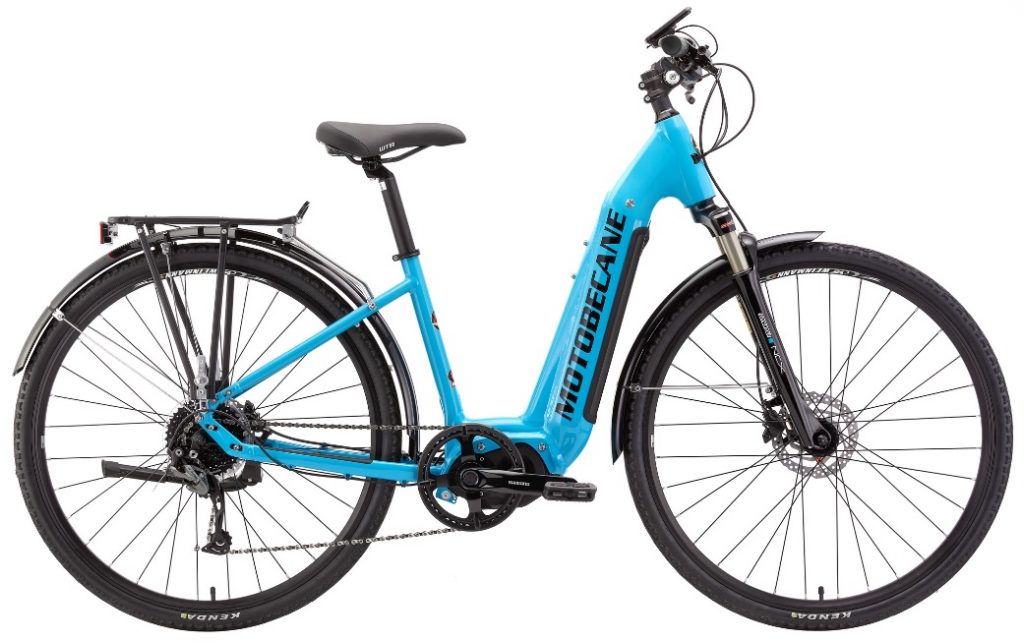
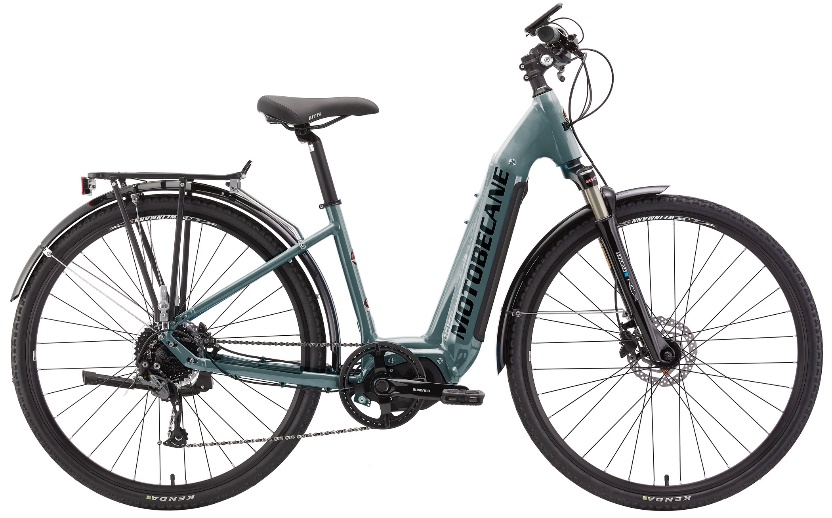
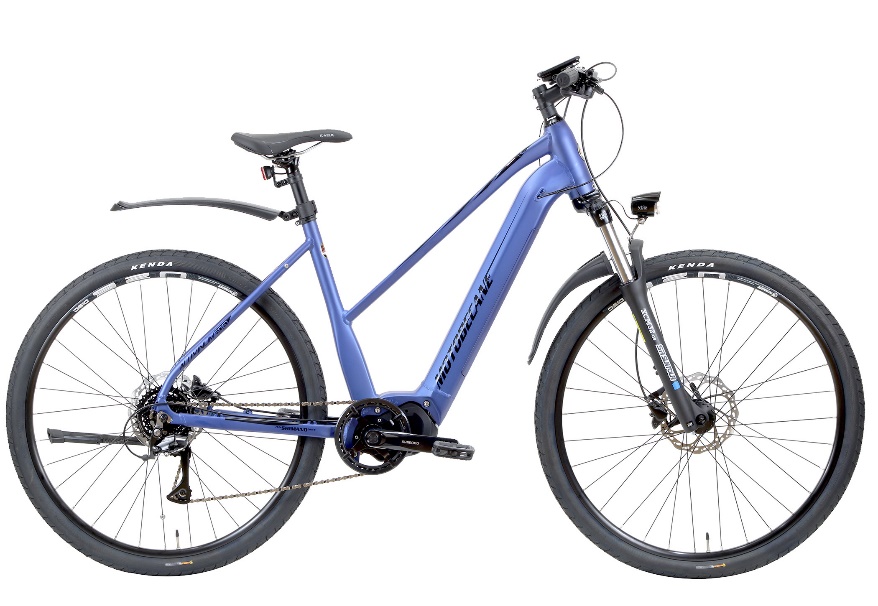
There’s something undeniably satisfying about cruising past rush-hour traffic with the breeze in your face and not a hint of car exhaust clouding your morning. That’s the magic of electric bike commuting, offering freedom, fitness, and financial savvy.
Whether you’re switching from four wheels to two or just curious about how far those batteries can take you, this guide breaks down everything you need to know about e-bike range, batteries, and the real costs of commuting on electric power.
Let’s dive in and get you rolling smarter, faster, and cheaper.
1. What Powers an E-Bike, Anyway?
At the heart of every e-bike lies its battery and motor, your silent partners in conquering hills and headwinds. While it might seem simple (“just charge it and go”), understanding what makes an e-bike tick helps you get more range, performance, and life out of your ride.
An e-bike battery stores energy in watt-hours (Wh). Think of watt-hours as your “fuel tank” — the higher the number, the farther you can ride before needing a recharge. For example, a 500Wh battery can power a 250-watt motor for about two hours (500 ÷ 250 = 2). But real-world factors like terrain, rider weight, and pedal assist level also come into play, and we’ll get into that next.
2. Range 101: How Far Can You Really Go?
Manufacturers might promise “up to 60 miles per charge,” but anyone who’s ridden an e-bike knows that number can swing dramatically. The real range depends on how and where you ride.
Here’s what affects your e-bike’s range the most:
Terrain: Hills drain your battery faster than flat city streets. Expect a shorter range if your commute includes steep climbs.
Riding Mode: Crank up pedal assist or throttle-only mode, and your range drops. Keep it moderate for longer trips.
Tire Type: Wide, knobby tires = more rolling resistance. Smooth, narrow tires = more miles per charge.
Weather and Wind: Cold temps and strong headwinds can sap your battery faster than you’d expect.
Rider Weight & Load: Carrying groceries or a backpack? That extra weight means your motor works harder.
Pro tip: If you ride 10–15 miles daily, a 500–700Wh battery should comfortably handle your commute without midweek charging anxiety.
3. Motor Classes: Which One Fits Your Commute?
E-bikes aren’t one-size-fits-all — they’re classified by how their motors assist you. Knowing the difference helps you choose the right ride for your daily grind.
Class 1 (Pedal Assist): The motor kicks in only when you pedal, helping up to 20 mph. Great for bike paths and commuters who like to get a little workout.
Class 2 (Throttle Assist): Includes a throttle that propels you up to 20 mph without pedaling — perfect for stop-and-go city traffic.
Class 3 (Speed Pedelec): Pedal-assist up to 28 mph. Fast, efficient, and ideal for longer-distance commuters or suburban riders.
If your route mixes city streets and bike lanes, a Class 1 or 3 e-bike offers the best blend of speed, legality, and exercise.
4. Battery Breakdown: Charging Time, Lifespan, and Cost
E-bike batteries might feel like high-tech wizardry, but they’re surprisingly straightforward once you know the basics.
Charging Time: Most e-bike batteries take 3–6 hours for a full charge. Plug in overnight or during work hours, and you’re set for the next day.
Lifespan: A quality lithium-ion battery lasts 500–1,000 charge cycles, roughly 3 to 5 years of daily use.
Replacement Cost: A new battery can run $300–$800, depending on capacity and brand. While that might sound steep, it’s peanuts compared to gas and maintenance costs.
Treat your battery kindly — avoid storing it fully drained, keep it out of extreme heat, and charge it halfway for long-term storage. Your e-bike will thank you with years of reliable rides.
5. The Real Costs: E-Bike vs. Car vs. Transit
Now for the fun part — let’s talk numbers. E-bikes aren’t just eco-friendly; they’re budget-friendly too. Here’s how commuting costs stack up per month:
Commute Method
Monthly Cost (Approx.)
What You’re Paying For
E-Bike
$5–$15
Electricity + minimal maintenance
Car
$200–$400
Gas, insurance, parking, maintenance
Rideshare
$300–$600
Daily fares + surge pricing
Public Transit
$80–$150
Bus/train passes + time delays
Even if you splurge on a high-end e-bike, it typically pays for itself within a year or two compared to car commuting — and you’ll still arrive fresh, awake, and stress-free.
6. Terrain Tales: Why Your Route Matters
Before you buy, take a hard look at your route. Is it flat city terrain or a rollercoaster of hills?
If your daily commute includes steep climbs, opt for a mid-drive motor, which distributes power through your bike’s gears for better efficiency on inclines. For mostly flat commutes, a hub motor is more than enough and usually more affordable.
Think of it this way — your terrain determines your power needs, and your power needs determine your ideal battery size. It’s a balancing act that ensures you’re not overpaying for watt-hours you’ll never use.
7. Real-World Example: The 20-Mile Round Trip
Let’s say you commute 10 miles each way, five days a week. That’s 100 miles total.
With a 600Wh battery, you’ll average 30–50 miles per charge.
You’ll likely recharge twice a week, costing you around $0.10–$0.20 total in electricity.
Compare that to filling up your gas tank twice a week — it’s not even close.
The result? You save hundreds every month, skip traffic, and still get your heart rate up.
Ready to Ditch the Car Commute?
Discover a smarter, cleaner, and more affordable way to commute with BikesDirect. Our wide selection of high-performance electric bikes delivers the perfect mix of power, range, and comfort.
Whether you’re tackling city streets, steep hills, or long suburban commutes, we have an e-bike built to keep up with your lifestyle and your budget. Say goodbye to gas prices and traffic jams — and hello to electric freedom.
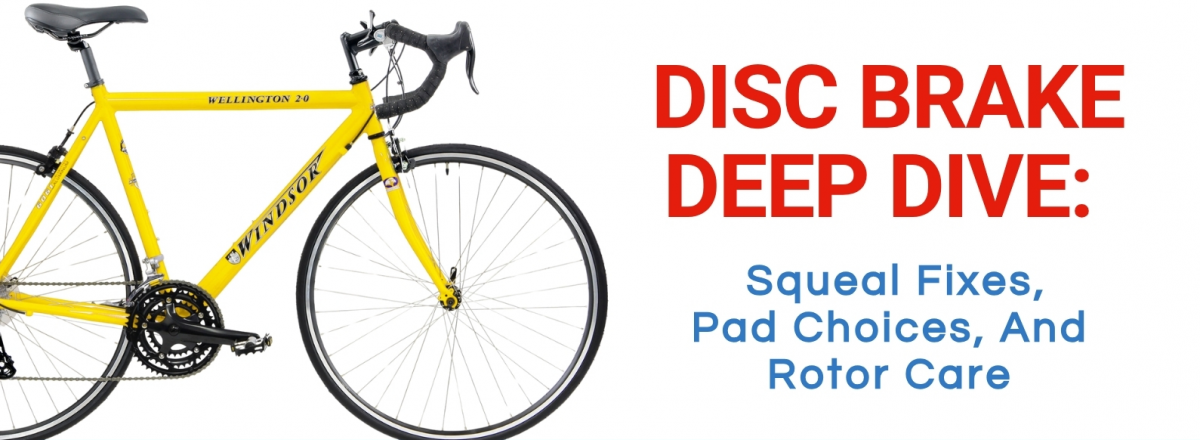
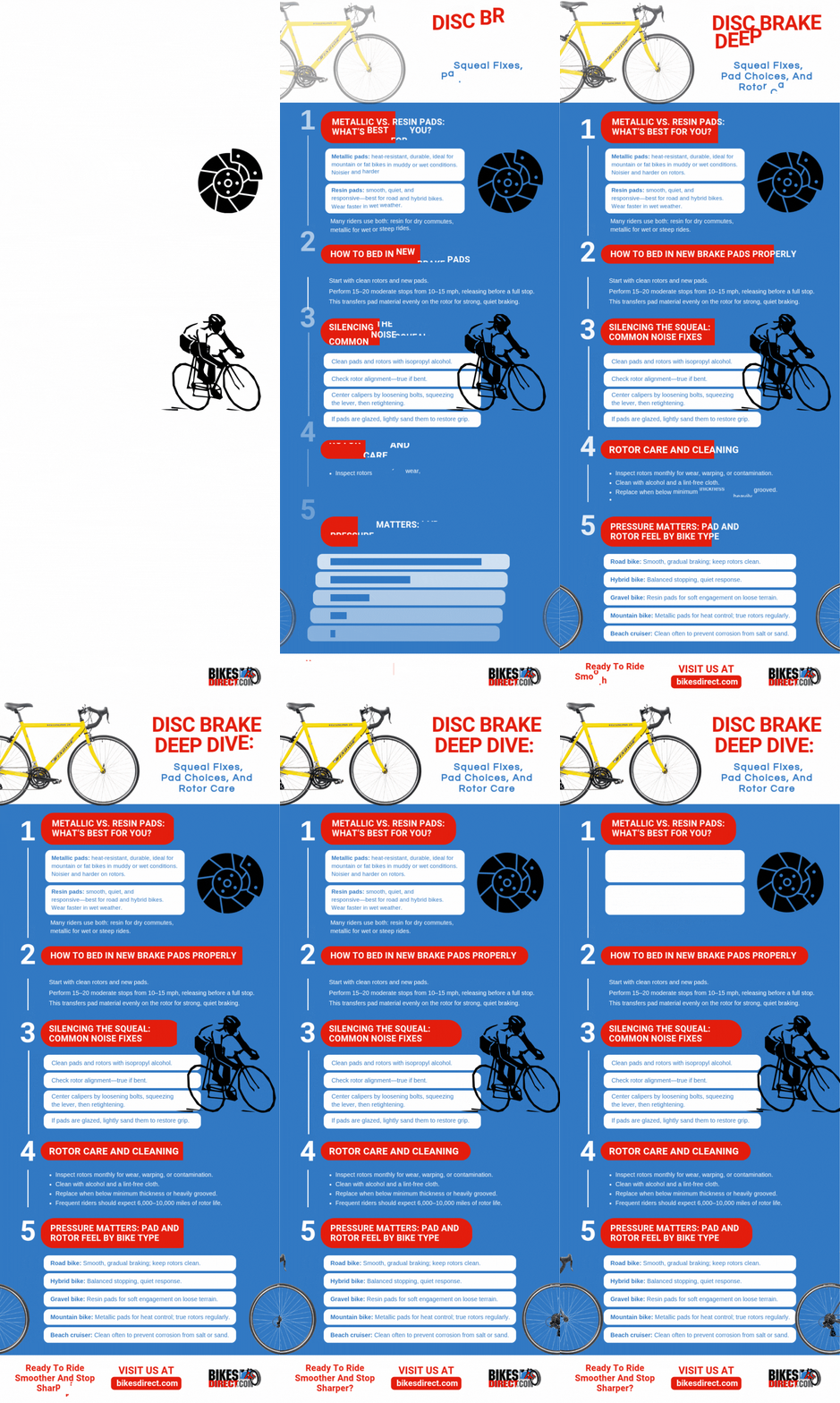
This Disc Brake guide explains pad choices, noise fixes, rotor care, and braking performance for different bikes. It highlights how proper setup improves stopping power and safety, especially for a Hybrid Bike, offering smoother, quieter, and more controlled braking on every ride.
Choosing a frame material is like selecting the voice for your entire ride. The tubes, joints, and layups you can’t see shape the sensations you can’t ignore—how eagerly a bike leaps when you stand on the pedals, how calmly it tracks across broken pavement or washboard, and how gracefully it survives the little mishaps of real‑world riding.
When riders ask us about the best bike frame materials, they are rarely chasing metallurgy trivia; they’re asking how to turn watts into speed without beating up their hands and back, how to keep maintenance sane over years of adventures, and how to get real value from a purchase that has to satisfy road bike ambitions, mountain bike weekends, gravel expeditions, beach cruiser sunsets, hybrid bike commutes, or fat bike snow days. In this guide, we’ll translate aluminum, carbon, and steel from buzzwords into ride feel, highlight where each material shines, and point to specific Bikes Direct models so you can see these principles alive in bikes you can ride today.
Why Material Matters—And Why It Isn’t Everything
Frame material sets the character of your ride by determining stiffness‑to‑weight and how the structure handles tiny vibrations and big hits. Stiff tubes transfer energy quickly, which feels fast under a sprint and crisp through a climb. Different alloys and fiber layups also manage vibration differently; some pass it along with ruthless honesty, some round off the edges so you arrive fresher after hours in the saddle.
Durability plays a third role: aluminum shrugs off corrosion and keeps weight low; carbon fiber, when engineered well, pairs precise stiffness with standout damping; steel offers resilience and repairability that give confidence when the route gets remote. Yet material is only part of the story. Geometry is the blueprint that governs fit and handling. Tire volume and pressure are the secret sauce for comfort and traction. Components—from wheels to bars to seatposts—fine‑tune the last five percent. Think of material as the foundation; get it right and everything else you bolt on can sing.
Aluminum: The Everyday Performance Champ
Speed and Efficiency
Aluminum earned its reputation because it packs a great stiffness‑to‑price ratio into frames that feel energetic the moment you turn the cranks. That liveliness is obvious on a road bike when you stand to bridge a gap and the bike surges forward instead of squirming. It’s just as clear on a mountain bike when you pump through rollers and feel momentum carry you to the next corner without an extra pedal stroke. Modern aluminum tubing lets designers put stiffness where power paths need it—down tube, chainstays, bottom bracket—while trimming grams everywhere else. The net effect is a bike that responds now, not after a polite delay.
Comfort and Damping
Aluminum’s ride used to be described as “harsh.” Two things changed that story. First, tire volume exploded. Where 23mm road tires at high pressure were once the norm, most riders now run 28–32mm for pavement, 35–50mm for mixed surfaces, and even bigger for a gravel bike. Secondly, modern tube shapes and carbon seatposts help tame buzz. Put those developments together and the aluminum “zing” becomes a crisp, communicative feel rather than a dentist appointment for your fillings. If you plan to split your time between paved routes and the unkempt edges—city seams, chipseal, the gravel lane that gets you to the quiet loop—aluminum gives you comfort by way of tires and smart builds while preserving the punch that makes bikes exciting.
Durability and Care
Aluminum resists corrosion, which is a relief for riders in wet climates or by the coast. Impacts that would bend steel often dent aluminum, so a quick visual inspection after a crash is wise. Treat interfaces with assembly paste, mind torque on clamps, and wash away grit after bad‑weather rides. Do those simple things and an aluminum frame can happily carry you for years.
Where Aluminum Fits Across Bike Types
If your heart is set on drop‑bar speed without a premium price tag, aluminum remains a brilliant road bike option. Riders who are new to trail riding appreciate how aluminum mountain bikes feel trustworthy and eager without threatening their bank account. On a gravel bike, aluminum makes a lively, value‑rich platform that can be tuned plush with tires. Hybrid bike commuters love the low weight and low fuss, especially when they lock up outside every day. For a beach cruiser, aluminum’s corrosion resistance is a practical bonus. Even for a fat bike, aluminum can be an excellent way to trim weight from an otherwise burly setup while keeping costs sensible.
Real‑World Examples From Our Garage
To see how aluminum’s strengths translate into familiar categories, look at three models that anchor our value‑to‑performance story. TheGravity HD29 1x front suspension 29er channels the stability and rollover of big wheels into a trail‑ready hardtail that makes climbs feel efficient and descents feel composed. If you want the added comfort and traction of suspension at both ends without surrendering the straightforward ownership that brings riders to aluminum, the long‑runningGravity FSX series shows how smart design and proven parts can turn budget into trail smiles. Craving big‑tire traction for sand, snow, or soft trail? TheGravity Bullseye 3‑inch fat bikes offer float and stability at a price that leaves room for lights, fenders, and the tubeless conversion you’ve wanted to try.
Carbon: Tailored Precision and Lightweight Smoothness
Why Carbon Feels “Fast”
Carbon isn’t magic, but it can feel that way when designers shape the layup to be stiff in planes that matter for power transfer and forgiving in directions that affect comfort. Compared at equal stiffness, carbon typically weighs less than metal. That matters for accelerations and for the countless micro‑accelerations you do every ride without thinking—nudging the pace over a rise, snapping to hold a wheel, or floating up a short climb on a gravel bike. The sensation is smooth speed, not a sledgehammer; the bike seems to climb out from under you.
Damping That Saves Energy
Carbon’s other party trick is damping. While tires do the heavy lifting for comfort, carbon frames and forks can reduce the buzz that would otherwise accumulate as low‑grade fatigue. On a long endurance road ride, that translates into arriving with shoulders and hands that still feel fresh. On a mixed‑surface adventure, it means fewer micro‑shocks sneaking through every time you roll across washboard or shallow corrugations. Because layups are so tunable, two carbon bikes can feel very different: one racy and taut, one more forgiving and all‑day oriented. That tunability is why carbon is common on premium road, gravel, and high‑end mountain builds.
Durability, Stewardship, and Peace of Mind
Carbon is strong relative to weight, but its failure mode is different from metal. A sharp point load or crush from an overtightened clamp can be more problematic than a similar insult to aluminum or steel. The solution is simple owner habits: use a torque wrench, apply carbon assembly paste where appropriate, add frame protection tape at bag and cable rub zones, and inspect after crashes. Many riders log thousands of hours on carbon frames without drama, appreciating how little they have to think about the material once it’s set up right.
Who Should Choose Carbon
If you count grams, love the sensation of effortless speed, or want a bike that feels composed and quiet across rough surfaces, carbon puts a big check in those boxes. An endurance‑oriented road bike becomes a magic carpet. A performance‑focused gravel bike becomes an efficiency machine that still feels friendly. A carbon mountain bike can shed meaningful weight for long climbs without giving up the stiffness that makes technical lines precise. Carbon fat bikes exist too, where the weight savings are especially noticeable the first time you lift the bike onto a rack or thread through deep snow at low cadence; more on those in our fat‑bike‑focused article.
Steel: The Timeless Workhorse With Soul
The Spring in Its Step
Steel’s secret is its elasticity. When you push into pedals or roll across rough edges, a quality steel frame stores a whisper of energy and returns it in a way riders describe as “lively” or “springy.” That doesn’t mean mushy. A well‑designed steel frame tracks true and invites you to settle into a rhythm. On long mixed rides, the sensation is of a bike that hums along with you rather than chattering constantly for attention.
Strength, Repairability, and Real‑World Toughness
For riders who equate durability with confidence, steel remains compelling. It tolerates small dents without a tantrum and can be repaired by skilled hands if the worst happens. The tradeoff is weight compared to high‑end carbon. The maintenance ask is simple: keep paint chips touched up, dry the frame after soggy rides, and, if you live where roads get salted or sea air is a daily companion, consider interior frame treatment. For many riders—especially those loading racks and bags for a gravel bike adventure or taking a fat bike into winter—steel’s resilience is a feature, not a compromise.
Where Steel Shines
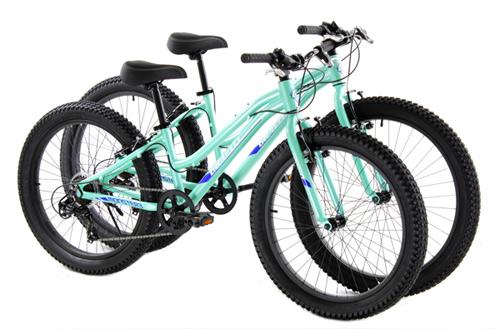
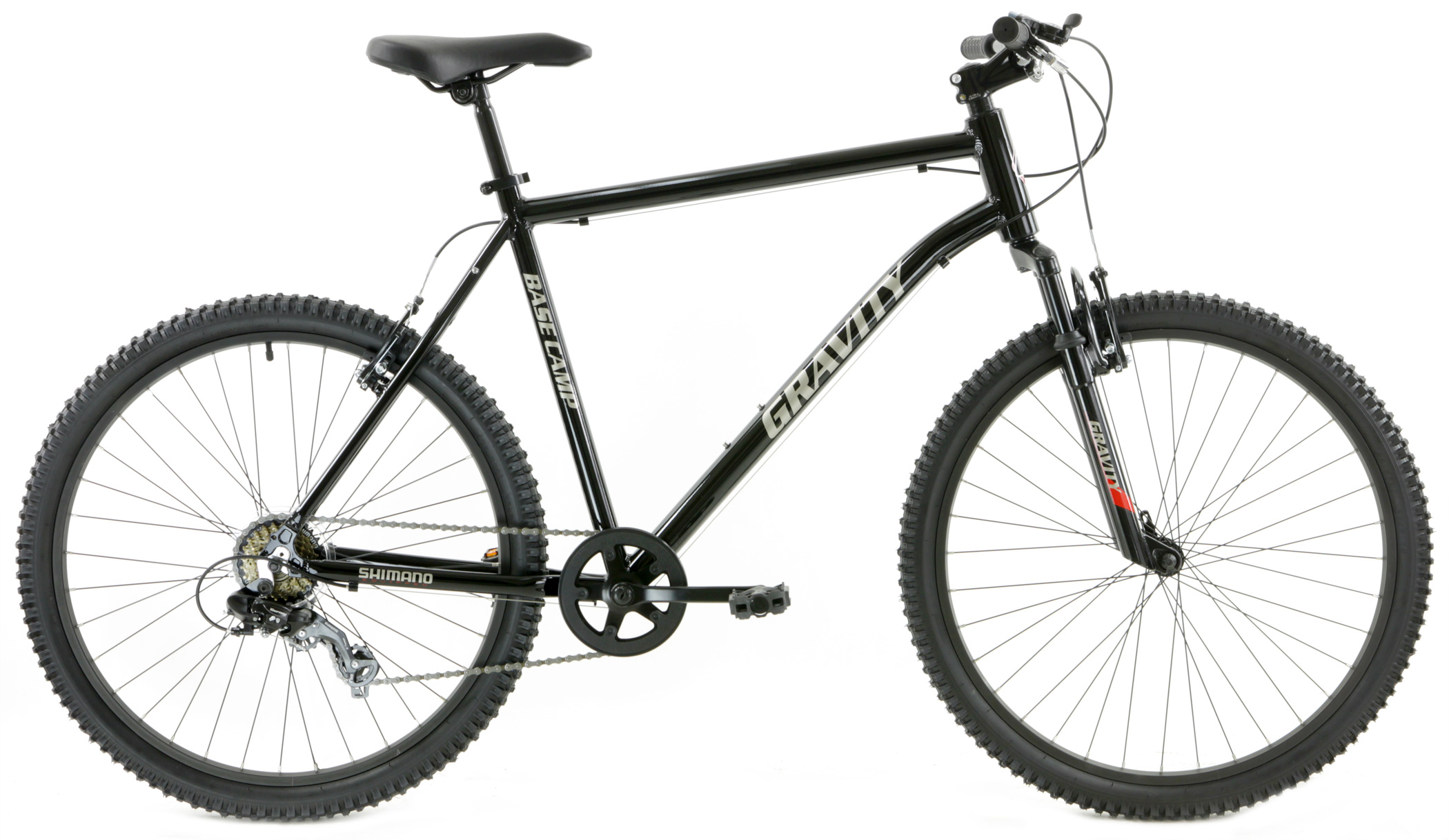
Steel is the quiet hero for terrain that punishes equipment and for riders who value feel over trophies. Adventure and touring riders love how predictably steel handles with bags. Trail riders who prefer hardtails appreciate the muted sting on chattery singletrack. Even urban riders on hybrid bike builds enjoy the calm ride. For fat bike life, steel pairs beautifully with the massive damping from tires. In our catalog, you’ll see steel DNA in models built for toughness and utility—youth fat bikes made to laugh off learning spills and burly platforms destined for snow and sand. For example, theGravity Monster 3 7‑speed 26×3 kids’ fat bike gives young riders confident geometry and serious rubber, while theGravity Bullseye Monster five‑inch demonstrates how big‑volume tires and a tough chassis create unstoppable float. And if you’re building a straightforward trail companion that emphasizes reliability and value, theGravity BaseCamp V7 is a smart foundation for years of local loops.
Geometry Versus Material: Which Matters More?
If material sets the mood, geometry decides the conversation. Stack, reach, head and seat angles, wheelbase, and bottom bracket height govern how you fit and how the bike steers. A road bike with endurance geometry will feel relaxed and stable across long miles regardless of material; an aero racer will feel taut and quick. A mountain bike with slack head angle and longer reach invites aggressive descending; a quick XC layout emphasizes climbing and laser handling. Start by getting the geometry that matches your goals and body; then let material refine the flavor. The happiest riders begin with bikes that fit their posture and terrain and use the best bike frame materials to season the ride.
Tire Volume: The Great Equalizer
You can transform ride quality with tires and pressure alone. A gravel bike on 45mm rubber at sane pressures will often feel smoother than a carbon road bike on skinny tires at high PSI. A fat bike running single‑digit PSI floats across rutted snow where any other bike would flounder. Even a beach cruiser becomes all‑day comfortable when you size tires generously and trim pressure to match the sand. That doesn’t make material irrelevant, but it does remind us that comfort and traction are mostly pneumatic. Put real thought into tires, then choose the frame that complements the surfaces you love.
Rider Profiles: Putting Material to Work
Imagine the sprinter who loves short, sharp efforts and wants a bike that answers immediately; aluminum or carbon both deliver, with aluminum offering that electric snap at a welcoming price and carbon layering on low weight and refined damping. Picture the century rider who wants to feel fresh at mile ninety; carbon’s smoothness is a gift here, but steel’s calm, springy stride is a delight too, especially on a route that slips onto farm lanes and gravel. The weekend mountain bike warrior who splits time between trail centers and local loops will feel right at home on an aluminum full‑suspension like theGravity FSX, while a rider who prefers simple ownership might choose an aluminum 29er like theGravity HD29 1x. For family adventures on sand or snow, a kids’ fat bike such as theMonster 3 26×3 builds confidence fast; adults can match with aBullseye 3‑inch for mixed‑surface fun or step up to theBullseye Monster five‑inch for maximum float.
Ownership, Upgrades, and Value Over Time
Material influences not only how a bike rides but how you’ll live with it. Aluminum is easygoing and cost‑effective, which makes it ideal for riders who want performance without fuss. Carbon rewards care with a sublime ride that can feel like a cheat code for long days and steep climbs; the up‑front investment is higher, but so is the sense of occasion every time you roll out. Steel offers longevity and the option of repairs—practical for riders who thrash gear in harsh seasons or load heavy for bikepacking. Regardless of frame, smart upgrades multiply your joy. Wheels influence feel more than almost any component. Tires are transformative. Contact points—bars, tape, saddle—decide whether mile forty feels like a conversation or a complaint. Think of your budget as a story told in chapters: get the right frame now, then refine it with parts that match your favorite rides.
Sample Build Paths Using Bikes Direct Models
Start with a value‑forward trail build anchored by theGravity FSX. Add wider tires for your local dirt, dial cockpit length to your reach, and you’ve got a mountain bike that climbs reliably and forgives mistakes. If you want big‑wheel rollover and crisp power transfer, theGravity HD29 1x is an excellent base; set it up tubeless, fit a grippy front tire, and you’ll unlock speed everywhere. Riders who chase four‑season traction should consider starting with theBullseye 3‑inch for mixed surfaces, then graduate to theBullseye Monster five‑inch if your winters demand low‑PSI float. Families can let younger riders lead the way on theMonster 3 26×3 while parents build a straightforward trail companion around theBaseCamp V7, which brings gears, stability, and the kind of value that leaves room for lights, racks, or studded winter tires.
Myths, Busted Gently
It’s tempting to reduce materials to clichés. Aluminum is not inherently harsh; modern setups are remarkably comfortable. Carbon is not fragile china; used properly, it’s durable and confidence‑inspiring. Steel is not automatically heavy; many builds land at practical weights that feel lively all day. The real art is matching material to the way you ride, the surfaces you love, and the budget you actually have. We help riders do that every day.
Final Thoughts and How We Can Help
There’s no universal winner among the best bike frame materials. There’s the right choice for your roads, your trails, your body, and your plans. Aluminum rewards effort with lively speed and no‑drama ownership. Carbon layers in low weight and refined damping that make long rides fly by. Steel brings quiet control, resilience, and a feeling of connection that never goes out of style. If you’re still torn between a road bike and a gravel bike, if you’re debating mountain bike travel numbers, if you want a hybrid bike that doesn’t feel like a compromise, or if a fat bike is calling your name but you’re not sure which tire width you’ll love, that’s exactly what we’re here for. At Bikes Direct, we ride what we sell, and we love pairing riders with frames that make sense for their terrain and goals. Reach out and tell us what you want your bike to do. We’ll help you trade buzzwords for real‑world decisions, and we’ll point you to bikes—from theGravity HD29 1x andGravity FSX to theBullseye 3‑inch,Bullseye Monster five‑inch,BaseCamp V7, andMonster 3 26×3—that fit your life. When you’re ready,contact our team and we’ll get you rolling on the right frame, set up for the season ahead.
There’s nothing like the sharp, confident feel of a perfectly tuned set of disc brakes. But that smooth silence can turn into a screeching symphony the moment dust, heat, or worn pads join the mix. Whether you’re coasting through city streets on a hybrid bike, shredding downhill trails on a mountain bike, or cruising along the boardwalk on a beach cruiser, your brakes are the difference between confident control and unwanted chaos.
If your ride’s stopping power feels off—or sounds like a banshee—this disc brake maintenance guide is your fast track to quieter rides and better performance.
The Science Behind Disc Brakes
Disc brakes work by pressing brake pads against a rotor attached to your wheel hub. The friction between the pad and rotor slows the wheel, giving you control and stopping power in all conditions. What makes them superior to rim brakes is consistency: they perform well in wet, muddy, or dusty environments—making them ideal for a gravel bike or fat bike that sees mixed terrain.
But that performance depends on precision. Dirt, oil, or misalignment can cause rubbing, vibration, or that infamous squeal. Understanding your pads, rotors, and setup will keep your braking smooth, silent, and strong.
Metallic vs. Resin Pads: What’s Best for You?
Choosing the right pad material is one of the most overlooked parts of disc brake maintenance, yet it completely changes how your brakes feel.
Metallic pads (also called sintered pads) are made from metal particles fused together under pressure. They’re the workhorses—resistant to heat, long-lasting, and great for aggressive riders who brake hard and often. If you ride a mountain bike or a fat bike, metallic pads thrive in demanding, muddy, or wet conditions. However, they can be noisier and wear rotors faster.
Resin pads, on the other hand, are made from organic compounds bonded with resin. They offer smoother modulation, whisper-quiet braking, and better feel at lower speeds—ideal for road bike and hybrid bike riders. The downside? They wear faster in wet weather or under heavy braking loads.
The best option? Many riders keep a set of each. Resin for daily commutes and dry trails, metallic for wet, steep, or endurance rides.
How to Bed In New Brake Pads Properly
The first ride after installing new pads is more important than most people realize. Properly bedding in your brakes ensures maximum friction and minimal noise.
Start with a clean rotor and new pads. Ride in a safe, open space where you can perform multiple moderate stops. Gradually apply your brakes from about 10–15 mph to a near stop—then release before fully halting. Repeat this 15–20 times. This process transfers an even layer of pad material onto the rotor, creating a perfect mating surface that delivers consistent braking.
Think of it like seasoning a cast-iron pan—it’s a ritual that pays off every time you ride.
Silencing the Squeal: Common Noise Fixes
A high-pitched squeal can come from contamination, misalignment, or pad glazing. The first step is cleaning—use isopropyl alcohol to wipe both rotor and pad surfaces. Never touch them with your bare hands afterward; even a small trace of oil can undo your work.
If the noise persists, check rotor alignment. Spin your wheel and look for any side-to-side wobble. A small bend can be gently trued using a rotor tool or an adjustable wrench. If rubbing continues, loosen the caliper bolts, squeeze the brake lever to center the caliper, and retighten.
Finally, if your pads are glazed (shiny and hard), sand them lightly with fine-grit paper to restore their surface. A quiet brake is a happy brake.
Rotor Care and Cleaning
Rotors endure constant heat and pressure, and even minor contamination can affect braking power. Inspect them monthly for scoring, discoloration, or warping. A light polish with alcohol and a lint-free cloth removes buildup effectively.
Replace rotors once they drop below the manufacturer’s minimum thickness or show deep grooves. For frequent riders—especially those tackling rough terrain on a gravel bike or mountain bike—rotors might last around 6,000–10,000 miles, depending on conditions and braking intensity.
Pressure Matters: Pad and Rotor Feel by Bike Type
Your braking feel and setup should match your ride style and bike type.
For a road bike, consistent modulation is key. Aim for smooth, gradual braking rather than abrupt stops, and check your rotor cleanliness frequently to prevent squeal from high-speed heat buildup.
A hybrid bike requires balanced stopping power—enough bite for sudden stops, but not so much that you skid on urban pavement. Keep your brakes lightly tuned for responsive, low-noise performance.
If you ride a gravel bike, adjust your braking to control speed on loose descents. Resin pads are often preferred for their softer engagement on mixed terrain.
On a mountain bike, especially with full-suspension systems, your brakes do heavy work on descents. Metallic pads handle heat better, while rotors may need regular truing.
And for the leisurely beach cruiser rider? Regular cleaning keeps your ride peaceful along sandy paths where salt and moisture can corrode metal components.
Your Five-Minute Disc Brake Maintenance Calendar
Keeping brakes in peak condition doesn’t need to be complicated. Here’s a quick, five-minute monthly routine you can easily follow:
Wipe down rotors with alcohol to remove dirt and oil. Check pad thickness—replace if below 1 mm. Spin your wheels and listen for rubbing; if present, realign your caliper. Inspect for leaks if you have hydraulic brakes. Finally, test your lever feel—if it feels spongy, it may be time to bleed your system.
These small habits prevent bigger problems later and ensure consistent braking every time you ride.
A Final Word: Ride with Confidence
Disc brake maintenance isn’t just about preventing squeaks—it’s about safety, control, and confidence. Once you’ve tuned your brakes, every descent feels smoother, every stop more precise, and every mile a little freer from worry. Whether you’re cruising beach paths, tackling rugged climbs, or commuting downtown, properly maintained disc brakes transform your ride.
So grab that Allen wrench, pour yourself a cup of motivation, and give your bike five minutes of care today. Because when your brakes are dialed in, the ride ahead feels unstoppable.
Ready to Ride Smoother and Stop Sharper?
Your next upgrade could be the difference between average and extraordinary. From disc brake–equipped mountain bikes to all-weather gravel bikes and sleek road bikes, BikesDirect offers premium builds without the retail markup. Browse factory-direct savings, expert-approved gear, and bikes engineered for real riders—like you. Tune up, level up, and roll out stronger today at BikesDirect.com.
Every cyclist remembers that one perfect ride — the one where everything clicked. The gears hummed, the wind cooperated, and the tires rolled so smoothly it felt like flying. That effortless feeling isn’t just luck; it’s often the magic of a tubeless tire setup done right.
Whether you’re cruising on a road bike, exploring new trails on a mountain bike, or tackling mixed terrain on a gravel bike, going tubeless can transform your experience. No more pinch flats. No more overinflated tires bouncing off every pebble. Just smooth traction, efficient rolling, and peace of mind on every mile.
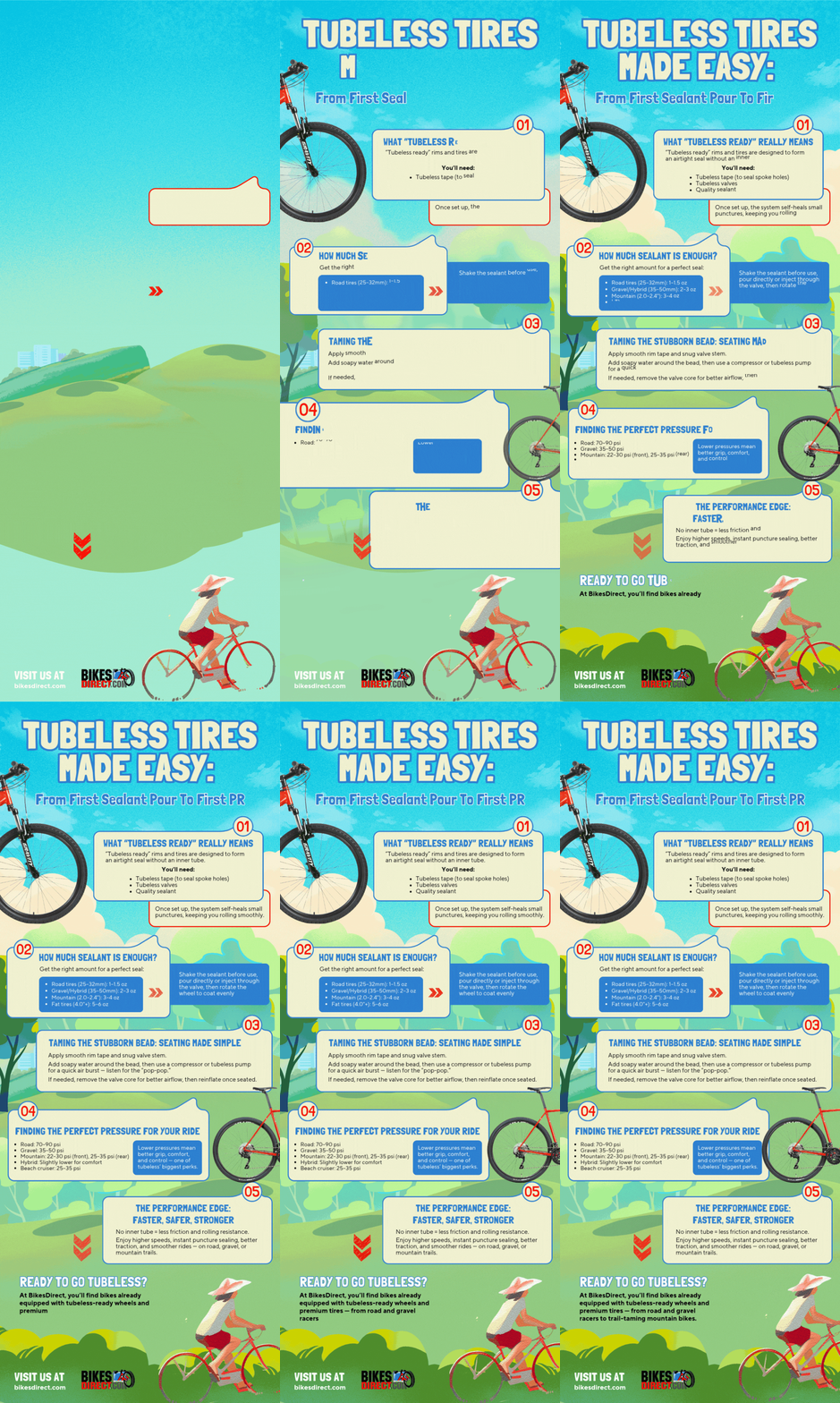
What “Tubeless Ready” Really Means
Walk into any bike shop or browse through hybrid bike specs online, and you’ll see the words tubeless ready stamped on rims and tires. But what does that really mean?
“Tubeless ready” indicates that the rims and tires are designed to form an airtight seal — without needing an inner tube. The rim bed is slightly modified to work with sealant and a tight-fitting tire bead, preventing air from leaking out.
However, “tubeless ready” doesn’t always mean tubeless out of the box. You’ll need three essentials: tubeless tape to seal spoke holes, tubeless valves, and a quality sealant. Once set up, you’ll wonder how you ever rode without it — the system self-heals small punctures instantly, letting you keep rolling when others are pulling over with a flat.
How Much Sealant Is Enough?
Getting the sealant right is key to a successful tubeless tire setup. Too little, and you’ll end up with leaks; too much, and you’re just adding weight and mess.
As a general rule:
Road tires (25–32mm): around 1 to 1.5 ounces per tire
Shake the sealant bottle thoroughly before use — the active ingredients can settle at the bottom. Then pour it directly into the tire before seating the final bead, or inject it through the valve using a sealant syringe if you prefer less mess. Rotate and shake the wheel gently afterward to distribute it evenly across the inner surface.
It’s worth checking the sealant every few months, especially in dry climates, since it can harden over time. Refill as needed to keep your protection at peak performance.
Taming the Stubborn Bead: Seating Made Simple
Here’s where many first-timers get stuck — literally. That last bit of tire bead just doesn’t want to pop into place. Don’t panic; it’s a rite of passage.
Start by ensuring the rim tape is applied smoothly and the valve stem is snug. Add a little soapy water around the tire bead — it helps it slide into place and seal faster. Then comes the air rush:
If you have a compressor or a tubeless-specific floor pump, hit it with a quick burst of air to snap the bead into place. Listen for the telltale “pop-pop” — that’s your tire sealing beautifully against the rim.
For stubborn cases, remove the valve core to allow a greater rush of air during inflation. Once seated, reinflate with the valve core back in, and you’re ready to roll. It’s a moment of triumph every rider remembers — the satisfying sound of your tubeless dream coming to life.
Finding the Perfect Pressure for Your Ride
The right tire pressure can make or break your tubeless experience. Lower pressures improve grip and comfort, but go too low and you risk burping air or damaging the rim.
For road bikes, aim for 70–90 psi for most riders, depending on tire width and weight. Wider tires can go lower, especially if your rim supports it.
If you’re rolling on a gravel bike, try 35–50 psi. This range balances comfort with speed while letting the tire conform to rough terrain without jarring your hands.
For a mountain bike, it’s all about grip and control. Riders typically run 22–30 psi in the front and 25–35 psi in the rear, depending on the terrain and tire volume. The beauty of tubeless is that you can safely experiment with pressures much lower than tube setups, maximizing traction and feel.
Even hybrid bikes benefit from a little flexibility — running slightly lower pressures gives a smoother city commute and better handling on uneven paths. And if your idea of a perfect day is a seaside spin, a beach cruiser can float comfortably at 25–35 psi for that plush, rolling-on-clouds feel.
The Performance Edge: Faster, Safer, Stronger
Once you experience tubeless, it’s hard to go back. Without tubes, friction inside the tire decreases, allowing you to maintain higher speeds with less rolling resistance. You’ll notice it most on long rides or climbs — that effortless glide that keeps your momentum alive.
But the benefits go beyond speed. Punctures that would normally ruin a ride now seal instantly. Tiny thorns, glass shards, and sharp gravel become non-events. And because you can run lower pressures, you get better traction in corners and a smoother ride overall.
On a gravel bike carving through dirt, a mountain bike bombing down descents, or even a road bike sprinting for a new personal record, tubeless technology is the quiet performance upgrade that changes everything.
Common Mistakes and How to Avoid Them
Every rider has a story about their first tubeless hiccup. Maybe the sealant sprayed across the garage, or the tire wouldn’t stay inflated overnight. Most issues come down to two things: rushing the process or skipping details.
Always double-check the valve’s tightness and make sure the tape fully covers all spoke holes. If you hear air hissing from the sidewalls, give the tire a good shake and lay it horizontally for a few minutes to let the sealant do its job.
And remember, patience pays. Once the sealant sets and the bead is seated perfectly, you’ll have a setup that can last months — or even seasons — with minimal upkeep.
Riding into Your First PR
That first post-tubeless ride feels special. The tires grip better, the bike feels faster, and your confidence skyrockets. Suddenly, hills seem shorter and corners feel sharper. You’re not just maintaining speed; you’re flowing with the road, trail, or gravel beneath you.
Whether you ride a city hybrid bike, a rugged fat bike, or a comfort-first beach cruiser, the right tubeless tire setup opens a new level of performance and freedom. It’s not just about saving weight or preventing flats — it’s about feeling more connected to every ride.
Ready to Go Tubeless?
If you’re ready to upgrade your ride, now’s the time. At BikesDirect.com, you’ll find bikes already equipped with tubeless-ready wheels and premium tires — from road and gravel racers to trail-taming mountain bikes. Choose your style, add your favorite sealant, and experience the performance difference for yourself. Every order ships direct to your door, factory fresh, so you can skip the middleman and hit the road sooner. Your next smooth, flat-free adventure starts right here.
Most riders know the feeling. Summer ends, the mornings get colder, and suddenly the bike is tucked away in the garage until spring. But cycling doesn’t have to be a seasonal activity reserved for sunny skies. With the right cycling gear, you can keep pedaling through crisp autumn mornings, snowy winter trails, and rainy spring commutes — all without draining your wallet. The secret isn’t buying the most expensive equipment; it’s knowing what truly makes a difference in comfort, safety, and performance.
Layering Up for Winter Rides
Cold weather can scare off even the most motivated riders. But the key to riding year-round lies in smart layering. A thermal base layer keeps sweat off your skin, while a windproof jacket blocks icy gusts. Gloves and insulated shoe covers make a surprisingly big difference, preventing frozen fingers and toes that can cut a ride short.
If you’re riding a road bike, choose slimmer tires with good tread to reduce slipping on slick pavement. For those tackling snowy trails on a fat bike, oversized tires with low pressure provide traction and stability. Adding fenders is another budget-friendly upgrade that prevents slush from soaking your clothes.
Beating the Heat in Summer
Hot weather brings its own set of challenges. Long rides under the blazing sun can lead to dehydration and fatigue. Lightweight jerseys with ventilation panels help manage sweat and airflow, while UV-protection arm sleeves shield your skin without overheating you.
Hydration systems are essential summer gear. A water bottle may be enough for short rides, but for endurance training on a gravel bike or a mountain bike, a hydration pack keeps water within easy reach. Swapping to wider tires with puncture-resistant casings can also make rough terrain more forgiving when trails dry out and get rocky.
Conquering the Rainy Season
Rain doesn’t have to mean a day off the bike. Waterproof jackets and pants create a barrier against downpours, while bright, reflective gear makes you more visible in low light. Clip-on lights for your handlebars and seat post are inexpensive but vital for safety.
A hybrid bike shines in wet conditions thanks to its versatility — lightweight enough for city commuting but sturdy enough for wet paths and uneven roads. Pairing your bike with tires designed for wet grip gives you confidence when the pavement is slick. Riders who prefer a relaxed pace on a beach cruiser can also benefit from wider balloon tires, which glide smoothly over wet boardwalks and sandy trails.
Affordable Gear That Delivers Performance
Many riders believe that riding year-round requires a closet full of pricey clothing and the latest high-tech accessories. In reality, most cyclists don’t need to spend thousands to stay comfortable and safe. A few smart, affordable upgrades can transform the way you ride, no matter the season. The goal is to focus on the pieces of cycling gear that have the biggest impact on performance and safety, while skipping the unnecessary extras that often drive up costs.
Layering pieces is one of the most budget-friendly investments you can make. A solid base layer, a mid-weight jersey, and a weather-resistant outer shell can be mixed and matched depending on conditions. These items cost far less than specialty gear designed for just one season, yet they keep you warm in the winter and breathable in the summer. Lights are another essential upgrade that pays for itself in safety. A simple set of front and rear LED lights ensures you’re visible to drivers and fellow riders, whether you’re caught in a late evening ride or navigating a cloudy, rainy morning.
Tires and fenders might not sound exciting, but they can completely change your riding experience. Wider tires with puncture-resistant casings make gravel and winter rides more secure, while fenders protect you from splashes and road grime — extending the life of your clothing and keeping you more comfortable. Even small accessories like padded gloves or insulated shoe covers add comfort without breaking the bank.
Performance upgrades don’t always require a new bike, either. Swapping standard pedals for clipless ones can dramatically improve pedaling efficiency, especially on long climbs or technical terrain. Adding a basic repair kit, complete with tire levers, patches, and a mini pump, ensures you’re never stranded by a flat tire, regardless of the season. With just a few of these cost-conscious upgrades, you can stretch your cycling season, improve safety, and boost performance without overspending..
How Year-Round Riding Builds Strength and Confidence
Beyond staying fit, riding through different seasons builds resilience. Winter rides teach patience and grit. Summer heat builds endurance. Rainy-day rides sharpen your handling skills. By refusing to let the weather dictate your training, you not only grow stronger as a cyclist but also learn how to adapt your bike setup for any challenge.
Each bike type brings unique benefits for year-round cycling. A road bike makes cold-weather training efficient, while a fat bike opens snowy trails. A gravel bike balances comfort and versatility on unpredictable terrain, and a hybrid bike works well for commuting through shifting seasons. If you’re after casual rides in warm weather, nothing beats the laid-back style of a beach cruiser. Meanwhile, a mountain bike ensures no season keeps you away from technical trails.
Conclusion: Ride Every Season Without Breaking the Bank
Cycling isn’t just a summer sport — it’s a year-round lifestyle. By making smart, affordable gear choices, you can keep pedaling whether the forecast calls for frost, heat, or rain. The key is balance: protecting yourself from the elements without overspending. Once you’ve experienced the satisfaction of a crisp winter climb or a refreshing rainy-day ride, you’ll wonder why you ever packed your bike away at the first weather change.
Ready to upgrade your cycling gear and make every season rideable? Explore affordable bikes and accessories at Bikesdirect.com today and keep rolling no matter the weather.
This Tubeless Tire guide breaks down everything a Road Bike rider needs for an easy setup, from required tools to sealant amounts, pressure tips, and performance benefits. It highlights how tubeless systems boost speed, grip, and puncture protection, helping cyclists enjoy smoother, safer rides on any terrain.
Tubeless Tires Made Easy: From First Sealant Pour to First PR
Ask any rider what their training routine looks like, and you’ll likely hear about long climbs, intervals, or weekend centuries. What often goes unmentioned? Rest. Many cyclists—whether they’re pushing their limits on a road bike or tackling trails on a mountain bike—fall into the trap of thinking progress comes only from piling on more miles. In reality, your body grows stronger not during the ride itself but in the hours and days after, when recovery kicks in.
The Science Behind Recovery
At its core, training is controlled stress. Each ride creates micro-tears in your muscles and taxes your cardiovascular system. Without recovery, those systems can’t repair or adapt. That’s why ignoring rest days often leads to fatigue, poor performance, and even overtraining syndrome.
Research consistently shows that cycling recovery tips—like proper sleep, nutrition, and active recovery rides—are as important as structured workouts. Sleep in particular triggers the release of growth hormones that rebuild muscle. Meanwhile, glycogen stores need time and fuel to replenish. When you skip this stage, you’re essentially riding on an empty tank.
Active vs. Passive Recovery
Recovery doesn’t always mean lounging on the couch, though sometimes that’s exactly what your body needs. Passive recovery is total rest—no rides, no gym, just letting your system recharge. Active recovery, on the other hand, involves light activity, such as a 30-minute spin on a hybrid bike or an easy cruise on a beach cruiser. These low-intensity sessions boost circulation, helping deliver nutrients to muscles and flush out waste products.
A common rule of thumb: after a high-intensity ride, follow with an active recovery day, then a full rest day if needed. The key is listening to your body. If your legs feel heavy, your heart rate spikes unusually high on easy rides, or motivation is low, it’s time to prioritize rest.
Nutrition: Fuel for Repair
Another overlooked aspect of recovery is nutrition. What you eat in the hours after a ride can determine how quickly you bounce back. Aim for a mix of carbohydrates to restore glycogen and protein to rebuild muscle. Hydration is just as vital. Even mild dehydration can slow down recovery significantly.
Think of your body like a finely tuned machine. You wouldn’t neglect oiling the chain of your gravel bike before a long ride. Similarly, skipping recovery nutrition leaves your “engine” less efficient for the next outing.
The Role of Equipment in Recovery
Believe it or not, your gear also plays a role in how well you recover. For example, tire choice affects fatigue. Wider tires on a fat bike or gravel setup can reduce road vibration, sparing your joints on long rides. Properly fitted saddles, ergonomic handlebars, and quality pedals reduce strain, making it easier for your body to rebound.
Even something as simple as switching to clipless pedals on a road bike can distribute power more evenly, minimizing hotspots that take longer to recover from. When your equipment supports efficiency, recovery starts the moment you pedal.
Mental Recovery: The Overlooked Element
Physical rest is only half the equation. Cycling is mentally demanding, too. Structured training blocks, data tracking, and performance goals can weigh heavily on riders. Taking intentional mental recovery days helps prevent burnout.
This might look like leaving the power meter at home for a relaxed spin along the coast on a beach cruiser, or joining a social ride with no pace goals. These shifts remind us why we started cycling in the first place: joy, freedom, and connection.
Recovery Techniques That Work
Experienced riders often swear by small but powerful recovery habits. Foam rolling eases tight muscles, compression gear supports circulation, and stretching maintains mobility. Cold showers or contrast baths can reduce inflammation, while yoga adds flexibility. None of these replaces the need for rest, but together they accelerate it.
Another tried-and-true method? Sleep. While training apps and gadgets provide endless data, the simplest of all cycling recovery tips remains consistent: high-quality rest. Aim for seven to nine hours of sleep, with consistency being the real game changer.
Rest Days Don’t Mean Regression
Many cyclists fear that taking a day off will undo their progress. The opposite is true. When done strategically, recovery is the bridge between where you are and where you want to be.
Imagine training for a long off-road event. If you’re hammering daily sessions on a mountain bike, fatigue eventually builds faster than fitness. Incorporating recovery rides or off days allows adaptations to catch up, meaning you arrive at the start line strong, not burned out.
In fact, most training plans for endurance events—whether it’s a 100-mile road race or a gravel grinder—intentionally schedule rest. Elite cyclists don’t consider rest optional, and neither should everyday riders.
Conclusion: Rest as Part of the Ride
Cycling culture often glorifies the grind, celebrating riders who log endless hours. But true progress happens in the balance between effort and recovery. Whether you’re training on a road bike, exploring gravel trails, or cruising along the beach, your performance tomorrow depends on how well you rest today.
So embrace recovery not as an interruption to training but as an essential part of it. Prioritize sleep, fuel wisely, and don’t hesitate to take a full day off when needed. You’ll return stronger, fresher, and ready to enjoy the ride.
Ready to take your cycling further with smarter training and recovery? Find the perfect ride for your next adventure at Bikesdirect.com—whether it’s a road, gravel, mountain, or cruiser bike, we’ve got the bike that fits your journey.
Choosing between tubeless and traditional (tubed) tires is one of those classic cycling debates that never seems to settle. Some riders swear by the sealing magic of tubeless, others by the simplicity and reliability of tubes. But the real question is: which setup makes sense for you? That depends on your terrain, riding frequency, comfort threshold, and how much tinkering you’re willing to do.
In this post, we’ll take you through the nitty-gritty: puncture resistance, weight, ride quality, and practical trade-offs so you can make a choice that feels right for your riding style. And yes—we looked far and wide to make sure this is grounded in real-world facts and recent tests.
The Basics: What Do “Tubeless” and “Tubed (clincher)” Mean?
Before we dive deeper, a quick refresher:
Tubed (Clincher with inner tube): The classic setup. A tire sits on the rim, and an inner tube holds the air. If a sharp object slices the tube, you typically get a flat.
Tubeless (or “tubeless-ready” clincher): No inner tube. Instead, the tire + rim interface seals airtight. You generally add a bit of liquid sealant inside, which can automatically seal small punctures.
Tubeless technology is borrowed heavily from tires in the auto industry (and mountain biking), but to work well on bicycle rims it requires good rim/tire compatibility, strong bead walls, and reliable sealing surfaces.
Nowadays, many performance tires sold via sites like ours are “tubeless-ready” (meaning they can run tubeless if your rims support it). For example, we list the Panaracer GravelKing SK TLC as tubeless-compatible on our site.
One caveat: not every rim is tubeless-compatible, and converting older rims can require special tape, sealant, or rim strips. So your wheelset is a key constraint.
Puncture Resistance: Who Stands Taller?
If you ride through thorn-strewn paths, rough roads, or gravel, puncture resistance will likely be one of your top concerns.
Tubed Systems – Pros & Weaknesses
Pros:
If you get a puncture, it’s typically easier to fix on the roadside: pull the tire, patch or replace the tube, reinstall.
Spare inner tubes are cheap, light, and ubiquitous.
In many parts of the world, tubes and patches are the fallback—no need to worry about sealant or rim tape.
Weaknesses:
The classic “pinch flat” (tube gets pinched between rim and obstacle) is a common issue, especially if you hit sharp edges or potholes at low pressures.
The friction between tube and tire can contribute to rolling resistance losses.
Tubes don’t self-seal; a puncture means flat unless patched or replaced.
Tubeless Systems – Pros & Weaknesses
Pros:
Self-sealing: One of the biggest advantages. The sealant inside can automatically close many small punctures (nails, glass shards, etc.).
No pinch flats: Because there’s no tube to pinch, running lower pressures is safer against rim-tube pinch incidents.
More forgiving in rough terrain: Especially advantageous in gravel, mixed-surface, or less-than-perfect roads, where sealing ability and lower pressure capability help.
Weaknesses:
Sealant can dry out over time, requiring periodic topping up (say every few months or based on use).
Larger punctures, big cuts, or sidewall rips may defeat the sealant; you’ll need a plug or fallback tube option.
Setting up tubeless (mounting, sealing, getting initial “pop” of bead) can be finicky, especially on older rims.
Adds complexity if you’re not mechanically inclined.
The Bottom Line on Puncture Resistance: If you ride regularly in rough terrain, debris, gravel, or you want peace of mind, tubeless gives a real edge. But if your way is smooth pavement, and you’d rather rely on the simplicity of patches or spare tubes, tubed is still a solid fallback.
Weight & Rolling Resistance: Which Setup Is Lighter or Faster?
Weight and efficiency are often the first things performance-focused riders harp on.
Weight Considerations
On face value, a tube + standard clincher setup might look lighter (no sealant, no special beads).
But in practice, you often add sealant (~20–60 ml depending on tire size), tubeless valves, rim tape, etc. Those bits add weight.
Also, many tubeless-ready tires are built sturdier (stronger casings, reinforced beads), potentially offsetting weight gains.
Rolling Resistance & Efficiency
This is where the data can get interesting—and sometimes surprising.
No tube = less hysteresis loss: Because there’s no tube being stretched/compressed inside, some of the energy losses (especially in real-world roughness) are reduced.
Lab tests: Some sources assert that a tubeless setup can save 2–5 watts per tire when compared to a clincher + butyl tube.
Gravel and larger tires: The advantage of tubeless grows in lower pressure, larger-volume setups (gravel, cyclocross) where tubes are heavier and less efficient. For example, Bicycle Rolling Resistance finds tubeless has better rolling resistance in those contexts.
Latex tubes are tricky competition: If you use a latex inner tube (rather than butyl), the gap narrows (latex is quite efficient).
The sealant swirl penalty: Some riders note that the moving sealant inside can slightly reduce efficiency. Others say it’s negligible in most setups.
In real-world riding, the differences might be subtle—but over long distances or racing, those watts count.
Ride Quality & Comfort: Feel the Difference
One of the biggest subjective benefits many riders report switching to tubeless is improved ride comfort. Why?
Lower pressure without pinching risk: You can run a lower PSI and absorb bumps, grit, and small irregularities more smoothly without risking pinch flats.
The tire can conform more to road texture, improving grip and reducing harshness.
Many riders note a “silkier,” more forgiving feel.
If your routes include chipseal, cobbles, farm tracks, or imperfect roads, that comfort edge might be the tiebreaker.
Setup, Maintenance & Practical Realities
We’d be kidding ourselves if we ignored the real-world frustrations (and joys) of setup and upkeep.
Tubed Setup
Very simple: mount tire, insert tube, inflate.
If flat, remove, patch or replace tube, remount.
Spare tubes are cheap; patch kits are small.
Virtually no sealant or tape issues.
Tubeless Setup & Maintenance
Mounting / initial inflation: Getting the bead to “pop” and seal can be fiddly. Some rims/tires need an air blast or compressor.
Sealant upkeep: The sealant dries over time; you’ll need to replenish periodically (every few months, depending on temperature/use).
Plug kits / sealant in the field: Carrying a plug kit helps if the sealant doesn’t fully seal a cut.
Fallback tubes: Many tubeless riders still carry a tube in case of a catastrophic cut or failure.
Rim tape and valve care: You need high-quality rim tape (to cover spoke holes), secure tubeless valves, and ensure everything stays airtight.
In short: tubeless demands more occasional love—but many argue it’s worth the effort for the long-term gains.
Terrain & Riding Frequency: Which Setup for Which Use?
Let’s get scenario-specific so you can match setup to your reality.
Smooth Pavement & Commuting (Road, City, Tarmac)
Tubed systems are still totally valid. Reliability and ease of repair tend to matter more than every last watt.
But if your roads are imperfect (e.g. potholed, gravel patches) and you ride often, the comfort and puncture resilience of tubeless make sense.
On road bikes, many of the latest tubeless road tires now approach the classic clincher feel and speed.
Gravel, Mixed Surface, Bikepacking, Cyclocross
This is where tubeless shines. The ability to run lower pressure, self-seal small punctures, and reduce flats is a game-changer.
Many gravel and cross tires (including ones sold via us) support tubeless setups. For instance, we list the Challenge Chicane TLR33 as a tubeless-ready tire.
The rolling resistance benefit increases in this domain.
Mountain & Off-road
Tubeless is already dominant in mountain biking for good reason: higher risk of punctures, rough terrain, and the need for lower pressures all favor tubeless setups.
But tubed setups still exist (e.g., in certain trail or lower-cost builds), especially if the rider wants simpler maintenance.
Occasional / Low-Mileage Riders
If your bike sits a lot or sees occasional use (commuter, weekend rides), tubes can be lower-maintenance overall (no dried sealant worries).
Tubed setups also tolerate periods of low pressure better without sealant drying issues.
Performance / Racing Riders
Marginal gains matter: every watt counts. Tubeless efficiency, lower rolling resistance, and fewer flats can tilt things in its favor.
But ease and confidence under pressure matter, and some racers still prefer tube systems for consistency and predictability.
Pros & Cons Summary
Here’s a side-by-side to help you see the trade-offs clearly:
Feature / Metric
Tubed (Inner Tube)
Tubeless
Ease of setup / repair
Very simple, few parts
More fiddly, requires sealant & tape
Puncture cases
Tube puncture → flat
Many small punctures auto-seal
Pinch flats risk
High at low pressure
Essentially eliminated
Rolling resistance
Higher, especially with butyl tubes
Lower; especially at low pressure / high volume setups
Weight (practical)
Lightweight spare tubes, no sealant
Valve + sealant + stronger casings offset weight gain
Pulling all of this together, here’s how you can decide what works best for you:
Ask your terrain
Mostly smooth roads and commuting? Tubed is safe, simple, and proven.
Mix of rough roads, gravel segments, or remote routes? Tubeless gives more margin.
Check your rims & tires
If your rims are tubeless-ready (or adaptable), the barrier to entry is lower.
If your tires (or your preferred models) don’t support tubeless, you’d need to replace them.
Consider riding frequency & maintenance comfort
If you ride often and don’t mind tinkering, tubeless is attractive.
If you want minimal fuss, a tubed system wins for low overhead.
Weigh benefits against trade-offs
Do you value every watt saved? Then tubeless may justify the effort.
Do you value reliability and ease in the field more than marginal gains? Tubed is still reliable.
Be ready to hybridize
Many riders run tubeless but still carry a spare tube (just in case).
Some use tubeless on rear wheel and tube on front, or vice versa, depending on conditions.
Tips for Transitioning to Tubeless (If You Choose That Route)
If you decide to go tubeless, here are a few helpful pointers:
Use good quality rim tape to prevent leaks from spoke holes.
Choose sealant rated for your temperature range.
Use a high-volume pump or compressor to get the bead to snap into place.
After mounting, spin and shake the wheel to distribute sealant evenly.
Check for leaks (listen or spray soapy water).
Keep a plug kit or slim spare tube in your saddlebag.
Replenish sealant periodically (often every 2–6 months, depending on climate and use).
If a cut is too big, sometimes you can “fault-tube” it: insert a tube anyway as a backup.
Final Thoughts
There’s no one-size-fits-all answer between tubeless and tubed. If you want simplicity, easy repairs, and low overhead, tubed systems remain valid—even today. But if you ride frequently, crave fewer flats, and want that smoother, more confident ride across mixed surfaces, tubeless often delivers meaningful advantages.
At BikesDirect.com, we’re proud to carry a broad selection of tubeless-ready tires (like the GravelKing SK) as well as classic clinchers, so whatever your path, you can build a setup that reflects how you ride.
Your optimal choice depends on your roads, your patience for maintenance, and how much you value ride feel vs. ease. Take your time, test things out, and don’t be afraid to swap or tweak as your riding evolves.
Let’s Ride Smarter Together
Ready to Choose Your Setup?
Whether you’re eyeing a Hybrid Bike or pushing limits on a Road Bike, dreaming of adventures on a Gravel Bike or carving trails with a Mountain Bike, we’ve got your back. Browse our lineup at BikesDirect.com, check out our warranty policy, and learn our story. Need help picking the right tire or setup? Call now—we’re ready to help.
When it comes to cycling, the thrill of the ride is only part of the story. The other part comes down to the details—the gear and add-ons that transform a standard bike into a personalized, high-performance machine. From helmets to racks, the essential bike accessories you choose impact not only your safety but also your comfort, efficiency, and style on every ride.
Think back to your first bike. Maybe it was a simple two-wheeler with a bell, reflectors, and a little basket. At the time, those accessories didn’t just make the bike safer—they made it yours. Fast-forward to today, whether you’re pushing a sleek road bike, rolling down trails on a mountain bike, cruising the boardwalk on a beach cruiser, or exploring gravel paths on a gravel bike, the accessories you select continue to shape your experience.
The real challenge isn’t in finding accessories—there are plenty out there. It’s about balancing function and style so you get the best of both worlds. Let’s break down how to make the right choices.
Safety First: Helmets and Visibility Gear
No accessory is more important than your helmet. It doesn’t matter if you’re commuting on a hybrid bike or pushing limits on a fat bike—head protection is non-negotiable. But modern helmets go beyond basic safety. Lightweight designs, aerodynamic shaping, and stylish color options mean you can protect your head without sacrificing looks.
Visibility is the second safety essential. Front and rear lights are no longer optional, especially for urban riders. LED models offer strong visibility with long battery life, while some even include customizable brightness levels. Reflective tape or high-visibility vests can further boost your safety when riding at dawn, dusk, or night.
The best part? Today’s visibility gear looks sleek, not clunky. Gone are the days of oversized, awkward accessories—you can be safe and stylish all at once.
Comfort Matters: Saddles, Grips, and Pedals
If you’ve ever ridden more than a few miles on a poorly fitted saddle, you know how quickly discomfort can take the joy out of cycling. A well-designed seat isn’t a luxury—it’s one of the most essential bike accessories for riders of every level. For endurance riders, narrow saddles reduce chafing, while commuters or cruiser enthusiasts often prefer wider, cushioned designs for everyday comfort.
Handlebar grips and tape also play a surprisingly big role. On a road bike, padded bar tape reduces vibrations and hand fatigue, while on a mountain bike, ergonomic grips can give you better control over rough terrain. Pedals deserve equal attention. Clipless systems provide efficiency for serious riders, while flat pedals with textured grip offer confidence for casual cyclists and off-road adventurers.
Each of these upgrades may seem small, but together they make a big difference in how enjoyable your rides feel.
Storage and Carrying Solutions
Riding isn’t just about pedaling—it’s about what you bring along. Whether it’s a water bottle, tools, groceries, or even a laptop for your commute, storage solutions can make or break your cycling experience.
Rear racks are versatile, letting you attach panniers or baskets for cargo-heavy rides. Frame bags fit neatly within your bike’s triangle for minimal interference while carrying snacks, a repair kit, or even your phone. If you’re pedaling a beach cruiser on a weekend outing, a front basket can hold everything from sunscreen to picnic snacks—and let’s be honest, it looks pretty great, too.
Hydration packs and bottle cages keep you fueled during longer rides. While they may not seem like flashy add-ons, they’re among the most essential bike accessories for keeping energy levels up, particularly for endurance training or long commutes.
Technology on Two Wheels: Gadgets for Performance and Safety
Modern cycling isn’t just about steel, rubber, and gears. Technology has become a major part of the ride. GPS bike computers track mileage, speed, elevation, and more, helping you analyze performance whether you’re on a gravel bike grinding through backroads or pushing pace on a road bike.
Smartphone mounts let you use fitness apps for real-time navigation and stats. Power meters and cadence sensors give advanced riders precise data to improve efficiency. And let’s not forget safety tech: smart helmets with integrated lights and even crash detection features are becoming increasingly popular.
For riders who want both style and substance, these tech-forward accessories offer exactly that balance.
Weather Protection: Fenders and Gear
The right accessories can mean the difference between arriving drenched or dry, muddy or clean. Fenders are particularly valuable for commuters and gravel riders, protecting both the rider and the bike from water spray and grit. A set of durable fenders might not seem flashy, but anyone who’s ever ridden through a puddle without them knows their worth.
Cold-weather gear is equally important. Bar mitts keep hands warm on chilly rides, while lightweight rain jackets designed for cycling maintain breathability while blocking wind and water. And while not technically accessories, shoe covers and thermal gloves are essentials for year-round riders.
Riding in all seasons becomes not just possible, but comfortable, when you’re properly equipped.
Balancing Style and Personality
Cycling has always been a personal sport, and accessories are one of the best ways to express individuality. A bright helmet, a custom bell, or colorful bar tape can make your bike stand out while reflecting your personality. Riders on fat bikes often love bold, rugged gear to match the aggressive look of their bikes, while beach cruiser riders tend to favor vintage-inspired baskets and accessories that highlight leisure and fun.
The key is to choose items that do more than look good—they should serve a purpose, too. Accessories that balance style and function enhance your ride while allowing you to stand out from the crowd.
Conclusion: Build Your Perfect Ride
At its core, cycling is about freedom. The wind in your face, the rhythm of the pedals, and the open road or trail ahead. But the freedom to ride how you want depends on equipping yourself wisely. The right blend of essential bike accessories ensures your rides are safe, comfortable, and reflective of your style.
From high-tech gadgets to stylish baskets, every accessory you add has the power to transform your cycling journey. The trick is finding the balance between function and flair, between what keeps you moving and what makes you smile when you look at your bike.
If you’re ready to upgrade your ride and make every mile more enjoyable, start exploring the wide range of bikes and accessories available at Bikesdirect.com today.