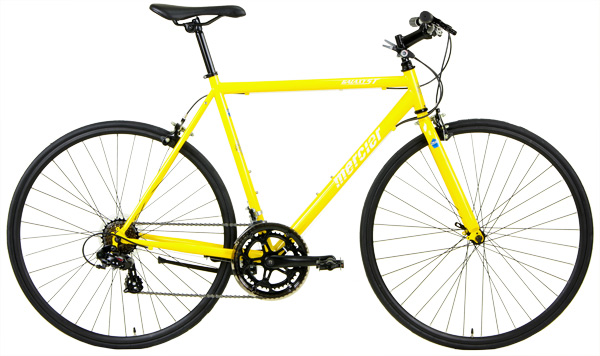
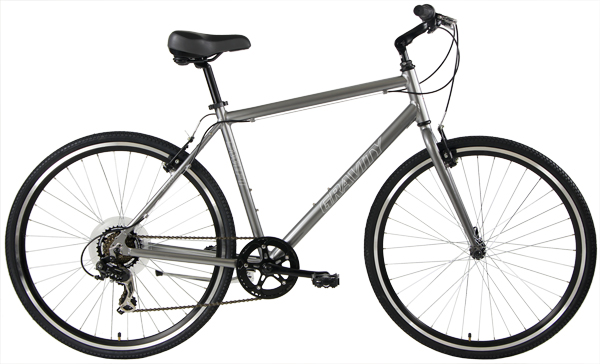
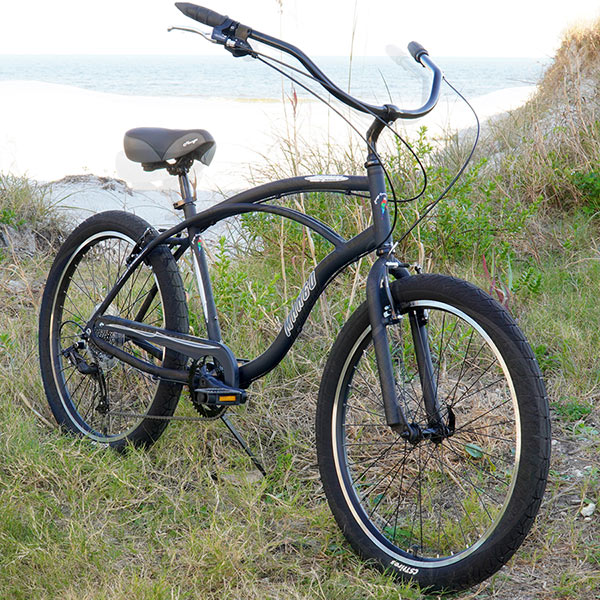
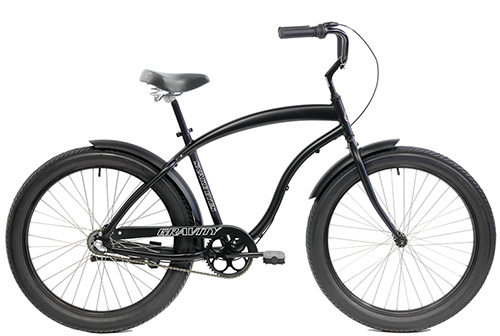
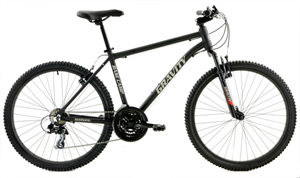
Look at your last week of driving. Grocery runs. Coffee pickups. Pharmacy stops. Gym visits. Most were under five miles. Many were under three. These are the trips where traffic wastes time and parking tests patience. The right bike can replace 70% of those drives.
Not a racing machine. Not a niche specialty build. A practical, comfortable setup built for real life. The key is choosing the right style for daily use, one that fits your routes, your comfort needs, and your cargo demands. This guide breaks down which bikes work best for daily errands and why they outperform cars for short local trips.
Why Short Car Trips Are the Easiest to Replace
Short drives are inefficient. Engines never warm up fully. Fuel economy drops. Parking adds stress. A bike solves these problems instantly. You leave when you’re ready. You park at the door. You move through traffic instead of waiting in it. But comfort determines whether this becomes a habit or a novelty. That’s where bike style matters.
The Everyday Champion: The Hybrid Bike
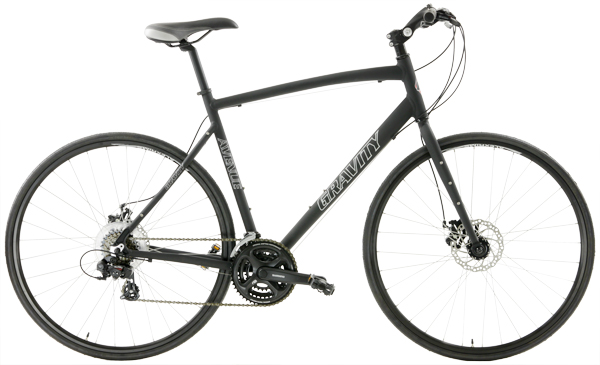
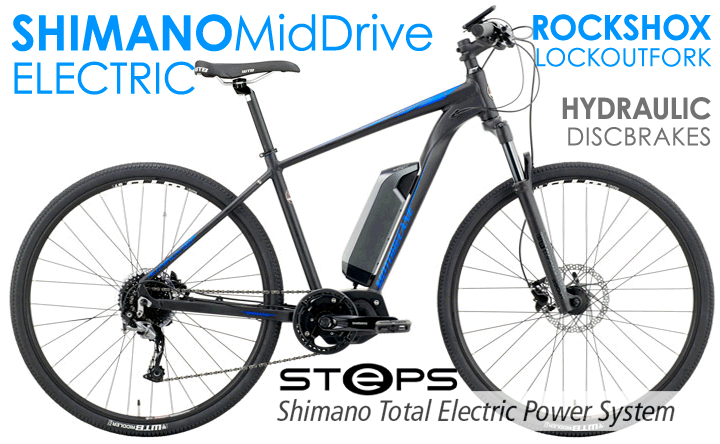
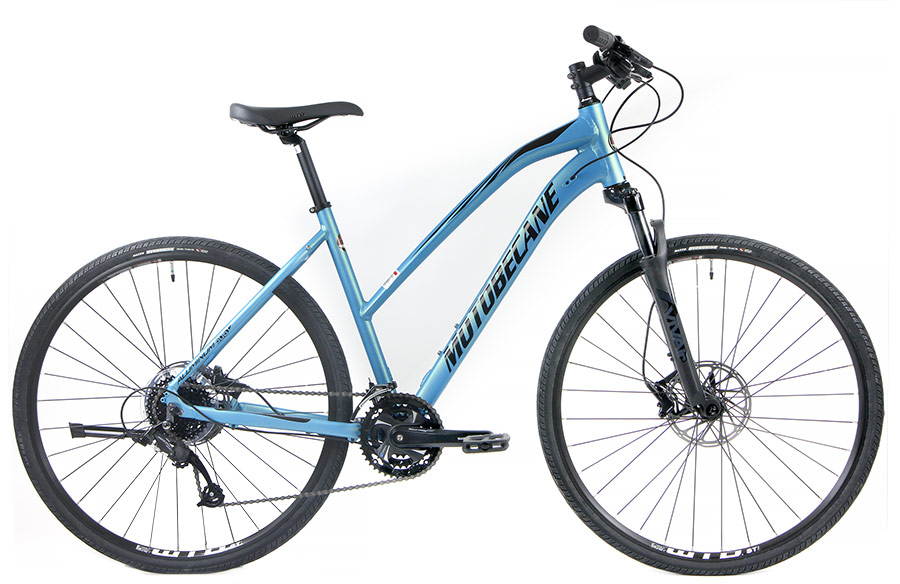
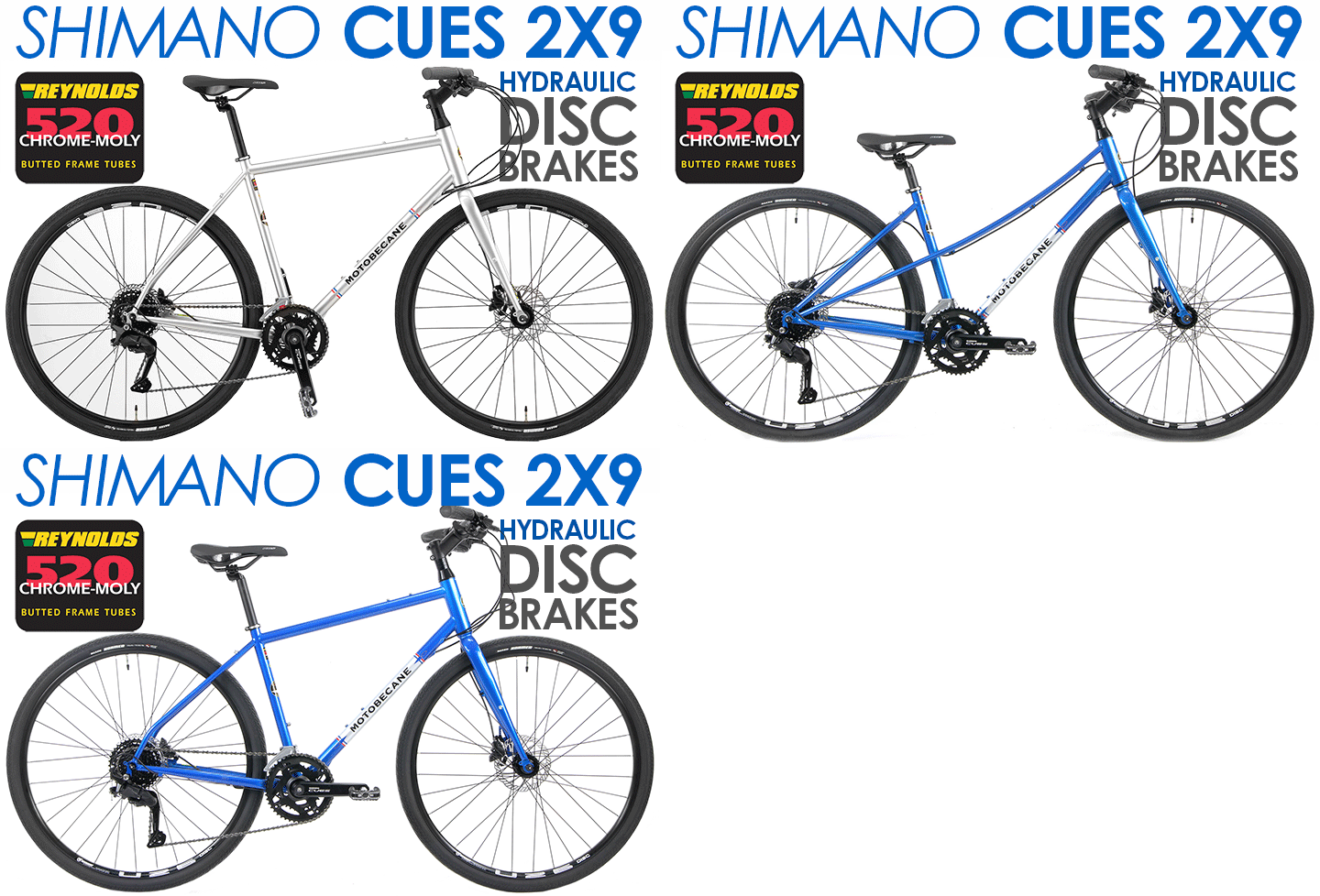
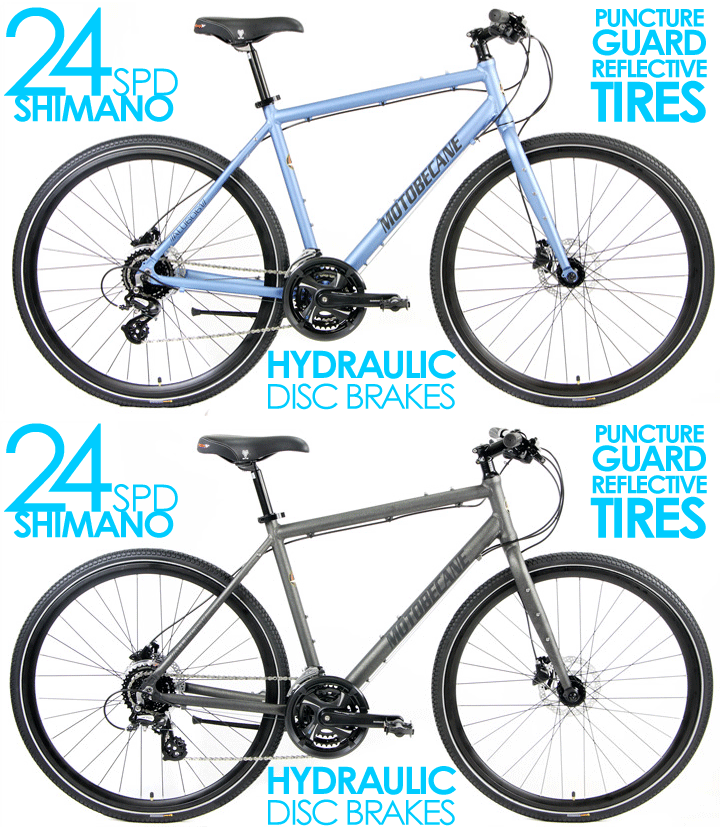
For most riders, the most versatile choice is a hybrid bike. It combines upright comfort with efficient wheels. It handles pavement, bike lanes, and light gravel paths without fuss. Wider tires smooth cracked roads. Flat handlebars keep control simple. For errands, this setup checks every box:
Comfortable seating position
Stable handling at moderate speeds
Mounting points for racks and baskets
Easy stop-and-go riding
If your daily routes include sidewalks, bike paths, and city streets, a hybrid bike feels natural from the first ride. It doesn’t demand athletic flexibility. It simply works. That practicality is why it replaces so many short car trips.
When Streets and Paths Mix: The Gravel Bike
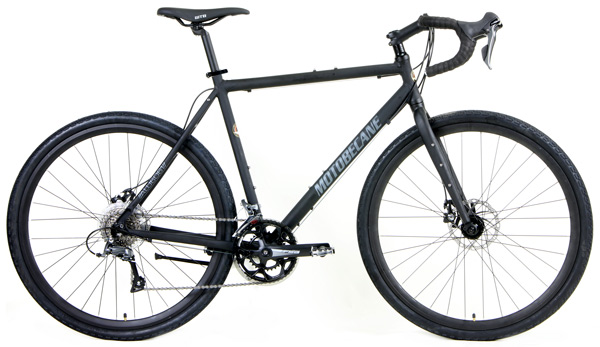
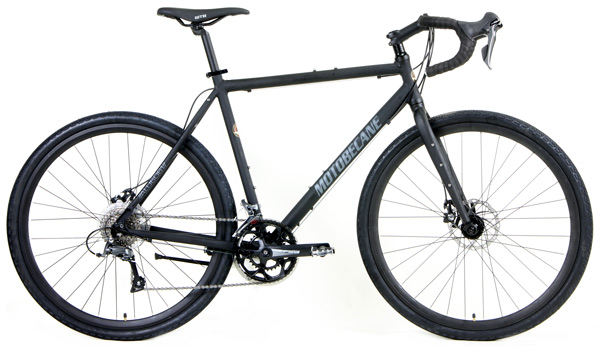
Some neighborhoods aren’t smooth. Construction patches. Broken shoulders. Park shortcuts. This is where a gravel bike shines. With slightly wider tires and endurance-focused geometry, it smooths rough pavement without sacrificing speed. Riders who want efficiency but need durability often prefer a gravel bike for daily transport. It feels quicker than a commuter-focused build but more forgiving than a pure performance machine. If your errands involve mixed terrain, this style handles unpredictability without stress.
The Speed Solution: The Road Bike
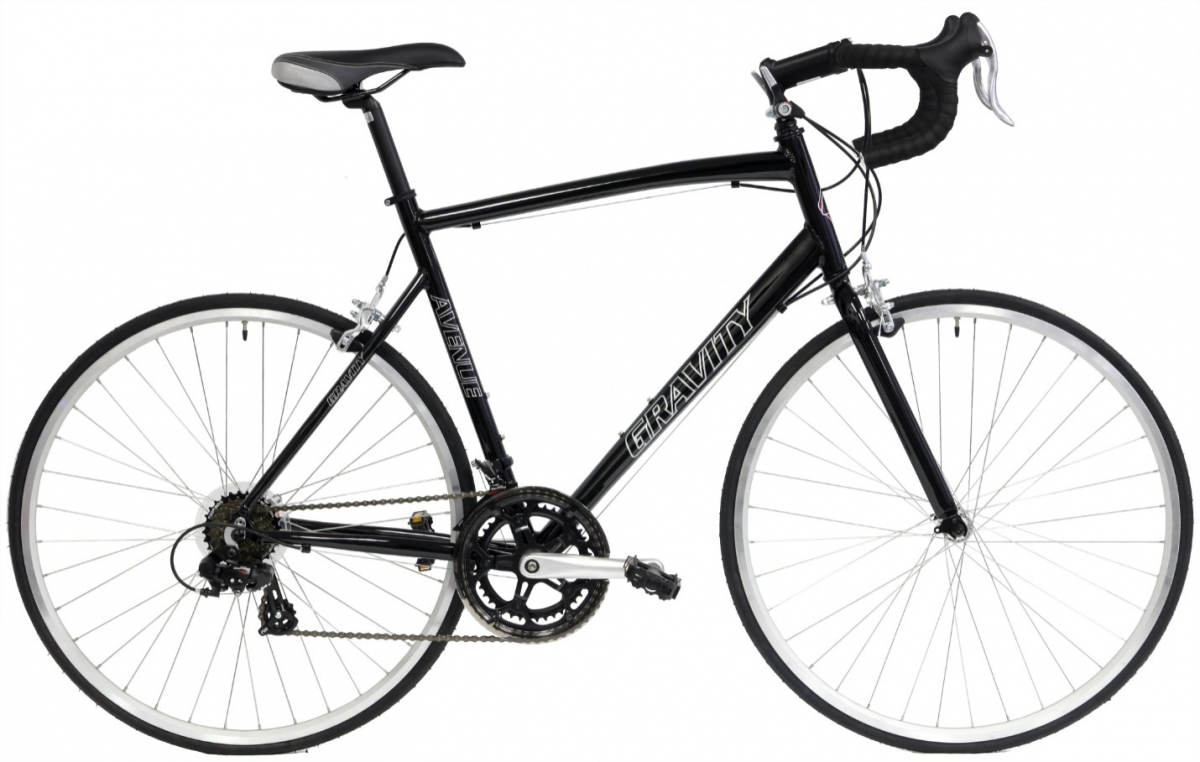
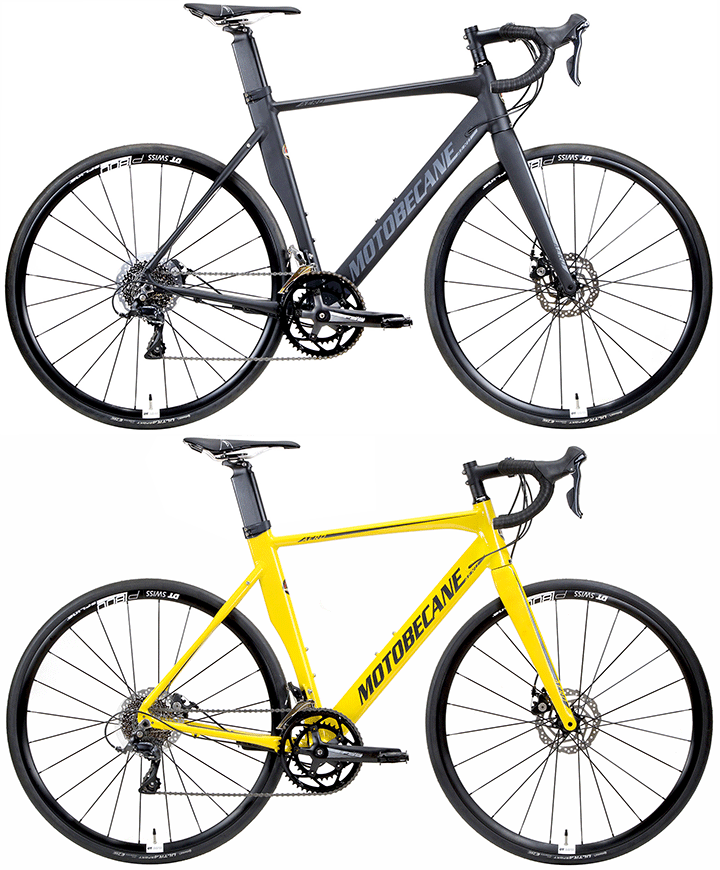
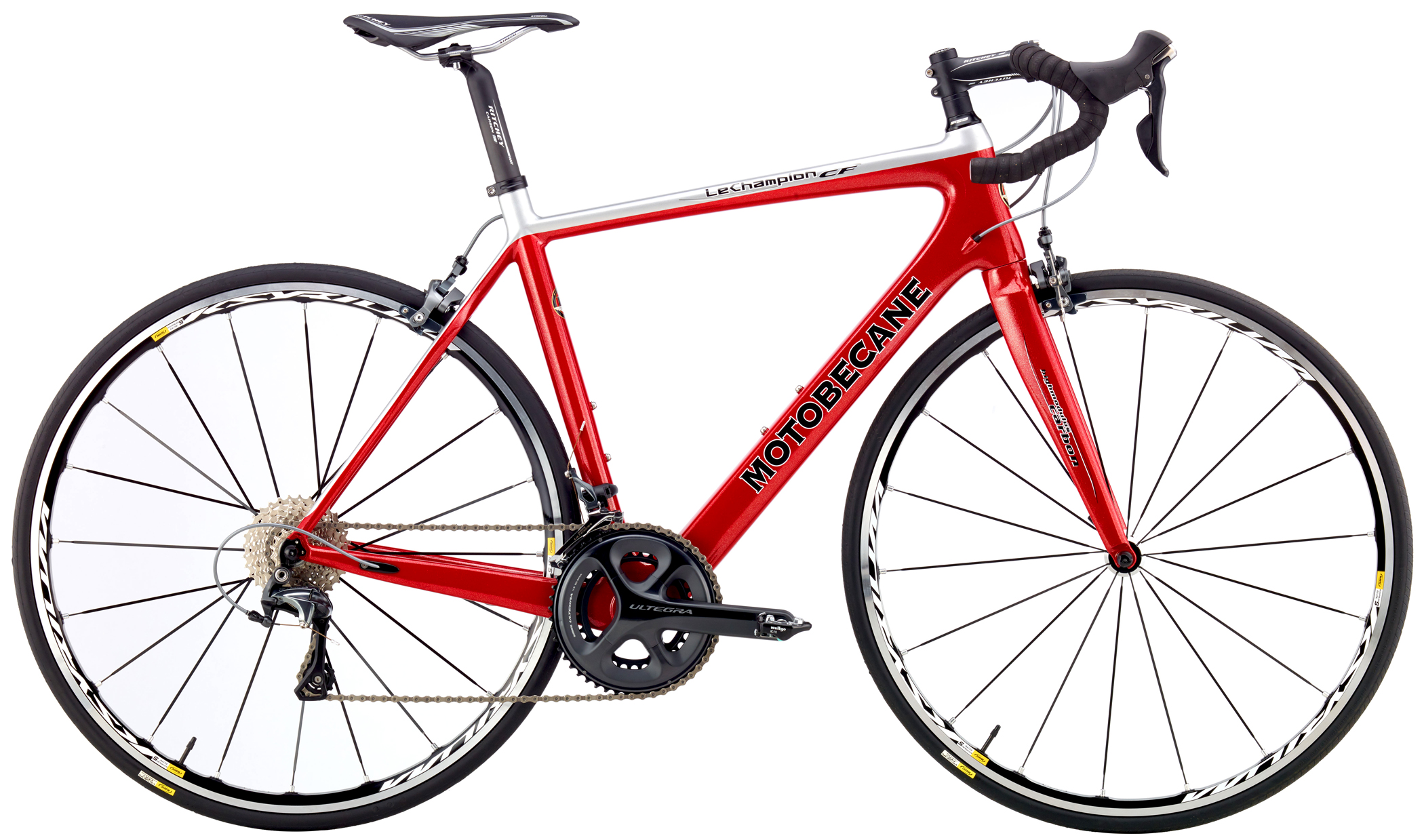
Some riders value time above all else. A road bike turns a 15-minute drive into a 10-minute ride. Narrow tires roll fast. Lightweight frames accelerate quickly. For quick solo trips with minimal cargo, a road bike is unmatched in efficiency. It’s ideal for fitness-minded riders who want errands to double as training miles. However, comfort depends on flexibility and fit. If your routes are smooth and you prioritize speed, the road bike becomes a powerful car replacement tool.
Stability for Rougher Routes: The Mountain Bike
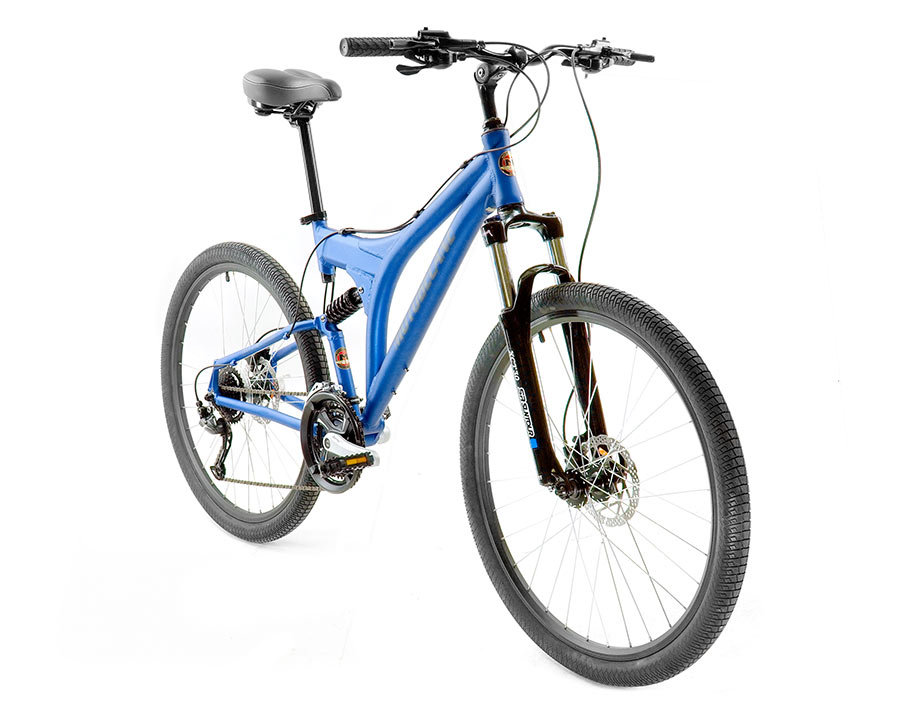
Not all short trips stay on pavement. If your route includes uneven sidewalks, dirt connectors, or broken roads, a mountain bike adds confidence. Wider tires and suspension absorb impacts. Upright posture improves visibility in traffic. A mountain bike may not be the fastest option, but for unpredictable urban surfaces, it feels stable and secure. For riders who prioritize control over speed, this style often replaces local car trips effortlessly.
Comfort Above All: The Beach Cruiser
Errands don’t have to feel rushed. A beach cruiser focuses on ease. Wide cushioned tires. Upright bars. Relaxed geometry. For short neighborhood rides, coffee runs, post office stops, quick grocery pickups, a beach cruiser offers simple, stress-free transportation. You won’t chase speed records. You won’t need cycling gear. You’ll just ride comfortably. For many riders, that comfort is what turns occasional use into daily habit.
Extreme Conditions? Consider the Fat Bike
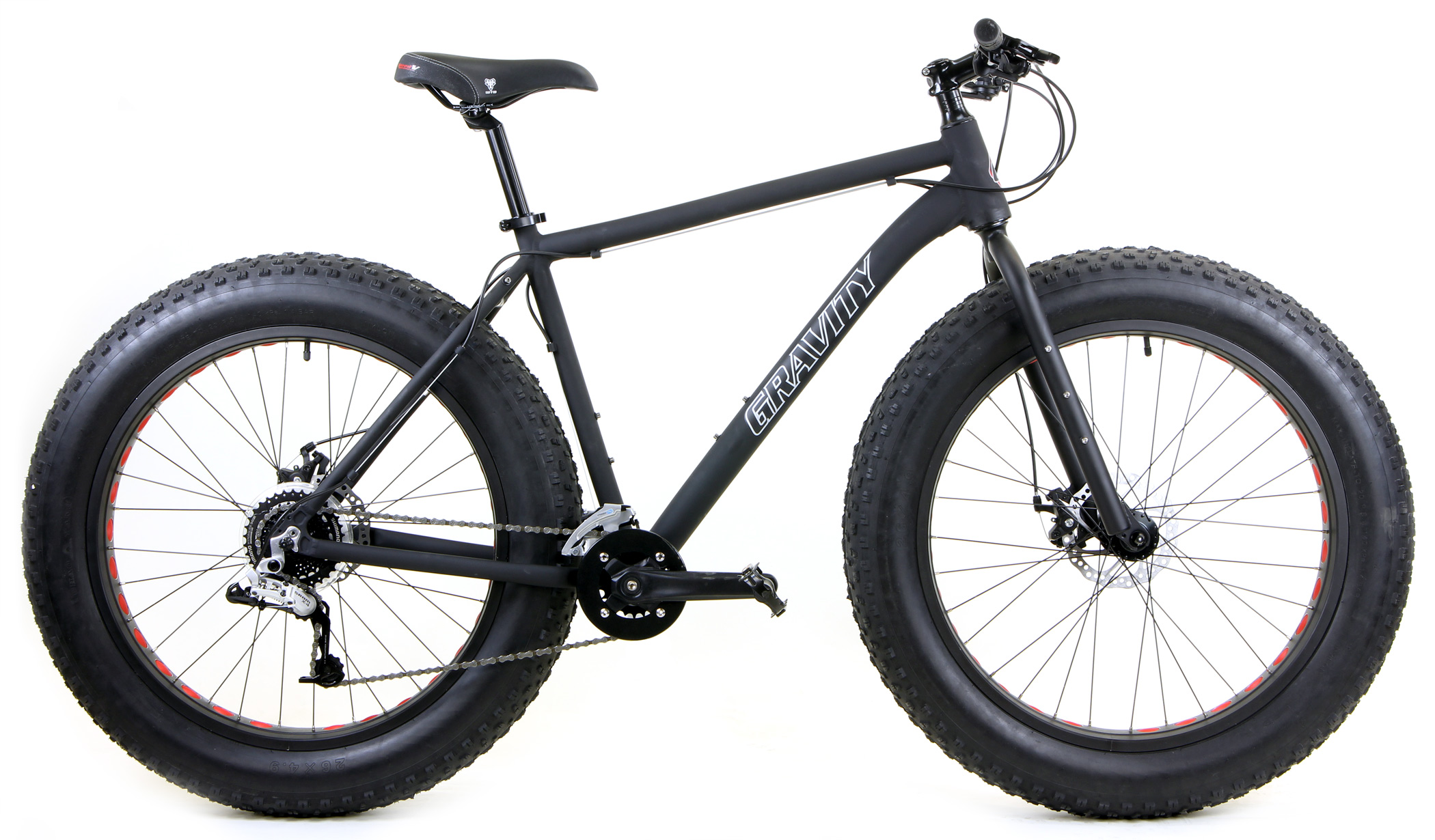
Snow. Sand. Broken winter pavement. A fat bike may seem excessive, but for certain climates it becomes a year-round transportation solution. Massive tires float over unstable surfaces. Low pressure absorbs harsh terrain. If weather usually forces you back into your car, a fat bike keeps short trips rideable. It’s not about speed. It’s about access. And access equals independence.
The Financial Shift: Think Beyond a Price Comparison
Most riders start with a price comparison. They compare bike cost to car cost. But the real math goes deeper. Fuel. Insurance. Parking. Wear and tear. Replacing even half your short drives reduces those recurring expenses. Over time, a bike pays for itself. And unlike a car, maintenance stays simple. Tires. Chain. Basic tune-ups. The value isn’t theoretical. It’s measurable.
What Makes a Bike Errand-Ready?
Regardless of category, daily-use bikes share practical traits:
Comfortable geometry
Stable tires
Mounting points for racks
Predictable braking
Easy maintenance
The best choice depends on terrain, cargo needs, and personal comfort. The goal isn’t racing. It’s replacing keys with pedals.
Start With One Trip
Don’t aim to replace every drive tomorrow. Start with the easiest one:
The coffee run.
The pharmacy stop.
The short grocery pickup.
When you realize the ride feels faster, simpler, and more enjoyable, momentum builds naturally. That’s how a bike replaces 70% of your short car trips, not through force, but through convenience.
Replace Short Drives With the Right Bike
At BikesDirect.com, you’ll find thoughtfully engineered aluminum options across every major category. Compare specifications confidently, review assembly guidance in the FAQ, and reach out directly through the Contact page for expert support.
Ready to ride lighter? Browse the full collections:
When riders first see affordable bikes online priced at $599 for a carbon fork road bike or $349 for a wide-tire gravel bike with disc brakes, the instinct is to assume something is missing. The truth is these prices reflect how BikesDirect eliminates middlemen and showroom overhead while offering bikes with genuine components.In this guide, we break down the actual parts lists, frame materials, and braking systems across several popular bike types, showing why these prices are not only real, they often outperform similarly priced options at local bike shops.
How Factory-Direct Pricing Changes the Game
The difference between BikesDirect’s pricing and traditional retail is all in the business model:
No showroom markup. Bikes ship straight to customers, reducing overhead
Centralized inventory. Brands can offer a wider range of models without spreading stock across locations
Selective assembly and support. Basic assembly tools and guides are included, giving riders flexibility
Local bike shops may include assembly, fitting, or first tune-ups, which add cost. The spec-per-dollar value from BikesDirect often exceeds what shop pricing allows.
Breaking Down Parts Lists: What $300–$600 Gets You
Frame Materials
Hybrid bikes often use lightweight aluminum with durable welds, ideal for commuting or city riding
Entry-level road bikes feature steel or alloy frames, balancing comfort and performance
Gravel bikes include frames designed for mixed terrain, ready for long rides over paved and unpaved surfaces
Braking Systems
Many bikes in this range feature mechanical disc brakes or quality rim brakes, sufficient for everyday use
Higher-end options may include hydraulic discs, but even basic disc systems provide superior stopping power compared to traditional rim brakes
Wheels and Tires
Wider tires on fat bikes or gravel bikes absorb bumps and enhance comfort
Tire selection is often a major differentiator between online value and retail options
Real Examples of BikesDirect Value
Mercury Galaxy ST / ST Express
Price: as low as $229.95
Steel frame, reliable shifting, and basic disc brakes
Competitively spec’d against entry-level road bikes at local shops
Windsor Wellington 2.0 XTL
Price: $349 with free 48 US shipping
Aluminum frame, balanced geometry for comfort
A strong contender among online road bike options
Axis 300HT Mountain Bike
Price: $399
Front suspension, V-brake system, durable aluminum frame
Designed for new riders seeking off-road capability
Huffy Wide-Tire Fat Bike
Price: $499
Oversized tires for sand, snow, and rugged trails
Offers traction advantages rarely found at this price in stores
Why These Prices Surprise Riders
Online prices look too good to be true because the savings come from eliminating overhead, not reducing quality. A quick price comparison with local shops highlights:
Cost savings from removing middlemen
Direct shipping benefits
Access to higher-spec components for the same budget
This approach allows BikesDirect to offer top-quality hybrid bikes, road bikes, fat bikes, and beach cruisers at realistic, accessible prices.
5-Step Smart Comparison Checklist
If you want to validate value and specs:
Total cost out the door. Include shipping, tax, and assembly tools
Fit confidence. Compare sizing charts to ensure proper comfort
Intended terrain. Choose mountain bikes for trails or road bikes for pavement
Maintenance plan. Decide if you prefer DIY setup or shop-assisted assembly
Key specs. Prioritize brakes, gearing, and tire width over minor extras
Understanding the True Value of BikesDirect Pricing
Many riders hesitate when they see affordable bikes online, thinking something must be missing. A $349 gravel bike or a $599 road bike can look almost too good to be true. The reality is that BikesDirect achieves these prices through a factory-direct model, not by cutting corners on quality. Understanding what goes into the pricing helps riders make confident, informed decisions.
First, consider the frame and component selection. BikesDirect sources frames from established manufacturers and carefully matches them with components that deliver reliability and performance. For example, entry-level hybrid bikes use durable aluminum frames, offering a comfortable ride for commuting or casual fitness, while mountain bikes feature front suspension and V-brakes suited for trail adventures. Even the fat bike models include wide, traction-focused tires that outperform similarly priced retail alternatives.
Another critical factor is the absence of retail markups and showroom costs. Traditional bike shops carry expenses for rent, staff, and inventory spread across multiple locations. Those costs are included in the sticker price. BikesDirect ships directly from centralized warehouses, allowing the company to pass savings directly to the rider. That means a beach cruiser or road bike can have higher-spec parts at a fraction of the retail cost without compromising safety or performance.
The price comparison between online and local options highlights additional value. Online, riders gain access to a wider selection of bikes, from hybrid bikes for daily commuting to adventure-ready gravel bikes. Shoppers can explore specifications, tire widths, brake types, and drivetrain setups without feeling rushed or pressured, and they can compare models across multiple categories. This transparency empowers buyers to choose the bike that best fits their terrain, fitness level, and riding goals.
Finally, BikesDirect supports riders with resources for assembly and maintenance. Most bikes arrive 90 percent pre-assembled with step-by-step guides, helping new riders confidently get on the road. Online educational tools and customer support further enhance the buying experience, making it easier to enjoy a mountain bike trail ride, a casual beach cruiser outing, or a weekend adventure on a fat bike.
By looking beyond the initial sticker price and examining frames, components, and real-world usability, riders can see that these affordable bikes online truly offer quality that rivals much more expensive alternatives. Choosing BikesDirect is about maximizing value, gaining convenience, and accessing a wide range of bikes without compromise.
Seeing $599 road bikes or $349 gravel bikes online may initially raise skepticism. BikesDirect’s factory-direct pricing, transparent parts lists, and carefully chosen components explain the low numbers. Riders gain better value, wider selection, and convenience, while still enjoying high-quality bikes across hybrid, fat, and beach cruiser categories.For more information, check out BikesDirect’sHybrid Bikes, Gravel Bikes, Road Bikes, Fat Bikes, Mountain Bikes, and Beach Cruiser selections.Learn more about the company at About Us, read FAQs at FAQ, or get personalized support via Contact.
If you’ve ever compared two bikes online, similar-looking frames, similar category, similar promises, and then felt your eyebrows lift at the price difference, you’re not alone. The bike industry has a long history of pricing that can feel opaque from the outside. MSRP tags, seasonal sales, and brand positioning can make it hard to tell whether you’re paying for performance… or paying for layers.
At BikesDirect, we’ve built our business around a different approach; one that puts more of your money into the bike itself. Understanding factory-direct bikes isn’t about learning industry jargon; it’s about learning how pricing works so you can shop smarter, compare more confidently, and end up with a bike you genuinely enjoy riding.
In this deep dive, we’ll break down:
traditional bike pricing is built
here costs stack up (even when specs don’t)
to evaluate the real component value quickly
our model changes the math in your favor
By the end, you’ll have a practical checklist you can use in minutes, whether you’re shopping for a performance setup or a reliable everyday ride.
Brand and product development A brand designs a lineup, forecasts demand, and sets pricing strategy (including MSRP, promotions, and dealer margins).
Distribution and logistics Inventory is moved through warehouses, shipping networks, and regional distribution channels.
Retail overhead Bikes are stocked on showroom floors, assembled, serviced, and supported by staff. Retailers also carry inventory risk, especially with seasonal demand swings.
Consumer purchase The buyer ultimately pays for the bike and the system that brought it to the shop floor.
None of this is bad. Bike shops provide valuable services, community, fit help, and support. The point is simply that this structure carries costs that exist even when they don’t directly improve the ride experience. Two bikes can share a similar purpose, but the pricing can diverge dramatically based on how many layers are involved and how each layer needs to be funded.
Where the cost layers show up
Even before we talk about components, consider what gets priced in:
warehousing and freight handling
showroom space and staffing
inventory financing and seasonal risk
promotions and markdown cycles
brand marketing overhead (which can be significant)
When you see a higher price, it may reflect higher-end components and engineering. But it may also reflect the economics of the pipeline.
The spec gap problem: why price doesn’t always track performance
If we could give every buyer one simple shopping habit, it would be this:
Compare specs and purpose first; then compare price.
The most common trap is assuming that a higher price automatically means a higher-performing bike in real-world use. Sometimes it does. But often, pricing reflects brand positioning, distribution layers, and retail overhead rather than measurable performance gains.
What actually changes the way a bike rides
If you want to understand value, focus on the parts that directly change feel, control, and long-term satisfaction:
Drivetrain (gearing + shifting quality)
This isn’t just about having more gears. It’s about:
having a gear range that matches your terrain
shifting that feels consistent under load
durability and tune stability over time
A drivetrain that matches your routes can make riding more enjoyable immediately, especially if you have hills or long rides where cadence matters.
Brakes (confidence and control)
Braking is one of the most underappreciated value indicators for new buyers. Better braking consistency makes:
descents feel safer
wet conditions less stressful
stop-and-go riding more predictable
It’s hard to overstate how much brakes you trust can improve the overall experience.
Wheels and tires (comfort and traction live here)
Wheels affect durability and responsiveness. Tires affect comfort, grip, and rolling feel. Two bikes can have similar frames and totally different ride personalities based on tire width and quality alone.
Suspension (if you actually need it)
If you ride trails or rough terrain, suspension can be transformative. If you ride smooth pavement, suspension can be unnecessary complexity. The key is choosing what matches your riding; no more, no less.
A practical way to compare bikes without getting overwhelmed
If you’ve ever clicked into a product page and felt like you needed a translator, here’s a simpler approach. You don’t need to become a mechanic; you just need a short list of high-impact comparisons.
Step 1: Identify the bike’s true job
Before you compare parts, define the bike’s job:
commuting and errands
paved fitness rides
mixed-surface exploring
real trail riding
comfort-first casual riding
Once you know the job, it’s easier to know which specs matter and which are just noise.
Step 2: Look at the big four value indicators
drivetrain level and range
braking type and feel
wheel durability and tire quality
suspension type (only if relevant)
Step 3: Don’t overpay for the wrong kind of upgrade
A bike can have a premium price tag and still be the wrong tool for you. And the reverse is also true: a well-chosen, value-focused bike can feel better in daily use because it matches your routes and comfort preferences.
How our approach changes the value equation
At BikesDirect, our model is built to put more value into the bike itself. When you strip away unnecessary layers and keep the focus on specs and purpose, you create room for stronger component value at a given price point.
That’s the real advantage of factory-direct bikes: you’re not paying extra for a longer pipeline; you’re paying for the product.
We also know that value isn’t just a low number. Value is:
the right bike category for your routes
components that perform where it matters
durability and ride enjoyment over time
clear, honest specs that let you compare confidently
Our goal is to make it easier for you to understand what you’re getting, so your budget goes into ride quality rather than into layers you never asked for.
Real-world value is easier to see when you anchor it to purpose
To make this practical, let’s talk about how value looks in common buying scenarios, because the best deal means different things depending on how you ride.
Scenario A: You want a capable trail bike without paying for fluff
If your rides include real off-road terrain, you’ll feel the most value in:
suspension performance and suitability
braking confidence on descents
drivetrain range for climbing
wheel/tire setup for traction
This is where full-suspension mountain bikes can deliver huge ride-quality differences compared to budget setups that look similar but don’t perform as confidently when trails get rough.
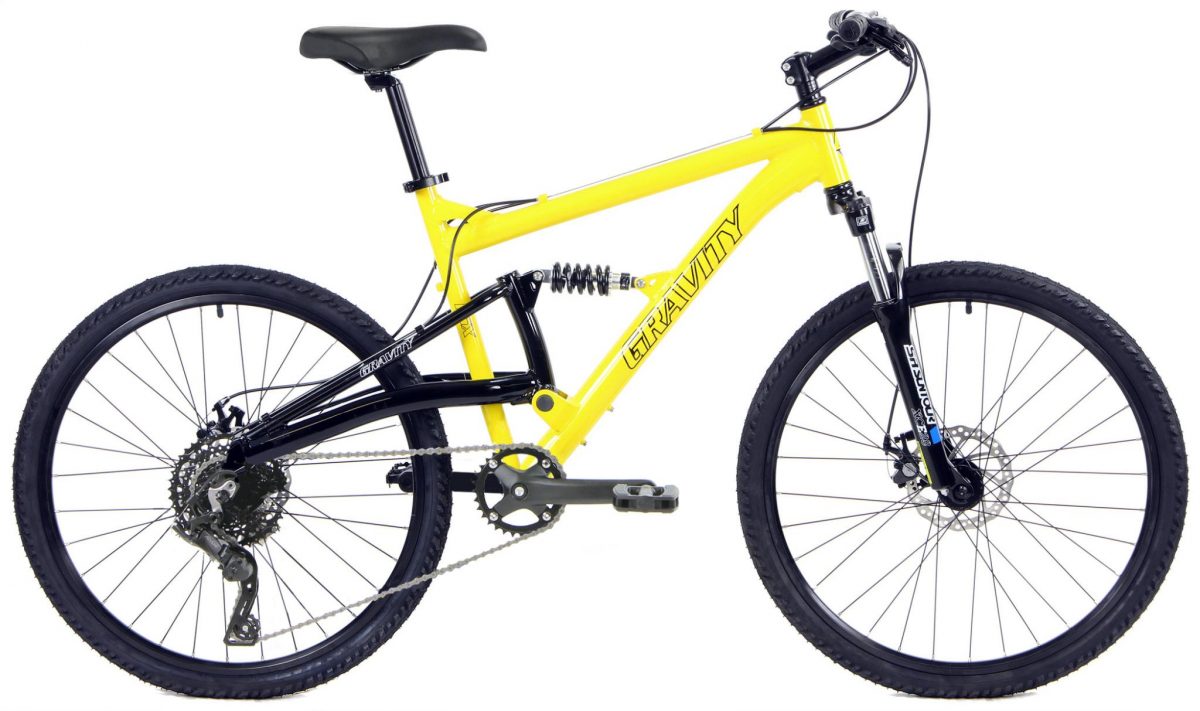
A great example of a value-focused full-suspension starting point is the Gravity FSX 1.0 Advent26 1BY. The reason bikes like this matter in a pricing discussion is simple: full suspension can be a major comfort and control upgrade, and value often shows up in how accessible that upgrade becomes when the pricing model is efficient.
Scenario B: You want stability and confidence from bigger wheels
Wheel size can change ride feel, especially on rougher surfaces. Riders who want a more stable roll-over feel often gravitate toward 29er setups for trail and mixed off-road routes.
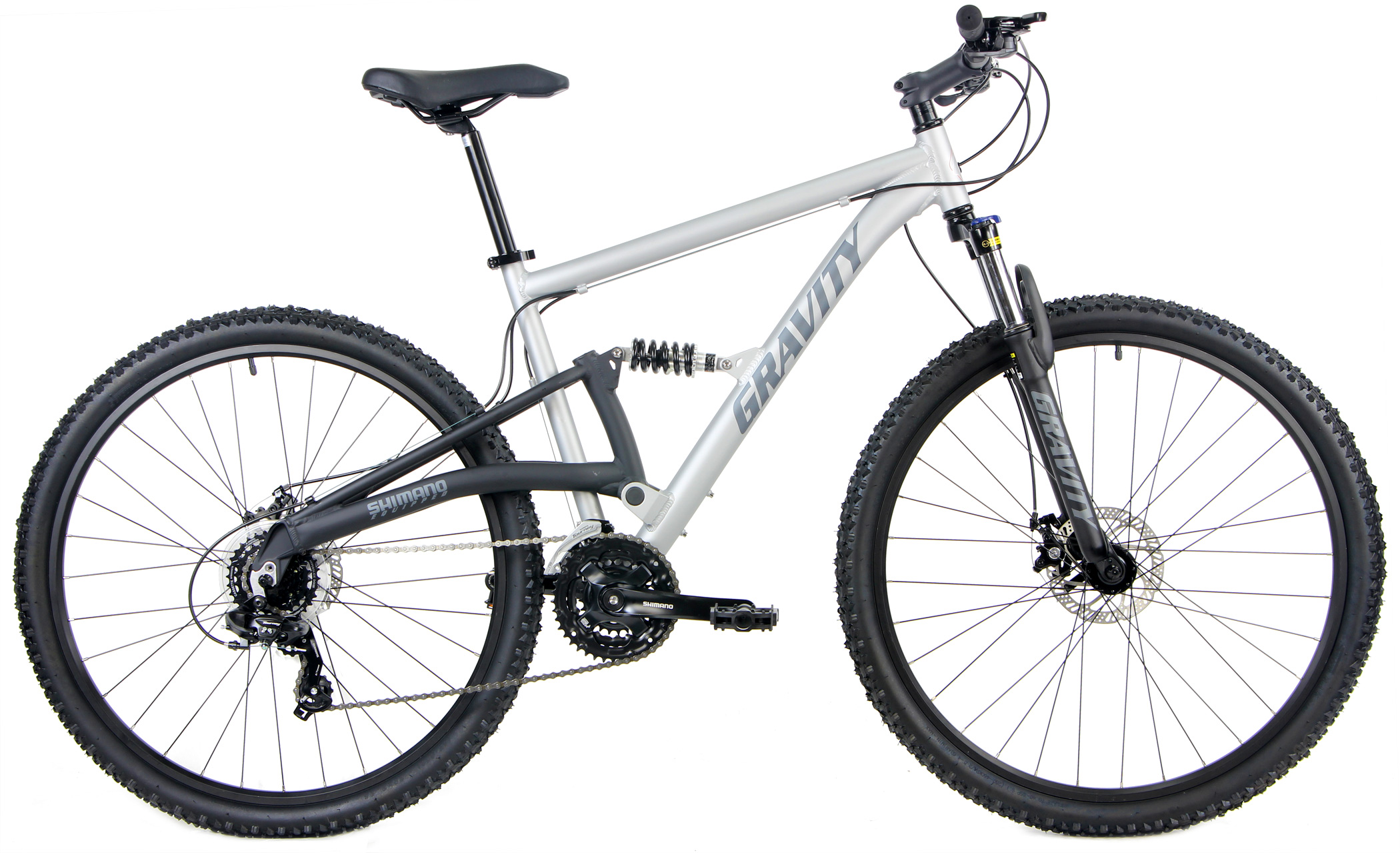
A model like the Gravity FSX 29LTDX is a useful reference point when you’re comparing what I get for the money, because it highlights a common shopper priority: stability and confidence, not just looks or branding.
A quick component-value checklist (the short version)
Here’s a simplified checklist you can use while shopping; no deep technical background required.
Drivetrain: ask Will this feel good where I ride?
Do you have hills? Make sure you have low gears you’ll actually use.
Do you want simplicity? A streamlined setup can be easier to live with.
Brakes: ask Will I feel confident stopping?
Consistency matters more than marketing terms.
If you ride in traffic or variable weather, don’t treat brakes as an afterthought.
Wheels and tires: ask Will this be comfortable and grippy?
Tire width and quality influence comfort and traction immediately.
If your roads are rough, tire volume can be a bigger upgrade than a tiny weight reduction.
Suspension: ask Do I need this, and will I use it?
Trails and rough terrain: suspension can be a major benefit.
Smooth pavement: You may prefer simplicity and efficiency.
The component-value checklist (the deeper version you can actually use)
When pricing feels confusing, it helps to stop asking Why is this bike cheaper? and start asking What am I getting for the money? Value becomes much clearer when you evaluate the parts that change ride feel, control, and long-term satisfaction.
Below is the same checklist we use internally when we’re helping riders compare options across brands, price points, and categories.
Drivetrain value: range, reliability, and real-world shifting
A drivetrain isn’t better just because it has more gears. What matters is how well it matches your terrain and how consistently it performs.
What to look for:
A range you’ll actually use: If your routes include hills, you’ll want low gears that keep climbing comfortable. If you ride mostly flat, you may prefer simplicity and clean shifting rather than chasing extremes.
Consistency under effort: Shifting that stays dependable when you’re pedaling hard is a quality-of-life upgrade you notice every ride.
Adjustment stability: Some drivetrains hold tune better over time, which means fewer little annoyances between rides.
Smart buyer move: Compare drivetrain level, gear range, and real-world intent; not just the number of gears. A well-matched setup often feels faster because you’re riding at your preferred cadence more of the time.
Braking value: confidence is the upgrade
Brakes are one of the most underrated value indicators in bike shopping. When brakes feel predictable, everything gets easier: traffic, descents, wet conditions, and tight turns.
What to look for:
Modulation: Smooth control matters more than instant grab.
Consistency: You want the same lever feel from the first mile to the last.
Confidence at speed: Better brakes don’t just stop you faster; they make you feel calmer.
Smart buyer move: If two bikes are close in price, braking quality is often the better tie-breaker than minor frame differences.
Wheels and tires: where comfort and traction really come from
If you want a bike that feels better than expected, wheels and tires are a huge part of that. The frame sets the foundation, but tires and wheels shape the day-to-day experience.
Tires:
Width and volume = comfort and control. Wider tires (within reason for your category) can reduce harshness and improve grip on imperfect surfaces.
Tread and casing quality matter. Two tires that look similar can ride very differently.
Wheels:
Durability is value. Especially for heavier riders, rough roads, or off-road use, a durable wheelset is worth more than a small weight drop.
Ride character changes here. Wheels can influence responsiveness and stability; subtle on paper, obvious on the road.
Smart buyer move: Choose the tire setup that matches your routes. If your city streets are rough, tire volume can be more meaningful than a lightweight frame upgrade.
Suspension value (when it’s relevant): comfort, traction, and control
Suspension is not a universal benefit. If you ride trails or consistently rough terrain, suspension can increase traction and reduce fatigue. If you ride smooth pavement, it can be unnecessary complexity.
What to look for (trail riders):
Appropriate travel for your terrain: More isn’t always better; match it to the trails you ride.
A balanced build: Suspension only shines when the rest of the bike supports it (brakes, wheels, tires, drivetrain range).
Smart buyer move: Buy suspension because it improves the rides you do weekly, not because it sounds like a premium feature.
Frame and fit value: the part that keeps you riding
We’re spec-forward for a reason, but fit is still the foundation. A bike that fits well and matches your posture preference can feel higher-end than a more expensive bike that doesn’t suit you.
What to look for:
Reach and posture that feel natural
Stable handling for your skill level
Mounting points if you need utility (commuting, racks, fenders, bags)
Smart buyer move: If you’re torn between two options, prioritize the one that fits your comfort and your routes. Most riders ride more when the bike feels easy to live with.
Where pricing gets distorted (and why it matters to your wallet)
If you’ve ever wondered why pricing feels inconsistent across the industry, you’re not imagining it. A lot of pricing isn’t just cost + fair margin. It’s influenced by how bikes are sold, stocked, and marketed.
MSRP signaling and sale cycles
In traditional retail, pricing often revolves around MSRP and promotions. That can make comparisons tricky:
model may look discounted heavily, but still be priced around what the pipeline requires
model may hold closer to MSRP because the brand strategy is to protect price perception
nd-of-season markdowns can be more about inventory and floor space than about the intrinsic value of the bike
Inventory risk and overhead
Stocking bikes costs money. Warehousing, shipping, showroom space, staffing, and seasonal swings all create pressure to build margin into the retail price. That doesn’t automatically mean a retail-priced bike is bad, but it does mean you’re often paying for the system that supports that in-store experience.
Why spec-first shopping protects you
When you shop based on specs and purpose, you protect yourself from pricing noise. You don’t get pulled into paying more for paint, brand aura, or marketing language that doesn’t change the ride.
This is also why factory-direct bikes tend to shine in spec-to-price comparisons: when fewer cost layers sit between production and the rider, it becomes easier for your budget to show up where it matters: drivetrain level, braking confidence, and ride-ready capability.
Value looks different by bike category (so shop the right way for your riding)
One mistake we see often is comparing value across the wrong category. A bike can be a great value and still be the wrong tool for your rides. So here’s how to think about value depending on what you ride, and where it makes sense to start browsing.
Road: value is efficiency, gearing, and braking feel
If your riding is mostly pavement and you want speed and distance efficiency, value comes from a build that feels smooth, fast, and reliable over long miles. Start here:Road bike.
Value cues: gearing that matches your terrain, confident braking, wheels/tires that feel lively without beating you up.
Mountain: value is control, traction, and durability
Off-road riding puts real demands on a bike. Value shows up in control on descents, traction in loose corners, and reliability after repeated hits. Start here:Mountain bike.
Value cues: a balanced build (brakes + drivetrain range + tires), wheels that hold up, suspension that matches your trails.
Gravel: value is versatility and comfort on mixed surfaces
Gravel riders often want one bike that can do a lot. Value is stability, tire clearance, and comfort across changing surfaces. Start here:Gravel bike.
Value cues: tire volume potential, confident handling, useful gearing for rolling routes, practical mounting options if you want adventure or commuting capability.
Hybrid: value is practicality, comfort, and easy daily use
Hybrids win because they fit real life: commuting, fitness, errands, paths, and imperfect pavement. Start here:Hybrid bike.
Value cues: upright comfort, stable handling, brakes you trust in stop-and-go riding, and a build that doesn’t demand constant tinkering.
Cruiser: value is comfort and simplicity
Cruisers are about easy fun. Value is a relaxed ride feel that makes you want to hop on more often. Start here:Beach cruiser.
Value cues: comfort-first geometry, straightforward components, easy miles posture.
Fat: value is traction and float, where other bikes struggle
If you ride sand, snow, or consistently loose terrain, fat bikes can unlock rides that other categories can’t handle comfortably. Start here:Fat bike.
Value cues: tire setup that matches your conditions and a build that stays stable and confident on soft surfaces.
Spec-to-price spotlights from our lineup (how to compare with purpose)
To make the pricing discussion real, let’s look at two performance-focused examples and how we recommend comparing them to similarly positioned bikes elsewhere. The goal here isn’t to overwhelm you with jargon; it’s to show you how to identify value with a clear process.
Motobecane HAL29 SLX: a practical benchmark for trail/XC value
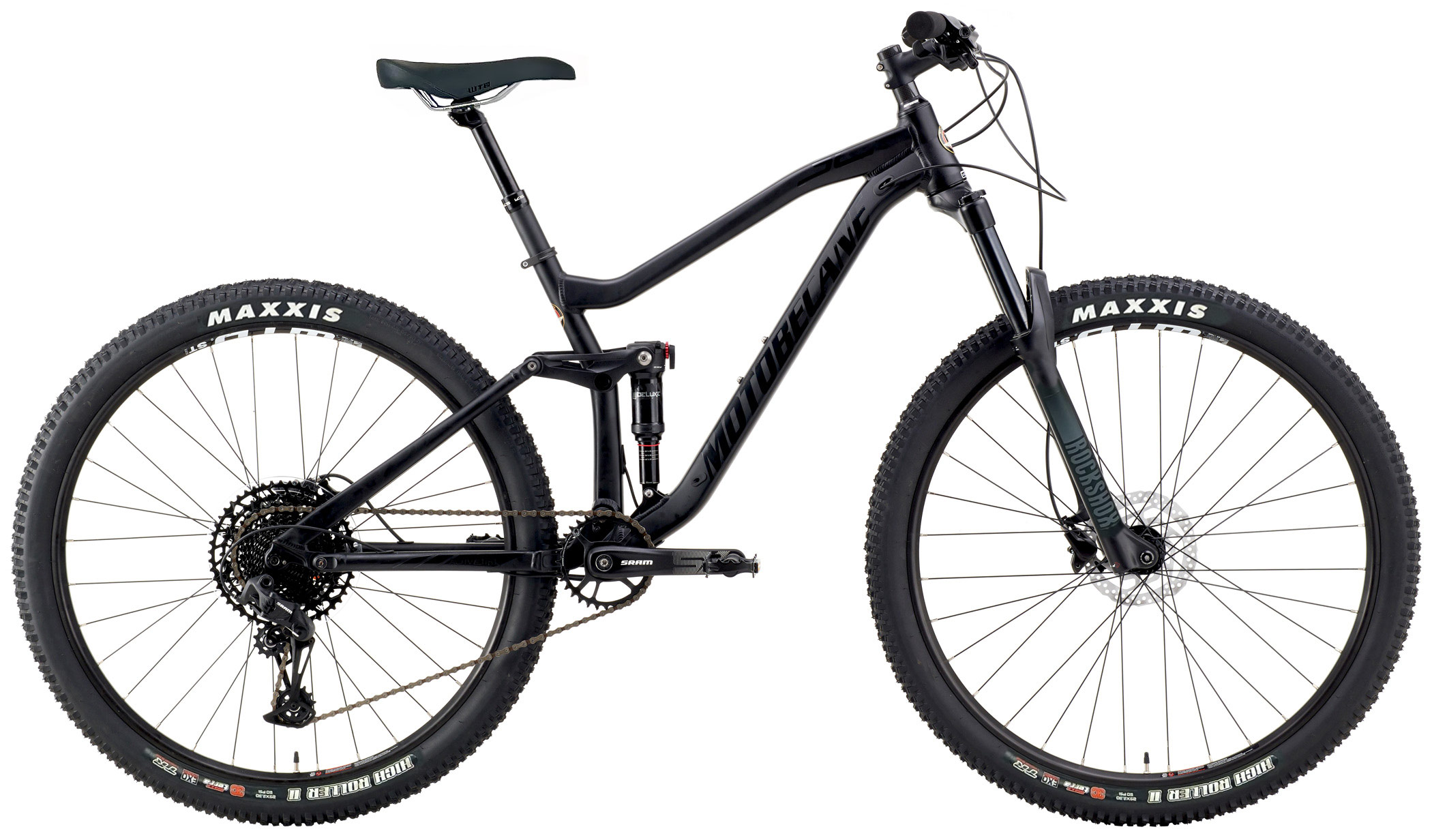
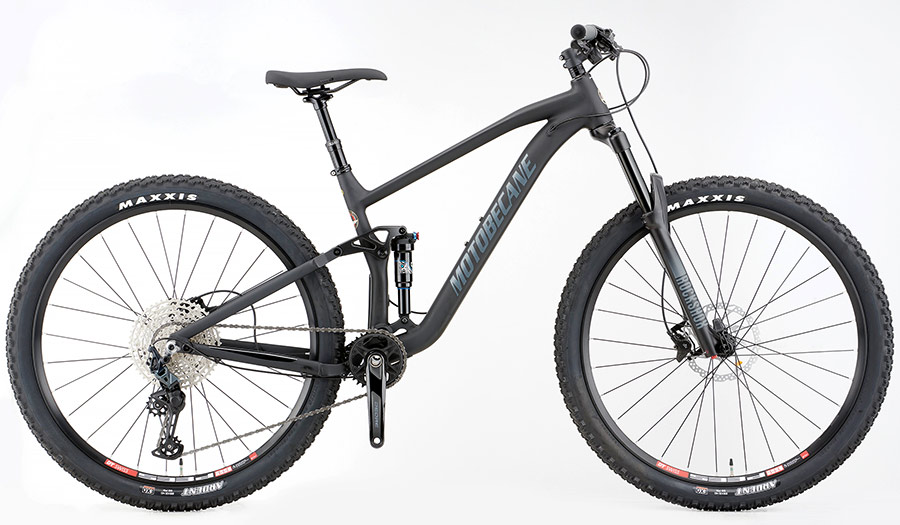
The Motobecane HAL29 SLX is a great reference point for riders who want a bike that’s ready for real off-road riding and meaningful trail mileage.
How we suggest evaluating it:
Look at the intent: This is designed for riders who want confident trail capability and efficiency, not a toy bike that looks the part but fades when terrain gets demanding.
Compare drivetrain and braking level at the same price: This is where value often shows up most clearly. A bike can look similar at a glance, but the ride experience changes dramatically when the component level steps up.
Check the whole package, not a single highlight: A good value bike feels balanced. If one competitor has a flashy headline spec but compromises on wheels or tires, it may not deliver the same real-world satisfaction.
Who it tends to fit best: Riders who want to progress; longer trail rides, more technical terrain over time, and a bike that won’t immediately feel outgrown as skills improve.
Motobecane HAL29 Comp Eagle LTD: when drivetrain range and ride-readiness matter
The Motobecane HAL29 Comp Eagle LTD is a strong example of why spec-to-price shopping beats brand-to-price shopping. When you’re comparing bikes in the same category, drivetrain range and consistency can be the difference between that climb being miserable and that climb being part of the fun.
How we suggest comparing it:
Focus on climbing comfort: Useful low gearing is one of the biggest ride-quality advantages, especially on longer routes or steeper terrain.
Evaluate braking confidence as a priority, not a footnote: Mountain riding rewards control. If you’re choosing between two similarly priced bikes, brakes are often the wiser place to prioritize.
Think about fatigue: A build that stays composed and predictable tends to keep you riding longer, and that’s where value becomes obvious over months, not just minutes.
Who it tends to fit best: Riders who want a bike that feels ready for bigger rides; more elevation, more distance, and a wider range of terrain without feeling underbiked.
How do these relate to the earlier examples
We used the Gravity FSX 1.0 Advent26 1BY and the Gravity FSX 29LTDX to illustrate another side of value: making full-suspension comfort and confidence more accessible. That’s important because many riders don’t need a top-tier build to have a great experience; they need a bike that matches their routes and skill level and delivers real comfort/control for the money.
Taken together, these four bikes show the two most common value paths:
Accessible capability: get the category advantage (like full suspension) without a price leap that stops you from riding now
Spec-forward performance: get meaningful component-level information where it impacts ride feel long-term
What you trade off in a direct-to-rider model (and how we make it a win)
No value model is magic. It’s worth being honest about what changes when you buy online and how to make the experience smooth.
Assembly and initial setup
Most bikes require some assembly and adjustment. For many riders, it’s straightforward with basic tools and a little patience. If you’d rather not handle it yourself, a local shop can do a quick build and safety check, especially if that gives you peace of mind.
How we recommend approaching it:
plan for a short first ride and a quick follow-up adjustment (this is normal)
prioritize the basics: brakes, tire pressure, shifting, and saddle height
Sizing confidence
Fit matters. If you’re between sizes or unsure, the right move is to choose based on your comfort preference and intended posture. A slightly more comfortable fit often leads to more consistent riding, especially for new riders or returning riders.
Support and clarity
We focus on clear specs and clear positioning so you can compare intelligently. The goal is to make it easier to choose with confidence, not to bury you in fluff. When you shop spec-first, you end up with a bike that feels like a smart buy every time you ride it.
How to shop smarter (and why our pricing model changes the outcome)
If you want to cut through the noise, here’s the simplest framework:
Pick the right category for your routes
Compare the ride-feel parts first: drivetrain, brakes, wheels/tires, and (if relevant) suspension
Then compare prices only after you’ve matched purpose and specs
When you do that, the differences between pricing models become obvious. You stop paying extra for layers that don’t improve the ride, and you start paying for the parts that make every mile smoother, safer, and more enjoyable.
That’s why factory-direct bikes are such a strong option for riders who care about value in a practical sense, not just the lowest number, but the most ride quality per dollar. And it’s exactly why we’ve built BikesDirect around spec-forward choices, clear comparisons, and a lineup designed to deliver real capability at prices that make sense.
If you’re ready to shop with confidence, factory-direct bikes give you a clear advantage: less noise, more substance, and a bike that feels like you spent wisely long after the checkout screen is gone.
If you’d like help comparing models or choosing the right size, pleasecontact us here.
For years, bike fitting worshipped exact angles: knee-over-pedal by the plumb bob, elbows at tidy degrees, stems slammed because pros did it. The result was often a fast-looking bike that felt twitchy after 40 minutes and punishing after 90. Modern bike fit flips the script. Instead of making your body serve a geometry chart, it tunes contact points and posture to your mobility, riding goals, and terrain. Numbers still matter—they’re guardrails, not handcuffs. What counts is whether you can breathe deeply, steer lightly, and put down power without discomfort from the first ten minutes to the last ten miles.
To make this practical, we’ll compare how modern bike fit plays out on three distinct platforms you can buy today—an endurance-leaning carbon road bike, a flat-bar city/fitness bike, and an all-road/gravel bike—so you can see how the same principles adapt to different ride styles.
The new fit priorities: posture, pressure, and predictability
Feel-first fit asks three questions. First, posture: can you see the road easily and breathe without shrugging your shoulders? Second, pressure: are weight and contact pressures spread so hands, sit bones, and feet feel supported rather than pinched? Third, predictability: does the bike steer where your eyes go, without micro-corrections?
On the Le Champion CF LTD, a taller stack and modest reach encourage a chest-open posture with soft elbows. That keeps breathing deep and core engaged on long road rides. The Avenue FXD Disc supports an upright stance for traffic awareness and lower-back ease, ideal for commutes and fitness loops. The Gravel X3 Disc adds tire volume and a slightly longer wheelbase, helping you stay relaxed as surfaces change. Different bikes, same goal: a stable torso with relaxed hands and a pelvis that’s supported—not hunting around the saddle every minute.
Saddle position: where comfort starts (and injury prevention, too)
Classic advice set saddle height by heel-on-pedal or fixed knee angles. Modern bike fit still respects those ranges but refines them by feel. You want a smooth knee path with no hip rock and power that arrives early in the downstroke, not awkwardly late. Most riders land near a 25–40° knee angle at the bottom of the stroke, but adaptation comes first: if your hamstrings or lower back are tight, slightly lowering the saddle (or moving it a touch forward) can stabilize your pelvis and unlock comfortable cadence.
On the Le Champion CF LTD, a millimeter or two can be the difference between all-day calm and creeping hamstring tug. On the Avenue FXD Disc, a hair lower position paired with a slightly more forward saddle often helps starts and stops feel confident in traffic. On the Gravel X3 Disc, keep height conservative to preserve traction when seated over rough patches; stability equals speed on chattery gravel.
Saddle tilt follows the same rule: level is the starting point; micro-tilt by half-degree steps. Numb hands? Your pelvis may be sliding forward—lift the nose a whisper. Pressure at the front? Drop the nose slightly so pelvic tilt is neutral. Small changes, big relief.
Bars and cockpit: breathing room over bravado
A generation ago, “slammed and long” signaled speed. Today, fit prioritizes breathing room and light hands. For drop bars, look for a position where you can spend most time on the hoods with a soft elbow bend and a neutral wrist. If you need to shrug or lock your elbows to reach, the cockpit is too long or too low. On Le Champion CF LTD, adding a spacer or choosing a compact-reach bar can transform comfort without sacrificing pace. On Gravel X3 Disc, shallow-flare bars improve control on loose surfaces while maintaining neutral wrists. The Avenue FXD Disc’s flat bar benefits from a modest rise and gentle backsweep; those few degrees take strain out of wrists and shoulders in start-stop city flow.
Bar width has evolved, too. For road and all-road, many riders now prefer slightly narrower bars to reduce frontal area and shoulder strain, provided the chest still feels open. For flat-bars, avoid overly wide stances that load the wrists; let steering come from the core, not tension in your hands.
Cranks, cleats, and the quiet lower body
Shorter crank trends aren’t fashion—they reduce hip closure at the top of the stroke, improve breathing, and cut knee shear for many riders. If you’ve felt pinched at the top or struggle to spin smoothly, a 2.5–5 mm shorter crank can be a revelation, especially on endurance frames like Le Champion CF LTD. Cleat placement follows comfort and stability: start a bit farther back (toward mid-foot) than you think, align with your natural foot angle, and let your knees track without forcing them “straight.” The goal is quiet knees under load. On the Gravel X3 Disc, a forgiving cleat float helps as terrain tilts and cadence varies. On the Avenue FXD Disc, if you ride in everyday shoes, choose pedals with a broad, grippy platform and set saddle a shade lower for stable starts.
Tire volume and pressure: fit’s secret ally
Fit isn’t only contact points. Tire volume and pressure shape how your body experiences the bike. The Le Champion CF LTD shines with 28–32 mm tires at realistic pressures; that “quiet road” sensation reduces hand clench and shoulder fatigue, which keeps posture tidy. The Avenue FXD Disc thrives on 32–38 mm; calmer feedback lets you steer from your core instead of white-knuckling over cracks and paint. The Gravel X3 Disc is built for 38–45 mm tubeless; lower pressures smooth washboard and let your hips stay still, which stabilizes knee tracking and power.
If a fit feels almost right but not quite, check pressures. Over-inflated tires masquerade as a “cockpit problem” by putting buzz into your hands and lower back. Drop a few PSI and re-assess before chasing stems and spacers.
A feel-first setup plan for each platform
On Le Champion CF LTD, begin with a comfort-endurance posture: hoods as the home base, bar drop that keeps your chest open, and a saddle height that favors a smooth knee path over a maximal extension. Test on real roads with light surges. If hands load up late in rides, raise the bars a touch or rotate them slightly to bring the hoods higher.
On Avenue FXD Disc, aim for heads-up control: a modest bar rise and backsweep, levers set close for easy one-finger braking, and a saddle position that enables calm, seated starts. Keep the reach short enough that shoulder checks are second nature.
On Gravel X3 Disc, bias toward stability: a slightly shorter reach and a hair higher bar than your road position, shallow-flare drops for leverage, and saddle height set for traction and cadence on uneven surfaces. Let the bike absorb chatter so your hips stay quiet.
The ten-minute parking-lot test (modern bike fit in action)
Take an Allen key set and do three short loops. First loop: note any hand pressure or neck craning—if present, raise the bars 5–10 mm or shorten reach 5 mm and ride again. Second loop: watch your knees from above; if they sweep out or you’re rocking, lower the saddle 2–3 mm or slide it slightly forward. Third loop: add a handful of hard efforts; if you scoot on the saddle, fine-tune tilt by half-degree. Lock in the changes, then ride 30–40 minutes on familiar roads and re-check only what still talks back. This is modern bike fit: iterative, simple, guided by feel, with numbers validating comfort rather than dictating it.
When to consider a different size (or bike)
If your fit requires extreme stems, maximum spacers, or saddle rails slammed to one end, the frame-rider match is off. An endurance frame like Le Champion CF LTD will usually accommodate a wide range of riders who want comfort and speed. If traffic visibility and everyday clothes matter more, the Avenue FXD Disc’s geometry may suit your lifestyle better than forcing a road bike upright. If your favorite routes keep detouring onto dirt, the Gravel X3 Disc’s stability will feel “right” with fewer cockpit contortions.
Fit the rider first, then the numbers—BikesDirect can help
The future of road bike fitting isn’t anti-data; it’s pro-rider. Start with how you breathe, steer, and support your weight. Use numbers as sanity checks, not shackles. The Le Champion CF LTD, Gravity Avenue FXD Disc, and gravel bike X3 Disc each make that approach easy in their own way: endurance calm for long road days, upright control for daily miles, and stable versatility for mixed terrain. Tell BikesDirect about your mobility, routes, and ride goals, and they’ll translate “modern bike fit” into a setup you can hold for hours—without numb hands, tight hips, or wandering knees. If you’d like a short list of sizes, stems, bars, saddles, and tire pressures tailored to your body and terrain,contact BikesDirect and get a feel-first configuration that’s fast because it’s comfortable—and comfortable because it fits you.
Fuel strategy isn’t one-size-fits-all. Your position, rolling resistance, and terrain dictate power output—and that dictates what, when, and how much to eat and drink. To turn advice into something practical, we’re comparing cycling nutrition guides across three distinct long-ride bikes: an endurance-calm carbon road bike, an aero-leaning road setup, and a gravel/all-road machine for mixed surfaces. You’ll see how we adjust carbs, fluids, and electrolytes to match the effort each platform invites.
The reference bikes are the Motobecane Le Champion CF LTD (endurance carbon), the Motobecane Fast Aero Road Elite Disc (aero road), and the Motobecane Gravel X3 Disc (all-road/gravel). You can explore them here:Le Champion CF LTD,Fast Aero Road Elite Disc, andGravel X3 Disc.
The big picture: simple rules that actually work
Three principles anchor this guide. First, carbs power performance; most weekend riders under-fuel early and fade late. Second, hydration and sodium guard the engine; cramps and brain fog are often fluid/electrolyte problems, not fitness problems. Third, timing beats tinkering; set a schedule that’s easy to remember and stick to it even when you “feel fine.”
We’ll keep numbers conservative and easy to implement, then show how to tweak for pace and terrain.
The Le Champion CF LTD positions you a touch taller, accepts 28–32 mm tires, and encourages smooth pedaling. That “calm speed” profile means fewer spikes and a heart rate that hovers in aerobic zones. For most riders, this supports a straightforward fueling plan.
Night before: Aim for a normal dinner with balanced carbs—pasta, rice, potatoes—plus protein and veg. Skip experiments. Hydrate until urine runs pale, not clear.
Pre-ride (90–30 minutes out): 60–90 g carbs total, split however you tolerate—toast and banana, rice cakes with honey, or a simple drink mix. Sip 300–500 ml fluid.
On the bike: Target 40–60 g carbs per hour and 400–600 ml fluid per hour, adjusting up in heat. Use simple, repeatable units: one bottle with 20–30 g carbs plus one small chew or half a bar every 30 minutes. Include 300–600 mg sodium per hour via mix or tablets when it’s warm.
Why it works here: The bike’s smoothness reduces surges, so your stomach cooperates. Tire volume and posture lower overall stress, which means your gut stays online for digestion. If you finish with gas in the tank, step up to 60–75 g/h on future rides.
After: Within 30–60 minutes, add 20–30 g protein and 60–90 g carbs—yogurt and granola, a rice bowl, or chocolate milk plus a sandwich. Rehydrate to normal thirst and include some salt.
Plan B: Aero road (Fast Aero Road Elite Disc) — higher tempo, more surges
Pre-ride: Bump carbs to the higher end—80–100 g in the 90 minutes before rollout. A low-fiber option reduces gut friction at speed.
On the bike: Start early—within the first 15 minutes. Target 60–90 g carbs per hour, ideally as mixed sources (glucose + fructose blends) to increase absorption. Keep fluids 500–750 ml per hour with 500–800 mg sodium in heat or if you see salt streaks on kit. If you hate eating at pace, push more carbs into bottles with isotonic mixes and top up with small chews every 20–30 minutes.
Why it works here: The aero bike encourages “pulls” and surges out of corners; fueling early prevents the downward spiral where you under-eat, slow down, and then struggle to catch up.
After: Same protein target (20–30 g), but prioritize carbs quickly—fruit + cereal + milk, or rice with eggs and soy. Keep sipping electrolytes if the ride was hot.
Plan C: Gravel/all-road (Gravel X3 Disc) — variable surfaces and cadence
Mixed terrain changes cadence and body position constantly. You may stand more, absorb bumps with your core, and fight washboard. That raises overall cost even at modest speeds and can reduce appetite.
Pre-ride: Choose easy, low-fiber carbs and arrive with a bottle already half-finished. Consider a small, salty snack to kickstart thirst.
On the bike: Use an alarm every 15 minutes as a nudge. Aim 50–70 g carbs per hour and 500–700 ml fluid per hour with 600–900 mg sodium when it’s hot or dusty. Carry a mix of textures: soft chews for rough sections, a gel near climbs when chewing is awkward, and a small, real-food bite (rice bar, fig bar) each hour to keep the stomach happy. Lower tire pressure reduces whole-body shake and helps digestion—comfort is nutrition.
After: Rehydrate more deliberately; dust and dry air hide sweat loss. Protein stays 20–30 g, carbs 60–90 g, plus a salty element to speed recovery.
Troubleshooting: what goes wrong and how to fix it
You bonk despite eating. You started too late or under-hydrated. Front-load the first hour next time and put carbs in bottles if chewing at speed fails you. Cramps mid-ride. Increase sodium and fluids per hour, and check that your bottles actually match your plan. Don’t rely on sips “when thirsty” in heat. Gut slosh. Slow down for five minutes, switch to smaller, more frequent sips, and avoid stacking a bar and a full-strength bottle at once. On future rides, reduce fiber the morning of. No appetite after. Liquid calories count—smoothies with yogurt, fruit, and oats fit easily when solids don’t.
How the bike influences fueling logistics
On the Le Champion CF LTD, upright comfort and calm handling make it easy to unwrap food and drink regularly. Mount two bottles and stash a top-tube bag to keep reach short. On the Fast Aero Road Elite Disc, your head is down more often. Pre-open wrappers, favor bottle-based carbs, and use shallow, frequent sips to avoid big gulps before corners. On the Gravel X3 Disc, bars and bags are your friends: a small frame bag prevents dropped snacks on bumpy sectors, and wider tires at realistic pressures keep your hands steady enough to eat.
A simple, repeatable weekend template
Friday evening: Normal dinner; pack the bike; fill bottles and label them “Hour 1 / Hour 2 / Water.”
Ride day: Eat 60–100 g carbs in the 90 minutes before, depending on the bike/pace. Start fueling within 15 minutes. Keep to your per-hour plan even when you “don’t feel hungry yet.”
Post-ride hour: Protein 20–30 g, carbs 60–90 g, electrolytes if it was hot. Later, a balanced meal. Log what worked.
Match fueling to your bike and route, then make it a habit
The right nutrition plan is the one you’ll follow automatically. Endurance carbon rewards steady, early fueling; aero road needs higher hourly carbs and bottle-based calories; gravel asks for alarms, variety, and a comfort-first setup so your gut stays online. Tell us your weekend routes, speeds, and where fueling usually falls apart—first climbs, mid-ride lulls, or hot finishes—and we’ll help you choose the bike setup and storage that makes your nutrition plan effortless. To compare the Le Champion CF LTD, Fast Aero Road Bike Elite Disc, and gravel bike X3 Disc—and to get a simple checklist for bottles, bags, and mixes—contact our team and we’ll tailor a long-ride kit that keeps you strong from mile one to the last turn home.
“Future bicycle technology” often sounds abstract—AI this, IoT that. The most useful way to understand where hybrid bikes are headed is to ride it today. So we’re treating three smart, urban-focused e-bikes as living previews of the next five years and comparing them like products you can buy right now. You’ll see how connectivity, assist intelligence, safety systems, and serviceability translate into daily gains for commuting, errands, and weekend explorations—and what to expect in future bicycle technology.
Our three reference points are the Diamondback Union 2, the Diamondback Union 1, and the Diamondback Response—three flavors of modern e-commuters that already embed the trends reshaping the category. Explore them here:Union 2,Union 1, andResponse.
Assist intelligence: from “power on” to ride-aware support
The biggest shift in e-bike feel is how the motor chooses to help. Early systems were binary: tap the button, get a surge. Modern torque-sensing units read your pedal force dozens of times per second and blend in power so you still feel like you. On a route with rolling grades and traffic cues, that nuance is everything. The Union 2 and Union 1 focus on that calm, predictable ramp—no lurch off the line, no empty lag when you need to thread a gap. The Response takes the same principle into rougher, mixed-surface use, where seamless assist keeps your weight balanced over uneven patches rather than pitching you forward.
This ride-aware support is the foundation for the next wave—AI-assisted profiles that learn your habits. In the near term, expect “adaptive eco” modes that quietly stretch range on tailwinds or dial up support when you consistently arrive late to a meeting on Tuesdays. The hardware in these Diamondback platforms is already tuned for smooth blending; firmware is where future wins stack up.
Connectivity: batteries, diagnostics, and anti-theft that actually help
Connectivity has matured from novelty apps to useful tools. The obvious win is range confidence—knowing, not guessing, you’ll make it home. Union-series connectivity focuses on simple status you’ll check routinely: charge state, estimated range based on recent riding, and service reminders. The next step—already trickling into premium lines—is over-the-air updates for motor tuning and battery management. That will feel like your phone’s OS update, but with tangible ride effects: a smoother torque curve, smarter regen on long descents, or quicker wake-from-sleep at lights.
Anti-theft is growing up, too. Expect tighter integration with location services and tamper alerts that matter in busy bike racks. We’re already seeing “movement detected” pings and lockout features that render the assist unusable if a bike is powered without the owner’s credential. The Union and Response frameworks are designed to accept those integrations as the ecosystem standardizes.
Progress in safety is incremental but compounding. Integrated lighting is moving toward automotive-style beam shaping: cutoffs that light the road without dazzling, and day-flash patterns that stand out against urban clutter. The Union models are lighting-ready by design; riders typically mount a compact, road-legit headlight and a high-placement rear. Over the next five years, expect DIN-style standards for brightness and patterns to spread from Europe, making “good” lights more consistent across brands.
Braking is already “the new normal”: hydraulic discs with consistent lever feel in rain and better pad compounds for longevity. The Response’s spec leans into that for mixed surfaces, where tire grip can vary by the meter. Combine predictable braking with bigger urban tires at honest pressures and you get the magic safety cocktail: shorter stops, straighter lines, and calmer hands.
Batteries: chemistry, longevity, and smart charging
Battery gains are less about headline capacity and more about usable cycles and smarter management. The near-term future is improved cell chemistry paired with BMS logic that reduces stress: charging that slows at high percentages, storage modes that preserve health when you travel, and temperature-aware safeguards. For riders, this translates into multi-year reliability and fewer range surprises in winter. The Union 2 and Union 1 emphasize easy, routine charging workflows; the Response’s mixed-surface intent benefits from the same predictability when you stretch routes off pavement.
We expect “fleet thinking” to filter down—analytics that show you which assist modes, speeds, and stop patterns age your pack faster, then suggest tweaks. The hardware is there; software will surface those insights in plain language.
Drivetrains and maintenance: toward cleaner, quieter, easier
Another future-ready shift is the move from oily chains to belt drives and sealed gear hubs on more urban bikes. That change reduces weekly fuss, keeps pant legs clean, and pairs perfectly with e-assist torque. While our three Diamondback references use conventional drivetrains, the chassis decisions—frame stiffness, dropout design, hub spacing—are increasingly made with future upgradability in mind. Expect more commuter lines to add belt-ready frames, even when they ship with chains for price accessibility.
Digital maintenance is the wildcard. We’re already seeing simple service logs in companion apps. The next evolution is guided troubleshooting: “That click is likely pad rub; loosen caliper bolts, squeeze lever, retighten to X Nm.” For riders without a home workshop, that’s time back every month.
Frames, materials, and integration: lighter without fragility
Weight reductions will be real but modest; urban e-bikes prioritize durability. The bigger gains are where grams disappear—rotational mass and accessory sprawl. Expect slimmer, stiffer wheel builds and cleaner cable paths, with mounts that disappear when unused but accept racks, child seats, and fenders without creaks. Union-series frames already take this seriously: plenty of mounts, tidy routing, and geometry that stays predictable when you add cargo. The Response extends that thinking to harsher terrain, where a quiet bike becomes a safe bike because you can hear the city around you.
Which future fits which rider today?
Choose the Diamondback Union 2 if you want the most refined road-mannered assist and an urban package that feels “finished” now, with clear upgrade paths for lighting and software features as they arrive. Choose the Union 1 if your routes are shorter or flatter and you want the same predictability at a friendlier price; you still get the smooth torque-sensing ride and the daily-driver calm that makes e-commuting stick. Choose the Response if your city miles include rough connectors, canal paths, or steep cut-throughs; its stance and component picks are built for surfaces that change under you while the motor keeps your rhythm even.
How we expect the next five years to play out
Assist gets more adaptive. The bike learns your week and quietly optimizes support to hit your arrival times with comfortable battery margin.
Connectivity gets more useful. Over-the-air tweaks become routine; anti-theft blends alerts with genuine immobilization.
Safety becomes standardized. Headlight cutoffs and day-flash norms make visibility less of a lottery; wet-brake performance converges upward.
Maintenance gets guided. Apps turn anxious noises into simple, confidence-building fixes—or tell you exactly what to ask a mechanic.
Urban spec shifts cleaner. Belts and hubs move downmarket; mounts and racks integrate better; tires get wider by default because comfort is control.
The future should feel calmer, not just faster
Good tech fades into the background and delivers reliable, predictable rides. That’s the through-line across Union 2, Union 1, and Response: smooth assist that respects your inputs, components chosen for real city surfaces, and frames prepared for accessories you’ll actually use. If you want help deciding which setup matches your streets, hills, and weekly range, we’ll map your routes to the right spec today and keep an eye on the upgrades that matter tomorrow. Tell us how you ride and what must never go wrong—launches at busy lights, rainy descents, late-evening returns—and we’ll build a shortlist that’s future-ready without future-shock. To compare sizes, features, and pricing side-by-side,contact our team and we’ll configure a hybrid bike or gravel bike that feels like tomorrow while solving your commute today.
Short city trips are a poor match for cars: stop-and-go traffic, parking hunts, and tiny distances that devour time. Cargo bike commuting wins by launching cleanly with weight, stopping straight in rain, staying stable at walking speed, and carrying loads low and tight. To show how that feels on real streets, we compare three routes to “errand-proof” riding: a value flat-bar commuter, a route-flexible all-road bike, and an e-assist utility platform.
Motobecane Gravel X3 Disc (All-Road/Gravel) — longer wheelbase, 38–45 mm tire room, lots of mounts:Gravel X3 Disc
Motobecane Elite eAdventure (E-Assist Utility) — torque-sensing assist for hills, headwinds, heavy loads:Elite eAdventure
Load Handling & Mounts: Carry More, Sway Less
Avenue FXD Disc
Rear rack and twin panniers fit neatly; 32–38 mm tires keep steering composed. For two-bag grocery trips and clustered errands inside six miles, it’s effortlessly practical.
Gravel X3 Disc
Multiple frame and fork mounts stabilize front platforms or low-rider panniers. The longer wheelbase and wider tires tame asymmetric or bulky loads—hardware store runs, odd-shaped parcels, market crates.
Elite eAdventure
E-assist normalizes 20–30 kg payloads. With a rated child seat and stout rear rack, school runs and steep blocks stop being scheduling gambles.
Low-Speed Stability & Maneuvering
Avenue feels planted yet nimble weaving through parked cars. Gravel X3 is calmest at walking pace, especially with front loads; big tires track steadily over seams and cobbles. eAdventure wins uphill restarts with cargo—assist eliminates the wobbly first pedal stroke.
Braking, Wet or Dry
All three use disc brakes for predictable power in rain. Avenue is straightforward to keep aligned after wheel removal. Gravel X3 gains a traction bonus from wider rubber, shrinking stopping distances on grit. eAdventure remains linear at assisted speeds when descending with weight.
Comfort = Control: Tires and Pressure
Avenue FXD Disc
At rider-appropriate PSI, 32–38 mm tires turn chatter into background texture and keep corner entrances precise, not tentative.
Gravel X3 Disc
Tubeless 40 mm at modest pressure smooths alley cobbles, tram tracks, and broken shoulders. With front load, the bike still points where you look.
Elite eAdventure
Keep volume generous; add a few PSI with fully loaded panniers to prevent squirm while preserving wet grip. The motor’s smoothness reduces over-gripping the bars on climbs.
Speed, Range & Time Certainty
Avenue is quick off lights and perfect for stacked errands over short distances. Gravel X3 may be slightly slower on pristine pavement but faster overall if your route uses park paths and cut-throughs. eAdventure provides the most consistent arrival times across wind and hills; you charge like a phone and leave each day with margin.
Real Errands, How They Feel
Groceries (≈20 lb): Avenue carries low and tight; steering stays precise even across damp paint. Gravel X3 glides the back-alley shortcut without rattling jars. eAdventure makes the uphill home trip conversational instead of labored.
School Run (child seat + backpack): Avenue prefers gentle starts. Gravel X3 remains steady during curbside remounts. eAdventure smooths launches in chaotic drop-off windows and keeps cadence even on inclines.
Hardware Store (long + heavy items): Avenue straps diagonally across the rack—ride conservatively and keep weight centered. Gravel X3 distributes volume with a front platform plus rear panniers. eAdventure offsets awkward mass so braking stays predictable.
Setup Tips That Multiply Ease and Safety
Mount loads low and symmetric; two panniers beat one bulging tote. Add 3–6 PSI over your solo baseline when carrying cargo, but keep enough suppleness for wet grip. Use a bright headlight aimed slightly down, a high-mount pulsing taillight, and reflective ankle bands for motion visibility. Full-coverage fenders keep braking and drivetrains cleaner—especially important when stopping distances matter.
Ownership & Running Costs
Avenue is the lowest-cost pathway to reliable errands: universal spares, easy DIY maintenance, and a short accessory list to go fully “car-replacement.” Gravel X3 expands route freedom; tubeless reduces flats, mounts future-proof your carry system. eAdventure has the highest sticker price but the lowest schedule stress; electricity costs are tiny, and many riders report they ride more days because assist flattens the hard parts.
Which One Fits Your Life?
Apartment living, mostly flat trips, value first: Avenue FXD Disc. Suburban cut-throughs, winter grit, or frequent mixed-surface shortcuts: Gravel X3 Disc with 40 mm tubeless and full fenders. Steep neighborhoods, multiple kid activities, or bulk shopping on a timetable: Elite eAdventure with a rated child seat, stout rack, and bright lights.
Replace Two Errands This Week—We’ll Configure the Right Bike to Do It
Cargo cycling sticks when the bike is stable at walking speed, brakes straight in rain, and carries weight without wobble. Each of these platforms delivers that core experience in a different way: Avenue solves daily trips with minimal fuss; Gravel Bike X3 opens calmer, traffic-free routes; eAdventure restores time certainty on hills and headwinds. Tell BikesDirect your streets, loads, and time windows—we’ll match racks, tires, and fit so your first two errands become the easiest rides of your week. Ready to compare road bike sizes and accessories?Contact BikesDirect for a tailored shortlist and pricing.
Surveys conducted in 2025 repeat the same themes: junction anxiety, nighttime visibility, unpredictable driver behavior, and trip-chaining with children or groceries. Infrastructure is improving in many cities—more protected lanes, better lighting, safer intersection geometry—but bike choice still shapes how secure you feel today. This comparison looks at three city-ready platforms against the criteria that matter most for women’s cycling safety in 2025: upright posture and sightlines, low-speed stability, wet-weather braking, lighting readiness, and cargo practicality.
The Three Bikes on Test
Motobecane Café Strada 4130 Disc Flatbar (Steel) — relaxed flat-bar posture with disc brakes and a famously smooth ride:Café Strada 4130 Disc Flatbar
Gravity Avenue FXD Disc (Alloy Fitness/Commuter) — quick, upright, rack-ready, and easy to outfit:Avenue FXD Disc
Motobecane Elite eAdventure (E-Assist Utility) — torque-sensing motor that flattens hills and schedules:Elite eAdventure
Posture & Sightlines: See More, Sooner
Café Strada 4130
Steel’s calm personality pairs with a generous stack and modest reach, putting you naturally upright. You glance, not crane, when shoulder-checking, and you stay relaxed at the bars in stop-start traffic.
Avenue FXD Disc
A touch sportier than the steel bike but still heads-up. The cockpit encourages confident scanning in city flow while feeling lively at green lights.
Elite eAdventure
The most upright of the three. Because the motor sustains cadence on rises, you’re not “nose-down” fighting the grade. You keep eyes up, anticipate gaps, and choose clean lines.
Verdict: For maximum heads-up riding, the eAdventure leads; the Café Strada is a close second for riders who prefer analog simplicity.
Low-Speed Stability: Starts, Stops, Tight Spaces
Café Strada 4130
Longer wheelbase and steel’s damping resists twitchy inputs on rough patches. It tracks straight away from the lights and feels composed, threading between parked cars.
Avenue FXD Disc
Neutral steering and a light front end make micro-maneuvers easy—nudging over paint lines, rolling shallow curb cuts, or tip-toeing through taxi ranks.
Elite eAdventure
Torque-sensing assist makes uphill or loaded restarts calm rather than wobbly. With panniers or a child seat, it launches as if the road were flat.
Verdict: eAdventure for hill or cargo restarts; Café Strada for analog poise; Avenue for nimble errands.
Wet-Weather Braking & Control
Disc brakes across all three improve confidence, offering low lever force, linear power, and a consistent feel in the rain.
Café Strada 4130: Smooth, predictable modulation invites earlier, gentler braking—ideal in drizzle.
Avenue FXD Disc: Easy to keep quiet and well-aligned after wheel removal—useful for apartment storage.
Elite eAdventure: Tuned for assisted speeds; braking stays straight even with rack weight.
Verdict: A three-way win—choose based on your other priorities.
Night-Ride Readiness: Lights, Mounts, and Visibility
All three accept compact headlights and pulsing rears cleanly. Aim the beam slightly down to reveal potholes without dazzling; choose reflective sidewalls and ankle bands for motion cues.
Café Strada 4130: Straightforward routing and fork make rattle-free mounting simple.
Avenue FXD Disc: Tidy cockpit leaves space for a headlight bracket.
Elite eAdventure: On some trims, integrated displays/lights; even with battery lights, assistance lets you run brighter modes comfortably.
Cargo & Trip-Chaining: From Shops to School Runs
Café Strada 4130
Steel shrugs off a solid rear rack. With 32–38 mm tires at realistic pressures, two full panniers remain steady, and the bike tracks cleanly in turns.
Avenue FXD Disc
Value standout for everyday loads. It accepts racks and full fenders easily, keeps weight low and tight, and feels perky when you ride home empty.
Elite eAdventure
Normalizes awkward errands. A hill with a child seat or a week’s groceries stops being a scheduling crisis. Time certainty is the hidden super-power.
Comfort Equals Safety: Tires and Pressure
Comfort directly reduces the need for over-correction. On Café Strada and Avenue, 32–38 mm tires at a rider-appropriate PSI quiet chatter over brick, paint, and patches. For eAdventure, keep casing volume generous and add a few PSI for heavy cargo to avoid squirm while preserving wet grip. Set lever reach for one-finger braking so the rest of your hand stays fully wrapped on the bar.
Ownership & Costs: What It’s Like to Live With
Café Strada is the “forever frame”: durable steel, standard parts, discs that don’t fade in rain. Avenue is the lowest-fuss commuter: universal spares, simple upkeep, quick accessorizing. eAdventure asks for a charging habit and slightly earlier drivetrain checks due to higher mileage, but per-trip electricity cost is tiny—and many riders simply ride more often.
Which One Fits Your Week?
Flat routes and value focus? Avenue FXD Disc. Patchy pavement or longer analog commutes? Café Strada 4130. Hills, headwinds, kid seats, or tight schedules? Elite eAdventure.
Build Safety Into the Bike, Then Outfit the Details
Women’s urban cycling confidence grows fastest when posture, stability, braking, and visibility align—and the road bike helps with cargo instead of complicating it. Pick the platform that removes your biggest friction first, then add bright lights, reflective details, full fenders, and sturdy racks. If you want a short list tuned to your streets, loads, and time windows, BikesDirect can help compare sizes, tire clearances, and specs side-by-side. For tailored recommendations and pricing,contact BikesDirect, and we’ll configure a gravel bike setup that feels safe from day one and keeps you riding more often, all year long.
Discover how cycling boosts mental wellness in this visual guide by BikesDirect.com, a leading online bike store USA. From reducing stress and improving focus to enhancing mood and promoting mindfulness, every ride—whether on a mountain bike, hybrid, or cruiser—supports both body and mind through the power of pedal therapy.
It was a damp Saturday morning when Evan rolled his road bike out of the garage. He had been riding with the same group for years, tackling long routes that wound through rolling hills and open highways. But today, something felt different. As the rain started to fall, he watched his friends with disc brakes descend confidently, slowing smoothly even on slick pavement, while his traditional rim brakes squealed and struggled to grip. By the bottom of the hill, Evan knew what many cyclists have debated for years: when it comes to braking technology, the battle between disc brakes vs rim brakes is far from simple.
This debate is one of the most important decisions a rider makes when buying a new bike. Your braking system determines not only how safely you stop but also how your bike feels, handles, and performs over the long haul. Whether you ride a mountain bike, a sleek road bike, a versatile gravel bike, or even a laid-back beach cruiser, understanding the differences between rim and disc brakes can help you choose the system that best matches your style.
In this guide, we’ll break down braking performance, maintenance, reliability, and long-term considerations to help you decide which option suits your riding.
The Basics: How Rim Brakes and Disc Brakes Work
For decades, rim brakes were the universal standard on bicycles, from casual beach cruisers to high-performance road bikes. The principle is simple: when the rider pulls the brake lever, brake pads press directly against the wheel’s rim. This friction slows the wheel’s rotation, bringing the bike to a stop. Rim brakes are light, inexpensive, and easy to maintain. A quick pad replacement or minor cable adjustment can often be done at home with basic tools. Their simplicity explains why they dominated the cycling market for so long, becoming the go-to braking system across nearly every category of bike in modern history.
Disc brakes, by contrast, represent a different approach. Instead of the rim acting as the braking surface, a small rotor is attached to the wheel hub. Calipers, often with hydraulic or mechanical actuation, squeeze brake pads onto this rotor to generate stopping power. By moving braking away from the rim, discs create a more centralized and efficient system. This design was first popularized in motorcycles before mountain bikers adopted it to gain control on steep, technical trails. Over time, the advantages became undeniable, and disc brakes spread into other segments, including gravel bikes, hybrid bikes, and even performance-focused road bikes.
Braking Power: The Core of the Debate
When it comes to sheer stopping power, disc brakes vs rim brakes is not a close contest. Disc brakes consistently provide stronger, more reliable braking in all conditions.
On a sunny day with dry pavement, rim brakes do an adequate job, especially on lightweight road bikes designed for speed. But add rain, mud, or dust, and their performance quickly declines. The pads struggle to grip wet rims, leading to longer stopping distances and less predictable control.
Disc brakes shine in these moments. Because the rotor is located away from the tire and road debris, it stays cleaner and maintains consistent grip. On a mountain bike, where steep descents and rocky terrain demand absolute control, disc brakes can mean the difference between riding a trail smoothly or skidding out of control. Gravel riders, too, appreciate the confidence disc brakes provide when navigating unpredictable surfaces.
Modulation and Control
Stopping power is only part of the story. How smoothly you can apply that power—known as modulation—is equally important.
Rim brakes can feel on-off, with less nuance in how force is applied. Disc brakes, on the other hand, allow for precise control. You can feather the brakes to slow gradually, or squeeze firmly for a strong stop, all with a smoother feel.
This modulation is particularly useful on fat bikes, where wide tires roll over snow or sand, and sudden braking could cause loss of traction. Disc brakes let riders apply just enough stopping power to stay in control without sliding.
Weight and Efficiency
One of the few areas where rim brakes still hold an edge is weight. Because they rely on fewer components, rim brakes are lighter overall. Competitive road cyclists, where every gram counts, often point to this advantage. A bike with rim brakes can also feel slightly more aerodynamic since it lacks the added rotor and caliper drag.
For riders who prioritize climbing speed or pure efficiency, rim brakes remain attractive. A road bike designed for racing might still use them in certain cases, though the industry trend continues to move toward disc.
Maintenance Needs
Maintenance is where disc brakes vs rim brakes becomes a nuanced conversation.
Rim brakes are simpler to maintain. Pads are inexpensive and easy to replace, and adjustments require only basic tools. However, the rim itself serves as the braking surface, which means long-term wear on the wheel. Over time, constant braking can erode the rim wall, eventually requiring replacement.
Disc brakes shift wear to the rotor, preserving the wheel’s lifespan. They also require more technical maintenance. Hydraulic disc systems need occasional bleeding to remove air bubbles, and rotors must be checked for trueness. While not difficult once you learn, it can be intimidating for new riders.
For hybrid bike riders using their bike for daily commuting, rim brakes may feel easier to service at home. But for adventure cyclists logging serious miles on gravel bikes or mountain bikes, the long-term reliability of discs often outweighs the added complexity.
Performance in Weather Conditions
Ask any commuter caught in a downpour or any mountain biker tackling muddy trails, and the verdict is clear: disc brakes rule in bad weather.
Rim brakes rely on a clean, dry surface to grip effectively. In the rain, they lose efficiency until water clears from the rim, which can add valuable seconds to stopping time. Disc brakes maintain performance regardless of weather, giving riders confidence in unpredictable conditions.
For riders living near the coast who often cruise on a beach cruiser, weather resistance may not be as critical since speeds are lower and riding is more leisurely. But for high-speed descents or unpredictable gravel paths, discs are unmatched.
Longevity and Reliability
Over the long term, disc brakes protect your wheels from wear. Since braking happens on the rotor, the rims stay intact. This matters for high-mileage riders who do not want to replace expensive wheelsets prematurely.
Rim brakes, while simpler, place stress on the rim. Over thousands of miles, particularly in wet or gritty conditions, this wear can become a safety issue. Still, many touring riders appreciate rim brakes because of their mechanical simplicity and global serviceability—finding replacement pads is easier in remote areas than sourcing disc components.
Cost Considerations
Price is often a deciding factor. Rim brake systems are generally less expensive upfront and cheaper to maintain. For budget-conscious riders or those just entering cycling, they remain a solid choice.
Disc brakes add to the cost, not only of the braking system itself but also of compatible wheels and frames. However, the performance benefits often justify the investment for riders who value safety, reliability, and versatility.
For example, an entry-level road bike with rim brakes might be more affordable, while a mid-range gravel bike or mountain bike with disc brakes provides the kind of performance upgrade that grows with your riding ambitions.
The Industry Shift
The cycling industry has always been shaped by technology. From steel frames to carbon fiber, from narrow tires to tubeless setups, innovations eventually become standards. The same is happening with braking systems. Over the last decade, manufacturers have been steadily moving toward disc brakes, and today that shift is nearly complete in several categories.
Nearly all high-end road bikes now ship exclusively with disc brakes. Riders who once clung to rim brakes for their lighter weight are finding that the advantages of discs—particularly in stopping power and control—outweigh the extra grams. Meanwhile, gravel bikes, which thrive on unpredictable surfaces and endurance rides, have almost universally adopted discs because riders demand consistency over long hours and varied terrain. In the world of mountain bikes, discs are not just common; they are essential. Navigating technical descents and sharp switchbacks without them would feel unthinkable for most riders today. Even fat bikes, built for snow and sand, rely on disc brakes for reliable performance in the most demanding conditions.
Interestingly, the shift has not stopped at performance-focused categories. Everyday bikes are changing too. Hybrid bikes, popular among commuters and fitness riders, are increasingly built with disc brakes because they offer peace of mind in traffic and on wet city streets. Even the classic beach cruiser, once known for simplicity and laid-back design, is starting to feature disc-equipped models. Riders may not need the same power as a mountain biker on a downhill trail, but the confidence of smooth, consistent braking appeals to casual cyclists as much as it does to seasoned enthusiasts.
This shift reflects more than engineering—it reflects consumer expectations. Riders want bikes that are safe, versatile, and future-proof. As disc brakes become the new standard, choosing them often feels like making a long-term investment, not only in performance but also in compatibility with the direction the industry is heading.
Personal Preference Still Matters
Despite the growing dominance of discs, the choice between disc brakes vs rim brakes is not absolute. Some cyclists still prefer the tried-and-true simplicity of rim brakes. They are lighter, less expensive, and easier to maintain. For riders who spend most of their time on smooth, dry roads, rim brakes remain perfectly capable. A lightweight road bike with rim brakes can still be the right tool for someone focused on speed, weight savings, and straightforward upkeep.
Others, however, embrace disc brakes for their superior stopping power, modulation, and all-weather reliability. A rider on a gravel bike descending a rain-slicked dirt road or a mountain bike tackling a rocky descent will feel the difference instantly. For them, discs are not a luxury but a necessity.
The key is understanding where and how you ride. If your cycling revolves around dry climates, short rides, or competitive weight-conscious events, rim brakes may still suit you well. But if you push into adventure riding, commute in unpredictable weather, or crave maximum confidence on technical trails, disc brakes quickly become indispensable.
In the end, technology shapes the industry, but the rider’s needs shape the choice. What matters most is that your braking system matches your style, your terrain, and your goals on the bike.
Conclusion
The debate over disc brakes vs rim brakes is not about declaring one a winner for all riders. It is about matching technology to your riding needs. Rim brakes remain lighter, simpler, and more affordable, while disc brakes deliver unmatched stopping power, modulation, and reliability in all conditions.
Whether you are eyeing a fast road bike, a rugged mountain bike, a versatile gravel bike, or even a fat bike for year-round adventures, your braking system will shape your riding experience. And with BikesDirect.com offering both rim and disc brake options across categories, you can find the setup that aligns with your priorities.
Choosing the right braking system is about more than components—it is about confidence, control, and comfort every time you ride. Explore the wide selection of rim and disc brake bikes at BikesDirect.com to see which system matches your style.
Whether you lean toward the lightweight simplicity of rim brakes or the all-weather stopping power of discs, you will find a bike that fits your budget and riding goals. Do not settle for less stopping power than you deserve—shop today and ride with total confidence.