

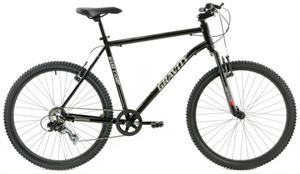
If you’re shopping drivetrains, you’re really asking two questions: how does it shift when the ride gets messy, and how much performance do I buy for each dollar? This shimano vs sram comparison answers both by looking at real-world tiers—from value builds to weekend-race machines—and weighing shifting feel, durability, serviceability, and upgrade paths. You’ll also see how those tradeoffs show up on actual Bikes Direct models, such as an affordable hardtail that’s often equipped with Shimano value groups, an alloy full-suspension bike that commonly ships with SRAM’s Eagle ecosystem, and a light 27.5 trail bike with a simple, fast single-ring setup.
Our goal isn’t to crown one brand for every rider. It’s to show where each wins on price-to-performance so you can spend smart and smile more.
How to Read This Comparison
Every brand stacks features from entry level to premium. Shimano’s family names run from Tourney/Altus/Acera/Alivio into Deore, SLX, XT, and XTR on the mountain side; on road and gravel, think Claris/Sora/Tiagra into 105, Ultegra, and Dura-Ace. SRAM’s mountain progression goes SX/NX → GX → X01/XX (with T-type Transmission at the top), and its drop-bar line moves Apex → Rival → Force → Red. Rather than list them all, we’ll translate typical price brackets into riding experience and value. Exact pricing changes, but the patterns below hold steady.
Entry Value (Everyday Fitness and New-to-Trails)
If your budget lands in the true “starter bike” zone, the best drivetrain is the one that shifts dependably in the grit, survives knocks, and is cheap to replace when you inevitably wear out a chain and cassette. Shimano has long dominated this space with sensibly geared 2x or 3x setups and, increasingly, wide-range 1x options. The shifting feel at this level is pleasantly light and consistent; you give up some crispness under heavy load compared to mid-tier, but you gain easy parts availability and low running costs.
SRAM’s answer in this bracket is usually 1x with SX or NX Eagle. The upside is intuitive shifting and a very large 12-speed range that flattens hills. The tradeoff is a bit more sensitivity to perfect setup and hanger alignment; keep cables fresh and limit screws dialed and it’s great.
Where this shows up in our lineup: a value hardtail like the Gravity BaseCamp V7 is frequently spec’d with reliable Shimano components that are easy to live with and cheap to service—exactly what new riders need. If you prefer the simplicity of 1×12 from day one, an alloy trail bike with SRAM SX or NX is a smart place to start; our full-suspension example below shows why.
Value verdict: At the true entry point, Shimano often wins cost of ownership with low-priced cassettes and chains, while SRAM wins simplicity via 1x 12-speed range. If you ride in all weather and want “set and forget,” Shimano’s value tiers are hard to beat. If you want a single ring and massive range for steep trails, SRAM SX/NX offers real performance per dollar—just be a bit more attentive to setup.
Mid-Tier Sweet Spot (Enthusiast Trail and Fast Fitness)
This is where most riders get the best “wow per dollar.” For Shimano, Deore and SLX bring crisp, forgiving shifts, clutched derailleurs that tame chain slap, and cassettes that last. For SRAM, GX Eagle is the everyday hero—lighter, snappier than NX/SX, and still well-priced. Both brands deliver wide-range 1x, strong clutches, and lever ergonomics that encourage frequent, confident shifting.
A great real-world example is a value-packed full-suspension mountain bike that commonly ships with SRAM Eagle SX/GX. The Motobecane HAL5 Eagle SX 27.5 shows why this tier is so popular: big 12-speed range for climbs, chain management that stays quiet on descents, and upgrade paths that don’t force a full drivetrain swap. On the Shimano side, Deore/SLX builds on alloy hardtails and short-travel bikes deliver buttery, predictable shifts under load with parts that feel nearly bombproof for the price.
Value verdict: In the mid tier, it’s effectively a tie on ride quality. Your decision tilts with priorities: Shimano mid-tiers excel in shift feel under load and long wear life; SRAM GX wins with broad ecosystem support and upgrade flexibility (mix-and-match cassettes/derailleurs/chainrings). If you want to keep spares cheap, Shimano has the edge. If you dream of incremental upgrades toward premium 12-speed (or Transmission later), SRAM’s path is smooth.
Upper-Mid and Race-Curious (Lighter, Crisper, Still Sensible)
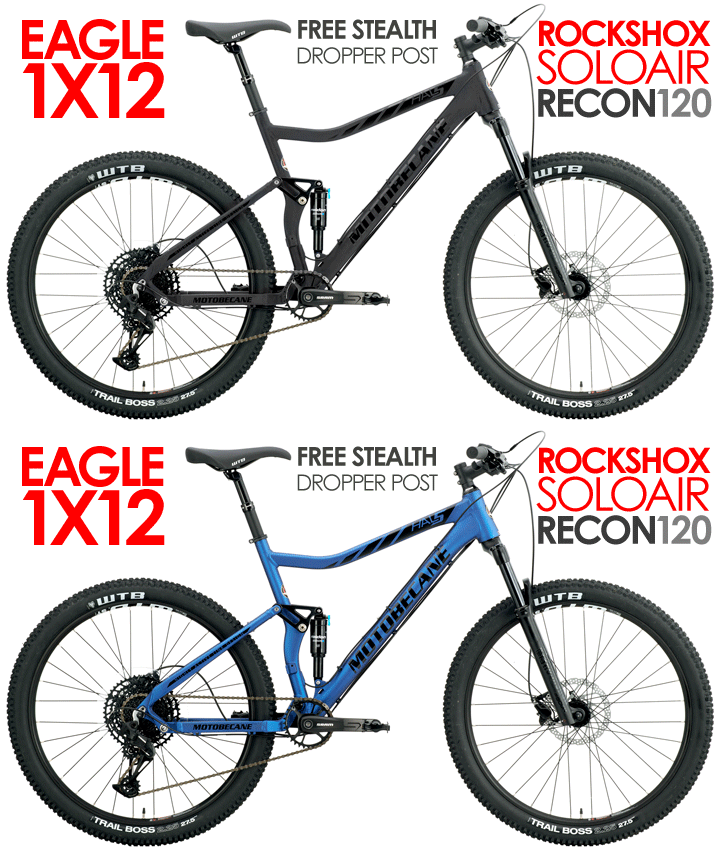
Move one tier up and you’re paying for less weight, snappier engagement, and extra polish. Shimano SLX/XT and SRAM GX/X01 are the classic pairings. Shift quality under power tightens, clutch behavior quiets the bike, and cassettes often jump to lighter carriers. You’ll feel the difference on punchy climbs and in tight, technical shifting where precision saves dabs.
This is also where 1x drivetrains truly shine for everyday riders. A simple, light front end with a wide 10-50/52T cassette makes the bike feel modern and fast. If you want to keep that same simplicity with a quick, light platform, the Fantom 2.5 SS12 27.5 is a great illustration of the “less is more” mindset—light wheels, agile handling, and a single-ring drivetrain keep focus on the ride, not the wrench.
Value verdict: If your budget can stretch here, both brands return a lot on investment. Shimano XT is legendary for durability and buttery shifts; SRAM X01 (and even well-specced GX) feels taut and racy. The best “money well spent” choice is whichever shows up on the frame you love at the better total price—because the differences in this band are subtle and all good.
Shifting Feel, in Plain English
Shimano’s signature at any tier is silky engagement that remains smooth when you’re still pedaling hard. The lever stroke is light and the chain tends to climb cogs gracefully even if your timing isn’t perfect. SRAM’s hallmark is positive, mechanical snap—you feel the click, and the shift completes decisively. On rough trails with lots of on-off power, SRAM’s tactile feedback can be confidence-building; on long climbs and steady road or gravel miles, Shimano’s fluidity feels effortless. Neither is “better”; they’re different flavors of good. If you’re unsure, your best-value choice is the one attached to the best-priced complete bike that fits you well.
Durability and Running Costs
Cassettes and chains are your recurring costs. Shimano’s steel cassettes at value and mid tiers typically undercut SRAM on price while wearing very well with frequent chain swaps. SRAM’s GX cassettes are durable and shift beautifully but can cost more than a comparable Deore/SLX unit. Derailleur clutches are excellent from both companies; service intervals and feel are similar in real life. If you ride lots of wet grit or commute year-round, budget for chains more than anything else, and replace early to protect the cassette—whichever brand you choose.
Upgrades and Ecosystems
SRAM’s Eagle ecosystem makes mixing tiers straightforward: you can start SX/NX and move to a lighter GX derailleur and cassette later, or go all the way to X01. Shimano offers similar compatibility within 12-speed Deore/SLX/XT/XTR, with the added perk that replacement parts are easy to find worldwide. If you plan to upgrade piece-by-piece, SRAM’s ladder is particularly friendly; if you plan to ride a bike “as-is” for years with low fuss, Shimano’s parts availability and pricing are compelling.
Road and Gravel Sidebar
While this comparison leans MTB, the value logic mirrors on drop-bar bikes. Shimano 105 and Ultegra deliver astonishing performance per dollar for pavement and endurance gravel; SRAM Rival and Force bring intuitive eTap AXS wireless shifting that many riders love. The calculus is similar: Shimano = excellent price/performance with long wear; SRAM = cutting-edge ergonomics and simple upgrades within the same family.
Real Bikes, Real Budgets: How to Decide

Image Filename: motobecane-fantom2p5-ss12-mountain-bike.jpg
Alt Text: Motobecane Fantom 2.5 27.5 mountain bike built for performance and durability.
Caption: The Fantom 2.5 demonstrates how both Shimano and SRAM groupsets deliver great value across varying budgets and terrains.
Image Link: https://www.bikesdirect.com/products/motobecane/275-650b-bikes/fantom2p5-ss12-mtb-275.htm
Start by choosing the frame and suspension platform that match your trails and fitness. Then look at the total bike price for the drivetrain tier you want. For example, if your heart says “playful full-suspension,” and you find a sharp deal on a SRAM-equipped build like the HAL5 Eagle SX 27.5, you’re buying a complete experience—geometry, tires, brakes, and a 12-speed range that climbs anything. If your plan is “learn, explore, upgrade slowly,” a Shimano-equipped value hardtail such as the BaseCamp V7 keeps costs low while delivering dependable shifting on day one. If you crave nimble and minimal, a light 27.5 single-ring trail bike like the Fantom 2.5 SS12 maximizes speed-per-dollar by spending money on the parts you feel every second: wheels, tires, cockpit—and one good derailleur.
Bottom Line: Best Performance for Your Money
- Tightest budgets and all-weather utility: Shimano value and Deore tiers usually win total cost of ownership without sacrificing shift quality.
- Mid-tier trail riders who love simple 1x range and clear, tactile shifts: SRAM GX (and well-set-up NX/SX) delivers huge capability per dollar.
- Upper-mid budgets chasing durability and polish: Shimano XT vs SRAM X01/GX is a rider-preference tie; choose the better-priced complete bike you love.
We ride what we sell, and we’re happy to steer you toward the best value for how and where you ride your mountain bike. Tell us your budget, terrain, and upgrade appetite, and we’ll point you to the exact build—Shimano or SRAM—that turns money into miles the smartest way. When you’re ready, contact our team and we’ll help you pick the drivetrain and the bike that make the most sense for you right now—and for the rides you’ll be doing six months from now.