

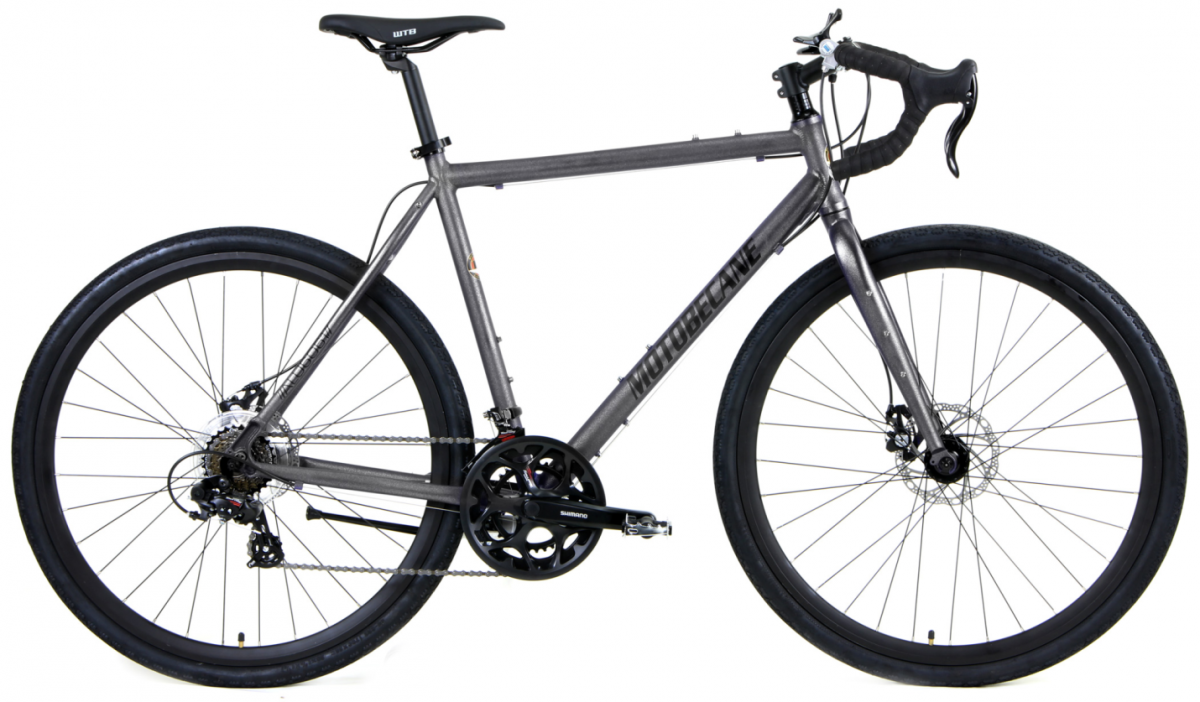
Somewhere between the pavement and the trailhead, a lot of riders hit a familiar question: gravel bike vs mountain bike, which one actually fits how we ride? Over the past decade, both categories have expanded significantly, and the line between them can feel blurry from the outside. But spend time on each, and the differences become impossible to ignore. We put together this breakdown to help you understand what each bike is genuinely built for, so you can make a decision that serves your riding for years rather than just the first few seasons.
Whether your goal is exploring fire roads and scenic backroads or attacking singletrack trails and rocky descents, the right bike makes every ride more rewarding. Neither category is universally better. What separates them is purpose, and understanding that purpose is the key to choosing wisely.
Built for Different Ground
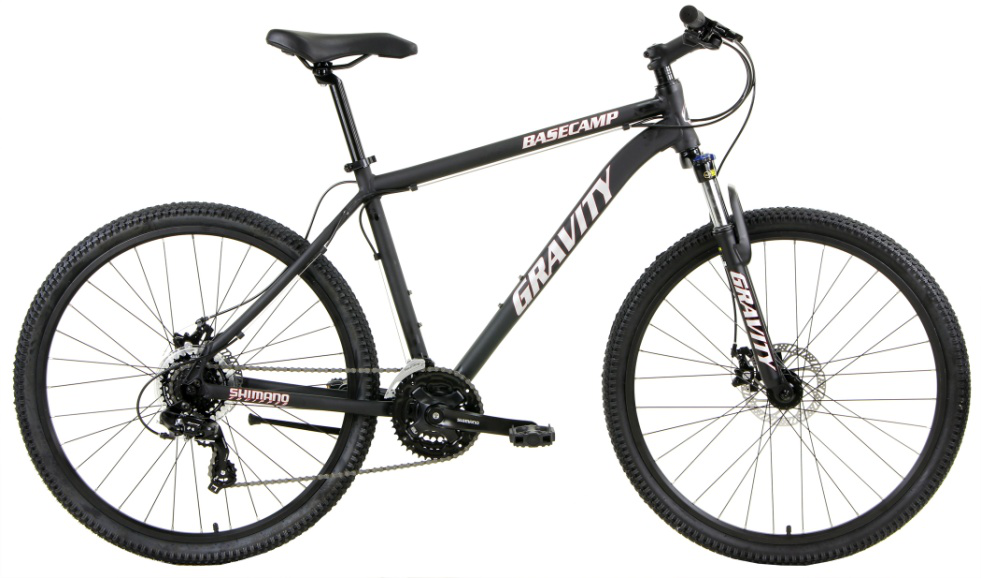
The most fundamental difference between these two categories comes down to terrain. A mountain bike is designed from the ground up for unpredictable, technical off-road conditions. Steep descents, loose rocks, rooted singletrack, and muddy switchbacks are exactly where this bike earns its reputation. Frame geometry is slack and low, suspension travel absorbs impacts that would throw a rider on a more rigid setup, and the overall build prioritizes control over efficiency on open ground.
A gravel bike takes a different approach. It is engineered for terrain that sits between smooth pavement and true off-road trails: gravel roads, packed dirt, farm tracks, and mixed-surface adventures. The geometry is more upright and endurance-focused than a road bike, but less aggressive than a mountain bike. Where a mountain bike wants to dive into technical chaos, a gravel bike prefers to roll confidently and efficiently across varied conditions without hesitation.
If your rides regularly include technical descents, rooted trails, and terrain that demands full suspension, a mountain bike delivers where a gravel setup cannot. If your adventures lean toward long-distance mixed-surface routes and open exploration, a gravel bike will feel like the more natural companion from day one.
How You Sit Changes Everything
Body position is one of the most underappreciated factors in any bike comparison. On a mountain bike, the geometry is built for reactive control. A shorter reach, higher stack, and wider handlebars put the rider in a position to handle sudden changes in terrain. You sit more upright and centered, which makes it easier to shift your weight over the front or rear wheel when the trail demands it.
Gravel bikes use drop handlebars with multiple hand positions, a longer reach, and a lower front end compared to a flat-bar setup. This distributes your weight more efficiently over longer distances and gives you aerodynamic options when you want to push the pace. The trade-off is that the position demands more flexibility and takes adaptation time for riders who are used to upright geometry.
The practical result is different fatigue profiles over time. Mountain bikes feel confident and natural in short, intense bursts on technical terrain. Gravel bikes reward sustained effort across longer miles. If your rides tend to extend well past two hours on open terrain, the multiple hand positions and efficient geometry of a gravel bike reduce cumulative strain in a way that a flat-bar mountain bike simply cannot replicate, particularly on loaded adventure routes.
Tires Are the Biggest Giveaway
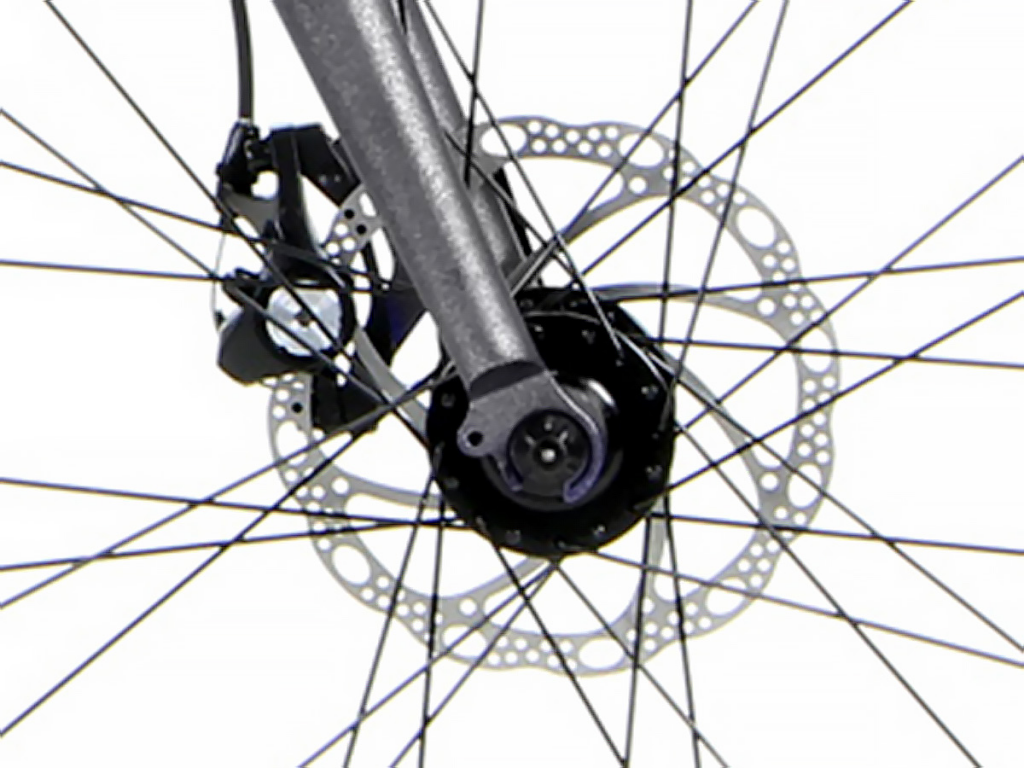
Pull up next to any two bikes from these categories, and the tire difference tells you almost everything. Mountain bike tires are wide, aggressively knobbly, and designed to dig into soft, loose, or wet surfaces. Widths of 2.3 to 2.6 inches are common on trail builds, and aggressive setups run even wider. The knobs provide bite in mud and grip on roots and rocks where a smoother tire would slip. The downside is rolling resistance, which makes mountain bike tires noticeably slower on pavement and groomed surfaces.
Gravel bike tires run narrower, typically in the 35mm to 45mm range, with a tread pattern that prioritizes rolling efficiency while still providing cornering grip on loose surfaces. They are fast enough on pavement that you could commute in the morning and hit a packed-dirt trail in the afternoon without being penalized on either surface, which is a versatility that no mountain bike tire can match.
This tire difference reflects what each bike is fundamentally optimized for. Mountain bikes sacrifice speed for grip and durability in harsh conditions. Gravel tires balance both, which is why the gravel bike category has become the go-to choice for riders who cover a lot of ground across unpredictable and varied terrain throughout the year.
Ride Your Terrain, Not the Hype
Understanding the gravel bike vs mountain bike distinction comes down to one honest question: where do you actually ride? If your regular routes include technical singletrack, steep climbs, and terrain that rewards suspension and aggressive tires, a mountain bike is the right tool. If you cover mixed ground, prefer longer distances, and want a bike that performs on a gravel road as confidently as it does on a paved country lane, a gravel bike earns its place in any well-considered lineup.
At BikesDirect, we carry the full range so you can match the bike to the ride. Whether you are shopping for a mountain bike for weekend trail sessions, a gravel bike for open-road exploration, a road bike for pavement speed, a hybrid bike for everyday versatility, a beach cruiser for relaxed neighborhood rides, or a fat bike for all-terrain adventure, our lineup covers every preference. For a capable, value-driven starting point, check out the Motobecane Gravel X1 XTL to see what factory-direct pricing delivers at this level.
Have questions about which bike fits your specific goals and terrain? Reach out to our team through the BikesDirect contact page, and we will help you find the right ride.