

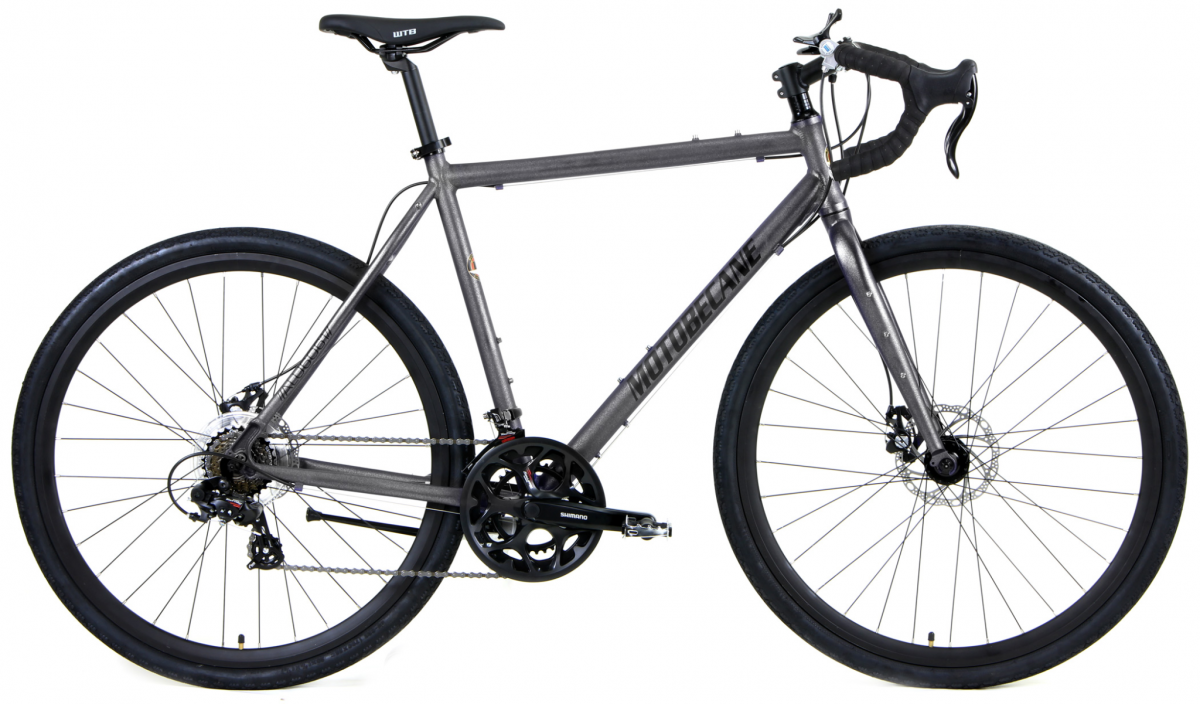
Buying your first bicycle should be straightforward, but the market makes it complicated. Hundreds of options at every price point, competing brand claims, and spec sheets full of unfamiliar terminology create genuine confusion for first-time buyers. The entry-level bike category is also where the gap between a smart purchase and a frustrating one is wider than at any other price point, because cost pressure is highest and the consequences of a poor fit are felt immediately.
This guide is built on one premise: a good first bike is not the cheapest option available, and it is not the most impressive-sounding spec sheet. It is the bike that fits your body, handles your terrain, and builds the riding habit that makes cycling stick for more than one season. We look at the four things that genuinely determine quality at the entry level, so you can walk into your purchase with a clear framework instead of relying on guesswork and brand trust alone.
Frame Quality: The One Thing You Cannot Upgrade
The frame is the purchase that defines your bike for its entire life. Every other component can be swapped out over time. Tires, brakes, saddle, drivetrain, and even handlebars are replaceable as your riding evolves. The frame is not. This means frame quality is the first and most critical question at any price point, and especially at the entry level, where cost pressure often drives manufacturers to cut here before anywhere else.
What to look for: weld quality is visible and meaningful. Clean, consistent welds along the tubes indicate quality control in the manufacturing process. Rough, uneven, or excess material at the joints is a sign of cost-cutting. Tube wall thickness matters more than it sounds, as thin-walled aluminum flexes and fatigues faster under regular use. A mountain bike frame at an entry price point should still feel rigid when you apply force to the rear triangle, not flex or creak under moderate load.
For most beginners, aluminum is the right frame material at the entry level. It is lightweight, rust-resistant, and widely available at accessible prices. Avoid heavy entry-level steel frames unless weight is genuinely not a concern for you, as heavy steel and marginal welds combine into a bike that discourages riding rather than encourages it. The goal of any first bike is to create the habit of actually getting out. A frame that feels unresponsive or heavy works against that goal from the very first ride.
Gearing Simplicity: Start With What You Actually Need
A hybrid bike with 21 speeds sounds more capable than one with 7. In practice, for a beginner riding flat to moderately hilly terrain, 21 gears often means more complexity without meaningful benefit. Entry-level 21-speed drivetrains use a 3-chainring front setup with a front derailleur, which requires more cable adjustment, more frequent tuning, and a more nuanced shifting technique than a simpler rear-only system. For a new rider, this extra complexity is rarely worth it.
A 7 or 8-speed single-chainring setup is easier to maintain, more intuitive to operate, and adequate for the vast majority of beginner riding scenarios. If you primarily ride flat to gently rolling terrain, it covers the full range you need without asking anything of you mechanically. If you plan to tackle significant hills or long-distance routes regularly, a wider gear range becomes genuinely useful, but even then, a well-designed 8-speed cassette outperforms a poorly-tuned 21-speed system in every real-world condition.
The practical advice is to match gearing to your actual terrain. Ask yourself what the hardest climb in your regular route looks like, and select gearing that handles it at a moderate effort level. That is the gear range you actually need. Anything beyond that adds cost and maintenance overhead without delivering a proportional improvement in your riding experience.
Comfort That Actually Builds the Riding Habit
Comfort is where a significant proportion of first bikes fail their owners quietly. A saddle that creates pain after 20 minutes, handlebars that put too much weight on the wrists, or a frame even slightly too large or too small will gradually discourage riding until the bike stops coming out of the garage entirely. Fit and comfort are not minor considerations. They are what separates a bike you ride five days a week from a bike you use twice and stop thinking about.
Saddle width matters more than saddle padding. A saddle that is too narrow for your sit bones creates pressure on soft tissue. A saddle that is too wide causes inner thigh friction on every pedal stroke. Most entry-level bikes include a saddle sized for the average rider, but it is worth knowing that the saddle is one of the most affordable and easiest upgrades available if the stock version causes discomfort after a few rides.
Handlebar height significantly affects how upright you sit and how much weight goes through your wrists. An upright position is more comfortable for beginners and reduces strain during longer rides. Ergonomic grips are an inexpensive addition that reduces vibration and wrist fatigue noticeably on any ride over thirty minutes. Getting the fit right at the start, or even just knowing where to make small adjustments, is the difference between a bike that becomes part of your weekly routine and one that becomes a piece of storage furniture.
Durability and the Realistic Upgrade Path
At the entry level, the components most likely to wear first are the tires, brake pads, and chain. These are also the cheapest to replace and the most important to monitor for safety. Tires that lose their tread or develop sidewall cracking should be replaced promptly. Brake pads worn below their indicator lines are a safety issue, not just a performance issue. A chain that is not cleaned and lubricated regularly accelerates cassette wear and shortens the entire drivetrain’s life at a cost that far exceeds the price of a bottle of chain lube.
Planning an elaborate upgrade path as a beginner is often less useful than it sounds. Most riders do not actually upgrade their first bike incrementally. They ride it, gain experience, develop preferences, and then make a more informed second purchase. The more practical approach is to set a realistic budget, prioritize the best frame quality that budget allows, and accept that the stock components are appropriate for your current stage of riding. The Motobecane Gravel X1 XTL is a strong example of how far direct-to-consumer pricing can stretch your entry-level budget without cutting corners on the components that matter most.
The Best First Bike Is the One You Will Actually Ride
The best entry-level bike is not a compromise. It is the right bike for your body, your terrain, and your goal of building a riding habit that lasts. Prioritize a solid frame, gearing that matches your terrain, and a comfortable fit over brand recognition and impressive gear counts. Get those three things right, and everything else falls into place.
At BikesDirect, we carry entry-level options across every riding style: hybrid bikes for versatile everyday riding, mountain bikes for trail exploration, road bikes for pavement performance, beach cruisers for relaxed and approachable fun, a strong selection of gravel bikes for mixed-surface adventure, and fat bikes for all-terrain riding across every season. Browse our cruiser bike collection if you are looking for the most approachable first ride available.
Not sure where to start? Contact the BikesDirect team, and we will help you find the right fit for your goals, your budget, and the terrain you actually ride.