
Stop Buying Uncomfortable Bikes: A 2026 Buyer’s Guide to Comfort-First Cycling

Most cyclists think discomfort is normal.

They assume sore wrists mean they need stronger arms.
They think back pain means they need better core strength.
They blame tight hips, aging joints, or “being out of shape.”

But here’s the uncomfortable truth:

In most cases, it’s not your fitness level. It’s the bike.

Modern bike marketing has conditioned riders to focus on speed, weight, and brand prestige. Lightweight frames. Race-inspired geometry. Performance components. Aero design.

Yet the majority of people riding today aren’t training for a podium finish. They’re commuting to work. Riding on weekends. Exploring local paths. Trying to stay active. Reducing stress.

And those goals require something entirely different.

This guide flips that script. Instead of chasing numbers on a spec sheet, we’ll put comfort first: posture, stability, and long-term rideability. You’ll learn how to spot the design choices that cause pain, which features actually make a bike feel good, and how to choose a hybrid, cruiser, gravel, or city bike that stays comfortable for years — not just for the first test ride.

“Comfortable bikes” isn’t code for slow or casual. Comfort is the foundation that lets you ride farther, more often, and without compensating with tense muscles. A properly designed, well-fitted bike transmits power efficiently while keeping your spine, shoulders, hands, and hips relaxed. That means less fatigue, fewer injuries, and more time enjoying the ride instead of thinking about it.

The Real Reason Your Bike Feels Uncomfortable

Discomfort on a bicycle is rarely a matter of rider fitness. In fact, the majority of common complaints—numb hands, lower back stiffness, hip soreness, or knee pain—can be traced to mismatched geometry, improper contact points, and inefficient load distribution.

In short, the design of your bike dictates how your body interacts with it over time. Recognizing these factors is essential for identifying truly comfortable bikes.

1. Frame Geometry and Postural Demands

The frame’s geometry establishes how your torso, arms, and legs are positioned relative to the bike. Performance-oriented or race-derived geometries often prioritize aerodynamics over ergonomics, resulting in:

  • Aggressive forward lean
  • Extended reach to handlebars
  • Elevated saddle-to-handlebar drop

These factors shift excessive weight onto the wrists and shoulders while increasing lumbar compression and cervical strain. For riders prioritizing comfort, neutral or semi-upright geometries are preferred, as they maintain spinal alignment, reduce hand loading, and promote long-term endurance.

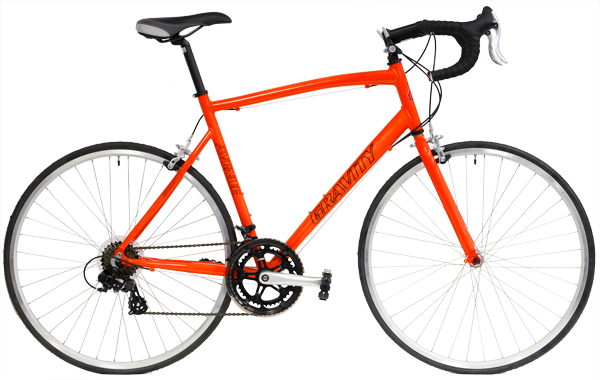
Check out this WFB SPORT bike or order our top-selling Gravity Swift E Electric to experience the difference.

2. Weight Distribution and Load Management

Optimal comfort requires that approximately 85–90% of body weight be supported through the sit bones and feet, leaving the hands primarily responsible for steering and balance. When a bike’s geometry or handlebar setup positions too much weight forward, it results in:

  • Palmar numbness and tingling
  • Elbow hyperextension fatigue
  • Shoulder tension and micro-strain

Comfort-oriented bikes integrate design cues—higher head tubes, shorter top tubes, and relaxed stem angles—that maintain a balanced center of gravity, significantly reducing upper-body stress.

3. Contact Points: Saddles, Grips, and Pedals

The interface between rider and bike is where comfort is most immediately perceptible:

Saddle Considerations:

  • Sit-bone width compatibility is critical; generic saddles often cause pressure hotspots and soft tissue compression.
  • Padding density must balance shock absorption with stability; overly soft saddles allow excessive lateral movement, generating friction and discomfort.

Handlebar and Grip Design:

  • Ergonomically contoured grips reduce ulnar and median nerve compression.
  • Correct bar diameter and flare distribute pressure evenly, minimizing hand fatigue over long rides.

Pedal Interface:

  • Pedals should maintain a neutral foot angle relative to the knee and hip to prevent anterior knee stress.
  • Platform or clipless pedals with adequate support enhance power transmission while reducing compensatory tension in the lower extremities.
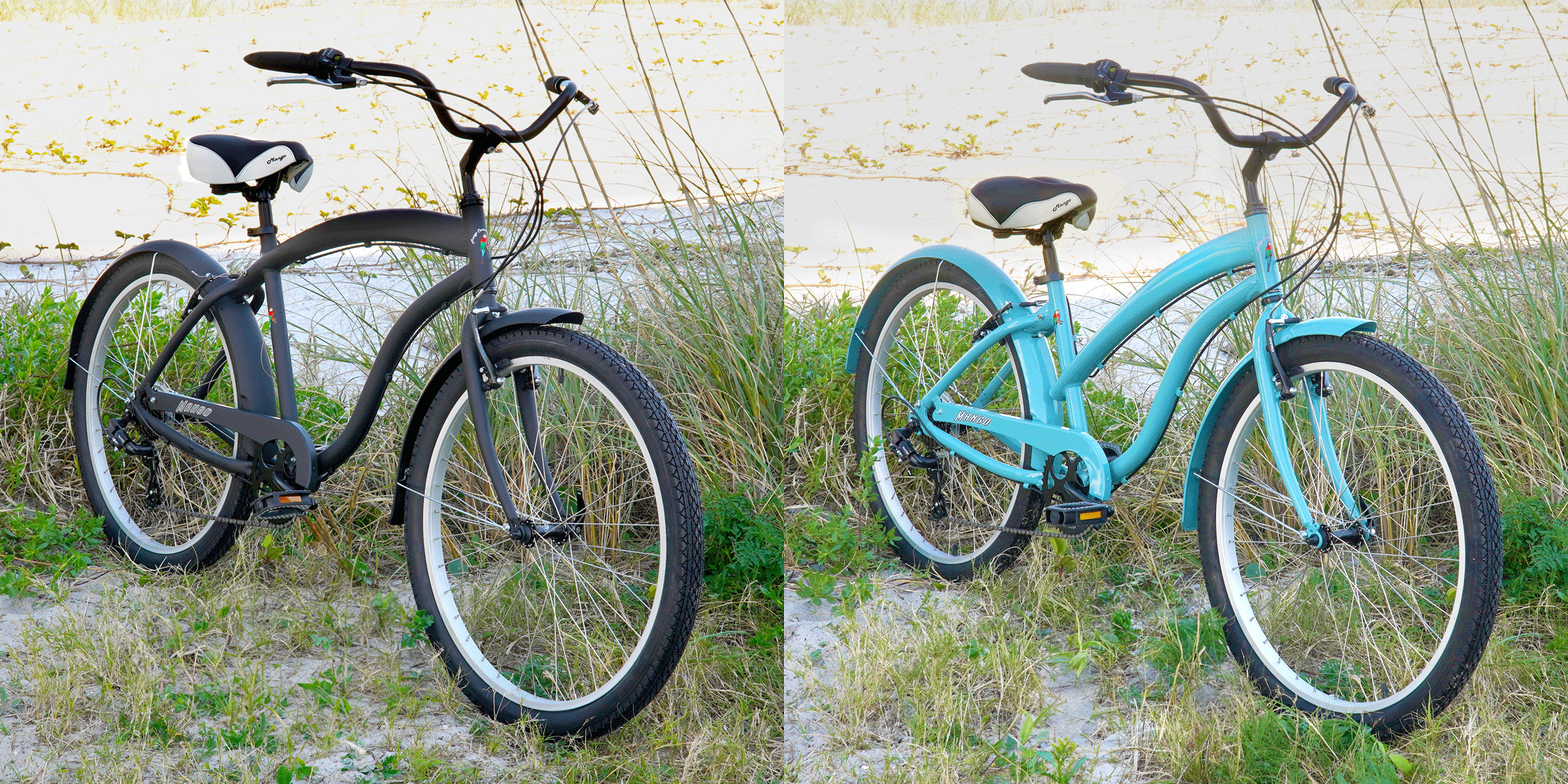
Macaw AL-7 saddle and seatpost showing ergonomic design and comfort features.

4. Vibration Transmission and Shock Mitigation

High-frequency vibration, transmitted through rigid frames and narrow tires, is a primary contributor to cumulative discomfort. Over time, this “road buzz” can lead to:

  • Lumbar microstrain
  • Shoulder and wrist fatigue
  • Reduced proprioceptive stability

Comfort-first designs mitigate this via:

  • Wider, lower-pressure tires
  • Compliance-enhanced frame materials (e.g., carbon layup flex or engineered aluminum)
  • Suspension components when appropriate (seatpost or fork damping)

Even modest reductions in vibration significantly improve endurance and perceived comfort.

5. Dynamic Stability and Handling Characteristics

A bike that feels unstable forces constant micro-adjustments from the rider’s core and upper body. This instability leads to muscular fatigue and reduces confidence in both urban and trail environments. Key markers of comfort include:

  • Predictable, stable steering response
  • Controlled trail and wheelbase geometry
  • Smooth weight transitions through turns

Stability allows the rider to focus on pedaling efficiency rather than compensating for handling quirks, which is critical for long-term comfort.

6. Proper Sizing and Fit

Even the most ergonomically designed bike becomes uncomfortable if it doesn’t match the rider’s anthropometry. Signs of an incorrect frame size include:

  • Knees striking handlebars or frame
  • Excessive forward lean to reach grips
  • Difficulty controlling the bike during acceleration or braking

A professional fit—considering inseam, torso length, arm reach, and flexibility—ensures that the geometry and contact points function as intended.

The Cumulative Effect of Design Mismatches

Unlike acute injuries, discomfort from poor bike design is cumulative. Initial rides may feel acceptable, but microstrain accumulates over days and weeks, manifesting as chronic soreness or fatigue. Proper ergonomic design addresses these stressors from the outset, ensuring neutral alignment, efficient load distribution, and minimal compensatory tension.
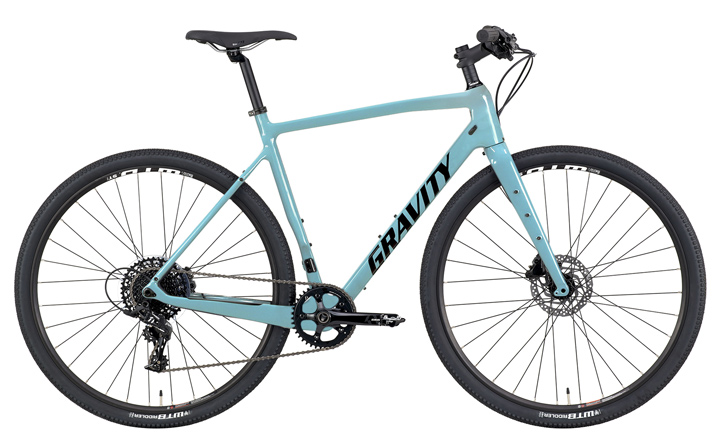
Gravel CF Express highlighting disc brakes, flared drop handlebars, and tire clearance.

The Four Core Pillars of Truly Comfortable Bikes

Selecting a bike that feels effortless and pain-free isn’t about brand prestige or frame weight—it’s about design, ergonomics, and ride dynamics. Across all categories—hybrid, gravel, city, or cruiser—truly comfortable bikes share four critical pillars.

Pillar 1: Ergonomic Geometry for Natural Posture

The frame’s geometry dictates your posture, spinal alignment, and weight distribution—making it the single most important factor for comfort. Key considerations include:

  • Upright or Semi-Upright Riding Position: Keeps the spine neutral, reduces lumbar compression, and limits cervical strain. Ideal torso angles generally fall between 50°–70° relative to the horizontal.
  • Short Top Tube and Higher Head Tube: Minimizes forward reach, reducing shoulder and wrist load.
  • Balanced Center of Gravity: Ensures ~85% of body weight rests on the sit bones and feet rather than the hands.

Bikes that integrate these design cues allow long rides without fatigue, letting the rider focus on cadence and terrain instead of compensating for structural stress.

Pillar 2: Optimized Contact Points

Where your body interfaces with the bike—saddle, handlebars, grips, and pedals—determines how long you can ride comfortably. Precision here is non-negotiable.

Saddle Design:

  • Must match sit-bone width and pelvic anatomy
  • Adequate padding without excessive lateral compression
  • Slightly concave or ergonomically contoured to maintain neutral pelvic alignment

Handlebars and Grips:

  • Ergonomic grips prevent median and ulnar nerve compression
  • Bar flare and diameter distribute pressure evenly across palms
  • Adjustable stems allow fine-tuning of reach and height

Pedal Interface:

  • Neutral foot alignment relative to knees and hips reduces strain
  • Platform or clipless pedals with stable surfaces improve efficiency and reduce compensatory fatigue

Pillar 3: Smooth Ride Dynamics

Comfortable bikes minimize vibration and absorb terrain irregularities, preventing cumulative fatigue over long rides. Features that enhance ride dynamics include:

  • Tire Width and Pressure: Wider tires (≥32mm) with appropriate pressure absorb bumps and provide stability without sacrificing rolling efficiency.
  • Frame Compliance: Materials engineered for slight flex—modern aluminum alloys, carbon fiber layups—dampen road buzz without compromising pedaling efficiency.
  • Suspension Elements (Optional): Seatpost or front fork damping is highly effective on mixed surfaces or urban roads with cracks and potholes.

The goal is to transmit only the intended power to the drivetrain while insulating the rider from micro-vibrations that lead to long-term discomfort.

Pillar 4: Stability and Handling

Even minor instability forces micro-corrections that fatigue muscles and compromise rider confidence. Comfort-focused bikes achieve stability through:

  • Optimized Wheelbase and Trail: Balanced steering geometry ensures predictable handling and reduces upper-body tension.
  • Weight Distribution: Maintains center of mass over the bike to reduce wobble at low speeds and increase control on turns.
  • Responsive Yet Forgiving Design: Allows subtle steering corrections without transmitting shock to the rider.

A stable, predictable bike allows riders to maintain proper posture and alignment without constant muscle engagement, which is essential for long-term comfort.

Comfort by Bike Type — Choosing the Right Fit for Your Riding Style

Comfort doesn’t manifest the same way across every bike category. Geometry, tire choice, and design priorities vary depending on whether you’re commuting, cruising, or exploring gravel trails. Understanding how each type addresses the four pillars of comfort—ergonomic geometry, optimized contact points, smooth ride dynamics, and stability—helps you make a confident, pain-free choice.

1. Hybrid Bikes — Versatile Comfort for Daily Riding

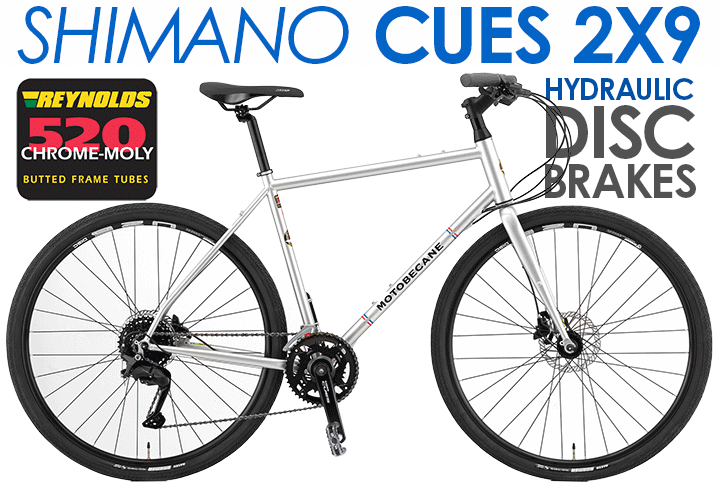
Hybrid bikes are designed as a middle ground between road and mountain bikes, prioritizing upright posture, stability, and efficiency. Bikes such as Motobecane Mulekick Express Comp and many others are ideal for commuters, fitness riders, and casual weekend cyclists.

Comfort Features in Hybrids:

  • Geometry: Semi-upright frame keeps the torso at a neutral angle, reducing lumbar and cervical strain.
  • Tires: Wider than standard road bikes (typically 32–42mm), offering enhanced shock absorption and smoother rolling on pavement and light trails.
  • Contact Points: Flat or riser handlebars maintain natural wrist alignment, and saddles are often wider and cushioned for long-term comfort.
  • Handling: Longer wheelbase improves stability at moderate speeds and during stops, making hybrids forgiving for city traffic and recreational paths.

Why They Work for Comfort-First Riders
Hybrids distribute weight effectively, require minimal adjustments for posture, and generally accommodate ergonomic upgrades easily. Riders benefit from longer, fatigue-free commutes or weekend rides without sacrificing versatility.

Explore comfortable hybrid bikes: Hybrid Bikes

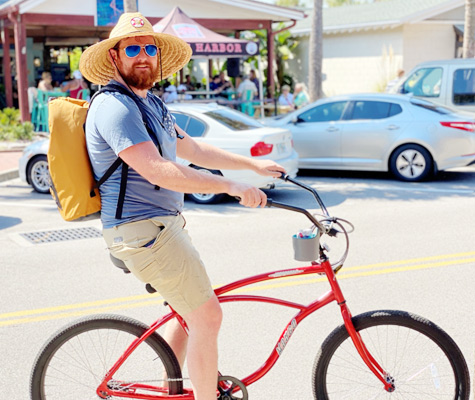
2. Beach Cruisers — Relaxed, Upright Riding

Cruisers are synonymous with leisurely, upright cycling. Bikes like Gravity Snake Eyes Cruiser Bikes prioritize body alignment and smooth ride experience over speed or aggressive efficiency.

Comfort Features in Cruisers

  • Geometry: Highly upright seating keeps the spine neutral and shoulders relaxed.
  • Tires: Wide, balloon-style tires provide natural suspension over uneven pavement and boardwalks.
  • Contact Points: Oversized saddles with additional cushioning absorb vibration; grips are often ergonomic to minimize hand fatigue.
  • Handling: Long wheelbase and low center of gravity offer rock-solid stability, allowing effortless, confident turns even at low speeds.

Ideal For:

  • Flat urban areas, parks, or beach boardwalks
  • Short-to-moderate daily rides
  • Riders prioritizing comfort and scenic enjoyment over speed

Discover beach cruiser options: Beach Cruiser Bikes

3. Gravel Bikes — All-Terrain Comfort with Performance Potential

Gravel bikes are designed for mixed surfaces, from pavement to packed dirt or light trail paths. While they retain some efficiency of road bikes, comfort-oriented gravel designs soften aggressive geometry.

Comfort Features in Gravel Bikes

  • Geometry: Slightly relaxed frame angles reduce forward lean without sacrificing pedal efficiency.
  • Tires: Clearance for wider tires (35–45mm) absorbs micro-vibrations and provides traction on loose surfaces.
  • Contact Points: Drop handlebars with flared ends allow multiple hand positions, reducing wrist and shoulder strain on long rides.
  • Handling: Longer wheelbase and moderate trail offer stability, while responsive steering still accommodates off-road maneuvers.

Why Gravel Bikes Suit Comfort-First Riders
They combine upright ergonomics with versatility for urban commuting, weekend adventures, or mixed-surface touring. Properly spec’d, they reduce fatigue while enabling longer, more exploratory rides.

4. City/Commuter Bikes — Practical Comfort for Urban Use

City bikes focus on ease of mounting, upright posture, and low-maintenance reliability, making them excellent choices for commuters and casual urban riders.

Comfort Features in City Bikes:

  • Geometry: Short top tube and high head tube allow a natural upright position, minimizing spinal and shoulder stress.
  • Tires: Moderate width (32–38mm) balances speed with shock absorption on uneven pavement.
  • Contact Points: Wider saddles and flat handlebars keep hands and hips relaxed; adjustable stems allow customization for individual fit.
  • Handling: Stable, predictable steering for navigating traffic and frequent stops.

Why City Bikes Work for Comfort
They emphasize ergonomic alignment over performance metrics, ensuring riders arrive at work or errands without hand, back, or hip strain. Combined with fenders, racks, or internal hub gears, city bikes are highly practical for daily use.

How to Fit Your Comfortable Bike — Achieving a Personalized, Pain-Free Ride

Even the most ergonomically designed bike can feel uncomfortable if it isn’t properly fitted to your body. Proper fit ensures that your posture, joint alignment, and weight distribution work in harmony with the bike’s design, preventing fatigue and discomfort on every ride. This section outlines a systematic approach to achieving an optimal fit for comfort-first cycling.

1. Frame Size and Standover Height

Frame sizing is the foundation of comfort. Key considerations include:

  • Standover Height: When standing over the bike, there should be approximately 1–2 inches of clearance between your crotch and the top tube for road, hybrid, and gravel bikes. Cruiser bikes may allow slightly more.
  • Reach to Handlebars: Your torso should feel neutral and relaxed, not overextended. Excessive forward lean increases strain on wrists, shoulders, and lower back.
  • Seat Tube Length: Ensures your knee angles are optimal at the bottom of the pedal stroke, reducing the risk of knee pain or overextension.

Professional fitting tools or charts from the manufacturer can guide you, but test rides remain the gold standard. If your knees feel compressed or you must stretch to reach the bars, the frame size is incorrect.

2. Saddle Height and Fore-Aft Position

The saddle must position your pelvis for effective pedaling without placing undue stress on soft tissue:

  • Height: With the pedal at its lowest position, your leg should have a slight bend (~25–35° at the knee). Too high causes hip rocking; too low strains knees.
  • Fore-Aft Position: Your knee should align over the pedal spindle when the crank is horizontal. This ensures proper weight transfer and reduces knee and hip stress.
  • Tilt: A level saddle or slight nose-down angle prevents pressure on soft tissue without causing slide forward or instability.

Adjusting these parameters allows the sit bones to bear the majority of body weight, freeing hands and arms from excess load.
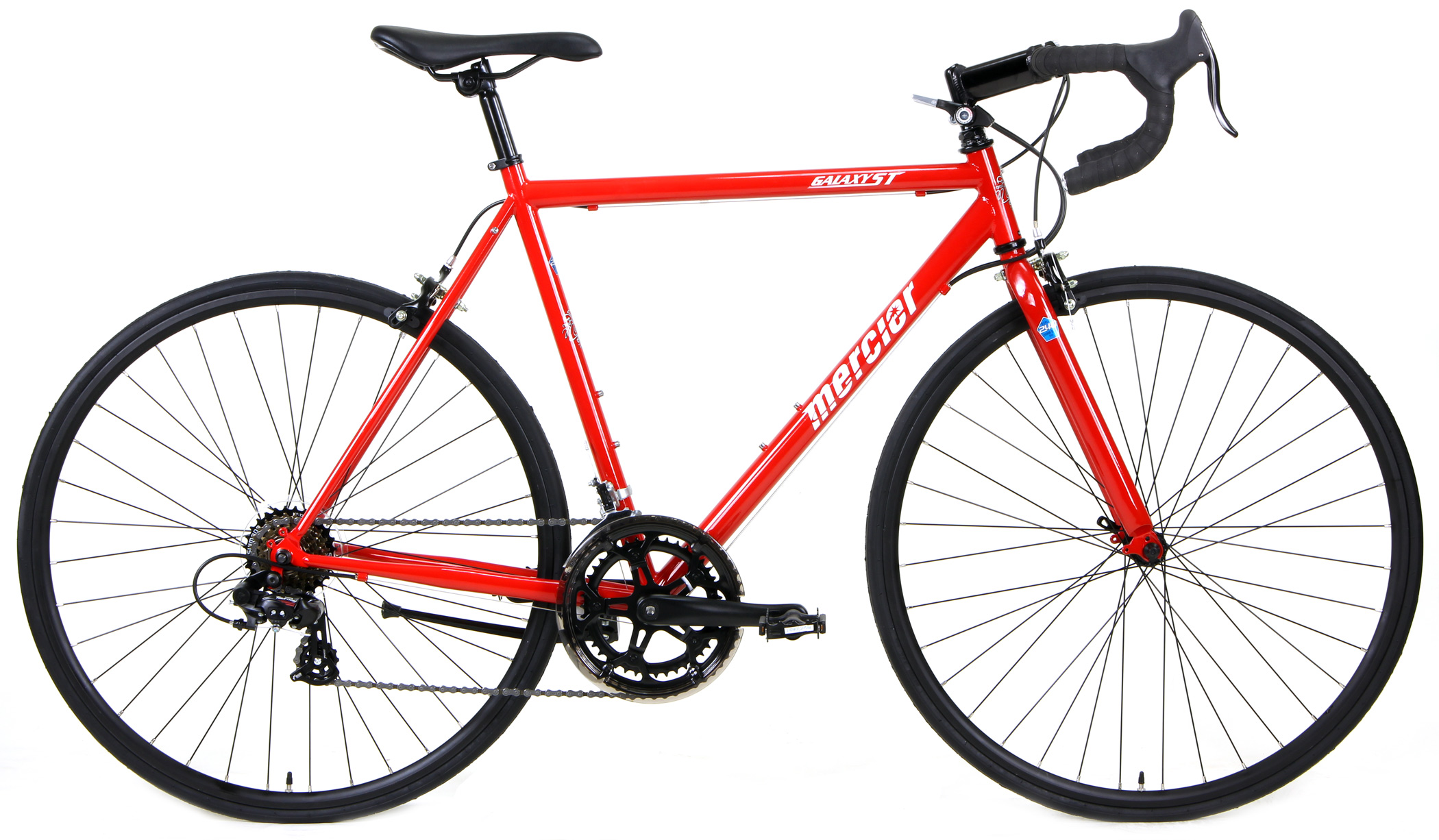
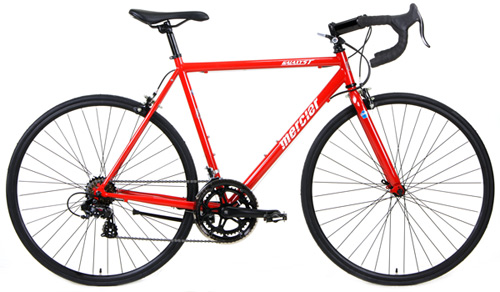
Mercier Galaxy ST Express saddle and seatpost showing ergonomic design for long-distance comfort.

3. Handlebar Height and Reach

Proper handlebar positioning maintains spinal alignment and reduces wrist tension:

  • Height: Ideally, handlebars are level with or slightly above the saddle for comfort-oriented bikes. Lower positions increase forward lean, compressing the lower back and shoulders.
  • Reach: Ensure elbows are slightly bent and shoulders are relaxed. A neutral angle avoids overreaching, which can lead to fatigue in arms and upper back.
  • Stem Adjustments: Adjustable stems or risers allow fine-tuning without replacing the frame, accommodating variations in torso length and flexibility.

4. Pedal Selection and Foot Alignment

Efficient power transfer with minimal strain depends on the pedal interface:

  • Platform Pedals: Broad, stable surfaces prevent foot slippage and distribute pressure evenly.
  • Clipless Pedals: Allow precise foot placement and improved pedaling efficiency but require proper cleat alignment to avoid knee or hip stress.
  • Foot Angle: Ensure toes are pointing forward and the midfoot aligns over the pedal spindle. Misalignment increases joint strain and fatigue.

Correct pedal setup supports the core-leg chain, allowing smooth, fatigue-free pedaling.

5. Tire Pressure and Width

Tire selection directly impacts comfort by affecting shock absorption and ride stability:

  • Wider Tires (≥32mm): Provide better damping over rough surfaces and increase stability, especially for hybrids, city, and gravel bikes.
  • Pressure: Use moderate pressure that balances efficiency with vibration absorption. Overinflated tires transmit every road imperfection to your body; underinflated tires reduce control.

Even small adjustments in width and pressure can dramatically improve ride comfort.

6. Testing and Fine-Tuning

A proper fit is iterative. After initial adjustments:

  1. Test Ride: Start with short rides to assess saddle comfort, wrist and shoulder tension, and core engagement.
  2. Assess Fatigue Points: Note any areas that feel sore, numb, or unstable.
  3. Adjust Gradually: Minor adjustments to saddle height, handlebar reach, or stem angle can resolve issues without compromising overall ergonomics.
  4. Re-Test: Longer rides help confirm comfort under sustained load.

Professional bike fitting is recommended for riders with persistent discomfort or anatomical considerations, but these steps provide a strong baseline for most riders.
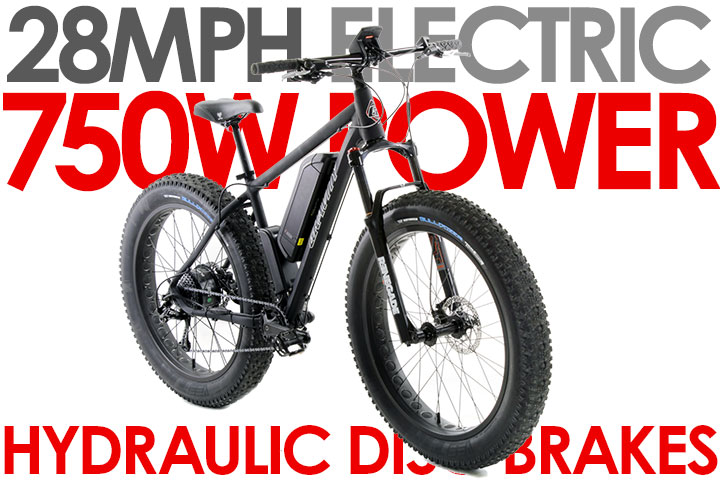
Detailed view of Gravity Bullseye Monster XE fat tires and wheels for traction and shock absorption.

Ride Pain-Free with Comfort-First Bikes

Choosing a bike that prioritizes comfort, posture, and stability completely changes the riding experience. When a bike is designed and fitted correctly, every ride becomes effortless, and common complaints like sore backs, numb hands, or hip fatigue are eliminated. Comfort enables longer rides, reduces fatigue, and prevents the aches and strains that so often cut cycling adventures short.

Whether you are commuting through busy streets, exploring gravel paths, or cruising along scenic boardwalks, the right bike keeps your muscles relaxed, your spine neutral, and your hands and hips free from stress. Comfort does not mean sacrificing style, versatility, or performance. When properly chosen, a comfortable bike allows you to ride farther, more often, and with confidence in every mile.

At BikesDirect, riders can find a full range of bicycles designed to provide long-term comfort across a variety of terrains and riding styles. Every bike type is designed with the rider’s long-term comfort in mind. Discovering the right fit allows every ride to feel effortless from start to finish.

Reach out to learn more – Experience the difference that a properly designed, ergonomically fitted bike makes and start your journey toward comfortable, effortless cycling.
Why Some Bikes Feel Right in the First 30 Seconds

That first moment matters. You hop on, push off, and your brain instantly decides whether the bike feels calm or unpredictable. For new riders and returning riders, that first 30 seconds can decide whether cycling becomes a habit or a headache.

The good news is that this feeling is not random. A bike that feels steady usually has design traits that support balance and reduce surprises. If you are shopping for stable bikes for beginners, you can look for a few signals that predict how the bike will behave before you ever worry about upgrades.

A great starting point is choosing a category built for everyday handling, like a hybrid bike, where fit and stability are often prioritized over aggressive posture.

What your body notices before you can explain it

When you push off, your body starts collecting data:

  • How often you need to correct the steering
  • Whether the bike tracks straight or wanders
  • How planted the front wheel feels in a turn
  • Whether your hands feel relaxed or tense

If you have to constantly correct your line, the bike feels twitchy. If it naturally holds a direction and responds smoothly, it feels reassuring. Beginners often assume they just need more skill. In reality, a lot of that sensation comes from geometry and fit.

Stability comes from geometry, not luck

Two bikes can look similar and feel completely different. That difference is usually baked into the frame design.

A longer wheelbase generally feels steadier because it resists quick pitching and yawing. Steering geometry also matters. Many comfortable, all-around bikes use design choices that create a calmer steering feel. For a beginner, that reduces the sensation that the front wheel wants to dart around.

Fit matters just as much. If the reach is too long, you end up bracing with your arms, and every bump turns into a steering input. With stable bikes for beginners, a slightly more upright posture helps because your weight is centered and your hands are not fighting the bars.

Contact points can make a steady bike feel shaky

Even a stable frame can feel wrong if the contact points are off.

Handlebar width and shape influence leverage. Wider bars can feel more controllable, especially on imperfect pavement. Bar height changes how much weight lands on your hands. If the bars are too low, you shift forward and the steering can feel overly sensitive.

Saddle position plays a role too. If you are too far back, you may feel light on the front wheel. Too far forward, and your hands carry more load.

A practical way to shop is to look at bikes designed for easy posture adjustment. The Gravity Swift3 is one example of a practical, everyday setup built for straightforward handling and comfort-focused riding.

Tires are the secret confidence booster

Tires are where the bike meets the world, and they shape your first impression more than most people expect.

Wider tires at appropriate pressure can smooth vibrations and increase grip. That grip makes starts, stops, and turns feel more predictable. If your routes include rough pavement, bike paths, or mixed surfaces, tire choice can be the difference between feeling in control and feeling nervous.

This is one reason a bike like the Windsor Dover X7 tends to feel friendly for a wide range of riders, especially when road conditions are less than perfect.

The first-ride checklist that works

Road bike with endurance geometry and disc brakes

Before you overthink specs, use a simple test mindset. On your first push-off, ask yourself:

  • Can I keep my grip light?
  • Can I look ahead without straining my neck?
  • Does the bike track straight when I relax my shoulders?
  • Do turns feel smooth, not sudden?

If the answer is yes, you are probably on a bike designed to feel stable early.

If you want a fitness-oriented option that still leans into predictable handling, a flat-bar commuter style like the Motobecane Cafe Express 8 can be a strong match for riders who want a familiar, confidence-forward feel.

Why stability matters more than speed early on

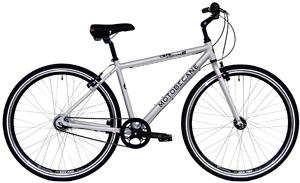
Hybrid bike with flat handlebars and moderate tire width

Beginners do not need the sharpest handling. They need a bike that forgives small mistakes and rewards relaxed posture. Stability helps you learn faster because you are not spending mental energy correcting the bike every second.

As your skill grows, you might decide you want a quicker feel. But starting with stable bikes for beginners lets you build comfort and confidence first. Once cycling feels natural, you can decide whether your next bike should be faster, lighter, or more specialized.

Confidence is a feature you can choose

If your first moments on a bike feel calm, you are more likely to ride again. That is why we point new riders toward designs that make stable bikes for beginners a reality through fit, geometry, and sensible tires. A bike that feels right quickly is not a luxury, it is the foundation for consistency.

We stock a wide range of bikes for different goals, including road bikes models, mountain bike builds, a versatile gravel bike lineup, relaxed beach cruiser options, practical hybrid bike choices, and go-anywhere fat bike designs. If you want help narrowing it down, please contact us.

The Real Reason Most Riders Quit Cycling And the Bike Design That Fixes It

Most riders do not quit because they are not tough enough. They quit because their bike quietly makes every ride feel like a small penalty.

It starts innocent. A short spin after work. A weekend loop. Then the aches show up. Wrists feel loaded. Neck gets tight. Lower back complains when you stand up after the ride. You tell yourself you just need to get used to it. But the next ride feels the same. Within a month, the bike becomes a garage decoration.

If that sounds familiar, you are not alone. And the fix is often simpler than training plans or fancy components: ride a bike built for the way most people actually ride. A properly fit upright riding bike style setup takes pressure off your hands, opens your hips, and lets you look forward without craning your neck. That is why comfort-focused designs like a hybrid bike or relaxed city builds keep more riders consistent.

The discomfort nobody budgets for

When people shop, they compare gears, frame materials, and weight. Comfort gets treated like a bonus, something you solve later with a softer saddle. But discomfort is a compounding cost. It turns a 45 minute ride into a countdown to relief.

The tricky part is that early discomfort is easy to dismiss. You might feel fine for the first 15 minutes, then start shifting your hands on the bars, scooting on the seat, or rolling your shoulders to find relief. That constant micro-adjusting is your body telling you the bike is asking for a posture you cannot comfortably hold.

If your goal is riding more often, not racing a clock, the true upgrade is the one that makes you want to ride tomorrow.

Why aggressive geometry feels fast but drains real-world riders

A more aggressive setup can feel exciting at first. You are leaned forward, your body is low, and the bike may respond quickly to small inputs. That can be a great experience when you are trained, flexible, and purposely riding in a performance posture like many people do on a road bike.

But day-to-day riding is different. You are scanning traffic, checking for cracks and potholes, turning your head to stay aware, maybe carrying a small bag, maybe wearing regular clothes. Aggressive reach and bar drop tend to shift your weight forward. That weight ends up on your hands, which can irritate wrists and shoulders. Your neck must extend more to keep your eyes forward. Your hips stay more closed, which can feel tight when you are not warmed up.

A quick self-check: while riding, can you relax your grip and keep your elbows soft, or do you feel like you are holding yourself up? If you are constantly supporting your upper body with your arms, it is not a willpower issue. It is a design and fit issue.

What changes when your posture becomes upright

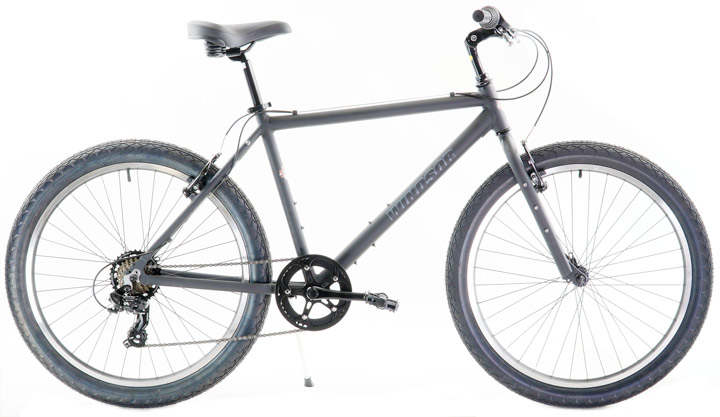
Comfort bike featuring a wide saddle and relaxed frame

An upright posture is not about being slow. It is about being sustainable.

When your bars are higher and closer, your torso angle becomes more neutral. Your hips sit in a position that many adults can hold comfortably for longer periods. Less weight pushes onto your hands. You can breathe and look around more easily. Your steering inputs also tend to feel calmer because you are not perched as far forward.

That is why comfort-forward bikes feel inviting right away. A true upright riding bike experience is built around geometry first, not padding. It is the difference between enduring a ride and enjoying it.

If you want a clear example of this approach, look at bikes designed specifically for relaxed posture and everyday surfaces, like the Gravity Dutch, which is built around comfort features and an adjustable riding position.

Comfort is a system, not a seat

Seats matter, but they are the last step, not the first. Comfort comes from how your whole body stacks over the bike.

Three design choices do most of the heavy lifting:

  • Geometry that reduces reach so your arms are not acting like support beams
  • Tires with enough volume to smooth rough pavement and bike paths
  • Contact points that match posture so you are not fighting the bike every minute

A comfort design often pairs a taller front end with sensible steering. It favors stability over twitchiness. It assumes you will ride on imperfect surfaces, not glass-smooth training roads.

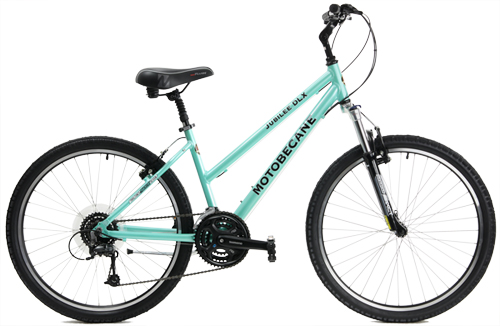
A great illustration of comfort-first thinking is the Motobecane Jubilee Deluxe, which is built for relaxed cruising and longer neighborhood rides where comfort matters more than a sprint finish.

The everyday bikes that keep people riding

Riders who stick with cycling usually find a bike that fits their life, not a bike that looks fast on paper.

For commuting and errands, city-style bikes tend to be friendly because the fit is natural and the handling is predictable. A bike like the Windsor Essex Deluxe leans into practicality and an upright stance that works well for stop-and-go riding.

For fitness rides on mixed pavement, a hybrid bike can be the sweet spot: efficient enough to cover ground, relaxed enough to stay comfortable. If you spend time on paths or bumpy roads, a bit more tire volume can transform how you feel after an hour.

For pure relaxation, a beach cruiser style ride makes sense when the goal is comfort and fun, not speed. If you have ever ridden along a boardwalk or through a neighborhood at an easy pace, you already understand why these bikes have loyal fans.

Comfort is the performance upgrade most riders need

Dutch-style city bike with upright seating position

If you only ride once a week because your bike beats you up, then shaving weight or adding gears will not change your habits. If you ride four times a week because your bike feels good, your fitness improves, your confidence grows, and your speed climbs naturally.

That is why we encourage riders to treat comfort as a performance decision. In the real world, a bike that feels good is the bike you ride.

Ride more, enjoy more, then upgrade what matters

When you choose a bike built around upright riding bike comfort, you are not settling. You are choosing the setup that supports consistency. And consistency is what makes cycling feel better over time. If your current bike leaves you sore, switching to a true upright riding bike posture can be the change that brings riding back into your week.

We keep a wide range of bikes designed for real-world riding, including road bike options for speed, mountain bike builds for trails, a capable gravel bike selection for mixed surfaces, laid-back beach cruiser styles, practical hybrid bike choices, and adventure-ready fat bike models. If you want help picking the right fit, please contact us.

Mountain Bikes Under $600: What Your Money Really Gets

Buying one of today’s entry-priced mountain bikes can feel like stepping into a maze of buzzwords: “hydroformed,” “long travel,” “trail geometry,” “hydraulic,” “1x,” “29er,” “27.5,” and a dozen more. Then you see the price tags. Under $600? For a real mountain bike?

Here’s the honest truth after two decades of building, tuning, and riding bikes: $600 is enough to get a legitimately fun, capable mountain bike—if you understand where the money goes and choose the right compromises. It’s also enough to buy the wrong bike if you expect $2,000 performance from $300 parts.

In this guide, we’ll do a practical mountain bike price comparison focused on what matters long-term: frames, forks, drivetrains, brakes, wheels, and how each choice affects durability, maintenance, and upgrade potential. We’ll use a few clear examples from our lineup at BikesDirect—then give you a framework you can apply to any bike in this price range.

Bikes we’ll reference and compare:


The $600 reality check: where your money actually goes

At this price point, you’re not paying for carbon layups, air forks, or 12-speed wide-range drivetrains. You’re paying for five core areas that define how the bike rides and how long it stays enjoyable:

  1. Frame design & durability (materials, weld quality, replaceable derailleur hanger, bottle mounts, geometry)
  2. Suspension (fork quality; and if full suspension, the rear shock + pivots)
  3. Brakes (V-brakes vs mechanical discs vs hydraulic discs)
  4. Drivetrain (how it shifts under load, gear range, replacement cost)
  5. Wheels/tires (rim strength, hub quality, tire size and traction)

Here’s the key tradeoff under $600:

  • If you spend more on suspension (especially rear suspension), you usually spend less on brakes, drivetrain, and wheels.
  • If you spend more on brakes (hydraulic discs), you often keep the drivetrain more basic (commonly 3×7/21-speed).
  • If you want the best long-term value, prioritize frame, brakes, and wheels first, then suspension.

That’s why a smart budget hardtail can outlive (and out-perform) a bargain full-suspension bike on many trails.


The three tiers of under-$600 mountain bikes (and what to expect)

Tier 1: $200–$300 — “Real bike, real trails… with realistic expectations”

This is the category where bikes stop being toy-store throwaways and start being legitimate bicycles you can tune, maintain, and ride for years. But you’re making compromises: heavier components, simpler drivetrains, and basic brakes.

A solid example is the Gravity BaseCamp V 7spd, which comes in at $229.95 and focuses on fundamentals: an aluminum frame, front suspension, Shimano 7-speed shifting, and V-brakes.

What your money really gets here:

  • A true 6061 aluminum frame (not “mystery metal”)
  • Entry-level suspension fork to take the edge off bumps
  • Simple, inexpensive-to-maintain shifting
  • Strong value if your riding is parks, dirt paths, mellow singletrack, and neighborhood adventures

What you’re not getting:

  • High-end braking power
  • Modern wide-range gearing
  • Lightweight wheels/hubs
  • Suspension that feels smooth on fast, rough trails

This tier is best when you want maximum value and minimal complexity.

Tier 2: $300–$450 — “Full suspension or better components… pick one”

Here’s the fork in the road (pun intended). Under $450, bikes typically go one of two directions:

  • Full suspension with basic parts
  • Hardtail with notably better brakes and trail readiness

Option A: Full suspension comfort on a budget

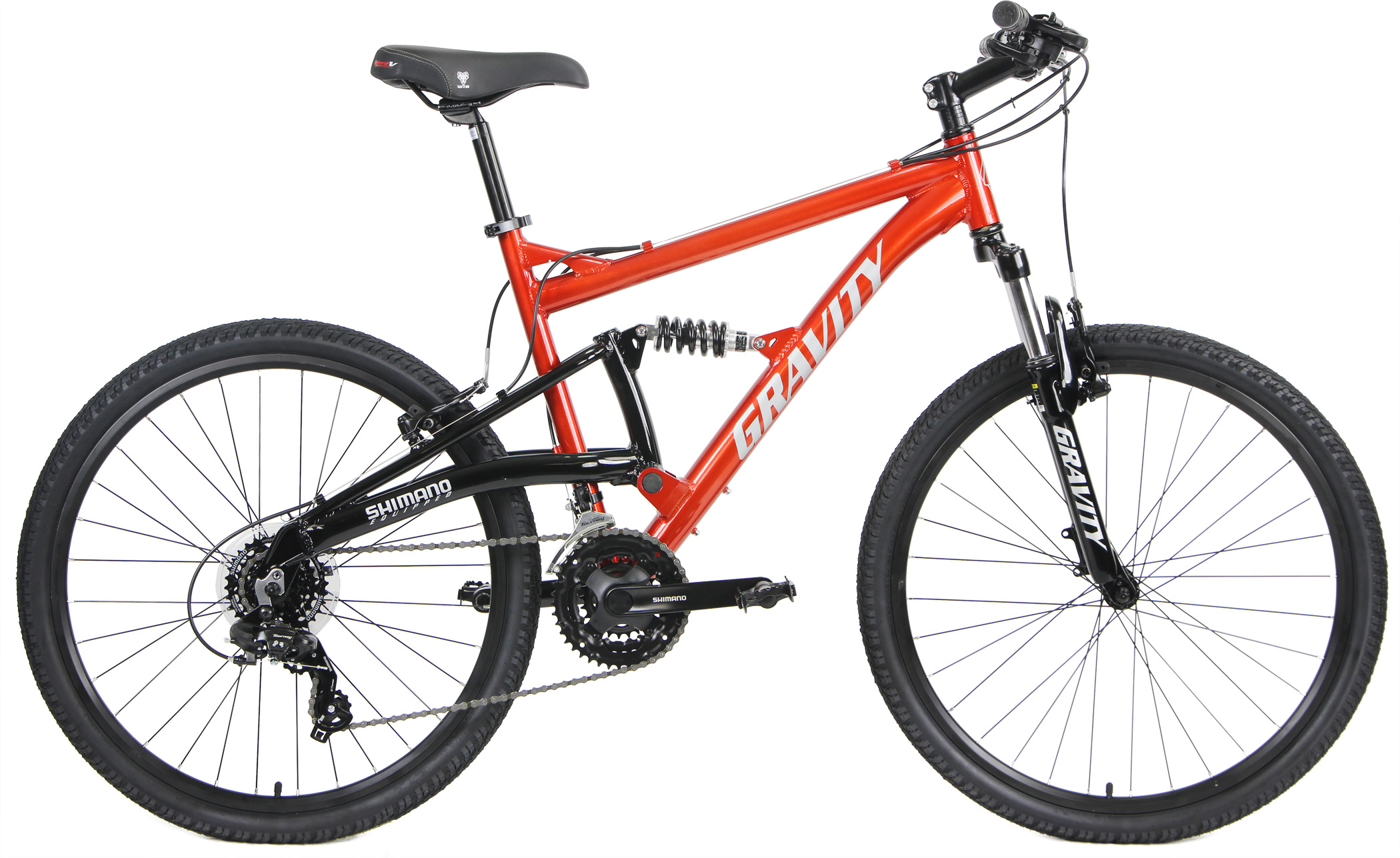
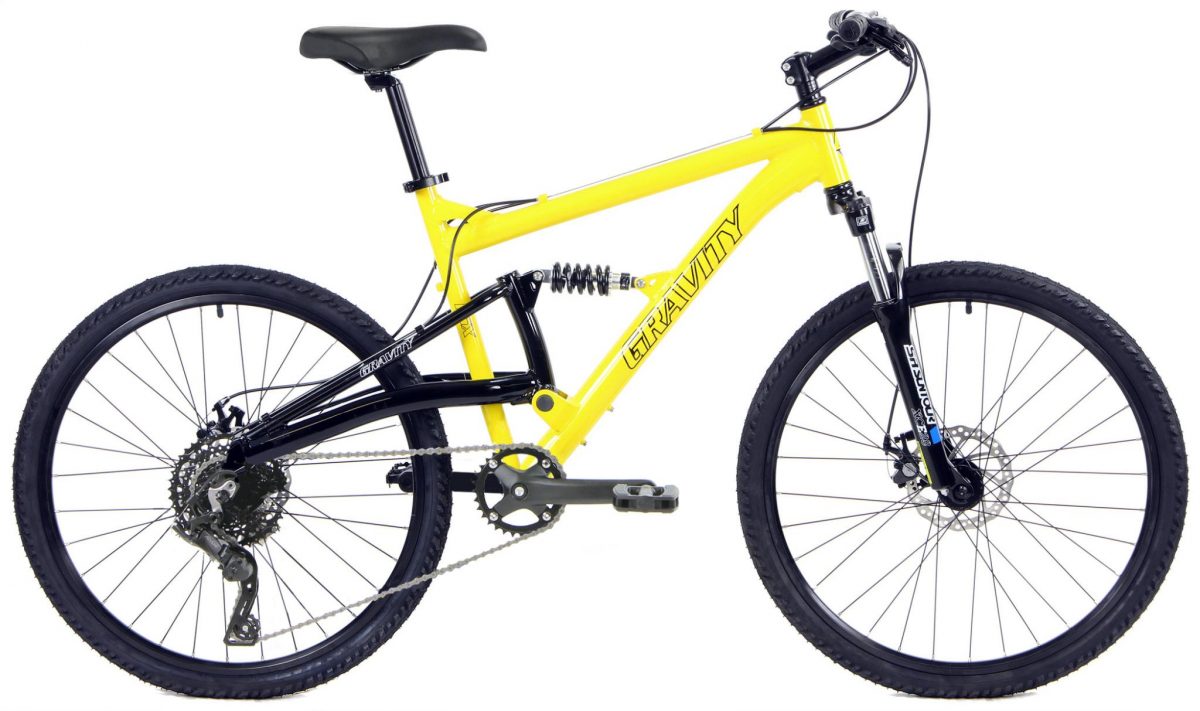
The Gravity FSX V is a classic example: a full-suspension aluminum bike priced at $299. It pairs a 6061 aluminum frame and rear coil-over shock with Shimano 21-speed and V-brakes.

If you’re newer to trails, full suspension can feel like magic—especially on roots, rocks, and choppy surfaces. But the “money math” matters: a rear shock, linkage, pivots, and extra frame structure cost real dollars, so other components tend to be more entry-level.

You get comfort and forgiveness. You give up some braking power, some precision, and typically add weight.

Option B: Hardtail performance upgrades that matter more

In this same general price zone, a hardtail with strong brakes often gives you a better mountain-bike experience—particularly if your trails are steep or your rides include long descents where heat and control matter.


Tier 3: $350–$600 — “Best long-term value lives here”

This is where bikes start to feel trail-serious for most riders because the component choices move from “works” to “works confidently.”

The standout upgrade at this level is usually hydraulic disc brakes—and that’s a big deal.

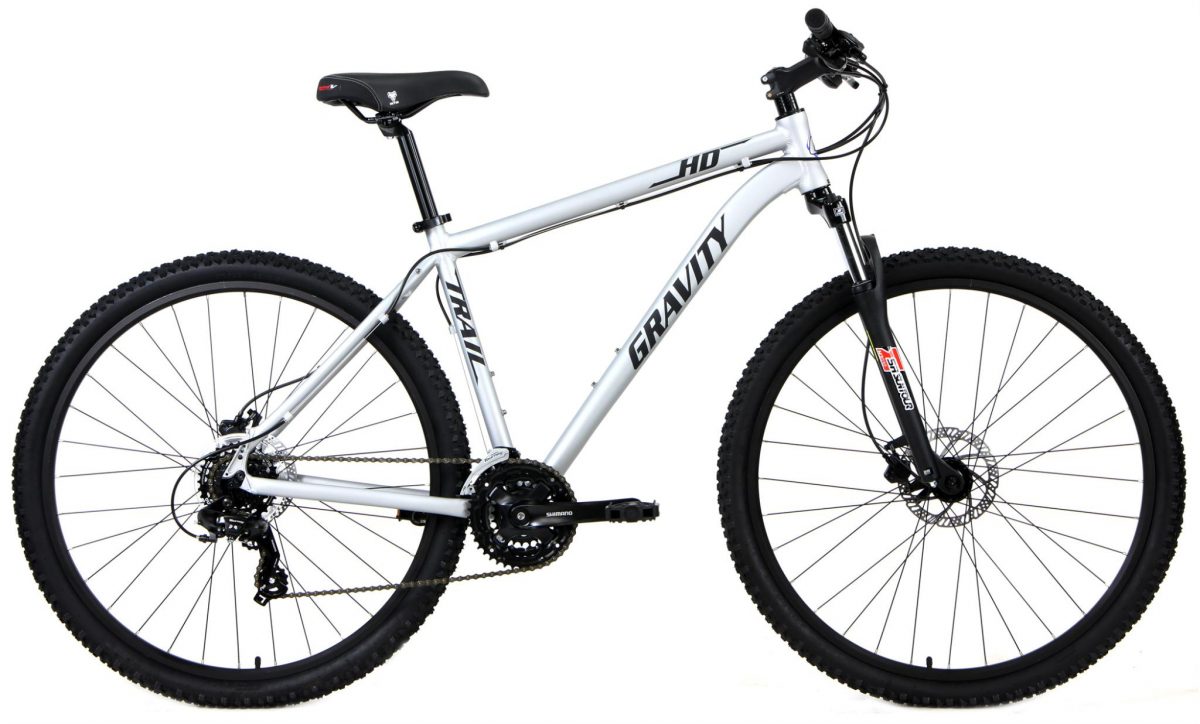
A strong example is the Gravity HD275 Trail at $359, built around an aluminum frame, a 27.5″ wheel platform, and Tektro M285 hydraulic disc brakes with 160mm rotors.

For many riders, hydraulic discs are the single biggest “this feels like a real mountain bike” jump you can make—because they improve control, reduce hand fatigue, and keep working in wet or dusty conditions.


Quick comparison: BaseCamp V vs FSX V vs HD275 Trail

Gravity FSX V full-suspension mountain bike designed for entry-level trail riding.

Here’s how these three options stack up in the ways that actually change your ride.

ModelBest forSuspensionBrakesWheels/TiresDrivetrain vibeWhy it matters
BaseCamp V 7spdSimple fun, casual trailsFront suspensionV-brakes26″ wheels, 2.1″ tiresSimple 7-speedLowest cost, lowest complexity
FSX VComfort-first trail ridingFull suspension (coil rear)V-brakes26″ wheels, 2.1″ tires21-speed (3×7)Plush ride; more maintenance points
HD275 TrailBest value trail hardtailFront suspensionHydraulic discs27.5″ wheels21-speed (3×7)Strong control + lighter feel on trail

If you forced me to summarize it in one sentence:

  • BaseCamp V: best “starter mountain bike” value
  • FSX V: best “comfort per dollar”
  • HD275 Trail: best “trail performance per dollar”

Now let’s get into the parts—because that’s what your money really buys.

Frames under $600: the quiet hero of long-term value

At BikesDirect we’re big on frames because they’re the foundation you can’t easily upgrade later.

What to look for in a budget MTB frame

  • 6061 aluminum (common, durable, and cost-effective)
  • Replaceable derailleur hanger (when—not if—you hit something)
  • Bottle mount points (small detail, huge quality-of-life improvement)
  • Reasonable geometry for stability (not twitchy, not stretched)

The BaseCamp V frame is explicitly 6061 aluminum with an integrated head tube design, and it includes a replaceable rear derailleur hanger.
The HD275 Trail frame is also 6061 aluminum and calls out a reinforced/hydroformed downtube design, plus replaceable hanger and bottle mounts.
The FSX V uses a 6061 aluminum front triangle and rear triangle, also with a replaceable hanger—important on a full suspension bike where alignment matters even more.

The truth about “full suspension frames” at entry prices

Full suspension adds:

  • Pivots/bearings (or bushings)
  • Hardware that needs torque checks
  • More places for creaks to develop if neglected

That doesn’t mean “don’t buy full suspension.” It means buy it with eyes open: you’re trading simplicity for comfort.

Suspension under $600: what “front suspension” actually means here

Coil forks: sturdy, affordable, not fancy

In this price bracket, forks are typically coil-sprung with basic adjustability. They do the job—especially for newer riders—but they’re heavier and less sensitive than an air fork.

  • BaseCamp V: listed as an MTB long travel suspension fork.
  • FSX V: 26″ suspension fork with preload adjustment.
  • HD275 Trail: 27.5″ suspension fork with preload adjustment.

Rear shocks at budget pricing: coil-over comfort with limits

On the FSX V, the rear is a coil-over shock.
Coil shocks at this level are great for smoothing chatter and increasing confidence—but you won’t get the damping control of higher-end shocks. Think: comfortable, forgiving, and fun… but not precision race equipment.

Pro tip from the workshop:
If you’re buying budget full suspension, set expectations and then protect your investment:

  • Keep pivot bolts snug (check occasionally)
  • Keep it clean
  • Listen for new noises early (small fixes stay small)

Drivetrains under $600: why “more speeds” isn’t always better

Gravity Basecamp V7 mountain bike with sturdy frame suited to casual off-road riding.

You’ll see a lot of 7-speed and 21-speed setups here, and that’s not a bad thing. They’re inexpensive to service and forgiving.

BaseCamp V: simple Shimano 7-speed

The BaseCamp V uses a Shimano 7-speed drivetrain (including Shimano rear derailleur, shifter, and 7-speed freewheel). This is a great “get on and ride” setup. Replacement parts are cheap. Adjustments are straightforward.

FSX V & HD275 Trail: 21-speed (3×7) for broader range

Both the FSX V and HD275 Trail use a 3×7/21-speed approach, giving you more climbing and cruising options.

What you gain:

  • More gear range for mixed terrain
  • Easier climbs for newer riders

What you give up:

  • More shifting complexity (front derailleur setup matters)
  • Slightly more maintenance

If you’re riding hilly areas or carrying gear, the wider range is a genuine benefit.

Brakes under $600: the most important difference you’ll feel on trail

If there’s one area where budget bikes can feel wildly different, it’s braking.

V-brakes: simple, effective, weather-dependent

Both BaseCamp V and FSX V use V-brakes.
Properly adjusted V-brakes can work well on dry trails and paths. They’re easy to maintain and cheap to replace.

But they’re more affected by:

  • Wet rims
  • Mud/grit on the braking surface
  • Rim wear over time

Hydraulic disc brakes: the “this feels legit” upgrade

The HD275 Trail’s Tektro M285 hydraulic discs are a major step up in control and consistency, and it’s one reason this bike punches way above its price.

Hydraulic discs bring:

  • Better modulation (control between “off” and “locked”)
  • Stronger stopping power
  • Less hand fatigue on long descents
  • More consistent performance in wet conditions

If your local rides include real descents, or you’re a heavier rider, or you ride in mixed weather, hydraulic discs are often the best “value per dollar” feature you can buy.

Wheels and tires: why 27.5” often feels like the sweet spot here

Wheel size affects how a bike rolls over obstacles, how it accelerates, and how it corners.

  • BaseCamp V uses 26″ rims and 26×2.1 tires.
  • FSX V runs 26×2.1 tires as well.
  • HD275 Trail runs a 27.5″ wheel platform, and lists tire clearance up to roughly 27.5×2.3.

What does that mean on real trails

  • 26″: quick acceleration, nimble handling, lots of tire availability, great for smaller riders and tighter paths
  • 27.5″: a little more rollover confidence without feeling sluggish, great all-around trail size for many riders

If you’re shopping under $600 and want a modern-feeling trail ride without needing a 29er-specific build, 27.5″ is a strong balance point.

Long-term value: what holds up, what wears out, and what’s worth upgrading

Let’s talk about the part most buyers skip: what happens after the honeymoon. Entry-priced bikes can be outstanding long-term buys—if you maintain them smartly and upgrade selectively.

What typically lasts a long time under $600

  • The frame (if it’s a solid aluminum frame with a replaceable hanger)
  • Basic cranksets and bottom brackets (especially if kept clean and properly adjusted)
  • Double-wall rims (as long as spoke tension stays healthy)

What you should expect to replace eventually

  • Brake pads (disc) or pads (V-brake)
  • Chains (and eventually freewheel/cassette)
  • Tires (sooner than you think if you ride often)
  • Cables/housing (shifting gets “mushy” over time)

The best “bang for buck” upgrades (in order)

  1. Tires
    Stock tires are often chosen to hit a price point. The right tire for your terrain can transform cornering and confidence more than almost anything else.
  2. Pedals and grips
    Better contact points make the bike feel more controlled and less fatiguing.
  3. Brake setup (pads + adjustment)
    Even without changing brake systems, proper setup matters. If you have hydraulics, keeping pads fresh and rotors clean is huge.
  4. A basic tune-up
    Cable tension, derailleur alignment, and spoke tension can make an entry bike ride like a much more expensive one.

Model-specific value notes

BaseCamp V: the “simple wins” bike

The BaseCamp V is exactly the kind of bike that stays alive for years because it’s straightforward: fewer gears, fewer complex systems, simple brakes. It’s also priced so affordably that you can put some budget toward a helmet, basic tools, and maybe better tires—stuff that improves every ride.

Best for: casual trails, family rides, beginner singletrack, neighborhood adventures
Not ideal for: long, steep descents or high-speed rocky terrain

FSX V: comfort-first, maintenance-aware

Full suspension at $299 is a ton of comfort for the money, and for many riders that’s the difference between riding often and letting the bike collect dust.
Just remember: you’re responsible for a bit more upkeep.

Best for: rough paths, roots, comfort-seeking riders, “I want it smoother” buyers
Not ideal for: riders who never want to check bolts or do basic maintenance

HD275 Trail: best “ride it hard” value

Hydraulic disc brakes plus a 27.5 platform is a recipe for confidence at a price that’s honestly difficult to beat.
For many buyers, this is the sweet spot: simple drivetrain, strong braking, modern trail feel.

Best for: real trail riding, mixed weather, hilly terrain, confidence-building control
Not ideal for: riders who specifically want rear suspension comfort

Fit and sizing: the cheapest way to get a better ride

Another view of the Gravity Basecamp V7 mountain bike showing rugged tires and frame.

I’ll say it plainly: a perfectly sized $350 bike will ride better than a poorly sized $1,500 bike.

Each of the bikes above includes sizing guidance on the product page (standover and height ranges). For example, the BaseCamp V page lists sizing ranges for men’s and women’s frames, and the FSX V provides standover figures by size.

Two practical sizing rules

  • If you’re between sizes and you value confidence on trails, size down for more standover and easier handling.
  • If you’re between sizes and you value seated pedaling efficiency, size up (but only if standover still works).

If you want a second opinion, reach out—our team is set up for exactly this: Contact BikesDirect Support.

“Should I buy a mountain bike… or would gravel bikes make more sense?”

This comes up constantly, so let’s address it directly and honestly.

If most of your riding is:

  • pavement
  • packed dirt roads
  • rail trails
  • fast mixed-surface commuting

…then gravel bikes can be a better tool. They’re generally lighter, roll faster on smooth surfaces, and feel efficient when you’re pedaling for distance.

But if you plan to ride:

  • roots, rocks, real singletrack
  • trails with sharp turns and steep descents
  • loose or chunky surfaces where traction matters

…mountain bikes are the right choice. Bigger tires, more stable handling, and (on the right model) stronger braking make trail riding safer and more fun—especially for newer riders.

A lot of riders actually end up with both eventually: gravel for miles, MTB for trails. Under $600, the key is picking the bike that matches how you’ll really ride, not the bike you imagine yourself riding twice a year.


So… what does $600 really get you?

A smart under-$600 purchase can absolutely be a long-term win. Here’s the simple breakdown:

  • Under ~$300: expect a solid frame and functional parts—great for casual trails and building skills
  • Around ~$300–$400: you can choose either full suspension comfort (with simpler parts) or hardtail performance upgrades
  • $350–$600: you start getting the features that make trail riding feel confident—especially hydraulic disc brakes

If you want to browse what’s currently available across these tiers, start here: BikesDirect Mountain Bikes.

And if you want help choosing the best match for your height, terrain, and riding goals, reach out to us here: Contact BikesDirect.

Why BikesDirect Pricing Disrupts the Traditional Bike Industry

If you’ve ever compared two bikes online, similar-looking frames, similar category, similar promises, and then felt your eyebrows lift at the price difference, you’re not alone. The bike industry has a long history of pricing that can feel opaque from the outside. MSRP tags, seasonal sales, and brand positioning can make it hard to tell whether you’re paying for performance… or paying for layers.

At BikesDirect, we’ve built our business around a different approach; one that puts more of your money into the bike itself. Understanding factory-direct bikes isn’t about learning industry jargon; it’s about learning how pricing works so you can shop smarter, compare more confidently, and end up with a bike you genuinely enjoy riding.

In this deep dive, we’ll break down:

  •  traditional bike pricing is built
  • here costs stack up (even when specs don’t)
  •  to evaluate the real component value quickly
  •  our model changes the math in your favor

By the end, you’ll have a practical checklist you can use in minutes, whether you’re shopping for a performance setup or a reliable everyday ride.


The traditional bike pricing pipeline

Most bikes sold through classic retail channels move through several layers before they reach the rider. The exact path varies by brand and region, but the underlying structure is typically similar:

  1. Brand and product development
    A brand designs a lineup, forecasts demand, and sets pricing strategy (including MSRP, promotions, and dealer margins).
  2. Distribution and logistics
    Inventory is moved through warehouses, shipping networks, and regional distribution channels.
  3. Retail overhead
    Bikes are stocked on showroom floors, assembled, serviced, and supported by staff. Retailers also carry inventory risk, especially with seasonal demand swings.
  4. Consumer purchase
    The buyer ultimately pays for the bike and the system that brought it to the shop floor.

None of this is bad. Bike shops provide valuable services, community, fit help, and support. The point is simply that this structure carries costs that exist even when they don’t directly improve the ride experience. Two bikes can share a similar purpose, but the pricing can diverge dramatically based on how many layers are involved and how each layer needs to be funded.

Where the cost layers show up

Even before we talk about components, consider what gets priced in:

  • warehousing and freight handling
  • showroom space and staffing
  • inventory financing and seasonal risk
  • promotions and markdown cycles
  • brand marketing overhead (which can be significant)

When you see a higher price, it may reflect higher-end components and engineering. But it may also reflect the economics of the pipeline.


The spec gap problem: why price doesn’t always track performance

If we could give every buyer one simple shopping habit, it would be this:

Compare specs and purpose first; then compare price.

The most common trap is assuming that a higher price automatically means a higher-performing bike in real-world use. Sometimes it does. But often, pricing reflects brand positioning, distribution layers, and retail overhead rather than measurable performance gains.

What actually changes the way a bike rides

If you want to understand value, focus on the parts that directly change feel, control, and long-term satisfaction:

Drivetrain (gearing + shifting quality)

This isn’t just about having more gears. It’s about:

  • having a gear range that matches your terrain
  • shifting that feels consistent under load
  • durability and tune stability over time

A drivetrain that matches your routes can make riding more enjoyable immediately, especially if you have hills or long rides where cadence matters.

Brakes (confidence and control)

Braking is one of the most underappreciated value indicators for new buyers. Better braking consistency makes:

  • descents feel safer
  • wet conditions less stressful
  • stop-and-go riding more predictable

It’s hard to overstate how much brakes you trust can improve the overall experience.

Wheels and tires (comfort and traction live here)

Wheels affect durability and responsiveness. Tires affect comfort, grip, and rolling feel. Two bikes can have similar frames and totally different ride personalities based on tire width and quality alone.

Suspension (if you actually need it)

If you ride trails or rough terrain, suspension can be transformative. If you ride smooth pavement, suspension can be unnecessary complexity. The key is choosing what matches your riding; no more, no less.


A practical way to compare bikes without getting overwhelmed

If you’ve ever clicked into a product page and felt like you needed a translator, here’s a simpler approach. You don’t need to become a mechanic; you just need a short list of high-impact comparisons.

Step 1: Identify the bike’s true job

Before you compare parts, define the bike’s job:

  • commuting and errands
  • paved fitness rides
  • mixed-surface exploring
  • real trail riding
  • comfort-first casual riding

Once you know the job, it’s easier to know which specs matter and which are just noise.

Step 2: Look at the big four value indicators

  1. drivetrain level and range
  2. braking type and feel
  3. wheel durability and tire quality
  4. suspension type (only if relevant)

Step 3: Don’t overpay for the wrong kind of upgrade

A bike can have a premium price tag and still be the wrong tool for you. And the reverse is also true: a well-chosen, value-focused bike can feel better in daily use because it matches your routes and comfort preferences.


How our approach changes the value equation

HAL29 Comp Eagle LTD full-suspension 29er mountain bike.

At BikesDirect, our model is built to put more value into the bike itself. When you strip away unnecessary layers and keep the focus on specs and purpose, you create room for stronger component value at a given price point.

That’s the real advantage of factory-direct bikes: you’re not paying extra for a longer pipeline; you’re paying for the product.

We also know that value isn’t just a low number. Value is:

  • the right bike category for your routes
  • components that perform where it matters
  • durability and ride enjoyment over time
  • clear, honest specs that let you compare confidently

Our goal is to make it easier for you to understand what you’re getting, so your budget goes into ride quality rather than into layers you never asked for.


Real-world value is easier to see when you anchor it to purpose

To make this practical, let’s talk about how value looks in common buying scenarios, because the best deal means different things depending on how you ride.

Scenario A: You want a capable trail bike without paying for fluff

If your rides include real off-road terrain, you’ll feel the most value in:

  • suspension performance and suitability
  • braking confidence on descents
  • drivetrain range for climbing
  • wheel/tire setup for traction

This is where full-suspension mountain bikes can deliver huge ride-quality differences compared to budget setups that look similar but don’t perform as confidently when trails get rough.

A great example of a value-focused full-suspension starting point is the Gravity FSX 1.0 Advent26 1BY. The reason bikes like this matter in a pricing discussion is simple: full suspension can be a major comfort and control upgrade, and value often shows up in how accessible that upgrade becomes when the pricing model is efficient.

Scenario B: You want stability and confidence from bigger wheels

Wheel size can change ride feel, especially on rougher surfaces. Riders who want a more stable roll-over feel often gravitate toward 29er setups for trail and mixed off-road routes.

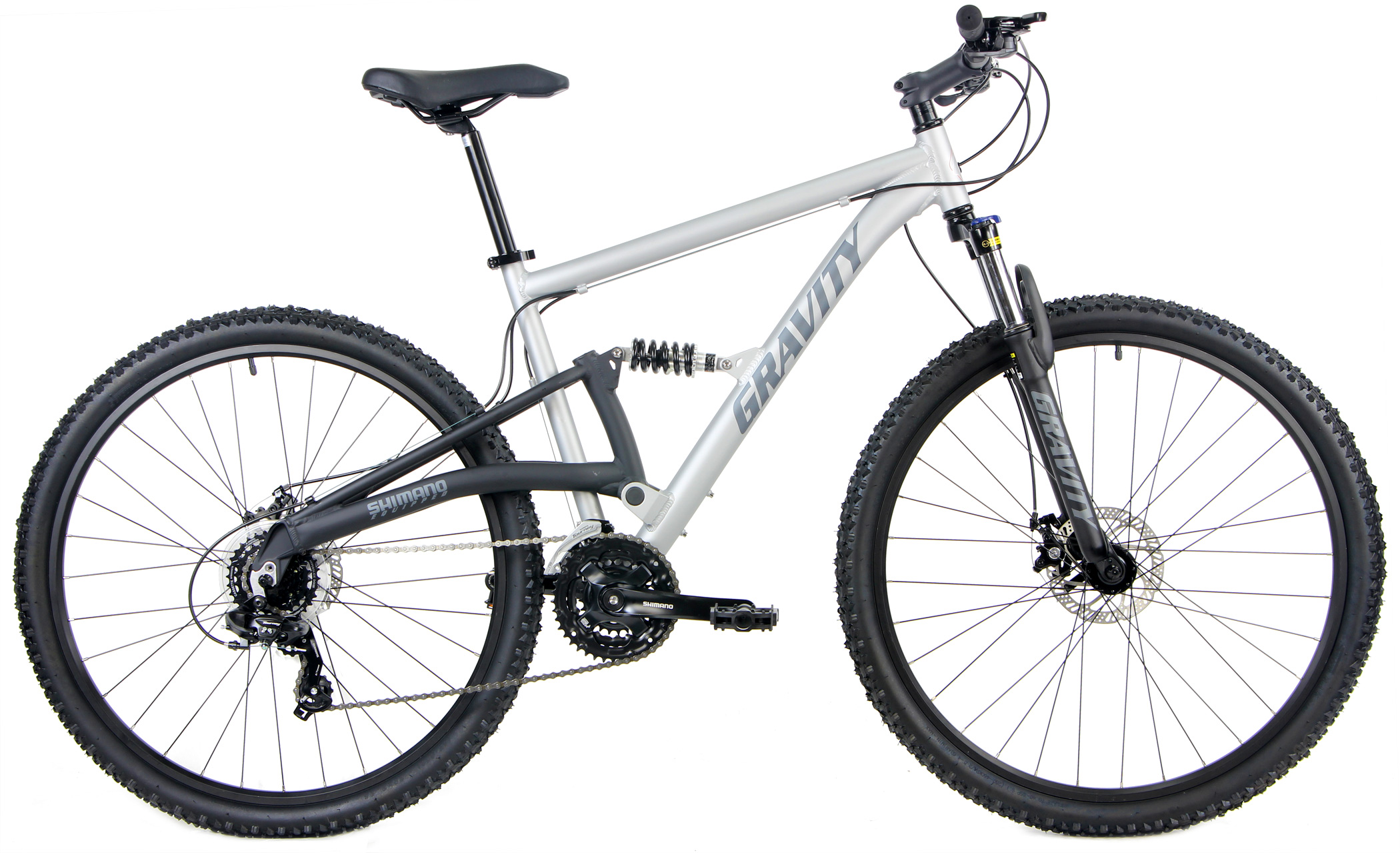
A model like the Gravity FSX 29LTDX is a useful reference point when you’re comparing what I get for the money, because it highlights a common shopper priority: stability and confidence, not just looks or branding.

A quick component-value checklist (the short version)

Here’s a simplified checklist you can use while shopping; no deep technical background required.

Drivetrain: ask Will this feel good where I ride?

  • Do you have hills? Make sure you have low gears you’ll actually use.
  • Do you want simplicity? A streamlined setup can be easier to live with.

Brakes: ask Will I feel confident stopping?

  • Consistency matters more than marketing terms.
  • If you ride in traffic or variable weather, don’t treat brakes as an afterthought.

Wheels and tires: ask Will this be comfortable and grippy?

  • Tire width and quality influence comfort and traction immediately.
  • If your roads are rough, tire volume can be a bigger upgrade than a tiny weight reduction.

Suspension: ask Do I need this, and will I use it?

  • Trails and rough terrain: suspension can be a major benefit.
  • Smooth pavement: You may prefer simplicity and efficiency.

The component-value checklist (the deeper version you can actually use)

HAL29 SLX 29er full-suspension mountain bike.

When pricing feels confusing, it helps to stop asking Why is this bike cheaper? and start asking What am I getting for the money? Value becomes much clearer when you evaluate the parts that change ride feel, control, and long-term satisfaction.

Below is the same checklist we use internally when we’re helping riders compare options across brands, price points, and categories.

Drivetrain value: range, reliability, and real-world shifting

A drivetrain isn’t better just because it has more gears. What matters is how well it matches your terrain and how consistently it performs.

What to look for:

  • A range you’ll actually use: If your routes include hills, you’ll want low gears that keep climbing comfortable. If you ride mostly flat, you may prefer simplicity and clean shifting rather than chasing extremes.
  • Consistency under effort: Shifting that stays dependable when you’re pedaling hard is a quality-of-life upgrade you notice every ride.
  • Adjustment stability: Some drivetrains hold tune better over time, which means fewer little annoyances between rides.

Smart buyer move: Compare drivetrain level, gear range, and real-world intent; not just the number of gears. A well-matched setup often feels faster because you’re riding at your preferred cadence more of the time.

Braking value: confidence is the upgrade

Brakes are one of the most underrated value indicators in bike shopping. When brakes feel predictable, everything gets easier: traffic, descents, wet conditions, and tight turns.

What to look for:

  • Modulation: Smooth control matters more than instant grab.
  • Consistency: You want the same lever feel from the first mile to the last.
  • Confidence at speed: Better brakes don’t just stop you faster; they make you feel calmer.

Smart buyer move: If two bikes are close in price, braking quality is often the better tie-breaker than minor frame differences.

Wheels and tires: where comfort and traction really come from

If you want a bike that feels better than expected, wheels and tires are a huge part of that. The frame sets the foundation, but tires and wheels shape the day-to-day experience.

Tires:

  • Width and volume = comfort and control. Wider tires (within reason for your category) can reduce harshness and improve grip on imperfect surfaces.
  • Tread and casing quality matter. Two tires that look similar can ride very differently.

Wheels:

  • Durability is value. Especially for heavier riders, rough roads, or off-road use, a durable wheelset is worth more than a small weight drop.
  • Ride character changes here. Wheels can influence responsiveness and stability; subtle on paper, obvious on the road.

Smart buyer move: Choose the tire setup that matches your routes. If your city streets are rough, tire volume can be more meaningful than a lightweight frame upgrade.

Suspension value (when it’s relevant): comfort, traction, and control

Suspension is not a universal benefit. If you ride trails or consistently rough terrain, suspension can increase traction and reduce fatigue. If you ride smooth pavement, it can be unnecessary complexity.

What to look for (trail riders):

  • Appropriate travel for your terrain: More isn’t always better; match it to the trails you ride.
  • A balanced build: Suspension only shines when the rest of the bike supports it (brakes, wheels, tires, drivetrain range).

Smart buyer move: Buy suspension because it improves the rides you do weekly, not because it sounds like a premium feature.

Frame and fit value: the part that keeps you riding

We’re spec-forward for a reason, but fit is still the foundation. A bike that fits well and matches your posture preference can feel higher-end than a more expensive bike that doesn’t suit you.

What to look for:

  • Reach and posture that feel natural
  • Stable handling for your skill level
  • Mounting points if you need utility (commuting, racks, fenders, bags)

Smart buyer move: If you’re torn between two options, prioritize the one that fits your comfort and your routes. Most riders ride more when the bike feels easy to live with.


Where pricing gets distorted (and why it matters to your wallet)

Gravity FSX 29 LTDX 29er bike with knobby tires.

If you’ve ever wondered why pricing feels inconsistent across the industry, you’re not imagining it. A lot of pricing isn’t just cost + fair margin. It’s influenced by how bikes are sold, stocked, and marketed.

MSRP signaling and sale cycles

In traditional retail, pricing often revolves around MSRP and promotions. That can make comparisons tricky:

  •  model may look discounted heavily, but still be priced around what the pipeline requires
  •  model may hold closer to MSRP because the brand strategy is to protect price perception
  • nd-of-season markdowns can be more about inventory and floor space than about the intrinsic value of the bike

Inventory risk and overhead

Stocking bikes costs money. Warehousing, shipping, showroom space, staffing, and seasonal swings all create pressure to build margin into the retail price. That doesn’t automatically mean a retail-priced bike is bad, but it does mean you’re often paying for the system that supports that in-store experience.

Why spec-first shopping protects you

When you shop based on specs and purpose, you protect yourself from pricing noise. You don’t get pulled into paying more for paint, brand aura, or marketing language that doesn’t change the ride.

This is also why factory-direct bikes tend to shine in spec-to-price comparisons: when fewer cost layers sit between production and the rider, it becomes easier for your budget to show up where it matters: drivetrain level, braking confidence, and ride-ready capability.


Value looks different by bike category (so shop the right way for your riding)

One mistake we see often is comparing value across the wrong category. A bike can be a great value and still be the wrong tool for your rides. So here’s how to think about value depending on what you ride, and where it makes sense to start browsing.

Road: value is efficiency, gearing, and braking feel

If your riding is mostly pavement and you want speed and distance efficiency, value comes from a build that feels smooth, fast, and reliable over long miles. Start here: Road bike.

Value cues: gearing that matches your terrain, confident braking, wheels/tires that feel lively without beating you up.

Mountain: value is control, traction, and durability

Off-road riding puts real demands on a bike. Value shows up in control on descents, traction in loose corners, and reliability after repeated hits. Start here: Mountain bike.

Value cues: a balanced build (brakes + drivetrain range + tires), wheels that hold up, suspension that matches your trails.

Gravel: value is versatility and comfort on mixed surfaces

Gravel riders often want one bike that can do a lot. Value is stability, tire clearance, and comfort across changing surfaces. Start here: Gravel bike.

Value cues: tire volume potential, confident handling, useful gearing for rolling routes, practical mounting options if you want adventure or commuting capability.

Hybrid: value is practicality, comfort, and easy daily use

Hybrids win because they fit real life: commuting, fitness, errands, paths, and imperfect pavement. Start here: Hybrid bike.

Value cues: upright comfort, stable handling, brakes you trust in stop-and-go riding, and a build that doesn’t demand constant tinkering.

Cruiser: value is comfort and simplicity

Cruisers are about easy fun. Value is a relaxed ride feel that makes you want to hop on more often. Start here: Beach cruiser.

Value cues: comfort-first geometry, straightforward components, easy miles posture.

Fat: value is traction and float, where other bikes struggle

If you ride sand, snow, or consistently loose terrain, fat bikes can unlock rides that other categories can’t handle comfortably. Start here: Fat bike.

Value cues: tire setup that matches your conditions and a build that stays stable and confident on soft surfaces.


Spec-to-price spotlights from our lineup (how to compare with purpose)

Full-suspension mountain bike from the Gravity FSX 1 lineup.

To make the pricing discussion real, let’s look at two performance-focused examples and how we recommend comparing them to similarly positioned bikes elsewhere. The goal here isn’t to overwhelm you with jargon; it’s to show you how to identify value with a clear process.

Motobecane HAL29 SLX: a practical benchmark for trail/XC value

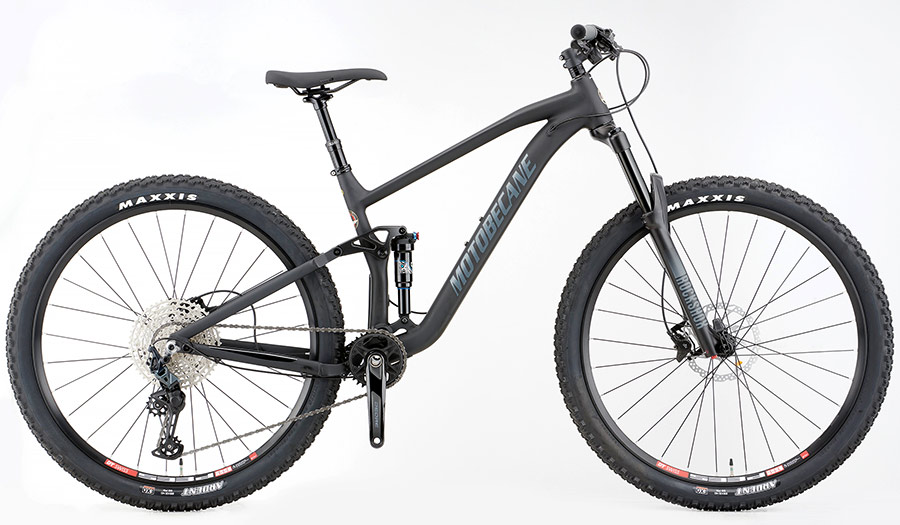
The Motobecane HAL29 SLX is a great reference point for riders who want a bike that’s ready for real off-road riding and meaningful trail mileage.

How we suggest evaluating it:

  • Look at the intent: This is designed for riders who want confident trail capability and efficiency, not a toy bike that looks the part but fades when terrain gets demanding.
  • Compare drivetrain and braking level at the same price: This is where value often shows up most clearly. A bike can look similar at a glance, but the ride experience changes dramatically when the component level steps up.
  • Check the whole package, not a single highlight: A good value bike feels balanced. If one competitor has a flashy headline spec but compromises on wheels or tires, it may not deliver the same real-world satisfaction.

Who it tends to fit best: Riders who want to progress; longer trail rides, more technical terrain over time, and a bike that won’t immediately feel outgrown as skills improve.

Motobecane HAL29 Comp Eagle LTD: when drivetrain range and ride-readiness matter

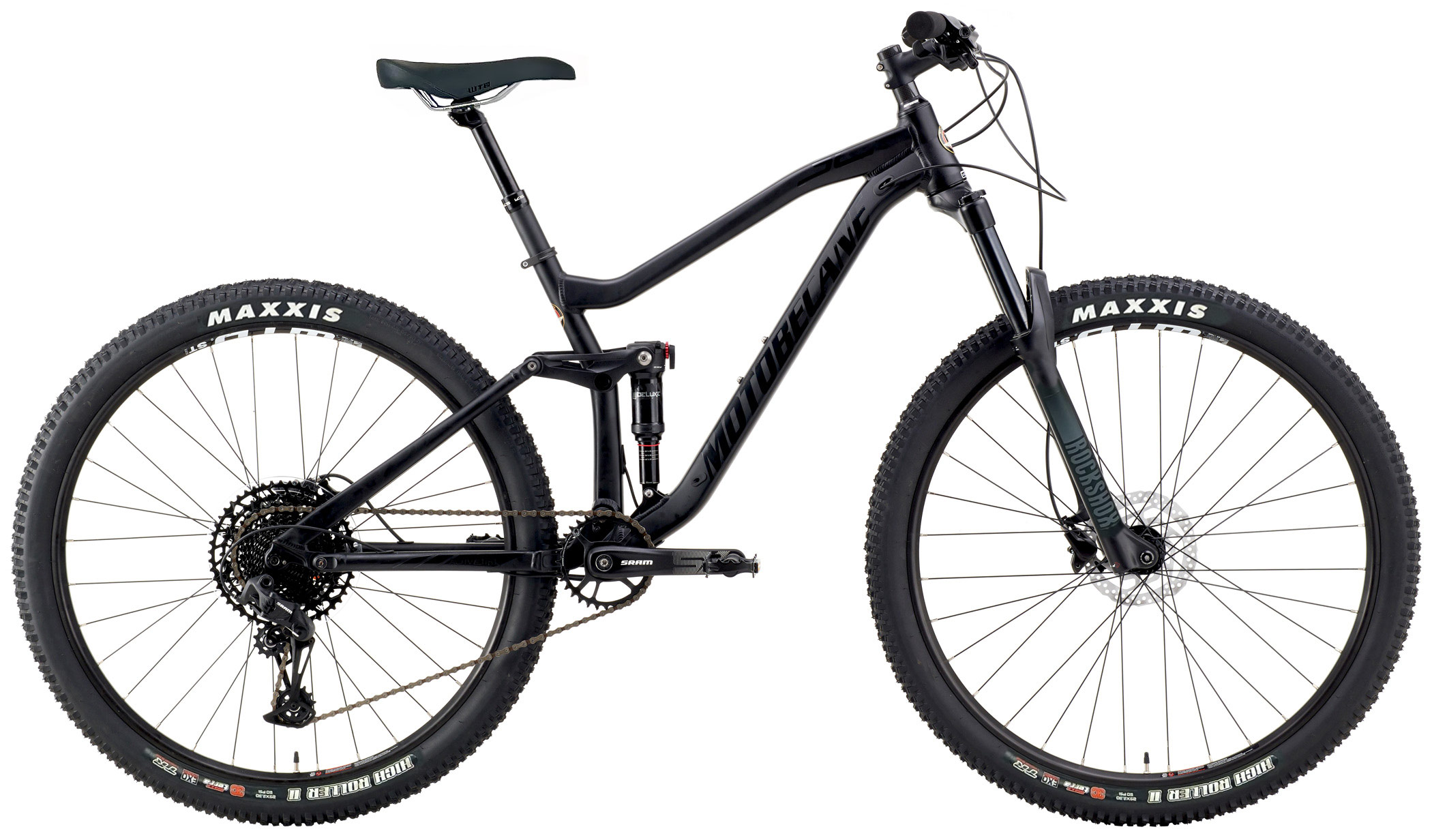
The Motobecane HAL29 Comp Eagle LTD is a strong example of why spec-to-price shopping beats brand-to-price shopping. When you’re comparing bikes in the same category, drivetrain range and consistency can be the difference between that climb being miserable and that climb being part of the fun.

How we suggest comparing it:

  • Focus on climbing comfort: Useful low gearing is one of the biggest ride-quality advantages, especially on longer routes or steeper terrain.
  • Evaluate braking confidence as a priority, not a footnote: Mountain riding rewards control. If you’re choosing between two similarly priced bikes, brakes are often the wiser place to prioritize.
  • Think about fatigue: A build that stays composed and predictable tends to keep you riding longer, and that’s where value becomes obvious over months, not just minutes.

Who it tends to fit best: Riders who want a bike that feels ready for bigger rides; more elevation, more distance, and a wider range of terrain without feeling underbiked.

How do these relate to the earlier examples

We used the Gravity FSX 1.0 Advent26 1BY and the Gravity FSX 29LTDX to illustrate another side of value: making full-suspension comfort and confidence more accessible. That’s important because many riders don’t need a top-tier build to have a great experience; they need a bike that matches their routes and skill level and delivers real comfort/control for the money.

Taken together, these four bikes show the two most common value paths:

  • Accessible capability: get the category advantage (like full suspension) without a price leap that stops you from riding now
  • Spec-forward performance: get meaningful component-level information where it impacts ride feel long-term

What you trade off in a direct-to-rider model (and how we make it a win)

No value model is magic. It’s worth being honest about what changes when you buy online and how to make the experience smooth.

Assembly and initial setup

Most bikes require some assembly and adjustment. For many riders, it’s straightforward with basic tools and a little patience. If you’d rather not handle it yourself, a local shop can do a quick build and safety check, especially if that gives you peace of mind.

How we recommend approaching it:

  • plan for a short first ride and a quick follow-up adjustment (this is normal)
  • prioritize the basics: brakes, tire pressure, shifting, and saddle height

Sizing confidence

Fit matters. If you’re between sizes or unsure, the right move is to choose based on your comfort preference and intended posture. A slightly more comfortable fit often leads to more consistent riding, especially for new riders or returning riders.

Support and clarity

We focus on clear specs and clear positioning so you can compare intelligently. The goal is to make it easier to choose with confidence, not to bury you in fluff. When you shop spec-first, you end up with a bike that feels like a smart buy every time you ride it.


How to shop smarter (and why our pricing model changes the outcome)

If you want to cut through the noise, here’s the simplest framework:

  1. Pick the right category for your routes
  2. Compare the ride-feel parts first: drivetrain, brakes, wheels/tires, and (if relevant) suspension
  3. Then compare prices only after you’ve matched purpose and specs

When you do that, the differences between pricing models become obvious. You stop paying extra for layers that don’t improve the ride, and you start paying for the parts that make every mile smoother, safer, and more enjoyable.

That’s why factory-direct bikes are such a strong option for riders who care about value in a practical sense, not just the lowest number, but the most ride quality per dollar. And it’s exactly why we’ve built BikesDirect around spec-forward choices, clear comparisons, and a lineup designed to deliver real capability at prices that make sense.

If you’re ready to shop with confidence, factory-direct bikes give you a clear advantage: less noise, more substance, and a bike that feels like you spent wisely long after the checkout screen is gone.

If you’d like help comparing models or choosing the right size, please contact us here.

Road Bikes Under $800: Online vs Local Bike Shop Pricing

If you’re shopping for a road bike price comparison under $800, you’ve probably noticed something confusing: online listings can look shockingly affordable, while many local bike shops start well above that number. The gap isn’t just about “markup” or “deals”—it’s about how bikes are sold, what’s included, and which specs brands choose to put at each price point.

In this guide, we’ll compare what you can realistically expect under $800 from an online, factory-direct approach versus a local bike shop model—so you can make a smart, apples-to-apples decision.

Why Online Prices Can Look Lower (Even for New Bikes)

Online pricing often looks lower because the sales model is different:

  • Lower retail overhead (no showroom footprint per location)
  • Inventory is centralized instead of spread across shops
  • Less bundled service (fit, assembly, tune-ups may be optional)

That last point is key: a local shop price often includes value you don’t see on the tag—professional assembly, advice, and sometimes a first tune-up. Online buying can still be a great deal, but you want to compare total cost and total experience, not just the number on the screen.

What “Under $800” Usually Buys You: The Spec Trade-Offs That Matter

Under $800, every brand has to make choices. The bikes can be excellent—if you know which compromises are normal and which ones you’ll actually feel.

Frame material and ride feel

  • Steel at this price can be durable and comfortable, especially for newer riders or commuters.
  • Aluminum often feels snappier and lighter at similar prices, but it can ride a bit firmer, depending on the tires and setup.

Brakes

  • Rim brakes are still common under $800 and can work well for many riders.
  • Disc brakes are increasingly common, but at lower price points, you may see more basic mechanical disc setups.

Drivetrain and gearing

  • You’re typically looking at simpler, reliable shifting in this range (fewer gears, wider steps).
  • The bigger question isn’t “how many speeds,” it’s whether the gearing suits your terrain and fitness goals.

Wheels and tires

  • This is where comfort lives. A slightly wider tire (and correct pressure) can make a budget bike feel dramatically better—especially on imperfect pavement.

A Fair Comparison: What’s Included in the Price?

This is where shoppers often compare unfairly without realizing it.

Local bike shop pricing often includes:

  • Assembly and safety checks
  • In-person sizing help
  • A relationship for service and adjustments
  • Sometimes a first tune-up (varies by shop)

Online pricing often includes:

  • Direct-to-door convenience
  • Wider selection at any moment
  • Strong spec-per-dollar potential
  • (But) You may need to handle basic assembly or pay a shop for setup

The right choice depends on what you value most: bundled service and test rides, or maximum value and selection.

Two Real Under-$800 Examples From BikesDirect (and Why They Compete So Well)

Mercier Galaxy ST Express road bike with steel frame.

If your goal is staying under $800 for a new drop-bar setup, factory-direct options can open up choices that are simply rare at many storefront price points.

Mercier Galaxy ST / ST Express

The Mercier Galaxy ST / ST Express has been offered as a budget-friendly road option with a published sale price as low as $229.95 (with a higher list price shown on the same listing).
That kind of pricing is exactly why online, factory-direct models stand out in this budget tier—especially for riders who want an affordable starting point and prefer to spend later on essentials like a helmet, lights, and a lock.

Windsor Wellington 2.0 XTL

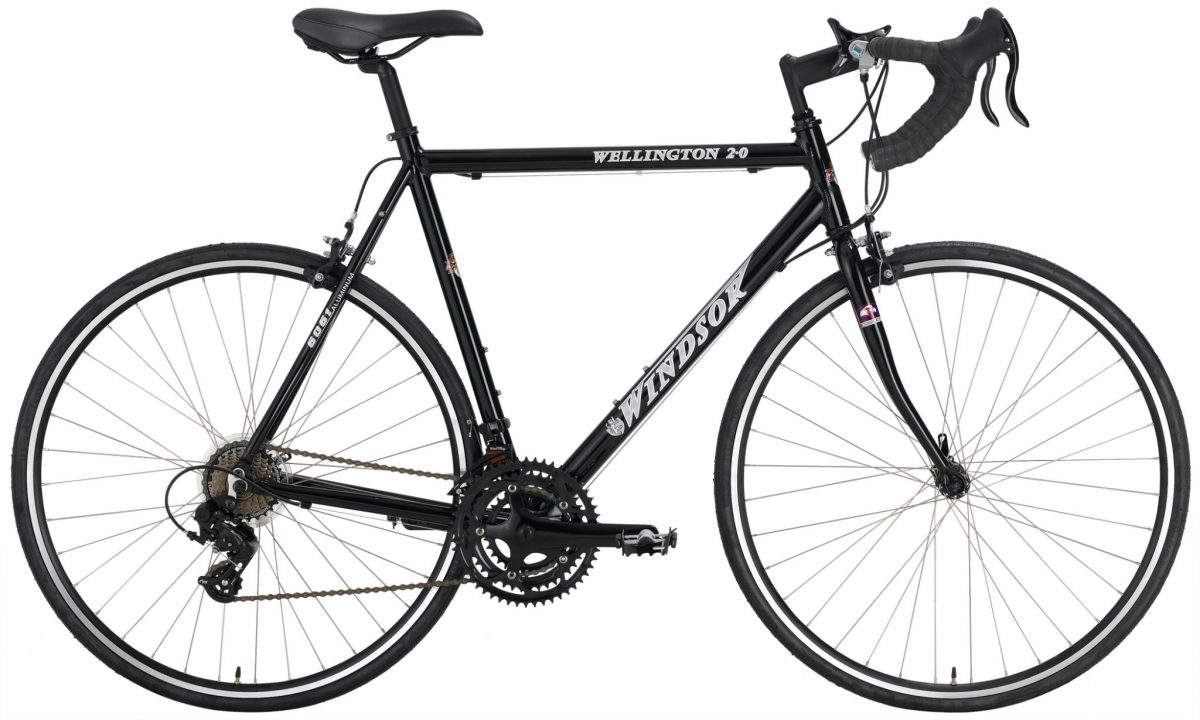
For riders who want an aluminum road bike feel at a low price, the Windsor Wellington 2.0 XTL is listed with a sale price of $349 and “FREE 48 US shipping” on the product page snippet.
That’s a meaningful difference versus the $1,000+ range where many big-brand entry road bikes sit.

The Smart Way to Compare Under $800: A 5-Step Checklist

If you want a clean, practical comparison between online and shop options, run every bike through the same checklist:

1) Total out-the-door cost

Include shipping, tax, and any setup cost if you’ll pay a shop to assemble it.

2) Fit confidence

If you’re between sizes or unsure of reach/stack, local shops can be a real advantage. If you’re confident in sizing (or have a bike to compare to), online becomes easier.

3) Your roads

If your pavement is rough, prioritize tire clearance and comfort over “racy” feel. A budget bike with better comfort can be faster in the real world because you’ll ride longer and more consistently.

4) Your maintenance plan

If you love the idea of a shop relationship and service support, factor that in. If you’re comfortable doing basic adjustments—or you already have a shop you trust—online can be a strong fit.

5) Spec priorities that actually matter

At this price, don’t get distracted by “number of gears.” Focus on brakes you trust, gearing that suits your hills, and tires that don’t beat you up.

Under $800 Is Possible—But Only If You Compare the Right Way

A road bike under $800 is absolutely achievable, but the best value often depends on how you buy. Local bike shops can deliver excellent support, fitting help, and peace of mind—benefits that are real, especially for newer riders. At the same time, online factory-direct models can dramatically improve what’s available under $800, especially when many mainstream entry-level road bikes list at $1,000+ from major brands.

If your priority is stretching your budget as far as possible while still getting a capable road bike, BikesDirect is built around that value-driven approach—offering options like the Mercier Galaxy ST / ST Express and Windsor Wellington 2.0 XTL at prices that are difficult to match through many traditional retail channels.

If you want help choosing the right model and size, please contact us.

The Complete Buyer’s Guide to Choosing the Right Bike Category

Most people don’t buy the wrong bike because they picked a bad brand; they buy the wrong bike because they picked the wrong category for their day-to-day riding. A bike that feels amazing on one surface can feel slow, harsh, or unstable on another. And once a bike feels like work instead of fun, it sits.

If you’re here because you searched for the types of bikes, we’ll make this simple and practical. In this guide, we’re going to match bike categories to real riding situations: commuting, fitness, weekend exploring, trails, and casual cruising, so you can choose with confidence.

To keep this easy to shop as you read, we’ll include links to our main categories and talk through what to look for (and what not to overthink). If you already know you want a pavement-focused bike, you can start browsing our Road bike category right away and use the sections below to narrow in on the best fit.

A fast decision framework that works for nearly everyone

Before we get into road vs. mountain vs. gravel, let’s zoom out. The best buyer’s guide isn’t a list of features; it’s a way to decide quickly based on your needs.

1) Surface: What will you ride most of the time?

Be honest here. Most of the time, daily surface matters more than the once-a-month adventure ride.

  • Smooth pavement → efficiency and speed matter; narrower tires usually feel faster.
  • Rough pavement + paths → comfort and stability move up the priority list.
  • Dirt, roots, rocks, and real trails → traction and control become the whole game.
  • Sand/ snow/ very loos terrain → you’ll want serious tire volume for float.

2) Goal: What does a great ride mean to you?

  • Fitness & speed: you’ll enjoy a bike designed to reward effort.
  • Comfort & easy miles: upright posture and stable handling keep you riding longer.
  • Exploration: versatility matters; tire clearance, mounts, and confident handling on mixed surfaces.
  • Utility: commuting and errands are smoother with practical features and predictable steering.

3) Posture: How upright do you want to sit?

This is one of the biggest differences between categories.

  • More forward: can be efficient and fast, especially over distance.
  • More upright: often feels more natural for casual riding, commuting, and city routes.

Neither is better. The best posture is the one you’ll happily ride for an hour.

4) Tolerance for maintenance and tinkering

More complex setups can mean more fine-tuning over time. Many riders love that and enjoy dialing in their bike. Others want simple, reliable, and low-fuss. There’s no right answer; only what fits you.

5) Where your budget makes the biggest difference

If you’re trying to get the best ride quality per dollar, prioritize:

  • braking confidence
  • drivetrain feel (shift quality + useful gearing)
  • wheels and tires (comfort and traction live here)

Now, let’s apply this to the categories you’ll see most often.

Road bikes: fast, efficient, and made for pavement

A road bike is the category built to cover distance efficiently. The geometry is designed to translate your effort into speed. Tires are typically narrower than other categories, and the position is often more forward-leaning for aerodynamic efficiency and power transfer.

If most of your rides revolve around pavement, fitness loops, longer weekend rides, group rides, or distance goals, this is where to start: Road bike.

What to look for in a road bike (without overcomplicating it)

Fit and comfort come first. A road bike that’s a little more relaxed can be a better everyday choice than an ultra-aggressive setup, especially if you’re newer to the category or you’re planning longer rides.

Gearing should match your terrain. If you’ve got hills, you’ll want enough low gears to keep climbs enjoyable. Riders often regret too tall gearing more than they regret a little extra range.

Don’t obsess over tiny weight differences. It’s easy to get pulled into grams. In practice, fit, tire choice, and your route choice matter more.

When a road bike isn’t the best fit

If your local roads are broken up, you ride mixed-use paths a lot, or you want to leave pavement whenever curiosity strikes, you may be happier on a gravel bike or a hybrid. You’ll give up a little pure-road speed, but you’ll often gain comfort and confidence.

Mountain bikes: control, traction, and confidence off-road

Mountain bikes are designed for terrain where traction and stability matter more than aerodynamics. They’re built to handle uneven surfaces; dirt, rocks, roots, and steep grades; and they’re tuned to keep you in control when trails get rough.

If trails, parks, and off-road routes are your main priority, browse here: Mountain bike.

Hardtail vs. full suspension: the difference you’ll feel immediately

Hardtail (front suspension, rigid rear)

  • Often feels efficient when climbing
  • Typically simpler and lighter
  • Great for smoother trails, mixed terrain, and riders who want a responsive ride feel

Full suspension (front + rear suspension)

  • Often feels more controlled on rough trails
  • Can reduce fatigue and increase comfort on longer rides
  • Helps keep traction when the ground gets choppy and unpredictable

If you ride terrain that regularly beats you up, or if you’re building confidence and want a bike that feels more forgiving, full suspension can be a real quality-of-life upgrade.

A practical full-suspension example: Gravity FSX 1.0 Advent26 1BY

When riders are trying to understand what full suspension actually changes, we like pointing to a straightforward trail-ready option as a reference point. The Gravity FSX 1.0 Advent26 1BY is a great example of the kind of bike that can make rougher routes feel smoother and more controllable, especially for riders who want more comfort and traction without jumping straight into a premium price bracket.

The key takeaway isn’t that full suspension is always better. It’s that full suspension can make trail riding more approachable and less punishing, which usually means you ride more and progress faster.

Key mountain-bike comparisons that actually matter

Wheel size and stability
Larger wheels can feel steadier over obstacles and carry momentum well. Smaller wheels can feel more agile and playful. Neither is a universal win; the best choice depends on your trails and your preferences.

Tire width and tread
Tires do a lot of work. If you want more confidence, look at the tire setup before you get lost in marketing terms.

What kind of trails are you riding?
Smooth flow trails, rocky technical trails, steep descents, and mixed terrain all ask for different priorities. Choose the bike that matches the riding you’ll do next weekend, not the riding you might do someday.

Gravel bikes: the one-bike answer for mixed surfaces

Hybrid bike with flat handlebars and medium-width tires on display.

Gravel bikes are built for riders who want versatility without giving up the ability to cover distance efficiently. They’re designed to feel stable on mixed terrain, accept wider tires than most road bikes, and stay comfortable over longer rides, especially when the pavement turns rough, or you decide to explore a dirt road just to see where it goes.

If your riding includes rough pavement, rail trails, dirt roads, or a blend of everything, start here: Gravel bike.

Why gravel feels different from road (in a good way)

Tire clearance and comfort
Wider tires can add comfort and stability on surfaces that would feel harsh on narrower road setups.

Stable handling
Many gravel designs prioritize predictable steering and composure on loose terrain.

Practical versatility
Gravel bikes are often chosen by riders who want one bike that can handle weekday fitness rides and weekend adventure routes without needing a separate specialized bike for every scenario.

And when riders ask for types of bikes explained, gravel is often the category that unlocks the decision, because it bridges the gap between fast pavement riding and confident mixed-surface exploring.

A comfort-focused option worth knowing about: Windsor Dover 1.0

Not every rider wants a forward-leaning posture. Some riders care most about stable handling, comfort, and day-to-day practicality, and that’s where comfort-leaning builds can shine.

The Windsor Dover 1.0 is a great example of a bike that fits into real-life riding; the kind of routes that mix neighborhoods, paths, and imperfect pavement where comfort and confidence matter more than chasing top speed. If your goal is to ride more often, feel steady, and keep things enjoyable, this style of bike can be an excellent match.

Hybrid bikes: the everyday sweet spot for fitness, commuting, and comfort

If you want one bike that feels natural right away, and doesn’t demand you dress like a cyclist to enjoy it, a hybrid is often the easiest win. Hybrids blend an efficient pedaling position with a more upright posture and stable handling, which is why so many riders end up happiest here long-term.

You can browse our hybrid selection here: Hybrid bike.

Who a hybrid is perfect for

A hybrid is a great fit if your rides look like:

  • paved paths, greenways, and bike lanes
  • neighborhood loops and casual fitness rides
  • commuting to work or school
  • errands where you want stable handling and easy starts/stops
  • mixed real-world pavement (cracks, rough patches, less-than-perfect surfaces)

Hybrids also shine for riders who value comfort and confidence over outright speed. You may not win a sprint against a dedicated road setup, but you’ll likely ride more often and enjoy it more, because the bike feels friendly instead of demanding.

What to look for in a hybrid (the stuff you’ll actually notice)

1) Fit and posture

Hybrids are typically more upright than road bikes, which can be easier on your neck, shoulders, and hands, especially if you’re returning to cycling after a break.

2) Tire width and ride feel

Moderately wider tires can make rough pavement feel smoother. If your routes include bumpy paths or city streets, this matters more than most people expect.

3) Gearing that matches your area

If you’ve got hills, you’ll want low gears you can actually use. If you’re mostly flat, simpler gearing can be perfectly satisfying.

4) Brakes you trust

The best brakes are the ones that feel consistent and predictable for your conditions, especially if you’ll ride in traffic, in wet weather, or on descents.

Two real-world hybrid examples from our lineup

If you want a capable, straightforward bike for paths, commuting, and daily miles, the Gravity Swift DLX24 is an excellent do a bit of everything option. It’s the kind of hybrid we recommend to riders who want a stable ride, practical ergonomics, and an easy setup that supports regular use; fitness rides during the week, longer path rides on the weekend, and the occasional errand without fuss.

If comfort is the priority, and you want a ride that stays calm and steady on imperfect pavement, the Windsor Rover 2.0 is a great match. Riders often gravitate toward this style when they want more upright confidence and a just-feels-right posture for everyday riding.

Hybrid vs. gravel vs. road: choosing the right pavement-plus bike

Windsor Dover 1-xi road bicycle with drop handlebars and sleek frame.

A lot of riders get stuck here: they mostly ride the pavement, but they don’t want to feel limited. The good news is you don’t need to overthink it; just match the bike to how you actually ride.

Choose a hybrid if…

  •  want upright comfort and predictable handling
  •  ride in traffic, around neighborhoods, or on mixed paths
  •  value ease of use and stability more than top-end speed
  •  want a bike that feels approachable from the first ride

Choose a gravel bike if…

  •  routes regularly include rough pavement, dirt roads, or rail trails
  •  like the idea of exploring beyond the pavement without committing to a mountain bike
  •  want one bike that can do a lot while still feeling efficient

Choose a road bike if…

  •  rides are primarily smooth pavement, and you care about speed and distance efficiency
  •  enjoy a more forward riding position
  •  want a bike built to reward effort over longer miles

The decision often comes down to posture and surface: more upright and practical points toward hybrid; more mixed surfaces and longer distance exploring points toward gravel; smooth pavement and speed goals toward road.

Cruisers: comfort-first riding for relaxed fun

Cruisers are exactly what they sound like: simple, comfortable bikes built for enjoying the ride. They’re ideal when you care more about comfort, style, and easy miles than you care about speed or technical performance.

Start here if that’s your vibe: Beach cruiser.

Why cruisers feel so good for casual riding

Upright posture
Cruisers typically put you in a relaxed position that feels intuitive; great for sightseeing, neighborhood rides, and short errands.

Stable steering
They’re designed to feel calm and steady at casual speeds.

Simplicity
Many cruiser setups keep things straightforward, which can be appealing if you’re not looking for a project bike.

When a cruiser is the best choice

Cruisers are a great fit if:

  •  ride mostly flat terrain
  • ou want short-to-medium casual rides
  •  want something comfortable and easy to hop on
  • ou’re riding boardwalks, beach paths, and neighborhoods

When a cruiser is not the best choice

If your area is hilly, or you want longer fitness rides where efficiency matters, you may be happier on a hybrid or gravel setup. Cruisers can absolutely be ridden beyond short rides, but they’re happiest when the goal is relaxed comfort.

Fat bikes: traction and float for sand, snow, and loose terrain

Full-suspension mountain bike designed for trail riding.

Fat bikes are built for conditions where typical tires struggle. They use very wide tires at relatively low pressures to create float, helping you stay on top of soft, loose surfaces like sand or snow.

Browse the category here: Fat bike.

What fat bikes are best at

Sand and snow
This is the classic fat-bike use case. The wide tires help you keep momentum where other bikes sink or spin out.

Loose and rugged terrain
They can be extremely confidence-inspiring on unpredictable surfaces.

Comfort through tire volume
Even when you’re not on sand or snow, the tire volume can feel cushy and stable; though it’s not the same as suspension, and it comes with tradeoffs (more rolling resistance on pavement).

The tradeoffs to know before you choose one

Fat bikes can be amazing, but they aren’t a universal upgrade.

  • On pavement, they often feel slower than a hybrid or gravel bike because the tires create more resistance.
  • They can be heavier and more tractor-like, which many riders love off-road, but not everyone wants them day to day.

If your riding includes true sand/snow seasons or consistently loose terrain, a fat bike can be the perfect tool. If most of your riding is pavement and paths, you’ll usually get more everyday enjoyment from a hybrid or gravel setup.

A quick match your ride cheat sheet

If you want a simple way to sanity-check your choice, use this:

  • Mostly pavement, fitness goals, longer distances → road bike
  • Mostly pavement + paths + commuting + comfort → hybrid bike
  • Pavement plus mixed-surface exploring → gravel bike
  • Real trails: dirt, rocks, roots, technical terrain → mountain bike
  • Relaxed short rides and comfort-first fun → cruiser
  • Sand/snow/loose terrain priority → fat bike

This cheat sheet is simple on purpose. Most people don’t need more complexity than that to choose well.

Fit, sizing, and a first-ride setup checklist

You can pick the perfect category and still end up frustrated if the fit is off. Fit is what turns good on paper into I can’t wait to ride it again.

Fit basics that matter immediately

1) Standover and confidence

You should be able to stand over the bike comfortably when stopped. Confidence at stops is a big part of how enjoyable a bike feels.

2) Reach (how stretched you feel)

If you feel like you’re reaching too far to the handlebars, you’ll feel it in your shoulders, neck, and hands. A slightly shorter reach often makes riding dramatically more comfortable.

3) Saddle height (the biggest performance/comfort lever)

A too-low saddle can make your knees and quads work harder than they should. A too-high saddle can cause hip rocking and discomfort. Getting this close to right makes a massive difference.

4) Handlebar height and angle

Small adjustments can change wrist comfort and reduce pressure on your hands. If you’ve ever gotten numb hands, this matters.

First-ride setup checklist (simple and practical)

Before your first longer ride, do a quick confidence lap and a few checks:

  • Tires: Inflate to an appropriate pressure (use the sidewall range as your guide).
  • Brakes: Test braking at slow speed and confirm the levers feel firm and consistent.
  • Shifting: Shift through gears on a short ride and confirm it’s smooth.
  • Bolts: Confirm key areas are snug (handlebar/stem, seatpost, pedals).
  • Comfort: After 10–15 minutes, reassess: Is the saddle height right? Are you reaching too far? Do your wrists feel natural?

If something feels off, it’s usually fixable with small adjustments. Getting the setup right early makes the whole experience better.

How to avoid the most common category mistakes

A few patterns show up again and again. Avoid these, and you’ll save yourself time and frustration:

Mistake 1: Buying for the someday ride instead of the weekly ride

If you ride paved paths every week and do trails twice a year, buy for the paved paths. The right bike for your weekly ride is the bike that will actually get used.

Mistake 2: Overbuying complexity

You don’t need advanced features to have fun or get fit. In many cases, a simpler, well-matched bike rides better day to day than a more complex bike that doesn’t fit your riding style.

Mistake 3: Ignoring posture preferences

If you want upright comfort, don’t talk yourself into a more aggressive posture because it sounds faster. Comfort is what keeps you riding.

Mistake 4: Underestimating tires

Tires influence comfort and confidence more than most people expect. The right tire for your terrain often matters more than tiny frame differences.


Choose with confidence, and get a bike you’ll actually ride

The best category choice is the one that matches your routes, your comfort preferences, and your goals. When you choose that way, riding becomes easier, more fun, and more consistent, because the bike feels like it belongs in your life.

If you came here looking for types of bikes explained, remember this: road bikes reward efficiency on pavement, mountain bikes deliver control on real trails, gravel bikes bridge surfaces for exploring, hybrids balance comfort and practicality, cruisers prioritize relaxed fun, and fat bikes unlock sand and snow.

At BikesDirect, we’ve built our categories so you can shop clearly, compare real specs, and find the best value for the way you ride. And if you’re still narrowing it down, revisiting types of bikes explained through the lens of your terrain and posture preference is one of the fastest ways to land on the right bike without second-guessing yourself.

If you’d like help choosing a category, picking the right size, or comparing models, please contact us here.

How Bike Fit Has Evolved: Why Modern Fitting Focuses Less on Numbers and More on Feel — A Product Comparison

For years, bike fitting worshipped exact angles: knee-over-pedal by the plumb bob, elbows at tidy degrees, stems slammed because pros did it. The result was often a fast-looking bike that felt twitchy after 40 minutes and punishing after 90. Modern bike fit flips the script. Instead of making your body serve a geometry chart, it tunes contact points and posture to your mobility, riding goals, and terrain. Numbers still matter—they’re guardrails, not handcuffs. What counts is whether you can breathe deeply, steer lightly, and put down power without discomfort from the first ten minutes to the last ten miles.

To make this practical, we’ll compare how modern bike fit plays out on three distinct platforms you can buy today—an endurance-leaning carbon road bike, a flat-bar city/fitness bike, and an all-road/gravel bike—so you can see how the same principles adapt to different ride styles.

The new fit priorities: posture, pressure, and predictability

Feel-first fit asks three questions. First, posture: can you see the road easily and breathe without shrugging your shoulders? Second, pressure: are weight and contact pressures spread so hands, sit bones, and feet feel supported rather than pinched? Third, predictability: does the bike steer where your eyes go, without micro-corrections?

On the Le Champion CF LTD, a taller stack and modest reach encourage a chest-open posture with soft elbows. That keeps breathing deep and core engaged on long road rides. The Avenue FXD Disc supports an upright stance for traffic awareness and lower-back ease, ideal for commutes and fitness loops. The Gravel X3 Disc adds tire volume and a slightly longer wheelbase, helping you stay relaxed as surfaces change. Different bikes, same goal: a stable torso with relaxed hands and a pelvis that’s supported—not hunting around the saddle every minute.

Saddle position: where comfort starts (and injury prevention, too)

Classic advice set saddle height by heel-on-pedal or fixed knee angles. Modern bike fit still respects those ranges but refines them by feel. You want a smooth knee path with no hip rock and power that arrives early in the downstroke, not awkwardly late. Most riders land near a 25–40° knee angle at the bottom of the stroke, but adaptation comes first: if your hamstrings or lower back are tight, slightly lowering the saddle (or moving it a touch forward) can stabilize your pelvis and unlock comfortable cadence.

On the Le Champion CF LTD, a millimeter or two can be the difference between all-day calm and creeping hamstring tug. On the Avenue FXD Disc, a hair lower position paired with a slightly more forward saddle often helps starts and stops feel confident in traffic. On the Gravel X3 Disc, keep height conservative to preserve traction when seated over rough patches; stability equals speed on chattery gravel.

Saddle tilt follows the same rule: level is the starting point; micro-tilt by half-degree steps. Numb hands? Your pelvis may be sliding forward—lift the nose a whisper. Pressure at the front? Drop the nose slightly so pelvic tilt is neutral. Small changes, big relief.

Bars and cockpit: breathing room over bravado

A generation ago, “slammed and long” signaled speed. Today, fit prioritizes breathing room and light hands. For drop bars, look for a position where you can spend most time on the hoods with a soft elbow bend and a neutral wrist. If you need to shrug or lock your elbows to reach, the cockpit is too long or too low. On Le Champion CF LTD, adding a spacer or choosing a compact-reach bar can transform comfort without sacrificing pace. On Gravel X3 Disc, shallow-flare bars improve control on loose surfaces while maintaining neutral wrists. The Avenue FXD Disc’s flat bar benefits from a modest rise and gentle backsweep; those few degrees take strain out of wrists and shoulders in start-stop city flow.

Bar width has evolved, too. For road and all-road, many riders now prefer slightly narrower bars to reduce frontal area and shoulder strain, provided the chest still feels open. For flat-bars, avoid overly wide stances that load the wrists; let steering come from the core, not tension in your hands.

Cranks, cleats, and the quiet lower body

Gravity Avenue FXD flat-bar disc-brake road bike displayed on a product listing.

Shorter crank trends aren’t fashion—they reduce hip closure at the top of the stroke, improve breathing, and cut knee shear for many riders. If you’ve felt pinched at the top or struggle to spin smoothly, a 2.5–5 mm shorter crank can be a revelation, especially on endurance frames like Le Champion CF LTD. Cleat placement follows comfort and stability: start a bit farther back (toward mid-foot) than you think, align with your natural foot angle, and let your knees track without forcing them “straight.” The goal is quiet knees under load. On the Gravel X3 Disc, a forgiving cleat float helps as terrain tilts and cadence varies. On the Avenue FXD Disc, if you ride in everyday shoes, choose pedals with a broad, grippy platform and set saddle a shade lower for stable starts.

Tire volume and pressure: fit’s secret ally

Fit isn’t only contact points. Tire volume and pressure shape how your body experiences the bike. The Le Champion CF LTD shines with 28–32 mm tires at realistic pressures; that “quiet road” sensation reduces hand clench and shoulder fatigue, which keeps posture tidy. The Avenue FXD Disc thrives on 32–38 mm; calmer feedback lets you steer from your core instead of white-knuckling over cracks and paint. The Gravel X3 Disc is built for 38–45 mm tubeless; lower pressures smooth washboard and let your hips stay still, which stabilizes knee tracking and power.

If a fit feels almost right but not quite, check pressures. Over-inflated tires masquerade as a “cockpit problem” by putting buzz into your hands and lower back. Drop a few PSI and re-assess before chasing stems and spacers.

A feel-first setup plan for each platform

On Le Champion CF LTD, begin with a comfort-endurance posture: hoods as the home base, bar drop that keeps your chest open, and a saddle height that favors a smooth knee path over a maximal extension. Test on real roads with light surges. If hands load up late in rides, raise the bars a touch or rotate them slightly to bring the hoods higher.

On Avenue FXD Disc, aim for heads-up control: a modest bar rise and backsweep, levers set close for easy one-finger braking, and a saddle position that enables calm, seated starts. Keep the reach short enough that shoulder checks are second nature.

On Gravel X3 Disc, bias toward stability: a slightly shorter reach and a hair higher bar than your road position, shallow-flare drops for leverage, and saddle height set for traction and cadence on uneven surfaces. Let the bike absorb chatter so your hips stay quiet.

The ten-minute parking-lot test (modern bike fit in action)

Take an Allen key set and do three short loops. First loop: note any hand pressure or neck craning—if present, raise the bars 5–10 mm or shorten reach 5 mm and ride again. Second loop: watch your knees from above; if they sweep out or you’re rocking, lower the saddle 2–3 mm or slide it slightly forward. Third loop: add a handful of hard efforts; if you scoot on the saddle, fine-tune tilt by half-degree. Lock in the changes, then ride 30–40 minutes on familiar roads and re-check only what still talks back. This is modern bike fit: iterative, simple, guided by feel, with numbers validating comfort rather than dictating it.

When to consider a different size (or bike)

If your fit requires extreme stems, maximum spacers, or saddle rails slammed to one end, the frame-rider match is off. An endurance frame like Le Champion CF LTD will usually accommodate a wide range of riders who want comfort and speed. If traffic visibility and everyday clothes matter more, the Avenue FXD Disc’s geometry may suit your lifestyle better than forcing a road bike upright. If your favorite routes keep detouring onto dirt, the Gravel X3 Disc’s stability will feel “right” with fewer cockpit contortions.

Fit the rider first, then the numbers—BikesDirect can help

Motobecane Le Champion CF LTD carbon road bike.

The future of road bike fitting isn’t anti-data; it’s pro-rider. Start with how you breathe, steer, and support your weight. Use numbers as sanity checks, not shackles. The Le Champion CF LTD, Gravity Avenue FXD Disc, and gravel bike X3 Disc each make that approach easy in their own way: endurance calm for long road days, upright control for daily miles, and stable versatility for mixed terrain. Tell BikesDirect about your mobility, routes, and ride goals, and they’ll translate “modern bike fit” into a setup you can hold for hours—without numb hands, tight hips, or wandering knees. If you’d like a short list of sizes, stems, bars, saddles, and tire pressures tailored to your body and terrain, contact BikesDirect and get a feel-first configuration that’s fast because it’s comfortable—and comfortable because it fits you.

Bikepacking on a Budget: Affordable Ways to Explore Trails and Camp Overnight

Most riders remember the exact moment they realized a bicycle could take them farther than expected. For me, it happened on a quiet dirt road at sunset, when a short afternoon ride stretched into an unplanned overnight adventure. With nothing more than a packed lunch, a basic sleeping bag, and my everyday bike, I discovered the simple joy of carrying everything I needed on two wheels.

That experience is what makes bikepacking so powerful—and so accessible. You don’t need a high-end touring setup or a suitcase full of exotic gear. With the right budget bikepacking tips, even a modest bicycle and a few smart packing choices can open the door to multi-day rides through forests, deserts, parks, and backroads.

Bikepacking is for anyone curious enough to roll down a gravel path and see where it leads. And when you approach it with creativity instead of overspending, it becomes one of the most affordable outdoor hobbies you can start.

Starting With the Bike You Already Have

Many new riders assume bikepacking requires a purpose-built adventure machine, but that’s simply not true. Whether you ride a hybrid bike, a rugged mountain bike, or a capable gravel bike, the bike you already own can likely handle your first overnight trip.

What matters most isn’t having the perfect machine—it’s getting your bike into reliable condition. Before heading out, check your tires, brakes, drivetrain health, and fit. Even small adjustments, like fine-tuning your saddle height or replacing worn brake pads, can make long hours in the saddle far more comfortable.

And yes, even a standard road bike can be adapted for light touring when paired with wider tires and a thoughtful route choice. As for softer or sandy terrain, a fat bike can transform loose surfaces into a smooth, confidence-building ride. And if you prefer laid-back coastal routes with overnight stops, a beach cruiser can offer a surprisingly enjoyable bikepacking experience, especially on beachfront campgrounds and boardwalk-accessible paths.

Your bike is your companion, but it doesn’t need to be expensive to be capable.

Silver Gravity hybrid bike shown as a versatile and comfortable choice for riders planning their first budget bikepacking trip.

Budget-Friendly Gear That Works for Real Adventures

One of the biggest misconceptions about bikepacking is that you need sleek, premium bikepacking bags to get started. In reality, riders have been creatively carrying supplies long before those products existed.

Dry bags, small duffel bags, and even repurposed backpacks can be strapped securely to a rear rack or handlebars using simple Voile-style straps. These low-cost solutions are waterproof, lightweight, and extremely durable. The key is balancing your load so the bike feels stable—front-heavy setups may feel twitchy, while rear-heavy loads can affect climbing efficiency.

Sleeping gear doesn’t need to be expensive either. Foam sleeping pads weigh almost nothing and provide invaluable insulation. Affordable synthetic sleeping bags work well in unpredictable conditions. And if you’re camping during warm-season trips, even a lightweight blanket or emergency bivy can get you through the night comfortably.

Navigation also doesn’t require pricey GPS devices. Free route-planning apps and downloadable offline maps work perfectly for most beginner routes. The most important part is knowing your path, understanding bailout options, and planning realistic distances for each day.

With these budget bikepacking tips, beginners save money while learning their preferences before investing in premium gear later on.

Preparing Your Bike for Multi-Day Riding

Before heading out, take time to understand how your bike behaves under load. A few short test rides with packed gear can tell you a lot—how the bike balances, how your steering feels, and whether adjustments are needed.

Tire choice makes a massive difference in comfort and control. A gravel bike with 40mm rubber soaks up bumps better than narrow tires. A mountain bike makes technical terrain easier. And even a hybrid bike with semi-slick tires can carry you smoothly along mixed paths.

Lower gearing is helpful when climbing with a loaded bike. If your bike has a wide-range cassette, you’ll appreciate those easier gears on long fire roads or steep stretches. Ensure your brakes are responsive, especially if your route includes descents while carrying gear weight.

A comfortable fit is essential. No amount of gear can make up for numb hands, back soreness, or knee pain. Small changes—tilting the saddle slightly, adjusting bar height, or changing grips—can improve comfort dramatically.

The goal is to feel confident and relaxed on your bike before the trip begins.

Planning a Route Without Overcomplicating It

When starting out, keep your routes simple and enjoyable. Bikepacking is not about speed or performance—it’s about exploration. Forest service roads, state parks, gravel paths, canal trails, and low-traffic rural roads make ideal beginner terrain.

Always consider daily mileage carefully. Carrying gear will slow your pace, especially on climbs or rough surfaces. Your first overnight trip may only be 15–25 miles each way, and that’s more than enough to create an unforgettable experience.

Campsites are abundant and affordable, from public lands to established campgrounds. Reserving sites in advance is wise, but spontaneous riders can often rely on primitive campsites or dispersed camping areas.

Route planning is where budget bikepacking tips matter most—free campsites, public water sources, and easy access points reduce costs while providing a safe, manageable adventure.

Rider on a red beach cruiser enjoying a relaxed urban-to-coastal ride, illustrating how casual bikes can be part of budget-friendly micro-adventures.

Why Bikepacking Is More Accessible Than Ever

Today’s cycling culture embraces creativity, inclusiveness, and adventure over perfection. Riders are redefining what bikepacking looks like—some carry ultralight setups and cover huge distances, while others pack casual gear and wander through local parks.

The barrier to entry has never been lower, and riders are beginning to realize that the experience—not the equipment—creates the memories that last.

When you approach bikepacking with an open mind rather than an open wallet, even the simplest overnight journey feels meaningful.

Ready to Start Your First Adventure?

If you’ve been dreaming about taking your bike farther, bikepacking is your invitation to explore in a new way. Whether you’re riding forest trails, backroads, or sunrise-lit coastal paths, Bikesdirect.com offers the affordable bikes and gear that make your first adventure possible. We encourage you to browse our selection of hybrids, gravel bikes, mountain bikes, and more, so you can begin planning your next overnight escape with confidence and excitement.

The Comeback of Steel: Why Old-School Frames Are Gaining New Fans

A few years ago, the idea of choosing a steel-frame bike sounded almost nostalgic, like rediscovering vinyl records or mechanical watches. Many cyclists were chasing the lightest carbon build or the stiffest aluminum race machine. But as trends cycle — both culturally and in cycling — something interesting happened. Riders began craving durability, comfort, longevity, and a certain soulful riding experience that modern materials could not fully replicate. Suddenly, steel was no longer “old school”; it was the newest rediscovery.

Today, the steel frame bike revival is impossible to ignore. Whether you browse group rides, gravel events, or bikepacking forums, you will find passionate riders swapping carbon for chromoly and Reynolds tubing. Steel bikes are capturing attention for their resilience, repairability, sustainability, and unmistakable ride feel — a combination that appeals to newer cyclists and seasoned riders alike.

Why Steel Is Resurfacing in a Carbon-Dominated World

Modern cyclists face more choices than ever before. With options like an aerodynamic road bike, a rugged mountain bike, an adaptable gravel bike, or a casual beach cruiser, riders often expect advanced materials and high-tech designs. Yet steel persists — and grows — because it fills gaps that lighter materials struggle to address.

Unlike carbon, which can fail suddenly under stress or impact, steel bends rather than breaks. It has a natural resilience that inspires confidence, especially for riders who tackle long distances or unpredictable terrain. Aluminum, while affordable and lightweight, has a harsher ride feel that transfers more vibration into the body. Steel smooths those same vibrations with an elegant, spring-like quality that many cyclists describe as “alive.”

Riders who once overlooked steel now come back to it for a more organic, forgiving ride — something increasingly valuable as cycling shifts toward adventure riding, all-surface exploration, and everyday practicality.

https://www.bikesdirect.com/products/motobecane/disc-brake-roadbikes/mulekickexcomp-discbrake-flatbar.htm

Filename: motobecane-steel-urban-fitness-bike.png
Alt-text: Steel-frame Motobecane fitness and urban bike featuring a simple drivetrain and disc brakes for everyday reliability and comfort.
Caption: Urban riders drawn to steel appreciate its strength and forgiving ride feel, making bikes like this ideal for daily commutes, fitness loops, and long-lasting value.

Comfort: One of Steel’s Most Valuable Advantages

If you ask riders why they joined the steel frame bike revival, comfort is usually the first reason they mention. Steel’s unique ability to absorb road buzz without feeling dull creates a ride quality that stands apart from carbon or aluminum frames. Over long distances, especially on mixed terrain, the difference becomes especially noticeable.

This is one reason steel thrives in the gravel scene. Cyclists who choose a gravel bike built with steel appreciate how it softens washboard roads, allows stable cornering, and maintains predictable handling when the terrain gets rough. Unlike carbon, which often focuses on stiffness and weight, steel prioritizes feel — the kind of smooth, harmonized ride that encourages exploration instead of exhaustion.

The same comfort benefits appear in other categories. A steel commuter or hybrid bike transforms uneven pavement into a manageable path. Touring riders rely on steel for all-day support, while bikepackers appreciate its ability to maintain composure under heavy gear loads.

Comfort may not be visible on a spec sheet, but riders feel it instantly.

Durability That Outlasts Trends and Terrain

Steel has always been known for its longevity, and that reputation is only strengthening in 2025. When properly cared for, steel frames can last decades. Many riders still cherish steel bikes from the 1980s and ’90s, using them for commuting, training, or restoration projects. Steel’s ability to age gracefully is part of its charm.

For the adventurous cyclist, durability means freedom. A steel mountain bike can withstand impacts, vibrations, and long-term stress that might compromise other materials. A steel adventure or gravel frame can handle demanding multi-day trips, heavy cargo, and unpredictable weather without worry.

In a cycling market that sometimes feels obsessed with the latest model or material, steel provides something refreshing: confidence in the long term.

Repairability: The Practical Rider’s Secret Weapon

One of the most practical advantages steel offers — and a key reason behind the steel frame bike revival — is ease of repair. If a steel frame sustains damage, skilled welders can repair it, often restoring the bike to perfect condition. This level of longevity is something carbon cannot match. Carbon requires specialized treatments, and repairs may never fully regain original strength.

This matters especially for riders who travel or adventure far from home. Touring cyclists, bikepackers, and long-distance commuters know that unexpected mishaps happen. Whether from an accident, transportation damage, or even a dropped bike, steel gives riders peace of mind. Help is often available locally.

Flexibility and repairability make steel not just a nostalgic choice, but a practical and sustainable one.

Sustainability: Why Eco-Conscious Riders Prefer Steel

Modern riders increasingly value sustainability, and steel naturally aligns with that mindset. Steel is one of the most recyclable materials on earth. It can be repurposed and reused without losing structural integrity, making it far more environmentally friendly than carbon composites or aluminum alloys.

Cyclists committed to reducing their environmental footprint — including those who ride fat-tire adventure rigs, mixed-surface explorers, or simple fat bike commuters — appreciate knowing their frame choice supports longevity rather than disposability.

Steel’s long lifespan further contributes to sustainability. A bike that lasts decades requires fewer replacements, fewer resources, and less manufacturing waste. As the world pushes for greener transportation solutions, steel stands as a material that naturally supports those goals.

Aesthetics: The Retro Look Riders Love

Steel frames exude character. Their slim tubes, elegant welds, and classic silhouettes evoke earlier eras of cycling — an era many riders find appealing, even comforting. While carbon frames look futuristic and aluminum bikes often appear industrial, steel blends timeless craftsmanship with modern performance.

This aesthetic charm has helped fuel interest in steel-framed commuters and cruisers. Riders choosing a stylish beach cruiser or a classic touring design often gravitate toward steel for its visual warmth and nostalgic appeal. In a world full of ultra-modern bikes, steel stands out by standing still — and that authenticity resonates.

https://www.bikesdirect.com/products/gravity/gravel-bikes/gravel-cf-express-discbrake-carbon-gravel-bikes.htm

Filename: gravity-carbon-gravel-bike-apex1x11-contrast.png
Alt-text: Carbon gravel bike with SRAM Apex 1×11 drivetrain and wide tire clearance, designed for speed and mixed-terrain versatility.
Caption: While carbon bikes excel in lightweight performance, comparing them to steel highlights why many cyclists are rediscovering steel’s comfort, durability, and repairability in the modern era.

Modern Steel Is Better Than Ever

Today’s steel bikes are not the heavy, clunky machines some might remember. With refined tubing like Reynolds 520 or 853, steel offers surprising lightness alongside unmatched resilience. These modern steels provide strength-to-weight ratios that rival many aluminum frames while still maintaining steel’s signature ride feel.

Manufacturers now combine steel with advanced components such as hydraulic disc brakes, wide tire clearance, modern drivetrains, and performance geometries. Whether you are looking for a fast steel road bike, a rugged gravel machine, or a versatile urban hybrid, the options are far more advanced than vintage models.

The revival is not about going back — it is about rediscovering a material that still belongs in the future.

Ready to Experience the Ride That Started It All

If the idea of durability, comfort, sustainability, and timeless style speaks to you, exploring a steel-frame bike might be the perfect next step. You can find exceptional value, proven performance, and modern designs built from high-quality steel at Bikesdirect.com.

Rediscover the feeling that made cycling special in the first place — and see why steel is making a powerful comeback. Your next favorite ride may be made of the material that never truly left.