
Stop Buying Uncomfortable Bikes: A 2026 Buyer’s Guide to Comfort-First Cycling

Most cyclists think discomfort is normal.

They assume sore wrists mean they need stronger arms.
They think back pain means they need better core strength.
They blame tight hips, aging joints, or “being out of shape.”

But here’s the uncomfortable truth:

In most cases, it’s not your fitness level. It’s the bike.

Modern bike marketing has conditioned riders to focus on speed, weight, and brand prestige. Lightweight frames. Race-inspired geometry. Performance components. Aero design.

Yet the majority of people riding today aren’t training for a podium finish. They’re commuting to work. Riding on weekends. Exploring local paths. Trying to stay active. Reducing stress.

And those goals require something entirely different.

This guide flips that script. Instead of chasing numbers on a spec sheet, we’ll put comfort first: posture, stability, and long-term rideability. You’ll learn how to spot the design choices that cause pain, which features actually make a bike feel good, and how to choose a hybrid, cruiser, gravel, or city bike that stays comfortable for years — not just for the first test ride.

“Comfortable bikes” isn’t code for slow or casual. Comfort is the foundation that lets you ride farther, more often, and without compensating with tense muscles. A properly designed, well-fitted bike transmits power efficiently while keeping your spine, shoulders, hands, and hips relaxed. That means less fatigue, fewer injuries, and more time enjoying the ride instead of thinking about it.

The Real Reason Your Bike Feels Uncomfortable

Discomfort on a bicycle is rarely a matter of rider fitness. In fact, the majority of common complaints—numb hands, lower back stiffness, hip soreness, or knee pain—can be traced to mismatched geometry, improper contact points, and inefficient load distribution.

In short, the design of your bike dictates how your body interacts with it over time. Recognizing these factors is essential for identifying truly comfortable bikes.

1. Frame Geometry and Postural Demands

The frame’s geometry establishes how your torso, arms, and legs are positioned relative to the bike. Performance-oriented or race-derived geometries often prioritize aerodynamics over ergonomics, resulting in:

  • Aggressive forward lean
  • Extended reach to handlebars
  • Elevated saddle-to-handlebar drop

These factors shift excessive weight onto the wrists and shoulders while increasing lumbar compression and cervical strain. For riders prioritizing comfort, neutral or semi-upright geometries are preferred, as they maintain spinal alignment, reduce hand loading, and promote long-term endurance.

Check out this WFB SPORT bike or order our top-selling Gravity Swift E Electric to experience the difference.

2. Weight Distribution and Load Management

Optimal comfort requires that approximately 85–90% of body weight be supported through the sit bones and feet, leaving the hands primarily responsible for steering and balance. When a bike’s geometry or handlebar setup positions too much weight forward, it results in:

  • Palmar numbness and tingling
  • Elbow hyperextension fatigue
  • Shoulder tension and micro-strain

Comfort-oriented bikes integrate design cues—higher head tubes, shorter top tubes, and relaxed stem angles—that maintain a balanced center of gravity, significantly reducing upper-body stress.

3. Contact Points: Saddles, Grips, and Pedals

The interface between rider and bike is where comfort is most immediately perceptible:

Saddle Considerations:

  • Sit-bone width compatibility is critical; generic saddles often cause pressure hotspots and soft tissue compression.
  • Padding density must balance shock absorption with stability; overly soft saddles allow excessive lateral movement, generating friction and discomfort.

Handlebar and Grip Design:

  • Ergonomically contoured grips reduce ulnar and median nerve compression.
  • Correct bar diameter and flare distribute pressure evenly, minimizing hand fatigue over long rides.

Pedal Interface:

  • Pedals should maintain a neutral foot angle relative to the knee and hip to prevent anterior knee stress.
  • Platform or clipless pedals with adequate support enhance power transmission while reducing compensatory tension in the lower extremities.
Macaw AL-7 saddle and seatpost showing ergonomic design and comfort features.

4. Vibration Transmission and Shock Mitigation

High-frequency vibration, transmitted through rigid frames and narrow tires, is a primary contributor to cumulative discomfort. Over time, this “road buzz” can lead to:

  • Lumbar microstrain
  • Shoulder and wrist fatigue
  • Reduced proprioceptive stability

Comfort-first designs mitigate this via:

  • Wider, lower-pressure tires
  • Compliance-enhanced frame materials (e.g., carbon layup flex or engineered aluminum)
  • Suspension components when appropriate (seatpost or fork damping)

Even modest reductions in vibration significantly improve endurance and perceived comfort.

5. Dynamic Stability and Handling Characteristics

A bike that feels unstable forces constant micro-adjustments from the rider’s core and upper body. This instability leads to muscular fatigue and reduces confidence in both urban and trail environments. Key markers of comfort include:

  • Predictable, stable steering response
  • Controlled trail and wheelbase geometry
  • Smooth weight transitions through turns

Stability allows the rider to focus on pedaling efficiency rather than compensating for handling quirks, which is critical for long-term comfort.

6. Proper Sizing and Fit

Even the most ergonomically designed bike becomes uncomfortable if it doesn’t match the rider’s anthropometry. Signs of an incorrect frame size include:

  • Knees striking handlebars or frame
  • Excessive forward lean to reach grips
  • Difficulty controlling the bike during acceleration or braking

A professional fit—considering inseam, torso length, arm reach, and flexibility—ensures that the geometry and contact points function as intended.

The Cumulative Effect of Design Mismatches

Unlike acute injuries, discomfort from poor bike design is cumulative. Initial rides may feel acceptable, but microstrain accumulates over days and weeks, manifesting as chronic soreness or fatigue. Proper ergonomic design addresses these stressors from the outset, ensuring neutral alignment, efficient load distribution, and minimal compensatory tension.
Gravel CF Express highlighting disc brakes, flared drop handlebars, and tire clearance.

The Four Core Pillars of Truly Comfortable Bikes

Selecting a bike that feels effortless and pain-free isn’t about brand prestige or frame weight—it’s about design, ergonomics, and ride dynamics. Across all categories—hybrid, gravel, city, or cruiser—truly comfortable bikes share four critical pillars.

Pillar 1: Ergonomic Geometry for Natural Posture

The frame’s geometry dictates your posture, spinal alignment, and weight distribution—making it the single most important factor for comfort. Key considerations include:

  • Upright or Semi-Upright Riding Position: Keeps the spine neutral, reduces lumbar compression, and limits cervical strain. Ideal torso angles generally fall between 50°–70° relative to the horizontal.
  • Short Top Tube and Higher Head Tube: Minimizes forward reach, reducing shoulder and wrist load.
  • Balanced Center of Gravity: Ensures ~85% of body weight rests on the sit bones and feet rather than the hands.

Bikes that integrate these design cues allow long rides without fatigue, letting the rider focus on cadence and terrain instead of compensating for structural stress.

Pillar 2: Optimized Contact Points

Where your body interfaces with the bike—saddle, handlebars, grips, and pedals—determines how long you can ride comfortably. Precision here is non-negotiable.

Saddle Design:

  • Must match sit-bone width and pelvic anatomy
  • Adequate padding without excessive lateral compression
  • Slightly concave or ergonomically contoured to maintain neutral pelvic alignment

Handlebars and Grips:

  • Ergonomic grips prevent median and ulnar nerve compression
  • Bar flare and diameter distribute pressure evenly across palms
  • Adjustable stems allow fine-tuning of reach and height

Pedal Interface:

  • Neutral foot alignment relative to knees and hips reduces strain
  • Platform or clipless pedals with stable surfaces improve efficiency and reduce compensatory fatigue

Pillar 3: Smooth Ride Dynamics

Comfortable bikes minimize vibration and absorb terrain irregularities, preventing cumulative fatigue over long rides. Features that enhance ride dynamics include:

  • Tire Width and Pressure: Wider tires (≥32mm) with appropriate pressure absorb bumps and provide stability without sacrificing rolling efficiency.
  • Frame Compliance: Materials engineered for slight flex—modern aluminum alloys, carbon fiber layups—dampen road buzz without compromising pedaling efficiency.
  • Suspension Elements (Optional): Seatpost or front fork damping is highly effective on mixed surfaces or urban roads with cracks and potholes.

The goal is to transmit only the intended power to the drivetrain while insulating the rider from micro-vibrations that lead to long-term discomfort.

Pillar 4: Stability and Handling

Even minor instability forces micro-corrections that fatigue muscles and compromise rider confidence. Comfort-focused bikes achieve stability through:

  • Optimized Wheelbase and Trail: Balanced steering geometry ensures predictable handling and reduces upper-body tension.
  • Weight Distribution: Maintains center of mass over the bike to reduce wobble at low speeds and increase control on turns.
  • Responsive Yet Forgiving Design: Allows subtle steering corrections without transmitting shock to the rider.

A stable, predictable bike allows riders to maintain proper posture and alignment without constant muscle engagement, which is essential for long-term comfort.

Comfort by Bike Type — Choosing the Right Fit for Your Riding Style

Comfort doesn’t manifest the same way across every bike category. Geometry, tire choice, and design priorities vary depending on whether you’re commuting, cruising, or exploring gravel trails. Understanding how each type addresses the four pillars of comfort—ergonomic geometry, optimized contact points, smooth ride dynamics, and stability—helps you make a confident, pain-free choice.

1. Hybrid Bikes — Versatile Comfort for Daily Riding

Hybrid bikes are designed as a middle ground between road and mountain bikes, prioritizing upright posture, stability, and efficiency. Bikes such as Motobecane Mulekick Express Comp and many others are ideal for commuters, fitness riders, and casual weekend cyclists.

Comfort Features in Hybrids:

  • Geometry: Semi-upright frame keeps the torso at a neutral angle, reducing lumbar and cervical strain.
  • Tires: Wider than standard road bikes (typically 32–42mm), offering enhanced shock absorption and smoother rolling on pavement and light trails.
  • Contact Points: Flat or riser handlebars maintain natural wrist alignment, and saddles are often wider and cushioned for long-term comfort.
  • Handling: Longer wheelbase improves stability at moderate speeds and during stops, making hybrids forgiving for city traffic and recreational paths.

Why They Work for Comfort-First Riders
Hybrids distribute weight effectively, require minimal adjustments for posture, and generally accommodate ergonomic upgrades easily. Riders benefit from longer, fatigue-free commutes or weekend rides without sacrificing versatility.

Explore comfortable hybrid bikes: Hybrid Bikes

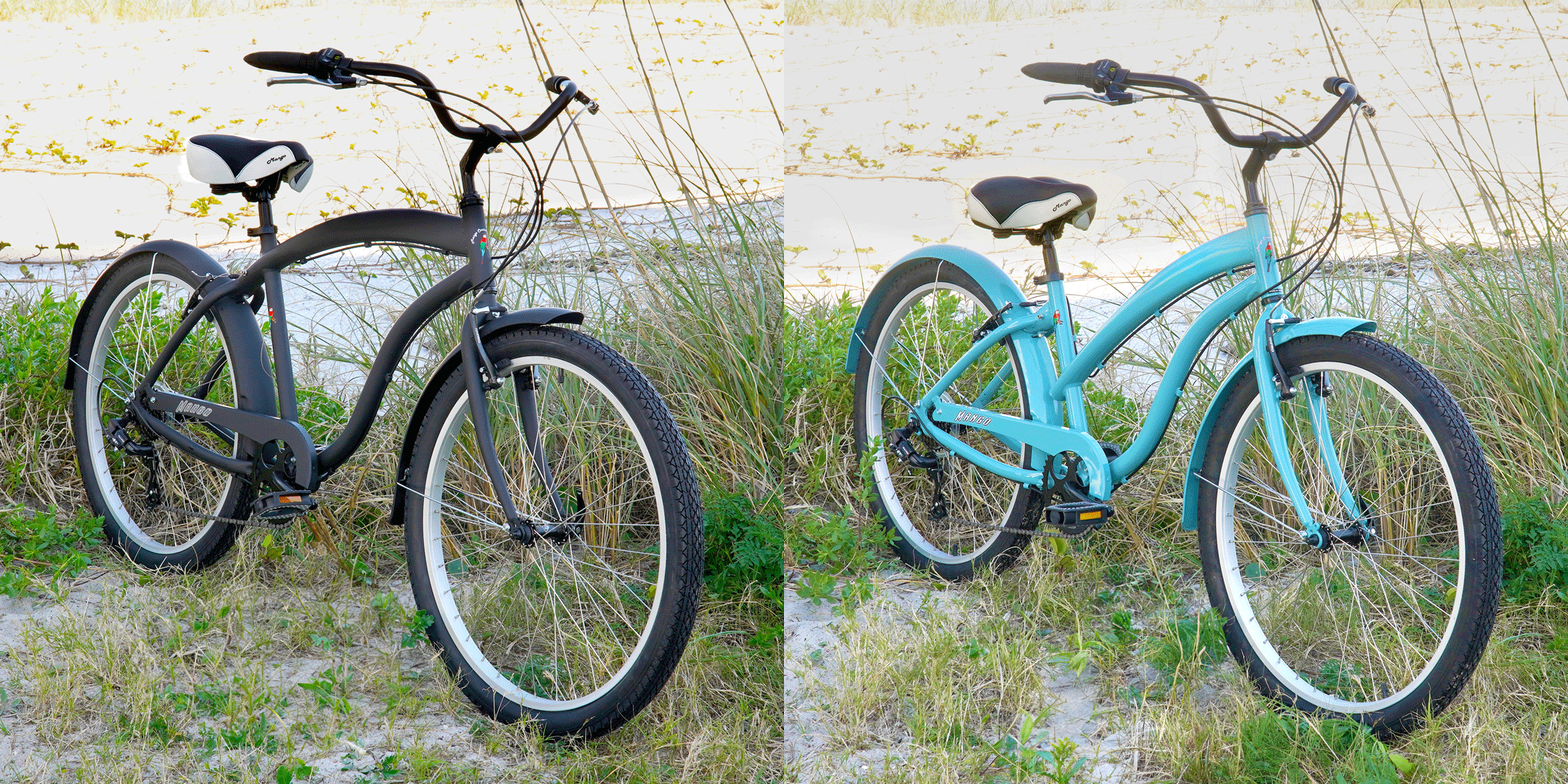
2. Beach Cruisers — Relaxed, Upright Riding

Cruisers are synonymous with leisurely, upright cycling. Bikes like Gravity Snake Eyes Cruiser Bikes prioritize body alignment and smooth ride experience over speed or aggressive efficiency.

Comfort Features in Cruisers

  • Geometry: Highly upright seating keeps the spine neutral and shoulders relaxed.
  • Tires: Wide, balloon-style tires provide natural suspension over uneven pavement and boardwalks.
  • Contact Points: Oversized saddles with additional cushioning absorb vibration; grips are often ergonomic to minimize hand fatigue.
  • Handling: Long wheelbase and low center of gravity offer rock-solid stability, allowing effortless, confident turns even at low speeds.

Ideal For:

  • Flat urban areas, parks, or beach boardwalks
  • Short-to-moderate daily rides
  • Riders prioritizing comfort and scenic enjoyment over speed

Discover beach cruiser options: Beach Cruiser Bikes

3. Gravel Bikes — All-Terrain Comfort with Performance Potential

Gravel bikes are designed for mixed surfaces, from pavement to packed dirt or light trail paths. While they retain some efficiency of road bikes, comfort-oriented gravel designs soften aggressive geometry.

Comfort Features in Gravel Bikes

  • Geometry: Slightly relaxed frame angles reduce forward lean without sacrificing pedal efficiency.
  • Tires: Clearance for wider tires (35–45mm) absorbs micro-vibrations and provides traction on loose surfaces.
  • Contact Points: Drop handlebars with flared ends allow multiple hand positions, reducing wrist and shoulder strain on long rides.
  • Handling: Longer wheelbase and moderate trail offer stability, while responsive steering still accommodates off-road maneuvers.

Why Gravel Bikes Suit Comfort-First Riders
They combine upright ergonomics with versatility for urban commuting, weekend adventures, or mixed-surface touring. Properly spec’d, they reduce fatigue while enabling longer, more exploratory rides.

4. City/Commuter Bikes — Practical Comfort for Urban Use

City bikes focus on ease of mounting, upright posture, and low-maintenance reliability, making them excellent choices for commuters and casual urban riders.

Comfort Features in City Bikes:

  • Geometry: Short top tube and high head tube allow a natural upright position, minimizing spinal and shoulder stress.
  • Tires: Moderate width (32–38mm) balances speed with shock absorption on uneven pavement.
  • Contact Points: Wider saddles and flat handlebars keep hands and hips relaxed; adjustable stems allow customization for individual fit.
  • Handling: Stable, predictable steering for navigating traffic and frequent stops.

Why City Bikes Work for Comfort
They emphasize ergonomic alignment over performance metrics, ensuring riders arrive at work or errands without hand, back, or hip strain. Combined with fenders, racks, or internal hub gears, city bikes are highly practical for daily use.

How to Fit Your Comfortable Bike — Achieving a Personalized, Pain-Free Ride

Even the most ergonomically designed bike can feel uncomfortable if it isn’t properly fitted to your body. Proper fit ensures that your posture, joint alignment, and weight distribution work in harmony with the bike’s design, preventing fatigue and discomfort on every ride. This section outlines a systematic approach to achieving an optimal fit for comfort-first cycling.

1. Frame Size and Standover Height

Frame sizing is the foundation of comfort. Key considerations include:

  • Standover Height: When standing over the bike, there should be approximately 1–2 inches of clearance between your crotch and the top tube for road, hybrid, and gravel bikes. Cruiser bikes may allow slightly more.
  • Reach to Handlebars: Your torso should feel neutral and relaxed, not overextended. Excessive forward lean increases strain on wrists, shoulders, and lower back.
  • Seat Tube Length: Ensures your knee angles are optimal at the bottom of the pedal stroke, reducing the risk of knee pain or overextension.

Professional fitting tools or charts from the manufacturer can guide you, but test rides remain the gold standard. If your knees feel compressed or you must stretch to reach the bars, the frame size is incorrect.

2. Saddle Height and Fore-Aft Position

The saddle must position your pelvis for effective pedaling without placing undue stress on soft tissue:

  • Height: With the pedal at its lowest position, your leg should have a slight bend (~25–35° at the knee). Too high causes hip rocking; too low strains knees.
  • Fore-Aft Position: Your knee should align over the pedal spindle when the crank is horizontal. This ensures proper weight transfer and reduces knee and hip stress.
  • Tilt: A level saddle or slight nose-down angle prevents pressure on soft tissue without causing slide forward or instability.

Adjusting these parameters allows the sit bones to bear the majority of body weight, freeing hands and arms from excess load.
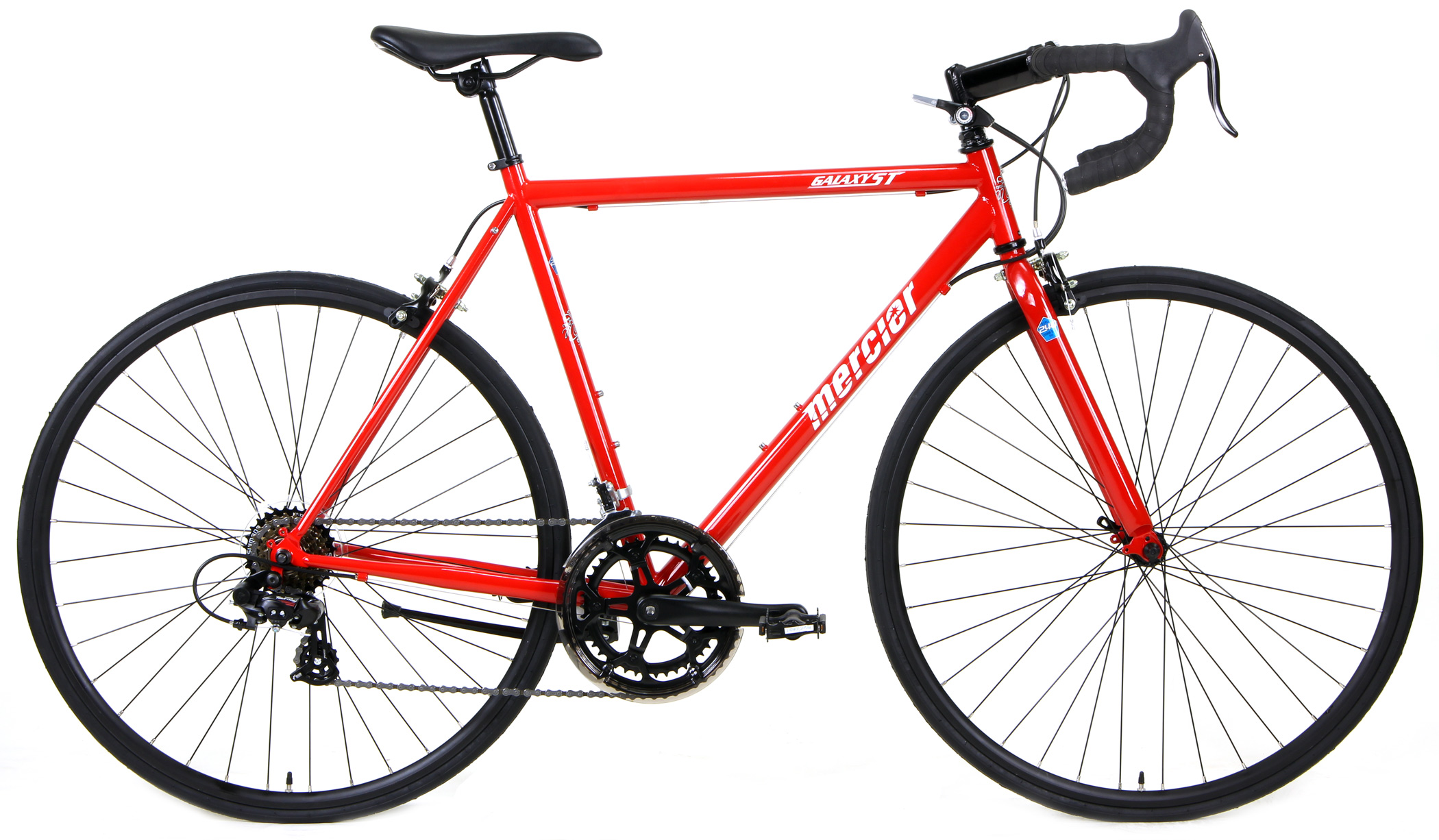
Mercier Galaxy ST Express saddle and seatpost showing ergonomic design for long-distance comfort.

3. Handlebar Height and Reach

Proper handlebar positioning maintains spinal alignment and reduces wrist tension:

  • Height: Ideally, handlebars are level with or slightly above the saddle for comfort-oriented bikes. Lower positions increase forward lean, compressing the lower back and shoulders.
  • Reach: Ensure elbows are slightly bent and shoulders are relaxed. A neutral angle avoids overreaching, which can lead to fatigue in arms and upper back.
  • Stem Adjustments: Adjustable stems or risers allow fine-tuning without replacing the frame, accommodating variations in torso length and flexibility.

4. Pedal Selection and Foot Alignment

Efficient power transfer with minimal strain depends on the pedal interface:

  • Platform Pedals: Broad, stable surfaces prevent foot slippage and distribute pressure evenly.
  • Clipless Pedals: Allow precise foot placement and improved pedaling efficiency but require proper cleat alignment to avoid knee or hip stress.
  • Foot Angle: Ensure toes are pointing forward and the midfoot aligns over the pedal spindle. Misalignment increases joint strain and fatigue.

Correct pedal setup supports the core-leg chain, allowing smooth, fatigue-free pedaling.

5. Tire Pressure and Width

Tire selection directly impacts comfort by affecting shock absorption and ride stability:

  • Wider Tires (≥32mm): Provide better damping over rough surfaces and increase stability, especially for hybrids, city, and gravel bikes.
  • Pressure: Use moderate pressure that balances efficiency with vibration absorption. Overinflated tires transmit every road imperfection to your body; underinflated tires reduce control.

Even small adjustments in width and pressure can dramatically improve ride comfort.

6. Testing and Fine-Tuning

A proper fit is iterative. After initial adjustments:

  1. Test Ride: Start with short rides to assess saddle comfort, wrist and shoulder tension, and core engagement.
  2. Assess Fatigue Points: Note any areas that feel sore, numb, or unstable.
  3. Adjust Gradually: Minor adjustments to saddle height, handlebar reach, or stem angle can resolve issues without compromising overall ergonomics.
  4. Re-Test: Longer rides help confirm comfort under sustained load.

Professional bike fitting is recommended for riders with persistent discomfort or anatomical considerations, but these steps provide a strong baseline for most riders.
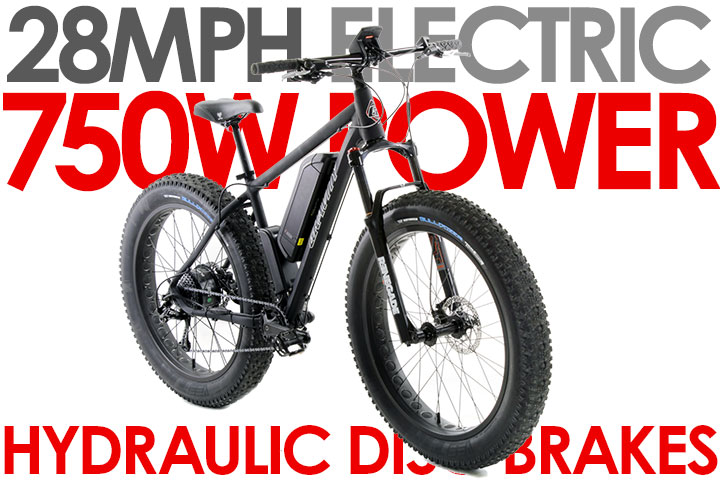
Detailed view of Gravity Bullseye Monster XE fat tires and wheels for traction and shock absorption.

Ride Pain-Free with Comfort-First Bikes

Choosing a bike that prioritizes comfort, posture, and stability completely changes the riding experience. When a bike is designed and fitted correctly, every ride becomes effortless, and common complaints like sore backs, numb hands, or hip fatigue are eliminated. Comfort enables longer rides, reduces fatigue, and prevents the aches and strains that so often cut cycling adventures short.

Whether you are commuting through busy streets, exploring gravel paths, or cruising along scenic boardwalks, the right bike keeps your muscles relaxed, your spine neutral, and your hands and hips free from stress. Comfort does not mean sacrificing style, versatility, or performance. When properly chosen, a comfortable bike allows you to ride farther, more often, and with confidence in every mile.

At BikesDirect, riders can find a full range of bicycles designed to provide long-term comfort across a variety of terrains and riding styles. Every bike type is designed with the rider’s long-term comfort in mind. Discovering the right fit allows every ride to feel effortless from start to finish.

Reach out to learn more – Experience the difference that a properly designed, ergonomically fitted bike makes and start your journey toward comfortable, effortless cycling.
The Comeback of Steel: Why Old-School Frames Are Gaining New Fans

A few years ago, the idea of choosing a steel-frame bike sounded almost nostalgic, like rediscovering vinyl records or mechanical watches. Many cyclists were chasing the lightest carbon build or the stiffest aluminum race machine. But as trends cycle — both culturally and in cycling — something interesting happened. Riders began craving durability, comfort, longevity, and a certain soulful riding experience that modern materials could not fully replicate. Suddenly, steel was no longer “old school”; it was the newest rediscovery.

Today, the steel frame bike revival is impossible to ignore. Whether you browse group rides, gravel events, or bikepacking forums, you will find passionate riders swapping carbon for chromoly and Reynolds tubing. Steel bikes are capturing attention for their resilience, repairability, sustainability, and unmistakable ride feel — a combination that appeals to newer cyclists and seasoned riders alike.

Why Steel Is Resurfacing in a Carbon-Dominated World

Modern cyclists face more choices than ever before. With options like an aerodynamic road bike, a rugged mountain bike, an adaptable gravel bike, or a casual beach cruiser, riders often expect advanced materials and high-tech designs. Yet steel persists — and grows — because it fills gaps that lighter materials struggle to address.

Unlike carbon, which can fail suddenly under stress or impact, steel bends rather than breaks. It has a natural resilience that inspires confidence, especially for riders who tackle long distances or unpredictable terrain. Aluminum, while affordable and lightweight, has a harsher ride feel that transfers more vibration into the body. Steel smooths those same vibrations with an elegant, spring-like quality that many cyclists describe as “alive.”

Riders who once overlooked steel now come back to it for a more organic, forgiving ride — something increasingly valuable as cycling shifts toward adventure riding, all-surface exploration, and everyday practicality.

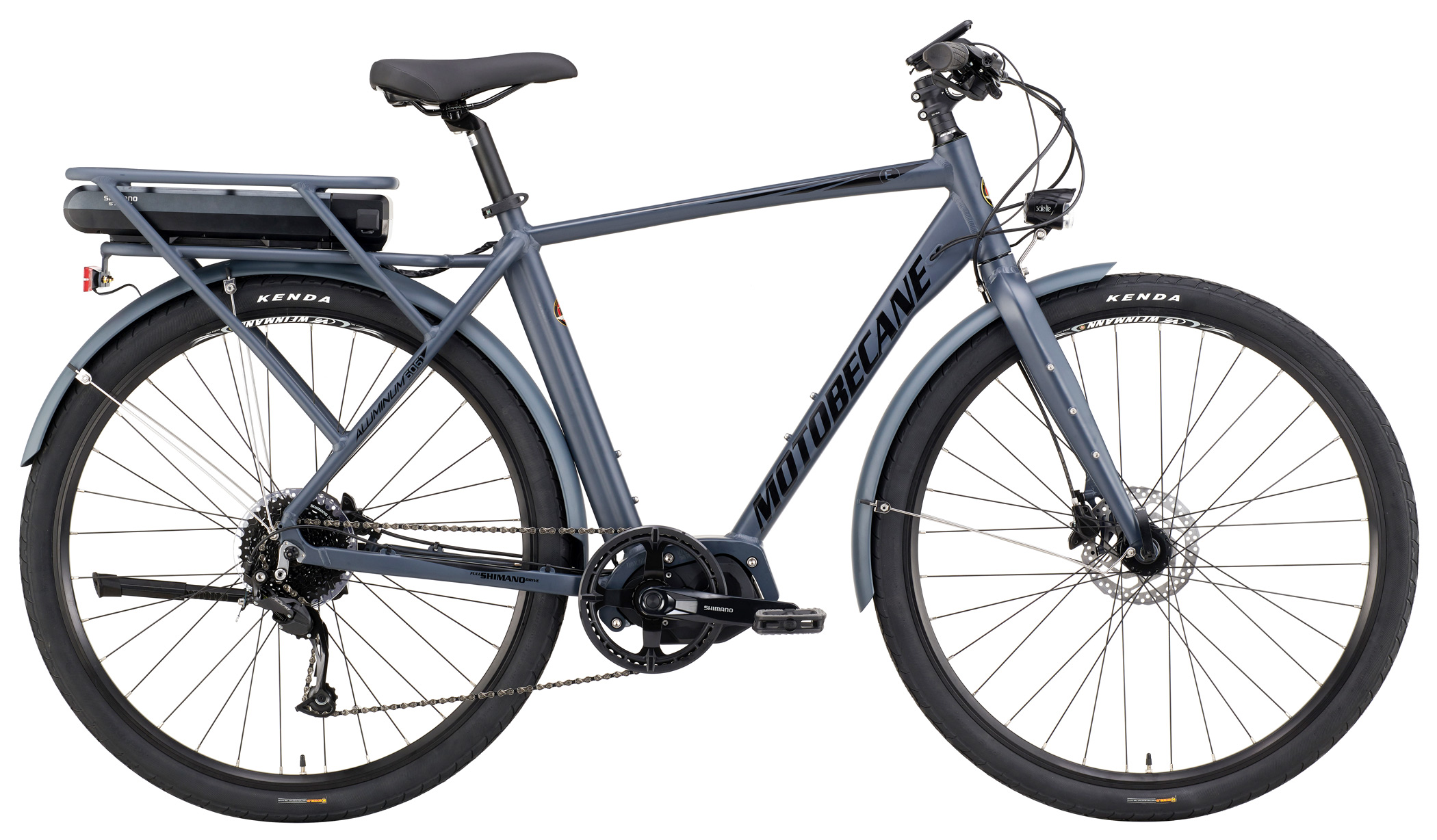
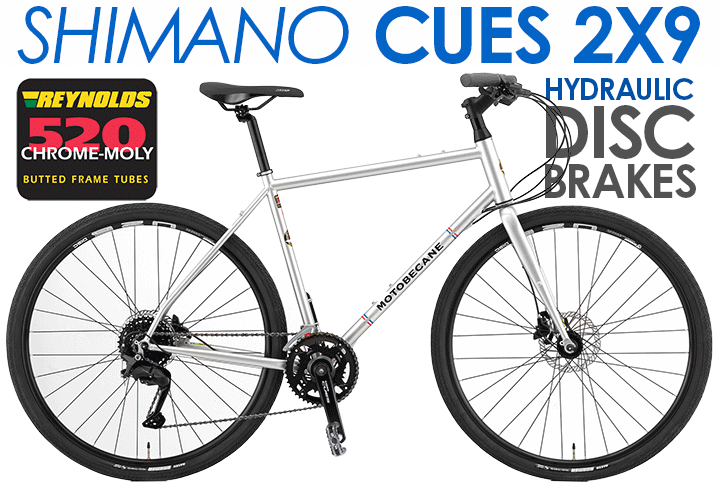
https://www.bikesdirect.com/products/motobecane/disc-brake-roadbikes/mulekickexcomp-discbrake-flatbar.htm

Filename: motobecane-steel-urban-fitness-bike.png
Alt-text: Steel-frame Motobecane fitness and urban bike featuring a simple drivetrain and disc brakes for everyday reliability and comfort.
Caption: Urban riders drawn to steel appreciate its strength and forgiving ride feel, making bikes like this ideal for daily commutes, fitness loops, and long-lasting value.

Comfort: One of Steel’s Most Valuable Advantages

If you ask riders why they joined the steel frame bike revival, comfort is usually the first reason they mention. Steel’s unique ability to absorb road buzz without feeling dull creates a ride quality that stands apart from carbon or aluminum frames. Over long distances, especially on mixed terrain, the difference becomes especially noticeable.

This is one reason steel thrives in the gravel scene. Cyclists who choose a gravel bike built with steel appreciate how it softens washboard roads, allows stable cornering, and maintains predictable handling when the terrain gets rough. Unlike carbon, which often focuses on stiffness and weight, steel prioritizes feel — the kind of smooth, harmonized ride that encourages exploration instead of exhaustion.

The same comfort benefits appear in other categories. A steel commuter or hybrid bike transforms uneven pavement into a manageable path. Touring riders rely on steel for all-day support, while bikepackers appreciate its ability to maintain composure under heavy gear loads.

Comfort may not be visible on a spec sheet, but riders feel it instantly.

Durability That Outlasts Trends and Terrain

Steel has always been known for its longevity, and that reputation is only strengthening in 2025. When properly cared for, steel frames can last decades. Many riders still cherish steel bikes from the 1980s and ’90s, using them for commuting, training, or restoration projects. Steel’s ability to age gracefully is part of its charm.

For the adventurous cyclist, durability means freedom. A steel mountain bike can withstand impacts, vibrations, and long-term stress that might compromise other materials. A steel adventure or gravel frame can handle demanding multi-day trips, heavy cargo, and unpredictable weather without worry.

In a cycling market that sometimes feels obsessed with the latest model or material, steel provides something refreshing: confidence in the long term.

Repairability: The Practical Rider’s Secret Weapon

One of the most practical advantages steel offers — and a key reason behind the steel frame bike revival — is ease of repair. If a steel frame sustains damage, skilled welders can repair it, often restoring the bike to perfect condition. This level of longevity is something carbon cannot match. Carbon requires specialized treatments, and repairs may never fully regain original strength.

This matters especially for riders who travel or adventure far from home. Touring cyclists, bikepackers, and long-distance commuters know that unexpected mishaps happen. Whether from an accident, transportation damage, or even a dropped bike, steel gives riders peace of mind. Help is often available locally.

Flexibility and repairability make steel not just a nostalgic choice, but a practical and sustainable one.

Sustainability: Why Eco-Conscious Riders Prefer Steel

Modern riders increasingly value sustainability, and steel naturally aligns with that mindset. Steel is one of the most recyclable materials on earth. It can be repurposed and reused without losing structural integrity, making it far more environmentally friendly than carbon composites or aluminum alloys.

Cyclists committed to reducing their environmental footprint — including those who ride fat-tire adventure rigs, mixed-surface explorers, or simple fat bike commuters — appreciate knowing their frame choice supports longevity rather than disposability.

Steel’s long lifespan further contributes to sustainability. A bike that lasts decades requires fewer replacements, fewer resources, and less manufacturing waste. As the world pushes for greener transportation solutions, steel stands as a material that naturally supports those goals.

Aesthetics: The Retro Look Riders Love

Steel frames exude character. Their slim tubes, elegant welds, and classic silhouettes evoke earlier eras of cycling — an era many riders find appealing, even comforting. While carbon frames look futuristic and aluminum bikes often appear industrial, steel blends timeless craftsmanship with modern performance.

This aesthetic charm has helped fuel interest in steel-framed commuters and cruisers. Riders choosing a stylish beach cruiser or a classic touring design often gravitate toward steel for its visual warmth and nostalgic appeal. In a world full of ultra-modern bikes, steel stands out by standing still — and that authenticity resonates.

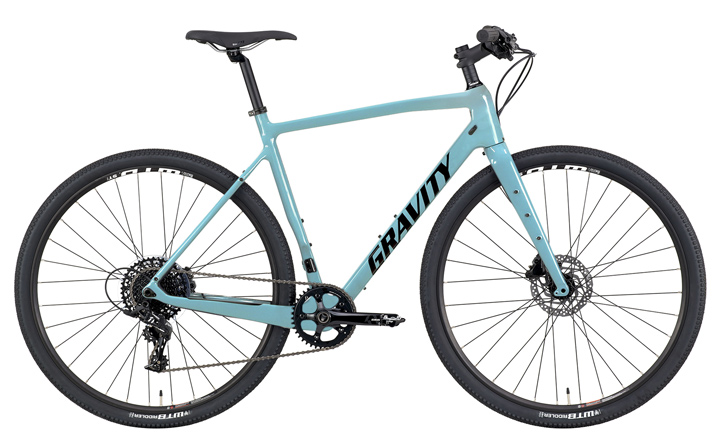
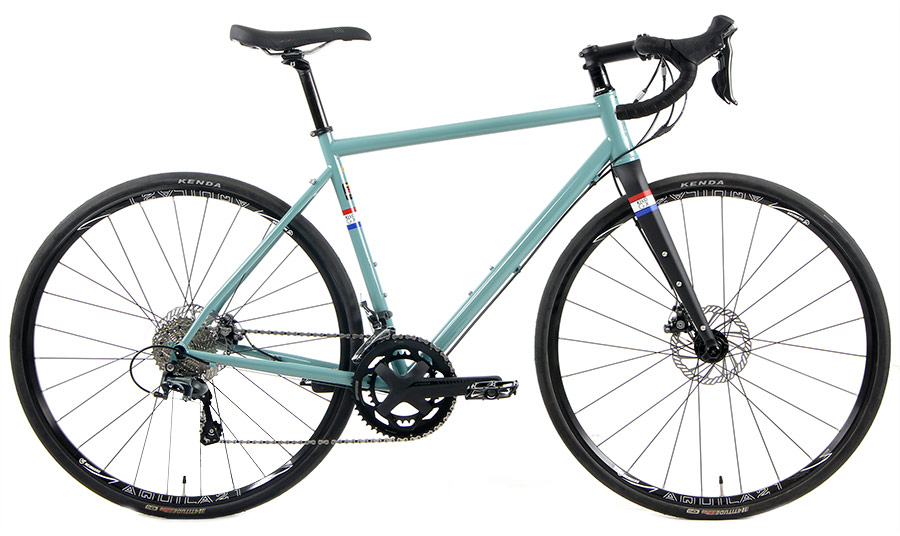
https://www.bikesdirect.com/products/gravity/gravel-bikes/gravel-cf-express-discbrake-carbon-gravel-bikes.htm

Filename: gravity-carbon-gravel-bike-apex1x11-contrast.png
Alt-text: Carbon gravel bike with SRAM Apex 1×11 drivetrain and wide tire clearance, designed for speed and mixed-terrain versatility.
Caption: While carbon bikes excel in lightweight performance, comparing them to steel highlights why many cyclists are rediscovering steel’s comfort, durability, and repairability in the modern era.

Modern Steel Is Better Than Ever

Today’s steel bikes are not the heavy, clunky machines some might remember. With refined tubing like Reynolds 520 or 853, steel offers surprising lightness alongside unmatched resilience. These modern steels provide strength-to-weight ratios that rival many aluminum frames while still maintaining steel’s signature ride feel.

Manufacturers now combine steel with advanced components such as hydraulic disc brakes, wide tire clearance, modern drivetrains, and performance geometries. Whether you are looking for a fast steel road bike, a rugged gravel machine, or a versatile urban hybrid, the options are far more advanced than vintage models.

The revival is not about going back — it is about rediscovering a material that still belongs in the future.

Ready to Experience the Ride That Started It All

If the idea of durability, comfort, sustainability, and timeless style speaks to you, exploring a steel-frame bike might be the perfect next step. You can find exceptional value, proven performance, and modern designs built from high-quality steel at Bikesdirect.com.

Rediscover the feeling that made cycling special in the first place — and see why steel is making a powerful comeback. Your next favorite ride may be made of the material that never truly left.

Frame Materials Face-Off: Aluminum, Steel, Carbon, and Titanium

If you’ve ever shopped for a new bike, you’ve probably noticed how much emphasis goes into what your frame is made of. And no wonder — your bike frame isn’t just the backbone of your ride; it is your ride. It affects weight, comfort, handling, durability, and even how much joy you feel pedaling down your favorite stretch of road.

But with so many frame materials, like aluminum, steel, carbon, and titanium, how do you choose the one that truly fits your riding style? Let’s dive into this friendly face-off and see what each bike frame material brings to the road (or trail).

1. Aluminum: The Lightweight Workhorse

Ah, aluminum — the crowd favorite and perhaps the most common material you’ll find on bikes today. It’s affordable, light, and gives you plenty of speed for your dollar.

Weight: Aluminum bikes are generally on the lighter side, making them great for quick commutes or zippy rides through the city. You’ll feel that instant responsiveness when you push down on the pedals.

Comfort: Now, let’s bust one of the biggest myths out there: “Aluminum rides harsh.” Nope, not anymore. Modern frame engineering and better tubing designs have made today’s aluminum bikes smoother and more forgiving than ever. Many even rival steel in ride comfort, especially when paired with the right tires and seatpost.

Repairability & Longevity: Aluminum isn’t as easy to repair as steel, but it’s incredibly durable for everyday use. You might not pass it on to your grandkids, but it’ll faithfully get you to work, the café, and weekend rides for years.

Best For: Commuters and budget-conscious riders who want performance without breaking the bank.

An image of a hybrid bike

2. Steel: The Classic That Keeps on Rolling

There’s a reason people get poetic about steel bikes. They have that unmistakable feel — smooth, solid, and connected to the road. It’s a material that has stood the test of time (and then some).

Weight: Steel bikes are typically heavier than aluminum or carbon, but that added heft translates into stability. You won’t be flying up hills quite as fast, but you’ll glide down them with confidence.

Comfort: Steel has a natural springiness that absorbs vibrations beautifully. That’s why touring cyclists and gravel grinders love it—it smooths out the bumps and keeps you comfortable hour after hour.

Repairability & Longevity: Steel wins hands down in repairability. Got a dent or crack? A skilled welder can bring it back to life. And with proper care, a steel frame can last decades. Think of it as the “forever bike” material.

Best For: Gravel grinders, touring enthusiasts, and anyone who values durability and comfort over shaving a few seconds off their Strava time.

3. Carbon Fiber: The Speed Demon

If aluminum is practical and steel is soulful, carbon fiber is the overachiever. It’s the go-to choice for racers and performance-driven riders for a reason—it’s light, strong, and sleek.

Weight: Carbon frames are often the lightest of the bunch, which makes them ideal for climbing, sprinting, or anyone who simply wants to feel like they’re flying.

Comfort: Another myth alert: “Carbon is fragile.” Nope! High-quality carbon frames are actually tougher than many people realize. And when it comes to comfort, carbon shines because engineers can precisely tune the material to dampen road chatter in specific areas. That means you get stiffness where you need power and softness where you need comfort.

Repairability & Longevity: While carbon can’t be welded like steel, minor cracks can be repaired by specialists. And when properly maintained, a carbon bike can last a very long time—it doesn’t rust or corrode like metal frames.

Best For: Racers, serious cyclists, and anyone who wants the perfect blend of speed, stiffness, and technology-driven comfort.

An image of a road bike

4. Titanium: The Dream Ride

If there were a “luxury class” in the world of frame materials, titanium would be it. It’s strong, corrosion-resistant, and offers a ride quality many describe as “magic.”

Weight: Titanium splits the difference between steel and aluminum. It’s lighter than steel but not as featherweight as carbon. What you gain, though, is incredible strength-to-weight efficiency and better performance.

Comfort: Titanium frames deliver buttery-smooth rides with excellent vibration damping. They have the smoothness of steel with a hint of liveliness that makes long rides feel effortless.

Repairability & Longevity: Titanium is nearly indestructible—it won’t rust, corrode, or fatigue easily. Though repairs require specialized tools, you’ll rarely need them. Many titanium bikes last a lifetime, and look as good on their 20th ride as they did on their first.

Best For: Riders who want a “forever bike,” one that’s equally at home on mountain passes, gravel trails, or century rides.

5. Head-to-Head Comparison

FeatureAluminumSteelCarbonTitanium
WeightLightModerateVery LightMedium-Light
ComfortGood (modern designs)ExcellentExcellentExceptional
RepairabilityDifficultEasyModerate (specialist)Moderate (specialist)
LongevityModerateHighHighVery High
An image of a mountain bike

6. Choosing the Right Frame for You

Your ideal frame material really depends on your lifestyle and priorities:

City Commuter: Aluminum — it’s light, affordable, and efficient for daily rides.

Gravel Grinder or Tourer: Steel — for all-day comfort and durability on rough roads.

Speed Seeker: Carbon — for pure performance and power.

Lifelong Cyclist: Titanium — for that dream bike you’ll never want to sell.

Whatever your choice, the most important part is that the bike feels right when you ride it—balanced, responsive, and fun.

The Frame is Just the Beginning

At BikesDirect, we believe your bike should match your lifestyle. That’s why we offer high-quality aluminum, steel, carbon, and titanium bikes for every rider and every budget.

Explore our full collection of hybrid bikes, mountain bikes, road bikes, gravel bikes, and fat bikes today and experience the freedom, comfort, and excitement that come from riding the right frame for you. Reach out now.

Steel vs Carbon Gravel Bikes: Balancing Durability and Speed

You’re twenty miles into a backroad loop when the pavement disappears. The washboard starts, the gravel gets chunkier, and your arms begin to buzz. Your friend on a steel frame looks relaxed, almost floating over the chatter, while you’re feeling every ripple. Later, on a long climb, you return the favor, dancing up the hill on a lighter carbon rig while they grind behind you.

If you’ve ever had that moment of envy looking at someone else’s bike, you already understand why the steel vs carbon gravel bike debate matters. Frame material isn’t just marketing—it shapes how your bike rides, how long it lasts, and how much value you get from every dollar.

In this guide, we’ll unpack what really changes when you choose steel or carbon for your next gravel bike, and how to match that choice to the way you ride.

What Makes Gravel Different From Road, Hybrid, And MTB?

Before zooming in on frame materials, it helps to remember what makes a gravel bike unique.

Compared to a road bike, a gravel rig has more tire clearance, more relaxed geometry, and usually more mounting points for bags and bottles. It’s built to be fast on tarmac but steady when the surface gets loose and unpredictable.

Compared to a mountain bike, a gravel machine feels quicker and more efficient on smooth sections. You usually don’t get a suspension fork and huge tires; instead, you get a lighter frame, drop bars, and a position that encourages all-day cruising rather than full-send descents.

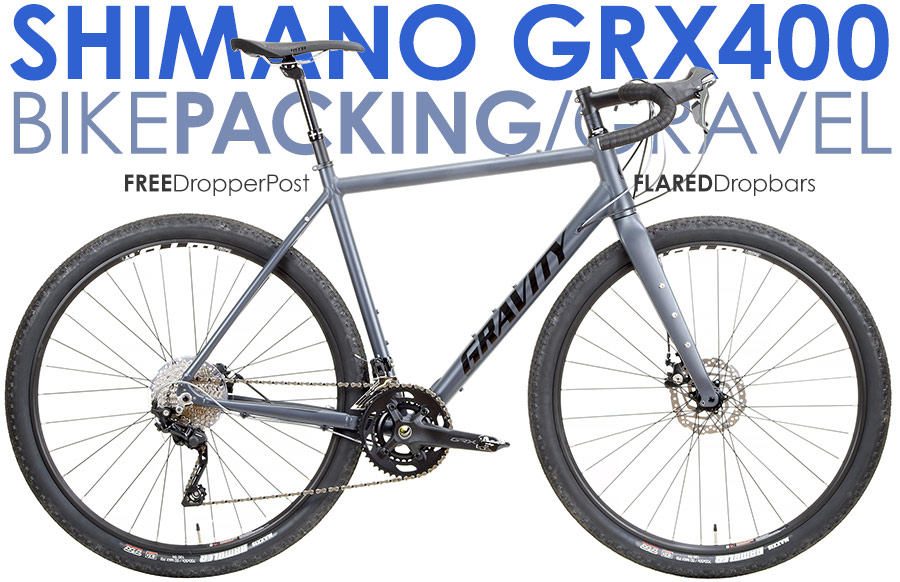
Gravity Shimano GRX400 carbon gravel bike with flared drop bars and dropper post

In a way, a gravel bike is like the adventurous cousin of a hybrid bike: it still has versatility and comfort in mind, but it’s tuned for rougher terrain, longer distances, and bigger adventures.

All of that means the frame material has a big job. On gravel, your bike must balance three things at once: comfort over rough ground, efficiency on smoother stretches, and resilience when the route takes you far away from help.

Steel In The Wild: Ride Feel, Durability, And Real-World Benefits

Steel has a certain mythology around it. Riders talk about “steel is real” in the same tone people reserve for vinyl records and manual transmissions. But what does that actually mean for a gravel bike?

First, steel is naturally strong and somewhat forgiving. A well-designed steel gravel frame can smooth out small bumps and high-frequency chatter, especially when paired with wider tubeless tires at lower pressures. On broken farm roads, washboard descents, or long days loaded with bags, that smoother ride can translate directly into less fatigue and more control.

Motobecane all-road gravel bike with aluminum frame and disc brakes

Second, steel has a track record for durability. If you crash or somehow dent a steel tube, it’s often repairable by a skilled frame builder. You might not ever need that option, but for riders who dream of multi-day bikepacking or year-after-year abuse, it can be comforting to know the frame is built to last.

Third, modern steel isn’t automatically heavy. But, compared to a comparable carbon gravel frame, steel will almost always weigh a bit more. You’ll feel that extra mass on steep climbs and during hard accelerations, especially if you’re used to a featherweight road bike.

So, in the steel vs carbon gravel bike equation, steel tends to lean toward comfort, confidence, and long-term ruggedness rather than pure speed. If your riding involves loaded trips, unpredictable weather, and plenty of remote backroads, steel starts to look very appealing.

Carbon On Gravel: Light, Fast, And Surprisingly Comfortable

Carbon fiber, on the other hand, is often associated with race bikes and podiums. But it isn’t just about chasing KOMs. On a gravel bike, carbon brings a different flavor to the experience.

Carbon’s magic trick is tunability. Designers can shape the layup so certain parts of the frame flex to absorb vibration while other sections remain stiff for efficient power transfer. That means a carbon gravel frame can feel smooth over rough surfaces while staying responsive when you get out of the saddle and sprint.

The most obvious benefit is weight. A carbon gravel frame usually weighs significantly less than its steel counterpart. If your rides include big climbs, long distances, or fast group rides, that lower weight can make the bike feel livelier and more playful.

There is, of course, the question of durability. Good carbon frames are tougher than many people think, but when carbon fails, it tends to do so more dramatically. Repair is possible in some cases, but it isn’t as straightforward as a steel tube repair. For most riders, that’s more of a theoretical risk than an everyday problem, but it’s worth keeping in mind if you’re pushing the bike hard on rocky, technical tracks or loading it heavily for extended trips.

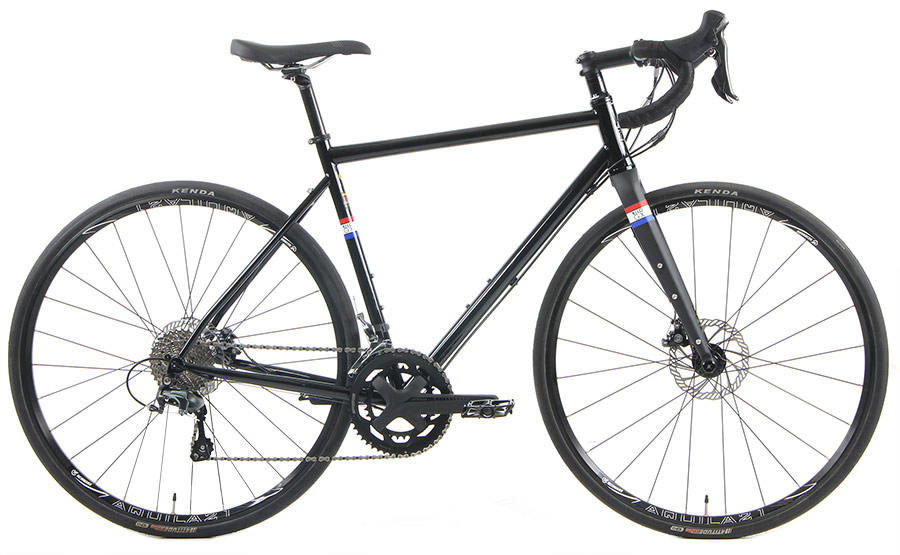
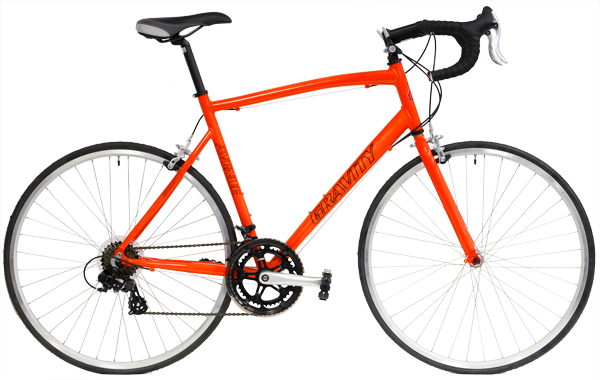
Gravity Liberty entry-level road bike for training and city riding

In terms of the steel vs carbon gravel bike decision, carbon leans toward speed, efficiency, and performance. If you think of gravel less as “bikepacking forever” and more as “fast mixed-surface loops and events,” carbon starts to make an excellent case for itself.

Ride Quality: How Steel And Carbon Really Feel On Rough Roads

If you gathered a group of riders and stripped all decals off the frames, most could still tell the difference between steel and carbon after a few minutes on washboard gravel.

On steel, you typically feel a more muted, “grounded” sensation. The frame has a little spring to it, rounding off sharp hits and blending the road noise into more of a hum. This character is especially noticeable on long, steady rides. You don’t always realize how comfortable it is until you climb off after hours in the saddle and discover you’re not as beat up as you expected.

On carbon, the sensations are slightly different. A well-built carbon gravel bike can be very smooth, but the way it absorbs bumps feels more targeted. You get stiffness where you need it—around the bottom bracket and head tube—while seatstays and fork legs flex just enough to tame vibration. The result can feel like the bike is eager to accelerate and respond instantly, yet still forgiving on rough patches.

Between steel vs carbon gravel bike options, your personal preference matters a lot. Some riders love that planted, classic feel of steel. Others fall in love with the snappy, responsive feeling of carbon and never look back.

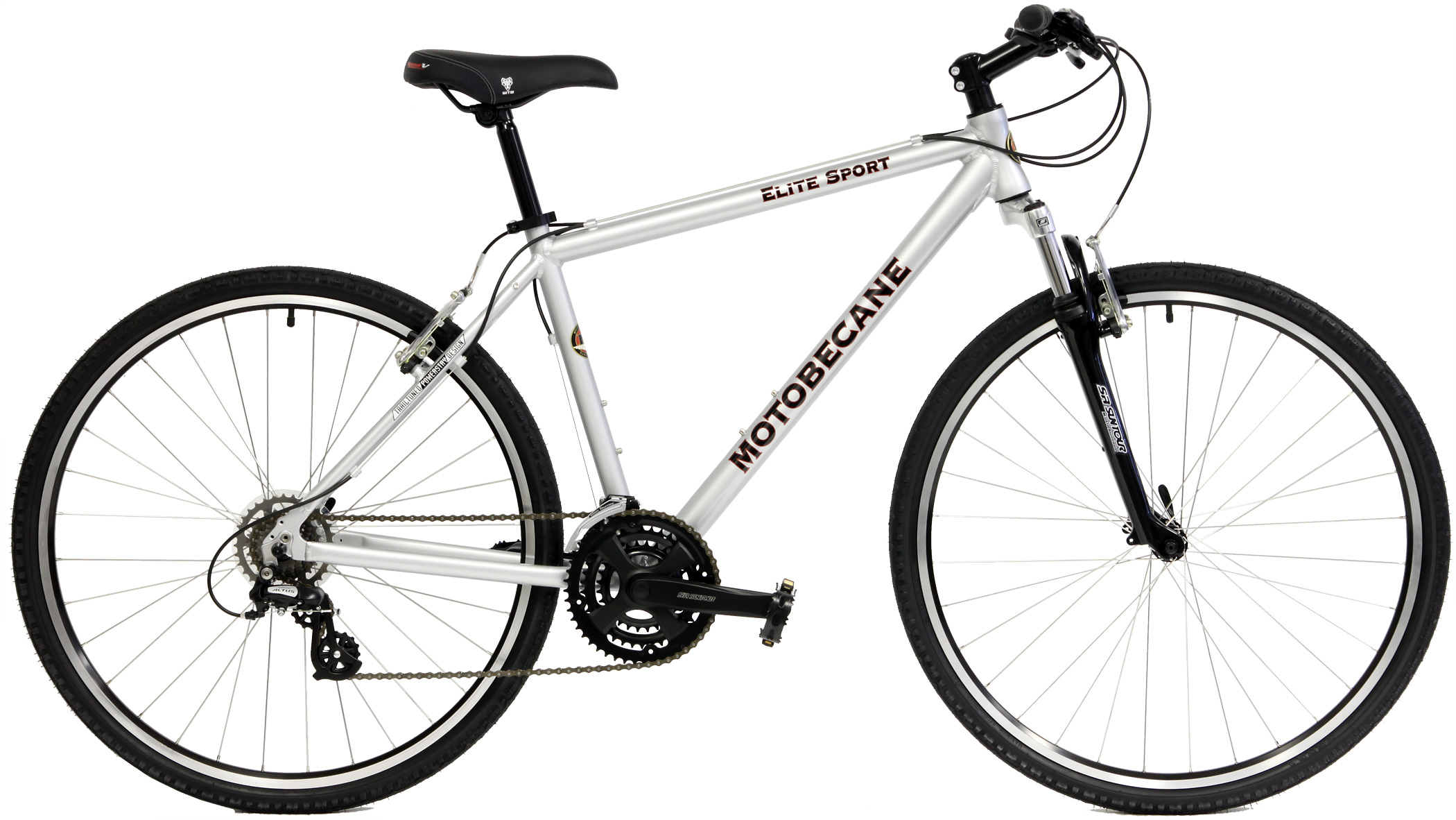
Motobecane Elite Sport hybrid bike designed for both pavement and light trails

One useful strategy is to compare it to the other bikes you enjoy. If you love the soft, relaxed ride of a beach cruiser, steel may resonate with you. If you’re more excited by the quick response of a performance road bike or lightweight mountain bike, carbon might feel more “right” under you.

Longevity: How Long Do Steel And Carbon Gravel Frames Really Last?

Many riders ask which frame material “lasts longer,” but the real answer is more nuanced than just steel vs carbon.

A quality steel gravel frame, ridden in all seasons and cared for properly, can last decades. The main enemy is corrosion. If you live in a wet or salty environment, you’ll want to be extra diligent about keeping the frame clean, inspecting any chips in the paint, and possibly using rust-inhibiting products inside the tubes. Do that, and steel will often outlive the components you bolt onto it.

Carbon, on the other hand, doesn’t rust. As long as it doesn’t suffer a serious impact or crush damage, a good carbon frame can also last many years. The concern is less about slow decay and more about hidden damage if you crash hard or clamp the frame incorrectly in a work stand. For riders who push the bike in rocky terrain or travel frequently with it, regular inspections are important.

In the steel vs carbon gravel bike context, longevity depends as much on how and where you ride as on the material itself. A steel frame that lives on salted winter roads and never gets cleaned will age quickly. A carbon frame that you crash repeatedly into rock gardens will also have a shorter life. Cared for properly, both can be long-term partners.

Cost And Value: Where Does Your Money Go?

This is where BikesDirect.com comes into the conversation in a big way. Because of the factory-direct model, the price difference between a steel gravel bike and a carbon gravel bike might not be as massive as you’d expect from traditional retail—but there will still be a gap.

Steel gravel bikes usually come in at a more accessible price point. You get a durable, comfortable frame and solid components without a scary sticker shock. That makes steel attractive if you’re building your first serious gravel bike or if you want a reliable all-rounder in addition to a dedicated road bike, fat bike, or hybrid bike.

Carbon gravel bikes usually cost more, but you’re paying for lower weight, tuned ride characteristics, and often upgraded components. If you’re entering events, riding long distances, or simply want a bike that feels as light and responsive as your best road machine, the extra investment can be worth it every time you clip in.

Best value is personal. For a rider who loves long, loaded tours and wants one bike to do everything, a reasonably priced steel build offers incredible bang for the buck. For a rider chasing ambitious goals and big miles, a carbon frame with quality parts might deliver more satisfaction per dollar over the life of the bike.

The important thing is that both sides of the steel vs carbon gravel bike equation can offer excellent value if you choose the right model for your style and budget.

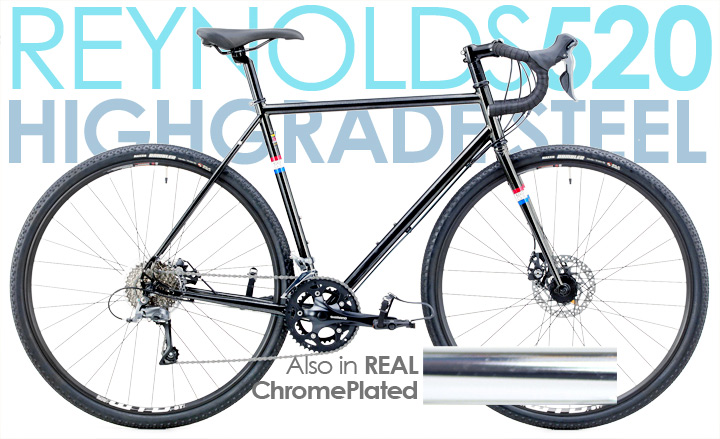
Reynolds 520 chrome-plated steel gravel bike with disc brakes and classic styling

Matching Material To Your Riding Style

The most useful question isn’t “Which is better, steel or carbon?” It’s: “Which one fits the way I actually ride?”

If your ideal day involves exploring unmarked farm roads, stringing together dirt connectors between small towns, and occasionally strapping on bags for an overnighter, steel provides a sense of reliability and calm that’s hard to beat. The slightly higher weight matters less when your priority is comfort and toughness over endless miles.

If your rides look more like fast weekend loops, mixed-surface fondos, and competitive gravel events where you’re trying to hang with a quick group, carbon starts to shine. You’ll enjoy the lower weight on climbs, the responsive handling, and the sense that every watt you put in goes straight into forward motion.

Of course, many riders split the difference and own multiple bikes. That’s where other categories at BikesDirect become handy. Maybe you pick a steel gravel bike for adventure duty and keep a carbon road bike for dedicated tarmac rides. Maybe you pair a carbon gravel bike with a relaxed beach cruiser for truly effortless spins.

There is no one correct answer. The best choice is simply the one that makes you want to ride more.

Practical Tips When Choosing Your Next Gravel Bike

Once you’ve narrowed your preference in the steel vs carbon gravel bike debate, it helps to look at the finer details.

Pay attention to tire clearance, especially if you plan to ride in muddy conditions or want the option to run bigger tires for rough terrain. Check mounting points for racks, fenders, and extra bottles if you’re leaning toward bikepacking or year-round commuting.

Consider the drivetrain and braking. Modern gravel bikes—steel and carbon alike—often come with wide-range gearing and disc brakes that give you confidence on steep, loose descents. In many cases, the frame material choice will matter less than the overall build when it comes to how the bike feels day to day.

Don’t forget your other bikes. If you already own a lightweight road bike and a tough mountain bike, you might choose a gravel machine that fills a different niche rather than duplicating what you have.

Most of all, be honest about the kind of riding that leaves you smiling. A “perfect” carbon race rig is wasted if you secretly want to meander down quiet gravel lanes with bags and a camera. A beautifully built steel tourer won’t feel as magical if what really inspires you is the feeling of flying up climbs and chasing friends on hard, fast rides.

So, Steel Or Carbon: Which One Wins?

When you boil it all down, there’s no universal winner in the steel vs carbon gravel bike debate—only a better fit for you.

Steel offers warmth, durability, and a classic ride feel that shines on long days, heavy loads, and unpredictable routes. It’s the frame material many riders trust for “forever bikes” and big adventures.

Carbon delivers light weight, sharp responsiveness, and refined comfort that shines when you want speed, efficiency, and a performance edge. It turns mixed-surface riding into something that feels closer to flying than grinding.

Both can be fantastic. Both can last for years. Both can carry you to the same horizon in very different ways.

Ready To Find Your Next Gravel Partner?

Choosing between steel and carbon isn’t just a spec sheet decision—it’s about the kind of rides you want to remember a year from now. If you’re curious how each material feels in the real world, dive into the gravel line-up at BikesDirect, compare builds side by side, and think about where you actually ride most.

You can start with an affordable steel option to test the waters or jump straight into a lighter carbon setup if you know you love that snappy feel. Either way, we are here to help you stretch your budget as far as your adventures. Explore the current gravel bike deals, check out the specs, and get ready to say yes to a lot more dirt in your life.

From Carbon to Steel: What Your Bike Frame Says About Your Ride

Choosing a frame material is like selecting the voice for your entire ride. The tubes, joints, and layups you can’t see shape the sensations you can’t ignore—how eagerly a bike leaps when you stand on the pedals, how calmly it tracks across broken pavement or washboard, and how gracefully it survives the little mishaps of real‑world riding.

When riders ask us about the best bike frame materials, they are rarely chasing metallurgy trivia; they’re asking how to turn watts into speed without beating up their hands and back, how to keep maintenance sane over years of adventures, and how to get real value from a purchase that has to satisfy road bike ambitions, mountain bike weekends, gravel expeditions, beach cruiser sunsets, hybrid bike commutes, or fat bike snow days. In this guide, we’ll translate aluminum, carbon, and steel from buzzwords into ride feel, highlight where each material shines, and point to specific Bikes Direct models so you can see these principles alive in bikes you can ride today.

Why Material Matters—And Why It Isn’t Everything

Frame material sets the character of your ride by determining stiffness‑to‑weight and how the structure handles tiny vibrations and big hits. Stiff tubes transfer energy quickly, which feels fast under a sprint and crisp through a climb. Different alloys and fiber layups also manage vibration differently; some pass it along with ruthless honesty, some round off the edges so you arrive fresher after hours in the saddle.

Durability plays a third role: aluminum shrugs off corrosion and keeps weight low; carbon fiber, when engineered well, pairs precise stiffness with standout damping; steel offers resilience and repairability that give confidence when the route gets remote. Yet material is only part of the story. Geometry is the blueprint that governs fit and handling. Tire volume and pressure are the secret sauce for comfort and traction. Components—from wheels to bars to seatposts—fine‑tune the last five percent. Think of material as the foundation; get it right and everything else you bolt on can sing.

Aluminum: The Everyday Performance Champ

Speed and Efficiency

Aluminum earned its reputation because it packs a great stiffness‑to‑price ratio into frames that feel energetic the moment you turn the cranks. That liveliness is obvious on a road bike when you stand to bridge a gap and the bike surges forward instead of squirming. It’s just as clear on a mountain bike when you pump through rollers and feel momentum carry you to the next corner without an extra pedal stroke. Modern aluminum tubing lets designers put stiffness where power paths need it—down tube, chainstays, bottom bracket—while trimming grams everywhere else. The net effect is a bike that responds now, not after a polite delay.

Comfort and Damping

Aluminum’s ride used to be described as “harsh.” Two things changed that story. First, tire volume exploded. Where 23mm road tires at high pressure were once the norm, most riders now run 28–32mm for pavement, 35–50mm for mixed surfaces, and even bigger for a gravel bike. Secondly, modern tube shapes and carbon seatposts help tame buzz. Put those developments together and the aluminum “zing” becomes a crisp, communicative feel rather than a dentist appointment for your fillings. If you plan to split your time between paved routes and the unkempt edges—city seams, chipseal, the gravel lane that gets you to the quiet loop—aluminum gives you comfort by way of tires and smart builds while preserving the punch that makes bikes exciting.

Durability and Care

Aluminum resists corrosion, which is a relief for riders in wet climates or by the coast. Impacts that would bend steel often dent aluminum, so a quick visual inspection after a crash is wise. Treat interfaces with assembly paste, mind torque on clamps, and wash away grit after bad‑weather rides. Do those simple things and an aluminum frame can happily carry you for years.

Where Aluminum Fits Across Bike Types

If your heart is set on drop‑bar speed without a premium price tag, aluminum remains a brilliant road bike option. Riders who are new to trail riding appreciate how aluminum mountain bikes feel trustworthy and eager without threatening their bank account. On a gravel bike, aluminum makes a lively, value‑rich platform that can be tuned plush with tires. Hybrid bike commuters love the low weight and low fuss, especially when they lock up outside every day. For a beach cruiser, aluminum’s corrosion resistance is a practical bonus. Even for a fat bike, aluminum can be an excellent way to trim weight from an otherwise burly setup while keeping costs sensible.

Real‑World Examples From Our Garage

To see how aluminum’s strengths translate into familiar categories, look at three models that anchor our value‑to‑performance story. The Gravity HD29 1x front suspension 29er channels the stability and rollover of big wheels into a trail‑ready hardtail that makes climbs feel efficient and descents feel composed. If you want the added comfort and traction of suspension at both ends without surrendering the straightforward ownership that brings riders to aluminum, the long‑running Gravity FSX series shows how smart design and proven parts can turn budget into trail smiles. Craving big‑tire traction for sand, snow, or soft trail? The Gravity Bullseye 3‑inch fat bikes offer float and stability at a price that leaves room for lights, fenders, and the tubeless conversion you’ve wanted to try.

Carbon: Tailored Precision and Lightweight Smoothness

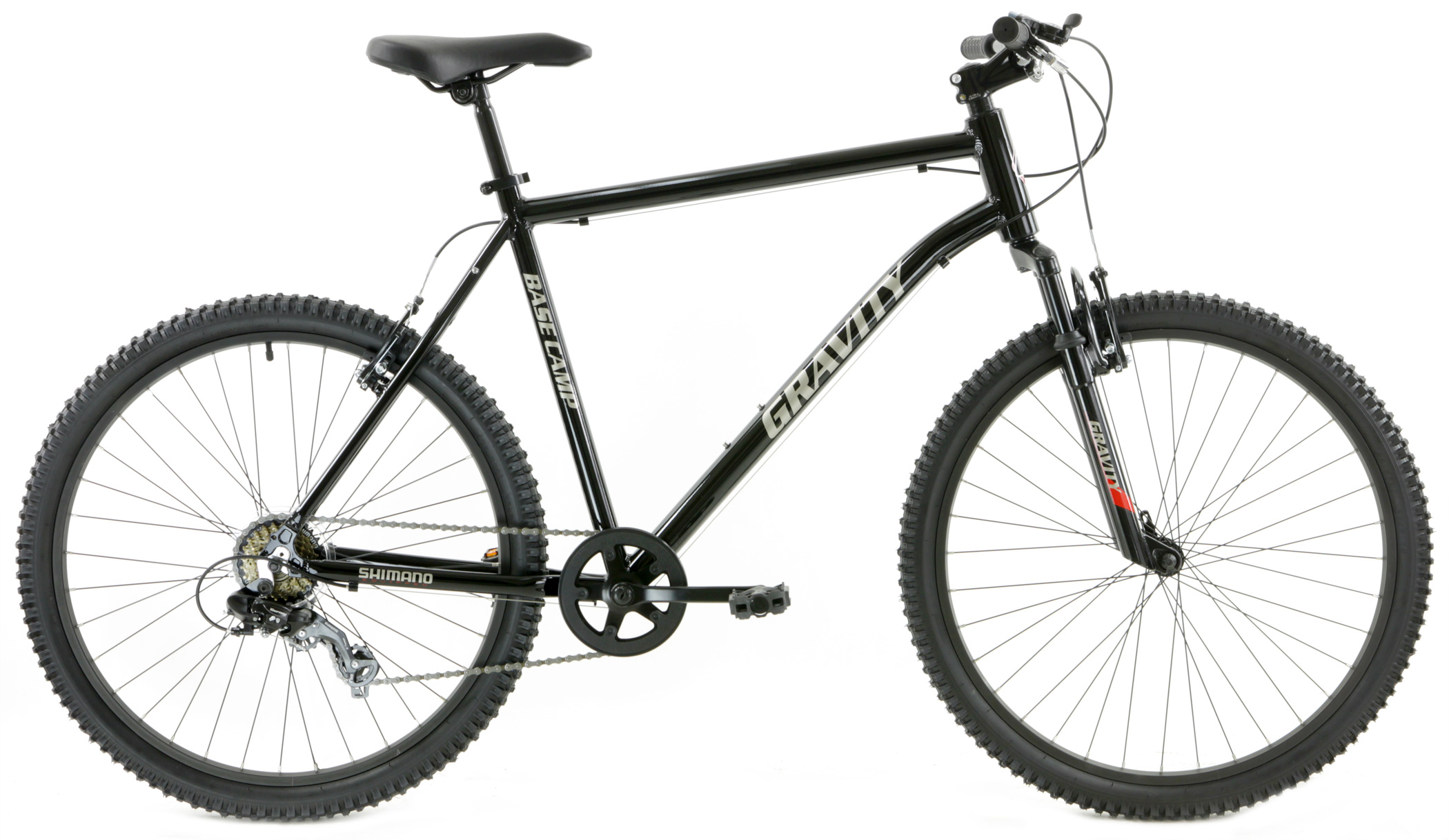
Gravity Basecamp V7 hardtail mountain bike with lightweight alloy frame.

Why Carbon Feels “Fast”

Carbon isn’t magic, but it can feel that way when designers shape the layup to be stiff in planes that matter for power transfer and forgiving in directions that affect comfort. Compared at equal stiffness, carbon typically weighs less than metal. That matters for accelerations and for the countless micro‑accelerations you do every ride without thinking—nudging the pace over a rise, snapping to hold a wheel, or floating up a short climb on a gravel bike. The sensation is smooth speed, not a sledgehammer; the bike seems to climb out from under you.

Damping That Saves Energy

Carbon’s other party trick is damping. While tires do the heavy lifting for comfort, carbon frames and forks can reduce the buzz that would otherwise accumulate as low‑grade fatigue. On a long endurance road ride, that translates into arriving with shoulders and hands that still feel fresh. On a mixed‑surface adventure, it means fewer micro‑shocks sneaking through every time you roll across washboard or shallow corrugations. Because layups are so tunable, two carbon bikes can feel very different: one racy and taut, one more forgiving and all‑day oriented. That tunability is why carbon is common on premium road, gravel, and high‑end mountain builds.

Durability, Stewardship, and Peace of Mind

Carbon is strong relative to weight, but its failure mode is different from metal. A sharp point load or crush from an overtightened clamp can be more problematic than a similar insult to aluminum or steel. The solution is simple owner habits: use a torque wrench, apply carbon assembly paste where appropriate, add frame protection tape at bag and cable rub zones, and inspect after crashes. Many riders log thousands of hours on carbon frames without drama, appreciating how little they have to think about the material once it’s set up right.

Who Should Choose Carbon

If you count grams, love the sensation of effortless speed, or want a bike that feels composed and quiet across rough surfaces, carbon puts a big check in those boxes. An endurance‑oriented road bike becomes a magic carpet. A performance‑focused gravel bike becomes an efficiency machine that still feels friendly. A carbon mountain bike can shed meaningful weight for long climbs without giving up the stiffness that makes technical lines precise. Carbon fat bikes exist too, where the weight savings are especially noticeable the first time you lift the bike onto a rack or thread through deep snow at low cadence; more on those in our fat‑bike‑focused article.

Steel: The Timeless Workhorse With Soul

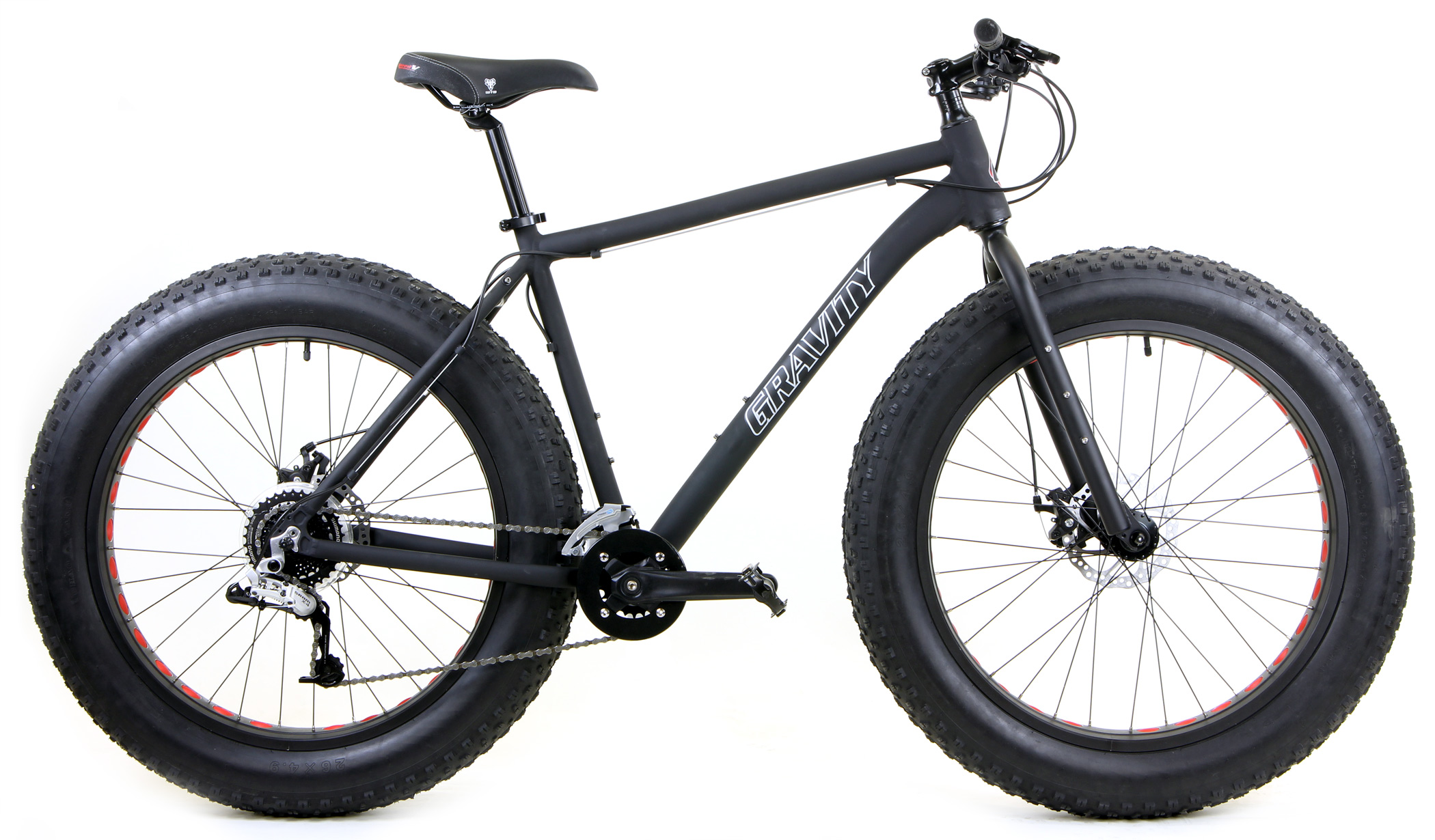
Gravity Bullseye fat bike with 3-inch wide tires and sturdy frame design.

The Spring in Its Step

Steel’s secret is its elasticity. When you push into pedals or roll across rough edges, a quality steel frame stores a whisper of energy and returns it in a way riders describe as “lively” or “springy.” That doesn’t mean mushy. A well‑designed steel frame tracks true and invites you to settle into a rhythm. On long mixed rides, the sensation is of a bike that hums along with you rather than chattering constantly for attention.

Strength, Repairability, and Real‑World Toughness

For riders who equate durability with confidence, steel remains compelling. It tolerates small dents without a tantrum and can be repaired by skilled hands if the worst happens. The tradeoff is weight compared to high‑end carbon. The maintenance ask is simple: keep paint chips touched up, dry the frame after soggy rides, and, if you live where roads get salted or sea air is a daily companion, consider interior frame treatment. For many riders—especially those loading racks and bags for a gravel bike adventure or taking a fat bike into winter—steel’s resilience is a feature, not a compromise.

Where Steel Shines

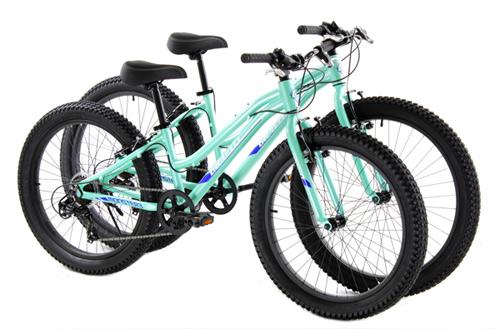
Steel is the quiet hero for terrain that punishes equipment and for riders who value feel over trophies. Adventure and touring riders love how predictably steel handles with bags. Trail riders who prefer hardtails appreciate the muted sting on chattery singletrack. Even urban riders on hybrid bike builds enjoy the calm ride. For fat bike life, steel pairs beautifully with the massive damping from tires. In our catalog, you’ll see steel DNA in models built for toughness and utility—youth fat bikes made to laugh off learning spills and burly platforms destined for snow and sand. For example, the Gravity Monster 3 7‑speed 26×3 kids’ fat bike gives young riders confident geometry and serious rubber, while the Gravity Bullseye Monster five‑inch demonstrates how big‑volume tires and a tough chassis create unstoppable float. And if you’re building a straightforward trail companion that emphasizes reliability and value, the Gravity BaseCamp V7 is a smart foundation for years of local loops.

Geometry Versus Material: Which Matters More?

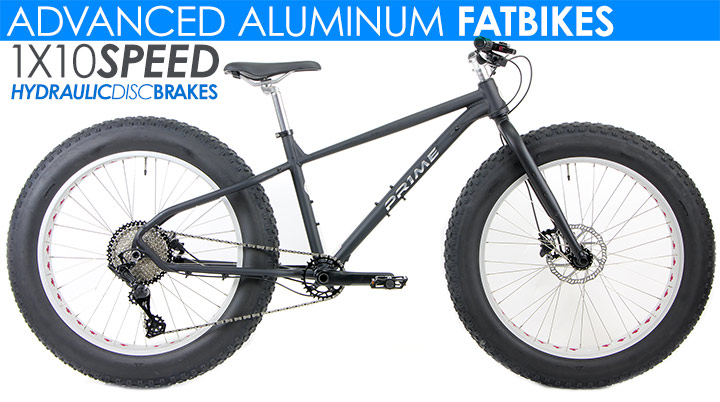
Gravity Bullseye Monster fat bike featuring 5-inch tires for maximum grip.

If material sets the mood, geometry decides the conversation. Stack, reach, head and seat angles, wheelbase, and bottom bracket height govern how you fit and how the bike steers. A road bike with endurance geometry will feel relaxed and stable across long miles regardless of material; an aero racer will feel taut and quick. A mountain bike with slack head angle and longer reach invites aggressive descending; a quick XC layout emphasizes climbing and laser handling. Start by getting the geometry that matches your goals and body; then let material refine the flavor. The happiest riders begin with bikes that fit their posture and terrain and use the best bike frame materials to season the ride.

Tire Volume: The Great Equalizer

You can transform ride quality with tires and pressure alone. A gravel bike on 45mm rubber at sane pressures will often feel smoother than a carbon road bike on skinny tires at high PSI. A fat bike running single‑digit PSI floats across rutted snow where any other bike would flounder. Even a beach cruiser becomes all‑day comfortable when you size tires generously and trim pressure to match the sand. That doesn’t make material irrelevant, but it does remind us that comfort and traction are mostly pneumatic. Put real thought into tires, then choose the frame that complements the surfaces you love.

Rider Profiles: Putting Material to Work

Imagine the sprinter who loves short, sharp efforts and wants a bike that answers immediately; aluminum or carbon both deliver, with aluminum offering that electric snap at a welcoming price and carbon layering on low weight and refined damping. Picture the century rider who wants to feel fresh at mile ninety; carbon’s smoothness is a gift here, but steel’s calm, springy stride is a delight too, especially on a route that slips onto farm lanes and gravel. The weekend mountain bike warrior who splits time between trail centers and local loops will feel right at home on an aluminum full‑suspension like the Gravity FSX, while a rider who prefers simple ownership might choose an aluminum 29er like the Gravity HD29 1x. For family adventures on sand or snow, a kids’ fat bike such as the Monster 3 26×3 builds confidence fast; adults can match with a Bullseye 3‑inch for mixed‑surface fun or step up to the Bullseye Monster five‑inch for maximum float.

Ownership, Upgrades, and Value Over Time

Gravity Bullseye fat bike with 3-inch wide tires and sturdy frame design.

Material influences not only how a bike rides but how you’ll live with it. Aluminum is easygoing and cost‑effective, which makes it ideal for riders who want performance without fuss. Carbon rewards care with a sublime ride that can feel like a cheat code for long days and steep climbs; the up‑front investment is higher, but so is the sense of occasion every time you roll out. Steel offers longevity and the option of repairs—practical for riders who thrash gear in harsh seasons or load heavy for bikepacking. Regardless of frame, smart upgrades multiply your joy. Wheels influence feel more than almost any component. Tires are transformative. Contact points—bars, tape, saddle—decide whether mile forty feels like a conversation or a complaint. Think of your budget as a story told in chapters: get the right frame now, then refine it with parts that match your favorite rides.

Sample Build Paths Using Bikes Direct Models

Start with a value‑forward trail build anchored by the Gravity FSX. Add wider tires for your local dirt, dial cockpit length to your reach, and you’ve got a mountain bike that climbs reliably and forgives mistakes. If you want big‑wheel rollover and crisp power transfer, the Gravity HD29 1x is an excellent base; set it up tubeless, fit a grippy front tire, and you’ll unlock speed everywhere. Riders who chase four‑season traction should consider starting with the Bullseye 3‑inch for mixed surfaces, then graduate to the Bullseye Monster five‑inch if your winters demand low‑PSI float. Families can let younger riders lead the way on the Monster 3 26×3 while parents build a straightforward trail companion around the BaseCamp V7, which brings gears, stability, and the kind of value that leaves room for lights, racks, or studded winter tires.

Myths, Busted Gently

It’s tempting to reduce materials to clichés. Aluminum is not inherently harsh; modern setups are remarkably comfortable. Carbon is not fragile china; used properly, it’s durable and confidence‑inspiring. Steel is not automatically heavy; many builds land at practical weights that feel lively all day. The real art is matching material to the way you ride, the surfaces you love, and the budget you actually have. We help riders do that every day.

Final Thoughts and How We Can Help

There’s no universal winner among the best bike frame materials. There’s the right choice for your roads, your trails, your body, and your plans. Aluminum rewards effort with lively speed and no‑drama ownership. Carbon layers in low weight and refined damping that make long rides fly by. Steel brings quiet control, resilience, and a feeling of connection that never goes out of style. If you’re still torn between a road bike and a gravel bike, if you’re debating mountain bike travel numbers, if you want a hybrid bike that doesn’t feel like a compromise, or if a fat bike is calling your name but you’re not sure which tire width you’ll love, that’s exactly what we’re here for. At Bikes Direct, we ride what we sell, and we love pairing riders with frames that make sense for their terrain and goals. Reach out and tell us what you want your bike to do. We’ll help you trade buzzwords for real‑world decisions, and we’ll point you to bikes—from the Gravity HD29 1x and Gravity FSX to the Bullseye 3‑inch, Bullseye Monster five‑inch, BaseCamp V7, and Monster 3 26×3—that fit your life. When you’re ready, contact our team and we’ll get you rolling on the right frame, set up for the season ahead.

Lightweight vs Durable Frames: Which One Should You Choose

When you buy a bike, the first thing that catches your eye might be its style or components. But at the core of every ride is something you don’t always notice until miles down the road: the frame. The bike frame is the backbone of your machine, shaping how it feels, how fast it moves, and how long it lasts.

For most cyclists shopping at Bikesdirect.com, the biggest question is whether to prioritize a lightweight build for speed and agility or a more durable frame for long-term toughness. Choosing wisely can transform how you ride, whether you’re spinning city streets, tackling gravel adventures, or climbing steep mountain switchbacks.

Why Frame Material Matters

Frame material isn’t just about numbers on a scale—it’s about your entire riding experience. Bike frame materials directly affect weight, stiffness, comfort, and even how much maintenance you’ll need. A road bike with a featherweight carbon frame will fly up hills but may require careful handling. On the other hand, a sturdy aluminum or steel mountain bike frame may feel heavier, but it offers resilience when bouncing over rocks and roots.

This balance of lightweight versus durable has always been central to cycling. Riders must consider their goals, riding style, and budget to find the right fit. That’s where understanding the key differences makes all the difference.

Classic Mercier steel road bike with drop bars and rim brakes for reliable, durable performance

The Case for Lightweight Frames

Lightweight frames, usually made from carbon fiber or high-grade aluminum, appeal to riders who crave speed and efficiency. On long climbs, every gram saved translates to less effort and faster ascents. For endurance events like centuries or competitive racing, shaving weight off the bike can mean the difference between keeping up with the pack or dropping behind.

But weight savings go beyond pure speed. A lighter bike is easier to accelerate from a stop, easier to carry up stairs if you’re a city commuter, and generally more fun to handle in dynamic situations. For example, a gravel bike built with a lightweight carbon frame feels nimble when weaving through winding trails while still offering comfort for long distances.

That said, lightweight doesn’t always mean fragile. Modern carbon and advanced aluminum alloys are surprisingly strong. Still, they demand more care, especially if you regularly push your bike through rough terrain or risk crashes.

The Argument for Durability

Durable frames—often crafted from steel or heavier aluminum—bring peace of mind. They can withstand the punishment of rugged conditions, whether that’s a rocky descent on a mountain bike, a loaded tour across unpredictable roads, or the daily grind of commuting in all weather.

Durability also speaks to longevity. While lightweight materials may wear down or require careful inspections, a well-built steel frame can last decades with proper care. For riders who see their bike as a long-term investment, durability may outweigh the thrill of lightness.

Motobecane electric bike featuring a lightweight carbon-inspired frame for performance and commuter efficiency

A fat bike, for instance, thrives on durability. Its wide tires are built for snow, sand, and mud, and the frame must be sturdy enough to support those demands. While it might not be the lightest ride in your garage, it will be the one you trust when conditions get tough.

Striking a Balance

Most riders don’t live on either extreme. The decision isn’t always a simple lightweight versus durable battle—it’s about balance. Manufacturers today blend the two qualities, offering bikes that are light enough for efficient riding while still rugged enough to handle real-world conditions.

Hybrid solutions also exist across categories. A hybrid bike, for example, often uses aluminum frames that balance weight and strength, giving commuters and weekend riders the best of both worlds. Similarly, some beach cruiser frames have shifted to aluminum for lighter handling, while retaining the classic, durable design that makes cruisers iconic.

At Bikesdirect.com, you’ll find a wide range of options to suit different needs. That’s the advantage of shopping with a retailer that specializes in variety—you can choose the frame material that best fits your riding life, without breaking your budget.

Motobecane hybrid bike with a versatile alloy frame built for both city streets and trail use

How Riding Style Shapes Your Decision

The right choice depends heavily on where and how you ride. If you’re a performance-oriented rider aiming for speed on a road bike, a lightweight carbon frame makes sense. If you’re exploring rugged backroads or training for endurance, durability might win.

Think of a gravel bike rider who spends hours off-pavement. The terrain demands a balance of comfort and strength, so durability is key, but weight still matters when climbing steep fire roads. Compare that to a city commuter on a hybrid bike—weight savings are helpful for carrying the bike into an apartment, but durability is crucial for daily reliability.

A mountain bike rider descending technical trails has little concern for featherweight speed and every reason to demand a strong, durable frame. Meanwhile, a casual rider pedaling a beach cruiser along the boardwalk will prioritize comfort and sturdiness over shedding a few ounces.

Looking Ahead: The Future of Frames

Trends in bike frame materials continue to evolve. Carbon dominates at the top levels of performance cycling, but manufacturers are also exploring blends and reinforcements that increase durability. Meanwhile, steel has enjoyed a renaissance among riders who value comfort, heritage, and long-term use. Aluminum remains a reliable middle ground, offering lightness without breaking the bank.

The takeaway for riders is that no single material is universally “best.” The right choice is the one that complements your goals and lifestyle.

The right frame can change everything about your ride. Whether you’re chasing speed on a carbon road bike or seeking resilience in a steel mountain bike, your choice of frame matters. At Bikesdirect.com, you’ll find an unmatched selection of bike frame materials across every category—from gravel bike to fat bike and beach cruisers. Take the time to explore, compare, and find the frame that matches your goals. Your next ride starts with the right foundation—start building it today at Bikesdirect.com.