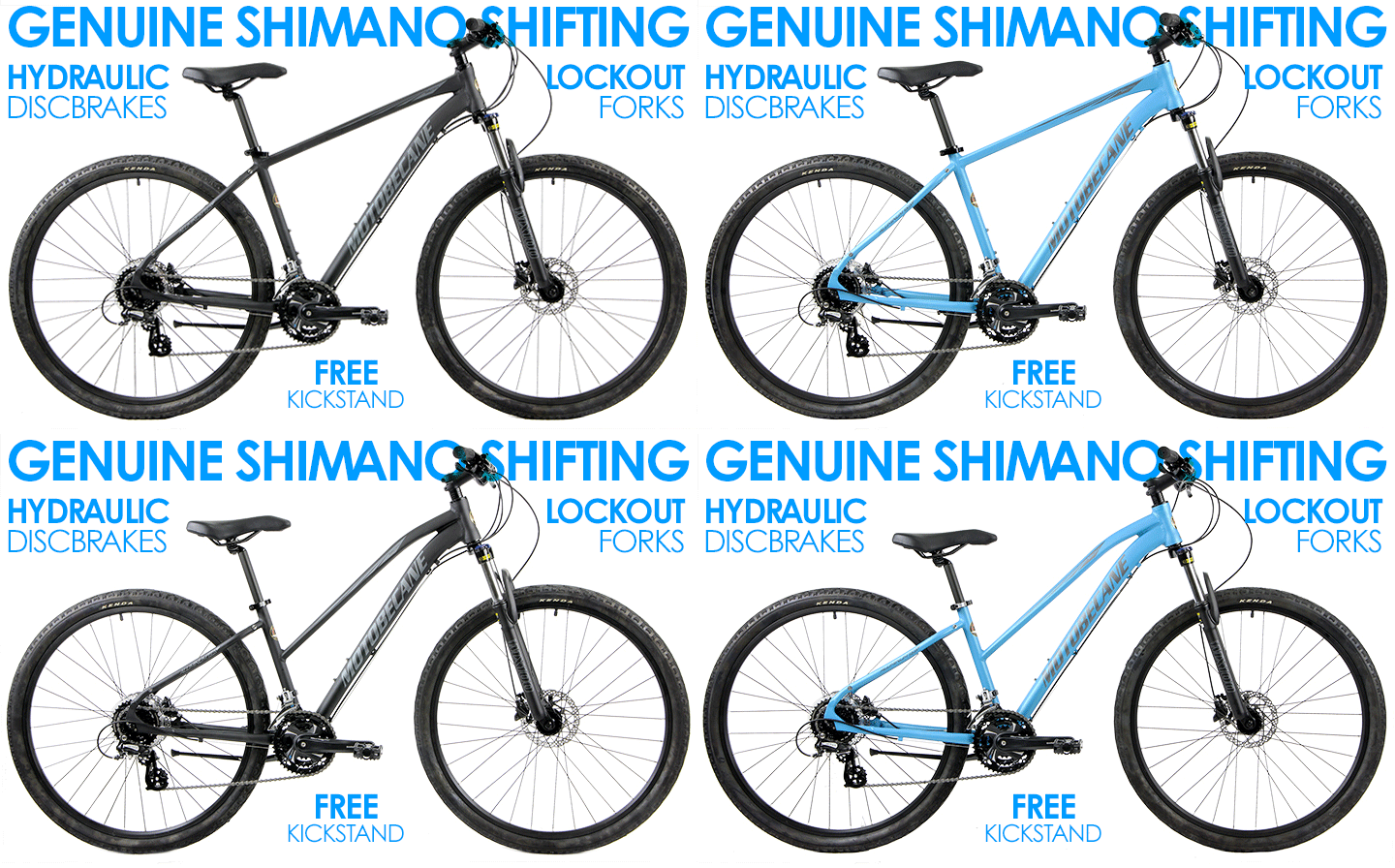
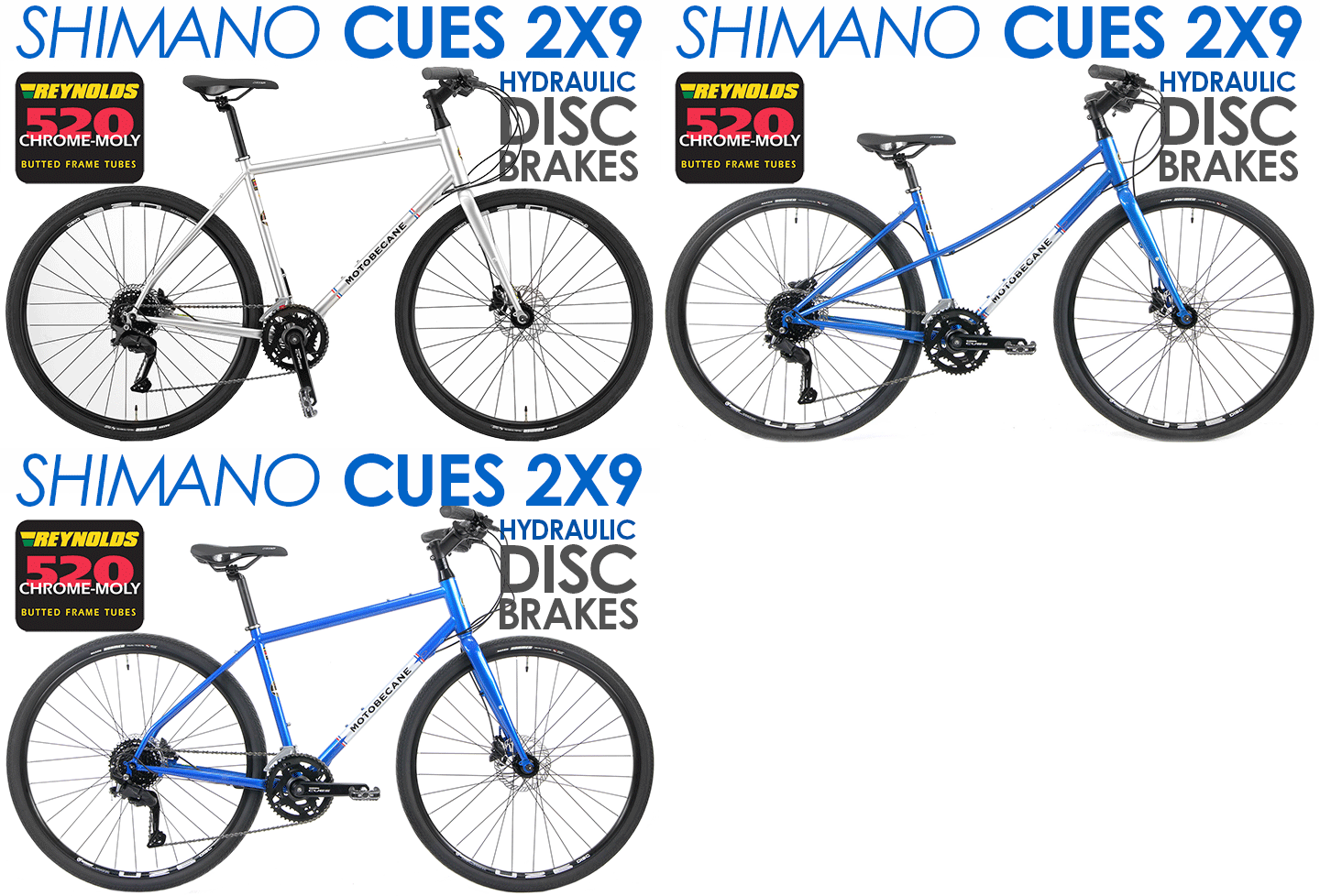
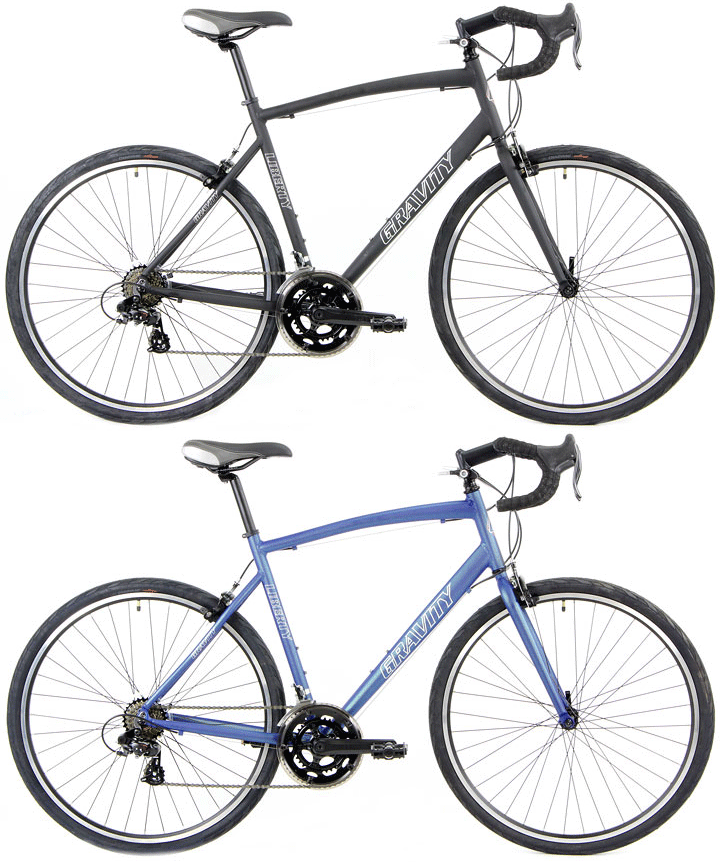
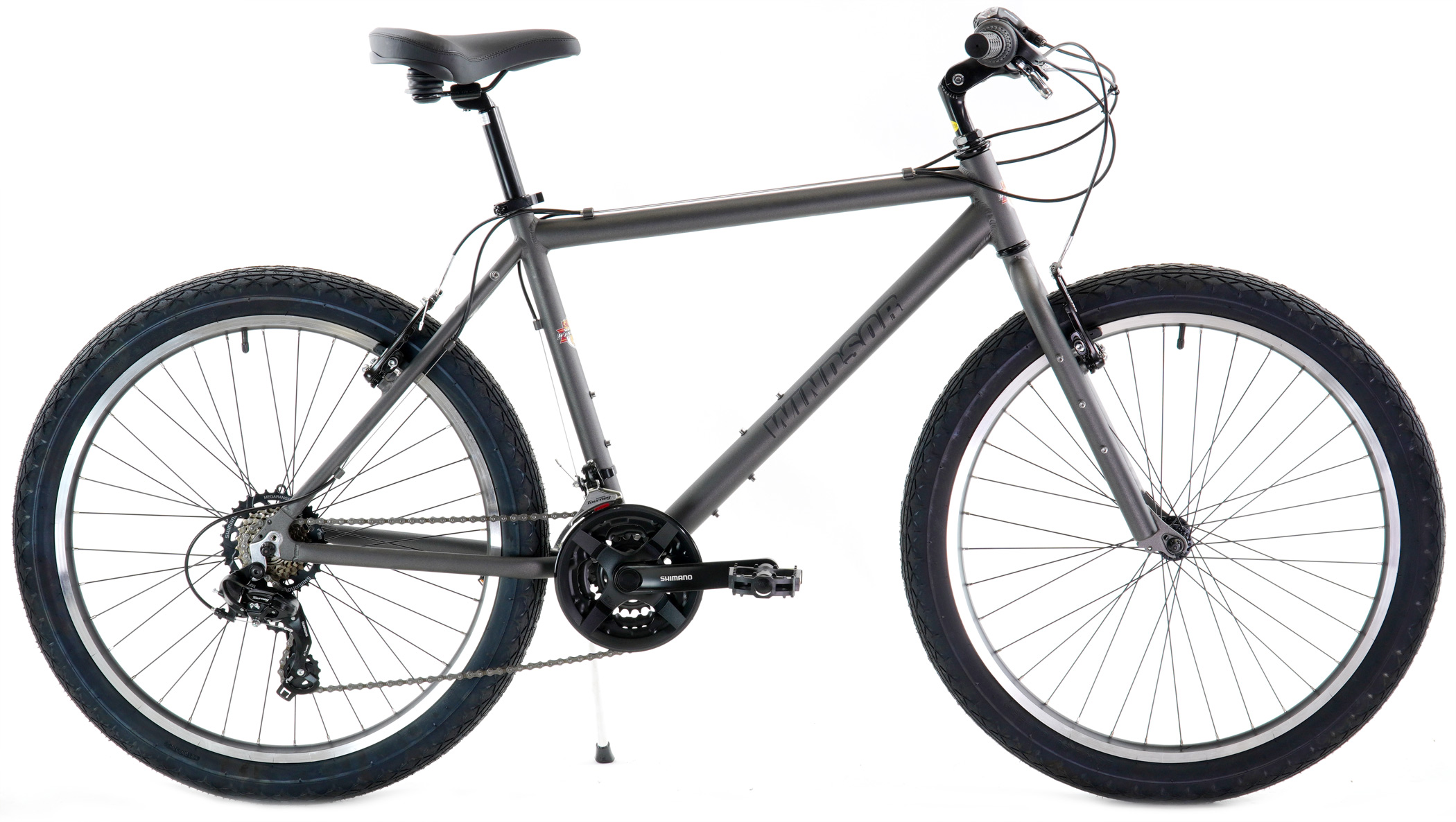
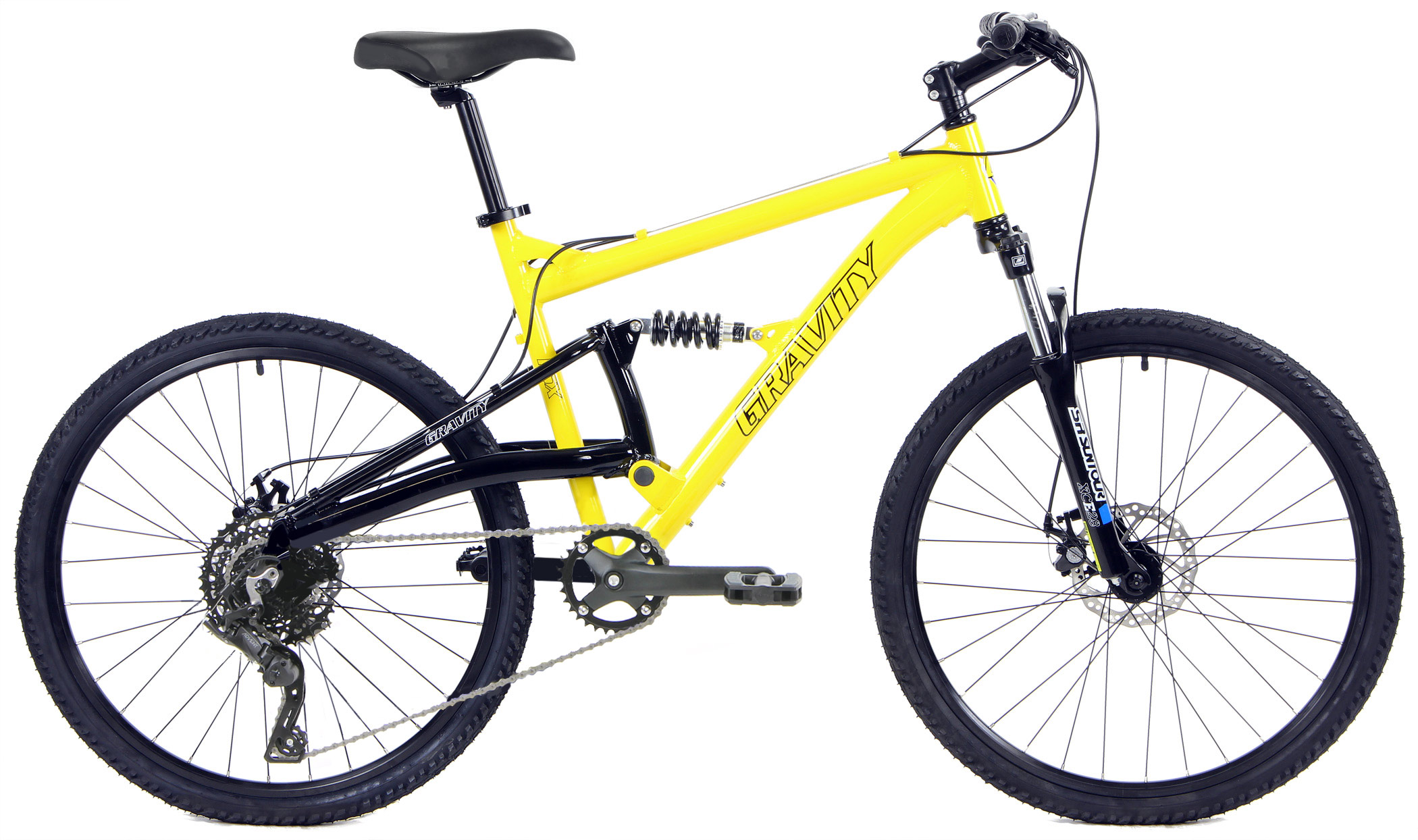
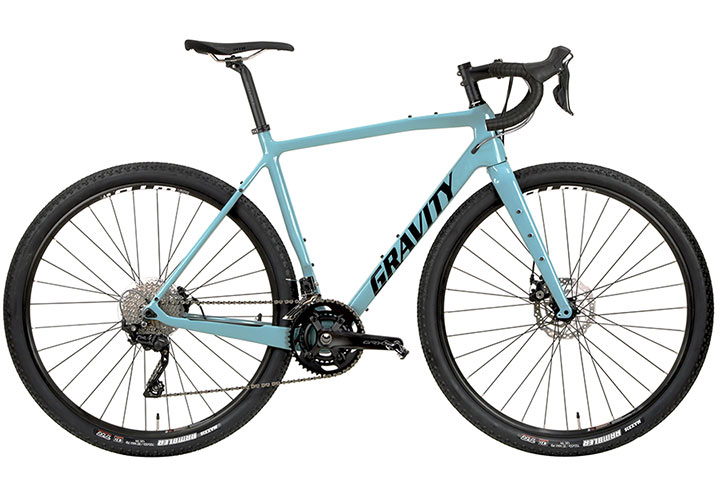
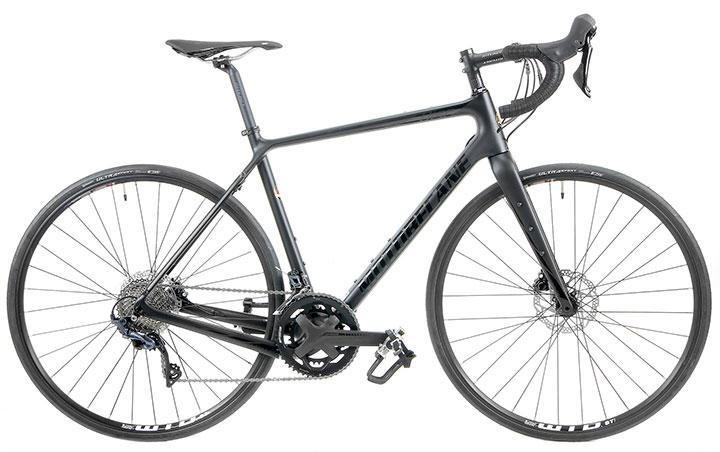
This infographic breaks down what really matters about disc brakes for everyday cyclists. Learn how disc brakes deliver consistent stopping power, better wet-weather performance, and lower long-term maintenance compared to rim brakes. Designed for daily riding, commuting, and city streets, disc brakes provide confidence, control, and reliable braking in real-world conditions.
The question usually starts small. Someone walks into cycling, curious but unsure. They want to ride more, maybe commute a few days a week, explore trails on weekends, or simply get fitter without feeling locked into one style of riding. They look at two bikes that seem similar at first glance and ask the question that has become increasingly common: Should I get a hybrid or a gravel bike?
The hybrid vs gravel bike debate isn’t about which bike is better overall. It’s about which bike fits your life better. Both categories were created to escape the limitations of traditional bikes. Both promise versatility. But they approach that goal in very different ways, and those differences matter more than most riders realize.
This guide breaks down speed, comfort, terrain handling, maintenance, and real-world use so you can make a confident, informed decision.
Why This Comparison Matters More Than Ever
Cycling has changed. Riders no longer fit neatly into categories like “road cyclist” or “mountain biker.” Today’s riders commute during the week, ride paths after work, and chase dirt roads on the weekend. They want a bike that adapts to life, not the other way around.
That shift is why hybrid and gravel bikes have exploded in popularity. Each offers freedom from specialization, but they serve different types of freedom. Understanding the difference between a hybrid bike and a gravel bike starts with understanding how you actually ride, not how you imagine riding someday.
What a Hybrid Bike Is Designed to Do
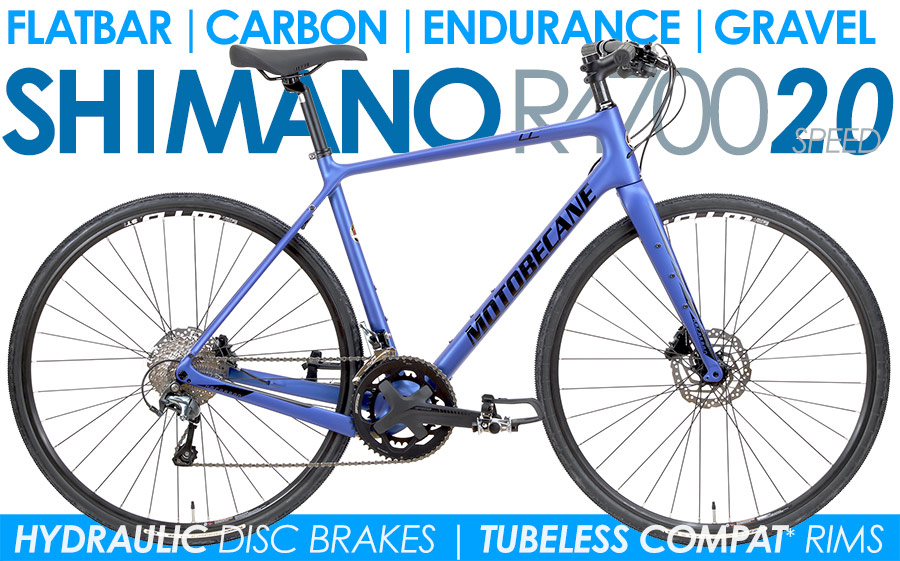
A Bikesdirect hybrid bike is built around approachability. It blends elements of road and mountain bikes but prioritizes comfort, ease of use, and everyday practicality. Upright geometry reduces strain on the back and neck. Flat handlebars offer intuitive control. Tires are wide enough to smooth rough pavement and light trails without slowing you down.
Hybrid bikes are often chosen by riders who value comfort and versatility over outright speed. They excel at commuting, fitness riding, neighborhood cruising, bike paths, and light gravel or dirt. If your riding includes errands, casual rides, or mixed urban terrain, a hybrid feels natural almost immediately.
Many riders transitioning from a beach cruiser or returning to cycling after a long break find hybrids welcoming. They feel stable at low speeds and forgiving when stopping or starting frequently.
What a Gravel Bike Is Designed to Do
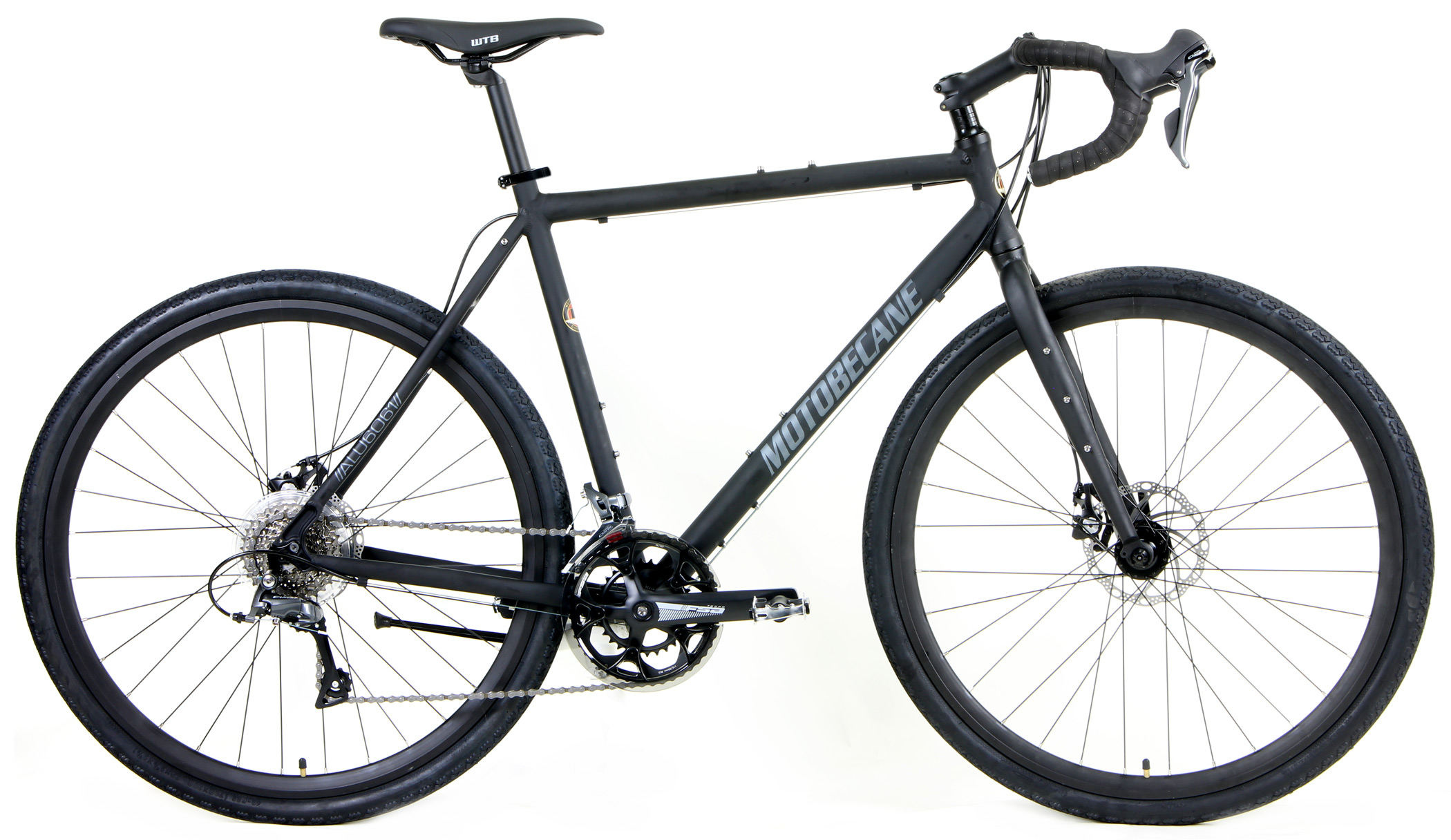
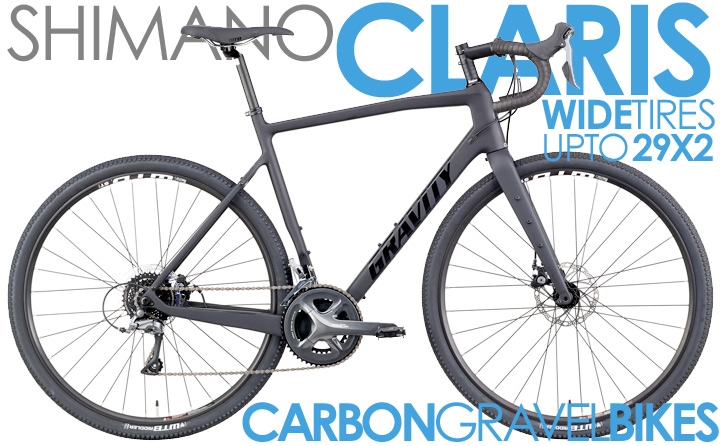
A gravel bike takes a different approach. Instead of prioritizing upright comfort, gravel bikes prioritize efficiency across unpredictable terrain. They borrow speed and geometry cues from the road bike world while adding stability, tire clearance, and durability inspired by off-road riding.
Drop handlebars allow multiple hand positions, which matters on longer rides. Frames are shaped for stability when surfaces change quickly. Tires are wider and often more aggressive than road tires, but narrower and faster than most mountain bike tires.
Gravel bikes are designed for riders who want to cover distance. They shine on long mixed-terrain routes, gravel roads, forest service paths, and endurance-style adventures. If you enjoy riding for hours, exploring unfamiliar routes, or linking pavement with dirt seamlessly, gravel bikes feel purpose-built.
Hybrid vs Gravel Bike: Speed Differences That Matter
Speed is often misunderstood in the hybrid vs gravel bike discussion. On paper, gravel bikes are faster. Their geometry is more aerodynamic, their wheels roll efficiently, and their drivetrain choices favor sustained momentum. On open pavement or packed gravel, a gravel bike will usually outpace a hybrid ridden at the same effort.
However, speed isn’t just about top-end velocity. It’s also about how easily you can maintain your pace. Hybrids trade raw speed for relaxed efficiency. Their upright posture makes breathing easier for many riders. Acceleration feels less demanding. For short trips, stop-and-go riding, or casual fitness loops, hybrids often feel “fast enough” without feeling demanding.
If you’re coming from a road bike, a hybrid may feel slower but more forgiving. If you’re coming from a mountain bike, a gravel bike will feel dramatically faster while still handling rough surfaces.
Comfort: Where the Two Bikes Truly Diverge
Comfort is where the choice becomes personal. Hybrid bikes win immediate comfort. Upright positioning reduces pressure on wrists and lower back. Flat bars feel intuitive. Wider saddles and forgiving frames absorb vibration well.
Gravel bikes approach comfort differently. They distribute weight more evenly between hands, saddle, and pedals. Drop bars allow position changes, which reduces fatigue over long rides. While the posture is more forward, many riders find gravel bikes more comfortable over distance once they adapt.
If your rides are under an hour and include frequent stops, hybrids often feel more relaxed. If your rides stretch into multiple hours, gravel bikes often feel better as fatigue builds.
Terrain Handling: Matching the Bike to the Surface
This is the heart of the hybrid vs gravel bike decision.
Hybrid bikes handle pavement, bike paths, and smooth dirt extremely well. They tolerate gravel, but deep or loose surfaces can feel sketchy at speed. They are not built for aggressive off-road riding, but they don’t need to be.
Gravel bikes are designed for uncertainty. Loose gravel, washboard roads, hard-packed dirt, and mixed pavement transitions are exactly where they excel. Wider tires, longer wheelbases, and stable geometry allow riders to maintain control without slowing dramatically.
For truly rough terrain, roots, rocks, or steep technical trails, a mountain bike or fat bike is still the better tool. Gravel bikes are not mountain bikes. But for everything between smooth pavement and technical trails, gravel bikes dominate.
Handling and Confidence for New Riders
New riders often feel more confident on hybrids initially. The upright stance improves visibility. Flat bars feel familiar. Putting a foot down at stops feels natural.
Gravel bikes require a short learning curve, especially for riders unfamiliar with drop bars. Once that adjustment happens, many riders find gravel bikes incredibly confidence-inspiring at speed, especially on mixed surfaces.
If you prioritize immediate ease and confidence, hybrids have the edge. If you’re willing to learn and grow into your bike, gravel bikes reward you over time.
Maintenance and Ownership Considerations
Maintenance is often overlooked, but it matters.
Hybrid bikes are generally simpler. Flat-bar controls are straightforward. Replacement parts are common and affordable. Adjustments are easy for beginners to understand. If you plan to do basic maintenance yourself, hybrids feel less intimidating.
Gravel bikes often use road-style components. While still reliable, they can be slightly more complex to adjust. Drop-bar shifters combine braking and shifting into one unit, which can increase replacement cost.
Neither bike is high-maintenance by nature, but hybrids tend to be slightly easier and cheaper to own long-term, especially for casual riders.
Fitness Goals and Riding Style
Your goals matter more than marketing.
If fitness means moderate rides, steady effort, and enjoying the process, hybrids align well. They encourage consistency. They don’t punish casual riding.
If fitness means endurance, distance, and progression, gravel bikes often feel more motivating. They encourage exploration and longer routes, which naturally build fitness over time.
Many riders who start on hybrids eventually move to gravel bikes as their confidence and ambition grow. Very few move in the opposite direction unless their priorities change.
Versatility Compared to Other Bike Types
When comparing hybrids and gravel bikes to other popular categories, their versatility becomes clearer. Against a traditional road bike, both hybrids and gravel bikes offer a more forgiving ride. Road bikes prioritize speed and efficiency on smooth pavement, but that focus often comes at the cost of comfort and flexibility. Hybrids and gravel bikes soften the ride with wider tires and more relaxed geometry, allowing riders to move confidently beyond perfect asphalt and onto varied surfaces without feeling restricted.
When placed next to a mountain bike, hybrids and gravel bikes stand out for efficiency. Mountain bikes excel on technical trails, roots, and steep descents, but their weight, suspension, and aggressive tires can feel sluggish on pavement and bike paths. Hybrids and gravel bikes roll faster, accelerate more easily, and feel better suited for everyday riding when smooth surfaces make up most of the route.
Compared to a beach cruiser, both bikes dramatically expand how far and how long you can ride. Cruisers shine in relaxed, short-distance scenarios, but they sacrifice efficiency and adaptability. Hybrids and gravel bikes maintain comfort while adding gearing, responsiveness, and terrain flexibility that open the door to longer rides and broader exploration. Between the two, gravel bikes cover a wider performance envelope, while hybrids cover a wider lifestyle envelope, blending cycling into daily routines with minimal friction.
Which One Fits Your Lifestyle Better
A hybrid bike is a natural fit if your riding includes commuting, errands, fitness loops, bike paths, and casual exploration. Comfort, ease of use, and practicality define the hybrid experience. Riders who prefer upright positioning, frequent stops, and the ability to ride in everyday clothes often find hybrids seamlessly fit into their lives.
A gravel bike suits riders drawn to longer distances, mixed terrain, backroads, and adventure. If speed, efficiency, and exploration motivate you, gravel bikes feel equally at home on pavement and dirt, encouraging curiosity beyond familiar routes. The hybrid vs gravel bike choice is not about right or wrong. It is about alignment with how you want to ride.
The Long-Term Perspective
Think beyond your first month of riding. Think about where you want to ride six months from now. Think about whether your curiosity leans toward comfort or adventure. Hybrids often become lifelong companions for practical riders. Gravel bikes often become gateways into endurance cycling, bikepacking, and exploration. Both bikes can change how you experience cycling. The best one is the one that makes you want to ride tomorrow.
The beauty of modern cycling is choice. You no longer have to fit into a rigid category. Both hybrid and gravel bikes represent freedom from limitation, just expressed differently. If you understand how you ride, where you ride, and why you ride, the answer becomes clear.
Ready to Choose the Bike That Fits Your Life
Explore the full range of hybrid and gravel options at Bikesdirect.com and find the bike that matches your goals, terrain, and riding style. Compare features, pricing, and designs all in one place, and get more performance for your investment. Whether you lean toward comfort or adventure, we make it easy to choose confidently and start riding the way you want—today.
Not every ride needs to be fast. Sometimes the best bike is the one that makes you want to ride more often because it feels effortless, comfortable, and relaxed. That’s why the beach cruiser for everyday use has stayed popular for so long, even far from the coast.
Cruisers are built around simplicity and comfort. They’re ideal for neighborhood loops, quick errands, riding to a friend’s place, or an easy commute where you’d rather arrive relaxed than sweaty. And when you pick the right cruiser setup, it becomes the bike you grab without thinking, because it fits into everyday life without demanding special clothes, special routes, or special motivation.
An upright posture that feels natural and comfortable
Stable, relaxed steering that’s easy at low speeds
A comfort-oriented saddle and handlebar setup
A design that suits short trips and casual mileage
If most of your riding is within a few miles of home, with errands, a café stop, local paths, or a slow evening ride, this style of bike can be the most practical option you’ll ever own.
Cruisers also remove a barrier that stops many people from cycling consistently: the feeling that riding has to be an activity. With a cruiser, riding can just be transportation or a quick mental reset. You hop on and go.
What Makes a Cruiser Different (In a Good Way)
The biggest difference is posture. Cruisers are built for an upright riding position that keeps your shoulders relaxed and your head up. That makes a noticeable difference if you’re riding in neighborhoods, crossing intersections, or simply want to look around while you ride.
Comfort-first geometry
The frame design typically puts you in a position that feels intuitive, especially for riders who don’t want to lean forward aggressively. It’s the kind of setup that works well in normal clothes and normal shoes.
Simpler, calmer handling
Cruisers are designed to feel stable and forgiving. You’re not trying to carve corners at speed. You’re trying to feel in control while you start, stop, and roll through everyday streets.
Practical everyday vibes
A cruiser suits the kinds of trips people actually take. Add a lock, lights, and a basket, and it becomes a useful daily driver bike that can replace short car journeys in a way that feels enjoyable.
In other words, a cruiser is less about performance and more about making riding feel accessible and pleasant.
Where Cruisers Excel Off the Boardwalk
It’s easy to picture cruisers on beachfront promenades, but they’re just as useful in normal neighborhoods and towns. Here are the situations where they shine.
Errands and short trips
A beach cruiser is excellent for quick local rides: grabbing a few items from a shop, heading to a café, meeting a friend, or riding to a park. The upright posture makes stop-and-go riding comfortable, and the stable feel is great when you’re carrying a small bag or riding at a relaxed pace.
Neighborhood riding and casual commuting
If your commute is short and you don’t want to arrive feeling like you’ve done a workout, a cruiser can be ideal. It’s also great for riders who want to keep cycling in their routine without turning every ride into a training session.
Weekend reset rides
There’s a type of ride that’s purely for mood: a slow roll to clear your head. Cruisers are built for that. You’re not checking speed. You’re just enjoying being outside.
Setting Up Your Cruiser for Daily Use
A cruiser can be incredibly practical with a few simple choices. You don’t need a complicated setup; just the basics that make riding safer and more convenient.
Fit and comfort adjustments
Start with saddle height. You should be able to pedal smoothly without rocking your hips. Then adjust the bars so your shoulders feel relaxed and your wrists sit naturally. Cruisers are meant to feel easy; if you feel stretched or cramped, a small adjustment can make a big difference.
Accessories that actually help
For everyday riding, the most useful add-ons are simple:
A solid lock
Front and rear lights
A bell (especially on shared paths)
A basket or rear rack if you’ll run errands
These small additions turn a cruiser from nice to ride into useful for life.
Tires and pressure
Cruiser tires often lean toward comfort. A slightly lower pressure can make the ride smoother over rough pavement, while a bit higher pressure can help the bike feel more efficient. It’s worth experimenting within the recommended range to find what feels best for your roads.
If you want a bike you’ll use often, this is the type of setup that makes riding feel frictionless.
Our Mango Cruiser Picks for Relaxed, Practical Riding
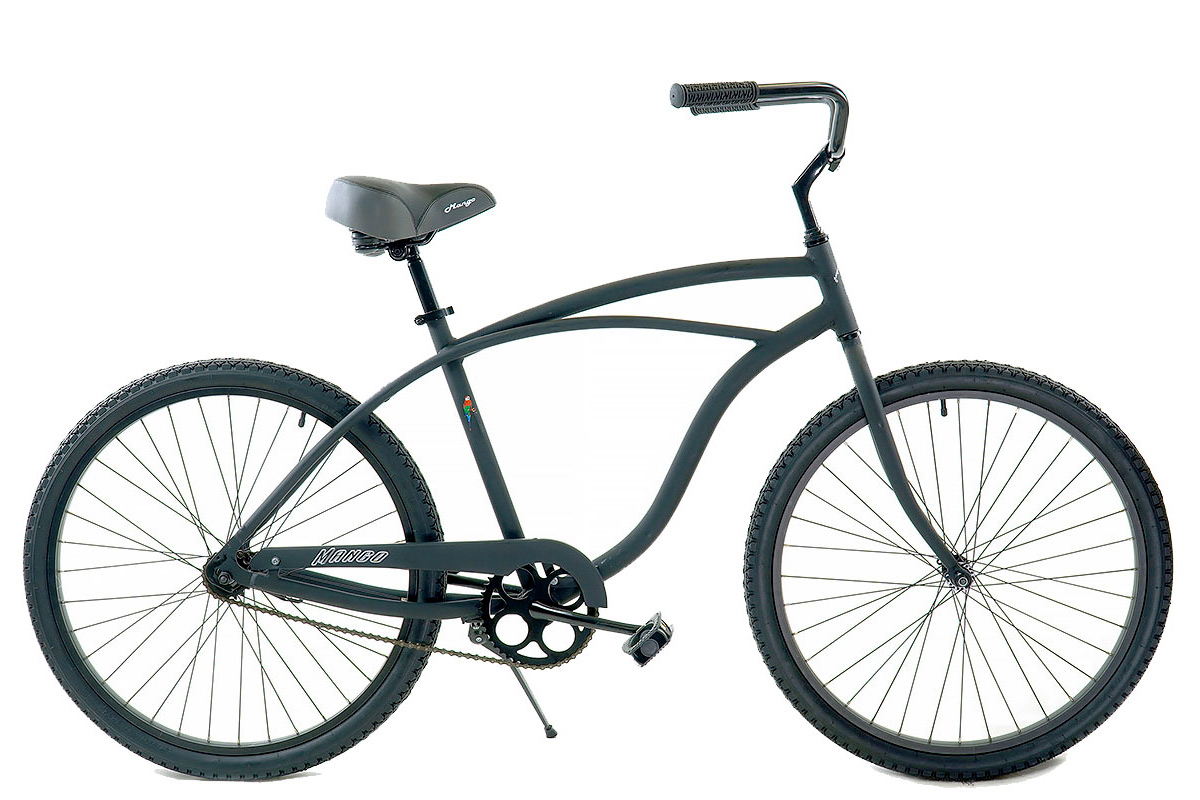
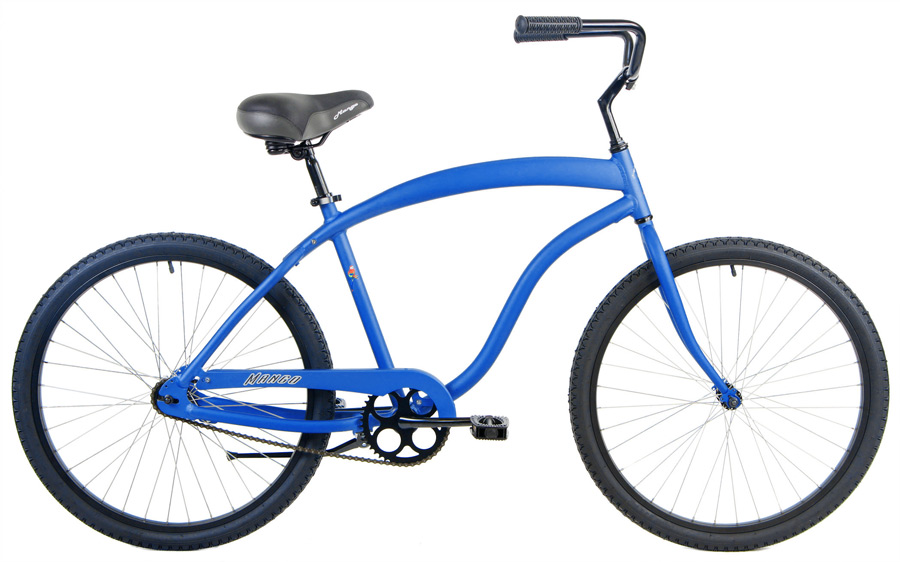
At BikesDirect, our Mango cruiser lineup is built around that classic cruiser experience: comfortable geometry, fun styling, and a practical feel for everyday riding. Here are three standout options, each with a slightly different angle depending on what you want from your ride.
Mango Toucan Cruiser: classic comfort for neighborhood miles
TheMango Toucan Cruiser is a great fit if you want a traditional cruiser feel: relaxed posture, easy handling, and an overall ride that feels calm and comfortable. This is the kind of bike that’s perfect for neighborhood rides, casual trips, and short commutes where comfort matters more than speed. If you want a simple, enjoyable bike that encourages you to ride more often, this is a strong place to start.
Mango Sand Piper Aluminum Cruiser: lighter feel, great for frequent short trips
If you expect to ride often and want something that feels a bit lighter and easy to maneuver, theMango Sand Piper Aluminum Cruiser is worth considering. Aluminum cruisers can offer that easy-to-handle feeling that’s helpful for stop-and-go neighborhood riding, errands, and frequent short trips. It’s a practical choice if you want the comfort of a cruiser with a ride feel that stays responsive.
For riders who want a reliable, comfortable cruiser setup for daily riding, theMango Macaw 3 Aluminum Cruisers fits the bill. It’s designed for that relaxed, upright ride that works beautifully for casual commuting, neighborhood loops, and low-stress trips around town. If you want a cruiser that feels like a natural part of your routine, this is the kind of bike that tends to get used again and again.
The Bike You’ll Actually Want to Ride
The reason a beach cruiser works so well beyond the boardwalk is simple: it matches everyday life. It’s comfortable, stable, and easy to ride in normal clothes on normal routes. For errands, neighborhood rides, and relaxed commutes, it’s often the most realistic way to make cycling a consistent habit.
At BikesDirect, we carry cruisers that balance comfort, practicality, and value, so you can choose a setup that feels right for how you actually ride. If you want a bike that keeps things simple and enjoyable, a beach cruiser is a smart choice; our Mango lineup makes it easy to find a style and ride feel that fits your routine.
If you’d like help choosing the right model and size, please contact us.
If you’re shopping for a road bike price comparison under $800, you’ve probably noticed something confusing: online listings can look shockingly affordable, while many local bike shops start well above that number. The gap isn’t just about “markup” or “deals”—it’s about how bikes are sold, what’s included, and which specs brands choose to put at each price point.
In this guide, we’ll compare what you can realistically expect under $800 from an online, factory-direct approach versus a local bike shop model—so you can make a smart, apples-to-apples decision.
Why Online Prices Can Look Lower (Even for New Bikes)
Online pricing often looks lower because the sales model is different:
Lower retail overhead (no showroom footprint per location)
Inventory is centralized instead of spread across shops
Less bundled service (fit, assembly, tune-ups may be optional)
That last point is key: a local shop price often includes value you don’t see on the tag—professional assembly, advice, and sometimes a first tune-up. Online buying can still be a great deal, but you want to compare total cost and total experience, not just the number on the screen.
What “Under $800” Usually Buys You: The Spec Trade-Offs That Matter
Under $800, every brand has to make choices. The bikes can be excellent—if you know which compromises are normal and which ones you’ll actually feel.
Frame material and ride feel
Steel at this price can be durable and comfortable, especially for newer riders or commuters.
Aluminum often feels snappier and lighter at similar prices, but it can ride a bit firmer, depending on the tires and setup.
Brakes
Rim brakes are still common under $800 and can work well for many riders.
Disc brakes are increasingly common, but at lower price points, you may see more basic mechanical disc setups.
Drivetrain and gearing
You’re typically looking at simpler, reliable shifting in this range (fewer gears, wider steps).
The bigger question isn’t “how many speeds,” it’s whether the gearing suits your terrain and fitness goals.
Wheels and tires
This is where comfort lives. A slightly wider tire (and correct pressure) can make a budget bike feel dramatically better—especially on imperfect pavement.
A Fair Comparison: What’s Included in the Price?
This is where shoppers often compare unfairly without realizing it.
Local bike shop pricing often includes:
Assembly and safety checks
In-person sizing help
A relationship for service and adjustments
Sometimes a first tune-up (varies by shop)
Online pricing often includes:
Direct-to-door convenience
Wider selection at any moment
Strong spec-per-dollar potential
(But) You may need to handle basic assembly or pay a shop for setup
The right choice depends on what you value most: bundled service and test rides, or maximum value and selection.
Two Real Under-$800 Examples From BikesDirect (and Why They Compete So Well)
If your goal is staying under $800 for a new drop-bar setup, factory-direct options can open up choices that are simply rare at many storefront price points.
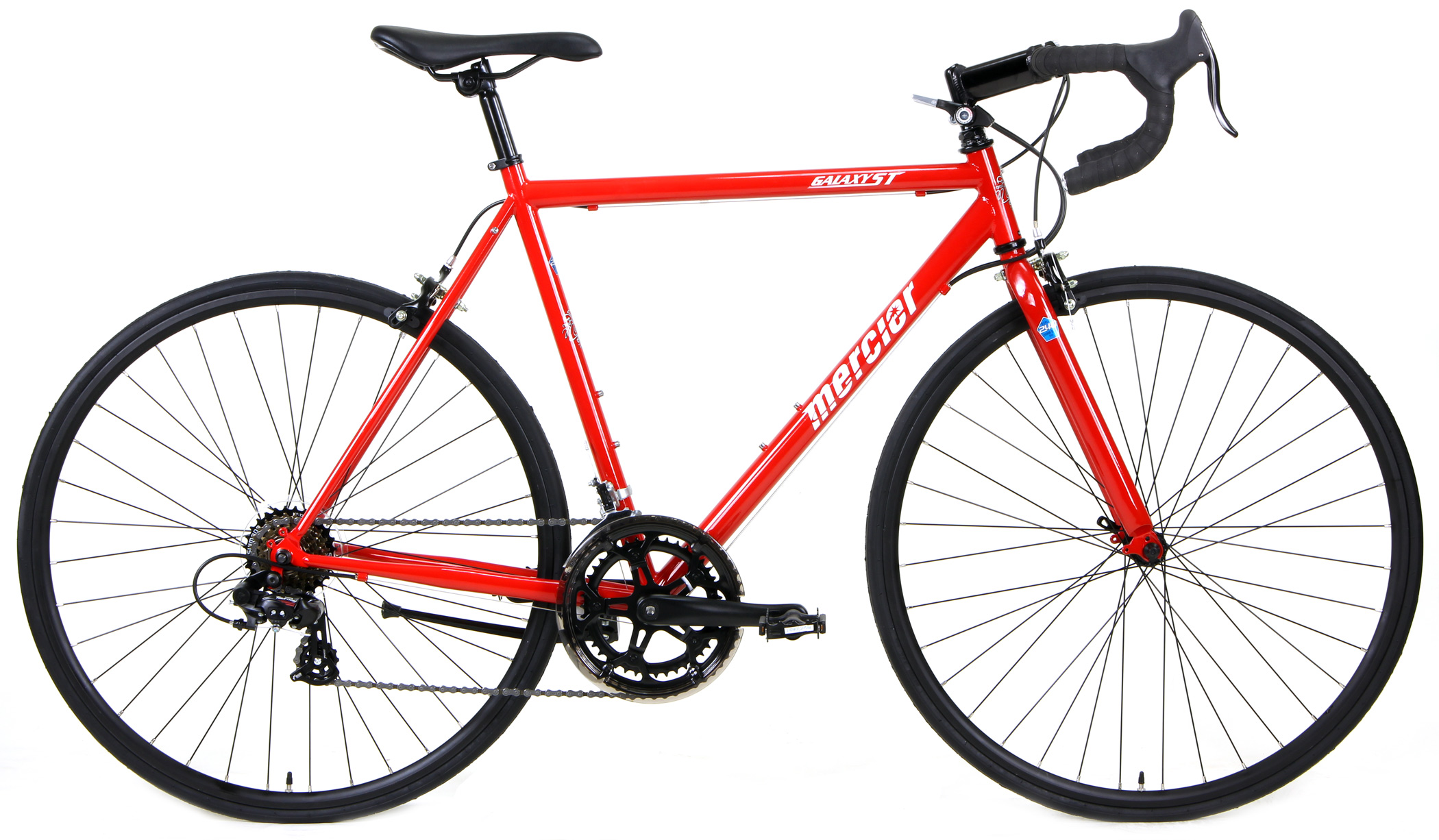
Mercier Galaxy ST / ST Express
The Mercier Galaxy ST / ST Express has been offered as a budget-friendly road option with a published sale price as low as $229.95 (with a higher list price shown on the same listing). That kind of pricing is exactly why online, factory-direct models stand out in this budget tier—especially for riders who want an affordable starting point and prefer to spend later on essentials like a helmet, lights, and a lock.
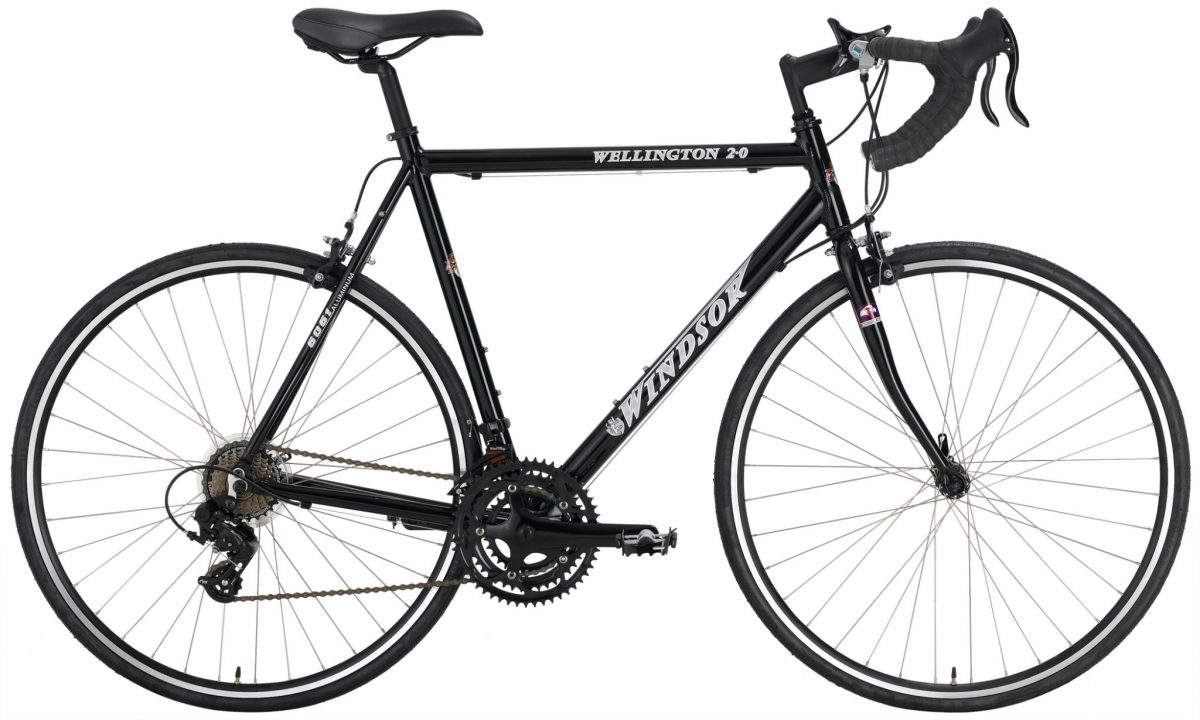
Windsor Wellington 2.0 XTL
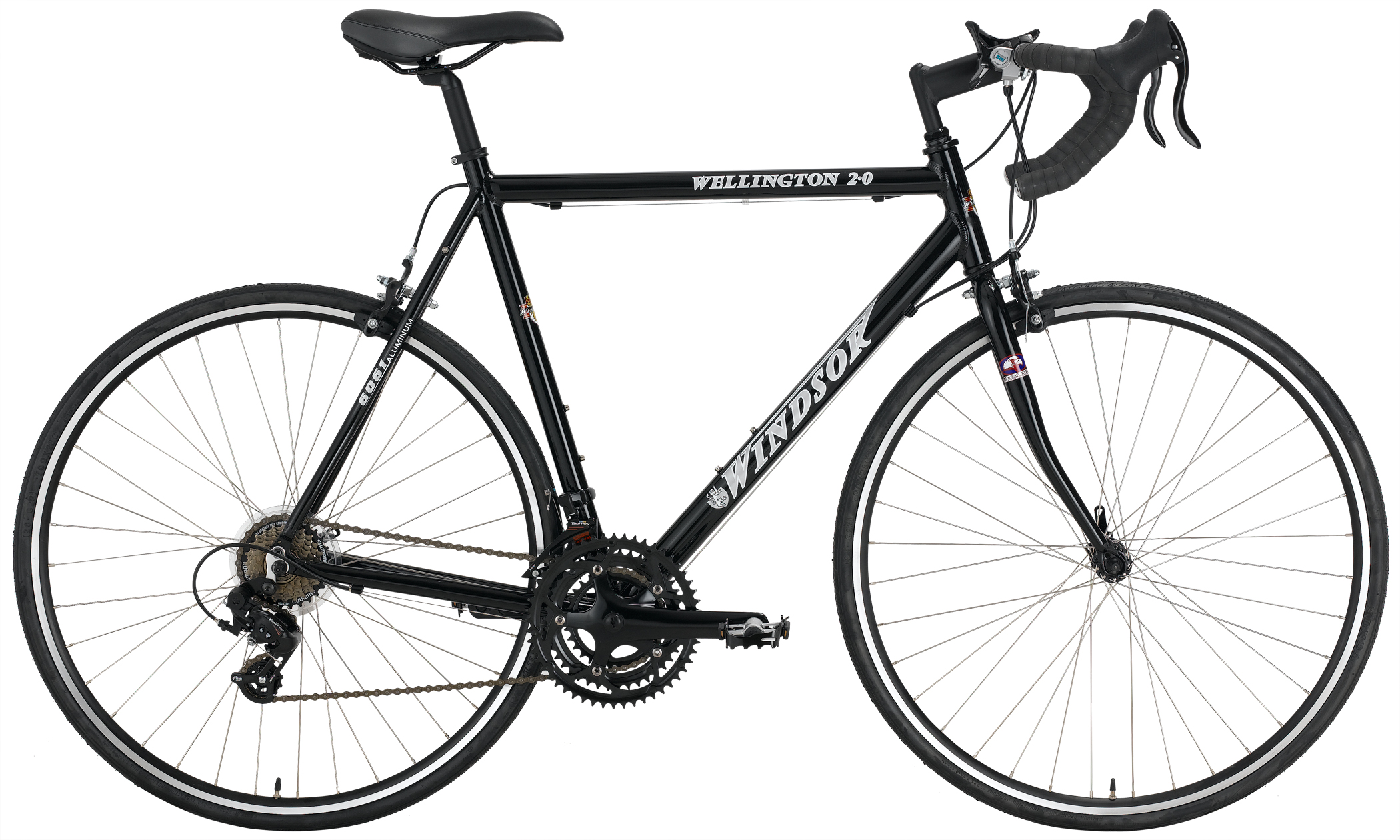
For riders who want an aluminum road bike feel at a low price, the Windsor Wellington 2.0 XTL is listed with a sale price of $349 and “FREE 48 US shipping” on the product page snippet. That’s a meaningful difference versus the $1,000+ range where many big-brand entry road bikes sit.
The Smart Way to Compare Under $800: A 5-Step Checklist
If you want a clean, practical comparison between online and shop options, run every bike through the same checklist:
1) Total out-the-door cost
Include shipping, tax, and any setup cost if you’ll pay a shop to assemble it.
2) Fit confidence
If you’re between sizes or unsure of reach/stack, local shops can be a real advantage. If you’re confident in sizing (or have a bike to compare to), online becomes easier.
3) Your roads
If your pavement is rough, prioritize tire clearance and comfort over “racy” feel. A budget bike with better comfort can be faster in the real world because you’ll ride longer and more consistently.
4) Your maintenance plan
If you love the idea of a shop relationship and service support, factor that in. If you’re comfortable doing basic adjustments—or you already have a shop you trust—online can be a strong fit.
5) Spec priorities that actually matter
At this price, don’t get distracted by “number of gears.” Focus on brakes you trust, gearing that suits your hills, and tires that don’t beat you up.
Under $800 Is Possible—But Only If You Compare the Right Way
A road bike under $800 is absolutely achievable, but the best value often depends on how you buy. Local bike shops can deliver excellent support, fitting help, and peace of mind—benefits that are real, especially for newer riders. At the same time, online factory-direct models can dramatically improve what’s available under $800, especially when many mainstream entry-level road bikes list at $1,000+ from major brands.
If your priority is stretching your budget as far as possible while still getting a capable road bike, BikesDirect is built around that value-driven approach—offering options like the Mercier Galaxy ST / ST Express and Windsor Wellington 2.0 XTL at prices that are difficult to match through many traditional retail channels.
If you want help choosing the right model and size, please contact us.
City riding isn’t smooth anymore. Between potholes, cracked tarmac, curb drops, wet leaves, gravel cut-throughs, and badly patched roads, a lot of everyday routes look more like a low-grade obstacle course than a clean bike lane. That’s why more riders are choosing mountain bikes for casual rides, even when they’re not planning to hit singletrack.
Modern MTB-style geometry, wider tires, and confidence-focused handling can make daily riding feel calmer and more controlled. You don’t have to tiptoe around rough surfaces, and you don’t need perfect roads to enjoy a ride. If your routes are a mix of streets, paths, parks, and shortcuts, the same features designed for trails can translate into a more comfortable, more practical bike for real-world riding.
Uneven surfaces that rattle your hands and shoulders
Sudden changes in traction (painted lines, wet cobbles, leaf litter)
Curbs, speed bumps, and broken edges near drains
Shared-use paths that mix pavement, grit, and debris
Short unpaved stretches that connect better routes
That’s the environment where MTB traits make sense. Wider tires increase stability and reduce the harshness of rough pavement. A more upright position helps with visibility and control. And a frame built to handle impacts tends to feel less fragile when your route gets messy.
The result is simple: you spend less mental energy managing the road and more time enjoying the ride.
Geometry That Boosts Confidence, Not Just Off-Road Performance
One of the most important things MTB design does for everyday riders is make the bike feel predictable. Trail-oriented bikes are built to remain stable when the surface is imperfect and when your speed changes quickly. That can translate into real benefits on roads and paths.
More upright posture for comfort and awareness
An upright position can make commuting and casual riding feel far more natural. You’re not craning your neck to see ahead, and you can stay relaxed while still feeling in control. For many riders, that reduces fatigue and helps them ride more often.
Stable steering for real-world handling
MTB-style steering often feels less twitchy than more aggressive setups. That can be a major advantage on patchy roads or crowded paths, where sudden corrections and low-speed balance matter.
Built to tolerate bumps and impacts
Rough surfaces aren’t rare; they’re routine. A bike designed to handle repeated bumps tends to feel reassuring when your route includes curb transitions, potholes, or uneven cycle paths.
This is why a mountain bike can be a genuinely practical choice for riders who want more comfort and control on everyday terrain.
Tires: The Biggest Upgrade for Mixed-Surface Riding
If there’s one feature that changes the feel of a bike immediately, it’s tire volume. Wider tires give you:
Better traction when the surface is dusty, damp, or gritty
A smoother ride over cracks, seams, and rough pavement
More confidence when you’re turning on unpredictable surfaces
You also get more flexibility. You can run slightly lower pressure for comfort and grip, then adjust upward if you want a faster feel on roads. That ability to tune the ride is a big reason MTB-style bikes work well for mixed routes.
Choosing tread for streets and paths
Not every rider needs aggressive knobs. For mostly urban riding, a faster-rolling tread pattern can reduce noise and resistance while still offering the stability that comes from extra tire width. If your rides include parks, hardpack paths, or loose gravel cut-throughs, a bit more tread can help you feel planted.
Suspension: Helpful When It Matches Your Riding
Suspension can be a game-changer for comfort, but it only helps if it fits your reality.
When front suspension makes sense
If your route includes lots of broken pavement, curb transitions, and rougher paths, a front suspension fork can reduce hand and wrist fatigue, especially on longer rides. It can also increase confidence if you’re new to riding mixed surfaces.
When you might not need it
If your riding is mostly smooth roads and paved paths, you may prefer a simpler setup. Tires do a lot of comfort work on their own, and a rigid or simpler front end can feel more direct and low-maintenance.
The best approach is choosing the bike around your actual surfaces, not the most extreme route you might do once.
How to Choose the Right MTB-Style Bike for Everyday Riding
You don’t need to overthink this. A few practical questions will narrow it down quickly.
Are you riding mostly streets, or a true mix?
If your routes are predominantly roads with occasional rough sections, you’ll likely value efficient rolling and comfort. If you’re regularly on mixed paths, you’ll benefit more from traction, stability, and a more forgiving feel.
Do you want something simple and reliable, or plush and capable?
Some riders want a straightforward bike that’s easy to live with. Others want maximum comfort and control for rougher rides. Both are valid; what matters is matching the bike to the riding you’ll do weekly.
Will you commute or carry gear?
If you’re commuting or running errands, think about practical add-ons like lights, a lock, and possibly a bag setup. A stable, confidence-inspiring bike often makes stop-start city riding feel easier.
Three Mountain Bikes We Recommend for Urban + Adventure Riding
At BikesDirect, we carry options that fit different types of riders; whether you want a capable hardtail for mixed routes or a more comfort-focused full suspension setup for rougher riding.
Gravity Basecamp V7: a confident hardtail that fits real routes
TheGravity Basecamp V7 is a solid pick for riders who want that classic point it where you want to go feeling without overcomplicating things. It’s well-suited to a mix of pavement, parks, and rougher paths where stability and tire volume matter. If you’re getting back into riding and want a bike that feels tough, predictable, and comfortable over imperfect surfaces, this style of hardtail is a practical place to start.
Motobecane 300HT: straightforward, capable, and easy to live with
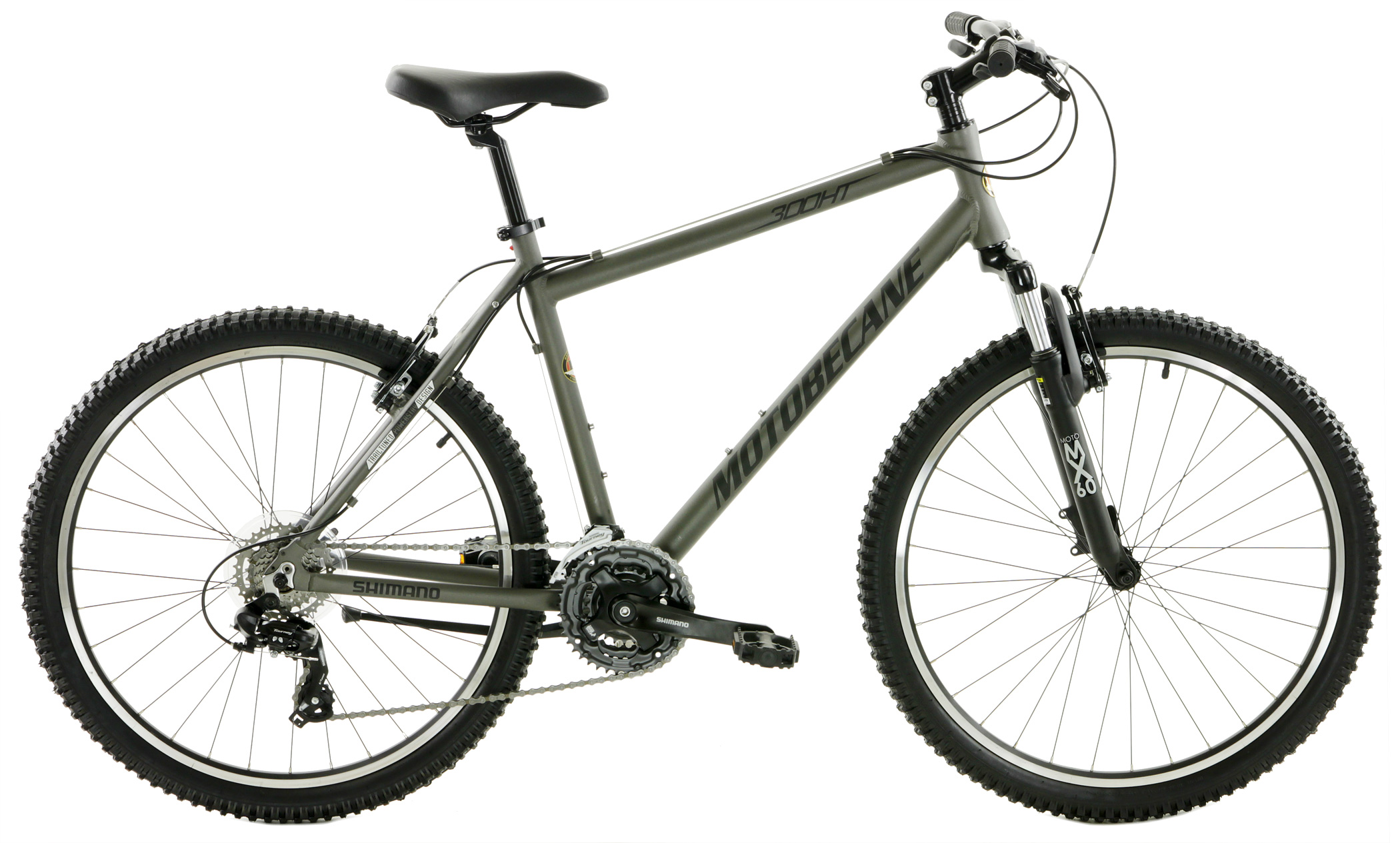
If your priority is a clean, no-fuss setup for everyday riding plus weekend exploring, theMotobecane 300HT is a strong option. It suits riders who want a dependable bike for mixed routes; something that handles cracked roads and park paths confidently, without feeling like you bought a specialized tool you’ll only use occasionally. For many riders, this is the sweet spot: simple, capable, and ready for routine miles.
Gravity FSX 2: comfort and control when the route gets rough
If your riding includes rougher paths, longer mixed-surface rides, or you simply want more comfort over bumpy terrain, theGravity FSX 2 brings extra forgiveness to the ride. Full suspension can reduce fatigue, improve traction on uneven surfaces, and make rough routes feel smoother and more controlled. For riders who value comfort and stability above all, especially on unpredictable terrain, this kind of setup can make riding feel easier and more enjoyable.
The Practical Case for MTB Traits in Everyday Riding
A mountain bike isn’t just for trails anymore because everyday routes have changed. When roads are rough, surfaces are inconsistent, and your rides mix streets with paths and shortcuts, MTB design can make riding feel calmer, more comfortable, and more confident.
If you want a bike that handles real-world conditions without fuss, our lineup is built around value, capability, and practical riding; not just niche use cases. The right mountain bike setup can turn I should ride into I ride all the time, because the bike feels comfortable and reliable across the routes you actually take.
If you’d like help choosing the best model and size for your riding, please contact us.
This infographic explains why fat bikes deliver unmatched stability, comfort, and confidence. With oversized tires, fat bike increases traction, absorbs vibrations, and provides predictable control on sand, snow, gravel, and rough terrain. Discover how wider tires act like natural suspension, reduce fatigue, and help riders stay balanced and confident in challenging riding conditions.
A lot of people assume a drop-bar fitness setup is only for racers, group rides, and weekend warriors chasing personal bests. In reality, plenty of everyday riders choose road bikes for everyday riding for a much simpler reason: it makes normal riding feel smoother, faster, and more rewarding, even when you’re not training for anything.
If you’ve been thinking about getting into road-style riding but don’t want a race-only feel, we’ve built our lineup to match real routes and real schedules. A great example is theMercier Galaxy ST Express, which is a straightforward, approachable option for riders who want efficiency and fitness without the intimidation factor.
The Biggest Misconception: If I’m Not Racing, It’s Not for Me
Most people aren’t trying to win sprints. They just want a bike that helps them:
Cover more distance in the same amount of time
Keep a steady pace without feeling like they’re fighting the wind
Turn a short ride into a longer ride because it feels good to keep going
Build fitness without needing a complicated plan
That’s exactly why a road bike can make sense for real-world riding. It’s a tool for momentum. When the bike rolls efficiently, you naturally ride more often. And the more often you ride, the faster fitness builds.
The key is choosing the right style within the category. Not every road-style build is an aggressive, twitchy race machine. Many options are designed for comfort, stability, and longer days in the saddle.
Why Road-Style Efficiency Helps Everyday Fitness
One of the most underrated benefits of road riding is how it turns effort into results. When the bike feels responsive, your energy goes into forward motion instead of getting soaked up by heavy rolling resistance or overly upright wind exposure.
That doesn’t mean uncomfortable. It means efficient.
With the right setup, you can keep your rides in that sweet spot where you’re working, breathing, and getting fitter, but you’re not suffering. Over time, this style of riding becomes a reliable routine: a quick loop after work, a longer weekend ride, a consistent way to build stamina without needing a gym schedule.
This is also where the not a racer mindset actually becomes a strength. You’re not chasing numbers. You’re chasing consistency. And consistency is what changes how you feel week to week.
Comfort for Normal People Comes Down to Fit and Position
The biggest difference between this feels amazing, and this is not for me is usually fit.
A comfortable road-style setup should let you ride with:
Relaxed shoulders and hands
A natural reach to the bars (not locked out, not cramped)
A stable, predictable feel when you’re turning or descending
A position you can hold for the duration of your ride, not just the first 10 minutes
If you’re new to road riding, it helps to remember this: comfort is adjustable. Small changes to saddle height, bar position, and stem length can completely transform the feel.
And comfort isn’t only about posture. Route comfort matters, too. Real roads are imperfect. So choosing a build that suits your surface quality (and your tolerance for vibration) is a smart move, especially if your area has rough pavement or frequent cracks and patches.
Real-World Features That Matter More Than Race Features
It’s easy to get lost in spec comparisons. In day-to-day riding, a few priorities tend to matter far more than marginal performance features.
Gearing that matches your rides
A good gear range makes normal riding enjoyable. It helps with hills, headwinds, and those days when your legs don’t feel fresh. The goal is simple: you should be able to keep pedaling smoothly, not grinding.
Stability you can trust on imperfect roads
A calmer, more stable feel is often a better fit for everyday riders than razor-sharp race handling. Predictability matters when you’re riding near traffic, cornering on patchy pavement, or descending on a route you don’t know well.
A setup that makes you want to ride again tomorrow
For non-competitive riders, the best means the bike that keeps getting used. The right road bike fits your lifestyle: it’s easy to grab, easy to ride, and rewarding even when you’re just doing a quick loop.
Our Picks: Built for Fitness, Speed, and Real Routes
We choose models that feel practical for normal riders: people who want to ride farther, get fitter, and enjoy that smooth, efficient feeling without building their whole personality around cycling.
Windsor Wellington 2 XV XTL: performance feel without the race-only vibe
If you want something that feels quick and responsive for fitness riding, theWindsor Wellington 2 XV XTL is a strong choice. It’s the kind of option that works well for riders who want to improve pace over time, enjoy longer weekend miles, and still feel comfortable enough to ride consistently. This is a smart fit for riders who want that I’m moving feeling the moment they start pedaling, without needing an aggressive, unforgiving setup.
Gravity Liberty GRV XTL: flexible route choice for riders who mix surfaces
Not everyone’s routes are smooth from start to finish. If your normal riding includes rougher roads, mixed surfaces, or you just want more flexibility in where you can go, theGravity Liberty GRV XTL is worth considering. It’s built for riders who want a road-style experience but don’t want their route options limited by imperfect pavement or the occasional detour onto less-polished paths.
How to Know You’re Choosing the Right One
Before you buy, picture a normal week of riding. Not the fantasy version where you wake up early every day and do epic miles. The real version.
Ask yourself:
Am I riding mostly for fitness, errands, or both?
Are my roads smooth, rough, or mixed?
Do I want a fast feel first, or comfort first?
Am I more likely to ride 30–60 minutes regularly, or do I want longer weekend rides?
The right choice is the one that aligns with your reality. When the bike matches your real routes, you ride more. When you ride more, you get fitter. And when you get fitter, everything about cycling gets more enjoyable.
A Road Bike That Fits Real Life Will Get Used
A road bike doesn’t need to be a race machine to be valuable. For everyday riders, it’s often the most practical way to make fitness riding efficient, enjoyable, and consistent. The right setup turns I should ride into I actually ride, because the experience feels smooth, fast, and motivating.
At BikesDirect, we focus on giving riders straightforward options that make sense outside of racing culture. If you want a simple starting point, you can begin with theMercier Galaxy ST Express and build your routine from there. Once you’ve done a few weeks of steady riding, you’ll know exactly what direction you want to go next, and your road bike choice becomes easier and more confident.
If you want help choosing the best fit for your routes and goals, please contact us.
Most people don’t buy the wrong bike because they picked a bad brand; they buy the wrong bike because they picked the wrong category for their day-to-day riding. A bike that feels amazing on one surface can feel slow, harsh, or unstable on another. And once a bike feels like work instead of fun, it sits.
If you’re here because you searched for the types of bikes, we’ll make this simple and practical. In this guide, we’re going to match bike categories to real riding situations: commuting, fitness, weekend exploring, trails, and casual cruising, so you can choose with confidence.
To keep this easy to shop as you read, we’ll include links to our main categories and talk through what to look for (and what not to overthink). If you already know you want a pavement-focused bike, you can start browsing ourRoad bike category right away and use the sections below to narrow in on the best fit.
A fast decision framework that works for nearly everyone
Before we get into road vs. mountain vs. gravel, let’s zoom out. The best buyer’s guide isn’t a list of features; it’s a way to decide quickly based on your needs.
1) Surface: What will you ride most of the time?
Be honest here. Most of the time, daily surface matters more than the once-a-month adventure ride.
Smooth pavement → efficiency and speed matter; narrower tires usually feel faster.
Rough pavement + paths → comfort and stability move up the priority list.
Dirt, roots, rocks, and real trails → traction and control become the whole game.
Sand/ snow/ very loos terrain → you’ll want serious tire volume for float.
2) Goal: What does a great ride mean to you?
Fitness & speed: you’ll enjoy a bike designed to reward effort.
Comfort & easy miles: upright posture and stable handling keep you riding longer.
Exploration: versatility matters; tire clearance, mounts, and confident handling on mixed surfaces.
Utility: commuting and errands are smoother with practical features and predictable steering.
3) Posture: How upright do you want to sit?
This is one of the biggest differences between categories.
More forward: can be efficient and fast, especially over distance.
More upright: often feels more natural for casual riding, commuting, and city routes.
Neither is better. The best posture is the one you’ll happily ride for an hour.
4) Tolerance for maintenance and tinkering
More complex setups can mean more fine-tuning over time. Many riders love that and enjoy dialing in their bike. Others want simple, reliable, and low-fuss. There’s no right answer; only what fits you.
5) Where your budget makes the biggest difference
If you’re trying to get the best ride quality per dollar, prioritize:
braking confidence
drivetrain feel (shift quality + useful gearing)
wheels and tires (comfort and traction live here)
Now, let’s apply this to the categories you’ll see most often.
Road bikes: fast, efficient, and made for pavement
A road bike is the category built to cover distance efficiently. The geometry is designed to translate your effort into speed. Tires are typically narrower than other categories, and the position is often more forward-leaning for aerodynamic efficiency and power transfer.
If most of your rides revolve around pavement, fitness loops, longer weekend rides, group rides, or distance goals, this is where to start:Road bike.
What to look for in a road bike (without overcomplicating it)
Fit and comfort come first. A road bike that’s a little more relaxed can be a better everyday choice than an ultra-aggressive setup, especially if you’re newer to the category or you’re planning longer rides.
Gearing should match your terrain. If you’ve got hills, you’ll want enough low gears to keep climbs enjoyable. Riders often regret too tall gearing more than they regret a little extra range.
Don’t obsess over tiny weight differences. It’s easy to get pulled into grams. In practice, fit, tire choice, and your route choice matter more.
When a road bike isn’t the best fit
If your local roads are broken up, you ride mixed-use paths a lot, or you want to leave pavement whenever curiosity strikes, you may be happier on a gravel bike or a hybrid. You’ll give up a little pure-road speed, but you’ll often gain comfort and confidence.
Mountain bikes: control, traction, and confidence off-road
Mountain bikes are designed for terrain where traction and stability matter more than aerodynamics. They’re built to handle uneven surfaces; dirt, rocks, roots, and steep grades; and they’re tuned to keep you in control when trails get rough.
If trails, parks, and off-road routes are your main priority, browse here:Mountain bike.
Hardtail vs. full suspension: the difference you’ll feel immediately
Hardtail (front suspension, rigid rear)
Often feels efficient when climbing
Typically simpler and lighter
Great for smoother trails, mixed terrain, and riders who want a responsive ride feel
Full suspension (front + rear suspension)
Often feels more controlled on rough trails
Can reduce fatigue and increase comfort on longer rides
Helps keep traction when the ground gets choppy and unpredictable
If you ride terrain that regularly beats you up, or if you’re building confidence and want a bike that feels more forgiving, full suspension can be a real quality-of-life upgrade.
A practical full-suspension example: Gravity FSX 1.0 Advent26 1BY
When riders are trying to understand what full suspension actually changes, we like pointing to a straightforward trail-ready option as a reference point. The Gravity FSX 1.0 Advent26 1BY is a great example of the kind of bike that can make rougher routes feel smoother and more controllable, especially for riders who want more comfort and traction without jumping straight into a premium price bracket.
The key takeaway isn’t that full suspension is always better. It’s that full suspension can make trail riding more approachable and less punishing, which usually means you ride more and progress faster.
Key mountain-bike comparisons that actually matter
Wheel size and stability Larger wheels can feel steadier over obstacles and carry momentum well. Smaller wheels can feel more agile and playful. Neither is a universal win; the best choice depends on your trails and your preferences.
Tire width and tread Tires do a lot of work. If you want more confidence, look at the tire setup before you get lost in marketing terms.
What kind of trails are you riding? Smooth flow trails, rocky technical trails, steep descents, and mixed terrain all ask for different priorities. Choose the bike that matches the riding you’ll do next weekend, not the riding you might do someday.
Gravel bikes: the one-bike answer for mixed surfaces
Gravel bikes are built for riders who want versatility without giving up the ability to cover distance efficiently. They’re designed to feel stable on mixed terrain, accept wider tires than most road bikes, and stay comfortable over longer rides, especially when the pavement turns rough, or you decide to explore a dirt road just to see where it goes.
If your riding includes rough pavement, rail trails, dirt roads, or a blend of everything, start here:Gravel bike.
Why gravel feels different from road (in a good way)
Tire clearance and comfort Wider tires can add comfort and stability on surfaces that would feel harsh on narrower road setups.
Stable handling Many gravel designs prioritize predictable steering and composure on loose terrain.
Practical versatility Gravel bikes are often chosen by riders who want one bike that can handle weekday fitness rides and weekend adventure routes without needing a separate specialized bike for every scenario.
And when riders ask for types of bikes explained, gravel is often the category that unlocks the decision, because it bridges the gap between fast pavement riding and confident mixed-surface exploring.
A comfort-focused option worth knowing about: Windsor Dover 1.0
Not every rider wants a forward-leaning posture. Some riders care most about stable handling, comfort, and day-to-day practicality, and that’s where comfort-leaning builds can shine.
The Windsor Dover 1.0 is a great example of a bike that fits into real-life riding; the kind of routes that mix neighborhoods, paths, and imperfect pavement where comfort and confidence matter more than chasing top speed. If your goal is to ride more often, feel steady, and keep things enjoyable, this style of bike can be an excellent match.
Hybrid bikes: the everyday sweet spot for fitness, commuting, and comfort
If you want one bike that feels natural right away, and doesn’t demand you dress like a cyclist to enjoy it, a hybrid is often the easiest win. Hybrids blend an efficient pedaling position with a more upright posture and stable handling, which is why so many riders end up happiest here long-term.
You can browse our hybrid selection here:Hybrid bike.
Who a hybrid is perfect for
A hybrid is a great fit if your rides look like:
paved paths, greenways, and bike lanes
neighborhood loops and casual fitness rides
commuting to work or school
errands where you want stable handling and easy starts/stops
Hybrids also shine for riders who value comfort and confidence over outright speed. You may not win a sprint against a dedicated road setup, but you’ll likely ride more often and enjoy it more, because the bike feels friendly instead of demanding.
What to look for in a hybrid (the stuff you’ll actually notice)
1) Fit and posture
Hybrids are typically more upright than road bikes, which can be easier on your neck, shoulders, and hands, especially if you’re returning to cycling after a break.
2) Tire width and ride feel
Moderately wider tires can make rough pavement feel smoother. If your routes include bumpy paths or city streets, this matters more than most people expect.
3) Gearing that matches your area
If you’ve got hills, you’ll want low gears you can actually use. If you’re mostly flat, simpler gearing can be perfectly satisfying.
4) Brakes you trust
The best brakes are the ones that feel consistent and predictable for your conditions, especially if you’ll ride in traffic, in wet weather, or on descents.
Two real-world hybrid examples from our lineup
If you want a capable, straightforward bike for paths, commuting, and daily miles, the Gravity Swift DLX24 is an excellent do a bit of everything option. It’s the kind of hybrid we recommend to riders who want a stable ride, practical ergonomics, and an easy setup that supports regular use; fitness rides during the week, longer path rides on the weekend, and the occasional errand without fuss.
If comfort is the priority, and you want a ride that stays calm and steady on imperfect pavement, the Windsor Rover 2.0 is a great match. Riders often gravitate toward this style when they want more upright confidence and a just-feels-right posture for everyday riding.
Hybrid vs. gravel vs. road: choosing the right pavement-plus bike
A lot of riders get stuck here: they mostly ride the pavement, but they don’t want to feel limited. The good news is you don’t need to overthink it; just match the bike to how you actually ride.
Choose a hybrid if…
want upright comfort and predictable handling
ride in traffic, around neighborhoods, or on mixed paths
value ease of use and stability more than top-end speed
want a bike that feels approachable from the first ride
Choose a gravel bike if…
routes regularly include rough pavement, dirt roads, or rail trails
like the idea of exploring beyond the pavement without committing to a mountain bike
want one bike that can do a lot while still feeling efficient
Choose a road bike if…
rides are primarily smooth pavement, and you care about speed and distance efficiency
enjoy a more forward riding position
want a bike built to reward effort over longer miles
The decision often comes down to posture and surface: more upright and practical points toward hybrid; more mixed surfaces and longer distance exploring points toward gravel; smooth pavement and speed goals toward road.
Cruisers: comfort-first riding for relaxed fun
Cruisers are exactly what they sound like: simple, comfortable bikes built for enjoying the ride. They’re ideal when you care more about comfort, style, and easy miles than you care about speed or technical performance.
Upright posture Cruisers typically put you in a relaxed position that feels intuitive; great for sightseeing, neighborhood rides, and short errands.
Stable steering They’re designed to feel calm and steady at casual speeds.
Simplicity Many cruiser setups keep things straightforward, which can be appealing if you’re not looking for a project bike.
When a cruiser is the best choice
Cruisers are a great fit if:
ride mostly flat terrain
ou want short-to-medium casual rides
want something comfortable and easy to hop on
ou’re riding boardwalks, beach paths, and neighborhoods
When a cruiser is not the best choice
If your area is hilly, or you want longer fitness rides where efficiency matters, you may be happier on a hybrid or gravel setup. Cruisers can absolutely be ridden beyond short rides, but they’re happiest when the goal is relaxed comfort.
Fat bikes: traction and float for sand, snow, and loose terrain
Fat bikes are built for conditions where typical tires struggle. They use very wide tires at relatively low pressures to create float, helping you stay on top of soft, loose surfaces like sand or snow.
Sand and snow This is the classic fat-bike use case. The wide tires help you keep momentum where other bikes sink or spin out.
Loose and rugged terrain They can be extremely confidence-inspiring on unpredictable surfaces.
Comfort through tire volume Even when you’re not on sand or snow, the tire volume can feel cushy and stable; though it’s not the same as suspension, and it comes with tradeoffs (more rolling resistance on pavement).
The tradeoffs to know before you choose one
Fat bikes can be amazing, but they aren’t a universal upgrade.
On pavement, they often feel slower than a hybrid or gravel bike because the tires create more resistance.
They can be heavier and more tractor-like, which many riders love off-road, but not everyone wants them day to day.
If your riding includes true sand/snow seasons or consistently loose terrain, a fat bike can be the perfect tool. If most of your riding is pavement and paths, you’ll usually get more everyday enjoyment from a hybrid or gravel setup.
A quick match your ride cheat sheet
If you want a simple way to sanity-check your choice, use this:
Mostly pavement, fitness goals, longer distances → road bike
Pavement plus mixed-surface exploring → gravel bike
Real trails: dirt, rocks, roots, technical terrain → mountain bike
Relaxed short rides and comfort-first fun → cruiser
Sand/snow/loose terrain priority → fat bike
This cheat sheet is simple on purpose. Most people don’t need more complexity than that to choose well.
Fit, sizing, and a first-ride setup checklist
You can pick the perfect category and still end up frustrated if the fit is off. Fit is what turns good on paper into I can’t wait to ride it again.
Fit basics that matter immediately
1) Standover and confidence
You should be able to stand over the bike comfortably when stopped. Confidence at stops is a big part of how enjoyable a bike feels.
2) Reach (how stretched you feel)
If you feel like you’re reaching too far to the handlebars, you’ll feel it in your shoulders, neck, and hands. A slightly shorter reach often makes riding dramatically more comfortable.
3) Saddle height (the biggest performance/comfort lever)
A too-low saddle can make your knees and quads work harder than they should. A too-high saddle can cause hip rocking and discomfort. Getting this close to right makes a massive difference.
4) Handlebar height and angle
Small adjustments can change wrist comfort and reduce pressure on your hands. If you’ve ever gotten numb hands, this matters.
First-ride setup checklist (simple and practical)
Before your first longer ride, do a quick confidence lap and a few checks:
Tires: Inflate to an appropriate pressure (use the sidewall range as your guide).
Brakes: Test braking at slow speed and confirm the levers feel firm and consistent.
Shifting: Shift through gears on a short ride and confirm it’s smooth.
Bolts: Confirm key areas are snug (handlebar/stem, seatpost, pedals).
Comfort: After 10–15 minutes, reassess: Is the saddle height right? Are you reaching too far? Do your wrists feel natural?
If something feels off, it’s usually fixable with small adjustments. Getting the setup right early makes the whole experience better.
How to avoid the most common category mistakes
A few patterns show up again and again. Avoid these, and you’ll save yourself time and frustration:
Mistake 1: Buying for the someday ride instead of the weekly ride
If you ride paved paths every week and do trails twice a year, buy for the paved paths. The right bike for your weekly ride is the bike that will actually get used.
Mistake 2: Overbuying complexity
You don’t need advanced features to have fun or get fit. In many cases, a simpler, well-matched bike rides better day to day than a more complex bike that doesn’t fit your riding style.
Mistake 3: Ignoring posture preferences
If you want upright comfort, don’t talk yourself into a more aggressive posture because it sounds faster. Comfort is what keeps you riding.
Mistake 4: Underestimating tires
Tires influence comfort and confidence more than most people expect. The right tire for your terrain often matters more than tiny frame differences.
Choose with confidence, and get a bike you’ll actually ride
The best category choice is the one that matches your routes, your comfort preferences, and your goals. When you choose that way, riding becomes easier, more fun, and more consistent, because the bike feels like it belongs in your life.
If you came here looking for types of bikes explained, remember this: road bikes reward efficiency on pavement, mountain bikes deliver control on real trails, gravel bikes bridge surfaces for exploring, hybrids balance comfort and practicality, cruisers prioritize relaxed fun, and fat bikes unlock sand and snow.
At BikesDirect, we’ve built our categories so you can shop clearly, compare real specs, and find the best value for the way you ride. And if you’re still narrowing it down, revisiting types of bikes explained through the lens of your terrain and posture preference is one of the fastest ways to land on the right bike without second-guessing yourself.
If you’d like help choosing a category, picking the right size, or comparing models, pleasecontact us here.
If your weekly rides include smooth pavement, cracked side streets, paved paths, and the occasional hard-packed shortcut, you’ve probably felt the same frustration: the perfect bike depends on where you ride that day. One route makes you want something quick and efficient. Another makes you want stability and comfort when the surface gets unpredictable.
That’s the exact gap a gravel bike was built to fill. It’s the kind of do-it-all option that makes everyday riding simpler: pick a route, roll out the door, and don’t worry about whether your tires, brakes, or handling will feel out of place when the road changes.
What This Category Is Actually Built For
Forget the idea that you need a different bike for every type of ride. Most of us just want one setup that’s enjoyable and dependable across the routes we ride most often. This category is designed around that reality.
At its core, you’re getting a drop-bar bike that’s less fragile-feeling and more forgiving than a pavement-only setup. The frame geometry is typically a touch more stable, the tire clearance is more generous, and the overall ride is meant to stay calm when surfaces go from smooth to messy without warning.
That matters for normal riding. The real world isn’t a pristine ribbon of fresh tarmac. It’s patches, seams, debris, wet leaves, potholes, and the occasional “I wonder where that path goes” moment. A bike that stays composed through all of that makes you ride more often.
The Small Design Choices That Change Everything
A lot of the magic is in the details that don’t look dramatic in photos but feel obvious once you’re riding.
Tire clearance and smarter tire shapes
Wider tires (even slightly wider) can transform comfort and confidence. You get more traction, less chatter over rough pavement, and a more planted feel on paths. It’s not about speed vs comfort; it’s about staying relaxed so you can ride longer and ride more consistently.
Disc brakes for real-world conditions
Stopping power isn’t just about speed. It’s about control when it’s damp, when you’re descending, when you’re carrying a bag, or when you’re braking repeatedly on a stop-and-go route. Disc brakes can give riders that calm control feeling that makes riding in mixed conditions less stressful.
Stability you can feel on day one
Compared to a more twitchy, race-oriented setup, this category is usually tuned for steadiness: less nervous steering, more confidence when you’re cornering on imperfect surfaces, and better behavior when the path gets loose or bumpy.
That’s why gravel bike benefits often feel like an instant upgrade for riders who want speed on normal roads, but don’t want their bike to feel precious or harsh the moment the pavement stops being perfect.
Choosing the Right Setup Without Overthinking It
You don’t need to obsess over every component to get this right. Focus on the handful of decisions that actually affect how the bike rides.
Start with the routes you’ll ride 80% of the time
If most of your riding is pavement with occasional paths, you’ll likely prefer a smoother, faster-rolling tire. If your rides include more rough paths or backroads, you’ll appreciate a bit more tread and volume.
Pick gearing for hills, headwinds, and longer days
Gearing is one of the biggest feel differences for everyday riders. If your area is hilly or windy, a wider range can keep you comfortable and consistent. If your routes are flatter, you can prioritize simplicity.
Decide what you want the bike to feel like
Some riders want a lively, quick-feeling ride. Others want something planted and comfortable for long hours. Frame material and design can influence that feel, but so can tires, pressure, and cockpit setup.
And if you’re shopping for your first all-road style build, keep this in mind: the best choice is the one you’ll enjoy riding regularly. A gravel bike that matches your real routes will do more for your fitness and confidence than a more specialized bike that’s only fun in ideal conditions.
Three Standout Options We Recommend at BikesDirect
We carry a range of models that fit different riding styles; from fast, pavement-leaning builds to comfortable, long-haul options designed to thrive when surfaces get rough.
Motobecane Century Pro Disc: fast feel with everyday versatility
If you want something that leans toward pavement speed but still gives you confidence when roads get broken and routes get unpredictable, the Motobecane Century Pro Disc is a strong choice. It’s built for riders who like efficient, quick rides but don’t want to feel limited to perfectly smooth routes. This is a great fit if your mixed riding is more about rough pavement, paths, and longer endurance-style miles.
Gravity Gravel Zilla Elite Disc Carbon: performance-minded, ready to explore
For riders who want a more performance-oriented feel, and a bike that still stays composed, the Gravity Gravel Zilla Elite Disc Carbon is built for that one bike, many routes mindset. It’s the type of option you choose when you want to keep the ride lively, but still want the freedom to turn onto backroads and paths without second-guessing your setup.
Motobecane Mulekick 853 Steel: long-ride comfort with serious capability
If your rides involve longer distances, rougher surfaces, or you simply prefer a more comfortable, steady ride feel for all-day miles, the Motobecane Mulekick 853 Steel is worth a close look. Steel-focused builds are often chosen by riders who value comfort, durability, and that smooth-on-bad-roads feel; the kind of ride quality that makes you come home feeling good and want to do it again tomorrow.
Where This Style of Bike Fits Into Everyday Life
This isn’t just a weekend adventure category. It’s a practical choice for normal riding:
Fitness rides that stay interesting: Mix neighborhoods, paths, and backroads without planning around surfaces.
Commuting with fewer compromises: Better control in less-than-perfect conditions, with a setup that doesn’t feel out of place on pavement.
Exploration rides: Turn left down that path you’ve always wondered about and keep going.
The best part is how it changes your mindset. When you’re not worried about terrain, you ride more. When you ride more, you improve faster, and your bike becomes a tool for consistency instead of a limitation.
One Bike, More Places to Ride
A gravel bike makes sense because it’s built for how most people actually ride: real roads, real paths, and real conditions that change from block to block. It’s a practical way to get comfort, control, and efficiency in one package, without feeling boxed into a single type of route.
At BikesDirect, we focus on helping riders get the right bike for the riding they’ll truly do, and we carry options that cover everything from fast all-road riding to long-distance comfort. If you want to narrow it down quickly and choose a gravel bike that fits your routes and goals, our team can point you to the best match for your riding style.
If you’d like help choosing the right model and size, please contact us.
Starting to ride again (or for the first time) should feel simple: buy a bike, ride it often, and gradually build confidence. But the internet turns the first bike into a maze of options, specs, and opinions. Road bikes look fast but can feel intimidating. Mountain bikes look tough but can feel sluggish on pavement. And comfort bikes can be great… until you want to go a little farther or a little faster.
That’s why a hybrid bike for beginners is such a smart entry point. It’s the kind of bike that meets you where you are now, then keeps making sense as your riding improves.
A New Rider’s Problem: Choosing One Bike That Does Most Things
Most new riders aren’t training for races or planning all-day trail adventures. They’re doing real-life riding: neighborhood loops, paved paths, light commuting, weekend fitness rides, and the occasional detour down a rougher shortcut. The bike that works best for that kind of riding is the one that feels natural on day one.
The biggest mistake we see is people choosing a bike for a version of themselves that doesn’t exist yet. They buy something overly specialized, then the bike ends up feeling uncomfortable, twitchy, heavy, or simply not fun. When a bike isn’t fun, you don’t ride it. And when you don’t ride it, you don’t improve.
A great first bike should be confidence-building, comfortable enough for longer rides, and versatile enough that you can try different routes without worrying whether you brought the wrong bike. That’s exactly the role hybrids fill.
Why Hybrids Feel Easier on Day One
The first few rides matter more than most people realize. If the bike feels stable, comfortable, and predictable, you’ll ride more often. If it feels awkward or hard to control, you’ll find reasons not to ride.
Hybrids typically lean toward:
A more upright position that feels natural in normal clothes
Easy handling that doesn’t punish small steering mistakes
All-around tires that roll smoothly while still handling imperfect pavement
Practical versatility for errands, fitness rides, and commuting
This is why hybrids are often the confidence multiplier. You can look around, relax your shoulders, and focus on riding instead of surviving. And when you’re ready to ride farther, you’re not fighting the bike’s posture or balance.
Hybrids also tend to be beginner-friendly in the way they fit into life. You can add a bottle cage, throw on a set of lights, and take the same bike to a park path on Saturday and a quick grocery run on Tuesday.
The Value Advantage: Versatility Without Paying for Niche Features
When you’re starting out, the best value isn’t the cheapest bike; it’s the bike you’ll actually ride consistently. That’s where hybrids shine: they give you a wide range of use cases without requiring you to pay for highly specific performance features you may not need yet.
A hybrid bike is built for the middle ground, where most riding actually happens. It’s not pretending to be a race machine or a trail weapon. Instead, it’s designed to feel good on typical routes: pavement, bike paths, and the kind of slightly rough roads most people deal with every day.
For new riders, that middle ground is powerful because it keeps your options open:
Want to try a longer ride? You can.
Want to commute a couple of days a week? You can.
Want to explore a park path or a light gravel shortcut? You can.
Want to stay comfortable while you build fitness? You can.
This is how you get momentum. And momentum is what turns “I should ride more” into “I’m riding three times a week.”
What to Look For in Your First Hybrid (and What You Can Ignore)
You don’t need to memorize every spec to choose well. Focus on what affects comfort, confidence, and day-to-day usability.
Fit matters more than features
A bike that fits properly is easier to control, more comfortable, and less likely to cause aches that make you stop riding. When you test your setup, the goal is simple: you should feel balanced, not stretched out, and not cramped.
Choose gearing that matches your routes
If you have hills, headwinds, or you’re carrying a bag sometimes, you’ll appreciate a gear range that helps you keep pedaling smoothly without grinding. For newer riders, the right gearing is whatever makes it easy to keep a steady cadence.
Braking should feel confident, not complicated
Braking performance matters more than fancy branding. The key is that the brakes feel predictable and easy to control, especially if you’ll ride in traffic, on wet paths, or on stop-and-go routes.
Tires: aim for comfort and stability, not extremes
Super-skinny tires can feel harsh on broken pavement. Super-knobby tires can feel slow and noisy on roads. A balanced tire setup keeps rides comfortable and reduces the feeling that every crack in the road is a problem.
Most importantly: don’t overbuy. Your first hybrid bike should help you ride more, not make you feel like you need to grow into it before it becomes enjoyable.
Our Hybrid Picks for Comfort, Commuting, and Weekend Miles
At BikesDirect, we focus on bikes that make sense for real riders; people who want comfort, practicality, and solid value. Here are four hybrids we recommend often because they’re approachable, versatile, and easy to live with.
TheGravity Dutch Express Lifestyle Hybrid is ideal if your priority is feeling comfortable and stable from the first ride. It’s the kind of bike that encourages casual rides that quietly turn into longer rides, because it doesn’t punish you with an aggressive posture. If you’re planning relaxed commuting, neighborhood cruising, or getting back into cycling after a break, this is a strong starting option.
Windsor Rover 2: a balanced all-rounder for new riders
TheWindsor Rover 2 is a great fit for riders who want one bike that can do a bit of everything. If you’re the type who might ride for fitness one day, then run errands the next, this kind of balanced hybrid approach tends to be the sweet spot. It’s a practical choice for building consistency, because it feels at home on everyday roads and paths.
Windsor Dover 1 Xi: versatile for riders who want to explore more routes
If you want a first bike that leans a bit more toward going farther and trying more routes, theWindsor Dover 1 Xi is a strong option to consider. It’s built for riders who don’t want to feel limited to only smooth pavement. For commuters, weekend riders, and people who like to explore new neighborhoods and paths, having that extra sense of capability can make riding feel more open-ended and fun.
Gravity X-Rod 7-Speed Super Hybrid: simple, reliable, low-fuss
Some riders want a bike that feels straightforward and easy to maintain; something you can hop on without thinking about it. TheGravity X-Rod 7-Speed Super Hybrid fits that mindset well. A simpler drivetrain can be a great choice if you’re riding mostly flatter routes, using the bike for short commutes, or just want a clean, uncomplicated setup that’s easy to live with.
Start Simple, Ride More, Upgrade Later
The best first bike isn’t the one with the flashiest marketing; it’s the one that makes you want to ride again tomorrow. A hybrid bike earns its place because it removes barriers: it feels comfortable, it handles predictably, and it adapts to the kind of riding most people actually do.
If you’re new to cycling, coming back after a long break, or shopping for a practical do-it-all ride, a hybrid bike is often the fastest path to consistency. And once you’ve built up your fitness and figured out what kind of riding you enjoy most, you can always specialize later, because you’ll be making that decision from experience, not guesswork.
If you’d like help choosing the right model and size, pleasecontact us.