
Best Electric Bikes Under $2000 for Daily Commuting

For thousands of riders across the U.S., the daily commute has quietly transformed from a four-wheeled chore into a two-wheeled escape. An e-bike turns a sweaty 30-minute slog into a 20-minute glide that gets you to the office fresh, gets you home before traffic builds up, and replaces gas money with a few cents for charging. The challenge is that “commuter e-bike” now spans everything from $4,000 European cargo rigs to suspicious $400 online specials. Somewhere in between sits the real sweet spot — and that is exactly where the best electric bikes under $2000 live.

This guide focuses on the best electric bikes under $2000 currently available on Bikesdirect.com — a price tier where build quality, motor reliability, and battery longevity finally align. We compare four commuter-focused Motobecane models, each built around the same Shimano STEPS mid-drive architecture and engineered for the daily rider who wants to skip the gas station for good. Each bike covered below is available now through Bikesdirect.com, with sizing tools, detailed specs, and shipping included.

What $2,000 Buys in 2026

The under-$2,000 e-bike category has improved more in the past three years than in the entire previous decade. A well-chosen commuter e-bike at this price now includes a name-brand mid-drive motor, a reliable lithium-ion battery with reasonable range, hydraulic disc brakes, and integrated lighting. The best electric bikes under $2000 typically deliver 30 to 50 miles of real-world range on a single charge, which comfortably covers most commuters’ needs with room to spare. According to PeopleForBikes, this price tier is where most first-time e-bike buyers land — and it is where the gap between marketing claims and actual performance finally starts to close meaningfully.

Motobecane Elite eUrban: The Pure Commuter

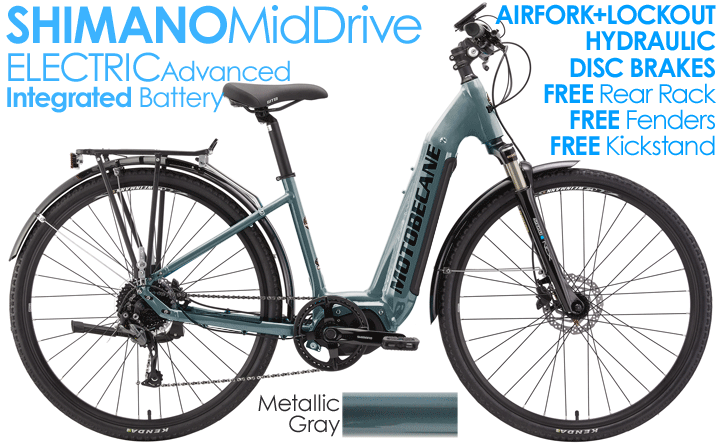
If your goal is the cleanest, most pavement-focused daily ride, the Motobecane Elite eUrban hits the sweet spot. Built around a hydroformed aluminum frame and Shimano STEPS E5000 mid-drive motor, this bike delivers a natural pedal-assist response that mimics a stronger version of you rather than a scooter. The integrated battery looks cleaner than externally mounted alternatives and disappears into the down tube. A 1×9 drivetrain, hydraulic disc brakes, and AIR lockout suspension forks round out a build that punches above its price. Among the best electric bikes under $2000 for pure urban use, this lands near the top. Riders coming from a flat-bar hybrid bike background will find the geometry familiar and confidence-inspiring from the first pedal stroke.

Motobecane Elite e Adventure: When Routes Get Mixed

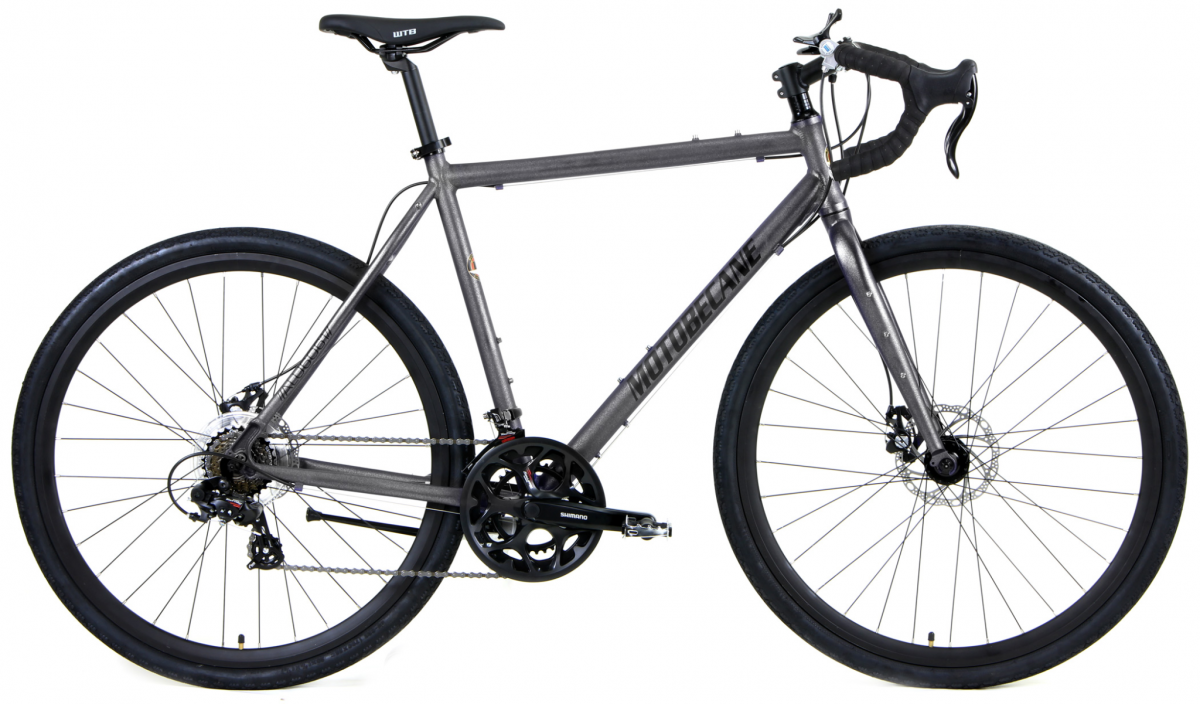
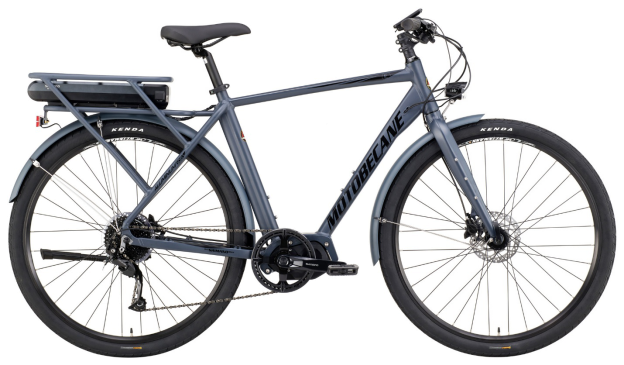
If your daily commute includes paved bike paths, occasional gravel sections, or rough urban surfaces, the Motobecane Elite eAdventure handles the variety beautifully. The same Shimano STEPS mid-drive system pairs with longer-travel front suspension, wider tires, and clearance for up to 2.3-inch rubber. The LTD trim adds an internal battery and front/rear lighting for full-fledged commuter readiness. This bike sits somewhere between a flatbar gravel bike platform and a traditional commuter — versatile in a way that the best electric bikes under $2000 sometimes struggle to be. Riders who want to extend their commute into weekend exploration will find this the most adaptable option in the lineup.
Motobecane Elite eSport: Fitness-First Commuting

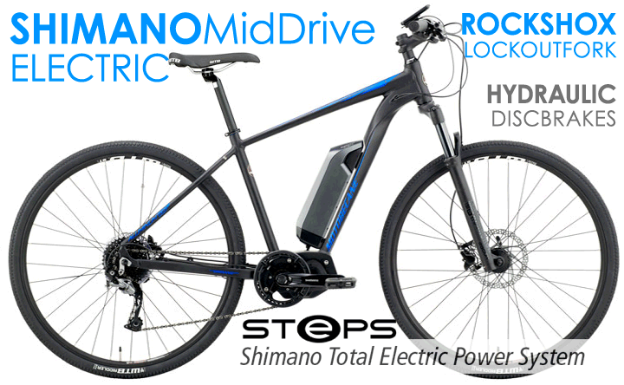
For commuters who also want their e-bike to double as a fitness tool, the Motobecane Elite eSport meets both goals. Built on a lightweight 29er frame with bladed forks, this model leans into the kind of efficient, athletic geometry usually reserved for a fitness road bike. The Shimano E5000 mid-drive provides assistance without overpowering your own effort, which makes it especially useful for riders who want to maintain fitness while reducing commute time and arrival sweat. Among the best electric bikes under $2000, the eSport stands out for riders who think of their bike as a workout partner first and a transportation tool second.
Motobecane EF3: The Folding Commuter Solution

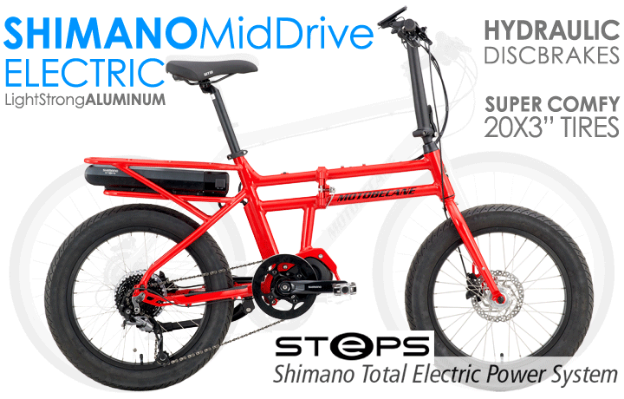
Apartment dwellers, train riders, and multi-modal commuters need a different kind of e-bike — one that folds. The Motobecane EF3 packs a Shimano STEPS mid-drive system into a folding aluminum frame, with hydraulic disc brakes and a configuration designed for the elevator, the subway car, and the office closet. It travels with you in ways a fixed-frame mountain bike never could, and it stores in space barely larger than a suitcase. For riders whose commute involves trains, buses, or shared offices, the EF3 unlocks a flexibility no other entry in the best electric bikes under $2000 category can match.
How to Choose Between These Four

Picking between these four bikes mostly comes down to your commute geography. Pure pavement riders should consider the Elite eUrban for its integrated, polished commuter feel. Riders on mixed routes should consider the Elite eAdventure for its broader tire clearance and suspension. Fitness-minded commuters benefit most from the Elite eSport’s athletic frame design. Multi-modal commuters who need to fold and carry their bike should jump straight to the EF3. According to recent commuter cycling coverage by Bicycling magazine, the single most important factor in e-bike satisfaction is matching the bike to your actual route — not the route you wish you had. All four models in this best electric bikes under $2000 lineup share the same proven Shimano STEPS mid-drive system, so the choice really comes down to fit, geometry, and storage needs.

A Quick Note on Other Categories

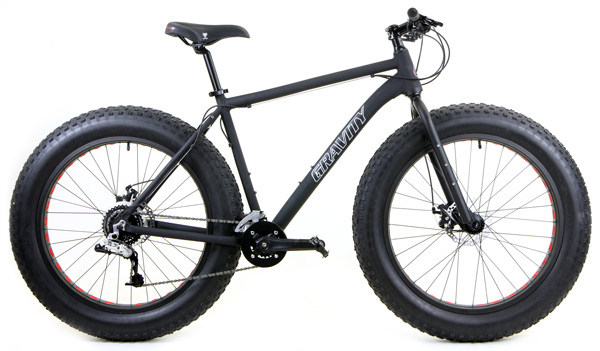
Before you commit, consider whether an electric commuter is even the right category for your situation. Some riders explore winter commutes on a fat bike for snow and ice, while others on flat beach routes prefer the relaxed posture of a beach cruiser over a pedal-assist commuter. The best electric bikes under $2000 we’ve outlined above suit year-round commuters, urban professionals, and anyone replacing a short car trip with a healthier alternative — but the right category is always the one that matches how you actually ride, not the one trending on social media this month.

Ready to Make the Switch?

Stop watching gas prices climb. Browse the full collection of the best electric bikes under $2000 on Bikesdirect.com, compare specs across the Motobecane commuter lineup, and let us help you find the e-bike that finally replaces those rush-hour drives. Use our sizing tools and configurator, and you’ll be commuting clean within a week. Your next ride starts here — pick the bike, and let us handle the rest.
Best Mountain Bikes Under $800 for New Trail Riders

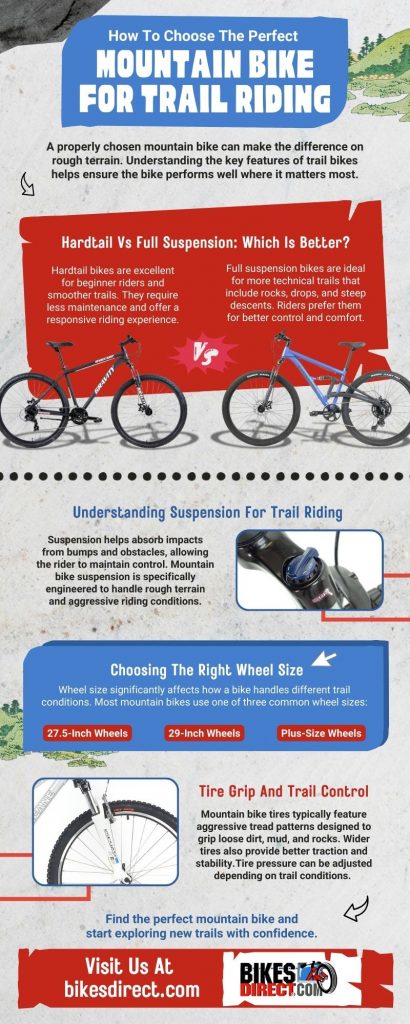
Walk into any trailhead on a Saturday morning, and you’ll see riders on bikes that cost five times the price of yours and others on bikes that look brand new and cost half of what you’d expect. The truth nobody tells beginners is that an $800 mountain bike, chosen well, can deliver a full first season on real singletrack — climbs, descents, roots, and rocks included. Pick the wrong one, and you’ll fight the bike instead of the terrain. Unlike a road bike built for smooth pavement, a trail-ready hardtail prioritizes durability over speed, control over efficiency, and forgiveness over aerodynamics. This guide narrows down the best mountain bikes under $800 currently available through Bikesdirect.com.

We compare frame quality, suspension, drivetrain reliability, and brake performance across four trail-ready options, steering you toward the bike that builds confidence rather than drains it. Whether you’re upgrading from a department-store ride or buying your first proper trail bike, the four picks below punch well above their price tag and have earned thousands of verified rider reviews. The best mountain bikes under $800 in this lineup share one important quality: they were built by serious bike-industry factories, not assembled from generic parts in a warehouse.

What Matters Most at This Price

Before we get to specific models, it helps to understand where mountain bikes sit in the broader cycling landscape. A hybrid bike excels at casual urban riding, and a gravel bike handles mixed surfaces beautifully. Still, neither was engineered for the loose dirt, exposed roots, and unpredictable terrain of real singletrack. The best mountain bikes under $800 prioritize three non-negotiable features: a hydroformed aluminum frame, real disc brakes, and a drivetrain that won’t shred after the first muddy ride. Suspension performance matters too, but at this price, no fork will rival what you’d get on a $2,000 rig — and that’s perfectly fine for new trail riders.

Gravity Basecamp LTD29: Big Wheels, Solid Foundations

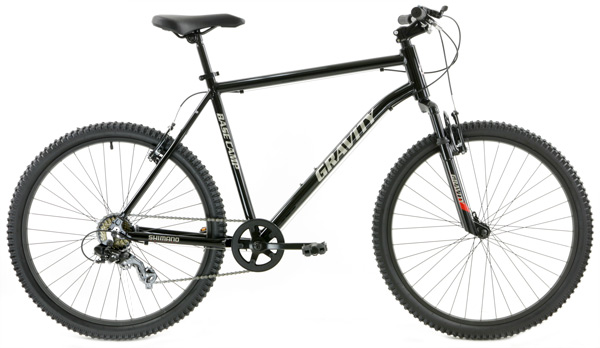
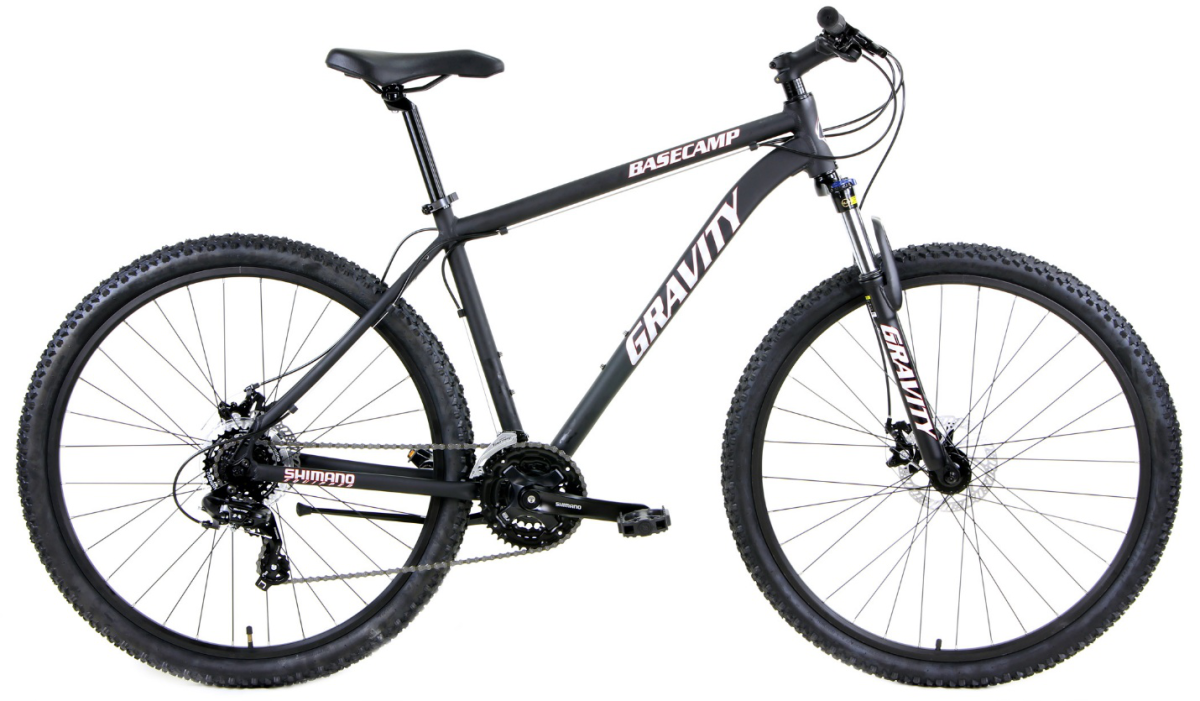
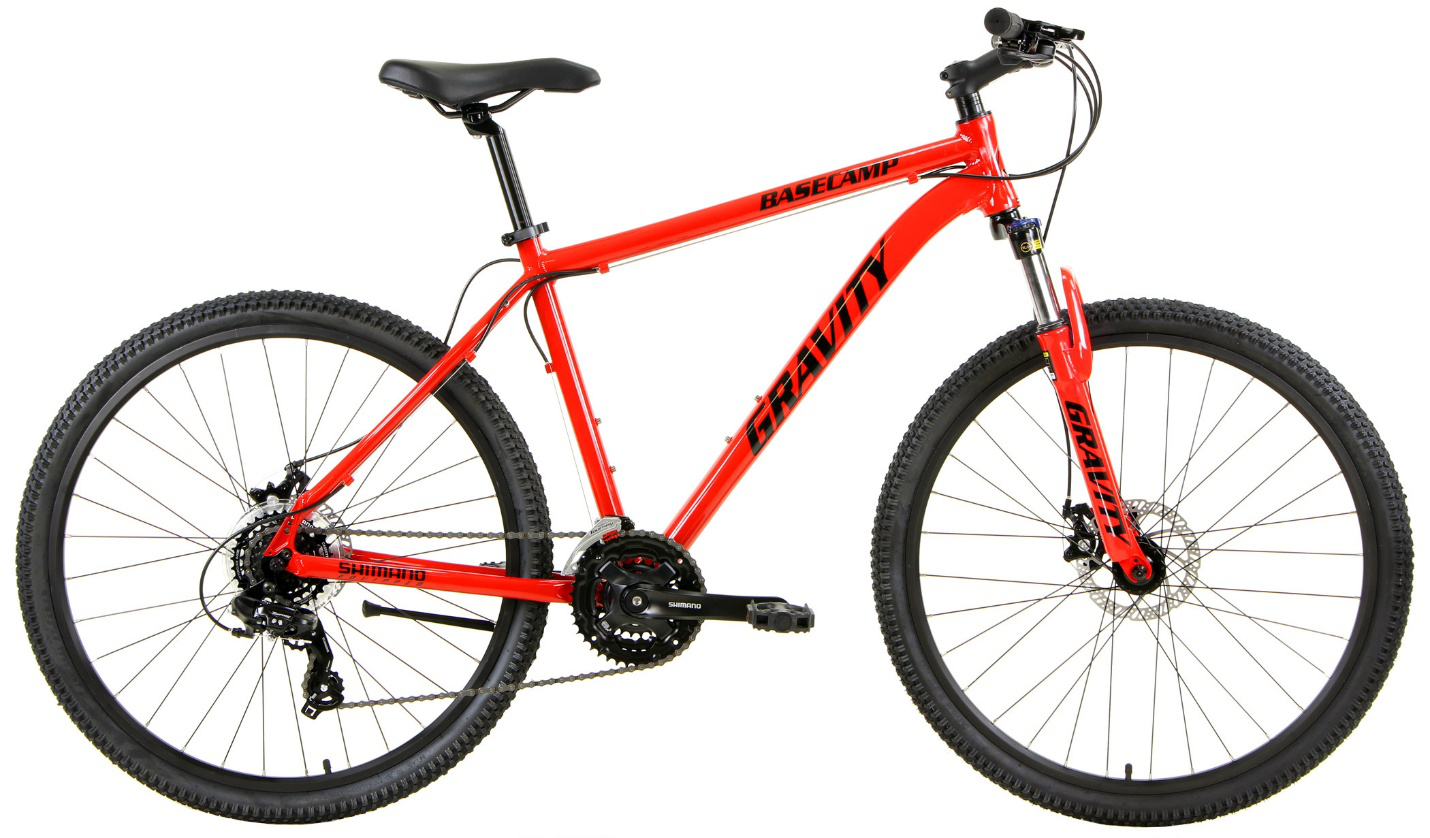
The Gravity Basecamp LTD29 is one of the most popular entry-level mountain bike models on Bikesdirect.com, and for good reason. Its hydroformed aluminum frame, 29-inch wheels, and Shimano 21-speed drivetrain deliver a stable, easy-rolling ride that flatters first-time trail riders. The larger wheels roll over roots and rocks more easily than smaller 26-inch wheels — a real advantage on technical terrain where most beginners hesitate. Mechanical disc brakes deliver solid stopping power in all conditions, and reviewers have described the frame as more substantial than that of several big-brand bikes at comparable retail prices. That value disparity is exactly where the best mountain bikes under $800 earn their reputation.

Gravity Basecamp LTD27: Confidence in a Smaller Frame

For riders on the shorter side or those who prefer a more agile feel, the Gravity Basecamp LTD27 brings the same trail-tested frame design to a 27.5-inch wheel platform. The smaller wheels accelerate faster and turn more nimbly, which helps new riders learn to weight, lean, and pivot through corners without feeling overpowered by the bike. Like its 29-inch sibling, the LTD27 ships with disc brakes and a wide-range drivetrain that handles real climbs. Among the best mountain bikes under $800 we’ve reviewed, this one earns particular praise for fitting riders between 5’2″ and 5’8″ — a demographic often pushed into oversized rigs at big-box stores.

Gravity HD29 Trail: Hydraulic Brakes That Change Everything

If your budget can stretch toward the upper end of this category, the Gravity HD29 Trail deserves serious consideration. The major upgrade here is hydraulic disc brakes, which provide far better modulation and stopping power than mechanical alternatives — especially in wet or muddy conditions where confidence really matters. The frame uses the same 29-inch geometry as the Basecamp series, paired with a longer-travel suspension fork for trail-friendly compliance. According to Bicycling magazine’s technical coverage, the single biggest jump in component value for entry-level bikes happens the moment you add hydraulic disc brakes. The HD29 Trail makes that case clearly without crossing the $800 line, securing its place among the best mountain bikes under $800 for serious beginners.

Gravity FSX 1.0 Advent26: A Real Full-Suspension Option

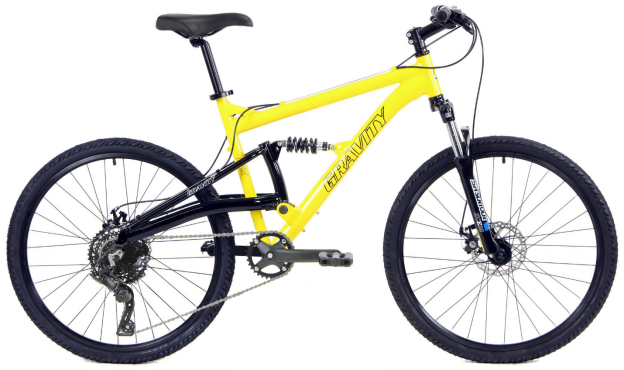
Full-suspension bikes in this price range remain controversial. Honestly, most new riders should buy a hardtail for the durability and value. But if you ride rocky, rough terrain regularly and find that constant chatter discourages you from getting out, the Gravity FSX 1.0 Advent26 gives you a legitimate full-suspension option within the best mountain bikes under $800 range. Its CantiBeam single-pivot rear suspension and 1×9 MicroShift Advent drivetrain make it the rare full-sus model that delivers a genuine trail experience at this price. The International Mountain Bicycling Association (IMBA) advises beginners to favor hardtails on flow trails — for casual paved-path rides, a beach cruiser is the better fit — but full-sus earns its place when chunky terrain is the daily reality.

How to Pick Between These Four

Choosing between these four bikes comes down to two questions: how rocky is your typical trail, and how much do hydraulic brakes matter? If most of your riding will happen on smoother flow trails or fire roads, the Basecamp LTD29 or LTD27 will serve you for years without complaint. If you ride frequently in wet conditions or on steep descents, jump to the HD29 Trail for the hydraulic brake upgrade. The full-suspension Advent26 wins for riders who prioritize comfort and rough-trail capability above all else. Riders chasing snow or sand should consider a fat bike instead, but for traditional trail riding, the best mountain bikes under $800 in this lineup pair well with later component upgrades — a smart path for budget-conscious riders who want a bike that grows with them.

Ready to Find Your Trail Bike?

You don’t need a $3,000 setup to ride real trails confidently. You need a bike that fits your body, suits your terrain, and uses parts that won’t fail mid-ride. Browse the full selection of the best mountain bikes under $800 on Bikesdirect.com, use our size guide to find your fit, and order the bike that gets you on the trail sooner rather than later. We’ll handle the rest — you focus on the first descent.

Mountain Bike Suspension Explained: A Complete Technical Deep Dive

Few features shape a mountain bike more than its suspension. Riders argue about wheel size and frame material, but spend any time on real trails, and the difference between a well-tuned shock and a neglected one will rearrange your priorities fast. Suspension changes how a bike climbs, how it descends, how confidently you hit a rock garden at speed, and how your body feels after four hours in the saddle. Yet most riders own bikes with suspension components they have never adjusted past the factory baseline. They tolerate harshness, lose grip on technical climbs, and never quite trust their fork through fast corners — all because the system feels like a black box they were never invited to open.

This mountain bike suspension guide opens that box. We will walk through hardtail and full-suspension platforms, explain why travel numbers matter, sort out the long-running debate between air and coil shocks, demystify compression and rebound damping, show you how to set up sag for your weight, and finally break down which setup works for cross-country, trail, enduro, and downhill riding. By the end, you will know exactly what your bike is doing beneath you, how to tune it for the terrain you ride most, and which questions to ask before your next upgrade.

Hardtail vs Full Suspension: The Foundation

Every honest mountain bike suspension guide starts at the same fork in the road: hardtail or full suspension. A hardtail has a suspension fork up front and a rigid rear triangle. Full-suspension bikes add a rear shock connected to a linkage that allows the rear wheel to move independently from the frame. Both designs solve real problems and create real compromises, and the right choice depends on your terrain, budget, and riding style.

Continue reading “Mountain Bike Suspension Explained: A Complete Technical Deep Dive”

The Complete Buyer’s Guide to Electric Bikes in 2026

Electric bikes have gone from curiosity to category leader in less than a decade. Walk into any cycling event in 2026, and you will see riders of every age switching to electric. Some chose them to flatten brutal hill climbs on the way to work. Others picked one up to keep pace with faster riding partners. A growing number wanted a low-impact way to spend more time outdoors. The surge has produced more models, more technology, and, honestly, more confusion than the industry has ever dealt with. Choices that once boiled down to color and frame size now involve motor placement, battery chemistry, software firmware, and federal class designations. New buyers feel overwhelmed before they even pedal a test bike around the parking lot, and that frustration leads many to either delay the purchase or grab the wrong machine on impulse.

Continue reading “The Complete Buyer’s Guide to Electric Bikes in 2026”

What Makes a Good Entry-Level Bicycle?

Buying your first bicycle should be straightforward, but the market makes it complicated. Hundreds of options at every price point, competing brand claims, and spec sheets full of unfamiliar terminology create genuine confusion for first-time buyers. The entry-level bike category is also where the gap between a smart purchase and a frustrating one is wider than at any other price point, because cost pressure is highest and the consequences of a poor fit are felt immediately.

This guide is built on one premise: a good first bike is not the cheapest option available, and it is not the most impressive-sounding spec sheet. It is the bike that fits your body, handles your terrain, and builds the riding habit that makes cycling stick for more than one season. We look at the four things that genuinely determine quality at the entry level, so you can walk into your purchase with a clear framework instead of relying on guesswork and brand trust alone.

Frame Quality: The One Thing You Cannot Upgrade

The frame is the purchase that defines your bike for its entire life. Every other component can be swapped out over time. Tires, brakes, saddle, drivetrain, and even handlebars are replaceable as your riding evolves. The frame is not. This means frame quality is the first and most critical question at any price point, and especially at the entry level, where cost pressure often drives manufacturers to cut here before anywhere else.

What to look for: weld quality is visible and meaningful. Clean, consistent welds along the tubes indicate quality control in the manufacturing process. Rough, uneven, or excess material at the joints is a sign of cost-cutting. Tube wall thickness matters more than it sounds, as thin-walled aluminum flexes and fatigues faster under regular use. A mountain bike frame at an entry price point should still feel rigid when you apply force to the rear triangle, not flex or creak under moderate load.

For most beginners, aluminum is the right frame material at the entry level. It is lightweight, rust-resistant, and widely available at accessible prices. Avoid heavy entry-level steel frames unless weight is genuinely not a concern for you, as heavy steel and marginal welds combine into a bike that discourages riding rather than encourages it. The goal of any first bike is to create the habit of actually getting out. A frame that feels unresponsive or heavy works against that goal from the very first ride.

Continue reading “What Makes a Good Entry-Level Bicycle?”

Choosing the Right Bike for Your Riding Style

Every bike on the market was designed with a specific rider in mind. The challenge is that most buyers approach the decision without a clear framework for how to choose a bike based on their actual habits, and end up selecting something based on aesthetics or a friend’s recommendation that had nothing to do with their own terrain. The result is often a garage full of bikes that look great and get ridden far too rarely.

This guide exists to change that approach. We break down each major category by the kind of riding it was built for, so you can match your terrain and habits to a machine that will genuinely work for you. Whether you ride to work every day, hit trails on weekends, or want something low-key for neighborhood loops, the right bike is the one that fits how you actually ride, not how you imagine you might ride one day.

Speed and Distance on Pavement: Road Bikes

A road bike is built around a single priority: moving fast on smooth pavement. Drop handlebars put the rider in an aerodynamic position, narrow high-pressure tires minimize rolling resistance, and lightweight frames reward sustained effort over long distances. If your rides are primarily on asphalt, you train for fitness goals or events, and you want to cover ground efficiently, a road bike earns every advantage it promises.

The trade-off is narrow terrain capability and a riding position that takes genuine adaptation. Road bikes are unforgiving on rough or broken surfaces, have limited rack and fender mounts, and are not designed for anything other than pavement. They reward commitment to a specific kind of riding, and that commitment pays off when conditions are right.

The ideal road bike rider is someone who does most of their riding on smooth roads, values speed and efficiency above versatility, and is comfortable with a more forward-leaning position. If that description fits your regular routine, a road bike will outperform every other category on its intended terrain, and the gap becomes more obvious the longer you ride.

Continue reading “Choosing the Right Bike for Your Riding Style”