
Beach Cruiser Bikes: Why Comfort Matters for Leisure Riding

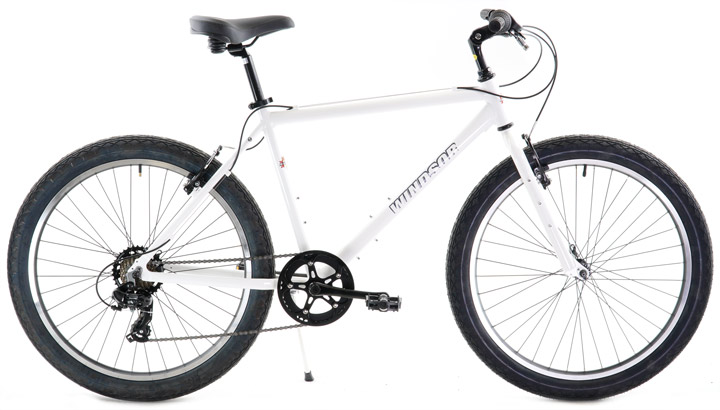
There’s something timeless about riding along a sunlit boardwalk, feeling the breeze roll in as you pedal effortlessly. That’s exactly the experience a beach cruiser is designed to deliver. Unlike performance-driven bikes built for speed or rugged terrain, cruiser bikes prioritize comfort, simplicity, and style, making them the perfect choice for leisurely rides.

Whether you’re cycling through a park, along coastal paths, or around your neighborhood, understanding the true beach cruiser bike benefits can help you choose a ride that transforms every journey into a relaxing escape.

What Makes a Beach Cruiser So Comfortable?

The defining feature of a beach cruiser is its ergonomic design. Every element is crafted with rider comfort in mind.

Continue reading “Beach Cruiser Bikes: Why Comfort Matters for Leisure Riding”

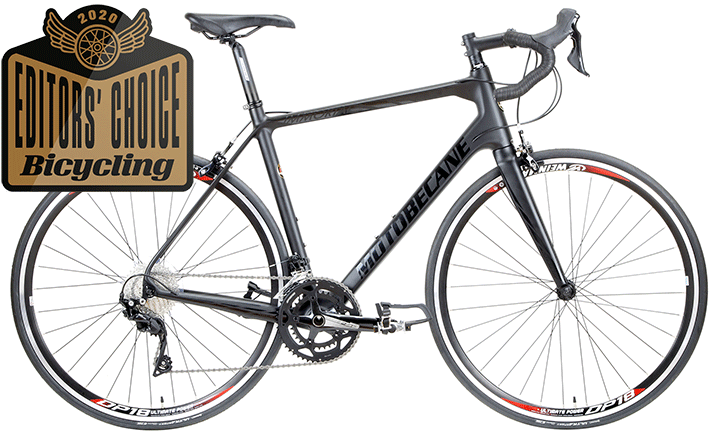
Road Bikes for Beginners: What to Look for Before Buying

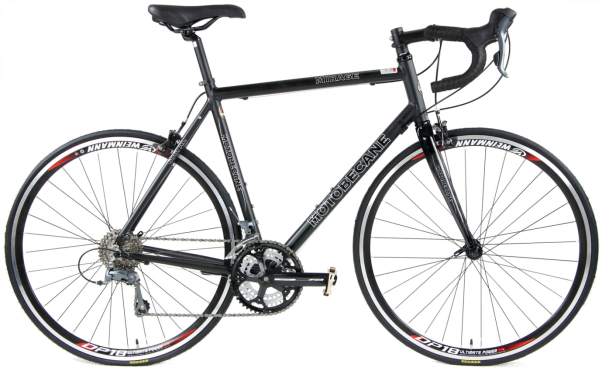
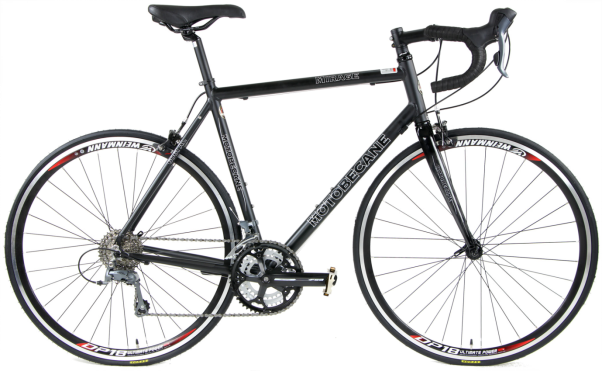
Getting into cycling is an exciting step, whether you’re aiming to improve fitness, commute more efficiently, or explore long-distance riding. One of the most popular entry points into the sport is choosing a beginner road bike, designed to offer speed, efficiency, and a smooth riding experience on paved surfaces.

However, with so many options available, selecting your first bike can feel overwhelming. From frame materials to gearing systems and wheel design, each component plays a role in how the bike performs and how comfortable it feels.

If you’re comparing options like a hybrid bike, gravel bike, or even a mountain bike, understanding what makes a road bike unique will help you make the right decision. In this guide, we’ll break down everything you need to know before buying your first road bike.

What Is a Road Bike?

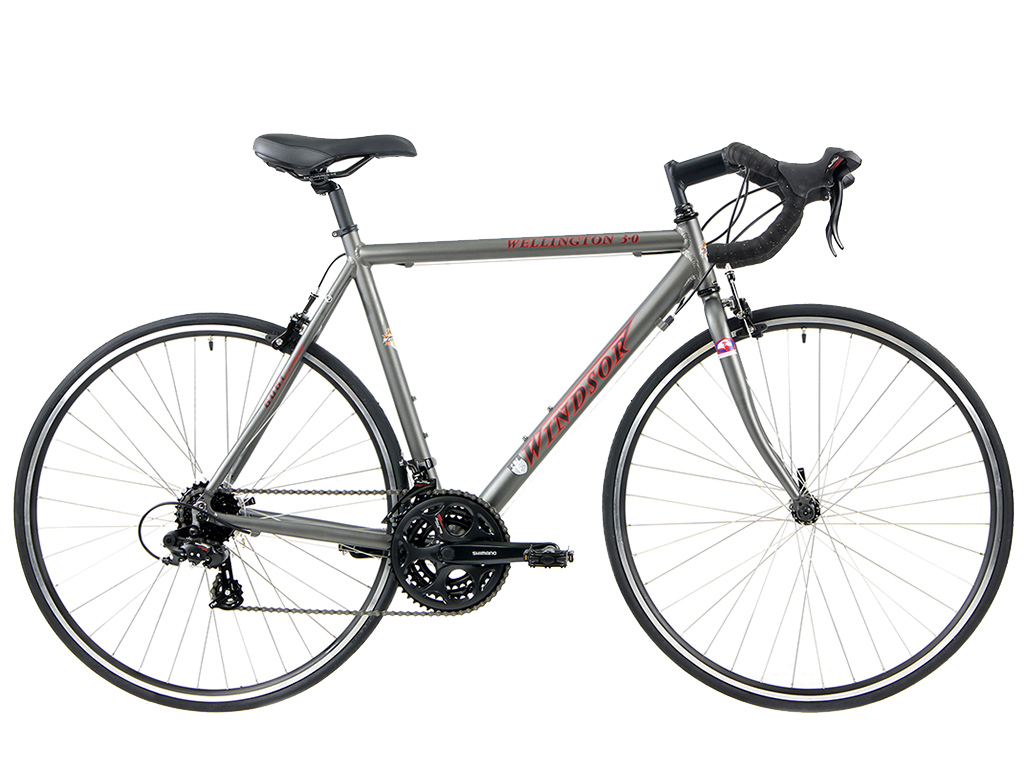
A road bike is built for speed and efficiency on paved surfaces. Its lightweight frame, narrow tires, and aerodynamic riding position allow riders to cover longer distances with less effort.

Continue reading “Road Bikes for Beginners: What to Look for Before Buying”

Fat Bikes Explained: Why Wide Tires Make a Big Difference

Cycling is no longer limited to smooth pavement or predictable terrain. Rider’s today are exploring beaches, snowy trails, rugged paths, and everything in between. This shift has led to the rise of fat bikes, one of the most versatile and capable bike types available.

Understanding fat bike benefits can completely change how you approach cycling, especially if you’re looking to ride beyond traditional roads. Designed with oversized tires and built for stability, fat bikes open up terrain that would otherwise be difficult, or impossible, to ride on with a standard bicycle.

Whether you’re comparing a hybrid bike, testing the limits of a mountain bike, or considering alternatives like a gravel bike or road bike, fat bikes offer something unique: the ability to ride almost anywhere with confidence. In this guide, we’ll break down how fat bikes work, why wide tires matter, and what makes them a game-changer for adventurous riders.

What Makes a Fat Bike Different?

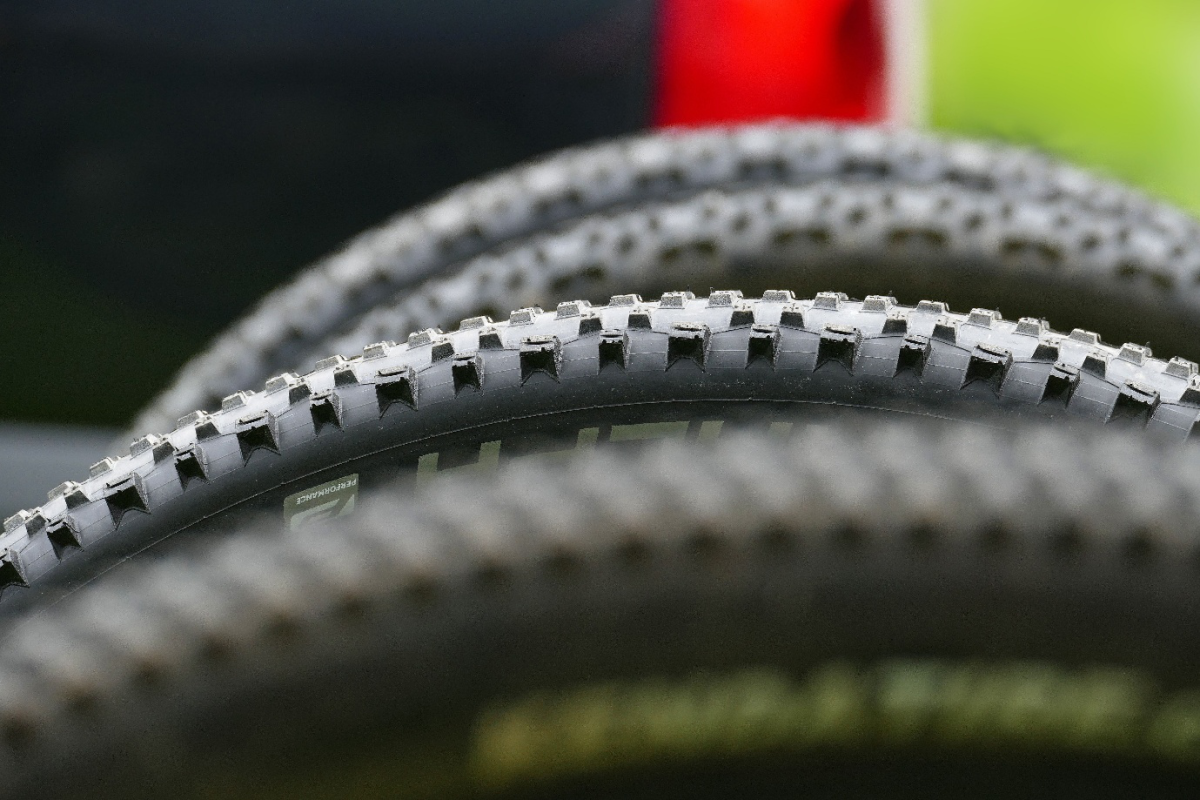
At first glance, the most noticeable feature of a fat bike is its oversized tires. Typically ranging from 3.8 to 5 inches wide, these tires are significantly larger than those found on a road bike or even a mountain bike.

But the difference goes beyond appearance. These wide tires are designed to distribute weight more evenly across the surface, reducing the chance of sinking into soft ground like sand or snow. This makes fat bikes ideal for environments where traditional bikes struggle.

Frames are also built to accommodate these larger tires, often with wider forks and enhanced durability. Compared to a hybrid bike, which focuses on balanced performance, fat bikes are purpose-built for extreme conditions and maximum stability.

Continue reading “Fat Bikes Explained: Why Wide Tires Make a Big Difference”

Why Hybrid Bikes Are the Best Choice for Urban Commuters

City commuting has evolved beyond crowded buses, expensive rideshares, and traffic congestion. More people are turning to cycling as a practical, cost-effective, and healthy way to navigate urban environments. But not all bikes are created equal when it comes to daily commuting. Choosing the right bike can significantly impact your comfort, efficiency, and overall riding experience.

This is where a hybrid bike for commuting stands out as the ideal solution. Designed to combine the best features of multiple bike types, hybrid bikes offer a unique balance of speed, comfort, and durability, perfect for city streets, bike lanes, and even light trails.

Whether you’re riding to work, running errands, or simply exploring your city, a hybrid bike provides the versatility needed for everyday use. In this guide, we’ll explore why hybrid bikes have become the go-to choice for urban commuters, what features make them so effective, and how they compare to other options like a road bike, mountain bike, or even a gravel bike.

What Makes a Hybrid Bike Ideal for City Riding?

A hybrid bike is designed to blend the speed of a road bike with the comfort and durability of a mountain bike. This combination makes it particularly well-suited for urban commuting, where riders encounter a mix of smooth pavement, uneven roads, and occasional obstacles.

Unlike specialized bikes that focus on one type of terrain, hybrid bikes adapt easily to changing conditions. Their flat handlebars provide better control in traffic, while their moderate tire width ensures both efficiency and stability.

For city riders who need reliability and flexibility, a hybrid bike delivers consistent performance without compromising comfort.

Comfort That Keeps You Riding Longer

One of the biggest advantages of using a hybrid bike for commuting is comfort. Daily commuting requires a bike that supports your body over extended periods, especially if you’re riding to and from work.

Hybrid bikes feature an upright riding position, which reduces strain on your back, neck, and shoulders. This is a major improvement over the aggressive posture required on a road bike, which can become uncomfortable during longer or more frequent rides.

Continue reading “Why Hybrid Bikes Are the Best Choice for Urban Commuters”

How to Choose the Perfect Mountain Bike for Trail Riding

Trail riding is one of the most exciting ways to experience cycling. From winding forest paths to rugged mountain terrain, trail riding challenges riders with changing surfaces, climbs, and descents. To fully enjoy these adventures, having the right bike is essential.

A properly chosen mountain bike can make the difference between a smooth, controlled ride and a frustrating experience on rough terrain. For beginners and experienced riders alike, understanding the key features of trail bikes, such as suspension, wheel size, and frame design, helps ensure the bike performs well where it matters most.

In this guide, we’ll explain everything you need to know to choose the best mountain bike for trail riding, helping you find a bike that fits your terrain, riding style, and comfort needs.

What Makes a Mountain Bike Ideal for Trails?

Trail riding requires a bike that can handle unpredictable terrain. Rocks, roots, loose dirt, and steep climbs demand durability, control, and traction.

A mountain bike is specifically designed to handle these conditions through features such as:

  • Wide, knobby tires for grip
  • Strong frames built to absorb impacts
  • Suspension systems that smooth out rough trails
  • Powerful brakes for better control on descents

Unlike a road bike, which is designed primarily for smooth pavement and speed, mountain bikes focus on stability and off-road capability. Their design allows riders to tackle uneven terrain confidently.

Hardtail vs Full Suspension: Which Is Better?

One of the most important decisions when choosing a mountain bike is deciding between a hardtail and a full suspension design.

Hardtail Mountain Bikes

Hardtail bikes feature suspension in the front fork but have a rigid rear frame.

Advantages include:

  • Lighter weight
  • Lower cost
  • Efficient power transfer when climbing

Hardtail bikes are excellent for beginner riders and smoother trails. They require less maintenance and offer a responsive riding experience.

Full Suspension Mountain Bikes

Full suspension bikes include both front and rear suspension.

Benefits include:

  • Better shock absorption
  • Improved traction on rough trails
  • Greater comfort during long rides

These bikes are ideal for more technical trails that include rocks, drops, and steep descents. Riders who spend significant time on challenging terrain often prefer full suspension for better control and comfort.

Understanding Suspension for Trail Riding

Suspension plays a major role in how a bike performs on trails. It helps absorb impacts from bumps and obstacles, allowing the rider to maintain control.

Most trail bikes offer between 120mm and 150mm of suspension travel, which balances climbing efficiency with downhill capability.

Front suspension forks compress when hitting obstacles, helping maintain traction and reduce rider fatigue. On full suspension bikes, the rear shock also absorbs impacts from the back wheel.

Compared to other bike types, such as a hybrid bike designed for paved roads or light trails, mountain bike suspension is specifically engineered to handle rough terrain and aggressive riding conditions.

Choosing the Right Wheel Size

Wheel size significantly affects how a bike handles different trail conditions. Most mountain bikes use one of three common wheel sizes.

27.5-Inch Wheels

These wheels offer a balance between agility and stability. Riders often find them easier to maneuver through tight turns and technical trails.

29-Inch Wheels

29ers roll over obstacles more easily and maintain speed on longer trails. They are popular among riders who enjoy cross-country riding or longer trail routes.

Plus-Size Wheels

Some trail bikes feature wider “plus-size” tires for extra traction. These provide greater grip on loose terrain.

For extreme conditions such as sand or snow, riders may opt for a fat bike, which uses oversized tires designed for maximum flotation and grip. However, traditional mountain bikes remain the most versatile option for most trails.

Frame Design and Geometry

The geometry of a bike’s frame plays a crucial role in comfort, stability, and control.

Trail bikes typically feature:

  • Slacker head tube angles for better downhill stability
  • Longer wheelbases for improved balance
  • Slightly upright riding positions for comfort on long rides

This design allows riders to maintain control when navigating steep descents or technical terrain.

By contrast, bikes like a road bike prioritize aerodynamics and speed, while a beach cruiser focuses on comfort and relaxed riding on flat surfaces. Mountain bikes are engineered specifically to handle rugged environments where stability and strength are essential.

Image Filename: motobecane-jubilee-elite-fs-full-suspension-trail-mountain-bike

Image Alt Text: Motobecane Jubilee Elite FS full suspension mountain bike with hydraulic disc brakes for trail riding

Image Caption: The Motobecane Jubilee Elite FS Mountain Bike delivers superior trail comfort with full suspension, hydraulic disc brakes, and fast-rolling 27.5-inch tires.

Tire Grip and Trail Control

Tires are another key component that affects how a bike performs off-road.

Mountain bike tires typically feature aggressive tread patterns designed to grip loose dirt, mud, and rocks. Wider tires also provide better traction and stability.

Tire pressure can be adjusted depending on trail conditions. Lower pressure improves grip and shock absorption, while higher pressure increases efficiency on smoother sections.

Compared to bikes such as a gravel bike, which balances speed and off-road capability, mountain bike tires are designed specifically for rugged terrain and technical riding.

Other Features to Consider

When choosing a mountain bike, a few additional features can significantly enhance your riding experience.

Brakes

Most modern mountain bikes use hydraulic disc brakes. These provide powerful stopping performance and better control in wet or muddy conditions.

Gearing

Trail bikes often include wide gear ranges that make it easier to climb steep hills while still maintaining speed on descents.

Dropper Seatposts

Many trail riders appreciate dropper seatposts, which allow the saddle height to be adjusted quickly while riding. Lowering the saddle improves maneuverability during technical descents.

Finding the Right Bike for Your Riding Style

Choosing the right bike ultimately depends on where and how you plan to ride.

If you enjoy relaxed rides on paved paths or city streets, a hybrid bike or beach cruiser might be a better fit.

Riders who prefer mixed-surface adventures may enjoy the versatility of a gravel bike.

But for riders seeking challenging terrain, technical trails, and outdoor adventure, nothing compares to a well-designed mountain bike built specifically for trail riding.

Taking time to understand your terrain, riding goals, and comfort preferences will help you select the perfect bike for your adventures.

Image Filename: gravity-hd-expert-27-5-hydraulic-disc-trail-mountain-bike

Image Alt Text: Gravity HD Expert 27.5 mountain bike with hydraulic disc brakes and long travel suspension fork

Image Caption: The Gravity HD Expert Mountain Bike combines a 1x drivetrain, hydraulic disc brakes, and long-travel suspension for responsive trail riding performance.

Explore High-Quality Trail Bikes

If you’re ready to upgrade your riding experience, the right bike can open the door to incredible trail adventures.

At BikesDirect, riders can explore a wide selection of high-performance bicycles built for durability, comfort, and value. Whether you’re new to trail riding or looking to upgrade your equipment, BikesDirect offers reliable bikes designed to perform on a wide variety of terrain.

Browse their selection today to find the perfect mountain bike and start exploring new trails with confidence.

Best Road Bikes Under $1000 for Entry-Level Cyclists

Many new riders begin cycling without knowing which bike category actually fits their riding habits. Some want speed on pavement, others want comfort for commuting, while some expect their bike to handle mixed terrain. Understanding these differences makes the buying process much easier.

A road bike is designed primarily for efficient riding on pavement. Lightweight frames, drop handlebars, and narrow tires help riders maintain speed while covering longer distances with less effort.

Other categories serve different purposes. A hybrid bike blends comfort with moderate speed for commuting and casual rides. A gravel bike expands capability for mixed terrain. A mountain bike focuses on rough trails and technical terrain, while a fat bike excels on sand and snow. Riders seeking relaxed neighborhood cruising often prefer a beach cruiser.

For riders focused primarily on pavement performance and long-distance efficiency, road bikes remain the most practical choice. Fortunately, the best road bikes under $1000 now deliver impressive performance with modern materials and dependable drivetrains.

This guide examines several strong options available at BikesDirect and explains how to balance performance, comfort, and value.

Continue reading “Best Road Bikes Under $1000 for Entry-Level Cyclists”

Best Hybrid Bikes Under $500 for Beginners

Choosing a first bike often feels overwhelming. New riders are usually deciding between speed, comfort, durability, and price, all at the same time. The truth is most people simply want a bike that feels stable, easy to ride, and capable of handling everyday routes.

That’s where a hybrid bike stands out. Hybrid bikes combine the efficient rolling of pavement-oriented bikes with the comfort and stability needed for daily riding. For beginners, that balance makes them one of the most practical starting points.

Many riders exploring cycling also consider alternatives such as a road bike for speed or a mountain bike for trail riding. Others may be drawn toward the versatility of a gravel bike, the traction of a fat bike, or the relaxed comfort of a beach cruiser.

However, when price, comfort, and everyday versatility are priorities, hybrid bikes under $500 often provide the most balanced value.

This guide highlights several beginner-friendly options while explaining what features actually matter when choosing a reliable budget hybrid.

What Makes a Good Hybrid Bike Under $500

Budget-friendly bikes still need solid fundamentals. The goal is not simply finding the cheapest option but identifying models that provide dependable components and a comfortable riding experience.

Key features beginners should look for include:

Frame Material
Most hybrids under $500 use aluminum frames. Aluminum offers a good balance between strength and weight while resisting corrosion. A well-designed aluminum frame keeps the bike responsive without becoming heavy or sluggish.

Reliable Drivetrain
A Shimano drivetrain is common in this category. Multi-speed gearing allows riders to manage hills, headwinds, and longer rides more comfortably. Smooth shifting is especially important for beginners who are still developing cadence and pacing habits.

Disc Brakes
Many modern hybrid bikes include hydraulic or mechanical disc brakes. Disc braking systems provide consistent stopping power in different weather conditions and require less hand effort compared to traditional rim brakes.

Comfort-Oriented Geometry
Hybrids are designed for an upright riding position. This reduces strain on the neck, shoulders, and wrists while giving riders better visibility in traffic and on shared paths.

These features help ensure that a budget bike remains enjoyable rather than frustrating.

Standout Hybrid Bikes Under $500

Several models in this price category demonstrate how well-equipped entry-level hybrids can be.

Motobecane Elite Adventure COMP

The Motobecane Elite Adventure COMP combines versatility with components usually found on more expensive bikes. It uses a hydroformed aluminum frame paired with a lockout front suspension fork that helps absorb rough pavement or light trail chatter.

A full Shimano 24-speed drivetrain provides a wide gear range, allowing riders to climb hills or maintain comfortable cadence on longer rides. Hydraulic disc brakes improve braking confidence, especially during wet conditions.

The bike also includes wide 29-inch wheels and tires designed to roll smoothly on pavement while remaining capable on gravel paths and park trails. For beginners exploring multiple riding environments, this combination of comfort and capability makes it a strong value.

Motobecane Cafe DISC Elite

The Cafe DISC Elite takes a slightly different approach by emphasizing pavement efficiency with commuter-friendly comfort. Its aluminum frame and chromoly fork deliver a smooth ride while maintaining responsive handling.

Motobecane Cafe DISC Elite hybrid bike with step-through frame, flat handlebars, Shimano drivetrain, and hydraulic disc brakes built for commuting and casual pavement riding

This model includes a full Shimano drivetrain and hydraulic disc brakes, giving riders dependable shifting and stopping power. Flat handlebars and an upright riding position create a comfortable posture for commuting or casual fitness rides.

With 700c wheels and moderate-width tires, the Cafe DISC Elite rolls efficiently on paved routes but still absorbs small surface imperfections common on city streets.

For beginners planning regular commuting or recreational road rides, this type of setup balances speed with comfort.

Motobecane Jubilee Elite FS

The Jubilee Elite FS focuses heavily on ride comfort. It features a full suspension design that absorbs road vibration and uneven surfaces more effectively than rigid hybrids.

This bike also includes a Shimano 24-speed drivetrain and hydraulic disc brakes, ensuring reliable shifting and braking performance. Wide 27.5-inch tires increase traction while further improving comfort.

For riders who prioritize smoothness and stability over maximum efficiency, the added suspension can make longer rides noticeably more enjoyable.

Terrain Comparison: Where Hybrid Bikes Work Best

Hybrid bikes are designed for versatility, but different terrain types highlight different strengths.

Pavement
Hybrids perform very well on paved roads. Medium-width tires provide enough cushioning without slowing the bike down significantly.

Gravel Paths
On packed gravel or crushed stone, hybrid bikes maintain good stability. Wider tires and upright posture help riders stay balanced even when surfaces become uneven.

Trails
While hybrids can manage light dirt paths, technical singletrack with rocks and roots is better suited to a dedicated mountain bike.

Sand and Snow
Loose surfaces such as sand or deep snow require the flotation of a fat bike. Standard hybrid tires are not designed for those conditions.

Casual Cruising
For relaxed neighborhood rides, hybrids are comfortable and efficient. Riders looking for maximum comfort at slower speeds may still prefer the laid-back geometry of beach cruisers.

Understanding terrain helps beginners choose a bike that aligns with their typical riding environment.

Motobecane Jubilee ELITE FS full suspension hybrid bike with aluminum frame, lockout suspension fork, rear shock, and hydraulic disc brakes for maximum comfort on mixed terrain

Rider Goals: Choosing the Right Bike Style

Different riders prioritize different experiences. The best bike depends on how it will actually be used.

Fitness Riding
Hybrid bikes support fitness riding by offering comfortable posture and efficient pedaling. Riders can maintain steady mileage without the aggressive position of road bikes.

Commuting
For commuting, hybrids provide stability, visibility, and tire durability suited to city streets. Many frames also support racks and accessories.

Recreation
Weekend riders benefit from hybrids because they adapt well to mixed surfaces and relaxed pacing.

Adventure Riding
If rides regularly include rough gravel roads or long mixed-terrain routes, gravel bikes may offer additional stability and tire clearance.

Performance
For riders focused on speed and road efficiency, road bikes remain the better choice.

Hybrid bikes sit in the middle of these categories, which is why they appeal to beginners.

A Practical Buyer Decision Framework

Before choosing a bike under $500, beginners should consider a few practical questions:

Where will most rides happen?
Paved streets, park paths, and commuting routes favor hybrid bikes.

How often will the bike be used?
Frequent riders should prioritize durability and reliable components.

What level of comfort feels right?
Upright geometry and wider tires reduce fatigue over longer rides.

Is terrain varied?
If routes regularly include gravel connectors or rough pavement, wider tires and stable geometry become more important.

Answering these questions narrows the options quickly.

Finding the Right Hybrid Bike for Your Riding Style

Budget does not have to limit quality. Many hybrid bikes under $500 deliver dependable components, comfortable geometry, and practical versatility for new riders.

Models like the Motobecane Elite Adventure COMP, Cafe DISC Elite, and Jubilee Elite FS demonstrate that affordability can still include features such as aluminum frames, hydraulic disc brakes, and Shimano drivetrains.

The key is choosing a bike that matches how you plan to ride. A comfortable and reliable setup encourages consistency, and consistency is what builds confidence and enjoyment.

Explore BikesDirect’s selection of hybrid bikes along with other categories including gravel bikes, road bikes, fat bikes, beach cruisers, and mountain bikes to find the bike that best fits your routes, goals, and riding style.

A Beginner’s Guide to Choosing the Right Gravel Bike

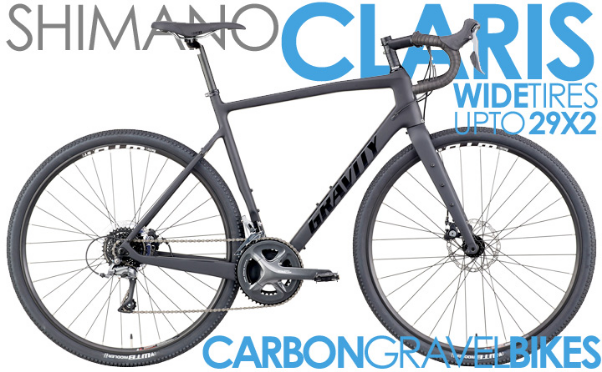
Gravel cycling has rapidly grown in popularity because it offers something many riders crave—freedom. With a gravel bike, you’re not limited to paved roads or strictly off-road trails. Instead, you can explore country roads, dirt paths, forest routes, and even urban streets on one versatile machine.

For beginners, however, choosing the right gravel bike can feel overwhelming. With different frame designs, tire widths, and drivetrain setups available, understanding which features actually matter is essential before making a purchase.

This beginner gravel bike guide will walk you through the most important elements to consider, from frame geometry to tire clearance. By the end, you’ll have a clearer understanding of how to choose a gravel bike that matches your riding goals, comfort preferences, and terrain.

What Is a Gravel Bike?

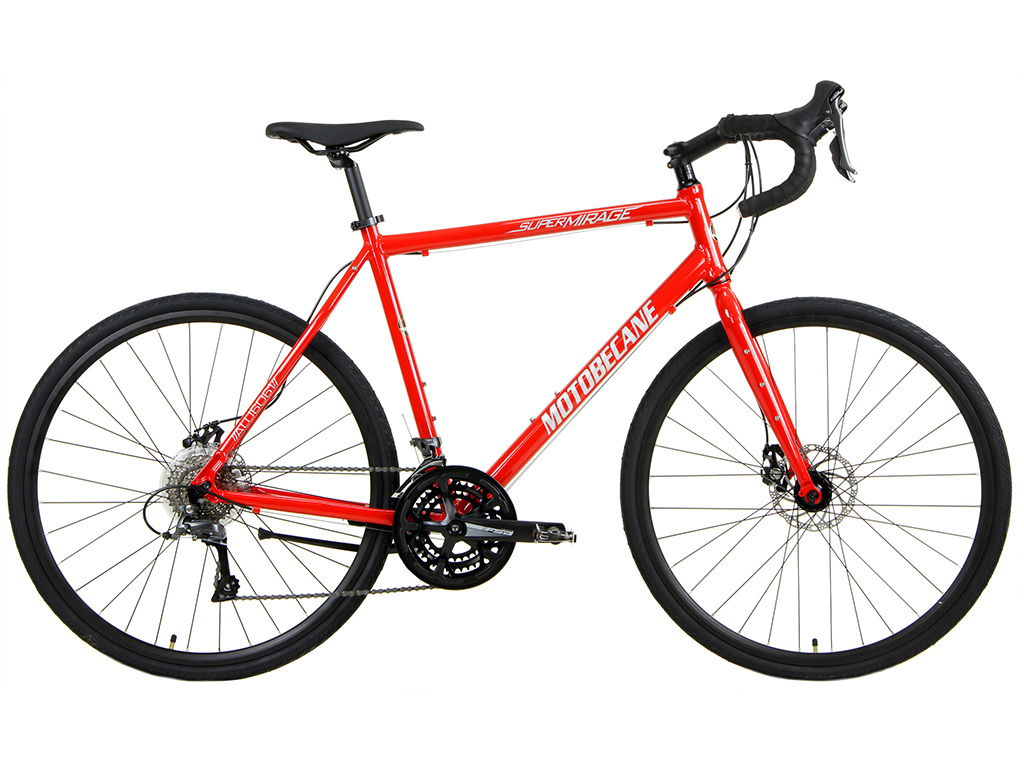
A gravel bike is designed to handle a wide range of surfaces, from paved roads to gravel paths and light off-road terrain. It blends features from several types of bicycles to create a versatile riding experience.

Compared with other bikes, gravel bikes typically include:

  • Wider tires for better traction and stability
  • Relaxed frame geometry for long-distance comfort
  • Strong frames built for rough terrain
  • Drop handlebars similar to those found on a road bike

This combination allows riders to travel comfortably over different surfaces without needing multiple bikes. That flexibility is one of the main reasons gravel bikes have become so popular among both new and experienced cyclists.

Why Gravel Bikes Are Perfect for Beginners

For new riders, gravel bikes provide a balanced riding experience that isn’t too specialized. Unlike a road bike, which is optimized for speed on smooth pavement, gravel bikes can handle bumps, dirt roads, and rough patches without sacrificing efficiency.

They are also more adaptable than many off-road bicycles. While a mountain bike is designed for technical trails and steep descents, a gravel bike performs well on both pavement and moderate trails.

This versatility means beginners can explore different types of riding without worrying about having the wrong bike for the terrain.

Understanding Gravel Bike Frame Geometry

Frame geometry refers to the angles and proportions of a bike’s frame, which directly affect comfort, handling, and stability.

Gravel bikes usually feature a slightly more relaxed geometry compared to road bikes. This means:

  • A longer wheelbase for improved stability
  • A slightly upright riding position for comfort
  • Better control on uneven terrain

For beginners, this design makes gravel bikes easier to ride over long distances and rough roads. The stable handling reduces fatigue and helps riders feel more confident when navigating gravel paths or uneven surfaces.

Many riders find this geometry more comfortable than the aggressive position of a road bike, especially for recreational or adventure cycling.

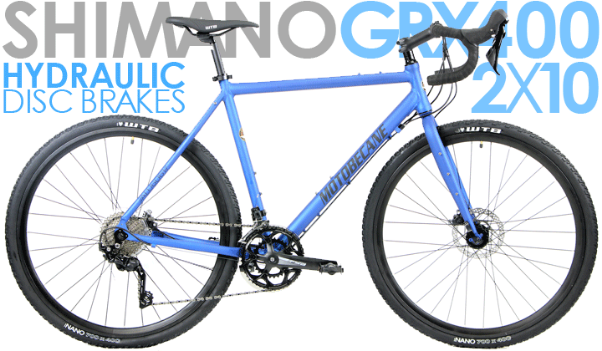
Motobecane Uno Outcast chromoly gravel bike with flat bars and mechanical disc brakes


Tire Clearance and Why It Matters

One of the defining features of a gravel bike is its ability to accommodate wider tires.

Wider tires offer several advantages:

  • Better grip on loose surfaces
  • Increased stability on gravel roads
  • Improved shock absorption over bumps and rocks

Most gravel bikes allow tires between 35mm and 50mm wide. This range provides a balance between speed and traction.

By comparison, a road bike typically uses narrower tires designed for smooth pavement, while a mountain bike uses extremely wide tires built for technical trails.

Some riders even explore extreme terrain with specialized bikes like a fat bike, which features oversized tires designed for sand or snow. However, for everyday adventure riding, gravel bikes provide the ideal middle ground.

Drivetrain Options: 1x vs 2x Systems

Another important factor to consider when selecting a gravel bike is the drivetrain configuration.

Gravel bikes typically use either a 1x drivetrain or a 2x drivetrain.

1x Drivetrain

A 1x system uses a single front chainring paired with a wide-range cassette in the rear.

Benefits include:

  • Simpler shifting
  • Fewer mechanical parts
  • Lower maintenance

This setup is popular among riders who frequently tackle rough terrain or steep climbs.

2x Drivetrain

A 2x drivetrain uses two chainrings in the front.

Advantages include:

  • Wider gear range
  • Smaller gaps between gears
  • Better efficiency on long rides

For beginners who plan to ride a mix of roads and gravel paths, both options can work well. The best choice depends on your riding style and terrain.

Motobecane Uno Outcast chromoly gravel bike with flat bars and mechanical disc brakes

Choosing the Right Tire Width

Tire width can dramatically affect how a bike rides on different surfaces.

For beginners, these guidelines can help:

  • 35–40mm tires: Best for mixed road and gravel riding
  • 40–45mm tires: Ideal for rougher gravel paths
  • 45mm+ tires: Great for adventure riding and rough terrain

Wider tires improve comfort and traction but may slightly reduce speed on smooth pavement.

This is why gravel bikes often strike a balance between the narrow tires of a road bike and the aggressive tires found on a mountain bike.

Comparing Gravel Bikes to Other Bike Types

Understanding how gravel bikes compare to other bicycles can help beginners choose the best option for their riding style.

A hybrid bike is designed primarily for urban commuting and recreational riding. While hybrids are comfortable and versatile, they usually lack the rugged durability and tire clearance needed for long gravel adventures.

A beach cruiser focuses on relaxed riding along flat paths and coastal areas. These bikes emphasize comfort but are not designed for long distances or varied terrain.

Meanwhile, riders who regularly tackle steep trails, rocky climbs, or downhill terrain may benefit from the suspension and aggressive design of a mountain bike.

For riders who want a balance between speed, comfort, and off-road capability, gravel bikes often provide the best overall solution.

How to Choose the Best Gravel Bike for Your Goals

When selecting your first gravel bike, consider these key factors:

  • Terrain: Think about where you’ll ride most often. Smooth gravel roads require different tires and gearing than rough backcountry trails.
  • Comfort: Look for a frame geometry that supports longer rides without excessive strain on your back or shoulders.
  • Durability: A quality frame and reliable components ensure your bike can handle varied conditions.
  • Versatility: Many gravel bikes include mounts for racks, bags, and water bottles, making them excellent for bikepacking or long-distance adventures.

Taking the time to match your bike to your riding goals will make every ride more enjoyable.

Motobecane Uno Outcast PRO gravel bike with hydraulic disc brakes and wide gravel tires

Find Your Perfect Gravel Bike

Choosing the right bike is the first step toward unforgettable adventures on two wheels. Whether you’re planning weekend trail rides, long-distance touring, or mixed-surface commuting, a high-quality gravel bike can open up a whole new world of cycling possibilities.

At BikesDirect, riders can explore a wide selection of bikes designed for performance, durability, and value. From beginner-friendly models to advanced adventure bikes, BikesDirect offers exceptional options for every skill level.

Browse their full lineup today and discover why thousands of cyclists trust BikesDirect for high-quality bikes at competitive prices. Your next great ride could be just a few clicks away.

Hybrid bikes vs Road Bikes: Which One Should You Choose for Daily Commuting?

Choosing the right bicycle can make a huge difference in how enjoyable and efficient your daily commute becomes. Whether you’re riding to work, running errands, or simply replacing short car trips with a healthier alternative, the type of bike you ride plays a major role in comfort, speed, and overall convenience.

Many commuters find themselves comparing hybrid bike vs road bike options because both are designed for paved surfaces and everyday riding. However, they serve slightly different purposes and rider preferences. Understanding their unique features, advantages, and limitations will help you select the perfect bike for your commuting routine.

In this guide, we’ll break down the differences between a hybrid bike vs road bike, including riding position, comfort level, terrain compatibility, and practical commuting features, so you can confidently decide which one suits your needs.

What is a Hybrid bike?

A hybrid bike blends features from road bikes, mountain bikes, and comfort bikes. The goal is to create a versatile bicycle that performs well in a variety of environments, making it ideal for commuting and casual rides.

Most hybrid models feature:

  • Upright riding position for comfort
  • Flat handlebars for easier control
  • Medium-width tires for stability
  • Frames designed for durability and everyday riding

Because of their balanced design, hybrid bikes are especially popular among commuters who ride through mixed environments like city streets, bike paths, and occasional gravel paths.

Another advantage is their practicality. Many hybrid bikes include mounts for racks, fenders, and water bottles, which makes them excellent for carrying bags or groceries during daily travel.

For riders who prioritize comfort and versatility over pure speed, a hybrid bike is often one of the most practical choices available.

What Is a Road Bike?

A road bike is designed primarily for speed and efficiency on smooth pavement. These bikes are built with lightweight frames, narrow tires, and aerodynamic geometry that help riders travel longer distances faster.

Typical road bike features include:

  • Drop handlebars for aerodynamic riding positions
  • Lightweight aluminum or carbon frames
  • Thin tires that reduce rolling resistance
  • High gear ratios for maintaining speed

Because of their design, road bikes are often used for fitness cycling, racing, and long-distance rides on paved roads. Commuters who have longer travel distances or prioritize speed often gravitate toward road bikes.

However, their aggressive riding position and narrow tires may not always provide the same comfort level as hybrids, especially on rough city streets or uneven pavement.

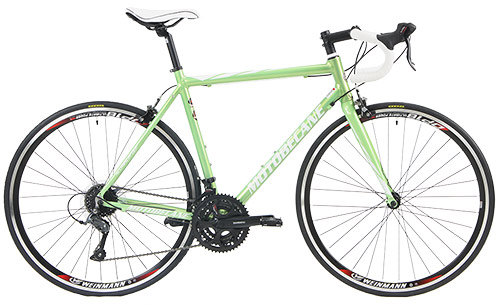
Dawes SST single speed fixie road bike with drop bars and CrMo steel frame

Comfort and Riding Position

Comfort is often one of the biggest factors when choosing between a hybrid bike and a road bike for commuting.

Hybrid bikes offer a more upright riding position, which reduces strain on the neck, shoulders, and wrists. This position also gives riders better visibility in traffic, which can be a major benefit when navigating busy urban streets.

Road bikes, on the other hand, encourage a forward-leaning posture that reduces wind resistance and improves efficiency. While this position helps with speed, it may feel less comfortable for beginners or riders who prefer a relaxed riding experience.

For shorter city commutes or casual riding, many people prefer the comfort-oriented design of hybrid bikes. Riders focused on performance and speed may feel more comfortable adapting to the aerodynamic position of a road bike.

Speed and Efficiency

Speed is where the road bike truly shines.

Because road bikes are built with lightweight frames and narrow tires, they require less effort to maintain higher speeds. This makes them ideal for commuters with longer routes or those who want to reach their destination quickly.

Hybrid bikes, while still efficient, are generally slightly slower because their wider tires create more rolling resistance. Their heavier frames and upright riding position also prioritize comfort over aerodynamic performance.

However, for many urban commuters, the speed difference is minimal compared to the added stability and comfort a hybrid bike provides.

Terrain and Versatility

City streets aren’t always perfectly smooth, and this is where hybrids often have an advantage.

Hybrid bikes feature wider tires that absorb bumps and cracks in the pavement more effectively. They can also handle light gravel paths, bike trails, and park routes without difficulty.

Road bikes perform best on smooth pavement and dedicated cycling lanes. Rough surfaces, potholes, or gravel paths can feel uncomfortable due to their narrow tires and stiff frames.

For commuters who encounter mixed surfaces during their ride, a hybrid bike offers greater versatility and confidence.

If your commute involves trails or rougher terrain, some riders also explore options like a gravel bike or mountain bike, which are built to handle off-road environments more easily.

Practical Features for Daily Commuting

When it comes to commuting convenience, hybrid bikes tend to offer more built-in practicality.

Many hybrid models include mounts for:

  • Rear racks for carrying bags
  • Fenders to block water and mud
  • Kickstands for parking
  • Bottle cages for hydration

Road bikes typically focus on lightweight performance rather than utility. While racks and accessories can sometimes be added, they are not always the primary design focus.

For riders who need to carry work bags, groceries, or other items during their commute, a hybrid bike often provides more flexibility.

Alternative Bike Types for Different Riding Needs

While the comparison often centers on hybrid bike vs road bike, there are other bike styles that serve specific riding environments.

For example, a fat bike is designed with extra-wide tires for riding on sand, snow, or loose terrain. These bikes offer incredible stability but are generally not the fastest option for commuting.

A beach cruiser is another comfort-oriented bicycle designed for relaxed rides along boardwalks and flat paths. While extremely comfortable, cruisers are usually better suited for leisure riding than daily commuting.

Meanwhile, riders who frequently tackle dirt trails or rugged terrain may prefer a mountain bike, which is built with suspension and aggressive tires to handle off-road conditions.

Understanding these alternatives can help riders choose a bike that perfectly matches their lifestyle and terrain.

How to Choose the Right Bike for Your Commute

When deciding between a hybrid and a road bike, it helps to consider a few key questions:

  • How long is your commute?
  • Are your roads smooth or rough?
  • Do you need to carry bags or gear?
  • Do you prefer comfort or speed?

Short urban commutes with uneven roads often favor hybrid bikes. Longer distances on smooth pavement may make road bikes the better option.

Ultimately, the best bike is the one that matches your comfort level and riding environment.

Windsor Dover X7 comfort hybrid bike with wide tires for stable urban riding

Find the Perfect Bike for Your Ride

Whether you’re searching for a comfortable commuter or a fast performance bike, choosing a high-quality bicycle makes all the difference.

At BikesDirect, riders can explore a wide selection of bikes designed for every riding style and budget. From versatile hybrid bike options to performance-focused road bike models, there are choices available for beginners and experienced cyclists alike.

With competitive pricing, trusted service, and a long-standing reputation in the cycling community, BikesDirect has helped over a million riders find the perfect bike since 1997.

Browse the full lineup today and discover the bike that will make your daily commute faster, more comfortable, and more enjoyable.

Hardtail vs Full Suspension Mountain Bikes: What’s the Difference?

Choosing the right mountain bike often comes down to understanding one key design difference: suspension. Riders frequently debate the advantages of a hard tail vs full suspension mountain bike, especially when deciding what will perform best on trails, climbs, and long rides. While both types of bikes fall under the same category of off-road cycling machines, the way they handle terrain, absorb impacts, and respond to rider input can vary significantly.

For beginners and experienced riders alike, the decision between these two styles affects comfort, efficiency, maintenance, and overall trail experience. Some cyclists prioritize speed and simplicity, while others want maximum control and shock absorption on rugged terrain. Suspension design directly influences those factors.

A modern mountain bike is engineered to handle everything from packed dirt paths to rocky downhill routes. However, the frame structure, shock system, and geometry determine how the bike behaves under those conditions. Understanding how each suspension design works—and where it excels—helps riders choose equipment that matches their riding style, skill level, and preferred trails.

This guide explores the differences between a hardtail vs full suspension mountain bike in detail. By looking at comfort, climbing performance, trail control, maintenance, durability, and cost, riders can better determine which option fits their needs.

Understanding Mountain Bike Suspension Systems

Before comparing the two options, it helps to understand what suspension actually does on a mountain bike. Suspension systems are designed to absorb impacts from uneven terrain. Rocks, roots, drops, and rough surfaces create vibrations and shocks that travel through the bike frame and into the rider’s body. Suspension components reduce those forces, improving control and comfort.

Suspension typically comes in two forms: front suspension and rear suspension.

Front suspension is handled by a suspension fork located between the handlebars and the front wheel. The fork compresses when the wheel encounters obstacles, reducing the impact felt by the rider.

Rear suspension involves a shock absorber integrated into the frame. This shock compresses when the rear wheel hits bumps, allowing the rear triangle of the frame to move independently from the main frame.

The core difference in the hard tail vs full suspension mountain bike comparison lies in whether the bike includes rear suspension. Hardtails have suspension only in the front fork, while full suspension bikes include both front and rear shock systems.

That structural difference shapes how each bike performs on trails.

Titanium hardtail mountain bike with front suspension fork built for efficient trail climbing and cross-country riding

What Is a Hardtail Mountain Bike?

A hardtail mountain bike features a suspension fork in the front but a rigid frame in the rear. The rear triangle of the bike is fixed and does not move independently when encountering bumps.

This design makes hardtails mechanically simpler than full suspension bikes. Because the rear of the bike is rigid, the rider feels more of the trail directly through the frame and rear wheel. While that might sound uncomfortable, it actually provides advantages in efficiency and responsiveness.

Hardtails are widely used for cross-country riding, beginner trail riding, and situations where pedaling efficiency matters more than shock absorption. The direct power transfer from the rider to the rear wheel allows for efficient climbing and acceleration.

Another advantage of hardtail frames is reduced weight. Without rear suspension components such as pivots, linkages, and shock absorbers, hardtails typically weigh less than full suspension bikes. That lighter frame often translates into faster climbing and easier maneuverability.

However, the lack of rear suspension means the rider must absorb more trail impact with their legs and body. On smoother trails, this may not be noticeable, but on technical terrain, the difference becomes more obvious.

Understanding these characteristics is important when evaluating a hardtail vs full suspension mountain bike.

What Is a Full Suspension Mountain Bike?

A full suspension mountain bike includes both front suspension and rear suspension. The rear shock system allows the rear triangle of the frame to move independently from the main frame, absorbing impacts from the ground.

This design significantly improves comfort and traction on rough terrain. When the rear wheel encounters rocks, roots, or drops, the suspension compresses and maintains contact with the ground. That consistent tire contact improves grip, braking performance, and overall control.

Full suspension bikes are commonly used for trail riding, enduro riding, and downhill riding where the terrain is more aggressive. Riders tackling steep descents, rock gardens, and technical trails often benefit from the added stability and impact absorption.

However, the extra suspension components add complexity and weight. Rear shocks, linkage systems, pivot bearings, and frame reinforcements all contribute to the bike’s overall weight and maintenance requirements.

Despite those factors, modern full suspension designs have improved dramatically in efficiency. Advanced suspension tuning and frame geometry now allow many bikes to climb effectively while still offering excellent downhill performance.

In the hardtail vs full suspension mountain bike debate, full suspension bikes tend to dominate on rough terrain where control and comfort are priorities.

Enduro style full suspension mountain bike with rear shock for aggressive trail and downhill riding

Comfort and Shock Absorption

Comfort is one of the most noticeable differences between a hardtail vs full suspension mountain bike. Suspension directly influences how much vibration and impact the rider experiences while riding.

Hardtail bikes rely solely on the front suspension fork to absorb impacts. While the fork helps smooth out bumps hitting the front wheel, the rear wheel transmits most of the terrain feedback directly into the frame and rider. On rough trails, this can lead to fatigue over longer rides.

Riders on hardtails often rely on technique to manage rough terrain. Standing on the pedals, bending the knees, and shifting body weight can help absorb impacts that the bike itself does not cushion.

Full suspension bikes distribute impact absorption between the front fork and the rear shock. When both wheels encounter obstacles, the suspension compresses and reduces the force transmitted to the rider. This creates a smoother ride, especially over repeated bumps or technical features.

The difference becomes particularly noticeable on long descents or rocky terrain. Riders using full suspension bikes often experience less fatigue because the bike absorbs a larger portion of the trail vibration.

While hardtails can still be comfortable on moderate trails, riders who frequently tackle rough terrain often prefer the added cushioning provided by full suspension systems.

Carbon fiber full suspension mountain bike with advanced shock system for high-performance trail riding

Climbing Efficiency and Pedaling Performance

Climbing efficiency is another critical factor when comparing a hardtail vs full suspension mountain bike. The design of the rear suspension can influence how efficiently power is transferred from the pedals to the rear wheel.

Hardtails excel in this area because the rear frame is rigid. Every pedal stroke transfers directly into forward motion without energy being absorbed by suspension movement. This direct power transfer often makes hardtails feel faster on climbs and flat terrain.

Because of this efficiency, many cross-country riders prefer hardtails for racing and long-distance trail rides where climbing speed matters.

Full suspension bikes historically struggled with pedaling efficiency due to what riders call “pedal bob.” This occurs when the rear suspension compresses slightly during pedaling, absorbing some of the rider’s energy.

Modern suspension designs have largely minimized this issue. Many bikes now include suspension lockout features or advanced linkage systems that reduce unwanted suspension movement while pedaling.

Even with these improvements, hardtails still tend to offer the most efficient climbing performance due to their simpler structure and lighter weight.

When evaluating a hardtail vs full suspension mountain bike, riders who prioritize climbing speed often lean toward hardtails.

Full suspension trail mountain bike with wide tires designed for improved traction and stability on rugged terrain

Control and Handling on Technical Trails

Trail control is where full suspension bikes often stand out. When riding technical terrain filled with obstacles, maintaining traction and stability becomes critical.

Hardtail bikes require precise handling because the rear wheel cannot absorb impacts independently. On rocky trails or root-filled paths, the rear wheel may bounce or lose traction more easily.

Experienced riders can compensate for this by carefully choosing lines and adjusting body positioning. However, beginners may find technical terrain more challenging on a hardtail.

Full suspension bikes maintain better ground contact because the rear suspension allows the wheel to move vertically when encountering obstacles. Instead of bouncing off rocks or roots, the rear wheel stays planted on the trail.

This improved traction allows riders to maintain control during descents, cornering, and braking on uneven terrain.

In the hardtail vs full suspension mountain bike comparison, full suspension designs generally offer better control and confidence on difficult trails.

Red hardtail mountain bike with front suspension fork designed for cross country and trail riding

Weight and Bike Agility

Weight plays an important role in how a mountain bike feels on the trail. A lighter bike can accelerate faster, climb more easily, and feel more responsive during quick maneuvers.

Hardtail bikes usually weigh less because they lack rear suspension components. Without additional shocks, linkages, and reinforced frame structures, hardtails maintain a simpler design.

This lighter weight can make hardtails feel lively and agile, particularly on smoother trails where suspension travel is less necessary.

Full suspension bikes, on the other hand, include additional components that add weight. The rear shock, suspension pivots, and stronger frame construction required to support those systems all contribute to increased mass.

Although the weight difference has decreased as materials and engineering improve, hardtails still tend to be lighter overall.

When riders compare a hardtail vs full suspension mountain bike, those seeking maximum agility often appreciate the responsiveness of hardtail frames.

Maintenance and Long-Term Durability

Maintenance requirements can vary significantly between these two bike types. A hardtail vs full suspension mountain bike comparison often highlights the simplicity of hardtail designs.

Hardtail bikes contain fewer moving parts. Without rear shocks or linkage systems, there are fewer components that require servicing. Routine maintenance usually involves the suspension fork, drivetrain, brakes, and tires.

This simplicity often translates to lower long-term maintenance costs and easier repairs.

Full suspension bikes contain multiple pivot points, bearings, and suspension components that require periodic servicing. Rear shocks may need tuning, seals may require replacement, and linkage bearings may wear over time.

While modern designs are highly durable, maintaining a full suspension bike typically requires more attention.

For riders who prefer mechanical simplicity and lower maintenance, hardtails often provide a practical advantage.

Black hardtail mountain bike with front suspension and disc brakes built for entry-level trail riding

Cost Differences

Cost is often one of the biggest deciding factors when choosing a hardtail vs full suspension mountain bike.

Hardtail bikes generally cost less because they use fewer components and simpler frame designs. This makes them a popular option for beginners entering the sport or riders seeking a reliable mountain bike without a large investment.

Full suspension bikes typically cost more due to the complexity of their frames and suspension systems. High-quality rear shocks, engineered linkage systems, and reinforced frames all contribute to higher manufacturing costs.

While full suspension bikes offer significant performance advantages in certain conditions, riders should consider whether those benefits align with their riding style and trail preferences.

Budget often plays a key role in determining which option makes the most sense.

Choosing the Right Mountain Bike for Your Riding Style

Selecting the right mountain bike depends on how and where the bike will be used.

Riders who primarily ride smooth trails, gravel paths, or moderate cross-country terrain often find hardtails perfectly suited for their needs. The efficiency, simplicity, and lower cost make hardtails appealing for riders who value speed and climbing performance.

On the other hand, riders who frequently encounter rocky trails, steep descents, or technical terrain often benefit from the additional control and comfort of full suspension bikes.

Skill level also plays a role. Beginners sometimes appreciate full suspension bikes because they provide greater stability and forgiveness when navigating obstacles.

Experienced riders may enjoy the direct feedback and efficiency of hardtails, especially when riding less technical trails.

Understanding personal riding goals is essential when deciding between a hardtail vs full suspension mountain bike.

Final Thoughts on Hardtail vs Full Suspension Mountain Bikes

The debate between a hardtail vs full suspension mountain bike continues because both designs offer legitimate advantages depending on how the bike is used. Hardtails provide efficiency, simplicity, and lighter weight, making them excellent for cross-country riding and riders who prioritize climbing performance.

Full suspension bikes deliver superior comfort, traction, and control on challenging trails. Riders tackling rough terrain, long descents, or technical routes often appreciate the added stability these bikes provide.

Ultimately, the right choice depends on riding style, terrain, experience level, and budget.

Find the Right Mountain Bike for Your Riding Style

At BikesDirect, we believe every rider deserves a mountain bike that matches their riding style and trail goals. Whether you prefer the efficiency of a hardtail or the advanced control of a full suspension design, our lineup includes options engineered for performance, durability, and real trail capability.

Explore our collection of mountain bikes to compare frames, suspension systems, and trail-ready designs built for riders at every level. The right bike can transform how you ride, making climbs easier, descents smoother, and every trail more enjoyable.