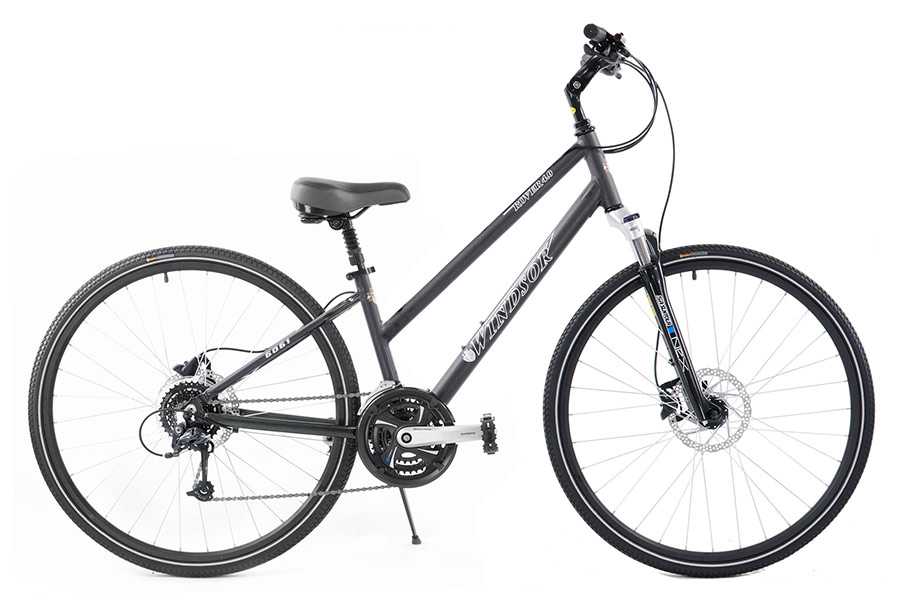
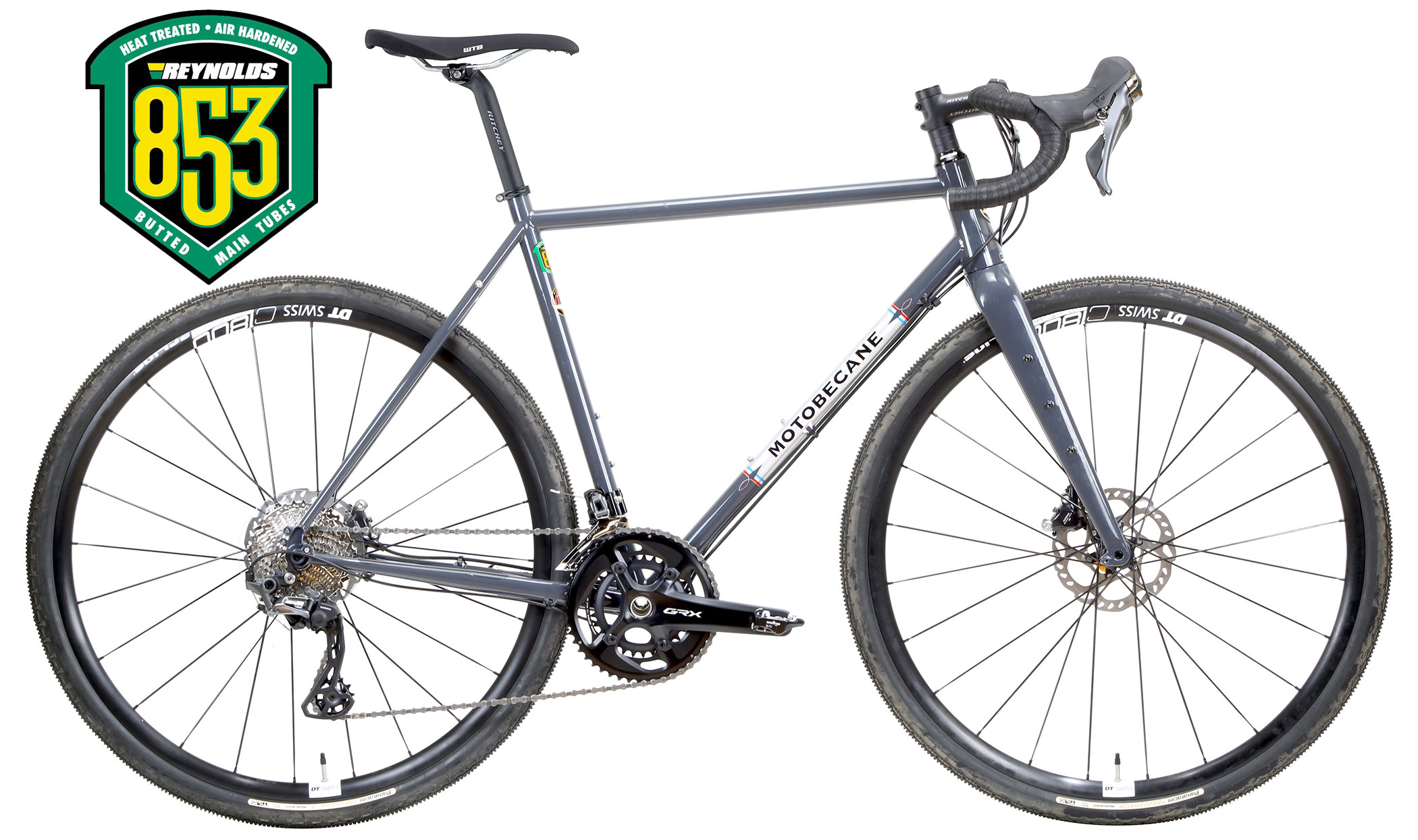
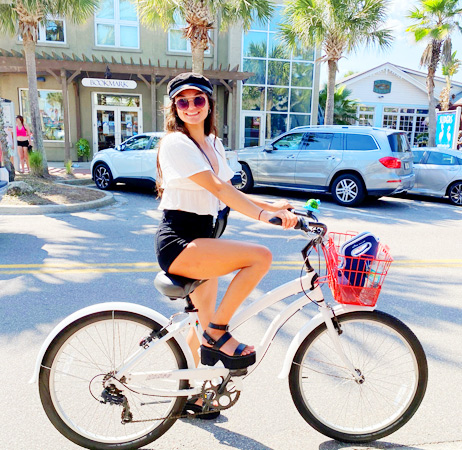
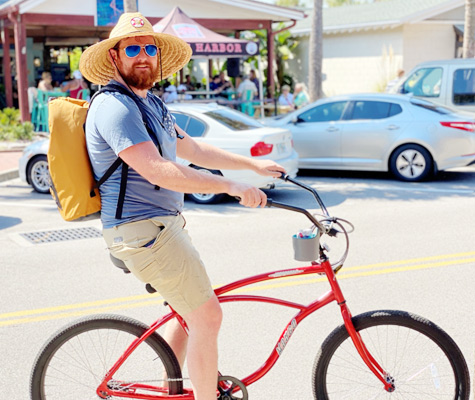
On a cool fall morning, before traffic builds and engines hum across the city, something remarkable happens. Cyclists glide past stalled intersections, roll through quiet neighborhoods, and arrive downtown calm, energized, and ahead of schedule. That sense of freedom is powerful, but in 2026 and beyond, it is becoming more than a personal benefit — it is a climate solution. As cities worldwide push toward ambitious 2030 environmental targets, bicycles are no longer viewed as recreational tools; they are now essential pillars in sustainable transportation planning.
The rise of sustainable bicycle commuting reflects a cultural and environmental shift. People are recognizing that the simplest machine — two wheels powered by human energy — can dramatically reduce emissions, congestion, and dependence on fossil fuels. With cleaner mobility topping urban agendas, bikes of every kind, from a versatile hybrid bike to a dedicated commuter e-bike, are helping riders rewrite their daily routines and redefine what sustainable living looks like.
Why Bikes Are at the Heart of Urban Climate Strategies
Cities face a pressing challenge: transportation emissions continue to climb, and traffic congestion is eroding both time and air quality. Many municipalities have identified cycling as one of the fastest, most cost-effective solutions to reduce carbon output while improving public health and mobility. Unlike large transit systems, bicycles require no fuel, minimal infrastructure, and virtually no maintenance cost from the city — and yet the impact is enormous.
Every mile traveled by bike instead of a car significantly cuts emissions. Multiply that by thousands of commuters, and entire cities shift toward cleaner air and reduced carbon footprints. This is why many climate action plans center on converting daily short car trips, especially those under five miles, into cycling trips.
A rider who chooses a road bike for weekday commutes or a gravel bike for mixed urban terrain contributes directly to emission reduction without sacrificing mobility. Cycling is not just an alternative; it is a scalable solution that cities can support quickly and affordably.
How Modern Bikes Make Sustainable Commuting More Accessible
Commuting by bike once felt practical only for the dedicated few. Now, thanks to advancements in bicycle design, many riders find themselves genuinely excited to ditch the car. The new generation of commuter-focused models is smoother, easier to ride, and far more adaptable.
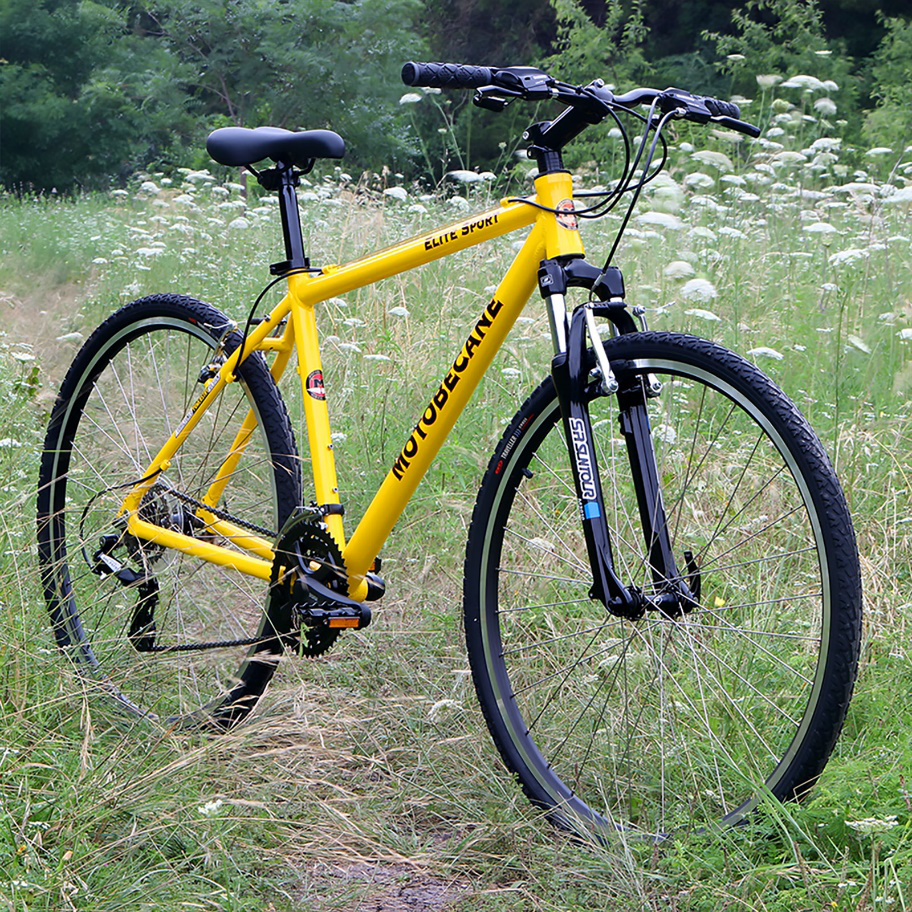
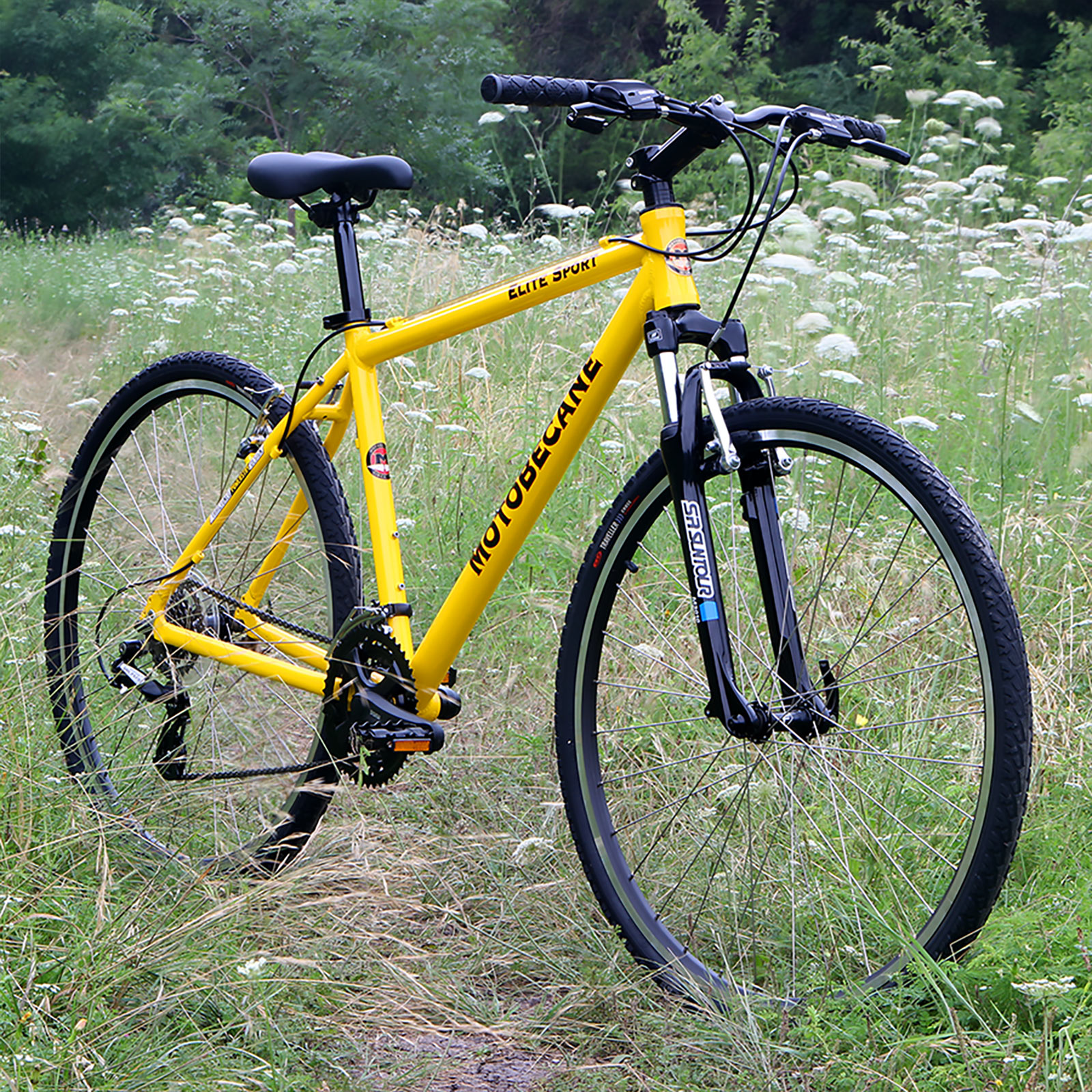
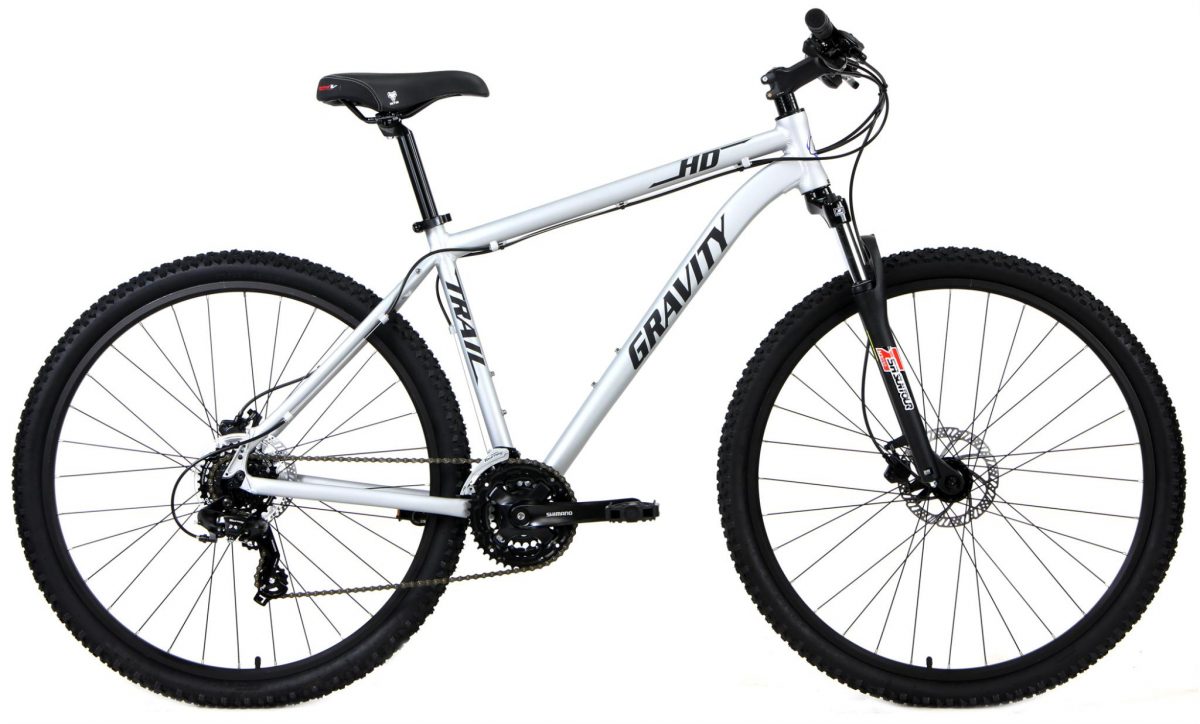
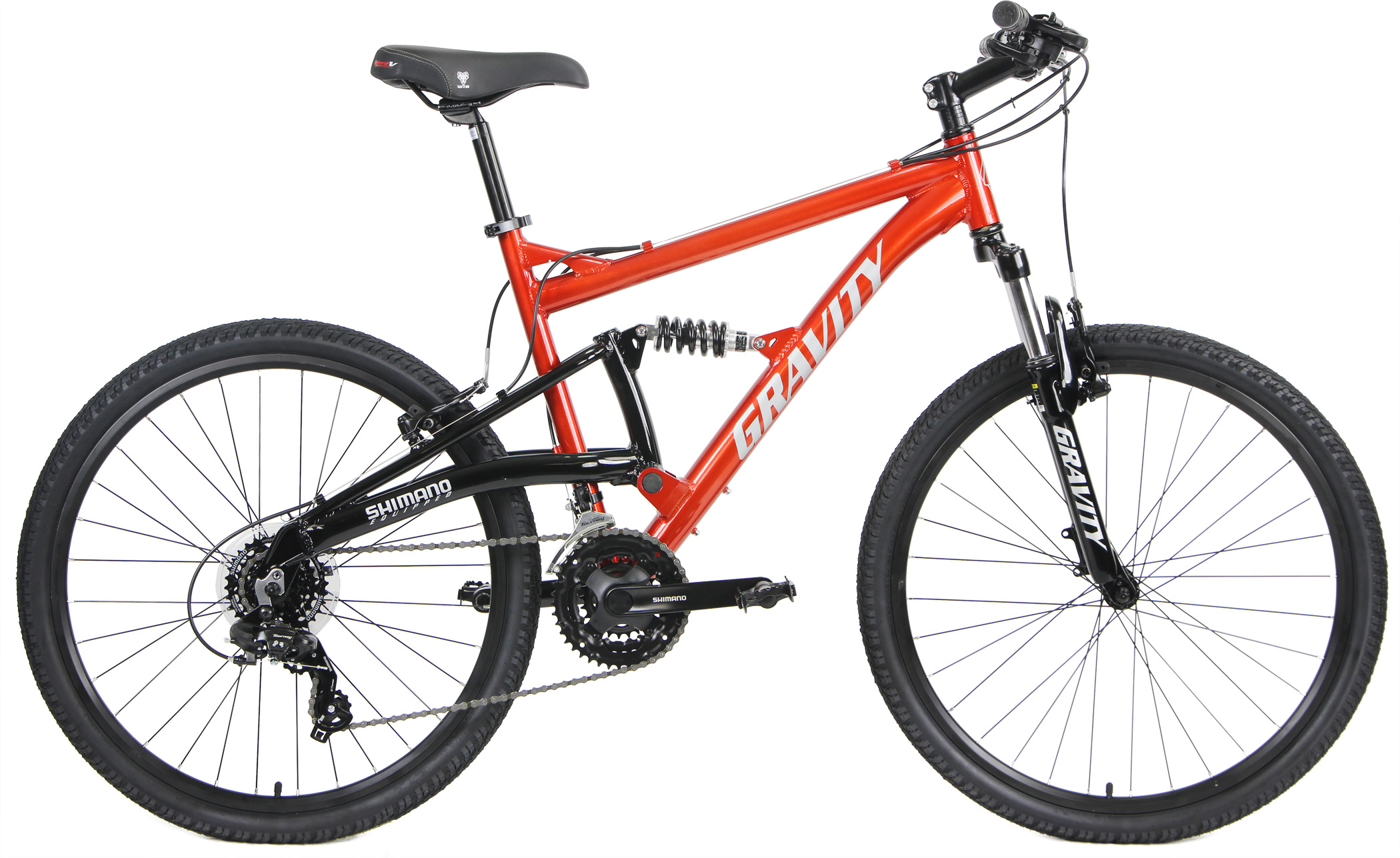
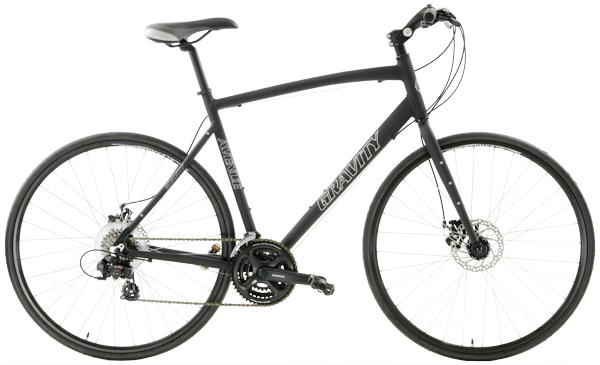
A hybrid bike strikes an ideal balance for many commuters, offering upright comfort, efficient rolling, and stability across pavement and light gravel. Riders navigating sections of unpaved greenway paths or shortcut trails appreciate how a gravel bike handles unpredictable surfaces without sacrificing speed. Even a nimble mountain bike becomes an excellent commuter for those riding through hilly terrain or storm-damaged routes where wider tires offer added security.
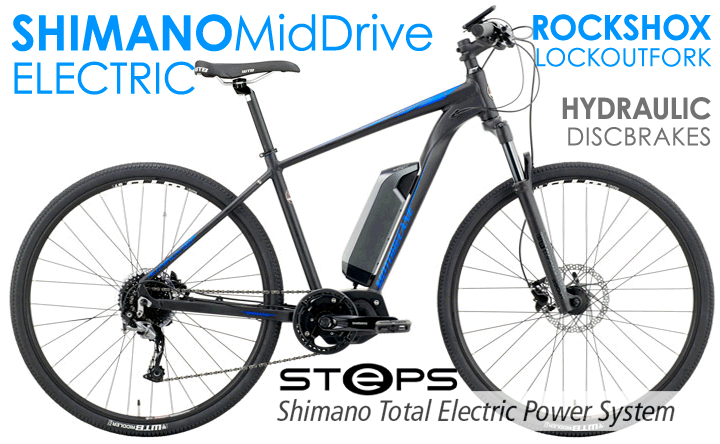
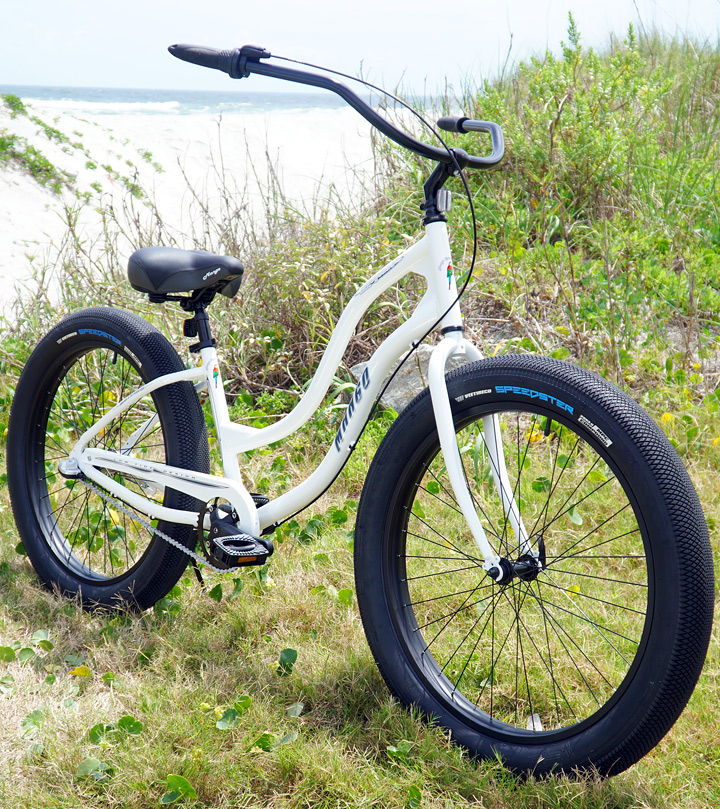
On the other end of the spectrum, some riders prefer the ease of a beach cruiser for short, relaxed urban travel, proving that sustainable commuting is not limited to performance-minded cyclists. And with the expansion of e-bikes, commuters across age, ability, and fitness levels have more options than ever.
Each category brings something unique to the commuting landscape, making it easier for riders to match their environment, comfort preference, and climate-conscious goals.
The Environmental Impact Riders Create Every Day
Choosing to commute by bike is one of the most effective personal actions an individual can take to reduce their carbon footprint. Studies repeatedly show that replacing even a few car trips per week with cycling slashes emissions significantly. These reductions compound over time and across entire populations.
Car-dependent cities face a challenge: many daily trips are short but still made by vehicle. These short trips often generate the highest per-mile emissions because cars produce more pollution during the first few minutes of operation. Switching these trips to a bicycle delivers immediate environmental benefits.
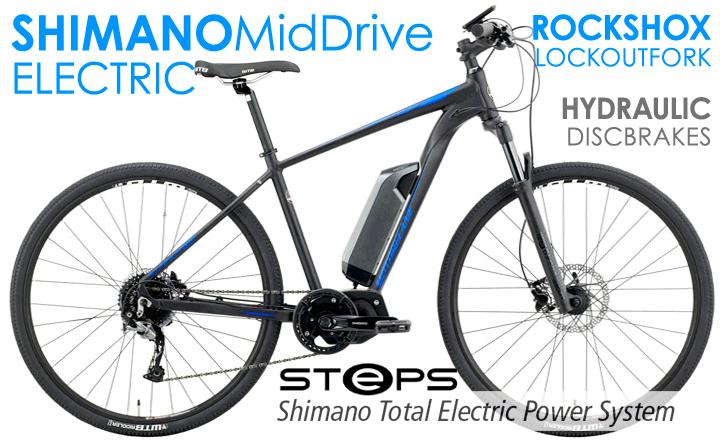
Even riders using electric-assist bikes contribute meaningfully, since e-bikes operate at a fraction of the energy consumption of cars. When many riders choose options like a hybrid commuter or an all-weather-capable fat bike, the reduction in fuel use, noise pollution, and roadway wear becomes substantial.
Cycling is often described as a small act with a big impact — and that is true. But when thousands participate, it becomes transformative.
Reducing Congestion and Reclaiming Urban Space
Sustainable mobility is not just about emissions; it is also about creating livable, breathable cities. Cars require enormous space — for roads, parking, idling queues, and storage. Bikes require a fraction of that footprint.
When a commuter chooses a road bike instead of a sedan, they instantly reduce congestion on already-strained roads. Multiply that action across thousands of rush-hour riders, and cities can reclaim road lanes, repurpose parking lots, and invest more thoughtfully in green infrastructure.
The ripple effects are profound. Neighborhoods become quieter. Pedestrian safety improves. Small businesses see increased walk-up and bike-up traffic. Urban planners gain flexibility to create more parks, greenways, and cycling corridors.
This is why bikes are considered essential to achieving 2030 climate goals — they reshape urban life in ways that benefit everyone, not just cyclists.
The Human Side of Sustainable Commuting
Beyond environmental metrics and emissions charts, there is a human story unfolding. People who shift to cycling often experience something unexpected: a boost in daily well-being.
Cycling lowers stress, increases cardiovascular health, and turns routine commutes into active moments of clarity and movement. Riders often say they arrive at work more focused, energized, and optimistic compared to sitting in traffic. The ride home becomes a decompression zone — a moving reset button.
Whether you ride a comfortable beach cruiser along waterfront paths or a sturdy mountain bike through uneven shortcuts, the journey becomes a purposeful part of your day.
Sustainable commuting is not only about meeting climate goals. It is also about creating healthier, happier communities. When cities invest in cycling infrastructure, they invest in people.
How to Shift from Car Commuting to Bike Commuting
Making the transition from driving to biking is easier than most people expect. Success begins with choosing the right bike for your terrain and comfort level. For example, a hybrid bike works beautifully for mixed-surface urban routes, while a gravel bike thrives on unpaved shortcuts or park connectors. If your commute has steep climbs, a wider-tire setup like a mountain bike or fat bike adds traction and confidence.
Consistency matters more than speed. Start with one or two bike days per week, gradually building comfort and familiarity. Many riders discover they actually prefer cycling once they experience the reduced stress, predictable travel time, and sense of accomplishment.
Before long, the car begins to feel like the inconvenient option.
Why Bikes Are Key to Reaching 2030 Climate Targets
Cities cannot rely on one solution to solve the climate crisis. They need a combination of improved transit, electric mobility, renewable energy, and meaningful individual action. Cycling ties these efforts together, offering an immediate, scalable, and affordable tool for change.
When commuters embrace sustainable bicycle commuting, they move cities closer to their 2030 climate goals one ride at a time. And as infrastructure grows, encouragement rises, and more people begin riding, the movement strengthens.
Cycling is more than transportation — it is a commitment to the future.
Start Riding Toward a Cleaner Tomorrow
If you are ready to make your commute more sustainable, healthier, and more enjoyable, now is a perfect time to choose the bike that matches your goals. Explore the options at Bikesdirect.com and take the first step toward a cleaner, greener way of moving through your city.
Your ride can be part of the solution — and your journey toward sustainability starts today.
Carbon wheels used to be pro-only, an exotic upgrade reserved for WorldTour budgets and wind tunnel daydreams. In 2025, prices and technology have moved the goalposts. What used to be a rarefied leap is now an achievable, high-impact upgrade for many riders, if you understand what carbon actually changes on the road, path, or gravel loop. We’ll translate lab concepts into felt improvements, address the biggest myths around durability and braking, explain how tire width and pressure tie the whole system together, and give clear scenarios where the value adds up, or doesn’t.
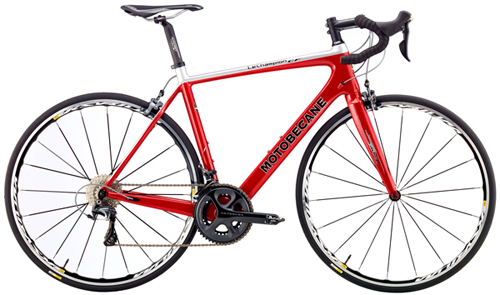
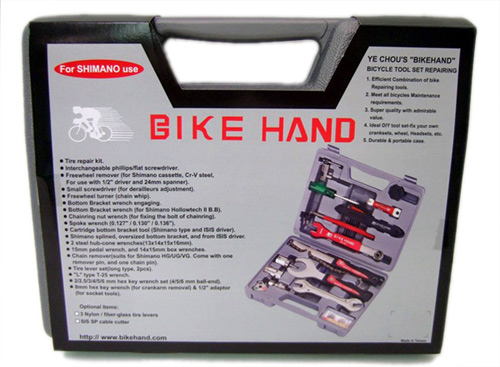
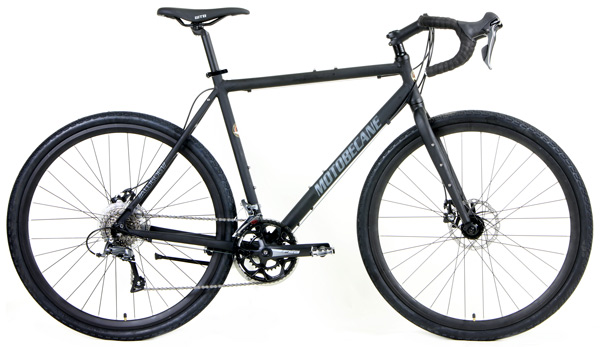
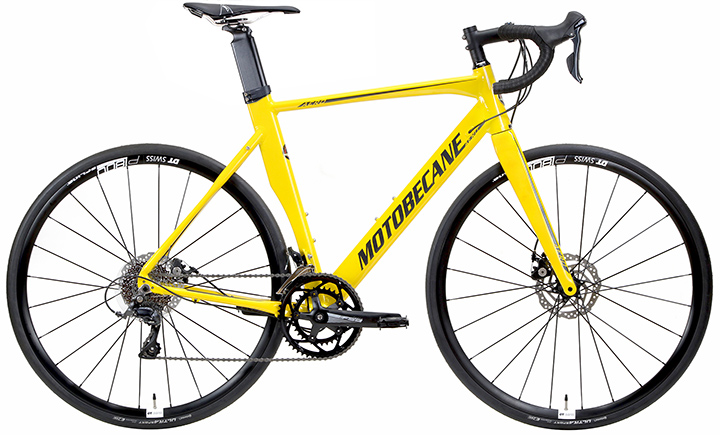
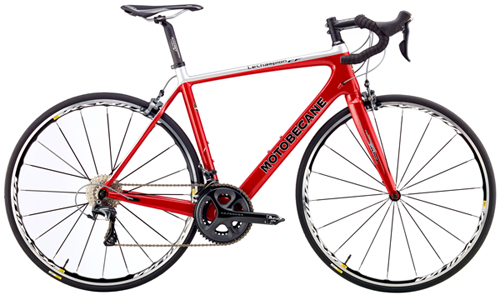
Along the way, we’ll point to complete bikes in our range that show how carbon rims, wide tubeless tires, and modern frames amplify one another: the quick, all-day smoothLe Champion CF LTD, the push-button precision of theImmortal Disc Team Di2, the speed-holdingFast Aero Road Elite Disc, and the classically versatileGravel X3 Disc. We’ll also flag a simple toolkit that makes owning nicer wheels painless, the compact, do-it-rightEssential Tool Kit.
What Carbon Wheels Change, In Plain Language
On the bike, you feel four main things when you swap from basic alloy to well-designed carbon: how easily the wheel holds speed, how calm it feels over rough surfaces, how predictably it behaves in crosswinds, and how precisely it corners and tracks under load. The physics behind each sensation has a jargon term, aerodynamics, vertical compliance, side-force stability, lateral stiffness, but your body translates them as steadier speed at lower effort, fewer “buzz” fatigue signals from your hands and shoulders, less twitchiness when wind hits, and sharper lines through turns.
Holding speed. Deep-section carbon rims, even in moderate depths, reduce the energy you lose to disturbed air. The effect is most obvious in the 18–25 mph range on open roads, but commuters and fitness riders feel it, too, because real-world riding strings together hundreds of short accelerations from 12 to 20 mph. Better aero doesn’t just make a fast section faster, it makes the whole ride quieter in your legs. That means you start the last miles with more charge in the battery, whether your finish line is a café, office, or town-line sprint.
Calming rough surfaces. Carbon’s internal layup lets designers tune how the rim flexes vertically. Paired with modern 28–32 mm road tires or 38–45 mm gravel tires at sensible pressures, a good carbon wheel takes the harsh edges off chipseal, seams, and washboard. You don’t float like on a suspension fork, but your nervous system stops bracing for chatter. You feel fresh longer and corner with less white-knuckle grip because the tire stays planted.
Crosswind manners. Old deep wheels shoved you around. Modern rim shapes aim to turn gusts into gentle nudges instead of yanks by controlling how air reattaches around the rim. You still feel wind, physics hasn’t retired, but the steering inputs are smaller and slower. Riders who once swore off deep rims for windy corridors often discover they can run a moderate depth daily with zero drama.
Tracking and cornering. Lateral stiffness keeps the bike feeling laser-guided when you load the front through a sweeping bend or stand to punch over a rise. The front wheel, especially, steers where your eyes go. With carbon, that connection tightens without turning harsh. Confidence goes up, micro-corrections go down, and speed sneaks higher with no extra risk.
Weight and Inertia: Why “Lighter” Isn’t the Whole Story
Everyone knows carbon can be lighter, but the bigger everyday gain comes from where you save weight: the rotating mass at the rim and tire. Reducing mass far from the hub lowers rotational inertia, so the wheel spins up with less effort and changes speed more willingly. The effect is clear in stop-start riding, short hills, and rolling terrain. Paradoxically, a slightly heavier but more aerodynamic carbon wheel can still beat a lighter shallow alloy wheel on most real routes, because air drag dominates once you’re moving. It’s not a binary; the best modern carbon sets find a sweet spot of low inertia and useful aero with strong side-wind manners.
Tires, Pressure, and Tubeless: The System That Makes Carbon Sing
Wheels don’t roll in isolation. The rim profile, internal width, and tire choice form a system. Mount a too-narrow, overinflated tire on a deep rim and you’ll lose much of the comfort and traction you paid for; mount a good-volume tire at realistic pressure and everything clicks.
Road and endurance. On the road, 28–32 mm tires at lower pressures than you’d have run five years ago provide lower rolling resistance on imperfect pavement and far better comfort. A bike like ourLe Champion CF LTD is built around that reality: carbon frame calmness, disc braking for wet-weather control, and room for modern tire sizes that turn carbon wheels from “race day only” to “every ride.” If you prefer a more race-adjacent posture and tempo-friendly geometry, theFast Aero Road Elite Disc shows how an aero-leaning platform pairs with deep carbon to hold speed between turns.
Gravel and mixed surfaces. For gravel, internal rim widths that let a 38–45 mm tire take a round, supported shape at 30–45 PSI transform washboard and marbles from “hang on” into “choose your line.” That’s why a capable all-road like theGravel X3 Disc is such a natural stepping stone; even with alloy wheels out of the box, its geometry and clearance make it carbon-upgrade ready when you want to add snap without sacrificing comfort.
Tubeless. Going tubeless is the single best complement to carbon wheels. You can run safer, lower pressures without pinch flats, and sealant quietly saves your ride by closing micro punctures you’d never even notice. The “speed + calm” combination is addictive in the best way.
Braking and Heat: Disc Brakes Changed the Conversation
Rim-brake carbon once had a real weakness: heat build-up under prolonged braking on long descents. Modern resins improved things, but disc brakes largely solve the problem by moving braking away from the rim entirely. Heat goes into a rotor designed to shed it, pad compounds are consistent in wet and dry, and carbon rims are free to focus on aero, stiffness, and compliance rather than brake heat. For riders in rainy cities, this is a quiet revolution; you get predictable stops and a much bigger wheel design envelope. That’s part of why bikes like theImmortal Disc Team Di2 feel so composed in foul weather: carbon frame smoothness, disc brake control, and the option to pair with deep, well-mannered carbon rims without brake-track compromises.
Durability Myths vs. Reality
Two myths dominate: that carbon shatters easily, and that one pothole will write off an expensive wheel. The reality is more nuanced. Quality carbon rims are engineered to survive substantial impacts and loads. They fail differently than alloy, often either fine or clearly damaged rather than “bent but rideable”, but day-to-day robustness is excellent when pressures are appropriate and spokes are correctly tensioned. The common real-world “wheel killer” isn’t material; it’s under-inflation for the hit you took, or slamming square-edge obstacles with locked elbows and no unweighting. Good riding habits and realistic tire pressures protect any wheel, and carbon is no exception.
Hookless vs. hooked rim beds enter the durability conversation, too. Hookless road/gravel rims can be safe and fast when paired with compatible tires at the right pressures. The benefit is manufacturing precision and weight savings; the requirement is reading the tire label and not inflating well beyond recommended limits. If you prefer maximal tire compatibility and the option to run higher pressures on narrower tires, a hooked carbon rim remains an excellent choice.
Crosswinds and Handling Confidence
Deep rims are no longer a binary choice between speed and terror in gusts. Rounded, blunted leading edges and careful sidewall curvature broaden the “stable yaw” window, the angles at which the wheel feels neutral or gently self-correcting. For everyday riders, that means you can pick a depth for your terrain instead of your nerves. On exposed flats and rolling roads, 40–50 mm can be a set-and-forget daily depth. In mountainous areas with gusty canyons, 35–45 mm front with 45–55 mm rear balances calm steering and strong speed retention. On gravel, mid-depth rims with generous internal width keep handling neutral without the sail effect of very deep sections.
The Commuter’s Case: Are Carbon Wheels Worth It for City Miles?
If your commute is flat, short, and full of stops, the gains are subtler, but still real. Reduced rotational inertia helps you leave every light with less effort. Better compliance at realistic tire pressures reduces fatigue from broken pavement. Aero benefits are smaller at commuter speeds, but holding 16–18 mph into a headwind with a fairing-like rim shape feels kinder than muscling shallow, boxy rims. The value hinges on how often you ride and the surfaces you face. If you’re daily year-round, carbon can be a quality-of-life upgrade: fewer rattles, calmer steering, easier pace. If you roll twice a week for three miles each way, you might prioritize lights, fenders, and puncture protection before chasing carbon.
The Weekend Warrior’s Case: Fitness, Group Rides, and “Fast Feels”
Weekend group rides reveal the best of carbon wheels. You get lower effort to stay glued in the draft, faster recovery between pulls, and extra free speed on rolling terrain. If you love the sensation of speed and smoothness, a mid-deep set turns any spirited loop into a highlight reel. This is where an aero-honest bike like theFast Aero Road Elite Disc pairs beautifully with a 40–50 mm wheel: good manners in varied wind, solid momentum between corners, and a cockpit that stays composed under braking.
The Long-Distance Rider’s Case: Comfort Is Speed
Century riders and randonneurs know the truth: comfort compounding over hours becomes speed. Carbon’s tuned compliance plus wide tubeless tires at lower pressures keeps micro-trauma away from hands, shoulders, and low back. You eat better, drink more regularly, and end fresher because your nervous system isn’t fried. The upgrade pays you back in the last hour, when many rides are decided by who has “just enough” left. On a carbon endurance platform like theLe Champion CF LTD, mid-depth rims with 30–32 mm tires hit a sweet spot: meaningful aero, confident grip, and a velvety feel over patchy pavement.
Gravel Reality: Carbon Wheels Beyond the Pavement
Some riders worry carbon wheels on gravel are fragile. The lived experience with the right setup says otherwise. Generous internal widths support 40–45 mm tires so you can run pressures that absorb square-edge hits. Compliance tuned into the rim shelves off high-frequency buzz that makes washboard so taxing. The main caution is pressure discipline: don’t chase ultra-low pressures without testing for rim strikes. Start conservatively, drop a few PSI at a time, and learn where your combo feels plush but protected. When you’re ready, a bike like ourGravel X3 Disc is built around these principles, so a carbon wheelset later feels like a natural extension rather than a splurge that fights the frame.
Cost, Value, and “Where Will I Feel It First?”
Every upgrade decision is a budget equation. The honest way to judge value is to ask: how often will I feel this, and for how long? Carbon wheels answer with “on every acceleration and across most of the ride.” Contrast that with a boutique cockpit you notice when you look down, or superlight tires you notice until the first flat. If you ride three to five days a week for fitness or commute year-round, carbon wheels often return more joy-per-dollar than chasing marginal frame weight savings. If you’re fitting out your first serious road bike, it can make sense to buy a great complete bike first, something like theImmortal Disc Team Di2, and schedule wheels as your year-two gift to yourself. You’ll get the baseline sorted (fit, gearing, braking), then amplify it with a wheelset that matches your riding personality.
How to Choose Depth, Width, and Spokes, Without a PhD
Pick depth for wind and speed, width for tire choice, and spoke count for your use case. In windy, rolling regions or for lighter riders, a ~40 mm front / 45–50 mm rear balances stability and speed. For flatter, steadier routes or bigger riders comfortable in gusts, 50–60 mm can be a satisfying daily choice. For road tires at 28–32 mm, look for internal widths in the ~19–23 mm range; for gravel 38–45 mm, 23–25+ mm internal widths shape the tire well. Spoke counts around 24 front / 24–28 rear cover most road and all-road needs; heavier cargo or rough gravel may push you to 28 rear for extra margin.
Installation, Care, and the “New Wheel” Checklist
Great wheels deserve a deliberate setup. Measure your frame and brake caliper clearances with your actual tires. Tape tubeless rims carefully; valve seating matters. Use a torque wrench on rotor bolts and through-axles to avoid over-tightening and creaks. Align calipers anew, carbon rims may change rotor position by a fraction. Set tire pressures with a reliable gauge; don’t guess. Then ride a short shakedown before your big day, listening for spoke ping (normal first rides), checking rotor rub, and confirming sealant did its job. The little things you do in the first ten minutes produce months of silence. Our compactEssential Tool Kit is designed for exactly this: the right hexes, a torque tool, and the small stuff that turns “hope” into “done right.”
Common Mistakes, And the Fastest Fixes
Overinflation is the number one performance killer. If your bike chatters and skips on tiny bumps, your pressure is too high for your volume and weight. Drop 5–8 PSI, ride the same section, then add back 1–2 PSI if turn-in feels vague. Mismatched tire and rim widths create lightbulb shapes that corner weirdly; choose a tire that fills the rim without bulging. Neglecting rotor realignment after a wheel swap causes “mystery rub”, loosen caliper bolts, squeeze the brake to center, and re-torque. Skipping a post-install re-check after 50–100 miles lets early spoke stretch turn into long-term ping; a quick stress-relief and tension balance by a shop or skilled home mechanic keeps the set silent and true.
Who Should Upgrade Now, and Who Can Wait
If you ride group rides and care about sustainable speed, carbon wheels are the most noticeable upgrade you can make after proper fit. If you’re an endurance rider who values feeling strong in hour four, the comfort-at-speed dividend is real. If you’re a commuter on broken tarmac who wants fewer rattles and easier launches from lights, the “everyday calm” may be worth it. If you’re new to drop bars and still sorting fit, shoes, and tire pressure, lock those in first. The best wheel in the world can’t outrun a too-long cockpit or under-padded hands. Think sequence: fit and tires first, then wheels, then marginal flourishes.
Putting It All Together on Real Bikes
Our lineup reflects the system reality. TheLe Champion CF LTD is a carbon endurance platform that turns mid-depth wheels and 30–32 mm tubeless tires into a magic-carpet feel over imperfect roads. TheFast Aero Road Elite Disc is the speed-keeper, translating aero rims into relaxed, high-tempo cruising between corners. TheImmortal Disc Team Di2 layers in electronic shifting, press, shift, done, so you can stay in the wind for longer without cognitive load. And theGravel X3 Disc is a reminder that all-road frames with real tire clearance and stable geometry are carbon-wheel naturals when you want comfort and snap in one package. Keep a tidy setup with theEssential Tool Kit, and your “upgrade” becomes your new normal.
A Simple Decision Framework
Picture your three most common rides. If at least two of them would benefit from steadier speed at moderate effort, calmer feel over rough surfaces, and more decisive turn-in, carbon wheels make sense. If your rides are short, flat, and gear-heavy, lots of stops, heavy cargo, you might invest first in lights, fenders, and puncture-proof tires, then revisit wheels. If you’re on a great alloy set already, consider where the bottleneck is. If wind pushes you around, choose a moderate depth with modern crosswind stability. If you’re beat up by chipseal, choose a rim that supports wider tires at lower pressures. If you love the idea of gliding, choose both.
The Bottom Line
Carbon wheels in 2025 aren’t just about looking fast; they’re about feeling fast in a sustainable, repeatable way. They hold momentum with less effort, smooth the ride so you arrive fresher, behave politely in wind, and turn where you look without fuss. They shine for weekend warriors and endurance riders and still make sense for committed commuters who want daily calm. They’re not a Band-Aid for poor fit or rock-hard tires, but when you pair them with realistic pressures and a frame that supports modern rubber, they become the upgrade you notice on every ride.
If you want help matching rim depth to your wind and terrain, pairing tire sizes to rim widths, or simply deciding whether now is the moment to leap on your road bike, we’re happy to talk through the options. Tell us about your routes, your speeds, and what you want to feel different in the first ten minutes and the last ten miles. We’ll point you to the right setup, and the right bike to make the most of it.
When you’re ready to tailor wheels to your ride,contact our team and we’ll turn “are carbon wheels worth it?” on your gravel bike into a confident yes or an informed “not yet”, based on your roads, your goals, and your budget.
On a sunny Saturday morning, before the neighborhood wakes up, you see them everywhere — riders cruising along quiet streets, rolling onto wooded paths, looping around lakes, and pedaling toward weekend coffee spots. Some wear athletic gear, others ride in jeans, and a few have kids in tow. Despite their different styles, they often share the same type of ride: a hybrid bike. That variety of settings tells a clear story. In 2025, the hybrid has become the suburban cyclist’s most trusted companion, blending comfort, versatility, and everyday practicality into one bike built for nearly anything.
As more people look for ways to stay active, reduce driving, and explore their local communities, the appeal of hybrid bikes continues to grow. And with so many hybrid bike benefits, suburban riders now find fewer reasons to own multiple bikes for different uses. One ride can do it all — from weekday commutes to weekend adventures.
Why Hybrid Bikes Fit the Rhythm of Suburban Living
Suburban life creates a unique blend of needs for cyclists. Riders may travel smooth pavement one moment, then hit gravel shortcuts, park trails, or uneven sidewalks the next. A traditional road bike handles pavement brilliantly but struggles with rough surfaces. A mountain bike is great for dirt paths but feels sluggish on long stretches of asphalt. And while a relaxed beach cruiser offers comfort, it is not built for varied terrain or quick acceleration.
A hybrid bike sits perfectly in the middle, which is exactly why it thrives in suburban neighborhoods. Riders experience an upright, comfortable posture that supports relaxed daily movement, but they also enjoy efficient rolling, predictable steering, and stability across mixed surfaces. This balance makes hybrids ideal for everyday errands, casual exercise, family rides, and even occasional commuting.
The bike adapts seamlessly to the rider’s lifestyle, not the other way around. That flexibility is one of the most powerful hybrid bike benefits in 2025.
Comfort That Encourages More Riding
One of the biggest reasons suburban cyclists love hybrids is comfort. Riders want to enjoy the journey, not just arrive at the destination. The upright positioning of a quality hybrid reduces strain on the neck, wrists, and lower back. Meanwhile, slightly wider tires create a smooth and forgiving ride, even when navigating bumps, cracks, or gravel transition zones.
Compared to the aerodynamic posture of a road bike, hybrids feel approachable. They invite new riders into the sport and allow experienced cyclists to enjoy longer outings without fatigue. For anyone combining fitness with relaxation, the hybrid checks all the right boxes.
Comfort also supports consistency. When a bike feels good, riders naturally reach for it more often — whether for a morning loop or an after-dinner cruise around the subdivision.
Versatility Across Pavement, Paths, and Light Trails
Most cyclists do not stick to one type of terrain. Suburban environments include everything from paved roads and neighborhood sidewalks to greenway connectors, school paths, and lightly wooded trails. A hybrid’s blend of efficient wheels and stable geometry makes it one of the few bikes capable of handling all these surfaces confidently.
A gravel bike offers exceptional performance on dirt and loose surfaces, but its drop-bar design may feel technical for beginners. A mountain bike adds tackling power for rougher terrain, but it sacrifices speed on pavement. The hybrid delivers a sweet spot — fast enough for suburban streets, stable enough for park trails.
This versatility is especially helpful for families who share bikes or groups of friends with mixed riding preferences. Everyone can enjoy the same routes without worrying about terrain limitations.
A Practical Choice for Everyday Transportation
Many suburban riders choose hybrids not only for recreation but also for transportation. With traffic congestion rising and parking becoming more limited in suburban town centers, cycling has become a practical replacement for short car trips.
A hybrid bike provides predictable handling for stop-and-go riding, easy mounting and dismounting, and enough gearing range to handle hills and longer distances. Riders can comfortably carry backpacks, groceries, or work essentials with the right rack or basket setup.
For environments where dedicated bike lanes are still developing, the balanced ride of a hybrid offers confidence. Riders can maneuver around parked cars, navigate neighborhood intersections, and transition onto multi-use paths with ease.
In 2025, more cities and suburbs are building cycling infrastructure to support active transportation. Hybrids fit perfectly into this evolving landscape.
Comparing Hybrids to Other Popular Bike Types
Understanding how hybrids stack up against other categories helps riders make confident decisions.
A road bike offers unmatched efficiency and speed, but its narrow tires and aggressive posture make it less forgiving for riders who prefer comfort or varied terrain. A hybrid, with its upright stance and adaptable tires, bridges the gap between performance and everyday usability.
A mountain bike excels in rough terrain but can feel heavy on long suburban rides. Hybrids keep some of the stability of a mountain setup without the extra suspension or weight.
A gravel bike is a strong contender for riders seeking adventure, offering drop bars and tons of capability on dirt roads. However, hybrids often feel more intuitive for beginners or casual riders due to their straightforward handling.
A classic beach cruiser remains a fun, laid-back option, but its single-speed or limited gearing makes it challenging on hills or long loops. Hybrids offer that same casual comfort but with far greater range and adaptability.
Even the eye-catching fat bike has its niche — snow, sand, and rugged trails — but it is not designed for everyday suburban rides. Hybrids remain the most practical day-to-day solution for most riders.
These comparisons show just how many hybrid bike benefits extend beyond versatility: they simplify decision-making for riders who want one reliable bike for nearly any scenario.
Fitness, Fun, and Family-Friendly Freedom
Suburban riders frequently use hybrid bikes for fitness and recreation. The upright posture engages the body in a natural, sustainable way, making cycling a gentle but effective workout. Riders often report improved cardiovascular endurance, stronger leg muscles, and lower stress levels thanks to consistent riding.
Hybrids are also incredibly family-friendly. Parents can tow child trailers or ride alongside kids learning to balance. Weekend loop rides become shared memories instead of solitary training sessions.
For social riders, hybrids create an equal playing field. Friends with different fitness levels or experience can all enjoy the same pace without pressure.
This ease of use builds confidence, which in turn builds community.
The Ideal Bike for New Riders and Returning Cyclists
Many adults who have not ridden in years — or since childhood — choose hybrids as their reentry into cycling. The familiar upright stance, simple controls, and intuitive handling help riders feel comfortable immediately.
At the same time, experienced riders who want a break from aggressive training or who need a second bike for errands often select a hybrid as their go-to option.
When a bike feels inviting, riders find more opportunities to use it, unlocking both physical and mental benefits. Hybrid bikes create that invitation effortlessly.
Why 2025 Is the Perfect Time to Choose a Hybrid
Suburban cycling is growing quickly, and manufacturers are improving hybrids with better frame materials, upgraded drivetrains, and enhanced comfort features. Riders now enjoy lighter frames, better brakes, smoother gear shifts, and modern styling that competes with higher-tier categories.
In 2025, a hybrid is not just a compromise between categories — it is a deliberate choice for riders who want practicality, comfort, and value without sacrificing performance.
Ready to Experience the Freedom of a Hybrid
If you want a bike that adapts to your lifestyle, matches your environment, and makes every ride enjoyable, a hybrid might be your perfect fit. Explore the selection at Bikesdirect.com and discover the versatility, comfort, and all-purpose freedom a hybrid brings to suburban life.
Your next great ride starts the moment you choose versatility.
Surveys conducted in 2025 repeat the same themes: junction anxiety, nighttime visibility, unpredictable driver behavior, and trip-chaining with children or groceries. Infrastructure is improving in many cities—more protected lanes, better lighting, safer intersection geometry—but bike choice still shapes how secure you feel today. This comparison looks at three city-ready platforms against the criteria that matter most for women’s cycling safety in 2025: upright posture and sightlines, low-speed stability, wet-weather braking, lighting readiness, and cargo practicality.
The Three Bikes on Test
Motobecane Café Strada 4130 Disc Flatbar (Steel) — relaxed flat-bar posture with disc brakes and a famously smooth ride:Café Strada 4130 Disc Flatbar
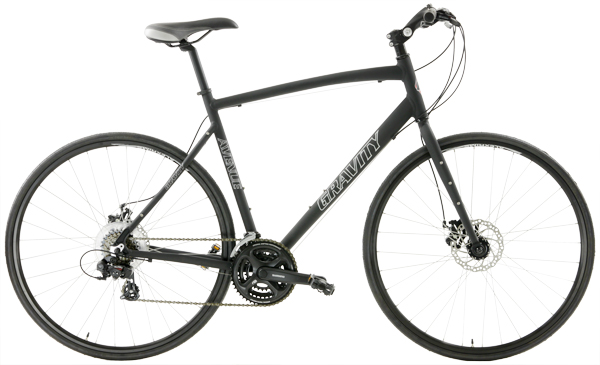
Gravity Avenue FXD Disc (Alloy Fitness/Commuter) — quick, upright, rack-ready, and easy to outfit:Avenue FXD Disc
Motobecane Elite eAdventure (E-Assist Utility) — torque-sensing motor that flattens hills and schedules:Elite eAdventure
Posture & Sightlines: See More, Sooner
Café Strada 4130
Steel’s calm personality pairs with a generous stack and modest reach, putting you naturally upright. You glance, not crane, when shoulder-checking, and you stay relaxed at the bars in stop-start traffic.
Avenue FXD Disc
A touch sportier than the steel bike but still heads-up. The cockpit encourages confident scanning in city flow while feeling lively at green lights.
Elite eAdventure
The most upright of the three. Because the motor sustains cadence on rises, you’re not “nose-down” fighting the grade. You keep eyes up, anticipate gaps, and choose clean lines.
Verdict: For maximum heads-up riding, the eAdventure leads; the Café Strada is a close second for riders who prefer analog simplicity.
Low-Speed Stability: Starts, Stops, Tight Spaces
Café Strada 4130
Longer wheelbase and steel’s damping resists twitchy inputs on rough patches. It tracks straight away from the lights and feels composed, threading between parked cars.
Avenue FXD Disc
Neutral steering and a light front end make micro-maneuvers easy—nudging over paint lines, rolling shallow curb cuts, or tip-toeing through taxi ranks.
Elite eAdventure
Torque-sensing assist makes uphill or loaded restarts calm rather than wobbly. With panniers or a child seat, it launches as if the road were flat.
Verdict: eAdventure for hill or cargo restarts; Café Strada for analog poise; Avenue for nimble errands.
Wet-Weather Braking & Control
Disc brakes across all three improve confidence, offering low lever force, linear power, and a consistent feel in the rain.
Café Strada 4130: Smooth, predictable modulation invites earlier, gentler braking—ideal in drizzle.
Avenue FXD Disc: Easy to keep quiet and well-aligned after wheel removal—useful for apartment storage.
Elite eAdventure: Tuned for assisted speeds; braking stays straight even with rack weight.
Verdict: A three-way win—choose based on your other priorities.
Night-Ride Readiness: Lights, Mounts, and Visibility
All three accept compact headlights and pulsing rears cleanly. Aim the beam slightly down to reveal potholes without dazzling; choose reflective sidewalls and ankle bands for motion cues.
Café Strada 4130: Straightforward routing and fork make rattle-free mounting simple.
Avenue FXD Disc: Tidy cockpit leaves space for a headlight bracket.
Elite eAdventure: On some trims, integrated displays/lights; even with battery lights, assistance lets you run brighter modes comfortably.
Cargo & Trip-Chaining: From Shops to School Runs
Café Strada 4130
Steel shrugs off a solid rear rack. With 32–38 mm tires at realistic pressures, two full panniers remain steady, and the bike tracks cleanly in turns.
Avenue FXD Disc
Value standout for everyday loads. It accepts racks and full fenders easily, keeps weight low and tight, and feels perky when you ride home empty.
Elite eAdventure
Normalizes awkward errands. A hill with a child seat or a week’s groceries stops being a scheduling crisis. Time certainty is the hidden super-power.
Comfort Equals Safety: Tires and Pressure
Comfort directly reduces the need for over-correction. On Café Strada and Avenue, 32–38 mm tires at a rider-appropriate PSI quiet chatter over brick, paint, and patches. For eAdventure, keep casing volume generous and add a few PSI for heavy cargo to avoid squirm while preserving wet grip. Set lever reach for one-finger braking so the rest of your hand stays fully wrapped on the bar.
Ownership & Costs: What It’s Like to Live With
Café Strada is the “forever frame”: durable steel, standard parts, discs that don’t fade in rain. Avenue is the lowest-fuss commuter: universal spares, simple upkeep, quick accessorizing. eAdventure asks for a charging habit and slightly earlier drivetrain checks due to higher mileage, but per-trip electricity cost is tiny—and many riders simply ride more often.
Which One Fits Your Week?
Flat routes and value focus? Avenue FXD Disc. Patchy pavement or longer analog commutes? Café Strada 4130. Hills, headwinds, kid seats, or tight schedules? Elite eAdventure.
Build Safety Into the Bike, Then Outfit the Details
Women’s urban cycling confidence grows fastest when posture, stability, braking, and visibility align—and the road bike helps with cargo instead of complicating it. Pick the platform that removes your biggest friction first, then add bright lights, reflective details, full fenders, and sturdy racks. If you want a short list tuned to your streets, loads, and time windows, BikesDirect can help compare sizes, tire clearances, and specs side-by-side. For tailored recommendations and pricing,contact BikesDirect, and we’ll configure a gravel bike setup that feels safe from day one and keeps you riding more often, all year long.
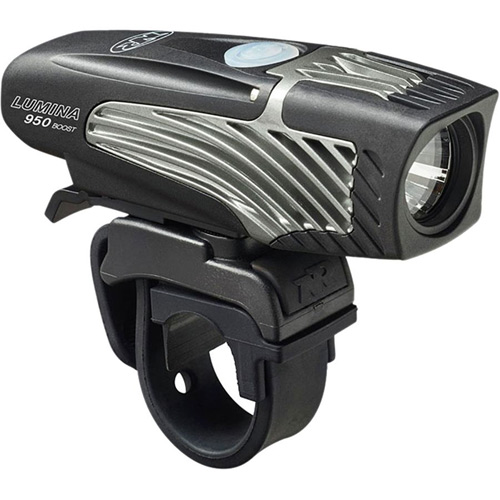
Riding after dark shouldn’t feel like guesswork. Pick the right light, aim it correctly, and plan your battery usage, and night miles become calm, fast, and safe. This guide explains lumen needs for city, suburban, and trail riding; why beam cutoff matters when cars and pedestrians share your space; how to estimate run time with simple battery math; and the mounts and backup strategies that turn “hope I make it” into “I’m covered.” Along the way we’ll point to reliable gear from our lineup—like the compactLumina 950 Boost—and the tools that keep everything tight, including ourEssential Tool Kit. If you’re also considering a fast, confident road platform for night training, a carbon road machine like theMotobecane Le Champion CF LTD pairs beautifully with a properly set headlight.
How Many Lumens Do You Really Need?
“More lumens = better” is only sometimes true. What you really want is appropriate illumination for your speed and environment, with a beam pattern that puts light where your eyes need it and avoids blinding others.
City: 200–400 Lumens with High Visibility
Streetlights, shop windows, and car headlights already provide ambient light. Your headlight’s job is to be seen and to fill the patch of pavement right in front of you without dazzling oncoming traffic. A compact light in the 200–400 lumen range with a defined beam and a daytime flash mode is ideal. Use a steady low setting on unlit blocks so your wheel path is clear, and a flash/pulse setting in busy corridors to cut through visual clutter.
Suburban/Unlit Paths: 500–900 Lumens for Line Choice
On mixed lighting—dim street lights, dark bike paths—you’ll ride faster and more confidently with 500–900 lumens. This range illuminates potholes and branches far enough ahead to choose a line without panic braking. A light like theLumina 950 Boost sits perfectly here: compact, bright, and simple to toggle between levels as conditions change.
Trails and High-Speed Descents: 1200+ Lumens with a Second Beam
Singletrack demands depth perception and shadow detail. A bar-mounted flood (1200+ lumens) paints the trail and creates stable shadows; a helmet-mounted spot (600–900 lumens) points where you look to highlight corners, off-camber roots, and apexes. If you’re on flowing suburban paths at 18–22 mph, consider stepping up one mode for extra braking distance.
Beam Patterns and Cutoff: Why Shape Matters
Lumen count is only half the picture; beam shape decides what you can actually see. For roads and shared-use paths, a cutoff beam—flat on top, more light down low—prevents glare for oncoming traffic while concentrating light on your lane. On trails, you want a symmetric flood to show depth and side detail. If your light doesn’t have a dedicated cutoff optic, you can mimic one by aiming the hotspot slightly down and keeping the upper edge of the beam below driver eye level at typical distances.
Aiming in Two Minutes
Park five bike lengths from a wall. On your usual speed setting, aim so the beam’s brightest core hits the ground roughly 10–12 meters ahead, not the horizon. Sit on the bike when you finalize—your weight changes aim. If drivers are flashing you, lower it a touch; if you can’t see pavement seams in time to steer smoothly, raise it a hair. The goal is confident sight lines and courtesy, a hallmark of the best bike lights setups.
Battery-Life Math You Can Actually Use
Most lights list run times by mode. Real life varies with temperature, age of cells, and how often you change brightness. A simple way to plan: decide your ride time, then choose a brightness profile that gives 1.5× that duration on paper to cover cold and detours. If your light offers 2.5 hours on “medium” and your route takes 90 minutes, you’re covered with margin. For colder nights, expect 10–20% less run time; lithium-ion chemistry sags in the cold, so stash a small light in a pocket as backup.
Mode Strategy That Extends Range
Use low/medium on lit streets, bump up to high for descents and dark stretches, and return to medium for steady cruising. That simple habit doubles practical run time versus “set-and-forget on max”—with zero safety penalty.
One Light or Two? The Redundancy Rule
Ride with two front lights whenever you’re more than a few miles from home or heading off-road at night. A small helmet or bars-backup saves the ride if your primary dies or gets splattered by mud. The same logic applies to rear visibility: one bright taillight on steady or pulse, and a second on your seatstay, bag, or helmet for redundancy at different heights. A tiny backup weighs ounces and adds serious peace of mind.
Mounts That Don’t Budge (and Don’t Rattle)
A great light is only as good as its mount. For road and path riding, a bar mount keeps the beam stable and consistent; angle the clamp so the body of the light sits level when you’re in your typical posture. For trail riding, add a helmet mount to “look around” corners. Tighten straps evenly and recheck after the first half hour—foam and vents bed in. Keep mounts clean; fine grit makes clamps slip. OurEssential Tool Kit has the hex keys and torque tool you’ll want for snug, creak-free installs.
Bar vs. Helmet: What Each Does Best
Bars create steady shadows that reveal surface texture. Helmets follow your eyes to pre-light switchbacks, log overs, and exit lines. Together they produce depth you won’t get with a single source. If you must choose just one, start with a solid bar light and add a helmet spot later.
Seeing and Being Seen: The Complete Package
Front visibility gets the glory, but rear and side visibility close the loop. Use a taillight with a distinctive pulse pattern that doesn’t “disappear” among car lights. Angle it slightly down so following drivers see the core rather than a scattered blast. Add reflective ankle bands or side accents on your bike or shoes; motion-based reflection is instantly recognizable to drivers. If you’re training on a fast road bike like theLe Champion CF LTD, a compact, aero-friendly light and tidy routing keep the cockpit clean while maintaining conspicuity.
Weather, Temperature, and Real-World Reliability
Rain and fog amplify glare and shorten reaction distances. In rain, aim slightly lower and prefer a warmer or neutral tint if your light offers it; warmer light cuts spray glare better than very cool white. In fog, avoid max modes that reflect energy straight back at your eyes. Cold nights drain batteries; store the light indoors until you roll and consider body-warming a spare backup in a jersey pocket.
Quick Night-Ride Checklist
Do this in two minutes before you roll: clean lens, confirm aim against a garage door, check battery level, verify your taillight mode, secure mounts, and start the ride on medium—not max. If you’ll hit a dark trail later, mentally mark where you’ll jump one mode up. Keep an eye on run-time indicators; modern lights give ample warning, and switching down a mode early preserves a useful beam instead of watching it nosedive.
Recommended Starting Point
Looking for a compact, trustable choice that punches above its size for commuting, suburban lanes, and light gravel? TheLumina 950 Boost is a standout: plenty of output for unlit paths, sensible modes, and easy charging. Pair it with a steady taillight and stash a micro backup in your pocket. Use theEssential Tool Kit to snug clamps and silence any rattles, and you’re set for months of reliable night miles.
The Takeaway: Confidence Is the Real Upgrade
The best bike lights aren’t just bright; they deliver the right light in the right place for the whole ride, with sane battery management and mounts that never slip. Choose lumens for your actual speeds and routes, pick a beam shape that respects others on the road, aim it carefully, and carry simple backups so a dead cell becomes an inconvenience—not a hazard. If you want help matching a light to your bike and terrain—or you’re picking a fast, stable road bike platform like theLe Champion CF LTD to go with your night setup—we’re here for it. Tell us where you ride and how fast you go after dark; we’ll recommend a light, mount, and spare plan that fits. When you’re ready,contact our team at Bikes Direct and we’ll get your night kit dialed for clear, confident miles.
You don’t need a pressure-mapping mat or a bike-fit studio to fix bike saddle comfort. With a ruler, a piece of cardboard, and an honest look at your posture, you can choose the right shape and padding, then confirm the fit with a three-ride experiment that takes a week—not a season. This guide explains sit-bone width, pelvic tilt, and handlebar drop in plain language, then walks you through a repeatable test so your next ride ends with legs that are pleasantly tired and a seat that you barely notice.
Why Saddles Hurt (and Why it’s Fixable)
Discomfort almost always comes from two things: pressure on soft tissue where there should be none, or vibration concentrated on a spot your body can’t tolerate for long. The first is about support—getting your sit bones to carry the load. The second is about posture and padding—aligning your pelvis and bars so weight rests on bone, then using the right degree of firmness to spread road buzz without creating mush. When you get those two right, chafing and numbness melt away, and saddle “feel” becomes background noise.
Sit-Bone Width: The One Number That Guides Shape
Your sit bones (ischial tuberosities) are the hard points designed to bear weight. Measure the distance between them and you’ll know the saddle width that can support you without squeezing soft tissue. You can do this at home in five minutes.
Quick at-Home Sit-Bone Measurement
Put a piece of corrugated cardboard or a thin foam kneeling pad on a hard chair. Sit as you do when you ride—upright for cruisers or city bikes, slightly forward for endurance road, more rotated for an aggressive position. Press down, then stand and find the two deepest impressions. Mark their centers and measure the distance. Add roughly 20–30 mm to get your saddle width. If your marks are 110 mm apart, look for a saddle around 130–140 mm. If they’re 130 mm, try 150–160 mm. This isn’t a law, but it’s the best starting point you can get without lab gear.
Pelvic Tilt: How Rotation Changes Everything
A pelvis that tips forward rotates your sit bones out of the main load path and brings more soft tissue toward the nose of the saddle. A neutral or slightly backward tilt brings those bones down onto the saddle’s rear platform, which is where you want the pressure. Your core strength, flexibility, and handlebar position all influence tilt, so “copy that pro’s setup” rarely ends well.
Pelvic Tilt, Explained
Stand tall, place a hand on your low back and one on your lower belly, then gently rock your pelvis forward and back. On the bike, a forward tilt is common in aggressive positions and time-trial setups. It pairs best with a saddle that has a supportive mid-section and a relieved or split nose to protect soft tissue. A more neutral tilt—typical of endurance road and gravel—likes a distinct rear platform with modest central relief. Upright riders need broad rear support and a gentle transition forward, not a sharp, narrow nose.
Bar Drop: Your Angle to the World
“Bar drop” is the height difference between your saddle and the tops of your handlebar. More drop means more forward rotation at the hips and more weight on your hands and the saddle nose. Less drop shifts weight back onto your sit bones. If you struggle with perineal pressure or numbness, a first-aid fix can be as simple as reducing bar drop by 10–20 mm with spacers or a slightly shorter, higher-rise stem. Small changes make big differences in comfort, especially over an hour or more.
Bar Drop Reality Check
From the side, have a friend snap a photo while you’re riding lightly on the trainer or rollers. Draw an imaginary line through your hip joint. If your torso angle is extremely low but you mostly ride social paces, consider bringing the bars up a touch. If your torso is very upright yet you feel tailbone soreness, your saddle might be too soft or tilted up; flatten it slightly and reassess.
Padding and Shell: Firm Isn’t Unkind, Soft Isn’t Gentle
A firm saddle with a supportive shell spreads pressure across bone and avoids pinching soft tissue. A very soft saddle can feel wonderful for ten minutes, then “swell” into pressure points as foam compresses. Match firmness to posture. Upright riders who load the rear platform can use a bit more cushion. Aggressive riders who rotate forward usually prefer firmer, shaped support with a central channel or cutout. The goal is shape first, then padding. If the shape props up your bones, minimal foam can feel miraculous; if the shape is wrong, extra foam just delays the ache.
The Three-Ride Experiment: Confirm Fit Without Guesswork
You’ve estimated width, thought about tilt, and checked bar drop. Now prove it with a simple, controlled plan. Keep every other variable stable—clothing, tires, and route—so the saddle’s behavior is the only thing changing.
Ride One: Baseline and Tilt
Do 45–60 minutes at easy-to-moderate effort on familiar roads or a trainer. Start with the saddle level using a simple bubble level or a smartphone app. After 15 minutes, note where you feel pressure. If it’s on soft tissue, tilt the nose down by 1 degree—about a millimeter or two at the nose—and ride another 15 minutes. If you feel like you’re sliding forward and bracing with your hands, tilt the nose up by 1 degree and repeat. End the ride on the best of those micro-angles and record it.
Ride Two: Width and Fore-Aft
Keeping the new tilt, do 60–75 minutes. If the rear platform feels too narrow—pinch on the outer edges of your sit bones—your measured width may be undersized; go up one size. If you feel chafing at the inner thighs, you may be too wide or the saddle may sit too far forward. Slide the saddle back 5 mm and test again. Fore-aft also controls how your knee tracks over the pedal spindle; you’re looking for a natural, round pedal stroke without reaching or tucking.
Ride Three: Intensity and Real World
Now put mild intensity into the mix. Add a few short, steady efforts in the tempo range and a handful of seated climbs. If numbness appears only during harder work, open the hip angle by lifting the bars slightly or by sliding the saddle back a few millimeters to reduce nose pressure. If tailbone pressure appears on climbs, bring the saddle forward a few millimeters so you’re not perching on the very back edge.
By the end of the third ride, most riders have a clear winner: the angle that disappears beneath them and the position that keeps pressure on bone during steady efforts and punchy moments.
Fine-Tuning Without Gadgets
Chamois cream can reduce friction while you dial things in, but it shouldn’t be a permanent crutch. Shorts matter; a high-quality chamois with consistent density prevents seams and wrinkles from becoming hot spots. If you rotate between multiple bikes, measure from the bottom bracket to the saddle top, and from the saddle nose to the handlebar center, so your contact points stay consistent across the fleet. Consistency beats chasing comfort from ride to ride.
When It’s Time to Change the Saddle
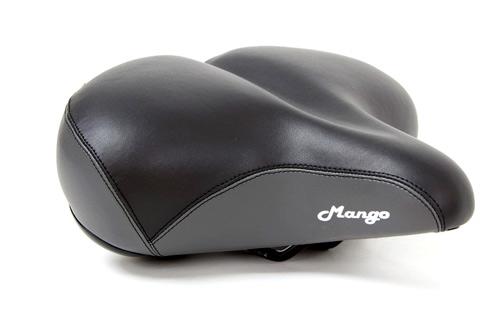
Some shapes simply don’t match your anatomy, no matter how carefully you measure. If, after the three-ride test, you still have persistent soft-tissue pressure, swelling, or numbness, move on. For upright city, comfort, or cruiser posture, consider a wide, gently contoured option with real rear support and soft-tissue relief, such as theMango Cruiser Bike Seat Saddle. If your rides are longer or your posture is more forward, look for a firmer, performance-oriented platform with a defined channel; the same sit-bone width rules apply.
Care and Setup That Keep Comfort Consistent
Re-check torque on the seatpost clamp after your first few rides; micro-slips change angle and ruin good work. Mark your post and rails with a thin paint pen so you can always return to the setting that works. Wash shorts gently and avoid fabric softeners that leave residue in the chamois. If you ride in the rain, let your saddle dry naturally; excess heat can distort foam and cover.
The Takeaway: Comfort is a System, Not a Mystery
Saddle comfort isn’t luck. It’s alignment—of your bones with the saddle’s platform, your pelvis with your bars, and your expectations with how you actually ride. Measure sit-bones, respect pelvic tilt, sanity-check bar drop, and then run the three-ride experiment. The result is a saddle that vanishes under you so your rides are about scenery, friends, and speed—not counting miles to the next stoplight.
We ride and fit every day, and we’re happy to help you translate numbers and posture into real comfort. If you want a second opinion on width, shape, or bar drop—or you’re choosing a supportive option for upright cruising like theMango Cruiser Bike Seat Saddle—tell us about your routes, ride time, and current setup. At Bikes Direct, we treat bike saddle comfort as solvable with simple tools and clear steps. When you’re ready,contact our team and we’ll help you get the fit right so every mile feels like the best seat in the house.
Picture this: it’s a warm evening, the light is soft, and the streets are calm. On one side of the bike path, someone is rolling along upright on a classic beach cruiser, pedaling slowly in flip-flops, looking like stress doesn’t exist. On the other side, a rider on a sleek hybrid bike slips past the traffic, backpack on, heading home from work a little faster than the cars beside them.
If you’re trying to pick one bike that fits your life, scenes like that can make the choice feel surprisingly complicated. Do you want the laid-back comfort and style of a cruiser, or the all-round practicality and speed of a hybrid? That’s exactly what the beach cruiser vs hybrid bike debate is really about: not just components and geometry, but the kind of lifestyle you want on two wheels.
In this guide, we’ll walk through how these two popular styles stack up in comfort, commuting power, versatility, and value, so you can decide which one belongs in your garage.
What Makes A Beach Cruiser… A Cruiser?
A beach cruiser is built around one main idea: easy, relaxed riding. Most cruisers have an upright seating position, sweeping handlebars, wide saddles, and balloon tires. You sit tall, shoulders relaxed, and you’re never in a rush. The geometry encourages you to look around, chat with a friend, or enjoy the view, not stare at your stem and chase your average speed.
Traditional cruisers grew up in coastal towns, where riders wanted to pedal in casual clothes, hop on and off, and enjoy the boardwalk rather than crush a training ride. That heritage lives on in their design. They often use simple drivetrains—sometimes just a single speed with a coaster brake—though modern versions can come with multiple gears and hand brakes for a bit more control.
In short, a cruiser turns cycling into a gentle glide. It’s about the ride as an experience, not the destination or the clock.
What Defines A Hybrid Bike?
A hybrid bike, by contrast, is built for versatility. It blends elements from road and city bikes, and sometimes borrows a little attitude from a mountain bike. Hybrids tend to have flatter bars, slightly more upright geometry than a true road bike, and medium-width tires that roll quickly on pavement but hold their own on light gravel or bike paths.
The keyword here is “practical.” A hybrid is often the default choice for riders who want one bike that can handle weekday commutes, weekend fitness rides, and the occasional adventure on unpaved routes. You can add racks, fenders, and lights, and still keep a bike that feels lively rather than slow.
So in the beach cruiser vs hybrid bike discussion, the hybrid leans toward efficiency and flexibility. You might not look as carefree as the cruiser rider, but you’ll likely get from A to B a little faster and with more options for where “B” actually is.
Comfort: Relaxed Lounge Chair Or Upright Desk Chair?
Most people considering a beach cruiser vs hybrid bike comparison start with one question: which is more comfortable?
At low speeds and shorter distances, a cruiser almost always wins on immediate comfort. The upright position feels like sitting in a lounge chair. Wide, padded saddles distribute weight, and big tires smooth out cracks and small bumps. You don’t have to lean forward or support much weight with your hands, so it’s especially friendly for riders with back or neck sensitivity.
However, there is such a thing as “too comfortable” when you start riding longer distances. Because cruisers position you so upright, they catch quite a bit of wind. On a breezy day or a slightly longer ride, you may find yourself working harder than you expect. The wide saddle that feels amazing for ten minutes can start to chafe if you spend an hour pedalling steadily.
A hybrid bike offers a different kind of comfort. You still sit more upright than on a performance road bike, but you lean forward just enough to share your weight between saddle, hands, and feet. That balance often feels better over longer rides. Saddles tend to be narrower but more supportive, and the slightly more forward posture helps you cut through the wind.
Hybrids also shine when the road surface changes. With the right tire choice, they handle bike paths, city streets, and even smoother dirt and hard-pack. You won’t float over soft sand like you could on a fat bike, but you won’t feel limited to perfectly smooth pavement either.
If your rides are short, casual, and mostly flat, the cruiser’s “armchair” position has a lot of appeal. If you see yourself gradually stretching your mileage or mixing in varied routes, hybrid comfort tends to age better.
Speed And Commuting Power: Who Gets You There Faster?
Let’s be honest: nobody buys a beach cruiser to win a race. That doesn’t mean cruisers are slow in an absolute sense, but everything about their design prioritises chill over speed.
The heavy steel frames, wide tires, upright posture, and sometimes limited gearing all make a cruiser happiest at a mellow pace. On a traffic-calmed coastal boulevard or a quiet neighborhood, that pace feels perfect. But if your daily ride includes hills, strong headwinds, or stretches where you need to keep up with city traffic, you may find the cruiser working against you.
A hybrid bike is built to put more of your effort into forward motion. Frames are usually lighter, drivetrains have a broader gear range, and the riding position is more efficient. On commutes five miles and up, those design choices matter. You can accelerate away from lights more quickly, hold a higher cruising speed without feeling like you’re sprinting, and crest hills without standing on the pedals.
In day-to-day life, that difference in efficiency can be the tipping point between “I’ll bike today” and “I’ll just drive.” If you need a bike that doubles as exercise equipment or can cut real time off your commute, the hybrid is almost always the better tool.
That said, not everyone measures commuting power in minutes saved. Some riders look at the beach cruiser vs hybrid bike choice and decide that showing up a little slower but a lot more relaxed is worth it. If your commute is short and mostly scenic—or you’re cruising along a promenade rather than navigating city cores—a cruiser can still be a perfectly happy commuting machine.
Handling And Versatility: Boardwalk, Bike Path, Or Beyond?
Handling is another area where the personalities of these bikes show.
Cruisers typically have longer wheelbases, slack head angles, and stable steering. That means they feel predictable and forgiving. You can ride one-handed, look around, or react to kids and dogs on the path without drama. They are wonderfully forgiving at low speeds and ideal for riders who don’t want anything twitchy.
Hybrids respond more quickly. They use geometry that borrows from both road bike and mountain bike design, so they feel planted yet agile. In city traffic, that responsiveness helps you navigate tight spaces and react to cars. On multi-use paths or light unpaved sections, it gives you the confidence to dodge potholes and roll over imperfections without losing control.
Versatility is where the hybrid really stretches its legs. You can add racks and panniers to haul groceries or work gear, run slightly knobbier tires for canal paths and packed dirt, or fit fenders for rainy-season commuting. If you ever dip a toe into longer mixed-surface rides—something edging toward a toned-down gravel bike experience—a hybrid can step up in a way a pure cruiser usually cannot.
Cruisers, meanwhile, tend to be more specialised. They shine in flat, low-speed environments where style, comfort, and simplicity are front and centre, and you rarely need to think about performance.
Cost: Where Do Beach Cruisers And Hybrids Sit On The Budget Scale?
From a pricing standpoint, the beach cruiser vs hybrid bike comparison is closer than you might think, especially with a factory-direct retailer.
Basic cruisers can be very affordable. Their simple components and traditional construction keep costs low, which is part of why they’re so popular at beach towns and rental fleets. You can absolutely get a solid, good-looking cruiser without a huge investment.
Hybrids, because they use lighter frames, broader drivetrains, and sometimes disc brakes, can cost a bit more—but they often deliver more capability per dollar. If you think of the bike as a car alternative for commuting, errands, and fitness, the total value is hard to ignore.
The interesting part is the long-term cost. A cruiser that you ride occasionally on sunny weekends might last you for many years with very little maintenance. A hybrid that you ride daily will need more regular tune-ups and replacements of wear items like chains and brake pads—but in return, it can save you fuel, parking, and public transit costs.
So which offers better value? If you simply want a fun, comfortable ride for occasional outings and don’t expect to push the bike hard, a cruiser may give you everything you want with minimal expense. If you plan to ride frequently and rely on the bike for real transportation, the hybrid’s broad skillset usually repays its price tag many times over.
Style And Image: The Emotional Side Of The Decision
Bikes aren’t just machines; they’re part of how we express ourselves. The beach cruiser vs hybrid bike decision often taps into emotion more than logic.
Cruisers radiate personality. Curved frames, retro colors, whitewall tires, and swept bars all contribute to that easygoing, nostalgic look. You can accessorize with baskets, cup holders, and lights to make the bike feel like an extension of your lifestyle. If you want people to see you roll by and think “that looks fun,” a cruiser almost sells itself.
Hybrids present a more understated, functional style. They look sporty without screaming “racer.” They blend into cities, office bike racks, and fitness paths without feeling out of place. If you prefer a quietly capable machine over something flamboyant, a hybrid’s look might be more your speed.
Neither choice is right nor wrong. It comes down to what makes you excited to ride. Many riders discover they’re far more likely to choose the bike that matches their personality, even if the specs suggest the other option is technically “better.”
So, Beach Cruiser Or Hybrid: How Do You Decide?
When you strip away the paint and accessories, the beach cruiser vs hybrid bike choice is really about intent.
If you want riding to feel like a relaxed stroll—slow, social, and scenic—a cruiser aligns perfectly with that intention. It invites you to slow down. It doesn’t push you to measure miles or minutes; it simply makes being on a bike enjoyable and approachable.
If you want your bike to pull double or triple duty—to save time on your commute, build fitness, and keep your options open for a wide variety of routes—a hybrid will serve you far better. It may not have the same laid-back aesthetic, but it will help you do more with every pedal stroke.
The best part is that neither path locks you out of future choices. You can start with a cruiser to rebuild confidence and then add a hybrid later if you catch the commuting bug. Or you can start with a hybrid and eventually treat yourself to a cruiser purely for weekend vibes.
What matters most is that you choose a bike that makes you actually want to ride.
Ready To Find Your Everyday Ride?
If you’ve read this far, you probably have a clearer sense of what you need from a bike—whether that’s the relaxed charm of a beach cruiser or the do-it-all practicality of a hybrid bike. Now it’s time to turn that idea into a real ride. Explore the cruiser and hybrid options at BikesDirect, compare specs and prices side by side, and picture how each one would fit into your daily routine. When you find the bike that makes you think, “Yes, I’d ride that a lot,” that’s your sign to go for it—and start turning more of your everyday trips into easy, enjoyable rides.
A great trail day starts before the first berm. When fork and shock are tuned to your body and terrain, your bike tracks straight, grips off-camber roots, and pops without bucking. The good news: you don’t need a lab. With a floor pump, a shock pump, and ten minutes of focused testing, you can nail a mountain bike suspension setup that feels planted and fast. This guide gives clear starting points for sag by rider weight, explains rebound and low-speed compression in plain language, and shows a quick parking-lot checklist that locks it in. We’ll also point to a few Bikes Direct models that make dialing suspension straightforward, whether you’re building confidence on your first trails or refining a well-ridden rig.
Sag: Your Personal Ride Height
Sag is how much your suspension settles under your normal riding weight. It puts you in the middle of usable travel so the fork and shock can absorb bumps and still extend to follow dips. Too little sag and the bike rides tall, skipping across chatter; too much and it wallows and bottoms easily.
Targets and a Fast Method
For trail riding, aim for 25–30% sag on the rear shock and 20–25% on the fork. Put on shoes, pack, and water—everything you’ll ride with. Slide the o-ring down each stanchion. Gently mount the bike, stand in a neutral attack position, and bounce lightly once or twice to overcome stiction. Settle still, then step off without compressing further and check o-ring position against total stroke.
If the fork shows 15% and you want 22%, bleed a little air. If the shock shows 35% and you want 28%, add air. Work in small increments of 5–10 PSI on air units and re-check. Coil shocks use preload collars; add or remove a single turn at a time until you hit target without crushing coil bind spacers. Don’t chase a perfect number at the expense of feel; you’re establishing a comfortable ride height, not passing an exam.
Weight-Based Starting Pressures
Every air spring is different, but you can get close by matching PSI to body weight in pounds for the shock, and using a slightly lower ratio for the fork. For many trail shocks, rider weight ≈ shock PSI is a decent first guess; forks often land around rider weight minus 10–15%. For example, at 170 lb in full kit, try ~170 PSI in the shock and ~155 PSI in the fork, then refine to your sag targets. If your frame kinematics are very progressive or very linear, you’ll fine-tune with volume spacers after the first shakedown.
Rebound: The Speed Your Suspension Returns
Rebound controls how fast a compressed spring extends. Too fast and the bike feels nervous, like it’s pogo-sticking; too slow and it packs down, riding lower with each bump and losing travel.
A Simple Baseline
Count total rebound clicks from fully closed (all the way clockwise, gently) to fully open. Start near the middle. For a fork with 14 clicks, that’s about 7 out from closed. For a shock with 12 clicks, start 6 out. Bigger riders or higher air pressures need more rebound damping (closer to closed), since the spring pushes back harder; lighter riders need less.
What to Feel For
Find a curb or parking-lot speed bump. Roll front wheel squarely into it at jogging speed, seated or standing neutrally. If the fork springs back and the front feels “pingy,” add a click or two of rebound damping. If it rebounds so slowly that it stays down over a quick second hit, open a click or two. Repeat for the rear by rolling your back wheel squarely into the bump. The right setting feels calm: one clean compression, a controlled return, and the bike resets before the next feature.
Low-Speed Compression: Poise and Pedaling Support
Low-speed compression (LSC) resists chassis motions that happen slowly—brake dive, body weight shifts, pedaling bob—not the fast spikes from square-edge hits. Think of it as posture, not protection. Adding a few clicks of LSC on the fork keeps your hands higher under braking; adding a few on the shock supports the mid-stroke when you’re climbing seated.
Good Starting Points
If your damper has an open-to-firm dial with numbered clicks, begin two to four clicks from fully open on both fork and shock for typical trail use. On frames prone to bobbing, try one more click of LSC at the shock; on steeper trails with heavy braking, try one more up front. If your bike has only a climb switch, leave it off for descending and flip it on for long pavement or smooth fire-road climbs.
Volume Spacers: Shaping the Last Third of Travel
Air springs can be tuned for “ramp-up” with small plastic tokens. If you’re hitting full travel too often even with correct sag and rebound, add a spacer to increase progression so big hits resist bottom-out. If you never reach near-full travel and the bike feels harsh late in the stroke, remove a spacer. Make one change at a time and record it. Forks are sensitive—move cautiously.
The Ten-Minute Parking-Lot Test
Before hitting dirt, validate your numbers where you can repeat inputs.
Step One: Balance Check
Stand next to a wall. Push down on the handlebar to compress the fork and let go; then do the same on the saddle to compress the shock. Both ends should return at similar speeds. If the fork “snaps” up while the rear is sluggish, add a click of rebound at the shock or open the fork a click; you want symmetry so the bike doesn’t pitch.
Step Two: Slow-Speed Compression Feel
Brake hard from a roll. If the fork dives excessively, add a click of LSC. If it stays high but feels skittery on small chatter later, remove a click. Sit and pedal across a rough patch or a painted lot line. If the shock wallows, add a click of LSC; if traction is nervous on tiny bumps, open a click.
Step Three: Two-Bump Rebound Test
Ride straight over two small bumps spaced a bike length apart. If the rear feels lower or “stuck down” at the second bump, rebound is too slow—open one click. If it bucks off the second, it’s too fast—close one click.
Lock these settings into your notes app with date, PSI, clicks, and temperature. Air pressures drift with big temperature swings, so a cold-morning ride may require a few PSI more than a hot afternoon.
On-Trail Refinement: Translate Sensations to Changes
If the front end chatters on small roots while your hands feel harsh, open the fork’s rebound one click or lower fork pressure by 2–3 PSI to increase sag slightly; if it then dives too much, add a click of LSC. If the rear kicks on square edges, close shock rebound one click; if it still bucks, consider one more volume spacer. If the bike feels vague in berms, add a click of LSC to the shock for mid-stroke hold. Make only one change at a time and give it a few minutes of riding before judging.
Example Platforms That Make Tuning Straightforward
If you’re building a first trail bike and want dependable, predictable adjustments, theGravity BaseCamp V7 offers stable geometry with components that respond clearly to psi and click changes. For riders wanting full-suspension confidence with an approachable setup window, the long-lovedGravity FSX remains a standout value, easy to dial for local singletrack. If you prefer the agility of smaller wheels with stout control and hydraulic discs, theGravity HD Trail 27.5 gives direct feedback to suspension adjustments so you learn quickly what each click does.
Common Pitfalls, Quick Fixes
A fork that feels harsh and sits high often has too much air and too little rebound damping; drop 3–5 PSI, then add one rebound click if it chatters back. A shock that blows through travel may be under-pressurized; add 10 PSI, re-check sag, and add a volume spacer if bottom-outs persist on single big hits. If both ends feel fine alone but the bike porpoises while pumping, slow the fork rebound one click and add a touch of LSC at the shock to stabilize the chassis.
Keep It Fresh, Keep It Safe
Suspension needs occasional service. If you’re adding air every ride, seals may be tired. If the damper loses clicks or changes feel as it heats, it’s due for a refresh. Wipe stanchions after every ride so dust doesn’t grind into seals, and keep shock mounting hardware snug and quiet. Small habits preserve performance and keep your mountain bike suspension setup consistent month to month.
Want Personal Help?
At Bikes Direct, we love turning “I think?” into “that’s it.” Tell us your weight in full kit, the trails you ride, and whether you want more pop or more calm, and we’ll suggest starting pressures, click counts, and spacer choices that match your bike. If you’re choosing your first trail machine or upgrading from a rigid or hardtail, we can also steer you toward the right platform—something like theBaseCamp V7, the provenFSX, or the agileHD Trail 27.5—and ship it ready for a quick sag set and trail shakedown. We ride and test because setup is where value turns into speed and confidence. When you’re ready,contact our team and we’ll get your suspension—and your season—dialed.
You don’t need two different fitness lives—winter basement warrior and summer group-ride hero—to get faster. The sweet spot is an indoor cycling plan that compresses structured intervals into short weekday sessions and leaves you fresh enough to enjoy long outdoor rides with friends on the weekend. Done right, your trainer becomes a precision tool for building power, while outdoor miles sharpen skills, handling, and motivation. This guide shows a practical weekly structure, intensity dials you can turn up or down, and a simple recovery rhythm so you arrive at Saturday’s meetup strong rather than shelled.
Why Blend Trainer Work With Outdoor Miles?
The trainer removes noise. No traffic lights, no wind shifts, no pace that yo-yos when the group is excited. That control makes it perfect for intervals at exact targets. Outside, you gain everything the trainer can’t simulate well: variable traction, real cornering, climbing rhythms, and the head-clearing satisfaction of covering ground. The win is combining both in a way that respects the body’s need for recovery. Two or three high-quality indoor sessions set the fitness floor; one or two outdoor rides raise the ceiling with endurance and skills.
The Core Week (4+1 Framework)
Think of your week as four purposeful training days and one or two genuine recovery/skills days. The anchor pieces are two weekday interval sessions on the trainer, an easy spin to keep the legs supple, and a long outdoor ride that you cap with enough gas left to smile at the café.
Monday: Off or Very Easy Reset
If your weekend included a long ride, take Monday to absorb it. Ten to thirty minutes of very light spinning is plenty. Focus on cadence, posture, and relaxed shoulders. If you commute by bike, make it intentionally gentle and finish with a few minutes of mobility work.
Tuesday: Threshold Focus Indoors (40–60 minutes)
A trainer is the ideal stage for steady power. After a thorough warm-up, settle into two blocks of work around your functional threshold power or “comfortably hard” heart-rate zone—effort you can speak short phrases through, not full sentences. Between blocks, spin easy long enough to feel composure return. Cap the session with five minutes of smooth pedaling at high cadence to flush the legs. Because time is tight on weekdays, this session earns its keep by being exact rather than long.
Wednesday: Endurance Outside or Easy Trainer Spin (45–75 minutes)
Keep it conversational. If weather cooperates, roll outside on a flat route that lets you ride steady without a lot of braking. If you’re indoors, choose endurance wattage or an easy resistance and resist the urge to chase fake KOMs on virtual climbs. The goal is circulation and aerobic maintenance, not fatigue.
Thursday: VO₂ or Over-Unders Indoors (40–60 minutes)
This is your “get faster” day. Short, hard repeats at VO₂ power or over-under blocks near threshold teach you to tolerate surges and return to a steady state. Warm up patiently, then keep the main set compact. If you’re new to high intensity, start with fewer repeats and stop while your form is still good. This restraint is the difference between bringing legs to Saturday and bringing excuses.
Friday: Optional Skills Spin or Full Rest
If you ride, keep it short and deliberately easy. Practice high-cadence drills, single-arm bottle grabs in a safe area, or smooth cornering lines in a quiet lot. If life is busy, call it a rest day and let the training you’ve done settle in.
Saturday: Long Outdoor Ride (2–4 hours)
This is the social, scenic, or exploratory ride. Keep ego in check during the first hour. If there’s a town-line sprint tradition, go for it, but soft-pedal after rather than letting a single surge turn into a simmering chase that cooks you. Focus on fueling: start early, eat every 20–30 minutes, and drink steadily. You’re building aerobic durability while learning to move through terrain smoothly.
Sunday: Short Recovery or Micro-Tempo Spin (30–60 minutes)
If you feel beat, keep it truly easy or skip it. If you feel fresh, include a few short micro-tempo efforts—just hard enough to wake the system without building fatigue. End with light mobility to keep Monday optional.
Intensity Tweaks So You Arrive Fresh, Not Fried
Training is stress plus recovery. When work or family load spikes, turn the dials down. The easiest dials: lower the number of hard repeats on Thursday, replace Wednesday with a pure recovery spin, or shorten Tuesday’s threshold blocks by five minutes each. Another simple lever is cadence; holding slightly higher cadence during intervals keeps torque lower and spares your legs while maintaining cardiovascular demand. Sleep and calories are honest constraints: if you’re short on either, cut intensity, not the warm-up or cool-down.
Choosing the Right Bikes for Each Role
A responsive aero road platform makes indoor power sessions feel crisp and translates that snap outdoors when the pace lifts. If you’re aiming for fast group rides and spirited weekend efforts, consider a race-leaning disc road bike like theMotobecane Fast Aero Road Elite Disc. For everyday fitness miles, commutes, and recovery rides that double as errands, a flat-bar, disc-brake all-rounder keeps posture relaxed and vision wide; explore theGravity Avenue FXD Disc. Both styles accept smart trainer duty with a proper thru-axle or QR adapter and reward you outside with confident braking and predictable handling.
Fueling the Hybrid Bike Week
Short indoor sessions trick riders into under-fueling because “it’s only an hour.” The price shows up on Thursday or Saturday. Take in carbohydrates before and during any interval day—something as simple as a banana beforehand and a bottle with mix during. On long outdoor rides, start early rather than trying to catch up. Aim to finish the ride feeling like you could do another thirty minutes if you had to; that sensation signals that your indoor cycling plan and outdoor miles are cooperating rather than competing.
Making the Trainer Mentally Sustainable
The fastest way to sabotage an otherwise perfect plan is boredom. Give each trainer session a clear purpose, then put a beginning and an end on it. Warm up, do the work, cool down, get off. Reserve entertainment for the easy spins; keep the hard days focused. If you ride virtual platforms, hide other riders during intervals to avoid chasing strangers up hills that don’t exist. Music with a steady beat can help cadence discipline; save your favorite playlist for Thursday so the week has a small reward.
Skills You Only Sharpen Outside
Handling proficiency doesn’t come from data screens. Use weekend rides to practice confident braking in the wet, cornering with smooth weight shifts, and riding in a tight but courteous paceline. Practice quick but calm nutrition grabs and safe signals. If traffic or weather push you toward quiet roads, flat-bar bikes make excellent outdoor complements to indoor structure. The goal isn’t proving fitness; it’s banked confidence that carries into race day or the charity ride you’ve circled on the calendar.
Recovery You Can Feel on Saturday
The single clearest sign you’re blending well is how you feel in the first hour of the long ride. Heavy legs mean your weekday load crept too high or your recovery too shallow. Adjust quickly: pull five to ten minutes from Tuesday’s work, reduce Thursday’s peak intensity, and give Wednesday true “conversation-only” discipline. If your group ride has a reputation for unplanned fireworks, start in the draft, skip early digs, and choose one moment late in the ride to push. Guarding freshness is being overly cautious; it guarantees long-term speed.
When Life Happens: The Two-Session Fall-Back
Some weeks, the plan becomes “do what you can.” Keep two pillars: one threshold-oriented indoor session and the long outdoor ride. Everything else becomes optional easy spins. You will not lose fitness in five days; you’ll protect it by avoiding frantic makeup workouts that crater the weekend.
Ready to Personalize Your Blend?
At Bikes Direct, we love helping riders tune the balance between precise trainer work and weekends that feel like a mini adventure. If you want advice on choosing the right platform for indoor duty that also shines outdoors—whether a race-leaning disc road rocket like theFast Aero Road Elite Disc or a practical flat-bar companion like theAvenue FXD Disc—tell us about your schedule, routes, and goals. We’ll shape an indoor cycling plan that respects your week and powers your weekends. When you’re ready,contact our team and we’ll get you dialed for smart weekdays and joyful Saturdays.
When riders ask about “value,” they usually mean this: over the next few years, which bike gets me where I’m going for less money, less hassle, and more joy? This electric bike vs traditional bike comparison sticks to numbers you can feel—purchase price, charging and maintenance, commuting efficiency, and resale—and then grounds the math in real models you can buy today.
What Counts as ROI for a Bike?
Return on investment with bikes isn’t only dollars. It’s time saved in traffic, trips replaced that would have needed a car, fitness gained, and rides you actually take. For a price comparison, though, we’ll track four hard categories that move the needle:
Acquisition cost: what you pay on day one.
Operating cost: charging or food-as-fuel, wear parts, and service.
Commuting efficiency: parking, congestion, and whether you arrive fresh or frazzled.
Resale value: what you get back when you change bikes.
Keep those in view and the decision gets simpler.
Purchase Price and Feature Stack
A traditional analog bike still wins the lowest door price. A capable, disc-equipped gravel/commuter like theMotobecane Gravel X3 Disc gives you year-round versatility—fender and rack friendliness, durable gearing, and confident brakes—without the premium of a motor and battery.
E-bikes cost more up front because you’re also buying torque-sensing electronics, a high-capacity battery, a motor, and an integrated control system. That price buys capability: consistent headwind-busting assistance, higher average speeds, and hill-flattening torque that keeps commutes predictable in all weather. Compare two all-road e-commuters built to replace car trips:
Motobecane Elite eAdventure mountain bike: a slick daily e-commuter with integrated assist for fast, dependable trips. Explore theElite eAdventure.
Motobecane Elite eAdventure Team: upgraded spec for riders who want premium components with their assist platform. See theElite eAdventure Team.
The question is whether the higher entry cost returns value in the first 12–36 months. For many commuters, it does.
Operating Cost: Charging vs. Chains and Pads
Charging: A typical e-bike battery (around 500–700 Wh) costs pennies to fill. Even with higher electricity rates, a full charge commonly lands well under the price of a coffee—and delivers 25–60 miles of assisted riding depending on mode, terrain, and payload. If you commute 10 miles round-trip, you might charge three times a week. Annual electricity spend is usually tiny compared to fuel.
Wear parts: Both platforms need chains, brake pads, rotors, and tires. E-bikes put more torque through the drivetrain, so you’ll replace chains a bit more often to protect the cassette. Factor one extra chain per year if you’re high-mileage. Traditional bikes can stretch service intervals further, particularly for lighter riders on flatter routes.
Service: Analog bikes are simpler: no firmware, no diagnostic ports. E-bikes add an electronic system, but most routine service is still standard bicycle work. If you rack up big assisted miles, schedule drivetrain checks a little earlier; your reward is commuting reliability that stays high.
Commuting Efficiency and the “Replace Car Trips” Dividend
This is where e-bikes often dominate ROI. Assistance boosts average speeds and smooths headwinds and hills, which turns “maybe I’ll drive” days into “I’ll ride” days. The more trips you replace, the faster the e-bike pays back its premium.
A quick illustration: say parking costs you $8 a day and you drive three days a week. That’s roughly $1,200 a year in parking alone, not counting fuel, insurance, or wear. If an e-bike convinces you to ride those days because you’ll arrive without a sweat-soaked kit and 10 minutes earlier than the bus, you can recover a big slice of the up-front cost quickly. A traditional bike can replace many of the same trips, but if your route includes long climbs, hot summers, or strong winds, assistance keeps the plan realistic every single week.
Battery Lifespan and Replacement
E-bike batteries are consumables with long but finite life. With proper charging habits, many riders see thousands of miles over multiple seasons before noticing meaningful range decline. When you eventually replace a pack, treat it like you would a set of car tires: it’s part of the long-term operating cost. If you amortize a future battery over several years of car-trip replacement, the math remains favorable for frequent commuters.
Traditional bikes, of course, don’t have this line item—but may invite upgrades (wheels, drivetrain, cockpit) as your mileage climbs. In practice, both platforms have long service lives with normal care.
Fitness Value: Honest Momentum vs. Consistent Habit
A conventional bike gives you maximum training effect per mile. If your top goal is fitness and your commute route is short and friendly, analog wins “sweat ROI” hands down. E-bikes, however, often produce more total active hours because they remove ride-stopping friction—arriving on time, not worrying about hills, carrying loads without dread. Many riders end up pedaling more days per month on an e-bike, just at slightly lower intensity. From a health perspective, consistent moderate activity wins long-term.
Where Each Platform Wins on ROI
Best ROI for High-Commitment Commuters
If you commute most weekdays, carry a laptop or groceries, or face serious wind and hills, the added price of an e-bike pays for itself in replaced car trips, parking avoided, and time saved. TheElite eAdventure gives you the dependable assist and commuter-ready build to make that switch; theElite eAdventure Team layers on premium parts for riders who want top-shelf feel with their savings.
Best ROI for Price-First Buyers and Mixed Use
If you mostly ride on weekends, split trips with transit, or love fitness miles as much as errands, a traditional bike keeps acquisition and operating costs minimal. TheGravel X3 Disc is a price-smart platform that’s quick on pavement, stable on bike paths and dirt shortcuts, and inexpensive to keep perfect. Add racks and fenders and it doubles as a four-season commuter.
Example Year: The Math, Plainly
Imagine a 10-mile round-trip commute, three days a week, 48 weeks a year: 1,440 miles.
E-bike electricity: at a few watt-hours per mile, expect only a handful of dollars annually—round up to $20 to be conservative.
Traditional bike “fuel”: you’ll eat slightly more on longer rides either way; call it a wash.
Maintenance: budget $120–$250 for either bike in chains, pads, and wear parts; add one extra chain for the e-bike if mileage climbs.
Parking avoided: if parking would have cost $8 per day, you’ve avoided $1,152. Add fuel you didn’t burn.
Time: if the e-bike saves 8–10 minutes daily versus transit/traffic, that’s ~24–30 hours a year back.
Over a couple of seasons, those avoided car costs dwarf electricity and extra chains. Even without paid parking, the time resilience alone often tips the scale toward assistance for heavy commuters.
Resale Considerations
Quality analog bikes hold value on proven frames with modern standards. E-bikes hold value when the system is from a recognized maker and the battery still has healthy range; keep original chargers and records, and your resale improves. Either way, clean drivetrains and fresh tires make used bikes attractive and shrink your total cost of ownership.
Picking the Right Tool for Your Routes
If your routes are flat, short, and scenic, the lowest-cost path to smiles is the traditional bike. If your routes are longer, hillier, windier—or your schedule and wardrobe demand reliable arrival times with minimal cooling-off—an e-bike is an everyday tool that returns its premium quickly. For many households, the best answer is both: a traditional do-everything bike for fitness and fun, plus an e-commuter that replaces weekday driving.
Need a Personalized Price/Feature Match?
We’re happy to run your numbers with you—route length, parking costs, hill profile, charging access—and match a build that maximizes value for your reality. If you’re leaning assisted, we’ll walk you through theElite eAdventure andElite eAdventure Team. If a traditional platform suits you better, we’ll spec a commuter-readyGravel X3 Disc with the right tires, rack, and lighting to keep costs low and reliability high.
We ride daily and build with value in mind. Tell us your budget and your commute, and we’ll turn “it depends” into a clear choice. When you’re ready,contact our team and we’ll help you choose the bike that returns the most—money, minutes, and miles.