Most cyclists have a story about a bike that worked beautifully for the first year, then gradually started feeling noisier, less precise, and harder to push. In the majority of cases, that decline is not inevitable. It is the result of deferred maintenance. Following a few reliable bicycle maintenance tips consistently keeps your bike in close to factory condition, extends the life of every component, and saves you significantly more than the cost of a tube of chain lubricant.
We put this guide together for riders at every level, whether you commute daily on a road bike or pull your bike out for weekend rides. None of this requires professional tools or a certification. It requires about twenty minutes a month, a couple of basics, and the habit of paying attention before something breaks rather than after. Start with these four areas, and the difference will show up on your very next ride.
The drivetrain is the most mechanically complex and wear-prone part of your bike, and it is the area where deferred maintenance costs the most. A dirty chain does not just create noise. It accelerates wear on the cassette and chainrings, which cost considerably more to replace than a chain. Getting into the habit of keeping the drivetrain clean is the single highest-return maintenance habit any cyclist can develop, regardless of how much the bike costs.
A Clean Drivetrain Means a Longer-Lasting Bike
Clean the chain after every wet ride and roughly every 150 to 200 miles in dry conditions. Use a biodegradable degreaser on a rag, run the chain through it several times, and let it dry fully before applying fresh lubricant. Dry or wax-based lubricants work best in dry conditions, while wet lubes hold up better through rain and mud. Apply only to the chain links, not the cassette or derailleur pulleys, and wipe away all external excess. Lubricant only works inside the chain; anything on the outside collects grit.
Most people buying a bike for the first time focus on the brand name or the color of the frame. That is understandable, but it is also how a lot of riders end up with a bike that feels wrong six months later. A solid bicycle components guide helps you understand what you are actually paying for, what each part does, and which trade-offs matter for the kind of riding you plan to do.
Understanding your bike at a component level does not require an engineering background. It requires knowing how a handful of key systems work together and what questions to ask before you buy. Whether you are shopping for a road bike, eyeing an upgrade, or simply trying to make sense of a spec sheet for the first time, the information below gives you the foundation you need to buy with confidence.
The Frame: Where It All Begins The frame is the one component that cannot be upgraded without effectively buying a new bike. It determines geometry, ride feel, and the character of everything attached to it. Frame material is where most beginner buyers get lost, so here is a practical breakdown of what each option actually delivers. Aluminum is the most common material at entry and mid-range prices. It is lightweight, stiff, and resistant to corrosion. Most quality bikes under $800 use aluminum, and modern aluminum frames are far more refined than older versions that had a reputation for harshness. Steel frames are heavier but offer a noticeably smoother feel over rough roads. They are durable, repairable after crash damage, and favored by touring cyclists and commuters who value longevity over marginal weight savings.
Carbon fiber appears predominantly at premium price points. It is lightweight, excellent at absorbing road vibration, and stiff in all the right places. Titanium sits at the top of the range, combining the smoothness of steel with the light weight of aluminum, and it is virtually impervious to corrosion over decades of use. Frame geometry also differs significantly between categories. A road bike uses an aggressive, aerodynamic position that rewards output over long, flat miles, while a mountain bike uses a slacker, more upright stance optimized for reactive control on unpredictable terrain. Understanding these distinctions helps you match the frame to your actual riding style rather than your aspirational one.
The Drivetrain: Turning Effort into Motion
The drivetrain is the system that converts your pedaling into forward movement. It includes the cranks, chainrings, chain, cassette, and derailleurs. Most bikes use either a 1x (single chainring) or 2x (double chainring) setup, and the difference matters more than the gear count number alone.
Somewhere between the pavement and the trailhead, a lot of riders hit a familiar question: gravel bike vs mountain bike, which one actually fits how we ride? Over the past decade, both categories have expanded significantly, and the line between them can feel blurry from the outside. But spend time on each, and the differences become impossible to ignore. We put together this breakdown to help you understand what each bike is genuinely built for, so you can make a decision that serves your riding for years rather than just the first few seasons.
Whether your goal is exploring fire roads and scenic backroads or attacking singletrack trails and rocky descents, the right bike makes every ride more rewarding. Neither category is universally better. What separates them is purpose, and understanding that purpose is the key to choosing wisely.
Built for Different Ground
The most fundamental difference between these two categories comes down to terrain. A mountain bike is designed from the ground up for unpredictable, technical off-road conditions. Steep descents, loose rocks, rooted singletrack, and muddy switchbacks are exactly where this bike earns its reputation. Frame geometry is slack and low, suspension travel absorbs impacts that would throw a rider on a more rigid setup, and the overall build prioritizes control over efficiency on open ground.
A gravel bike takes a different approach. It is engineered for terrain that sits between smooth pavement and true off-road trails: gravel roads, packed dirt, farm tracks, and mixed-surface adventures. The geometry is more upright and endurance-focused than a road bike, but less aggressive than a mountain bike. Where a mountain bike wants to dive into technical chaos, a gravel bike prefers to roll confidently and efficiently across varied conditions without hesitation.
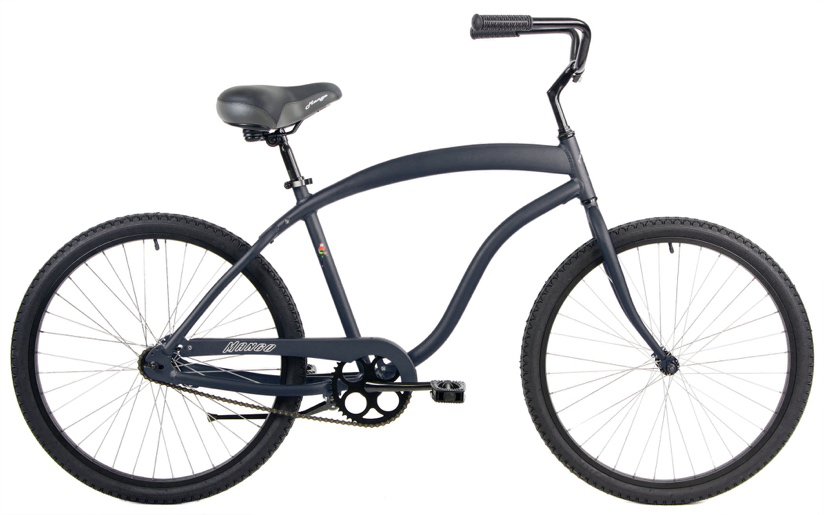
There’s something timeless about riding along a sunlit boardwalk, feeling the breeze roll in as you pedal effortlessly. That’s exactly the experience a beach cruiser is designed to deliver. Unlike performance-driven bikes built for speed or rugged terrain, cruiser bikes prioritize comfort, simplicity, and style, making them the perfect choice for leisurely rides.
Whether you’re cycling through a park, along coastal paths, or around your neighborhood, understanding the true beach cruiser bike benefits can help you choose a ride that transforms every journey into a relaxing escape.
What Makes a Beach Cruiser So Comfortable?
The defining feature of a beach cruiser is its ergonomic design. Every element is crafted with rider comfort in mind.
Getting into cycling is an exciting step, whether you’re aiming to improve fitness, commute more efficiently, or explore long-distance riding. One of the most popular entry points into the sport is choosing a beginner road bike, designed to offer speed, efficiency, and a smooth riding experience on paved surfaces.
However, with so many options available, selecting your first bike can feel overwhelming. From frame materials to gearing systems and wheel design, each component plays a role in how the bike performs and how comfortable it feels.
If you’re comparing options like a hybrid bike, gravel bike, or even a mountain bike, understanding what makes a road bike unique will help you make the right decision. In this guide, we’ll break down everything you need to know before buying your first road bike.
What Is a Road Bike?
A road bike is built for speed and efficiency on paved surfaces. Its lightweight frame, narrow tires, and aerodynamic riding position allow riders to cover longer distances with less effort.
Cycling is no longer limited to smooth pavement or predictable terrain. Rider’s today are exploring beaches, snowy trails, rugged paths, and everything in between. This shift has led to the rise of fat bikes, one of the most versatile and capable bike types available.
Understanding fat bike benefits can completely change how you approach cycling, especially if you’re looking to ride beyond traditional roads. Designed with oversized tires and built for stability, fat bikes open up terrain that would otherwise be difficult, or impossible, to ride on with a standard bicycle.
Whether you’re comparing a hybrid bike, testing the limits of a mountain bike, or considering alternatives like a gravel bike or road bike, fat bikes offer something unique: the ability to ride almost anywhere with confidence. In this guide, we’ll break down how fat bikes work, why wide tires matter, and what makes them a game-changer for adventurous riders.
What Makes a Fat Bike Different?
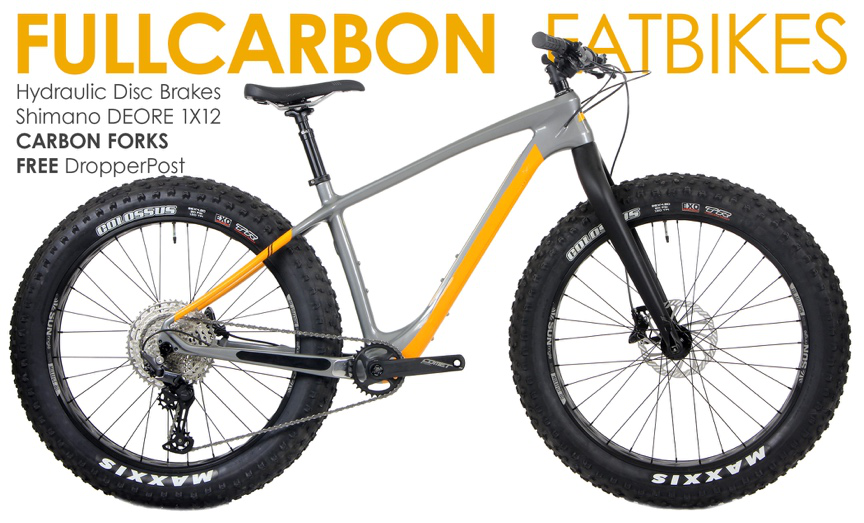
At first glance, the most noticeable feature of a fat bike is its oversized tires. Typically ranging from 3.8 to 5 inches wide, these tires are significantly larger than those found on a road bike or even a mountain bike.
But the difference goes beyond appearance. These wide tires are designed to distribute weight more evenly across the surface, reducing the chance of sinking into soft ground like sand or snow. This makes fat bikes ideal for environments where traditional bikes struggle.
Frames are also built to accommodate these larger tires, often with wider forks and enhanced durability. Compared to a hybrid bike, which focuses on balanced performance, fat bikes are purpose-built for extreme conditions and maximum stability.
City commuting has evolved beyond crowded buses, expensive rideshares, and traffic congestion. More people are turning to cycling as a practical, cost-effective, and healthy way to navigate urban environments. But not all bikes are created equal when it comes to daily commuting. Choosing the right bike can significantly impact your comfort, efficiency, and overall riding experience.
This is where a hybrid bike for commuting stands out as the ideal solution. Designed to combine the best features of multiple bike types, hybrid bikes offer a unique balance of speed, comfort, and durability, perfect for city streets, bike lanes, and even light trails.
Whether you’re riding to work, running errands, or simply exploring your city, a hybrid bike provides the versatility needed for everyday use. In this guide, we’ll explore why hybrid bikes have become the go-to choice for urban commuters, what features make them so effective, and how they compare to other options like a road bike, mountain bike, or even a gravel bike.
What Makes a Hybrid Bike Ideal for City Riding?
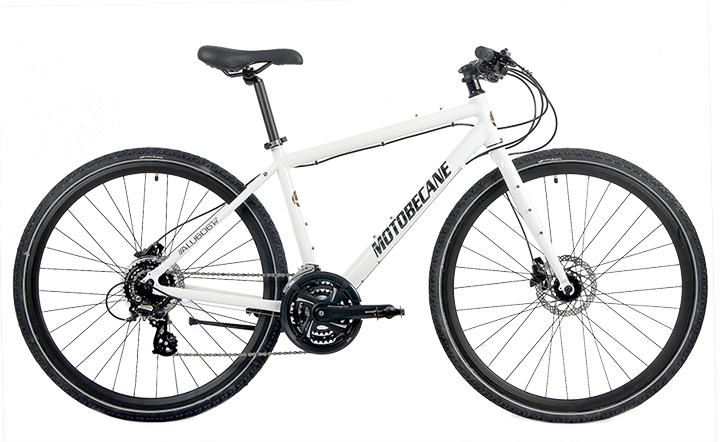
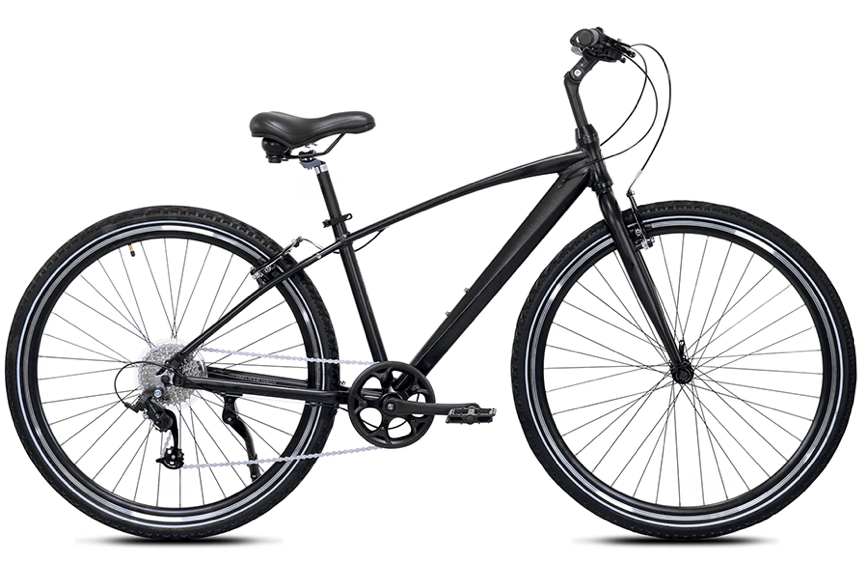
A hybrid bike is designed to blend the speed of a road bike with the comfort and durability of a mountain bike. This combination makes it particularly well-suited for urban commuting, where riders encounter a mix of smooth pavement, uneven roads, and occasional obstacles.
Unlike specialized bikes that focus on one type of terrain, hybrid bikes adapt easily to changing conditions. Their flat handlebars provide better control in traffic, while their moderate tire width ensures both efficiency and stability.
For city riders who need reliability and flexibility, a hybrid bike delivers consistent performance without compromising comfort.
Comfort That Keeps You Riding Longer
One of the biggest advantages of using a hybrid bike for commuting is comfort. Daily commuting requires a bike that supports your body over extended periods, especially if you’re riding to and from work.
Hybrid bikes feature an upright riding position, which reduces strain on your back, neck, and shoulders. This is a major improvement over the aggressive posture required on a road bike, which can become uncomfortable during longer or more frequent rides.
Trail riding is one of the most exciting ways to experience cycling. From winding forest paths to rugged mountain terrain, trail riding challenges riders with changing surfaces, climbs, and descents. To fully enjoy these adventures, having the right bike is essential.
A properly chosen mountain bike can make the difference between a smooth, controlled ride and a frustrating experience on rough terrain. For beginners and experienced riders alike, understanding the key features of trail bikes, such as suspension, wheel size, and frame design, helps ensure the bike performs well where it matters most.
In this guide, we’ll explain everything you need to know to choose the best mountain bike for trail riding, helping you find a bike that fits your terrain, riding style, and comfort needs.
What Makes a Mountain Bike Ideal for Trails?
Trail riding requires a bike that can handle unpredictable terrain. Rocks, roots, loose dirt, and steep climbs demand durability, control, and traction.
A mountain bike is specifically designed to handle these conditions through features such as:
Wide, knobby tires for grip
Strong frames built to absorb impacts
Suspension systems that smooth out rough trails
Powerful brakes for better control on descents
Unlike a road bike, which is designed primarily for smooth pavement and speed, mountain bikes focus on stability and off-road capability. Their design allows riders to tackle uneven terrain confidently.
Hardtail vs Full Suspension: Which Is Better?
One of the most important decisions when choosing a mountain bike is deciding between a hardtail and a full suspension design.
Hardtail Mountain Bikes
Hardtail bikes feature suspension in the front fork but have a rigid rear frame.
Advantages include:
Lighter weight
Lower cost
Efficient power transfer when climbing
Hardtail bikes are excellent for beginner riders and smoother trails. They require less maintenance and offer a responsive riding experience.
Full Suspension Mountain Bikes
Full suspension bikes include both front and rear suspension.
Benefits include:
Better shock absorption
Improved traction on rough trails
Greater comfort during long rides
These bikes are ideal for more technical trails that include rocks, drops, and steep descents. Riders who spend significant time on challenging terrain often prefer full suspension for better control and comfort.
Understanding Suspension for Trail Riding
Suspension plays a major role in how a bike performs on trails. It helps absorb impacts from bumps and obstacles, allowing the rider to maintain control.
Most trail bikes offer between 120mm and 150mm of suspension travel, which balances climbing efficiency with downhill capability.
Front suspension forks compress when hitting obstacles, helping maintain traction and reduce rider fatigue. On full suspension bikes, the rear shock also absorbs impacts from the back wheel.
Compared to other bike types, such as a hybrid bike designed for paved roads or light trails, mountain bike suspension is specifically engineered to handle rough terrain and aggressive riding conditions.
Choosing the Right Wheel Size
Wheel size significantly affects how a bike handles different trail conditions. Most mountain bikes use one of three common wheel sizes.
27.5-Inch Wheels
These wheels offer a balance between agility and stability. Riders often find them easier to maneuver through tight turns and technical trails.
29-Inch Wheels
29ers roll over obstacles more easily and maintain speed on longer trails. They are popular among riders who enjoy cross-country riding or longer trail routes.
Plus-Size Wheels
Some trail bikes feature wider “plus-size” tires for extra traction. These provide greater grip on loose terrain.
For extreme conditions such as sand or snow, riders may opt for a fat bike, which uses oversized tires designed for maximum flotation and grip. However, traditional mountain bikes remain the most versatile option for most trails.
Frame Design and Geometry
The geometry of a bike’s frame plays a crucial role in comfort, stability, and control.
Trail bikes typically feature:
Slacker head tube angles for better downhill stability
Longer wheelbases for improved balance
Slightly upright riding positions for comfort on long rides
This design allows riders to maintain control when navigating steep descents or technical terrain.
By contrast, bikes like a road bike prioritize aerodynamics and speed, while a beach cruiser focuses on comfort and relaxed riding on flat surfaces. Mountain bikes are engineered specifically to handle rugged environments where stability and strength are essential.
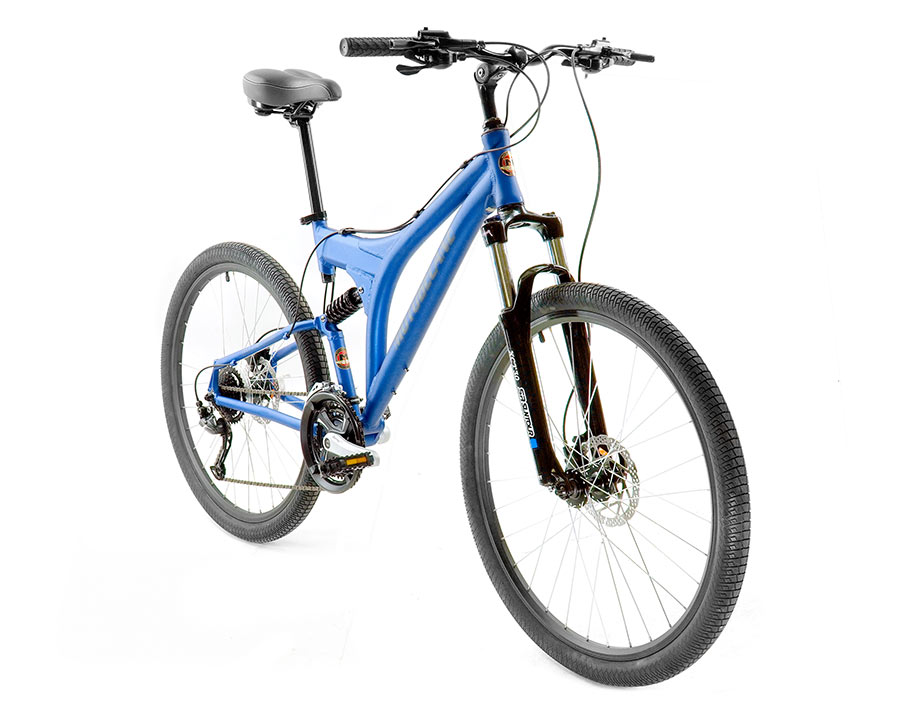
Image Alt Text: Motobecane Jubilee Elite FS full suspension mountain bike with hydraulic disc brakes for trail riding
Image Caption: The Motobecane Jubilee Elite FS Mountain Bike delivers superior trail comfort with full suspension, hydraulic disc brakes, and fast-rolling 27.5-inch tires.
Tire Grip and Trail Control
Tires are another key component that affects how a bike performs off-road.
Mountain bike tires typically feature aggressive tread patterns designed to grip loose dirt, mud, and rocks. Wider tires also provide better traction and stability.
Tire pressure can be adjusted depending on trail conditions. Lower pressure improves grip and shock absorption, while higher pressure increases efficiency on smoother sections.
Compared to bikes such as a gravel bike, which balances speed and off-road capability, mountain bike tires are designed specifically for rugged terrain and technical riding.
Other Features to Consider
When choosing a mountain bike, a few additional features can significantly enhance your riding experience.
Brakes
Most modern mountain bikes use hydraulic disc brakes. These provide powerful stopping performance and better control in wet or muddy conditions.
Gearing
Trail bikes often include wide gear ranges that make it easier to climb steep hills while still maintaining speed on descents.
Dropper Seatposts
Many trail riders appreciate dropper seatposts, which allow the saddle height to be adjusted quickly while riding. Lowering the saddle improves maneuverability during technical descents.
Finding the Right Bike for Your Riding Style
Choosing the right bike ultimately depends on where and how you plan to ride.
If you enjoy relaxed rides on paved paths or city streets, a hybrid bike or beach cruiser might be a better fit.
Riders who prefer mixed-surface adventures may enjoy the versatility of a gravel bike.
But for riders seeking challenging terrain, technical trails, and outdoor adventure, nothing compares to a well-designed mountain bike built specifically for trail riding.
Taking time to understand your terrain, riding goals, and comfort preferences will help you select the perfect bike for your adventures.
Image Alt Text: Gravity HD Expert 27.5 mountain bike with hydraulic disc brakes and long travel suspension fork
Image Caption: The Gravity HD Expert Mountain Bike combines a 1x drivetrain, hydraulic disc brakes, and long-travel suspension for responsive trail riding performance.
Explore High-Quality Trail Bikes
If you’re ready to upgrade your riding experience, the right bike can open the door to incredible trail adventures.
At BikesDirect, riders can explore a wide selection of high-performance bicycles built for durability, comfort, and value. Whether you’re new to trail riding or looking to upgrade your equipment, BikesDirect offers reliable bikes designed to perform on a wide variety of terrain.
Browse their selection today to find the perfect mountain bike and start exploring new trails with confidence.
Many new riders begin cycling without knowing which bike category actually fits their riding habits. Some want speed on pavement, others want comfort for commuting, while some expect their bike to handle mixed terrain. Understanding these differences makes the buying process much easier.
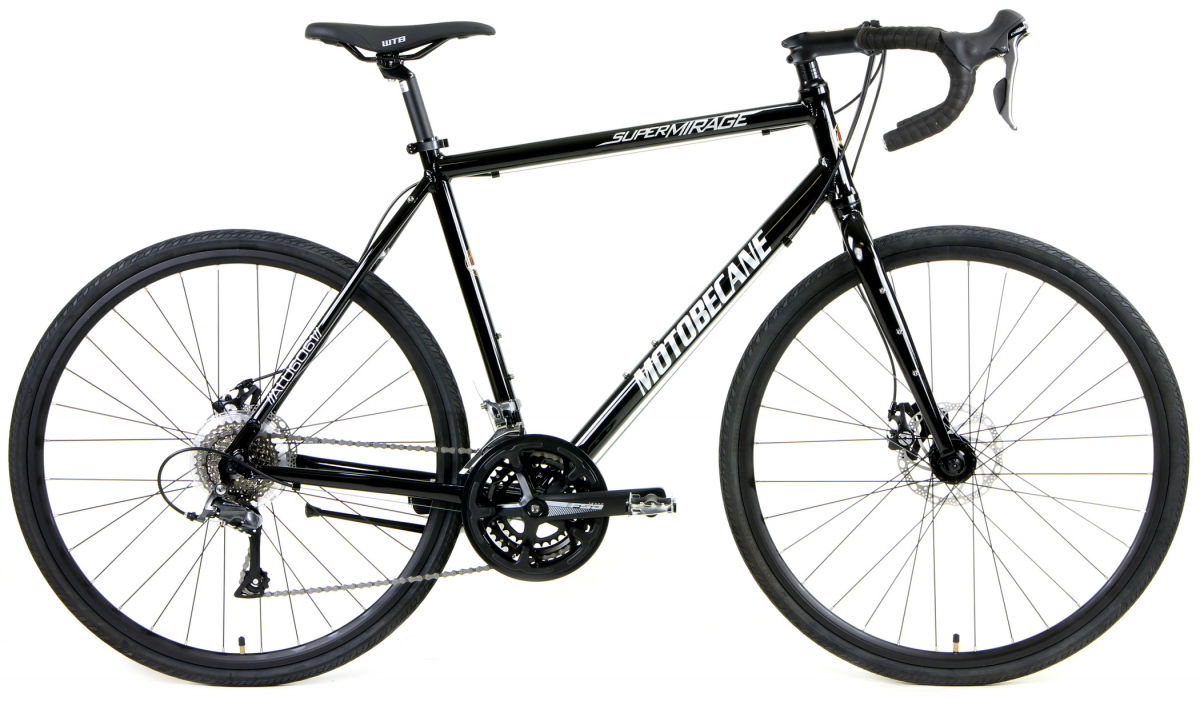
A road bike is designed primarily for efficient riding on pavement. Lightweight frames, drop handlebars, and narrow tires help riders maintain speed while covering longer distances with less effort.
Other categories serve different purposes. A hybrid bike blends comfort with moderate speed for commuting and casual rides. A gravel bike expands capability for mixed terrain. A mountain bike focuses on rough trails and technical terrain, while a fat bike excels on sand and snow. Riders seeking relaxed neighborhood cruising often prefer a beach cruiser.
For riders focused primarily on pavement performance and long-distance efficiency, road bikes remain the most practical choice. Fortunately, the best road bikes under $1000 now deliver impressive performance with modern materials and dependable drivetrains.
This guide examines several strong options available at BikesDirect and explains how to balance performance, comfort, and value.
Choosing a first bike often feels overwhelming. New riders are usually deciding between speed, comfort, durability, and price, all at the same time. The truth is most people simply want a bike that feels stable, easy to ride, and capable of handling everyday routes.
That’s where a hybrid bike stands out. Hybrid bikes combine the efficient rolling of pavement-oriented bikes with the comfort and stability needed for daily riding. For beginners, that balance makes them one of the most practical starting points.
Many riders exploring cycling also consider alternatives such as a road bike for speed or a mountain bike for trail riding. Others may be drawn toward the versatility of a gravel bike, the traction of a fat bike, or the relaxed comfort of a beach cruiser.
However, when price, comfort, and everyday versatility are priorities, hybrid bikes under $500 often provide the most balanced value.
This guide highlights several beginner-friendly options while explaining what features actually matter when choosing a reliable budget hybrid.
What Makes a Good Hybrid Bike Under $500
Budget-friendly bikes still need solid fundamentals. The goal is not simply finding the cheapest option but identifying models that provide dependable components and a comfortable riding experience.
Key features beginners should look for include:
Frame Material Most hybrids under $500 use aluminum frames. Aluminum offers a good balance between strength and weight while resisting corrosion. A well-designed aluminum frame keeps the bike responsive without becoming heavy or sluggish.
Reliable Drivetrain A Shimano drivetrain is common in this category. Multi-speed gearing allows riders to manage hills, headwinds, and longer rides more comfortably. Smooth shifting is especially important for beginners who are still developing cadence and pacing habits.
Disc Brakes Many modern hybrid bikes include hydraulic or mechanical disc brakes. Disc braking systems provide consistent stopping power in different weather conditions and require less hand effort compared to traditional rim brakes.
Comfort-Oriented Geometry Hybrids are designed for an upright riding position. This reduces strain on the neck, shoulders, and wrists while giving riders better visibility in traffic and on shared paths.
These features help ensure that a budget bike remains enjoyable rather than frustrating.
Standout Hybrid Bikes Under $500
Several models in this price category demonstrate how well-equipped entry-level hybrids can be.
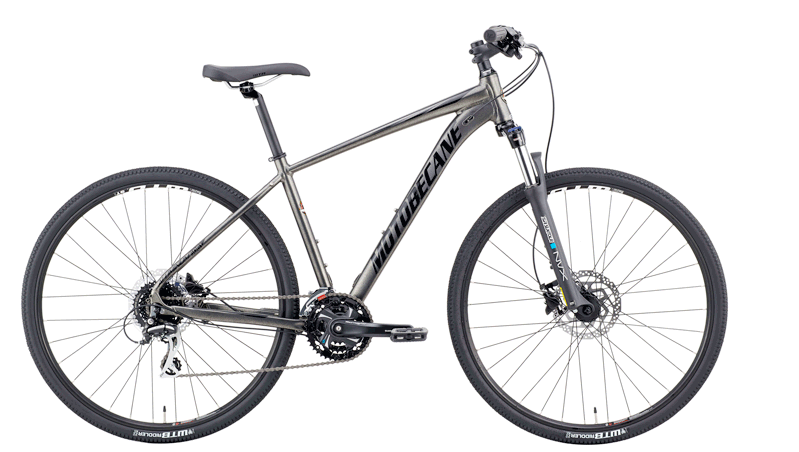
Motobecane Elite Adventure COMP
The Motobecane Elite Adventure COMP combines versatility with components usually found on more expensive bikes. It uses a hydroformed aluminum frame paired with a lockout front suspension fork that helps absorb rough pavement or light trail chatter.
A full Shimano 24-speed drivetrain provides a wide gear range, allowing riders to climb hills or maintain comfortable cadence on longer rides. Hydraulic disc brakes improve braking confidence, especially during wet conditions.
The bike also includes wide 29-inch wheels and tires designed to roll smoothly on pavement while remaining capable on gravel paths and park trails. For beginners exploring multiple riding environments, this combination of comfort and capability makes it a strong value.
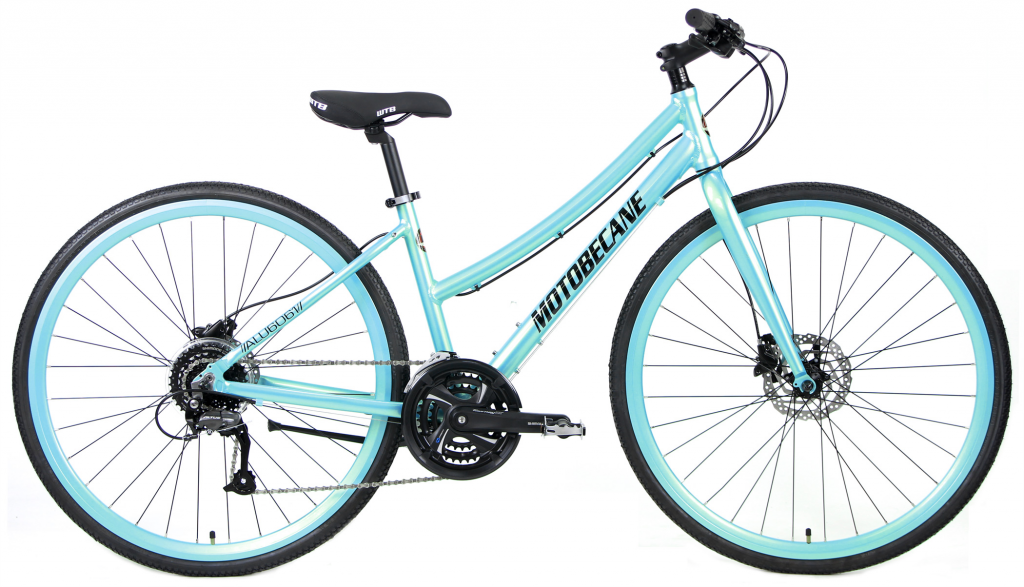
Motobecane Cafe DISC Elite
The Cafe DISC Elite takes a slightly different approach by emphasizing pavement efficiency with commuter-friendly comfort. Its aluminum frame and chromoly fork deliver a smooth ride while maintaining responsive handling.
This model includes a full Shimano drivetrain and hydraulic disc brakes, giving riders dependable shifting and stopping power. Flat handlebars and an upright riding position create a comfortable posture for commuting or casual fitness rides.
With 700c wheels and moderate-width tires, the Cafe DISC Elite rolls efficiently on paved routes but still absorbs small surface imperfections common on city streets.
For beginners planning regular commuting or recreational road rides, this type of setup balances speed with comfort.
Motobecane Jubilee Elite FS
The Jubilee Elite FS focuses heavily on ride comfort. It features a full suspension design that absorbs road vibration and uneven surfaces more effectively than rigid hybrids.
This bike also includes a Shimano 24-speed drivetrain and hydraulic disc brakes, ensuring reliable shifting and braking performance. Wide 27.5-inch tires increase traction while further improving comfort.
For riders who prioritize smoothness and stability over maximum efficiency, the added suspension can make longer rides noticeably more enjoyable.
Terrain Comparison: Where Hybrid Bikes Work Best
Hybrid bikes are designed for versatility, but different terrain types highlight different strengths.
Pavement Hybrids perform very well on paved roads. Medium-width tires provide enough cushioning without slowing the bike down significantly.
Gravel Paths On packed gravel or crushed stone, hybrid bikes maintain good stability. Wider tires and upright posture help riders stay balanced even when surfaces become uneven.
Trails While hybrids can manage light dirt paths, technical singletrack with rocks and roots is better suited to a dedicated mountain bike.
Sand and Snow Loose surfaces such as sand or deep snow require the flotation of a fat bike. Standard hybrid tires are not designed for those conditions.
Casual Cruising For relaxed neighborhood rides, hybrids are comfortable and efficient. Riders looking for maximum comfort at slower speeds may still prefer the laid-back geometry of beach cruisers.
Understanding terrain helps beginners choose a bike that aligns with their typical riding environment.
Rider Goals: Choosing the Right Bike Style
Different riders prioritize different experiences. The best bike depends on how it will actually be used.
Fitness Riding Hybrid bikes support fitness riding by offering comfortable posture and efficient pedaling. Riders can maintain steady mileage without the aggressive position of road bikes.
Commuting For commuting, hybrids provide stability, visibility, and tire durability suited to city streets. Many frames also support racks and accessories.
Recreation Weekend riders benefit from hybrids because they adapt well to mixed surfaces and relaxed pacing.
Adventure Riding If rides regularly include rough gravel roads or long mixed-terrain routes, gravel bikes may offer additional stability and tire clearance.
Performance For riders focused on speed and road efficiency, road bikes remain the better choice.
Hybrid bikes sit in the middle of these categories, which is why they appeal to beginners.
A Practical Buyer Decision Framework
Before choosing a bike under $500, beginners should consider a few practical questions:
Where will most rides happen? Paved streets, park paths, and commuting routes favor hybrid bikes.
How often will the bike be used? Frequent riders should prioritize durability and reliable components.
What level of comfort feels right? Upright geometry and wider tires reduce fatigue over longer rides.
Is terrain varied? If routes regularly include gravel connectors or rough pavement, wider tires and stable geometry become more important.
Answering these questions narrows the options quickly.
Finding the Right Hybrid Bike for Your Riding Style
Budget does not have to limit quality. Many hybrid bikes under $500 deliver dependable components, comfortable geometry, and practical versatility for new riders.
Models like the Motobecane Elite Adventure COMP, Cafe DISC Elite, and Jubilee Elite FS demonstrate that affordability can still include features such as aluminum frames, hydraulic disc brakes, and Shimano drivetrains.
The key is choosing a bike that matches how you plan to ride. A comfortable and reliable setup encourages consistency, and consistency is what builds confidence and enjoyment.