

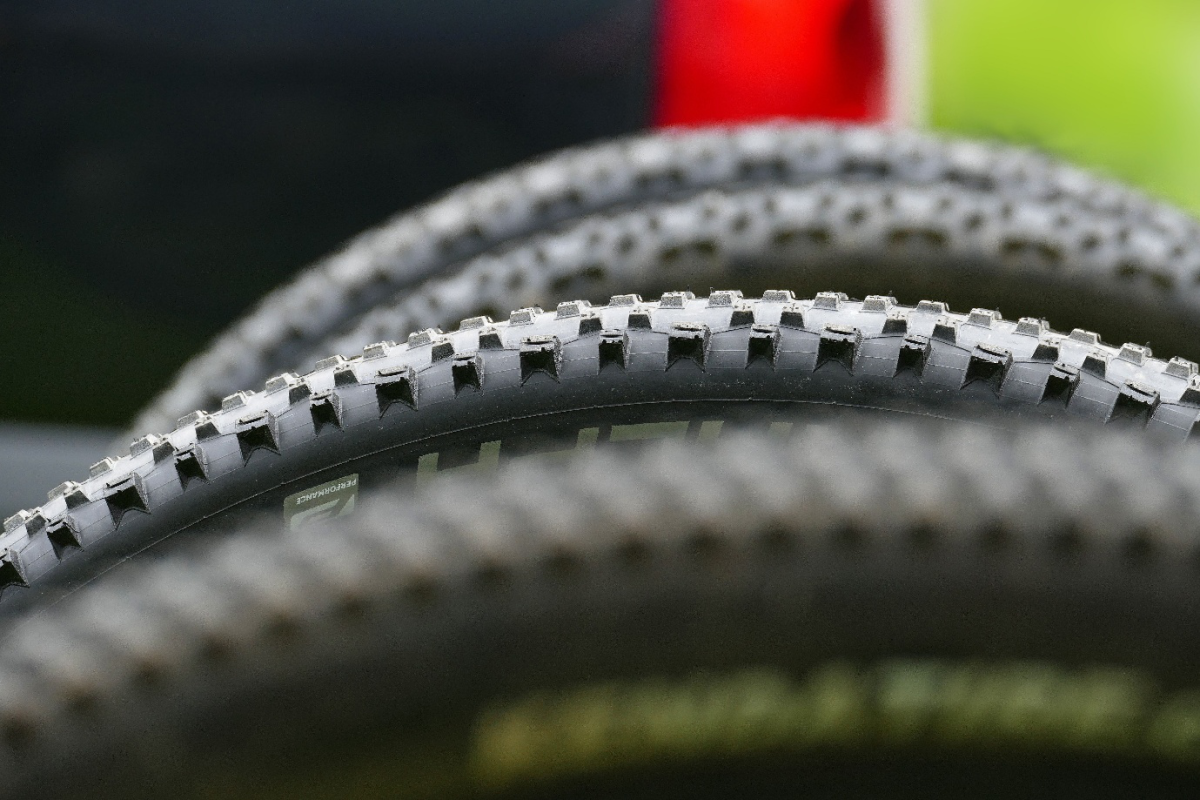
Tires shape how a bicycle feels more than riders expect. They affect grip, comfort, speed, puncture protection, and confidence on rough surfaces. That is why more cyclists are asking about tubeless bike tires pros and cons before upgrading. A tubeless setup removes the inner tube and uses an airtight tire, compatible rim, valve, tape, and liquid sealant.
Here’s what you should know before deciding whether a tubeless tire setup is the right choice for your riding style and needs.
What Makes Tubeless Different?
Traditional bike tires use an inner tube to hold air. When a sharp object pierces the tire and tube, the tube loses air quickly. Tubeless tires hold air directly inside the tire and rim system. Liquid sealant inside the tire can close small punctures as they happen.
This design started gaining popularity in off-road cycling, where thorns, rocks, and low pressures are common. Today, many modern bikes and wheels are tubeless-ready. Still, compatibility matters. The tire, rim, tape, and valve must work together, or the system may leak, burp air, or become frustrating to install.
Pro: Better Puncture Resistance
The most popular benefit is puncture protection. Sealant can plug small holes from thorns, glass, and wire before you notice them. For a gravel bike or mountain bike, this can prevent trail interruptions and long walks home. Commuters on a hybrid bike may also appreciate fewer flats from city debris.
Tubeless also eliminates pinch flats, which happen when an inner tube gets squeezed between the rim and tire during a hard impact. Riders who hit potholes, roots, rocks, or rough pavement benefit from that extra security.
Pro: Lower Tire Pressure
Tubeless setups allow many riders to run lower tire pressure without worrying as much about pinch flats. Lower pressure can improve traction, comfort, and control. This is especially helpful on loose gravel, dirt, wet trails, and rough pavement.
On a mountain bike, lower pressure helps tires conform to rocks and roots. On a gravel bike, it smooths washboard roads and improves grip in corners. Even a road bike can feel more comfortable with wider tubeless tires at sensible pressures. Better comfort often means less fatigue on longer rides.
Pro: A Smoother, More Confident Ride
Since tubeless tires can run lower pressures and deform naturally over uneven ground, they often feel smoother. Riders may notice less vibration through the hands, shoulders, and back. That matters on long rides, rough streets, and mixed-surface routes.
Confidence also improves when you trust your tires. A rider who worries constantly about flats may avoid certain roads or trails. Tubeless systems can encourage exploration by making imperfect surfaces feel less risky. When considering tubeless bike tires pros and cons, this confidence is a major point.
Pro: Possible Efficiency Gains
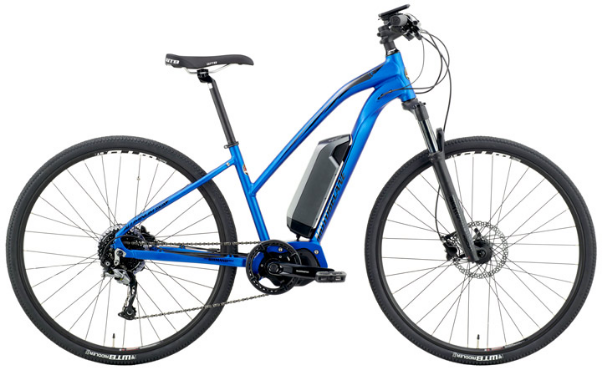
Tubeless tires can reduce rolling resistance in some setups because there is no tube rubbing inside the tire. The difference depends on tire construction, pressure, sealant amount, surface, and rider weight. Performance-focused riders often care about this, especially on a road bike where small efficiency gains matter.
However, speed is not guaranteed. A heavy tire with too much sealant may feel slower than a quality tubed tire. The best results come from matching tire choice, pressure, and terrain carefully.
Con: Setup Can Be Messy
The biggest drawback is installation. Seating a tubeless tire can require patience, strong hands, proper rim tape, sealant, and sometimes an air compressor or booster pump. Sealant can spill, tires can refuse to pop into place, and leaks can be hard to diagnose.
Beginners may find the first setup intimidating. Some bike shops install tubeless systems for a fee, which can be worth it if you want less hassle. After setup, you still need to check sealant levels every few months because it dries out over time.
Con: Upfront Cost Is Higher
Tubeless-ready tires, valves, sealant, rim tape, and installation tools add cost. If your current wheels are not compatible, upgrading can become expensive. A rider using a basic hybrid bike for short neighborhood trips may not ride enough rough terrain to justify the cost.
That said, fewer flats and longer-lasting confidence may offset some expense over time. The value depends on how often you ride, where you ride, and how much flat prevention matters to you.
Con: Repairs Still Happen
Tubeless does not make tires invincible. Large cuts, sidewall tears, or major punctures may not seal. Riders should still carry a spare tube, tire levers, plugs, and a pump or CO2 inflator. If sealant sprays everywhere and the hole stays open, you need a backup plan.
This is especially important on remote gravel bike and mountain bike rides. Tubeless reduces many common problems, but it does not replace basic repair skills.
Is Tubeless Right for You?
Choose tubeless if you ride rough roads, gravel, trails, thorny areas, or long routes where flat protection matters. It is also useful if you want lower pressures for comfort and traction. Stick with tubes if you prefer simplicity, low cost, easy roadside repairs, or casual short rides on smooth pavement.
The smartest approach is honest riding analysis. The best tire system is not the trendiest one. It is the one that matches your bike, terrain, patience, and budget. In the end, tubeless bike tires pros and cons come down to convenience versus complexity.
Ride Smarter with BikesDirect.com
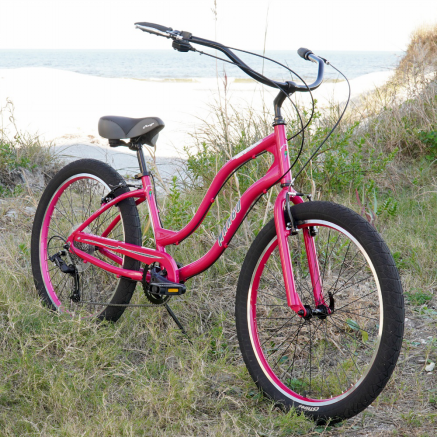
BikesDirect.com helps riders compare bikes, components, and features with value, clarity, and convenience. Whether you are upgrading a gravel bike for rough roads, improving a fast road bike, choosing a comfortable hybrid bike, exploring a rugged fat bike, or preparing a trail-ready mountain bike, the right tire setup can change every ride.
Contact BikesDirect.com today to find bikes and cycling solutions that support better comfort, control, and reliability.