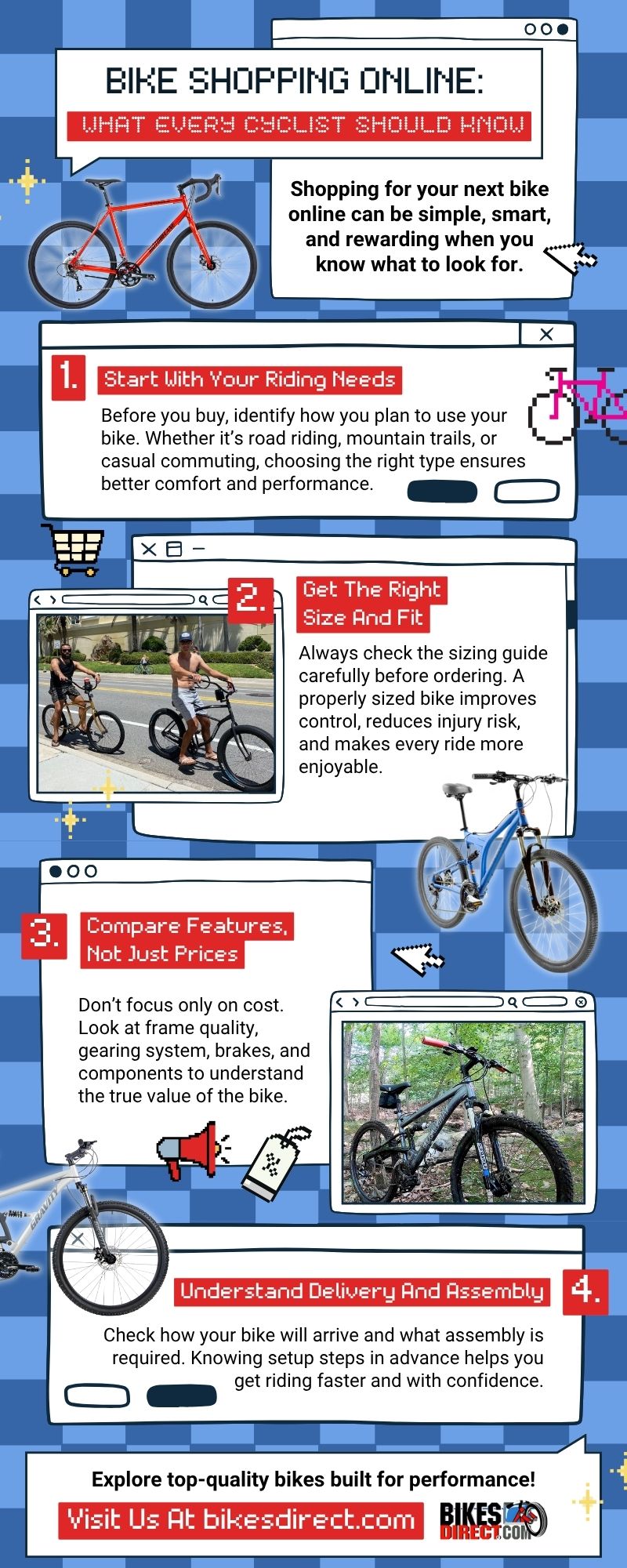
Bike Shopping Online: What Every Cyclist Should Know

Bikesdirect Official Blog and Bicycle Industry Insider News
Get Official Bikesdirect and Bicycle Industry Insider News


Finding a bike that feels natural can change everything about riding. Comfort, control, confidence, and power all depend on fit. That is why women-specific bike design exists. It is not about making a bicycle smaller and painting it differently. It is about adjusting geometry, contact points, and component sizing so more female riders can start from a better fit.
This blog explains the key differences in bike fit, geometry, and components that help many women ride more comfortably and confidently.
Many riders focus only on small, medium, or large frame labels, but fit is more detailed than that. Two bikes with the same size label can feel completely different because of reach, stack, standover height, handlebar width, and saddle shape. Women-specific models often account for riders who may have shorter torsos, longer legs relative to height, narrower shoulders, smaller hands, or different pelvic anatomy.
Of course, every body is different. Some women fit perfectly on unisex bikes, while some men prefer dimensions often found on women-specific models. The goal of women-specific bike design is not to create strict rules. It is to provide more starting points that make comfort easier to achieve.
Geometry affects how your body sits on the bike. Women-specific frames may use a shorter reach, taller stack, or lower standover height. A shorter reach can reduce stretching through the back, shoulders, and arms. A taller front end can create a more relaxed posture, especially useful for new riders, commuters, and longer recreational rides.
On a road bike, small geometry changes can reduce hand pressure and neck strain during long miles. On a hybrid bike, a comfortable upright position can make daily rides feel easier and safer in traffic. A gravel bike may combine stable geometry with enough comfort for rough roads. These details can help riders feel centered rather than forced into an awkward position.
Continue reading “Why Women-Specific Bikes Are Designed Differently”Taking your bicycle beyond your regular route can open the door to new roads, trails, races, vacations, and weekend adventures. Still, moving a bike without damage takes planning. Scratched frames, bent rotors, loose wheels, and airline surprises are frustrating, especially when the ride matters.
This guide explains how to transport a bike safely by car, train, or plane.
Before choosing transportation, inspect the bike. Check tire pressure, brakes, wheel security, pedals, and drivetrain condition. Clean off mud or grit so it does not spread inside your vehicle, case, or hotel room. Take photos of the bike from several angles, especially before air travel, so you have a record of its condition.
Remove loose accessories, including lights, computers, pumps, bottles, saddle bags, and phone mounts. These items can fall off, break, or scratch the frame during movement. Knowing how to transport a bike begins with protecting small parts before the bike ever leaves home. Small precautions now can prevent expensive repairs later. Keep essential tools within easy reach, too.
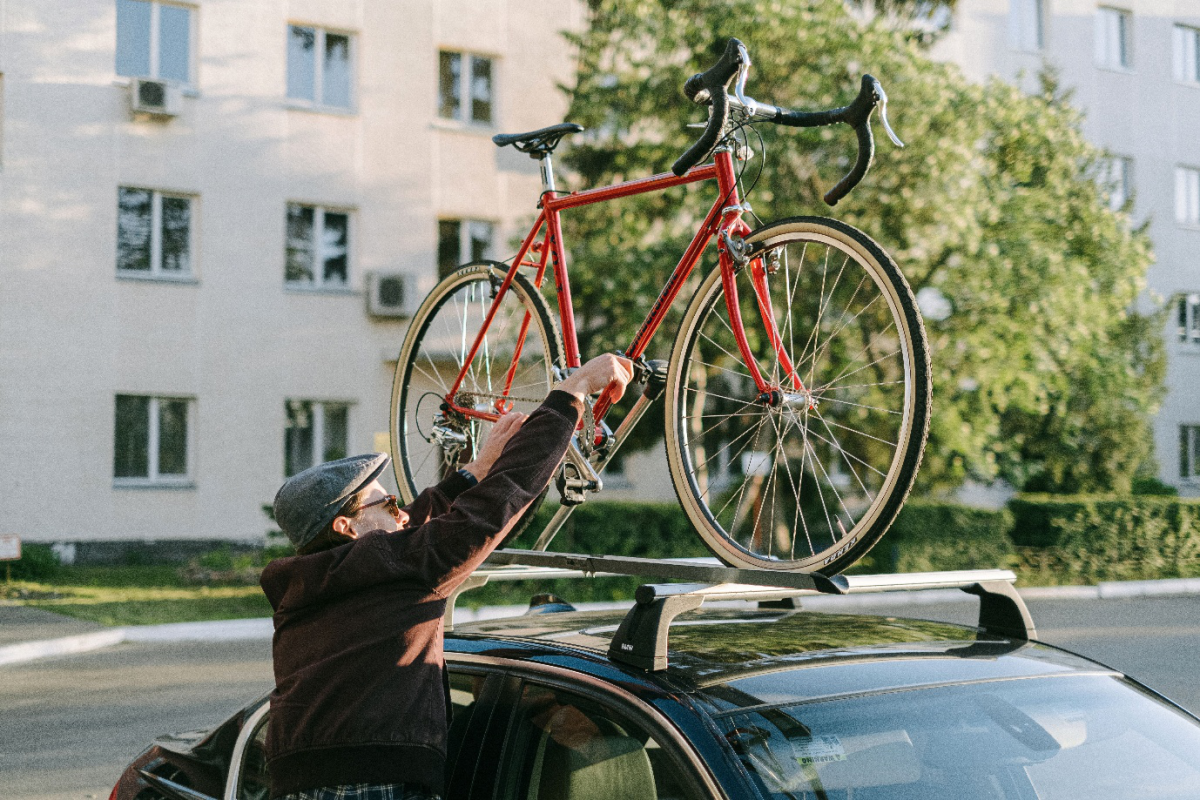
Car transport is usually the easiest option, but the right rack matters. Hitch racks are popular because they hold bikes securely and are easier to load than roof racks. Platform-style hitch racks support wheels and reduce frame contact, which is useful for carbon frames and heavier bikes. Hanging hitch racks can work well, but they may require extra straps to stop swaying.
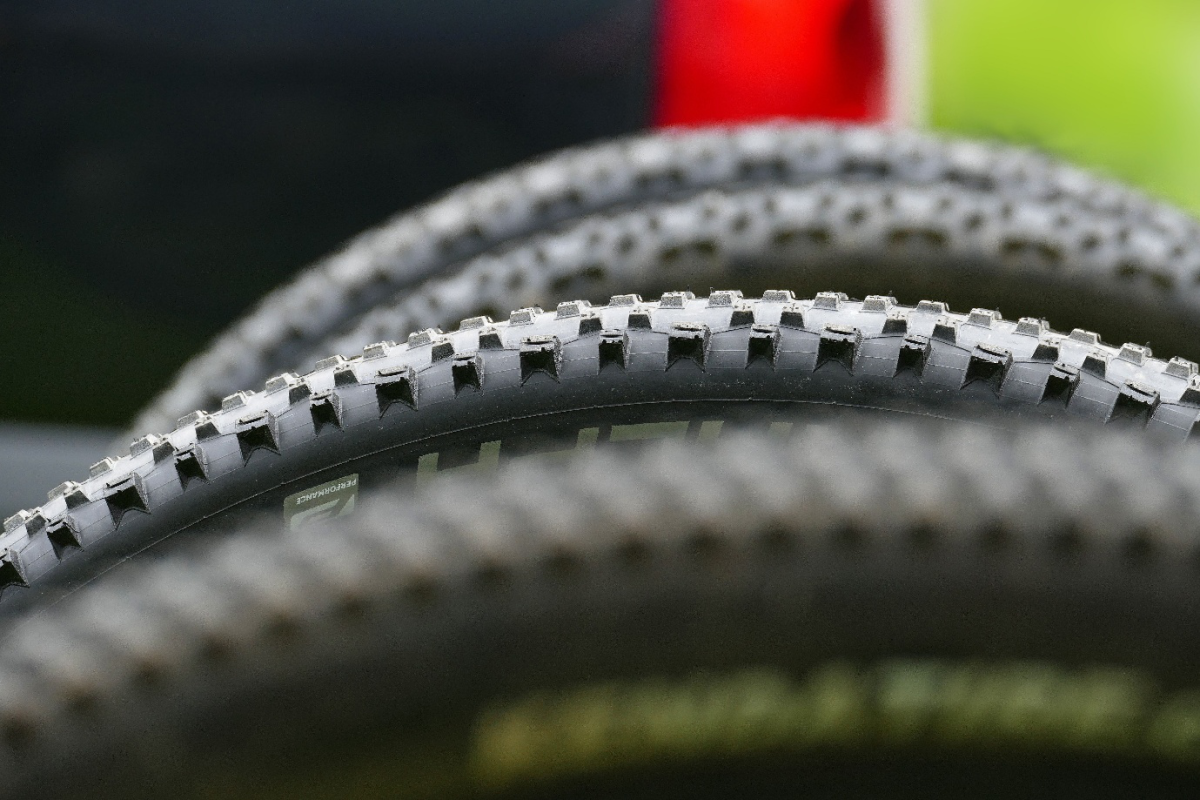
Continue reading “How to Transport Your Bike Safely by Car, Train, or Plane”Tires shape how a bicycle feels more than riders expect. They affect grip, comfort, speed, puncture protection, and confidence on rough surfaces. That is why more cyclists are asking about tubeless bike tires pros and cons before upgrading. A tubeless setup removes the inner tube and uses an airtight tire, compatible rim, valve, tape, and liquid sealant.
Here’s what you should know before deciding whether a tubeless tire setup is the right choice for your riding style and needs.
Traditional bike tires use an inner tube to hold air. When a sharp object pierces the tire and tube, the tube loses air quickly. Tubeless tires hold air directly inside the tire and rim system. Liquid sealant inside the tire can close small punctures as they happen.
This design started gaining popularity in off-road cycling, where thorns, rocks, and low pressures are common. Today, many modern bikes and wheels are tubeless-ready. Still, compatibility matters. The tire, rim, tape, and valve must work together, or the system may leak, burp air, or become frustrating to install.
The most popular benefit is puncture protection. Sealant can plug small holes from thorns, glass, and wire before you notice them. For a gravel bike or mountain bike, this can prevent trail interruptions and long walks home. Commuters on a hybrid bike may also appreciate fewer flats from city debris.
Continue reading “The Pros and Cons of Tubeless Bike Tires”Buying a bike is easier when you understand why one model feels quick, relaxed, or stable. Frame material and components matter, but geometry shapes the riding personality.
This bike geometry explained guide breaks down numbers like head tube angle, wheelbase, bottom bracket drop and reach.
Bike geometry is the collection of frame measurements and angles that determine how a bicycle positions the rider and responds to steering, pedaling, braking, and terrain. Two bikes can use similar parts yet feel completely different because their geometry is different. A race-focused road bike may feel sharp and efficient, while a comfort-focused hybrid bike feels upright and predictable.
Understanding geometry keeps buyers from choosing based only on color, brand, or tire size. It helps riders match a bike to their body, routes, and confidence. This is where bike geometry explained becomes practical.
The head tube angle is the angle of the front of the frame where the fork passes through. A steeper head tube angle usually creates quicker steering. Many performance road bikes use steeper angles because riders want fast response.
A slacker head tube angle pushes the front wheel farther forward, creating calmer steering and better control on rough surfaces. This is common on a mountain bike, fat bike, and many modern trail or adventure designs. On descents, loose gravel, or uneven paths, that extra stability can make the bike feel safer. If handling feels nervous, the front-end geometry may be too aggressive for your riding style.
Continue reading “How Bike Geometry Affects Handling and Comfort”City living rewards anything that saves space, moves easily, and fits into a busy routine. For many riders, a full-size bicycle is practical on the road but awkward everywhere else. Apartment hallways, crowded elevators, office corners, train platforms, and car trunks can turn storage into a daily headache. That is why a folding bike for commuters has become such a smart urban solution.
Find out how it offers real mobility without demanding a garage, bike room, or oversized storage plan.
A folding bike is designed to collapse into a compact shape, usually by folding at the frame, handlebar stem, and pedals. This makes it easier to carry inside buildings, store under a desk, take onto public transit, or tuck into a closet. For riders who live in small apartments, that convenience can be the difference between cycling daily and leaving a bike unused.
Unlike a road bike built mainly for speed, a folding bike is built around practicality. It helps riders solve the “last mile” problem, which is the gap between a train station, bus stop, parking lot, or workplace and the final destination. Instead of walking long blocks or waiting for another connection, commuters can unfold, ride, and arrive faster.
Bike theft is a common concern in cities. A standard hybrid bike often needs to be locked outside, where weather and security risks are real. A folding bike can usually come with you. Taking it into an office, apartment, cafe, or classroom reduces the need for long outdoor parking and gives owners peace of mind.
Continue reading “Folding Bikes: The Perfect Solution for City Commuters with Limited Space”BMX riding is fast, creative, and surprisingly diverse. At first, every BMX bike may look small and similar, but different styles are built for very different goals. Some are made for racing around dirt tracks, while others are designed for tricks, jumps, rails, and skatepark sessions.
This BMX bike beginner guide explains the main BMX disciplines, what features matter, and how new riders can choose a bike that matches their interests instead of guessing from looks alone.
A BMX bike is usually compact, strong, and simple. Most have 20-inch wheels, one gear, flat handlebars, and durable frames built to handle hard landings. Unlike a road bike, which is designed for speed and efficiency on pavement, BMX bikes focus on control, toughness, and quick movements. They are not meant for long-distance commuting like a hybrid bike, nor are they built for loose adventure routes like a gravel bike or wide-tire fat bike.
That specialized design is part of the appeal. BMX riders want a bike that feels responsive underfoot, easy to lift, and strong enough for repeated practice. The right setup depends on where you ride and what you want to learn.
Freestyle BMX is the broad category most beginners picture when they think of tricks. These bikes are made for spins, manuals, bunny hops, grinds, ramps, and creative riding. They usually have strong frames, reinforced wheels, and smaller gearing for control. Some include pegs for grinding or flatland moves.
If your goal is to ride skateparks, learn tricks in a driveway, or explore creative lines around town, freestyle is a smart starting point. This BMX bike beginner guide recommends looking for durability over low weight. Beginners crash, drop bikes, and practice the same move many times, so strength matters.
Continue reading “BMX Bikes: A Beginner’s Guide to Styles and Uses”Long rides ask more from a bicycle than speed alone. When you are carrying clothes, tools, food, water, and camping gear across many miles, stability and comfort matter as much as efficiency.
This touring bike guide explains why touring bikes remain a favorite for cyclists planning multi-day adventures, cross-country routes, and self-supported travel.
A touring bike is designed to carry a rider and loaded gear safely over long distances. Instead of focusing only on low weight or race speed, it prioritizes strength, balance, predictable handling, and comfort. The frame usually includes mounting points for racks, fenders, extra bottle cages, and bags. These details may look small, but they become essential when your ride stretches from one day into many.
Unlike a lightweight road bike, a touring bike is not meant to feel twitchy or fragile under load. It should remain steady while climbing, descending, cornering, and braking with panniers attached. That dependable feel is one of the biggest reasons travelers choose touring-specific designs.
Continue reading “Touring Bikes: The Ultimate Choice for Long-Distance Adventures”Cyclocross bikes can look confusing at first glance. They resemble road bikes, handle loose surfaces better than many pavement machines, and feel faster than most rugged commuters. This cyclocross bike guide explains what makes them special, where they came from, and why riders love them for pavement, gravel, grass, mud, and quick weekday miles.
If you want one bike that feels lively without being limited to perfect asphalt, cyclocross is worth understanding before buying.
A cyclocross bike is built for cyclocross racing, a fast discipline that mixes pavement, dirt, grass, sand, mud, barriers, and sharp corners. Riders often dismount, shoulder the bike, run short sections, then jump back on and keep racing. Because of that heritage, cyclocross bikes are light, responsive, and designed to accelerate quickly.
Unlike a pure road bike, a cyclocross bike has more tire clearance, stronger braking, and geometry that helps control the bike on uneven ground. It is not as relaxed as many adventure bikes, but it offers impressive versatility for riders who want speed and grit in one package.
Cyclocross began as a way for road racers to stay sharp during colder months, but the bike design became useful beyond race tape. The same features that help on muddy courses also help urban riders, commuters, and fitness cyclists. You get quick handling, solid traction, confident braking, and a frame that can handle imperfect surfaces.
That is why this cyclocross bike guide matters for everyday riders. Even if you never race, you may appreciate a bike that can move quickly from smooth pavement to park paths, gravel shortcuts, wet streets, and packed dirt trails without feeling out of place.
Continue reading “Cyclocross Bikes Explained: A Versatile Option for Mixed Riding”