

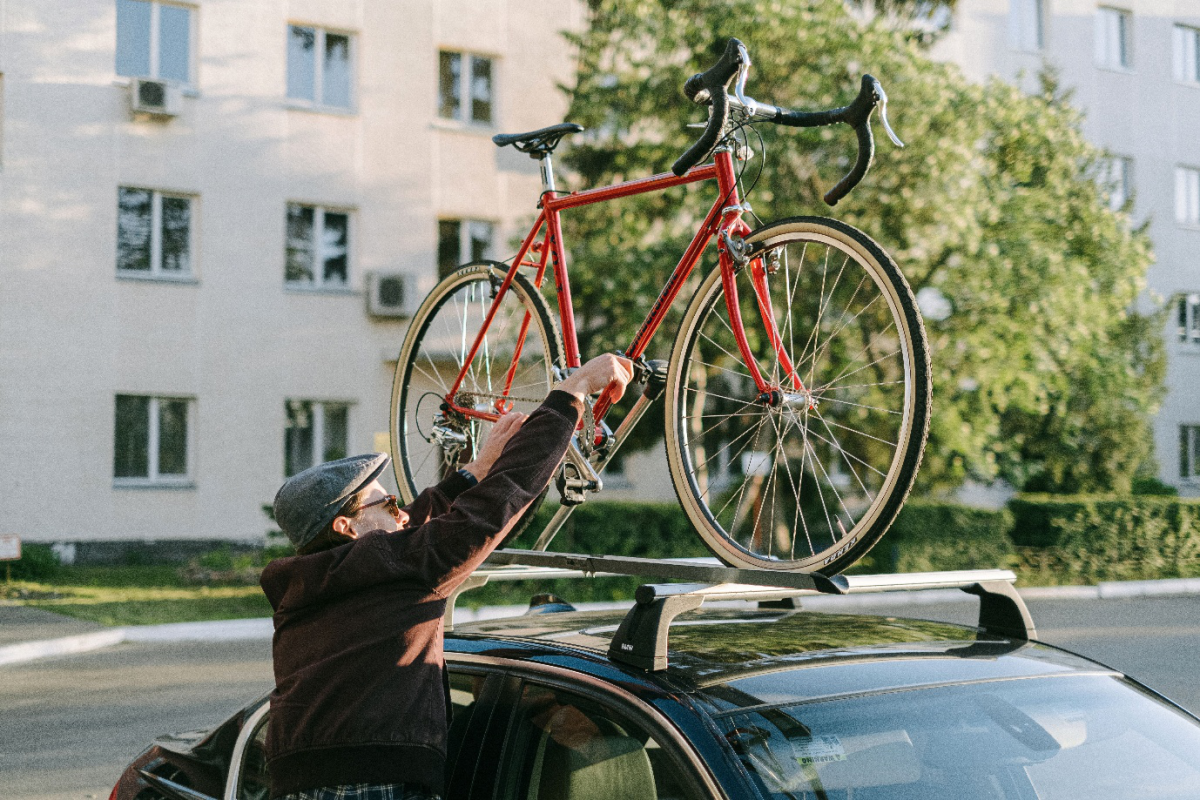
Taking your bicycle beyond your regular route can open the door to new roads, trails, races, vacations, and weekend adventures. Still, moving a bike without damage takes planning. Scratched frames, bent rotors, loose wheels, and airline surprises are frustrating, especially when the ride matters.
This guide explains how to transport a bike safely by car, train, or plane.
Start with a Quick Pre-Trip Check
Before choosing transportation, inspect the bike. Check tire pressure, brakes, wheel security, pedals, and drivetrain condition. Clean off mud or grit so it does not spread inside your vehicle, case, or hotel room. Take photos of the bike from several angles, especially before air travel, so you have a record of its condition.
Remove loose accessories, including lights, computers, pumps, bottles, saddle bags, and phone mounts. These items can fall off, break, or scratch the frame during movement. Knowing how to transport a bike begins with protecting small parts before the bike ever leaves home. Small precautions now can prevent expensive repairs later. Keep essential tools within easy reach, too.
Transporting a Bike by Car
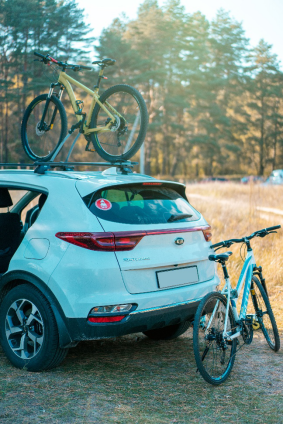
Car transport is usually the easiest option, but the right rack matters. Hitch racks are popular because they hold bikes securely and are easier to load than roof racks. Platform-style hitch racks support wheels and reduce frame contact, which is useful for carbon frames and heavier bikes. Hanging hitch racks can work well, but they may require extra straps to stop swaying.
Roof racks keep trunk access clear and protect rear visibility, but lifting a bike overhead can be awkward. Always confirm height clearance before entering garages, drive-throughs, or parking structures. Trunk racks are affordable and portable, yet they must be installed carefully to avoid paint damage.
For any rack, secure wheels, check straps, and lock the bike if you stop. A mountain bike with wide bars or a gravel bike with bags may need extra spacing. After a few miles, pull over and recheck everything carefully again.
Packing Inside a Vehicle
If you have enough space, carrying the bike inside your car offers excellent protection from theft, weather, and road debris. Fold down seats, use a blanket, and place the drivetrain side up to protect the derailleur. Removing the front wheel often creates enough room for a road bike or hybrid bike.
Keep grease away from upholstery by covering the chain or using a dedicated bike cover. Do not stack heavy luggage on the frame, wheels, or brake rotors. If you remove wheels, place axle spacers or padding between parts to prevent rubbing.
Taking a Bike on a Train
Train rules vary by route, operator, and country, so always check current policies before booking. Some trains allow fully assembled bikes in designated areas. Others require reservations, folding bikes, or boxed bicycles. Space can be limited during peak hours, so planning ahead matters.
Arrive early and know where the bike area is located. Keep your bike clean, remove bulky bags if required, and use a light strap to prevent movement. A compact hybrid bike may be easier to manage in stations, while a loaded gravel bike may need bags removed before boarding.
When learning how to transport a bike by train, think about stairs, elevators, platform gaps, and transfers. The ride itself may be simple, but station logistics can be the hardest part.
Flying with Your Bike
Air travel requires the most preparation. Airlines have different size limits, fees, weight rules, and packaging requirements, so review the policy directly before purchasing tickets. Do not rely on old forum posts or general assumptions. Print or save the airline’s bike policy in case questions come up at check-in.
You have two main packing choices: soft cases and hard cases. Soft cases are lighter and easier to store, but they need careful padding. Hard cases offer stronger impact protection, but they cost more and can be bulky. Cardboard bike boxes are another option, especially for one-way trips, though they may be less durable in rough handling.
Preparing the Bike for a Case
For most cases or boxes, remove the pedals, wheels, and sometimes handlebars. Deflate tires slightly if required, protect the derailleur, and use foam or pipe insulation around frame tubes. Disc brake users should insert brake pad spacers so the pads do not close accidentally.
Secure loose parts inside the case, but avoid letting metal pieces rub the frame. Pack tools needed for reassembly, but remember that certain items may need checked luggage. Label the case clearly with your name and contact information. A careful packing routine is essential when deciding how to transport a bike on a plane.
Choosing the Right Method
The best method depends on distance, budget, bike type, and stress tolerance. Driving offers flexibility and easy gear access. Trains can be convenient for city-to-city travel without traffic. Flying works for destination rides, races, and cycling vacations, but it needs the most packing care.
A fast road bike may need extra frame protection. A mountain bike may require more room because of wider tires and bars. A hybrid bike is often easiest for casual transportation. A gravel bike may need bag removal and rotor protection. Match the transport plan to your bike, not the other way around.
Travel Farther with BikesDirect.com
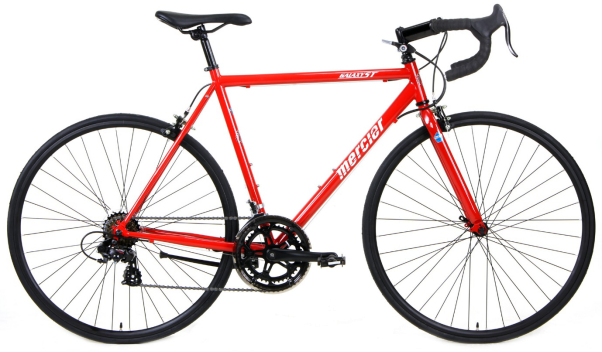
BikesDirect.com helps riders prepare for better adventures by offering bicycles that fit real routes, budgets, and lifestyles. Whether you are learning how to transport a bike, choosing a fast road bike, comparing a comfortable hybrid bike, planning trips with a rugged fat bike, exploring trails on a mountain bike, or packing a capable gravel bike, the company makes smart choices easier.
Contact BikesDirect.com today to find a bike that travels well, rides confidently, and supports every commute, vacation, race, or weekend escape with lasting performance and comfort.