

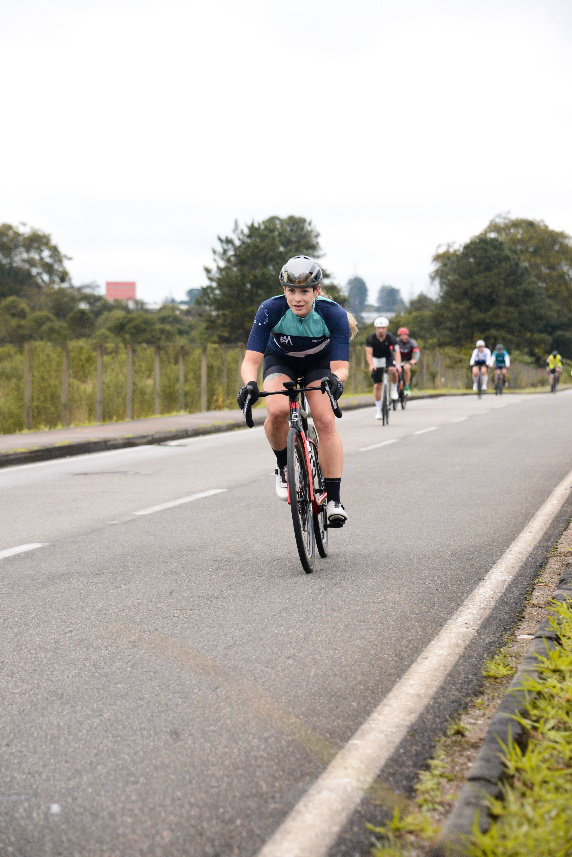
Your first group ride can feel exciting, intimidating, and a little chaotic. Suddenly, cycling is not only about your fitness or route. It is about riding predictably with people around you. That is why group ride etiquette beginners should learn matters so much. Good manners on a bike are really safety habits.
Here’s what every new rider should know before joining a cycling club and riding confidently in a group.
Choose the Right Ride First
Before joining, read the club description carefully. Most cycling clubs label rides by pace, distance, terrain, and difficulty. A beginner-friendly ride may say no-drop, social pace, recovery ride, or casual loop. No-drop means the group will not intentionally leave riders behind, though you still need to arrive prepared early.
Be honest about your current ability. If you usually ride 10 miles alone, do not start with a 50-mile fast paceline. Choose a shorter ride where you can learn without panic. Contact the ride leader beforehand and ask what speed, route, regroup points, and bike type are expected.
Show Up Prepared
Arrive early with a working bike, inflated tires, water, snacks, lights if needed, identification, and a flat repair kit. A group ride is not the best place to discover your brakes rub or your chain is dry. Do a quick check at home: tires, brakes, chain, bolts, and shifting.
Bring enough supplies to be self-sufficient. Other riders may help, but they should not have to provide your tube, tools, food, or hydration. Preparedness is one of the first rules of group ride etiquette beginners can practice before the ride even starts.
Hold Your Line
Predictability is everything in a group. Hold a steady line instead of weaving around small bumps or drifting sideways while looking back. If you need to move left or right, signal first and check that the space is clear.
Avoid sudden braking unless absolutely necessary. Feather your brakes gently and call out if you are slowing. Riders behind you are watching your wheel, and quick movements can ripple through the group. Smooth riding builds trust quickly.
Learn the Signals
Hand signals and verbal calls keep the group informed. Point to potholes, glass, gravel, or debris. Call out “car back” when a vehicle approaches from behind, “car up” when one is ahead, and “slowing” or “stopping” before reducing speed.
Keep calls clear and brief. Do not shout every tiny crack in the pavement, but do warn others about real hazards. If you are unsure what a signal means, ask at a regroup stop. Most riders would rather explain than watch a newcomer guess.
Understand Paceline Basics
A paceline is when riders rotate at the front to share wind resistance. It is common on faster road bike rides but may appear on gravel bike or fitness rides too. If you are new, tell the leader before joining a paceline.
Never overlap wheels. If your front wheel touches the rear wheel of the rider ahead, you are the one most likely to fall. Leave enough space to react, especially while learning. When taking a turn at the front, keep the same pace. Do not surge to prove strength. Pull briefly, signal, move aside smoothly, and drift back.
Respect the Pace
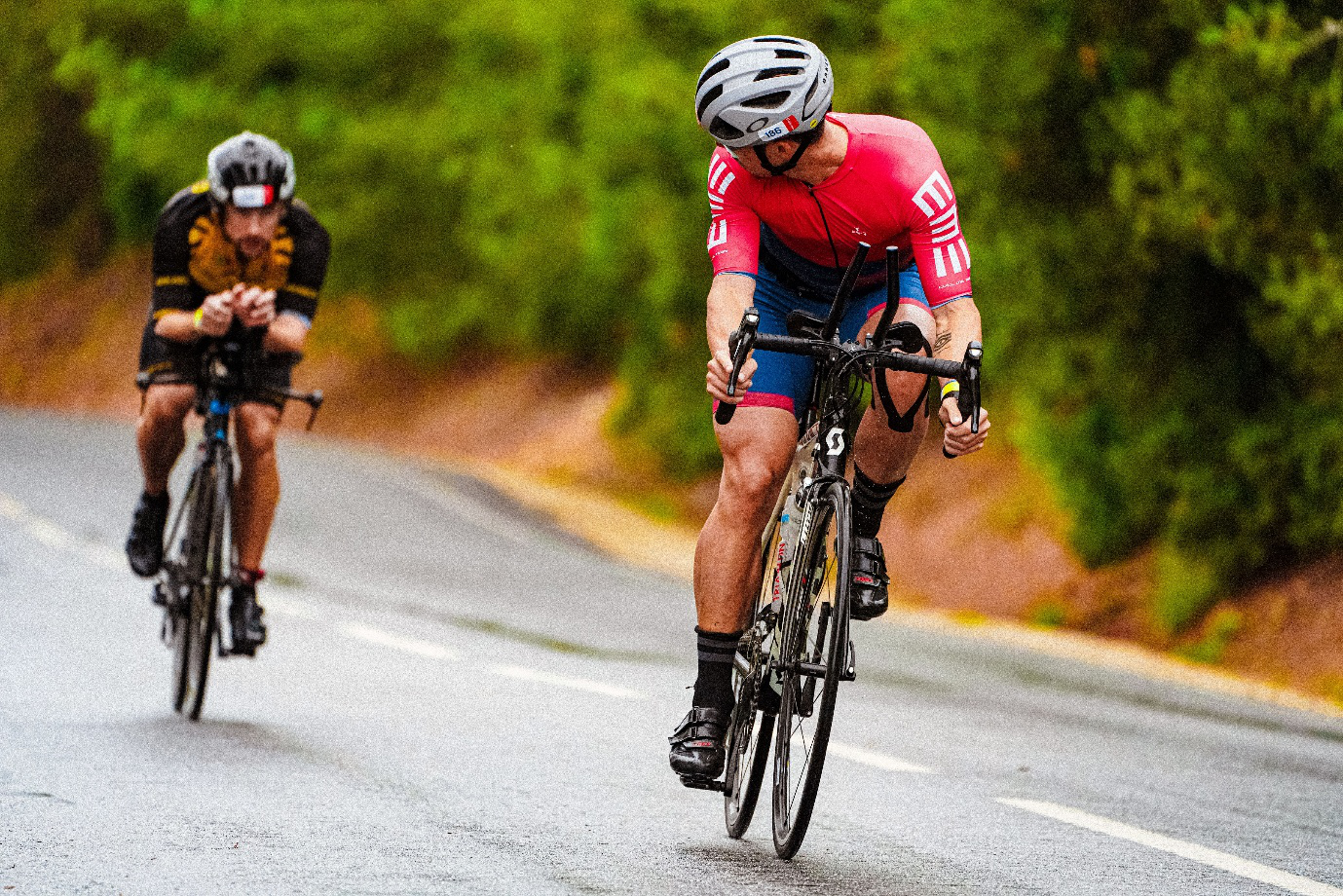
Every ride has an agreed pace. If it is listed as 14 to 16 mph, do not push it to 19 at the front. If you are struggling, tell the ride leader early instead of silently fading off the back.
On climbs, groups may naturally spread out. On descents, leave extra room and ride within your comfort level. A rider on a mountain bike or hybrid bike may work harder to maintain the same speed as a rider on a lighter road bike, so equipment differences matter.
Be Friendly, Not Distracting
Cycling clubs are social, but conversation should not compromise safety. Chat when the road is calm and the formation is relaxed. Save long stories for coffee stops, trailheads, or regroup points.
Introduce yourself, thank the ride leader, and be open about being new. Most clubs appreciate riders who are humble, attentive, and willing to learn. Do not lecture others, brag about speed, or criticize someone’s bike. Every cyclist started somewhere.
Find a Beginner-Friendly Club
Look for local bike shops, city cycling groups, social media pages, advocacy organizations, and event calendars. Beginner-friendly clubs usually mention mentorship, no-drop rides, skills clinics, women’s rides, family rides, or casual weekend routes.
Ask about helmets, membership fees, route surfaces, average pace, and whether first-time guests are welcome. If the club only talks about racing, watts, and drop rides, it may not be the right first step. The best club for a newcomer makes learning feel normal.
Build Confidence Over Time
After your first ride, reflect on what felt easy and what felt stressful. Practice signaling, drinking while riding, looking over your shoulder, shifting smoothly, and riding near another cyclist. These skills improve with repetition.
Good group ride etiquette beginners learn is not about perfection. It is about awareness. Show up prepared, communicate, stay predictable, and respect the group. Soon, the ride that once felt intimidating can become the best part of your cycling week.
Ride Better with BikesDirect.com
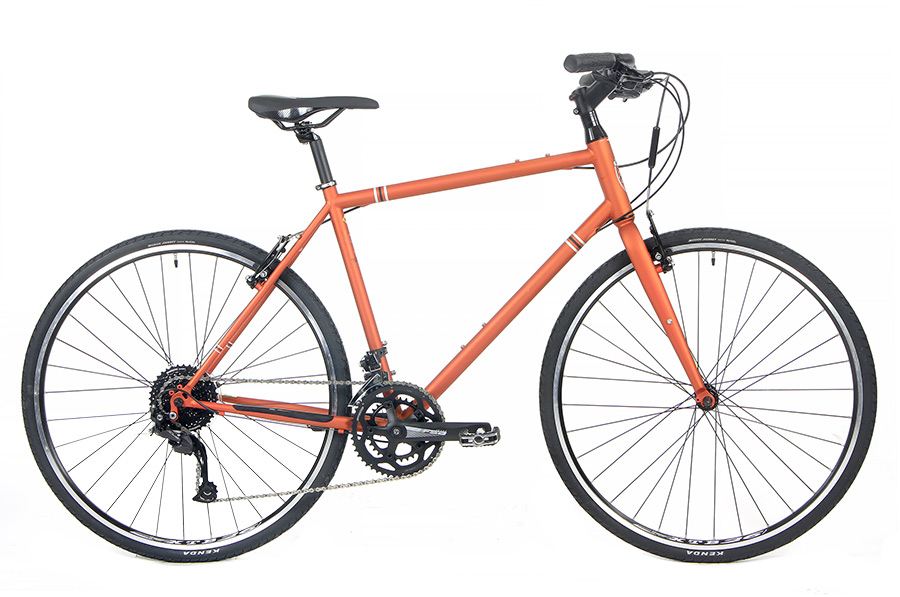
BikesDirect.com helps new and experienced riders find bikes that make group rides more comfortable, efficient, and enjoyable. Since 1997, the company has offered strong online value, broad selection, and fast shipping across the contiguous 48 states.
Whether you want a road bike for club rides, a fat bike for soft terrain, a gravel bike for mixed routes, a hybrid bike for casual fitness, or a beach cruiser for relaxed neighborhood outings, BikesDirect.com offers choices for many goals and budgets. Start with the right bike, learn the rules, and join your first ride with real confidence and dependable support.
Contact us today to find the perfect bike for your next group ride and enjoy every mile with greater confidence, comfort, and performance.