

The phrase “mountain bike geometry trends 2026” can sound like a list of fashionable angles, but geometry is simply the relationship between the rider, wheels, and ground. Longer reach, slacker head angles, steeper seat tubes, and changing wheelbases have developed because riders descend faster, use wider handlebars, and expect one bike to climb and descend with control.
A gravel bike may borrow stable handling ideas, but mountain-bike geometry must also account for suspension sag, large tires, standing movement, and steep obstacles. Numbers only make sense within the complete design.
Longer Reach Creates More Standing Room
Reach measures the horizontal distance from the bottom bracket to the top of the head tube. Modern trail bikes often use longer reach with shorter stems. The rider gains room to move while the handlebar remains close enough for active steering.
A longer front center can improve stability on descents because the front wheel sits farther ahead of the rider. The trade-off is that an overly long frame can feel difficult to weight in flat corners and uncomfortable during seated riding.
Frame size matters. A geometry trend is not permission to choose a bike that is too large. Compare reach with stack, seat-tube length, and intended stem length.
Slacker Head Angles Calm Steep Descents
Head angle describes the steering-axis angle relative to the ground. A slacker angle places the front wheel farther forward and generally slows steering response. This helps the bike remain composed on steep terrain and when the wheel hits an obstacle.
Very slack geometry can feel vague on slow climbs or flat paths. Designers balance the angle with fork offset, wheel size, reach, and weight distribution. A cross-country hardtail does not need the same front end as a long-travel trail bike.
The REI mountain-bike buying guide encourages riders to match bike type and suspension to terrain, which is the correct context for reading geometry.
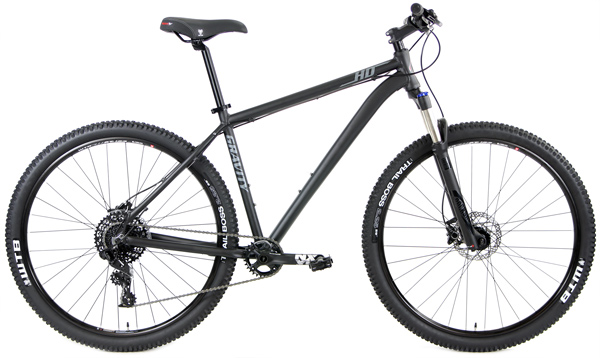
Product Link: Gravity HD 1BY11
Steeper Seat Tubes Support Climbing
A steeper effective seat-tube angle places the seated rider farther forward relative to the bottom bracket. On steep climbs, this can help keep weight centered and reduce the tendency for the front wheel to lift.
The effective angle changes with saddle height and suspension sag. Tall riders may experience a different practical position than short riders on the same nominal frame. Actual seat-tube shape also matters when the tube bends around a rear wheel or linkage.
A forward position can feel efficient uphill but cramped on flat roads if the frame is not balanced. Saddle fore-aft adjustment should fine-tune pedaling, not correct an unsuitable frame size.
Wheelbase and Chainstays Shape Stability
Wheelbase is the distance between the wheel axles. Longer bikes tend to feel stable at speed, while shorter bikes can turn more readily in tight terrain. Chainstay length influences rear-wheel placement, climbing traction, and how easily the rider lifts the front wheel.
Designers may vary chainstay length by frame size to preserve balance for tall riders. Others use one rear-center length across the range. Buyers should compare complete wheelbase rather than isolating one number.
The REI wheel-size guide notes that 29-inch wheels roll over obstacles more easily, while smaller wheels can feel more maneuverable. Wheel size also lengthens or shortens the geometry available to designers.
Four Frames That Reveal Different Geometry Goals
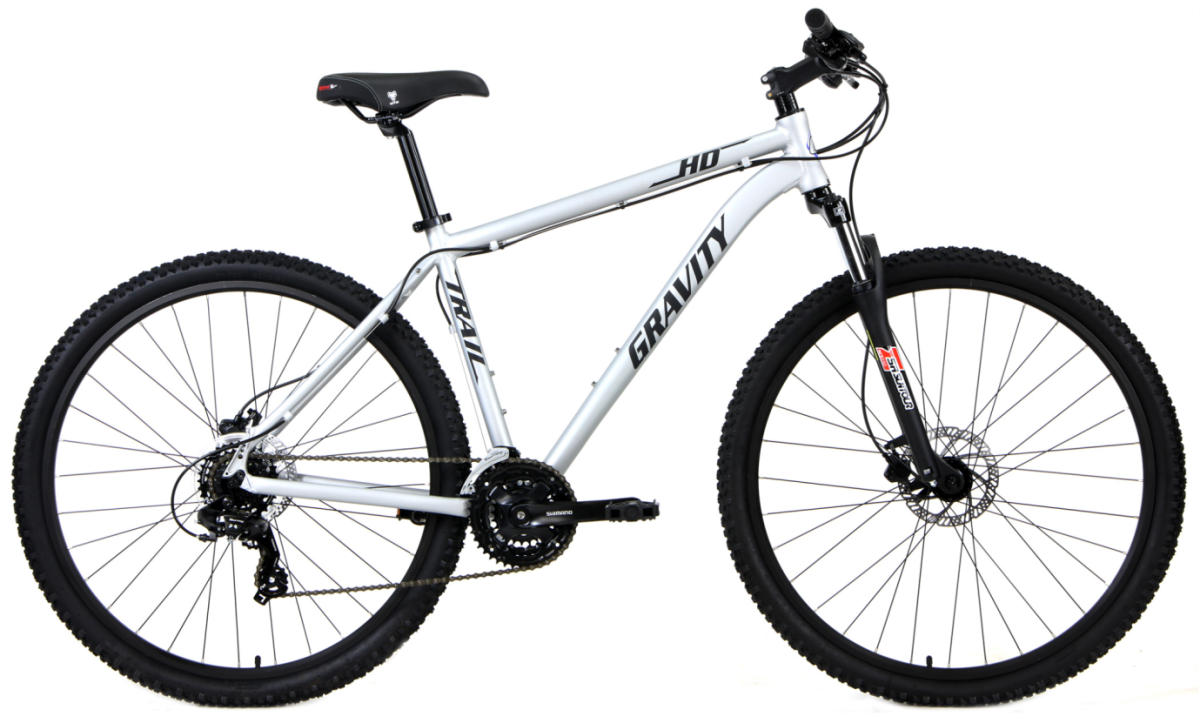
The Gravity HD275 Trail uses 27.5-inch wheels and a hardtail frame for riders who value compact handling and a lower entry price. Its geometry should be judged as a recreational hardtail, not compared directly with an enduro bike.
The Gravity HD 1BY11 adds a modern single-chainring drivetrain and trail-focused intent. Its hardtail structure keeps feedback direct while the cockpit and wheel options support more aggressive riding.
The Gravity FSX29 HD Comp 1BY combines 29-inch wheels with full suspension. Rear sag changes the bike’s dynamic angles, so setup influences the geometry experienced on the trail.
The Motobecane HAL Boost Expert represents longer-travel priorities. Its wheelbase, suspension, and front-end design target rougher descending where stability and traction justify additional weight.
A fat bike adds very wide tires that raise and lengthen parts of the chassis. Tire pressure and flotation can dominate handling more than small angle differences, especially on snow or sand.
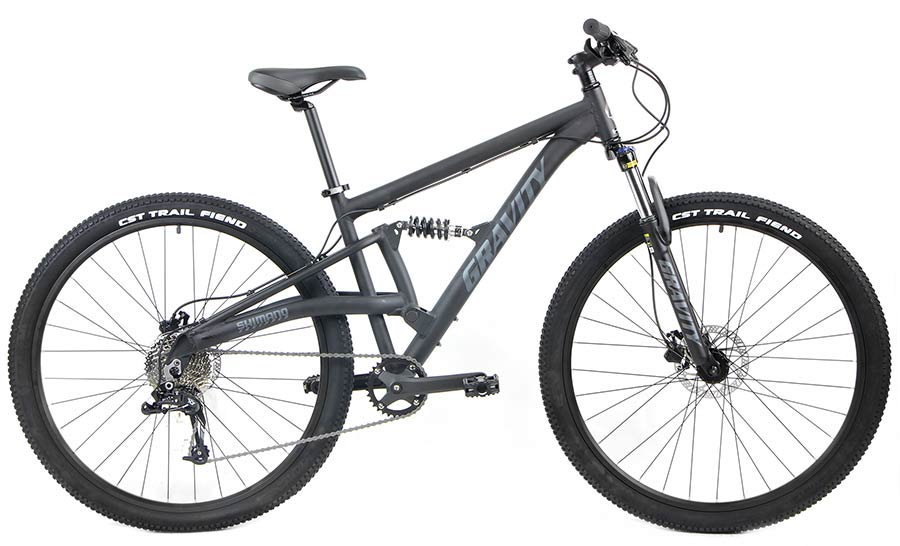
Product Link: Gravity FSX29 HD Comp 1BY
Geometry Charts Need Context
Fork travel changes head angle and bottom-bracket height. Tire size changes axle height. Suspension sag steepens or slackens parts of the bike during use. Stem length and handlebar sweep determine where the hands sit relative to the frame.
Compare bikes in the correct size and category. A medium cross-country frame and medium trail frame can carry the same label but place the rider differently. The REI mountain-bike sizing guide offers useful fit checks, but manufacturer geometry remains necessary.
Test ride when possible and notice front-wheel pressure, seated reach, standover clearance, and confidence on both climbs and descents. A trendy number cannot replace balanced handling.
Do Not Ignore Standover and Seat-Tube Length
Longer reach does not require a tall seat tube. Modern frames often shorten the tube so riders can use longer-travel dropper posts and move freely on descents. Adequate standover clearance helps during sudden stops on uneven ground.
A very short seat tube can limit insertion for some fixed posts, while an overly long tube can prevent the saddle from dropping enough. Check the full adjustment range with the rider’s inseam before focusing on headline angles.
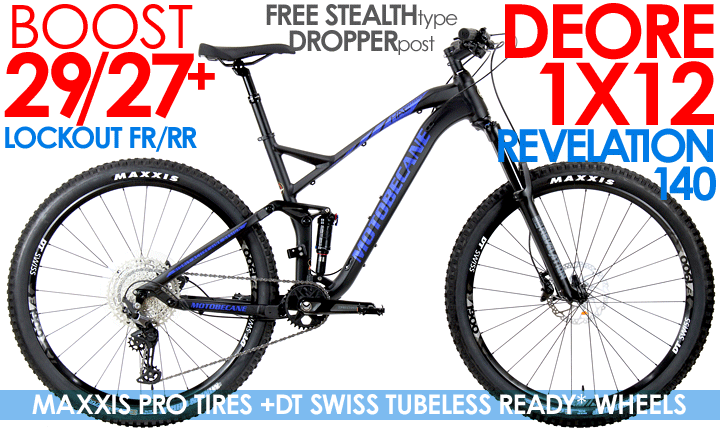
Product Link: Motobecane HAL Boost Expert
Read the Geometry Chart as a System
A hybrid bike uses different priorities because pavement stability and upright comfort matter more than suspension movement. Geometry should always be read through intended use.
BikesDirect provides size ranges and geometry details across hardtail and full-suspension models, allowing riders to compare wheel size, reach-related dimensions, standover, suspension, and drivetrain together.
Compare the complete measurements and uncover a mountain bike designed for the way you descend and climb through BikesDirect.