

A useful drivetrain wear replacement guide starts with the chain because it is normally the least expensive wear component and the one that can damage everything around it. As the chain’s pins and rollers wear, its effective pitch increases. The worn chain then loads cassette and chainring teeth unevenly.
A high-mileage road bike may accumulate wear quickly even in clean conditions, while a muddy trail bike can damage parts in far fewer miles. Distance alone is therefore a poor replacement schedule. Measurement, shifting behavior, and maintenance history provide better evidence.
Measure Chain Wear Before Shifting Fails
A chain-checker tool gives a fast indication of elongation. Different drivetrain speeds and manufacturers use different replacement guidance, so follow the tool and component instructions. A ruler can provide a second check, but a dedicated gauge is easier for regular use.
The Park Tool chain replacement guide explains how early chain replacement protects the cassette and chainrings. Waiting for visible tooth damage usually costs more.
Measure at several points because contamination and stiff links can affect the reading. Clean the chain before making a final decision, and replace any chain with damaged plates, severe rust, or a compromised connecting pin regardless of elongation.
Cassette Wear Appears Under Load
A worn cassette may shift acceptably on a stand but skip when the rider pedals hard. The most-used cogs wear first, particularly middle gears on flat routes or large cogs on steep terrain. Installing a new chain can reveal wear because it no longer meshes with the old tooth pattern.
Hooked or pointed teeth can be a clue, but cassette tooth shapes are intentionally varied for shifting. Compare suspicious cogs with less-used ones and focus on behavior under controlled load.
If a new chain skips only on selected cogs after correct adjustment, the cassette may need replacement. Check derailleur hanger alignment and cable condition first because poor indexing can imitate wear.
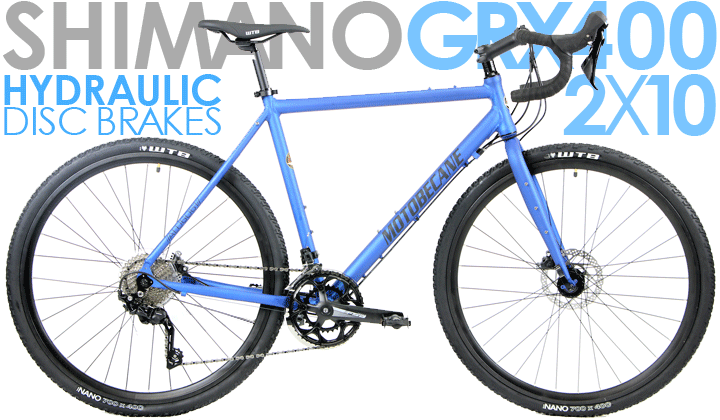
Product Link: Motobecane Gravel X Pro
Chainrings Usually Last Longer
Chainrings engage more teeth and often wear more slowly than cassette cogs. Small rings can wear faster because fewer teeth share the load, while a rider who stays in one ring may wear it disproportionately.
Symptoms include chain lift, poor engagement under power, repeated dropping, and teeth with a pronounced hooked profile. Front-shift problems can also come from derailleur adjustment, cable friction, or a bent ring, so diagnosis should be careful.
A crankset does not always need complete replacement. Many systems allow individual chainrings to be changed, although integrated or riveted designs may require a crankset. Check bolt-circle diameter, mounting type, speed compatibility, and tooth count.
Cleaning and Lubrication Extend Service Life
Grit mixed with lubricant forms an abrasive paste. Wipe the chain after dirty rides, clean it when buildup becomes visible, and apply a lubricant suited to conditions. Remove excess from the outer plates because lubrication is needed primarily inside the chain joints.
The Park Tool chain cleaning guide describes a structured cleaning process. Strong degreasers should not be left in bearings, and pressure washing can drive contamination into sensitive areas.
Wet lubricants resist rain but attract more dirt. Dry lubricants remain cleaner in dusty conditions but wash away sooner. Reapply after wet rides or when the chain becomes noisy.
Four Drivetrains With Different Costs
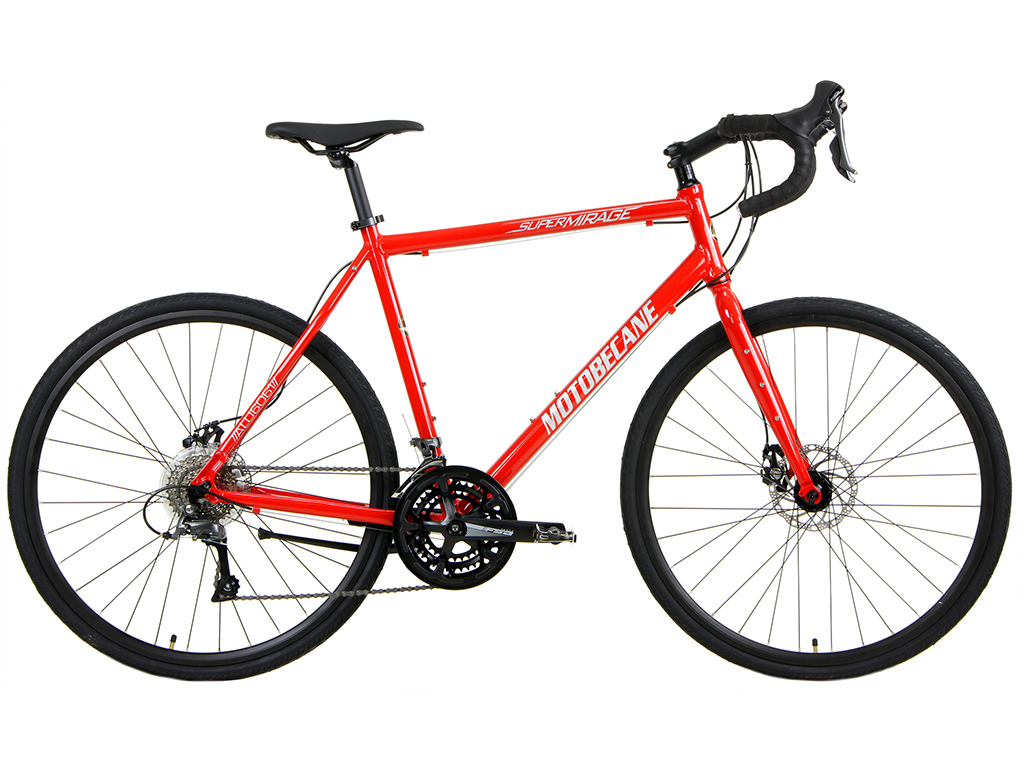
The Motobecane Super Mirage SLX XTL uses a 3×8 drivetrain. Its chain and cassette are relatively straightforward, but three chainrings create more front-shift components to inspect.
The Motobecane Gravel X Pro uses a 2×10 gravel drivetrain. Riders may spend much of the ride in one chainring, so wear patterns can differ between road approaches and loose climbs.
The Gravity HD 1BY11 represents a 1x mountain setup. Its wide cassette and narrow-wide chainring support trail use, but mud and high chain tension can accelerate wear. A mountain bike owner should measure frequently during wet seasons.
The Motobecane MuleKick CF RX600 uses higher-tier gravel components, making preventative chain replacement especially valuable. The more expensive the cassette, the stronger the case for regular measurement.
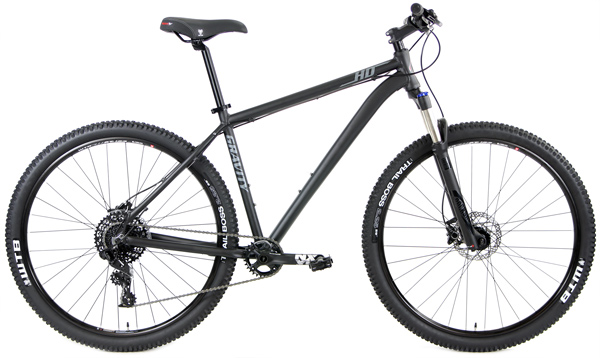
Product Link: Gravity HD 1BY11
Diagnose Before Replacing Parts
Skipping can result from a worn chain, worn cassette, stiff link, bent derailleur hanger, poor cable tension, damaged freehub, or incorrect chain length. Front-shift problems may involve derailleur height and rotation rather than chainring wear.
The Park Tool derailleur troubleshooting guide helps separate indexing faults from worn components. Replace only after the basic adjustments and compatibility checks are complete.
Keep a maintenance record with chain measurements and replacement dates. It reveals how riding conditions affect service life and helps budget for future parts.
Replace Compatible Parts as a System
A new chain must match the drivetrain’s speed count and connecting method. A replacement cassette must fit the freehub and derailleur capacity. Chainrings must match bolt pattern, direct-mount standard, and chain width.
Do not mix parts only because the tooth counts look similar. Manufacturer compatibility charts and a qualified mechanic can prevent poor shifting or unsafe assembly. When several parts are severely worn, replacing the chain, cassette, and affected chainring together may be more reliable than changing one component repeatedly. Keep removed parts until the repair is confirmed, record the exact model numbers, and test shifting under light load before returning to hard efforts or remote rides far from immediate mechanical support.
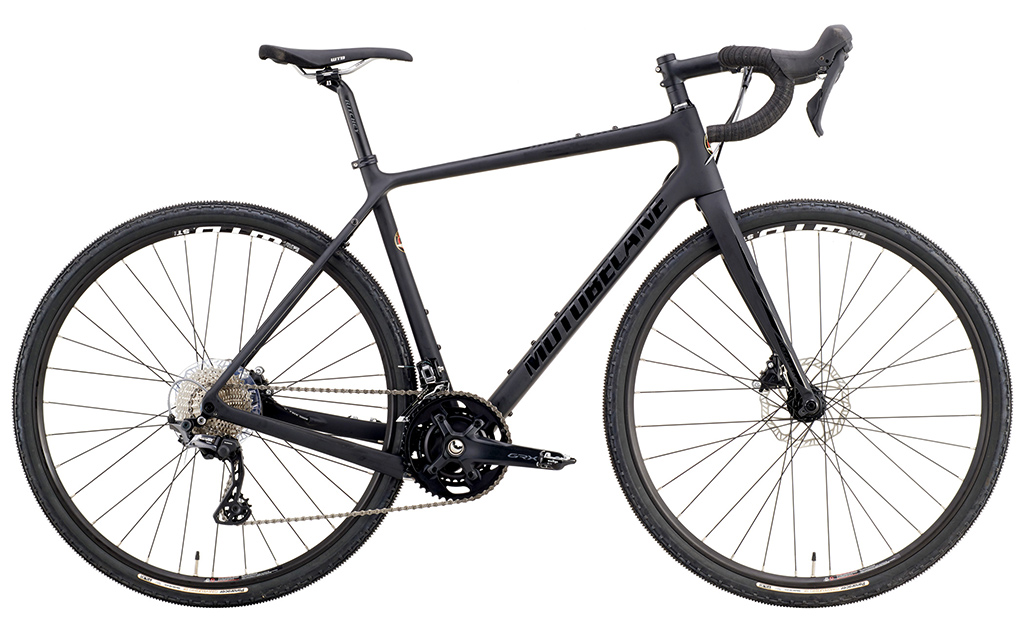
Product Link: Motobecane MuleKick CF RX600
Replace the Cheapest Wear Part First
A hybrid bike used daily can wear parts faster than a race bike ridden occasionally. Service frequency should follow conditions and measurement rather than category prestige.
BikesDirect product pages list drivetrain speed, chainrings, cassettes, and derailleur families across its range. Those details help owners purchase compatible wear parts and estimate future maintenance before choosing a bicycle.
Check the component specifications and choose a gravel bike with a drivetrain you can maintain confidently from BikesDirect.