

A useful 1x vs 2x drivetrain comparison begins with ratios, not chainring count. A single front chainring can still provide a very broad range through a large cassette, while a double can deliver small steps and high top-end speed without necessarily giving the lowest climbing gear. The correct system depends on terrain, cadence preference, control simplicity, and maintenance habits.
A performance road bike commonly retains two chainrings because riders value close ratio changes and the ability to pedal efficiently at high speed. Mountain bikes have moved strongly toward 1x systems, and gravel bikes use both. That split reflects different riding problems rather than one technology replacing the other everywhere.
We will compare usable range, gear spacing, weight, chain retention, efficiency, adjustment, component cost, and discipline-specific needs. We will also use complete bicycles to show how the same drivetrain format can serve very different riders.
How the Two Systems Create Ratios
A Single Front Chainring
A 1x drivetrain uses one chainring, one rear derailleur, and a cassette with several cogs. The left-hand front shifter and front derailleur disappear. Modern mountain and gravel versions often pair a narrow-wide chainring with a clutch rear derailleur to control chain movement over rough ground.
The rider shifts only at the rear. That is intuitive during technical riding because every click moves in one direction through the sequence. The simplicity is especially useful when the rider is braking, standing, choosing a line, and changing gears within a few seconds.
Two Front Chainrings
A 2x system uses a small and large chainring plus the rear cassette. The small ring lowers the entire ratio range for climbing, while the large ring supports faster riding. The cassette can use smaller jumps because the front shift supplies much of the total range.
Some gear combinations overlap, so a 2x drivetrain may advertise more theoretical gears than it provides distinct ratios. Good shifting technique also requires avoiding extreme cross-chain positions, such as the largest chainring with the largest rear cog for extended periods.
The Shimano gravel gearing guide explains that both systems remain valid for gravel. Shimano positions 1x around simplicity and chain control, while 2x supports broad range with closer steps for riders mixing pavement and dirt.
Gear Range Is Not Gear Count
Range describes the relationship between the easiest and hardest available ratios. A bicycle with a 40-tooth chainring and an 11-42 cassette has a lowest ratio of 40 divided by 42 and a highest ratio of 40 divided by 11. A 2x bike with 46/30 chainrings and an 11-34 cassette reaches a lower climbing ratio through 30 divided by 34 and a higher road ratio through 46 divided by 11.
The exact numbers matter more than the labels. A 1×12 mountain drivetrain can offer greater total percentage range than an older road double, but its jumps between adjacent gears may be larger. A compact road double can feel smoother when a rider wants to adjust cadence by a small amount during a steady group ride.
Lowest Gear for Climbing
The lowest gear should match the steepest normal climb, total rider and luggage weight, tire grip, and preferred cadence. Off-road riders often need an especially low ratio because loose ground increases rolling resistance and prevents standing traction. Bikepacking loads can make the same climb feel much steeper.
A large rear cog does not guarantee an easy gear if the front chainring is also large. Buyers should compare the ratio or gear inches rather than reading cassette size alone. This is a common source of disappointment when a visually impressive 1x cassette is paired with a chainring selected for racing speed.
Highest Gear for Speed
Road and fast gravel riders may spin out a small 1x chainring on descents or tailwind sections. A larger chainring raises top speed but also makes every climbing ratio harder. A 2x system separates those needs by combining a smaller climbing ring with a larger speed ring.
Many recreational riders rarely use the highest theoretical gear. They benefit more from a low climbing ratio and comfortable steps through the middle. The right range should support actual riding speed rather than an occasional downhill number.
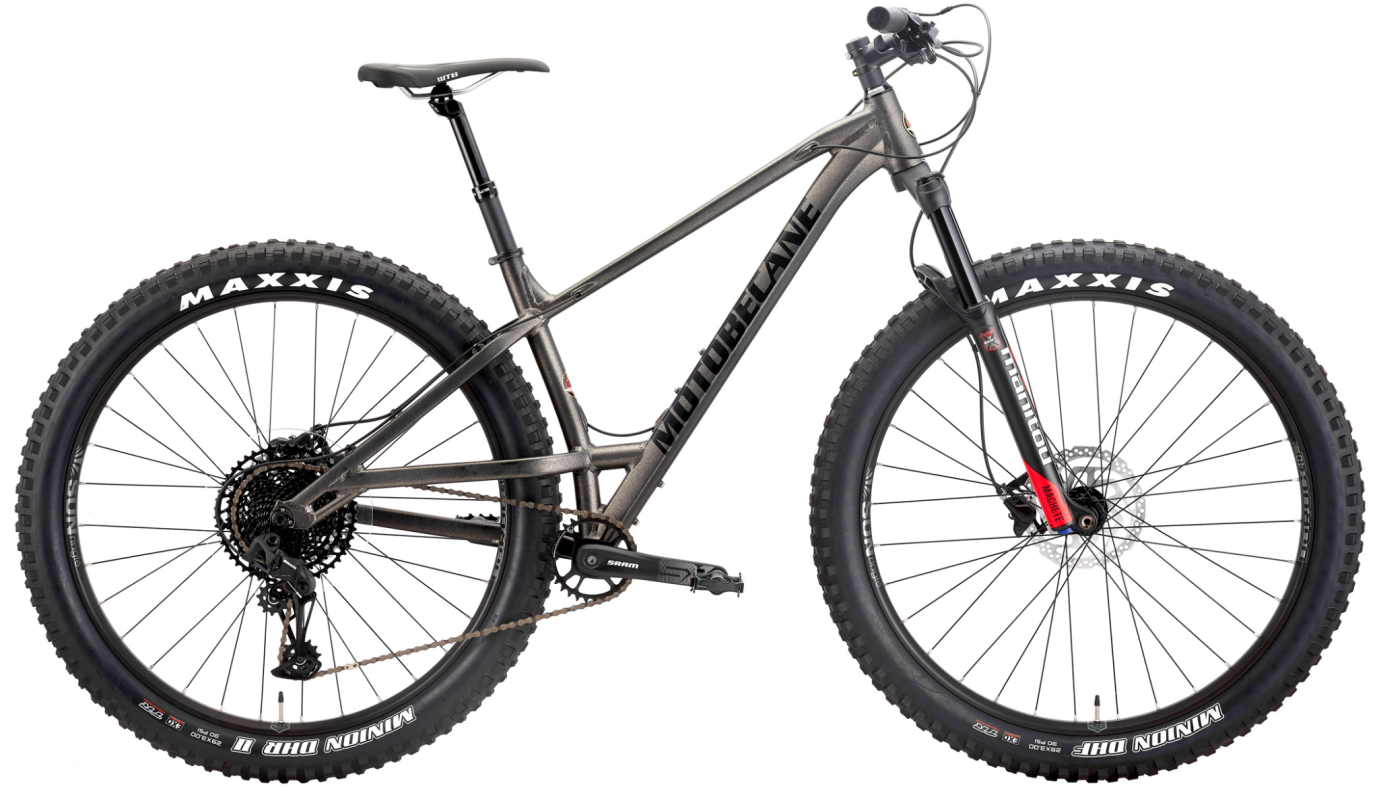
Product Link: Motobecane TAZ3 Comp
Cadence Steps Shape the Ride
Cadence is the rate at which the rider turns the cranks. Small changes between gears make it easier to hold a preferred cadence as speed and gradient change. This is why road racers and steady-distance riders often prefer closely spaced cassettes and two chainrings.
A wide-range 1x cassette may jump several teeth between larger cogs. On a steep trail, that is usually acceptable because speed changes quickly and traction matters more than a perfect cadence. On a rolling paved road, the same jump can feel as if one gear is too hard and the next is too easy.
The rider’s sensitivity matters. Some cyclists adapt easily and vary cadence. Others feel inefficient when a change is larger than expected. Riders should examine the full cassette progression, not only its smallest and largest cogs.
Front shifts also create a large ratio change. Skilled 2x riders often compensate by shifting the front derailleur and then moving one or two cogs at the rear. This maintains a smoother cadence but requires more attention than a simple rear-only sequence.
Weight and Mechanical Simplicity
A 1x system removes a chainring, front derailleur, shift cable or electronic unit, and front shifter mechanism. The cockpit becomes cleaner, and there are fewer adjustments. This can save some weight, although the cassette offsets part of the reduction.
The real advantage is often functional simplicity. Mud cannot interfere with a front derailleur that is not present. There is no front cable to stretch, and the rider cannot accidentally select a severe cross-chain position between two rings. A chain guide may be added for very rough riding, but many narrow-wide and clutch systems work without one.
A 2x drivetrain adds parts but distributes range efficiently. The rear cassette can remain lighter and more closely spaced. Front derailleurs are reliable when installed and adjusted correctly, and replacement road cassettes may cost less than very large high-speed-count cassettes.
The Park Tool front-derailleur guide shows that correct height, rotation, limit screws, and cable tension all affect front shifting. Riders who enjoy mechanical work may consider this routine care. Riders who want the fewest possible adjustments may prefer 1x.
Chain Retention and Rough Surfaces
Modern 1x systems are closely associated with mountain biking because they manage chain movement well. Narrow-wide teeth alternate to fit the chain’s inner and outer links, while a clutch rear derailleur resists cage movement. The chain remains more controlled through impacts than it would with a basic derailleur and conventional chainring.
A 2x drivetrain can also work off-road, particularly on gravel and cross-country routes, but the front derailleur requires space and the chainline changes more often. Riders should ease pedal pressure during a front shift, especially on a climb. Forcing the chain between rings under heavy load can produce noise, poor engagement, or a dropped chain.
Chain length and compatibility remain essential in both systems. The Park Tool chain sizing guide explains that a chain must be long enough for the largest required combination without leaving excessive slack in smaller gears.
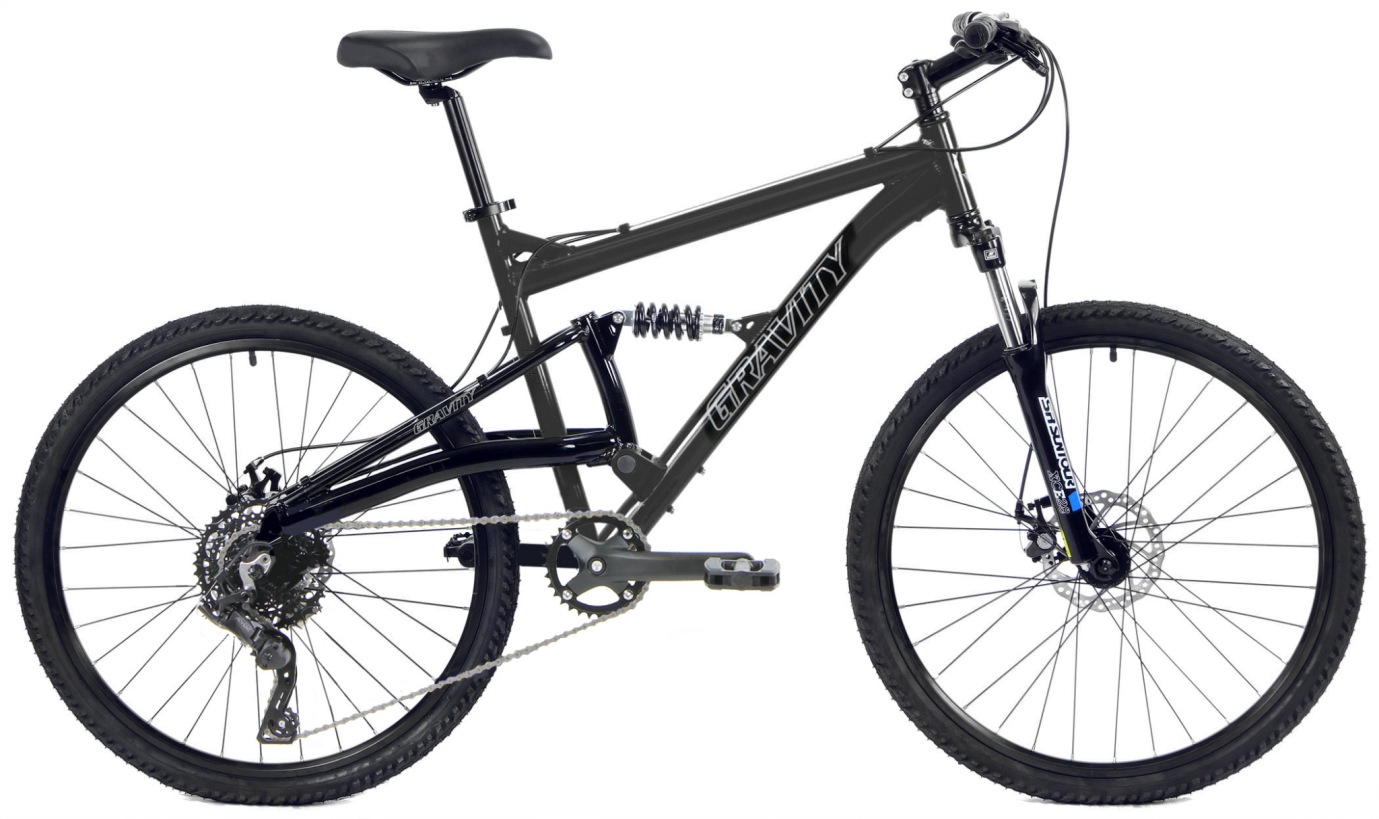
Product Link: Gravity FSX 1.0 Advent26 1BY
Efficiency and Chainline
A chain runs most efficiently when it is reasonably straight. Every drivetrain experiences some angular loss in outer cassette positions. A 1x system must cover the entire cassette from one chainring position, so the chain angle can become pronounced at both extremes.
A 2x system allows the rider to select the chainring that produces a straighter line for a given part of the cassette. This can support smooth, quiet operation, but only if the rider uses sensible combinations. Cross-chaining a double can create equally poor angles and additional wear.
The difference is small compared with tire pressure, body position, and fitness for most recreational cyclists. It matters more to racers, high-mileage riders, and people sensitive to noise or drivetrain wear. Clean components and suitable lubrication usually provide a larger practical benefit than choosing a system solely for theoretical efficiency.
Maintenance and Replacement Cost
A 1x system has fewer front parts to clean and adjust, yet its wide cassette can be expensive and may require a specific freehub body. Rear derailleurs are also more exposed to impact. The SRAM 1x gearing guide explains how a single-chainring system can pair with several cassette and derailleur choices.
A 2x system adds front-shift maintenance and another chainring. It may use a more affordable cassette with smaller range. Chainrings can wear at different rates because the rider spends more time in one than the other. Replacement cost therefore depends on component tier, speed count, and mileage distribution, not just the number of rings.
Both systems benefit from regular chain-wear measurement. Replacing a stretched chain early can preserve the cassette and chainrings. Riders who use muddy trails or winter roads should clean and lubricate more often, since contamination accelerates wear regardless of drivetrain format.
The Choice Changes by Riding Discipline
Mountain Biking
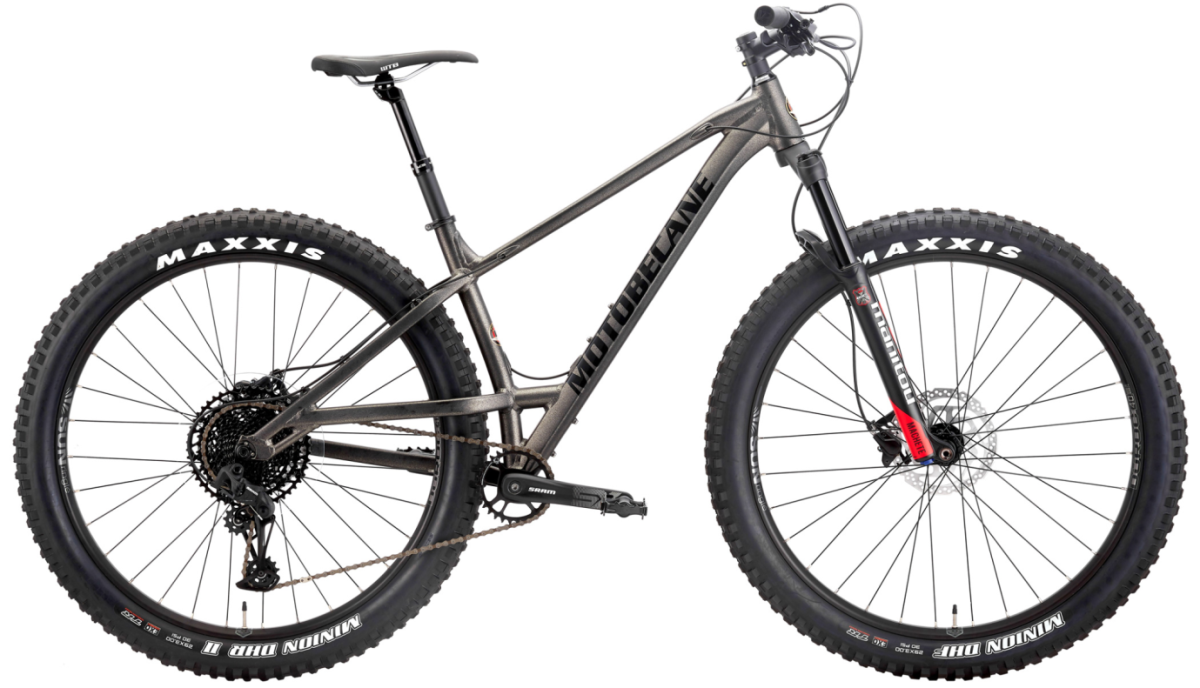
A modern mountain bike strongly favors 1x because trail riding rewards simple controls, chain retention, and frame clearance. The Motobecane TAZ3 Comp uses a 1×12 mountain drivetrain to provide a broad range without a front derailleur. Its wide tires and off-road focus make large cadence steps less troublesome than they would be in a fast road group.
The Gravity FSX 1.0 Advent26 1BY shows the same format at a lower price with a 1×9 drivetrain. Fewer rear gears mean larger gaps, but the controls remain easy to understand. It suits recreational riders who value simplicity more than finely tuned cadence.
Gravel Riding
Gravel is the true middle ground. A rider who tackles steep, rough routes and rarely joins fast pavement groups may prefer 1x. A rider who spends half the day on roads and wants close cadence control may prefer 2x.
The Motobecane Gravel X Pro uses a Shimano GRX 2×10 setup. The small ring supports climbing, while the large ring preserves road speed. This is a logical package for mixed-surface riders who do not want to sacrifice the behavior of a road double.
Road Cycling
Road bikes continue to use 2x because speed changes are gradual, cadence matters, and riders need both climbing and descending ratios. The large ring handles fast groups and descents, while the small ring lowers effort on hills. Closely spaced rear cogs help the rider make small adjustments without a sharp cadence change.
The benefit is greatest for long rides and racing. A commuter or casual fitness rider can use 1x successfully if the range matches the route, but may notice larger gaps on flat sections. Road buyers should also consider whether parts are readily available in the chosen speed count.
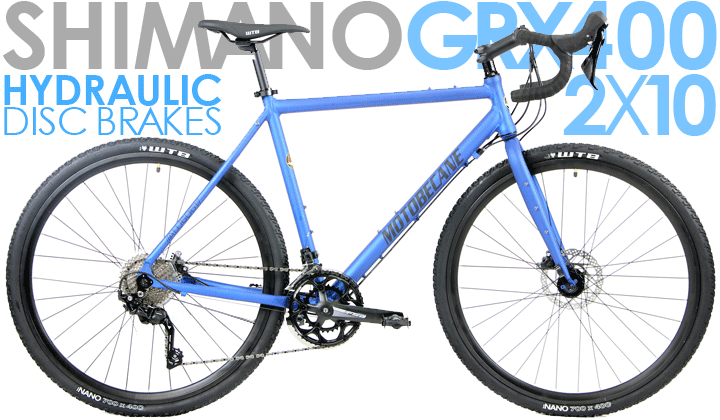
Product Link: Motobecane Gravel X Pro
Four Complete-Bike Examples
The TAZ3 Comp demonstrates why a wide-range 1×12 fits an off-road platform. The rider can shift through one sequence while concentrating on traction and line choice. Its large cassette and single ring support steep trail climbs without front-shift decisions.
The Gravity FSX 1.0 uses 1×9 as a cost-conscious interpretation. It cannot match the cadence resolution or total range of a premium 12-speed system, but it retains the main usability advantage. Buyers should compare the easiest ratio, not assume every 1x system climbs equally.
The Gravel X Pro shows how a 2x drivetrain fits a bicycle intended for pavement and unpaved roads. It gives the rider a low ring for loose climbs and a larger ring for fast approaches. The added front mechanism is justified by the mixed riding pattern.
A road-focused double, such as the setup found on many Motobecane performance road models, pushes the same logic toward closer spacing and higher speed. The rider accepts another shifter and derailleur in exchange for finer cadence control across long paved distances.
Four Questions That Settle Most Decisions
First, decide whether close cadence steps matter during steady riding. Second, identify the lowest ratio required for normal climbs. Third, consider how often the bike encounters impacts, mud, or technical terrain. Fourth, decide whether the rider is willing to adjust and maintain a front derailleur.
A rider who answers close cadence, high road speed, moderate roughness, and no maintenance concern will usually prefer 2x. A rider who answers simple controls, technical terrain, chain retention, and broad climbing range will usually prefer 1x. Gravel riders may fall between those patterns and should compare exact ratios.
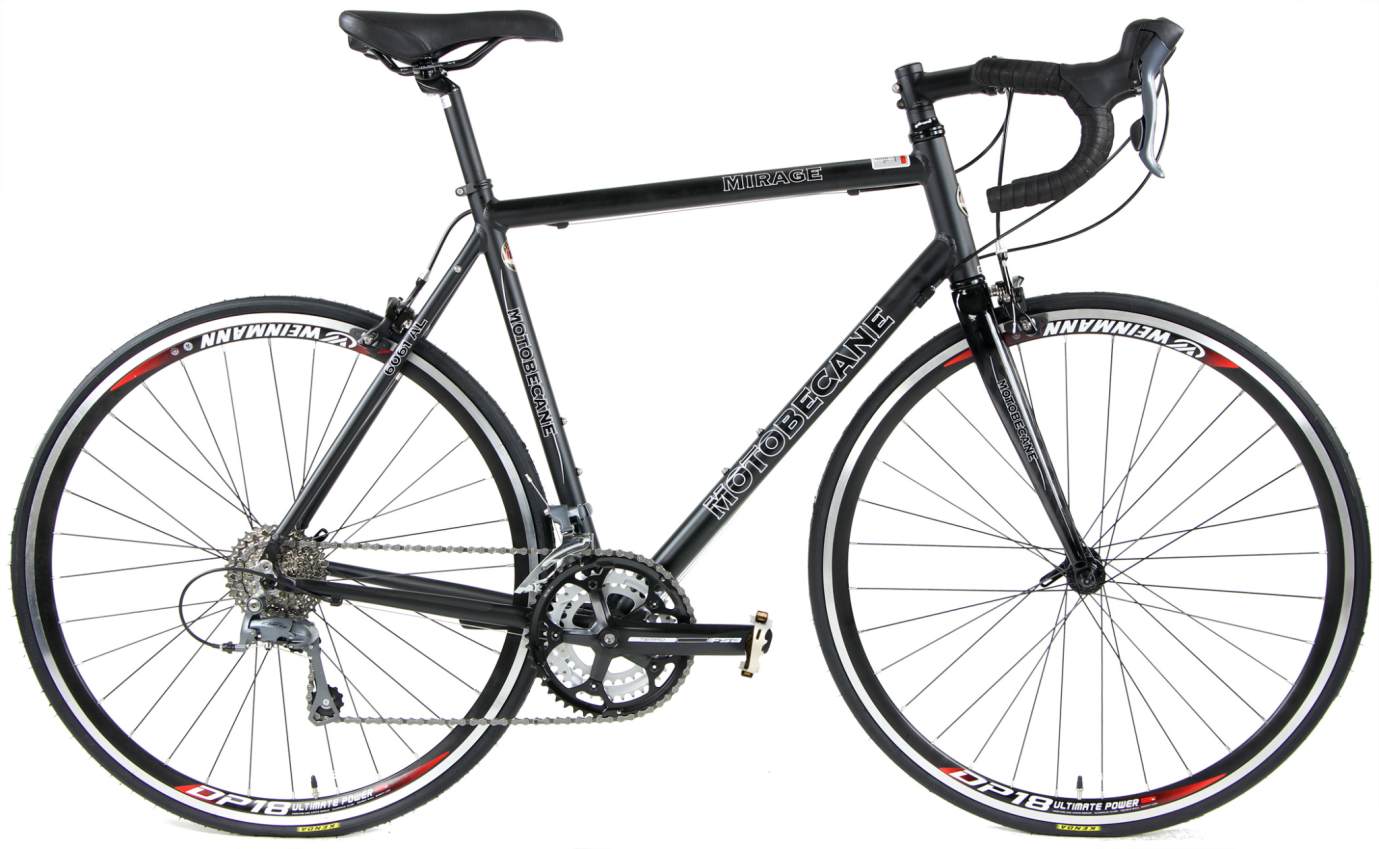
Product Link: Motobecane Mirage SLX-XTL
Choose Ratios Before Counting Chainrings
A hybrid bike can use either format successfully because commuter routes and rider preferences vary widely. The question is which ratios, controls, and service needs fit the actual week of riding.
BikesDirect offers 1x and 2x drivetrains across mountain, gravel, road, and flat-bar models. Its product specifications let buyers compare chainring sizes, cassette ranges, derailleur families, brake systems, and frame purpose together.
Compare the gearing specifications and identify a gravel bike that delivers the ratios your routes require through BikesDirect.