

Choosing a new frame usually comes down to one question we hear almost every day: is the jump to carbon actually worth the money? The aluminum vs carbon fiber bike frame decision shapes how a bike rides, what it costs, and how long it lasts. When we help someone weigh an aluminum Road Bike against a carbon build, the real differences show up in weight, comfort, and price more than anywhere else. Our goal here is to give you an honest picture so the upgrade choice feels clear by the time you finish reading.
What aluminum frames do well
Aluminum has earned its spot as the default material for budget and mid range bikes, and for good reason. It is light, stiff, and affordable, which makes it easy to build a fast, responsive bike without a premium price tag. Modern shaping and hydroforming let builders tune tube profiles for a livelier feel than the harsh aluminum frames of twenty years ago. For most riders moving up from an entry-level bike, a well-built aluminum frame already feels like a serious step forward.
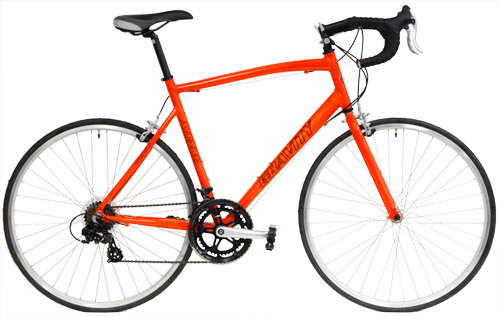
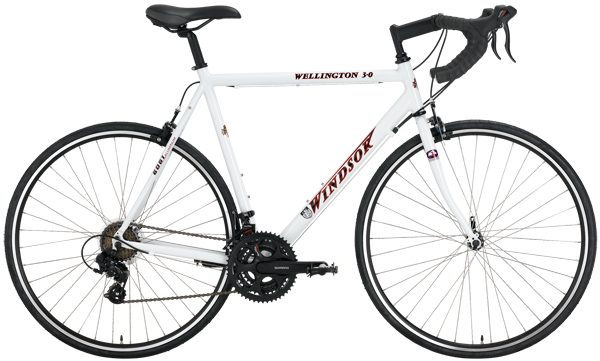
We see that value play out in bikes like the Gravity Avenue A, an aluminum road machine that keeps weight low while staying easy on the wallet. The Windsor Wellington 3.0 tells a similar story, pairing a stiff alloy frame with a dependable build for riders who want speed without overspending. According to the REI overview of bike frame materials, aluminum delivers a strong, light ride that suits everything from climbing to quick handling. That mix is exactly why so many of our customers start here and never feel shortchanged.
Aluminum also shrugs off the kind of daily wear that worries many new owners. It does not rust the way steel can, it handles being locked up outside, and it tolerates the bumps of commuting and travel without much fuss. A scratch in the paint is rarely more than cosmetic, which makes aluminum a relaxed choice for riders who simply want a bike they can use hard. For a first serious bike, that low maintenance peace of mind counts for a great deal.
Where carbon fiber pulls ahead
Carbon fiber changes the conversation because it is not one fixed material the way aluminum is. Engineers lay up sheets of fiber in specific directions, which lets them add stiffness where a frame needs to transfer power and flex where a rider wants comfort. That control is why a premium carbon frame can feel razor sharp under hard pedaling and forgiving over rough pavement at the same time. The trade off is a more complex, more expensive build process that shows up in the final price.
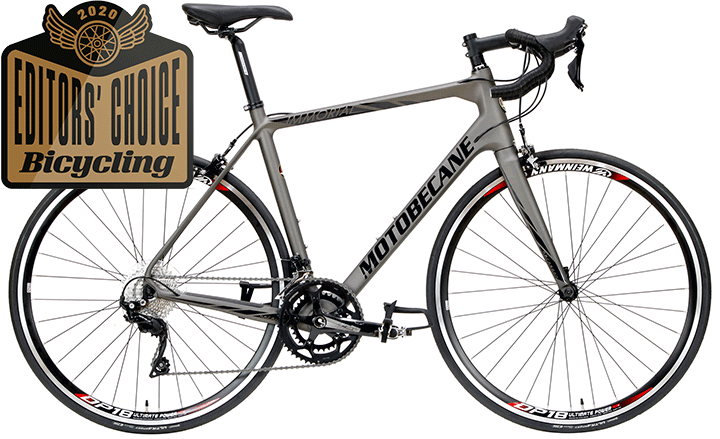
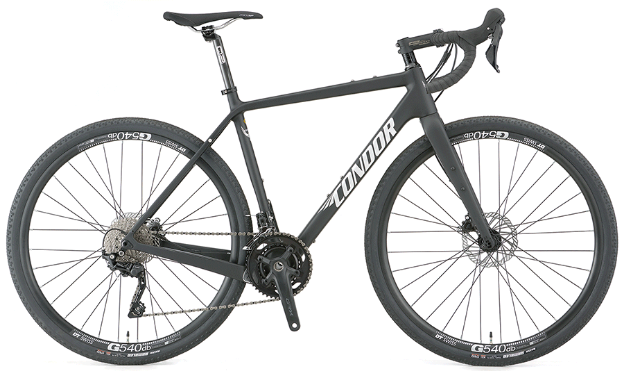
The payoff is real on bikes like the Motobecane Immortal Spirit, a full carbon road frame designed to be light, fast, and responsive. We also point gravel riders toward the Condor carbon gravel build, where careful carbon shaping helps soak up vibration on long mixed surface days. The BikeRadar breakdown of frame materials explains that carbon lets designers fine tune ride quality in ways metal cannot match. Even a carbon hardtail Mountain Bike uses that tuning to stay planted on rough trails without beating you up.
Aerodynamics is another area where carbon shows its strengths. Because the material can be molded into almost any shape, designers use it to create deep, wind cheating tube profiles that are hard to achieve in metal. On fast group rides or solo efforts against the clock, that shaping can save real energy at higher speeds. For riders who care about going fast on the flats, an aero carbon frame offers something aluminum struggles to match.
Ride comfort and road buzz
Ride comfort is where many riders feel the upgrade most. A carbon frame can damp the high frequency buzz that travels up from rough chip seal, which keeps your hands and shoulders fresher on long rides. Aluminum has closed much of that gap through smarter tube shaping and the near universal use of carbon forks, yet the very best carbon frames still hold an edge in taking the sting out of bad pavement. For riders who spend hours in the saddle, that smoother feel can matter more than any number on a scale.
Weight is the other half of the comfort story, and the gap is smaller than most people assume. The REI guide to choosing a mountain bike points out that the best aluminum frames sit only about a pound behind comparable carbon, while budget aluminum can be noticeably heavier. For everyday fitness and weekend miles, that difference rarely changes how much fun a ride is. It becomes far more important once you start racing or chasing personal records on long climbs.
Tire choice often matters more than frame material for comfort, and we never want riders to overlook it. Wider tires run at lower pressure smooth out far more road buzz than any frame tweak, and both aluminum and carbon bikes can fit them. Pairing a quality frame with the right tires gives you most of the comfort benefit for very little money. We always suggest experimenting with tire width before assuming you need a pricier frame.
Weight and stiffness: what the numbers really mean
Frame stiffness sounds technical, but it simply describes how much power reaches the road instead of flexing away in the frame. Both materials can be built stiff, though carbon gives engineers more freedom to add it exactly where it helps and remove it where it hurts comfort. Aluminum frames tend to feel uniformly firm, which some riders love for sprinting and others find tiring over distance. The right answer depends on whether you value raw efficiency or all day comfort.
We always remind riders that a lighter frame is only part of a bike. Wheels, tires, and components often make a bigger difference to how a bike feels than the frame material alone. A smartly specced aluminum bike can easily out ride a heavy, poorly built carbon one, so the badge on the down tube is never the whole story. Looking at the complete build keeps your money working where you will actually notice it.
Handling is the part of stiffness that riders notice without ever looking at a chart. A frame that resists twisting tracks cleanly through corners and feels secure when you push the pace downhill. Aluminum and carbon can both deliver that planted feel, though carbon makes it easier to tune precisely. For most riders, a confident, predictable bike matters far more than shaving a few hundred grams off the frame.
Durability, repairability, and crash behavior
Durability is one of the most misunderstood parts of this comparison. Aluminum tends to dent or bend in a crash, which often leaves a frame that looks damaged but is still rideable enough to limp home. Carbon behaves differently, since a hard impact can cause internal damage that is not always obvious on the surface. That does not make carbon fragile, but it does mean a careful inspection matters more after any significant hit.
The encouraging news is that carbon is far more repairable than its reputation suggests. VeloNews has covered how skilled shops use crack inspection and professional repair to bring damaged carbon frames back to safe, full strength. Aluminum, by contrast, is hard to repair well once it cracks and is usually replaced rather than fixed. For most riders, both materials last for years with normal care, so durability should reassure you rather than scare you off either choice.
Storage and handling habits affect how long any frame lasts, no matter the material. Clamping a bike carefully in a stand, avoiding hard knocks during transport, and keeping it clean all extend its life. We see well cared for aluminum and carbon bikes still riding strong many seasons after purchase. A little routine attention does more for longevity than the material choice ever will.
Price and resale: Is the upgrade worth it?
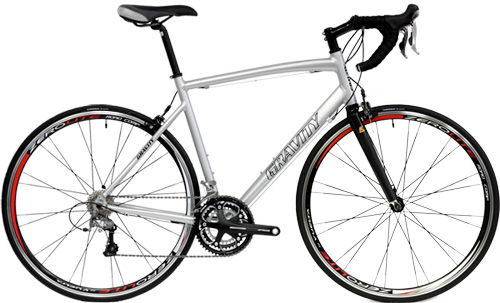
Price is usually the deciding factor, and it is where the two materials separate most clearly. A quality aluminum bike like the Gravity Comp30 delivers a Shimano equipped road build at a price that leaves money for wheels, kit, or travel. Step up to carbon and you pay more for the frame technology, the layup work, and the lower weight that comes with it. Whether that premium is worth it depends entirely on how much you ride and what you want from the bike.
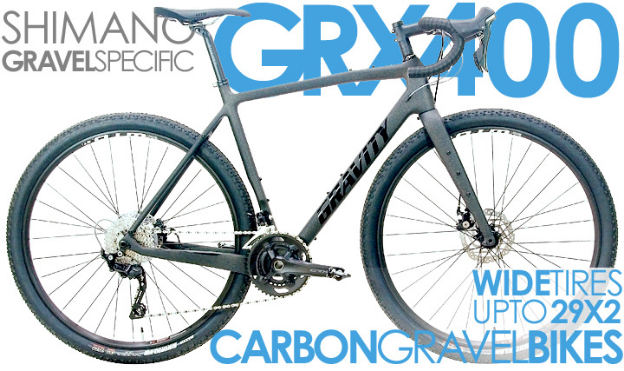
For riders chasing performance, a carbon frame like the Gravity Zilla Elite Carbon can justify its cost through lighter weight, sharper handling, and that tuned ride feel on long days. For riders who mostly want a dependable, fast bike for fitness and weekend miles, aluminum often makes far more sense. We always tell people to be honest about their riding before they spend, because the best frame is the one that matches your goals and your budget.
Resale value is worth a quick mention too, since most bikes change hands eventually. Carbon bikes from known brands often hold their value well, which can soften the higher upfront cost if you sell later. Aluminum bikes cost less to begin with, so the drop in dollars tends to be smaller even when the percentage is similar. Either way, buying the right bike for your needs matters far more than trying to predict resale years down the road.
Common myths about carbon and aluminum
A few stubborn myths follow this debate around, and clearing them up makes the choice easier. The first is that carbon always breaks while aluminum lasts forever, which simply is not true in normal riding. Quality carbon frames survive years of hard use, and aluminum can fatigue and crack over a long enough life just as carbon can. Both materials are reliable when built well and treated with reasonable care.
The second myth is that aluminum is only for beginners and carbon is only for racers. Plenty of fast, experienced riders choose aluminum for training, commuting, or simply for its value and toughness. Plenty of newer riders enjoy carbon because the smoother ride keeps them comfortable for longer. The truth is that both materials work across every level of the sport, so your budget and goals should lead the decision rather than any label.
Matching the frame to your riding goals
The clearest way to choose is to start with the riding you actually do, not the riding you wish you did. If your weeks are filled with short fitness rides, commutes, and the occasional longer weekend loop, aluminum covers all of it without straining your budget. If you are training for events, riding several times a week, or simply value the lightest, most refined feel, carbon earns its keep over those miles. Being honest about your real habits prevents both overspending and underbuying.
Budget is the other half of that equation, and we encourage riders to think about the whole bike. Spending every dollar on a carbon frame can leave you with weaker wheels or a lower tier drivetrain that holds the bike back. A well-chosen aluminum bike with better components often rides nicer than a carbon bike built down to a price. Balancing frame, wheels, and parts is how you end up genuinely happy with what you ride.
Our take on getting the most frame for your money
So which frame is worth the investment? If you are upgrading from an entry-level bike or riding mainly for fitness and fun, a modern aluminum frame gives you most of the performance for a fraction of the cost. If you ride often, race, or simply want the lightest, most refined ride you can get, carbon rewards the extra spend. Neither choice is wrong, and both can serve you well for years when matched to how you actually ride.
At BikesDirect.com, we have sold name-brand bikes factory direct since 1997, which lets us offer both aluminum and carbon builds at prices well below traditional retail, with free shipping to 48 states. Whether you want a light carbon Road Bike for fast group rides or a tough aluminum Mountain Bike for the trails, our team can help you find the right frame at the right price. Compare our full lineup and pick the frame that fits your goals today.