

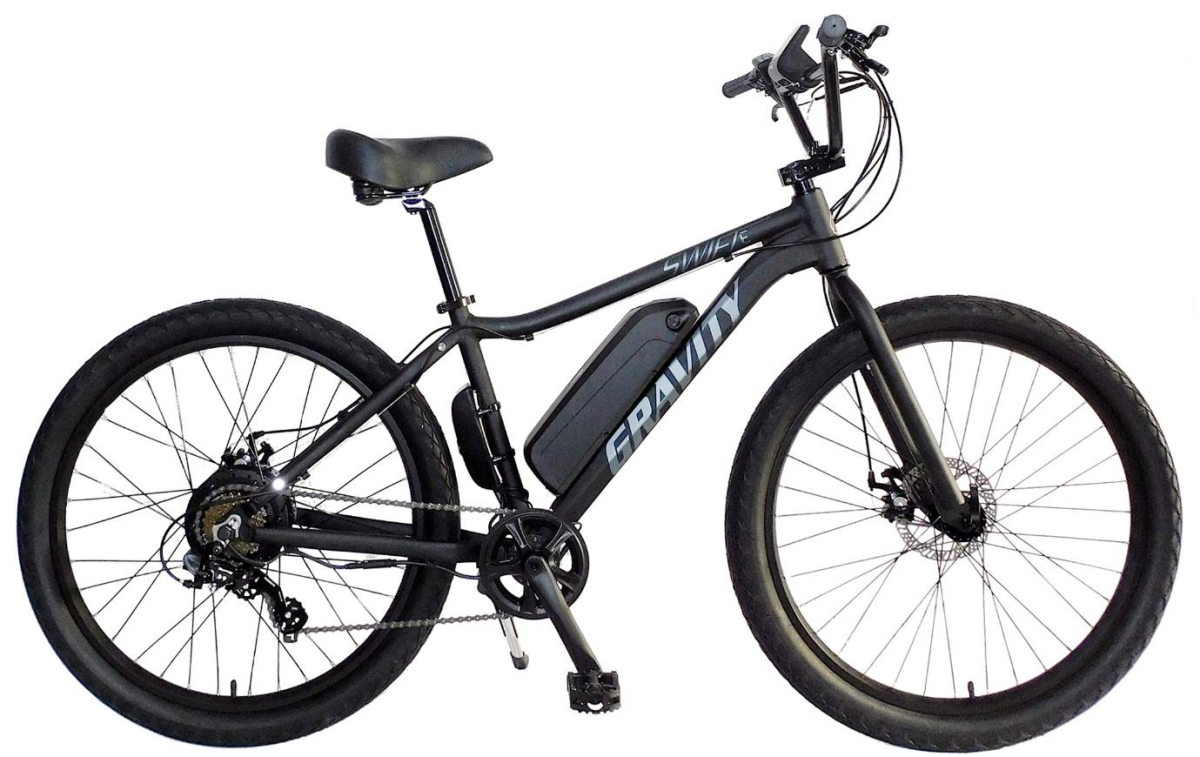
Choosing a bicycle used to be simple: pick a frame, adjust the seat, and start pedaling. Today, riders also have electric options that make hills easier, commutes faster, and longer rides more realistic. That is why the electric bike vs. traditional bike question matters for commuters, fitness riders, and weekend explorers. Both choices can improve your health, lower transportation costs, and add freedom.
Below is a detailed comparison to help you determine which option best matches your lifestyle, fitness goals, commuting needs, and budget.
The Basic Difference
A traditional bike runs completely on human power. Every mile, climb, and sprint comes from your legs. That simplicity keeps it lightweight, affordable, and easy to service. An electric bike includes a rechargeable battery and motor that assist your pedaling. You still ride, balance, brake, and steer, but the motor helps you maintain speed or reduce effort when the road gets demanding.
In the electric bike vs. traditional bike comparison, one is not automatically better. A traditional bicycle is ideal for riders who enjoy pure pedaling and mechanical simplicity. An e-bike is ideal for riders who want practical transportation, extra confidence, or support over longer distances.
Cost and Overall Value
Traditional bikes usually win on upfront price. A dependable hybrid bike, entry-level road bike, or basic city bike can cost much less than an e-bike. Maintenance is often cheaper too, because there are no motors, displays, wiring, or batteries involved. If your rides are short and recreational, this lower cost may be all you need.
Electric bikes cost more because they include additional technology and stronger components. However, value depends on use. If an e-bike replaces gas, parking, bus fares, rideshares, or short car trips, the higher price can become reasonable. For daily commuters, the savings and convenience may outweigh the initial investment.
Fitness: Effort You Can Control
A traditional bike typically delivers the more intense workout. A mountain bike on trails, a gravel bike on mixed roads, or a road bike on pavement can build endurance, leg strength, balance, and cardiovascular fitness. Since every bit of motion comes from you, the exercise benefits are clear.
Still, electric bikes should not be dismissed as lazy. Most use pedal assist, meaning the motor helps only while you pedal. You can lower the assist for a harder workout or raise it when you are tired, carrying cargo, or climbing. For older riders, returning cyclists, or people discouraged by distance, e-bikes often increase consistency. The best fitness bike is the one you ride often, not the one that stays unused.
Range and Daily Practicality
Range is a major reason riders choose electric models. Motor assistance makes it easier to cover ten, twenty, or more miles without arriving exhausted. That matters if you commute to work, run errands, or want longer weekend rides without worrying about every hill.
Traditional bikes have a different kind of range: they never need charging. Your fitness, schedule, terrain, and weather decide how far you can go. Strong riders may love long pavement routes on a road bike or backroad adventures on a gravel bike. Casual riders may prefer shorter trips.
E-bike range depends on battery size, rider weight, tire width, assist level, hills, wind, and surface. A wide-tire fat bike may use more energy on pavement, but it can shine on sand, snow, gravel, or loose paths. Always choose range based on real conditions, not only advertised numbers.
Maintenance and Ownership
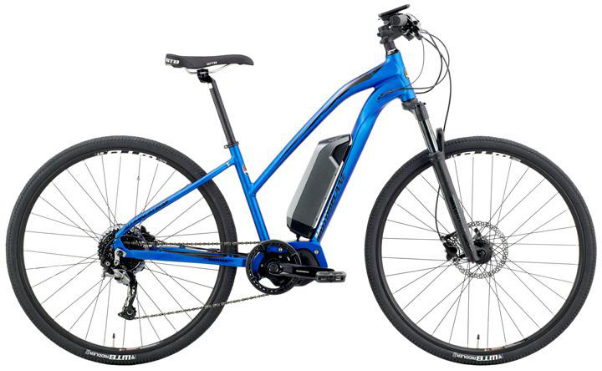
Traditional bikes are easier to maintain. Chains, tires, brake pads, cables, and gears need regular care, but repairs are familiar and widely available. If you like simple machines or want to learn basic maintenance, traditional bikes are friendly.
E-bikes need those same bike services plus battery care and occasional electrical checks. You must charge the battery, store it properly, and protect the system from avoidable damage. This is manageable, but it adds responsibility. Riders who want the simplest ownership experience may prefer a traditional bike. Riders who value assistance may accept the extra steps.
Commuting Comfort and Speed
For commuting, e-bikes are often the easier lifestyle fit. They help you handle hills, headwinds, backpacks, and longer routes while arriving less sweaty. This can make cycling realistic for people who would not otherwise ride to work.
Traditional bikes are excellent for short or moderate commutes, especially in flat areas. A hybrid bike offers upright comfort and versatility. A road bike favors speed on pavement. A gravel bike handles rough streets, paths, and weekend exploring. Your commute should guide the choice: distance, storage, traffic, charging access, and security matter.
Adventure and Terrain
Terrain can narrow your decision quickly. Choose a mountain bike for technical trails, rocks, roots, and descents. Choose a fat bike for soft surfaces and extra traction. Choose a gravel bike for pavement, dirt roads, and flexible weekend routes.
Electric versions expand distance and climbing ability, while traditional versions remain lighter and simpler. The right style should match where you ride most, not just what looks exciting online.
Which One Should You Choose?
The electric bike vs. traditional bike decision comes down to lifestyle. Choose traditional if you want lower cost, simple maintenance, stronger workouts, and a lightweight feel. Choose electric if you want easier commuting, longer rides, hill support, and more daily convenience. Your perfect bike should remove excuses, fit your budget, and make you excited to ride.
Find Your Best Ride Today
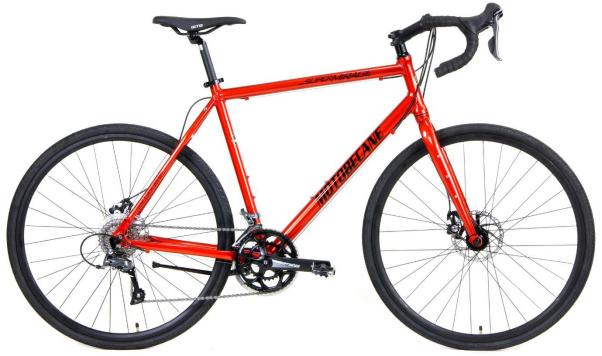
BikesDirect.com makes choosing easier by offering a wide selection for every rider, budget, and lifestyle. Whether you are comparing an electic bike for daily commuting, a rugged fat bike for loose terrain, a versatile gravel bike for mixed routes, or a fast road bike for pavement, you can explore practical options in one place.
We help riders focus on value, components, fit, and real-world use instead of confusing showroom pressure. Browse their bike categories, compare features, and find a model that fits how you ride today and where you want to go tomorrow with total confidence every single day.
Contact BikesDirect.com today and discover the perfect bike for your lifestyle, budget, and riding goals with exceptional value and performance.