

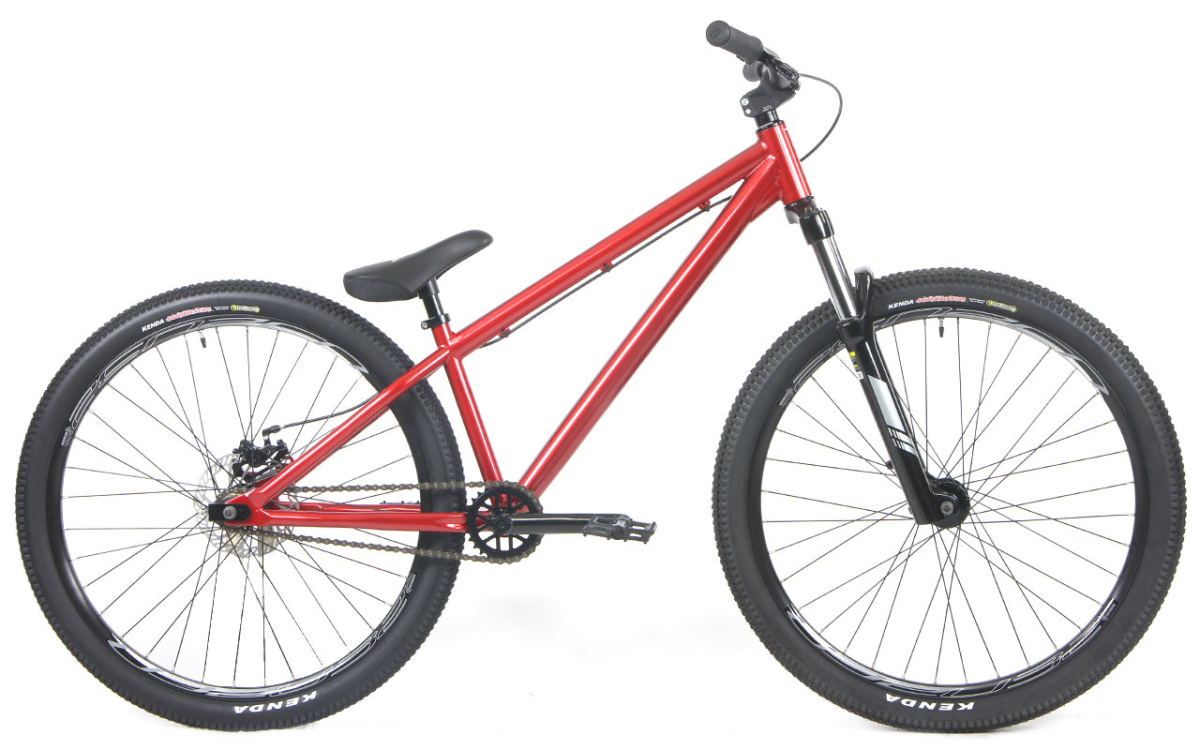
BMX riding is fast, creative, and surprisingly diverse. At first, every BMX bike may look small and similar, but different styles are built for very different goals. Some are made for racing around dirt tracks, while others are designed for tricks, jumps, rails, and skatepark sessions.
This BMX bike beginner guide explains the main BMX disciplines, what features matter, and how new riders can choose a bike that matches their interests instead of guessing from looks alone.
What Makes a BMX Bike Different?
A BMX bike is usually compact, strong, and simple. Most have 20-inch wheels, one gear, flat handlebars, and durable frames built to handle hard landings. Unlike a road bike, which is designed for speed and efficiency on pavement, BMX bikes focus on control, toughness, and quick movements. They are not meant for long-distance commuting like a hybrid bike, nor are they built for loose adventure routes like a gravel bike or wide-tire fat bike.
That specialized design is part of the appeal. BMX riders want a bike that feels responsive underfoot, easy to lift, and strong enough for repeated practice. The right setup depends on where you ride and what you want to learn.
Freestyle BMX: Built for Tricks
Freestyle BMX is the broad category most beginners picture when they think of tricks. These bikes are made for spins, manuals, bunny hops, grinds, ramps, and creative riding. They usually have strong frames, reinforced wheels, and smaller gearing for control. Some include pegs for grinding or flatland moves.
If your goal is to ride skateparks, learn tricks in a driveway, or explore creative lines around town, freestyle is a smart starting point. This BMX bike beginner guide recommends looking for durability over low weight. Beginners crash, drop bikes, and practice the same move many times, so strength matters.
Street BMX: Urban Creativity
Street BMX is a freestyle style focused on stairs, ledges, rails, walls, curbs, and other urban features. Street bikes often feel tough and compact, with parts designed to handle impacts. Riders may prefer wider tires, pegs, and a frame geometry that supports technical control.
Street riding rewards creativity. A simple curb can become a launch, and a ledge can become a grind line. However, beginners should ride responsibly, respect private property, wear protection, and start with basic skills before attempting high-impact tricks. A strong street BMX can be a great match for riders who see the city as a playground.
Park BMX: Ramps and Flow
Park BMX is built around skateparks, ramps, bowls, quarter pipes, and smooth transitions. Park bikes may be lighter than street bikes because riders want easier spins and aerial tricks. Geometry often feels responsive, helping riders pump through transitions and control the bike in the air.
If you live near a skatepark, park riding offers a controlled environment for progression. You can start with rolling, pumping, and small hops before moving to larger ramps. The best park bike for a beginner should still be strong, comfortable, and confidence-building, not overly delicate.
Dirt Jump BMX: Air and Landings
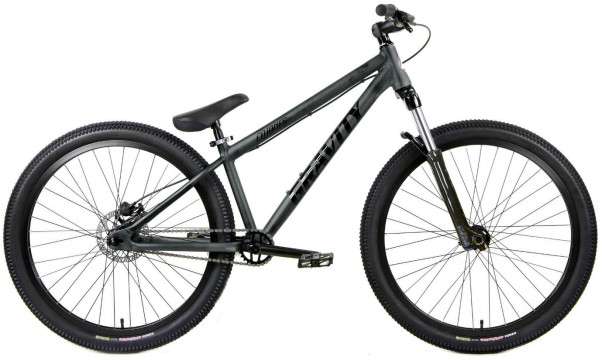
Dirt jump BMX bikes are designed for takeoffs, landings, and flowing through dirt jump lines. They need stable handling, strong wheels, and tires with enough grip for packed soil. Compared with street or park setups, dirt bikes may feel slightly longer and more stable.
Dirt riding is thrilling, but it requires patience. Learn body position, braking, and pumping before chasing big air. A helmet is essential, and knee or elbow pads are wise. For riders who love outdoor sessions and jump lines, dirt BMX offers speed, rhythm, and progression.
BMX Racing: Speed on the Track
BMX racing is a competitive discipline on dirt tracks with gates, rollers, berms, and jumps. Racing bikes are built for acceleration and efficiency. They are typically lighter than freestyle bikes and do not use pegs. Geometry supports sprinting and fast cornering.
A race BMX is not ideal for grinding rails or repeated skatepark abuse. It is meant to go fast from the start gate to the finish line. If you are drawn to competition, local tracks often welcome beginners and may offer coaching or practice nights. This BMX bike beginner guide suggests choosing racing if speed, fitness, and structured progression excite you.
How to Choose Your First BMX Bike
Start with your riding goal. If you want tricks, choose freestyle, street, or park. If you want jumps, consider dirt. If you want competition, choose racing. Then check frame size, wheel strength, brakes, tires, and overall build quality. Many beginners choose a complete BMX bike because it is simpler and usually more affordable than building one part by part.
Fit matters too. Most BMX bikes use 20-inch wheels, but top tube length affects comfort and control. Taller riders often prefer longer frames, while younger or smaller riders need shorter setups. Test riding, if possible, helps.
Safety Gear and Smart Practice
A helmet should be nonnegotiable. Gloves, shin guards, knee pads, and elbow pads can prevent painful injuries while learning. Good shoes also improve pedal grip. BMX rewards repetition, so practice basics like braking, balancing, hopping, and turning before pushing harder. Progress comes faster when you build skills in layers. Keeping sessions short also helps you stay fresh, focused, and excited to practice again the next day without rushing progress.
Find Your Ride at BikesDirect.com
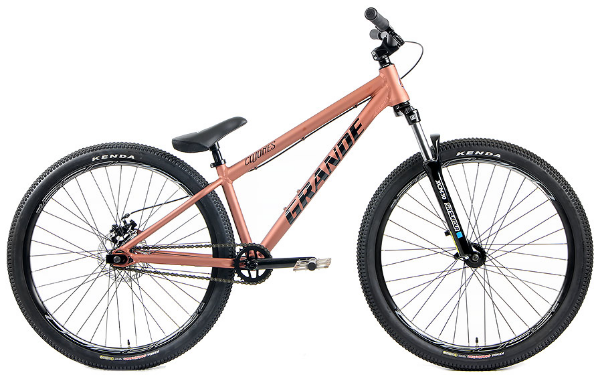
BikesDirect.com helps beginners compare bikes with real value, clear options, and practical choices for every riding goal. Whether you are exploring BMX for tricks, speed, or dirt jumps, the company also offers models for riders considering a gravel bike, fast road bike, comfortable hybrid bike, rugged fat bike, or trail-ready mountain bike.
Our selection makes it easier to understand components, compare prices, and choose confidently without showroom pressure.
Contact BikesDirect.com today to find a bike that fits your style, budget, and next adventure.