

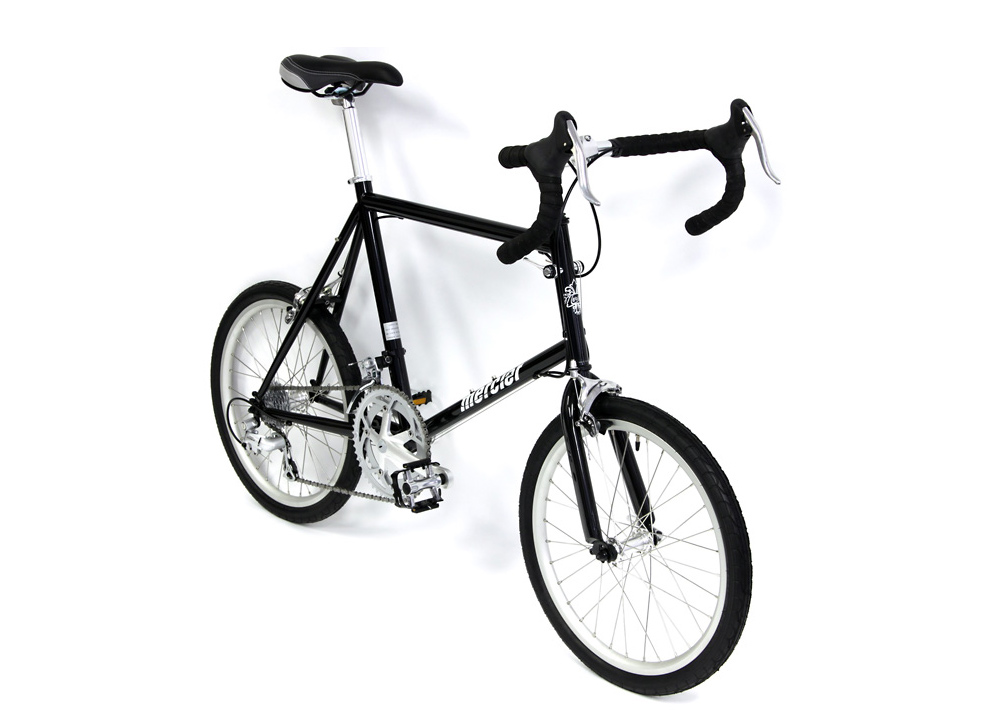
City living rewards anything that saves space, moves easily, and fits into a busy routine. For many riders, a full-size bicycle is practical on the road but awkward everywhere else. Apartment hallways, crowded elevators, office corners, train platforms, and car trunks can turn storage into a daily headache. That is why a folding bike for commuters has become such a smart urban solution.
Find out how it offers real mobility without demanding a garage, bike room, or oversized storage plan.
Why Folding Bikes Fit City Life
A folding bike is designed to collapse into a compact shape, usually by folding at the frame, handlebar stem, and pedals. This makes it easier to carry inside buildings, store under a desk, take onto public transit, or tuck into a closet. For riders who live in small apartments, that convenience can be the difference between cycling daily and leaving a bike unused.
Unlike a road bike built mainly for speed, a folding bike is built around practicality. It helps riders solve the “last mile” problem, which is the gap between a train station, bus stop, parking lot, or workplace and the final destination. Instead of walking long blocks or waiting for another connection, commuters can unfold, ride, and arrive faster.
Portability Without the Parking Stress
Bike theft is a common concern in cities. A standard hybrid bike often needs to be locked outside, where weather and security risks are real. A folding bike can usually come with you. Taking it into an office, apartment, cafe, or classroom reduces the need for long outdoor parking and gives owners peace of mind.
Portability also helps riders combine transportation modes. You can ride to the station, fold the bike, board the train, and then ride from the stop to work. Some commuters keep a folding bike in a car trunk for quick errands or unexpected city trips. A folding bike for commuters supports flexibility because it adapts to your schedule rather than forcing your schedule around the bike.
Ride Quality: Better Than Many Expect
Some beginners worry that folding bikes feel unstable or uncomfortable. While they do ride differently from full-size bikes, modern folding models can feel surprisingly smooth. Smaller wheels accelerate quickly, which is useful when stopping and starting in traffic. Upright geometry gives riders a clear view of cars, pedestrians, and intersections. Wider tires can add comfort on rough pavement.
That said, ride quality depends on frame design, hinge strength, wheel size, gearing, tires, and fit. A performance road bike will usually feel faster over long open roads. A gravel bike will feel more confident on dirt paths and rougher surfaces. A folding bike wins when convenience, storage, and mixed commuting matter most. The best choice depends on how and where you ride.
Storage Benefits for Apartments and Offices
Limited space is one of the biggest reasons riders choose folding bikes. Many apartments do not have garages, balconies, or secure bike rooms. Even when storage exists, carrying a heavy bike up stairs or squeezing it through narrow doors can be frustrating. A folded bike can fit near an entryway, behind a couch, beside a desk, or inside a closet.
Offices can be equally challenging. Some buildings do not allow full-size bicycles in elevators or workspaces. A compact folding bike is often easier to manage discreetly. This makes it ideal for professionals who want an active commute without negotiating bike parking every morning.
Who Should Consider a Folding Bike?
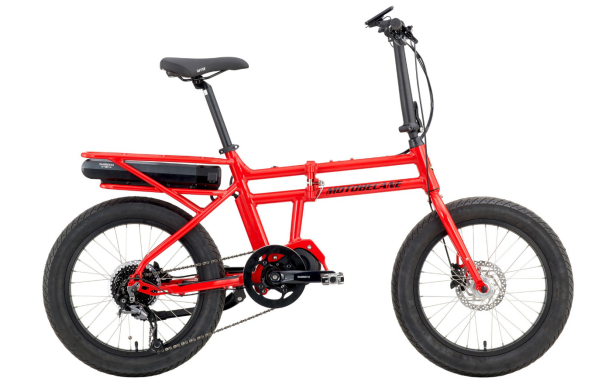
A folding bike for commuters is ideal for urban riders with short to moderate distances, limited storage, and frequent transit use. It works well for apartment dwellers, college students, office workers, travelers, and anyone who wants a bike that can fit into tight spaces. It is also useful for people who split time between driving and cycling.
However, not every rider needs one. If your main goal is long-distance training, a road bike may be better. If you want relaxed neighborhood rides, a hybrid bike may feel more familiar. If your routes include unpaved roads, a gravel bike could offer more tire clearance and stability. Folding bikes are strongest when portability is the priority.
Key Features to Compare Before Buying
Before choosing a folding bike, pay attention to folded size, weight, folding speed, wheel size, gearing, brakes, and carrying method. A lighter bike is easier to lift, but durability still matters. A compact fold is useful for transit, while a quick fold helps during daily routines. Some models include racks, fenders, lights, and chain guards, which make commuting cleaner and more practical.
Gearing should match your city. Flat routes may need only a simple setup, while hilly streets require more range. Brakes should feel reliable in traffic and wet weather. Tires should balance efficiency with puncture resistance. Comfort matters too, so check saddle height, handlebar position, and overall fit.
Making City Cycling More Realistic
The best commuting bike is the one you actually use. Folding bikes remove common excuses by making storage, transport, and security easier. They may not replace every road bike, hybrid bike, or gravel bike, but they make daily riding possible for people who thought cycling was inconvenient.
For compact city life, that practical advantage is powerful. That convenience turns occasional rides into a dependable transportation habit throughout the week for many busy urban cyclists.
Find Your Practical Ride at BikesDirect.com
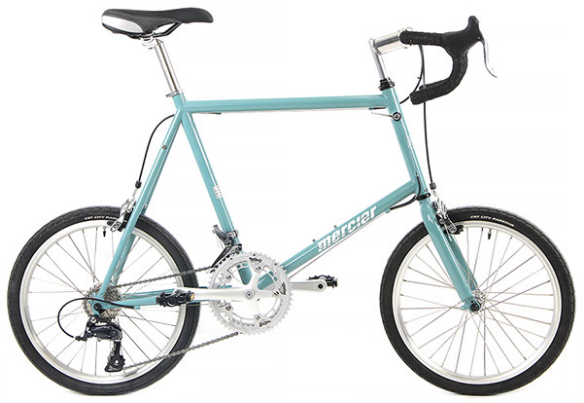
BikesDirect.com helps city riders compare value-packed bicycles for real transportation, fitness, and everyday convenience. If you need a folding bike for commuters, or you are also considering a versatile gravel bike, fast road bike, comfortable hybrid bike, or rugged fat bike, the company offers practical options for different lifestyles and budgets. Our online selection makes it easier to review components, features, sizing, and prices without showroom pressure.
Contact BikesDirect.com today to find a bike that fits your space, supports your routine, and turns short city trips into simpler, healthier, more enjoyable rides.