Hybrid Bikes vs Road Bikes: Which One Should You Choose for Daily Commuting?

Get Official Bikesdirect and Bicycle Industry Insider News



Buying your first bicycle should be straightforward, but the market makes it complicated. Hundreds of options at every price point, competing brand claims, and spec sheets full of unfamiliar terminology create genuine confusion for first-time buyers. The entry-level bike category is also where the gap between a smart purchase and a frustrating one is wider than at any other price point, because cost pressure is highest and the consequences of a poor fit are felt immediately.
This guide is built on one premise: a good first bike is not the cheapest option available, and it is not the most impressive-sounding spec sheet. It is the bike that fits your body, handles your terrain, and builds the riding habit that makes cycling stick for more than one season. We look at the four things that genuinely determine quality at the entry level, so you can walk into your purchase with a clear framework instead of relying on guesswork and brand trust alone.
The frame is the purchase that defines your bike for its entire life. Every other component can be swapped out over time. Tires, brakes, saddle, drivetrain, and even handlebars are replaceable as your riding evolves. The frame is not. This means frame quality is the first and most critical question at any price point, and especially at the entry level, where cost pressure often drives manufacturers to cut here before anywhere else.
What to look for: weld quality is visible and meaningful. Clean, consistent welds along the tubes indicate quality control in the manufacturing process. Rough, uneven, or excess material at the joints is a sign of cost-cutting. Tube wall thickness matters more than it sounds, as thin-walled aluminum flexes and fatigues faster under regular use. A mountain bike frame at an entry price point should still feel rigid when you apply force to the rear triangle, not flex or creak under moderate load.
For most beginners, aluminum is the right frame material at the entry level. It is lightweight, rust-resistant, and widely available at accessible prices. Avoid heavy entry-level steel frames unless weight is genuinely not a concern for you, as heavy steel and marginal welds combine into a bike that discourages riding rather than encourages it. The goal of any first bike is to create the habit of actually getting out. A frame that feels unresponsive or heavy works against that goal from the very first ride.
A hybrid bike with 21 speeds sounds more capable than one with 7. In practice, for a beginner riding flat to moderately hilly terrain, 21 gears often means more complexity without meaningful benefit. Entry-level 21-speed drivetrains use a 3-chainring front setup with a front derailleur, which requires more cable adjustment, more frequent tuning, and a more nuanced shifting technique than a simpler rear-only system. For a new rider, this extra complexity is rarely worth it.
A 7 or 8-speed single-chainring setup is easier to maintain, more intuitive to operate, and adequate for the vast majority of beginner riding scenarios. If you primarily ride flat to gently rolling terrain, it covers the full range you need without asking anything of you mechanically. If you plan to tackle significant hills or long-distance routes regularly, a wider gear range becomes genuinely useful, but even then, a well-designed 8-speed cassette outperforms a poorly-tuned 21-speed system in every real-world condition.
The practical advice is to match gearing to your actual terrain. Ask yourself what the hardest climb in your regular route looks like, and select gearing that handles it at a moderate effort level. That is the gear range you actually need. Anything beyond that adds cost and maintenance overhead without delivering a proportional improvement in your riding experience.
Comfort is where a significant proportion of first bikes fail their owners quietly. A saddle that creates pain after 20 minutes, handlebars that put too much weight on the wrists, or a frame even slightly too large or too small will gradually discourage riding until the bike stops coming out of the garage entirely. Fit and comfort are not minor considerations. They are what separates a bike you ride five days a week from a bike you use twice and stop thinking about.
Saddle width matters more than saddle padding. A saddle that is too narrow for your sit bones creates pressure on soft tissue. A saddle that is too wide causes inner thigh friction on every pedal stroke. Most entry-level bikes include a saddle sized for the average rider, but it is worth knowing that the saddle is one of the most affordable and easiest upgrades available if the stock version causes discomfort after a few rides.
Handlebar height significantly affects how upright you sit and how much weight goes through your wrists. An upright position is more comfortable for beginners and reduces strain during longer rides. Ergonomic grips are an inexpensive addition that reduces vibration and wrist fatigue noticeably on any ride over thirty minutes. Getting the fit right at the start, or even just knowing where to make small adjustments, is the difference between a bike that becomes part of your weekly routine and one that becomes a piece of storage furniture.
At the entry level, the components most likely to wear first are the tires, brake pads, and chain. These are also the cheapest to replace and the most important to monitor for safety. Tires that lose their tread or develop sidewall cracking should be replaced promptly. Brake pads worn below their indicator lines are a safety issue, not just a performance issue. A chain that is not cleaned and lubricated regularly accelerates cassette wear and shortens the entire drivetrain’s life at a cost that far exceeds the price of a bottle of chain lube.
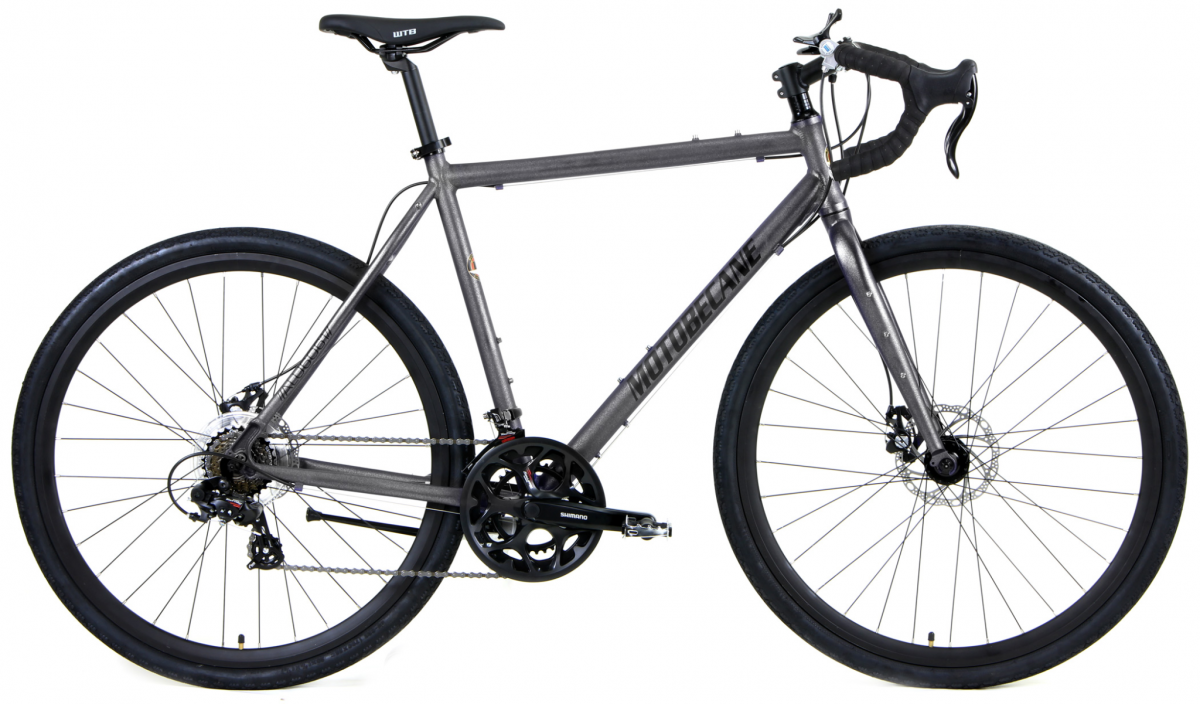
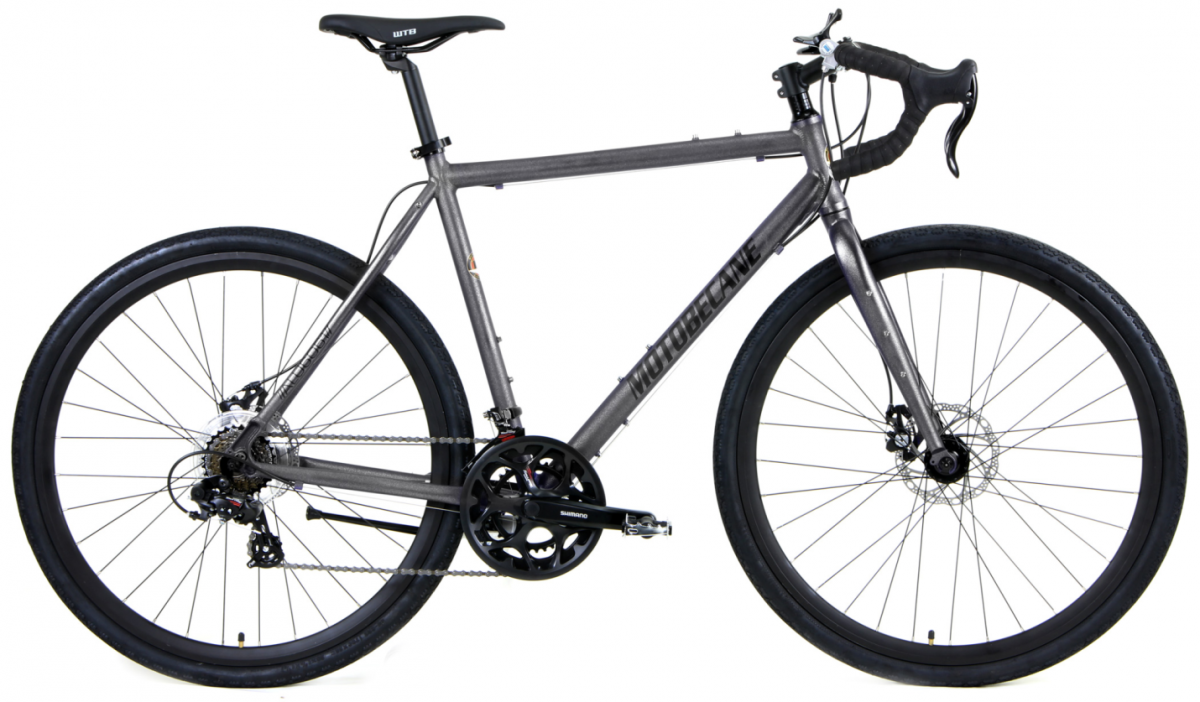
Planning an elaborate upgrade path as a beginner is often less useful than it sounds. Most riders do not actually upgrade their first bike incrementally. They ride it, gain experience, develop preferences, and then make a more informed second purchase. The more practical approach is to set a realistic budget, prioritize the best frame quality that budget allows, and accept that the stock components are appropriate for your current stage of riding. The Motobecane Gravel X1 XTL is a strong example of how far direct-to-consumer pricing can stretch your entry-level budget without cutting corners on the components that matter most.
The best entry-level bike is not a compromise. It is the right bike for your body, your terrain, and your goal of building a riding habit that lasts. Prioritize a solid frame, gearing that matches your terrain, and a comfortable fit over brand recognition and impressive gear counts. Get those three things right, and everything else falls into place.
At BikesDirect, we carry entry-level options across every riding style: hybrid bikes for versatile everyday riding, mountain bikes for trail exploration, road bikes for pavement performance, beach cruisers for relaxed and approachable fun, a strong selection of gravel bikes for mixed-surface adventure, and fat bikes for all-terrain riding across every season. Browse our cruiser bike collection if you are looking for the most approachable first ride available.
Not sure where to start? Contact the BikesDirect team, and we will help you find the right fit for your goals, your budget, and the terrain you actually ride.
Every bike on the market was designed with a specific rider in mind. The challenge is that most buyers approach the decision without a clear framework for how to choose a bike based on their actual habits, and end up selecting something based on aesthetics or a friend’s recommendation that had nothing to do with their own terrain. The result is often a garage full of bikes that look great and get ridden far too rarely.
This guide exists to change that approach. We break down each major category by the kind of riding it was built for, so you can match your terrain and habits to a machine that will genuinely work for you. Whether you ride to work every day, hit trails on weekends, or want something low-key for neighborhood loops, the right bike is the one that fits how you actually ride, not how you imagine you might ride one day.
A road bike is built around a single priority: moving fast on smooth pavement. Drop handlebars put the rider in an aerodynamic position, narrow high-pressure tires minimize rolling resistance, and lightweight frames reward sustained effort over long distances. If your rides are primarily on asphalt, you train for fitness goals or events, and you want to cover ground efficiently, a road bike earns every advantage it promises.
The trade-off is narrow terrain capability and a riding position that takes genuine adaptation. Road bikes are unforgiving on rough or broken surfaces, have limited rack and fender mounts, and are not designed for anything other than pavement. They reward commitment to a specific kind of riding, and that commitment pays off when conditions are right.
The ideal road bike rider is someone who does most of their riding on smooth roads, values speed and efficiency above versatility, and is comfortable with a more forward-leaning position. If that description fits your regular routine, a road bike will outperform every other category on its intended terrain, and the gap becomes more obvious the longer you ride.
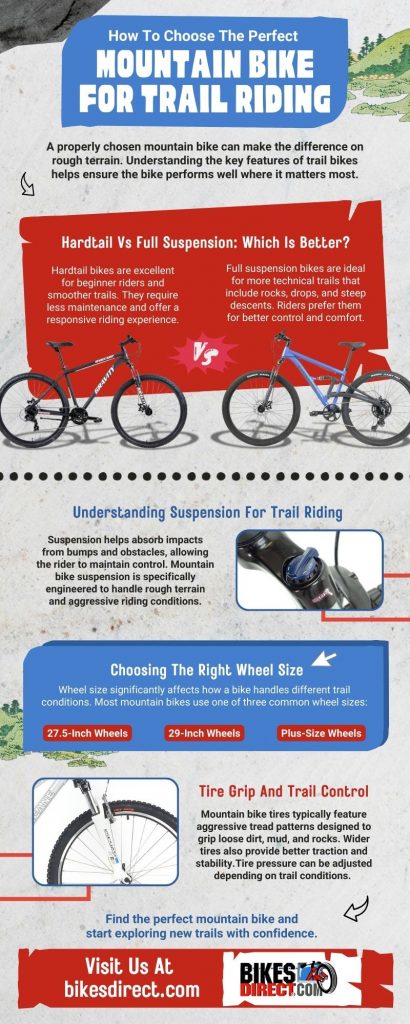
Few bikes deliver the same level of satisfaction in the right environment as a mountain bike. Wide tires, suspension systems, and slack geometry make technical trails genuinely approachable, and the confidence that comes from a bike that handles impact and loose terrain transforms what kind of rides you will attempt. Once you have experienced a descent on a properly set-up mountain bike, it is difficult to imagine going back to something less capable on a real trail.
Choosing between a hardtail and a full-suspension setup comes down to the trails you actually ride. Cross-country riders and those on moderately technical terrain get more efficiency and lower weight from a hardtail, which uses front fork suspension only. Riders tackling aggressive descents, rock gardens, and chunky singletrack benefit substantially from the added control and comfort that full suspension delivers.
Mountain bikes are not efficient commuters. Their knobbly tires roll slowly on pavement, their weight makes flat-road pedaling less enjoyable, and their geometry is optimized for off-road control rather than upright street riding. But for anyone whose primary goal is trail riding of any kind, a mountain bike is the right tool, and no amount of versatility in another category changes that fact.
Two categories dominate the space between pure road and pure trail: the gravel bike and the hybrid bike. They overlap in versatility but serve meaningfully different riders, and understanding that distinction saves a lot of buyers from a category mismatch.
A gravel bike is designed for mixed-surface adventure. Drop bars, wide tire clearance, and endurance-focused geometry make it capable on everything from paved country roads to packed gravel paths to light forest tracks. Riders who want to explore long-distance routes that cross between pavement and dirt, or who do bikepacking trips covering varied terrain over multiple days, will find a gravel bike uniquely capable. It is faster than a mountain bike on anything that is not technical singletrack and more capable off-road than any road bike will ever be.
A hybrid bike is designed for everyday usability. Flat bars, an upright position, and medium-width tires make it comfortable for commuting, fitness riding, and casual mixed-terrain use. It is not the fastest option on pavement or the most capable on trails, but it handles both adequately and remains approachable for riders at all experience levels. If you want one bike that does a decent job on most surfaces without demanding technical skill or a particular riding posture, a hybrid bike is consistently the right answer for the widest range of people.
Not every bike needs to be fast or ready for challenging terrain. Two categories that prioritize a different kind of value are beach cruisers and fat bikes, and both have built loyal followings for entirely valid reasons.
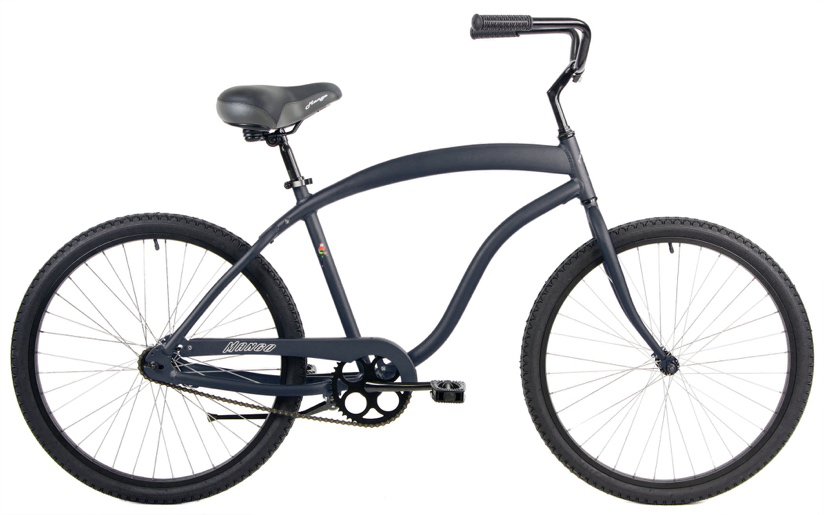
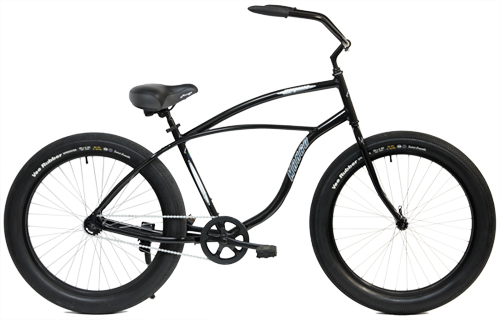
A beach cruiser is designed for relaxed, low-effort riding on flat, smooth surfaces. The upright position, wide saddle, and simple drivetrain make it the most approachable type of bike on the market. It is ideal for neighborhood rides, beachside paths, casual weekend outings, and anyone who wants to get on a bike and enjoy the experience without thinking about gears or body position. The Mango LongBoard FT Cruiser available at BikesDirect is a strong example of a well-built, comfortable cruiser that does exactly what it is designed to do with no unnecessary complexity.
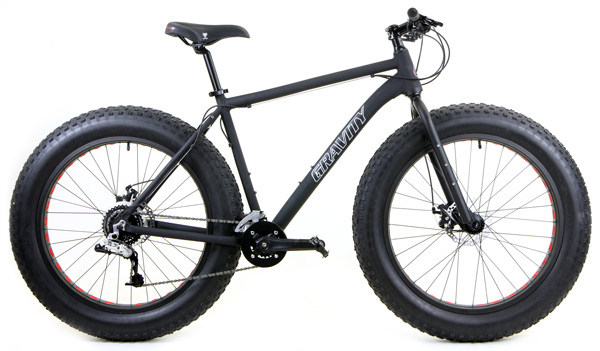
A fat bike takes the opposite approach. Instead of simplifying the experience, it expands where you can ride. Oversized tires provide flotation and traction on snow, sand, loose gravel, and soft terrain where other bikes would struggle or stop entirely. The Gravity Bullseye MonsterFIVE is a popular option for riders who want serious fat bike performance at a direct-to-consumer price, with hydraulic disc brakes and a drivetrain built for all-season use.
Knowing how to choose a bike becomes straightforward once you stop asking what sounds impressive and start asking what your rides actually look like. The terrain, the distance, and the frequency of your riding are better guides than any specification sheet or brand reputation.
At BikesDirect, we carry the complete range: road bikes for pavement performance, mountain bikes for trail riding, gravel bikes for mixed-surface adventure, hybrid bikes for versatile everyday use, beach cruisers for relaxed comfort-first riding, and fat bikes for all-terrain exploration across every season. Every category ships directly to your door with free shipping to 48 states. Browse by category, compare specs, and find the build that genuinely matches where and how you ride.
Want a recommendation tailored to your specific goals and terrain? Reach out to the BikesDirect team, and we will help you find the bike that fits your life.
Most cyclists have a story about a bike that worked beautifully for the first year, then gradually started feeling noisier, less precise, and harder to push. In the majority of cases, that decline is not inevitable. It is the result of deferred maintenance. Following a few reliable bicycle maintenance tips consistently keeps your bike in close to factory condition, extends the life of every component, and saves you significantly more than the cost of a tube of chain lubricant.
We put this guide together for riders at every level, whether you commute daily on a road bike or pull your bike out for weekend rides. None of this requires professional tools or a certification. It requires about twenty minutes a month, a couple of basics, and the habit of paying attention before something breaks rather than after. Start with these four areas, and the difference will show up on your very next ride.
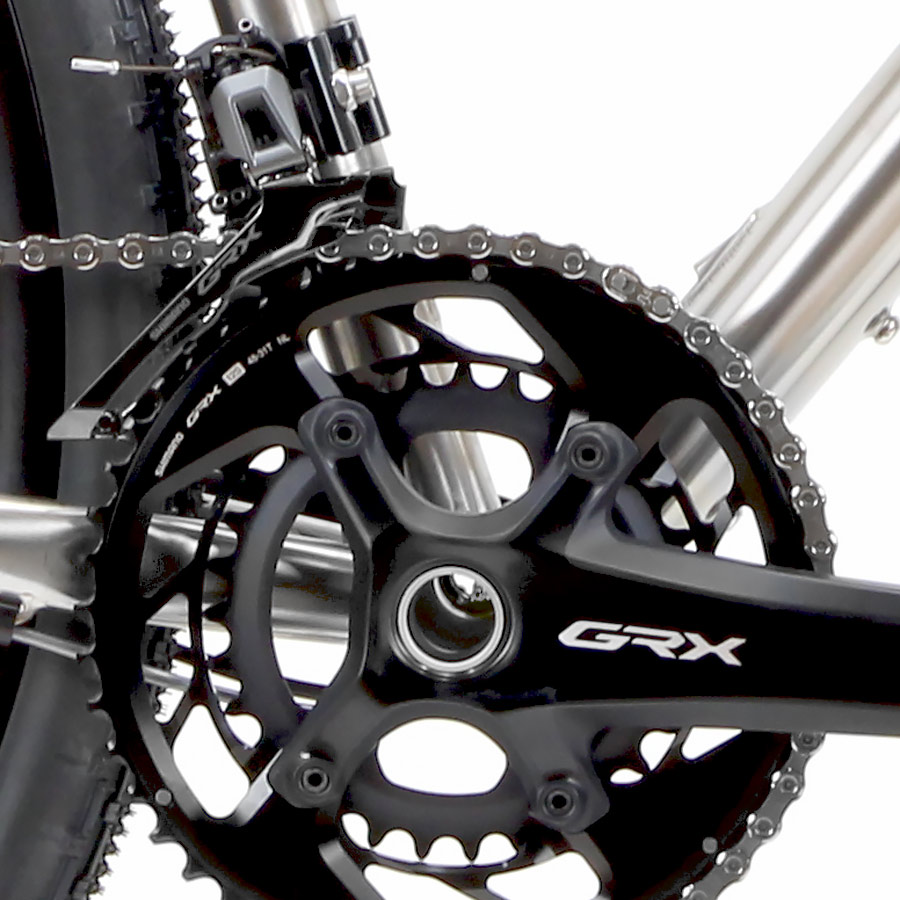
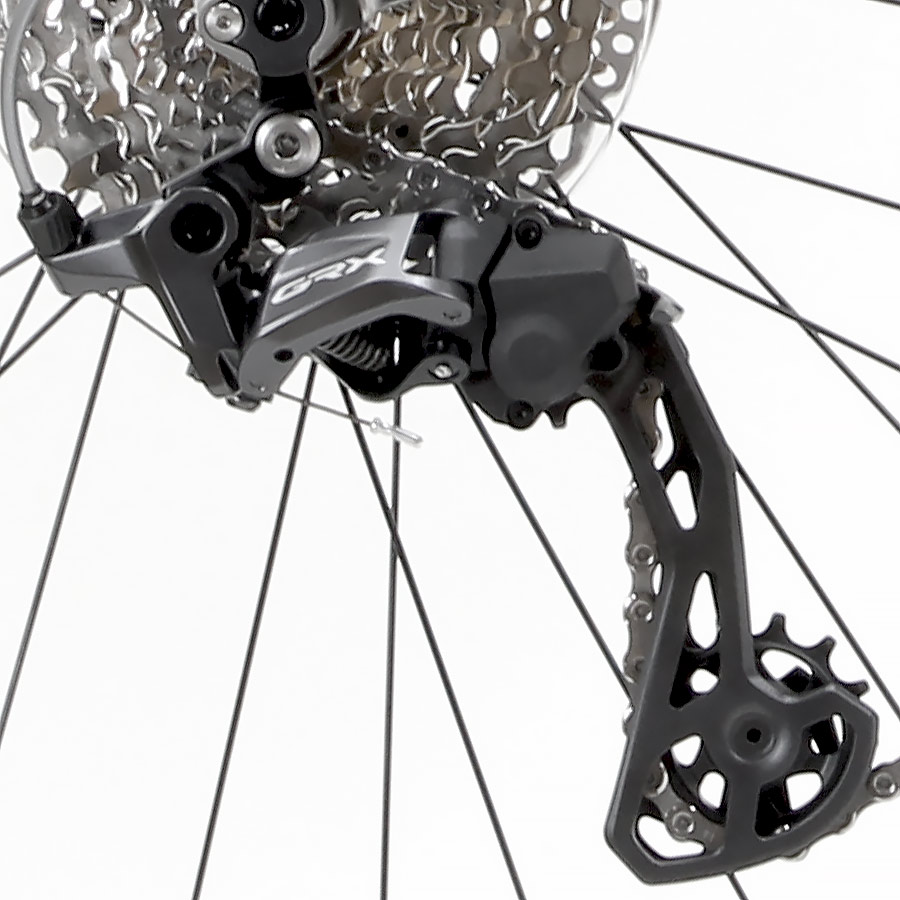
The drivetrain is the most mechanically complex and wear-prone part of your bike, and it is the area where deferred maintenance costs the most. A dirty chain does not just create noise. It accelerates wear on the cassette and chainrings, which cost considerably more to replace than a chain. Getting into the habit of keeping the drivetrain clean is the single highest-return maintenance habit any cyclist can develop, regardless of how much the bike costs.
Clean the chain after every wet ride and roughly every 150 to 200 miles in dry conditions. Use a biodegradable degreaser on a rag, run the chain through it several times, and let it dry fully before applying fresh lubricant. Dry or wax-based lubricants work best in dry conditions, while wet lubes hold up better through rain and mud. Apply only to the chain links, not the cassette or derailleur pulleys, and wipe away all external excess. Lubricant only works inside the chain; anything on the outside collects grit.
Inspect the cassette and chainrings visually every time you clean. Worn cassette teeth take on a hooked or asymmetric shape rather than a uniform, rounded profile. A worn chain left in place too long accelerates this wear and can begin skipping under load, which is a particularly unpleasant surprise mid-ride. Most bike shops can measure chain stretch with a simple tool. Replacing a chain before it is fully worn saves the cassette. Replacing both together if the cassette is already compromised protects the chainrings and keeps your shifting crisp.
Correct tire pressure is one of the cheapest performance upgrades available to any rider, and it costs nothing but two minutes and a floor pump. Running tires significantly underinflated increases rolling resistance, makes handling feel sluggish, and dramatically raises the risk of pinch flats. Overinflated tires sacrifice traction and comfort without any meaningful speed benefit, and they are harder on your wrists and lower back over longer distances.
A gravel bike with wider tires generally runs between 40 and 60 PSI, with the lower end providing a more comfortable and traction-friendly ride on loose or mixed surfaces. Road bikes typically require 80 to 120 PSI, depending on tire width and rider weight. Mountain bikes and fat bikes run much lower pressures, sometimes as low as 10 to 20 PSI, which is part of what makes them effective in soft terrain. Check pressure before every ride using a floor pump with a built-in gauge. Eyeballing is unreliable and becomes less accurate as your eyes adjust to what you are used to seeing.
While you have the wheel in hand, run your thumb along the sidewall and tread looking for small cuts, embedded glass, or cracking. Sidewall cracks and deep cuts are signs the tire needs replacement regardless of tread depth. Catching these before they become a flat on a remote trail or a busy road is exactly what consistent tire inspection is designed to prevent.
Brake maintenance is a safety issue, not just a performance consideration. A brake that feels a little soft or pulls a bit further than it used to is a brake that may not stop you reliably when you need it most. Checking your brakes takes less than five minutes and should happen at least monthly, or after any ride in heavy mud or rain.
For rim brakes, inspect the pads for wear indicators, usually a groove or line molded into the pad surface. If the pad material is worn below that line, replace it before your next ride. Check that the pads make contact squarely with the rim braking surface, not the tire sidewall, and that contact is even across the full pad width. For disc brakes, look at pad thickness through the caliper window. Pads thinner than 1mm need replacing immediately. Also, inspect the rotor for deep grooves or a concave profile, which indicates the rotor has worn past its service limit.
Brake cable tension is the most common cause of a soft or inconsistent lever feel. A barrel adjuster at the brake lever or caliper lets you take up slack without tools in under a minute. If the cable feels frayed or the housing is cracked near either end, replace the full cable set before your next ride. This is not a repair to defer.
Lubrication errors fall into two categories: too little and too much. A dry chain skips and wears quickly. An over-lubricated chain acts as a grit magnet, turning road dust into an abrasive paste that accelerates wear just as effectively as running dry. Apply lubricant to the chain while turning the pedal backward, link by link, then wipe all external excess completely off. The lubricant works inside the link joints, not on the outer plates or side surfaces.
Beyond the chain, apply a small amount of grease to pedal threads and the seatpost before fitting them to prevent corrosion-related seizure, which can become nearly impossible to reverse. Wipe down the stanchions of a suspension fork after muddy rides. Check bolt torque on the stem, handlebars, and seatpost clamp monthly. Loose bolts in these locations are a safety concern that takes thirty seconds to prevent and considerably longer to recover from if ignored.
For off-season storage, clean the bike thoroughly, lubricate the chain, and hang it in a dry space away from moisture and temperature extremes. Remove batteries from lights and cycle computers. Store tires away from direct sunlight, which degrades rubber faster than mileage ever will. A clean, properly stored bike is ready to ride the moment the season opens again, without the frustrating reminder that maintenance was skipped.
The return on regular maintenance is not purely mechanical. A well-maintained bike rides more precisely, shifts more reliably, and stops more confidently. These bicycle maintenance tips are not about perfection. They are about developing a short, consistent routine that keeps small issues from compounding into expensive ones over time.
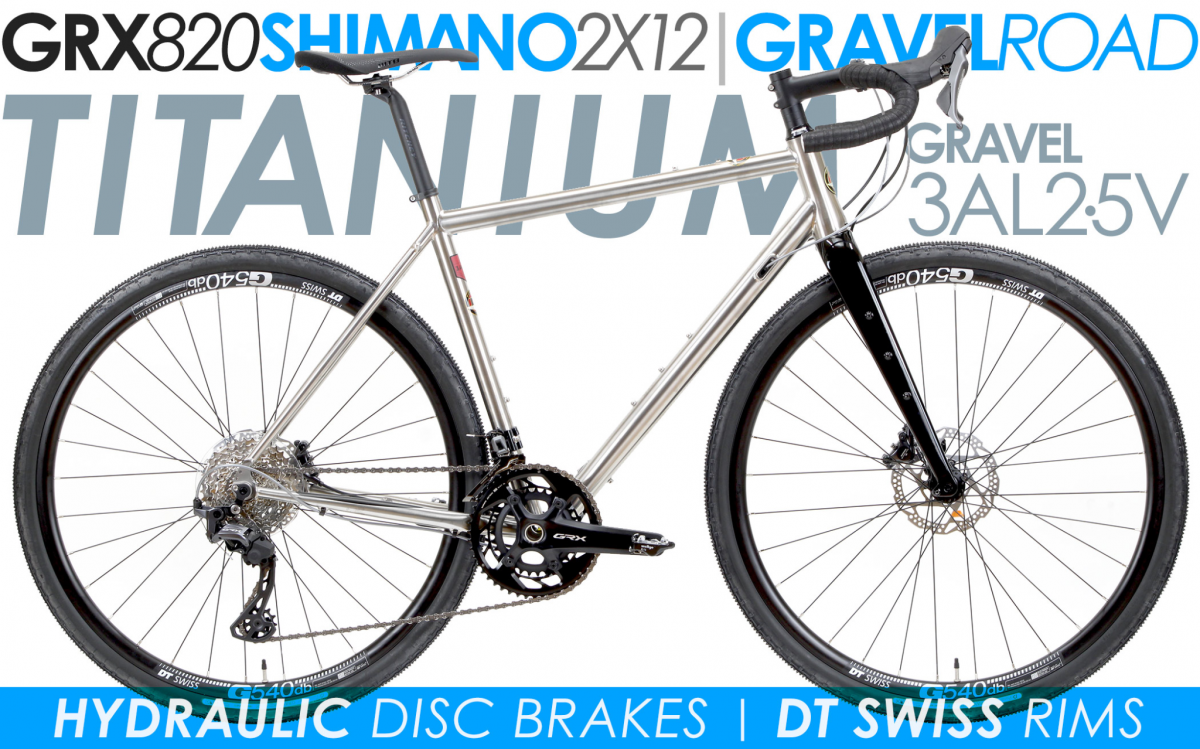
At BikesDirect, our lineup includes road bikes, mountain bikes, gravel bikes, hybrid bikes, beach cruisers, and fat bikes, and every one of them rewards consistent care with years of strong performance. For a premium adventure option that returns exceptional results from careful maintenance, the Motobecane Mulekick Ti PRO is worth a close look. Browse our full hybrid bike selection if you are looking for a versatile everyday ride built around reliability from the start.
If you have questions about maintenance schedules for a specific model or need guidance choosing a bike that fits your habits and terrain, contact our team at BikesDirect.
Most people buying a bike for the first time focus on the brand name or the color of the frame. That is understandable, but it is also how a lot of riders end up with a bike that feels wrong six months later. A solid bicycle components guide helps you understand what you are actually paying for, what each part does, and which trade-offs matter for the kind of riding you plan to do.
Understanding your bike at a component level does not require an engineering background. It requires knowing how a handful of key systems work together and what questions to ask before you buy. Whether you are shopping for a road bike, eyeing an upgrade, or simply trying to make sense of a spec sheet for the first time, the information below gives you the foundation you need to buy with confidence.
The Frame: Where It All Begins
The frame is the one component that cannot be upgraded without effectively buying a new bike. It determines geometry, ride feel, and the character of everything attached to it. Frame material is where most beginner buyers get lost, so here is a practical breakdown of what each option actually delivers.
Aluminum is the most common material at entry and mid-range prices. It is lightweight, stiff, and resistant to corrosion. Most quality bikes under $800 use aluminum, and modern aluminum frames are far more refined than older versions that had a reputation for harshness. Steel frames are heavier but offer a noticeably smoother feel over rough roads. They are durable, repairable after crash damage, and favored by touring cyclists and commuters who value longevity over marginal weight savings.
Carbon fiber appears predominantly at premium price points. It is lightweight, excellent at absorbing road vibration, and stiff in all the right places. Titanium sits at the top of the range, combining the smoothness of steel with the light weight of aluminum, and it is virtually impervious to corrosion over decades of use. Frame geometry also differs significantly between categories. A road bike uses an aggressive, aerodynamic position that rewards output over long, flat miles, while a mountain bike uses a slacker, more upright stance optimized for reactive control on unpredictable terrain. Understanding these distinctions helps you match the frame to your actual riding style rather than your aspirational one.
The Drivetrain: Turning Effort into Motion
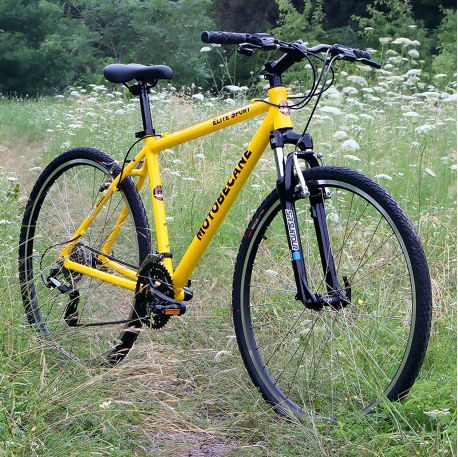
The drivetrain is the system that converts your pedaling into forward movement. It includes the cranks, chainrings, chain, cassette, and derailleurs. Most bikes use either a 1x (single chainring) or 2x (double chainring) setup, and the difference matters more than the gear count number alone.
A 1x drivetrain keeps things mechanically simple. There is no front derailleur to adjust, fewer cables to maintain, and the chain line stays cleaner throughout the gear range. The trade-off is a larger jump between gears, which some riders notice on long, sustained climbs or when trying to maintain a precise cadence on flat terrain. A 2x system gives a wider overall range and finer steps between ratios, which is why it remains common on road bikes and long-distance adventure setups.
Gear count, often advertised as 7-speed, 11-speed, or 12-speed, refers to the number of sprockets on the rear cassette. A higher gear count gives you more options and finer gradations between each shift. Entry-level bikes start at 7 or 8 speeds, which is entirely adequate for flat to moderate terrain. Moving to 10 or 11 speeds becomes meaningful when you are climbing regularly or covering long distances, where gear precision reduces fatigue and helps you maintain efficiency through changing grades.
Braking Systems: More Than Just Stopping
Brakes are a safety-critical component that beginners consistently undervalue when comparing bikes by spec. At entry price points, the most common choice is between rim brakes and mechanical disc brakes. At higher price points, hydraulic disc brakes become the standard, and the difference in feel and reliability is significant.
Rim brakes work by squeezing brake pads against the rim of the wheel. They are lightweight, easy to adjust, and straightforward to maintain. The limitation is that wet weather and dirty rims reduce stopping power considerably, and worn rims eventually require wheel replacement rather than just new pads. Mechanical disc brakes use a cable-actuated caliper that clamps a rotor attached to the wheel hub. They are more consistent in wet or muddy conditions and do not wear the rim surface over time, which extends wheel life noticeably.
Hydraulic disc brakes replace the cable with fluid lines, delivering an immediate, consistent, and highly modulated feel. You use significantly less hand force to achieve the same stopping power, which reduces fatigue on long descents. On technical terrain or a loaded bike, this difference is not subtle. It is a meaningful safety upgrade that improves both confidence and control, and it is a key reason why hydraulic brakes have become standard equipment on mid-range and premium builds.
Wheels, Tires, and Suspension
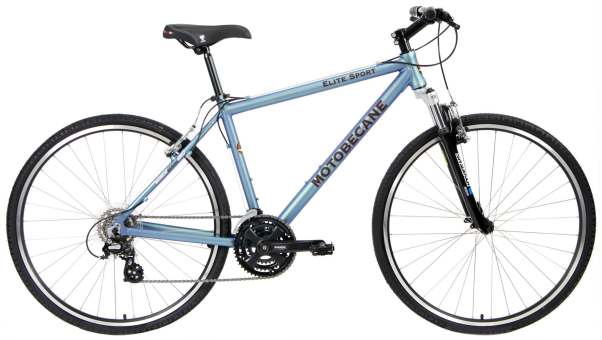
Wheel size affects how a bike rolls over obstacles and maintains momentum. The most common sizes are 27.5-inch, well-suited for agile trail riding, and 29-inch, which rolls over obstacles more easily and holds momentum efficiently on longer runs. Road bikes typically use 700c wheels, roughly equivalent in diameter to 29-inch mountain bike wheels but paired with much narrower tires.
Tire width and tread pattern are where a bike’s intended use becomes clearest. Narrow, smooth tires are fast and efficient on pavement. Wide, knobbly tires prioritize grip off-road but create rolling resistance on hard surfaces. The best choice depends entirely on where you ride most often, and getting this decision right improves every ride.
Suspension is primarily a mountain bike consideration. A hardtail bike has front fork suspension only, which absorbs impacts from the front wheel and works well for cross-country and moderate trail riding. Full suspension adds a rear shock, which dramatically improves comfort and control on aggressive terrain. The trade-off is added weight and maintenance complexity. For riders who spend most of their time on pavement, gravel, or smooth paths, a rigid fork is lighter, more efficient, and lower maintenance. Understanding when suspension genuinely adds value, and when it simply adds cost, is one of the most useful things any bike buyer can learn before committing to a purchase.
Components Work Together, and So Should Your Research
No single component defines a bike. A well-specced drivetrain on a poorly-designed frame still produces a frustrating ride, and a beautiful frame paired with marginal brakes becomes a safety concern over time. Using this bicycle components guide as a framework means evaluating the whole system, not just the headline specs.
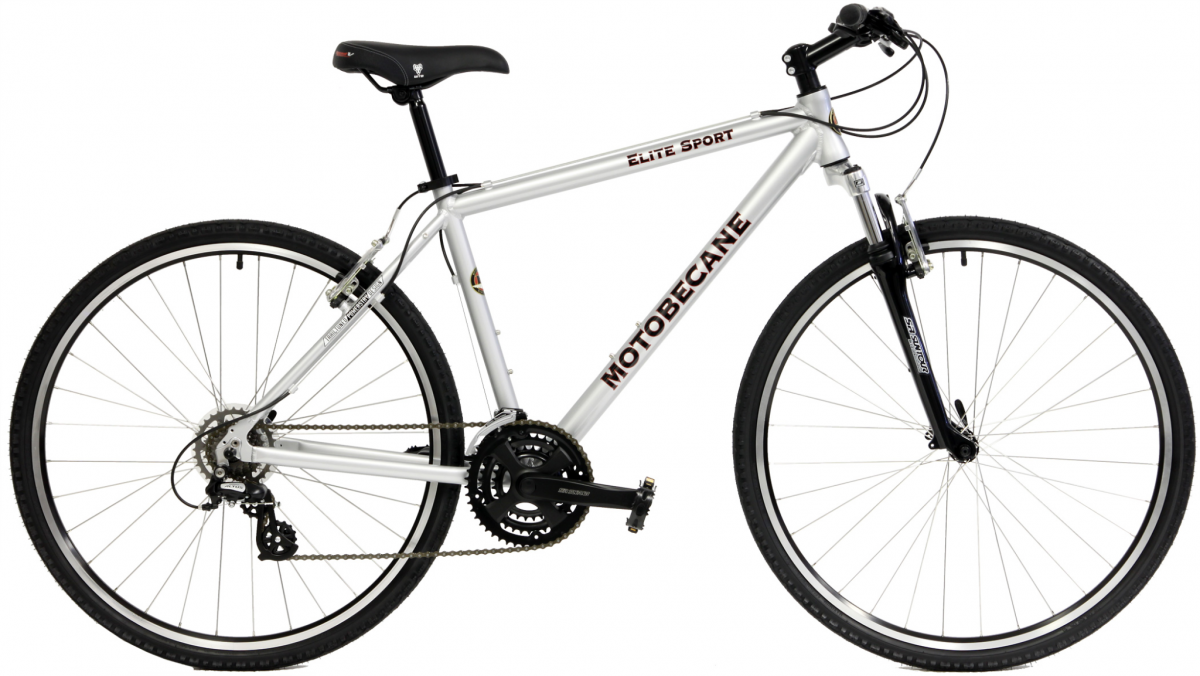
We take component specifications seriously at BikesDirect. Our range spans road bikes built for pavement performance, mountain bikes equipped for real trails, gravel bikes designed for mixed-surface adventures, hybrid bikes optimized for everyday practicality, beach cruisers focused on comfort and simplicity, and fat bikes engineered for all-terrain traction. For a strong introduction to the hybrid category with thoughtful componentry at a direct-to-consumer price, take a look at the Motobecane Elite Sport.
Ready to talk through specs and find the right build for your riding goals? Contact the BikesDirect team today, and we will help you sort through the options.
Somewhere between the pavement and the trailhead, a lot of riders hit a familiar question: gravel bike vs mountain bike, which one actually fits how we ride? Over the past decade, both categories have expanded significantly, and the line between them can feel blurry from the outside. But spend time on each, and the differences become impossible to ignore. We put together this breakdown to help you understand what each bike is genuinely built for, so you can make a decision that serves your riding for years rather than just the first few seasons.
Whether your goal is exploring fire roads and scenic backroads or attacking singletrack trails and rocky descents, the right bike makes every ride more rewarding. Neither category is universally better. What separates them is purpose, and understanding that purpose is the key to choosing wisely.
The most fundamental difference between these two categories comes down to terrain. A mountain bike is designed from the ground up for unpredictable, technical off-road conditions. Steep descents, loose rocks, rooted singletrack, and muddy switchbacks are exactly where this bike earns its reputation. Frame geometry is slack and low, suspension travel absorbs impacts that would throw a rider on a more rigid setup, and the overall build prioritizes control over efficiency on open ground.
A gravel bike takes a different approach. It is engineered for terrain that sits between smooth pavement and true off-road trails: gravel roads, packed dirt, farm tracks, and mixed-surface adventures. The geometry is more upright and endurance-focused than a road bike, but less aggressive than a mountain bike. Where a mountain bike wants to dive into technical chaos, a gravel bike prefers to roll confidently and efficiently across varied conditions without hesitation.
If your rides regularly include technical descents, rooted trails, and terrain that demands full suspension, a mountain bike delivers where a gravel setup cannot. If your adventures lean toward long-distance mixed-surface routes and open exploration, a gravel bike will feel like the more natural companion from day one.
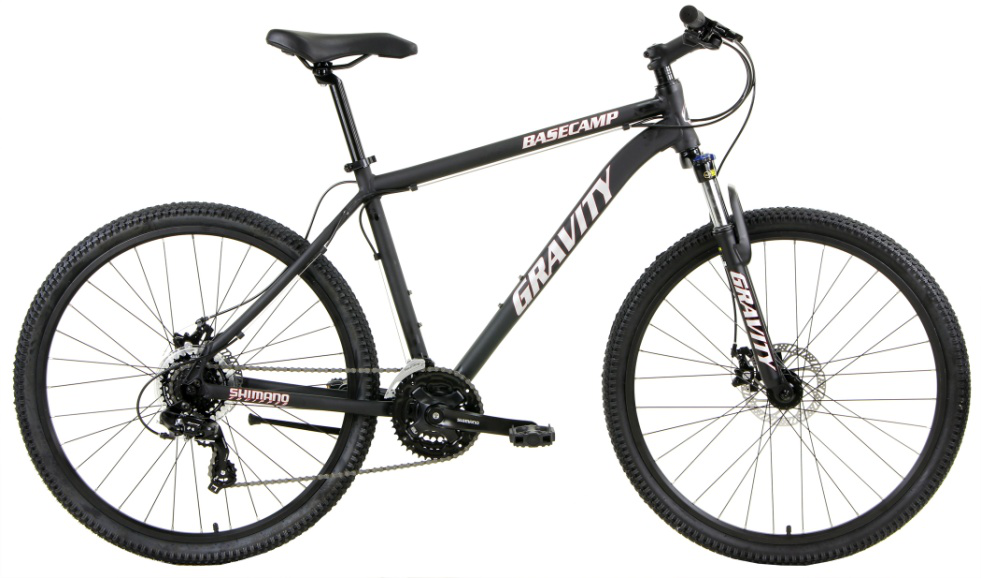
Body position is one of the most underappreciated factors in any bike comparison. On a mountain bike, the geometry is built for reactive control. A shorter reach, higher stack, and wider handlebars put the rider in a position to handle sudden changes in terrain. You sit more upright and centered, which makes it easier to shift your weight over the front or rear wheel when the trail demands it.
Gravel bikes use drop handlebars with multiple hand positions, a longer reach, and a lower front end compared to a flat-bar setup. This distributes your weight more efficiently over longer distances and gives you aerodynamic options when you want to push the pace. The trade-off is that the position demands more flexibility and takes adaptation time for riders who are used to upright geometry.
The practical result is different fatigue profiles over time. Mountain bikes feel confident and natural in short, intense bursts on technical terrain. Gravel bikes reward sustained effort across longer miles. If your rides tend to extend well past two hours on open terrain, the multiple hand positions and efficient geometry of a gravel bike reduce cumulative strain in a way that a flat-bar mountain bike simply cannot replicate, particularly on loaded adventure routes.
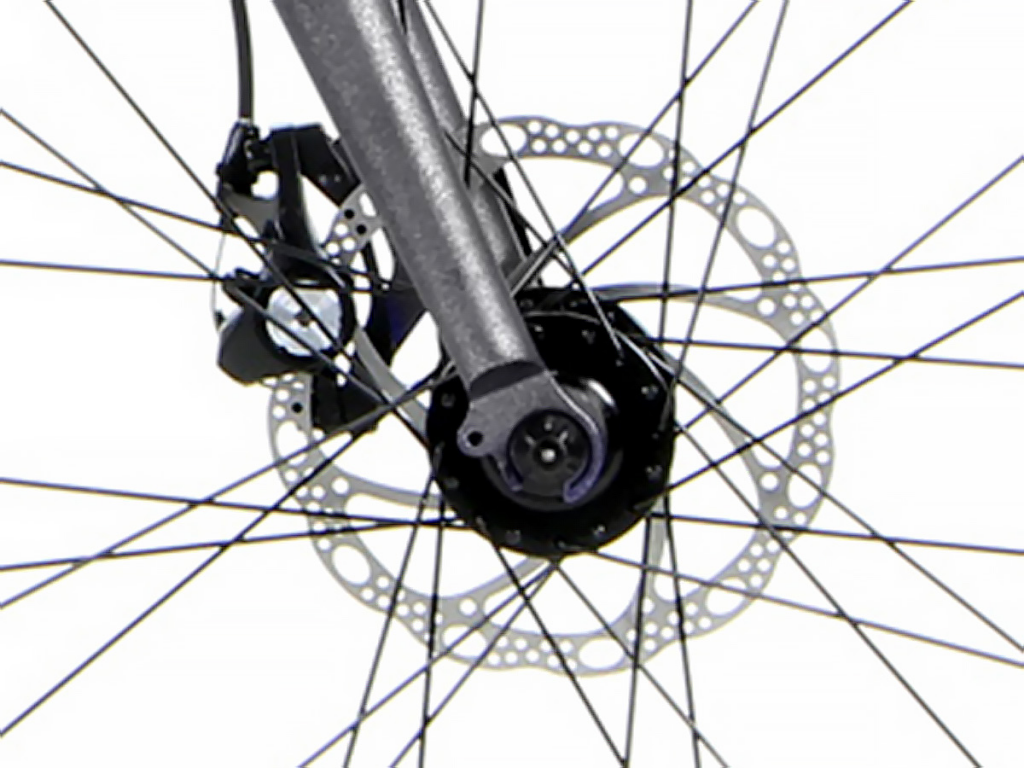
Pull up next to any two bikes from these categories, and the tire difference tells you almost everything. Mountain bike tires are wide, aggressively knobbly, and designed to dig into soft, loose, or wet surfaces. Widths of 2.3 to 2.6 inches are common on trail builds, and aggressive setups run even wider. The knobs provide bite in mud and grip on roots and rocks where a smoother tire would slip. The downside is rolling resistance, which makes mountain bike tires noticeably slower on pavement and groomed surfaces.
Gravel bike tires run narrower, typically in the 35mm to 45mm range, with a tread pattern that prioritizes rolling efficiency while still providing cornering grip on loose surfaces. They are fast enough on pavement that you could commute in the morning and hit a packed-dirt trail in the afternoon without being penalized on either surface, which is a versatility that no mountain bike tire can match.
This tire difference reflects what each bike is fundamentally optimized for. Mountain bikes sacrifice speed for grip and durability in harsh conditions. Gravel tires balance both, which is why the gravel bike category has become the go-to choice for riders who cover a lot of ground across unpredictable and varied terrain throughout the year.
Understanding the gravel bike vs mountain bike distinction comes down to one honest question: where do you actually ride? If your regular routes include technical singletrack, steep climbs, and terrain that rewards suspension and aggressive tires, a mountain bike is the right tool. If you cover mixed ground, prefer longer distances, and want a bike that performs on a gravel road as confidently as it does on a paved country lane, a gravel bike earns its place in any well-considered lineup.
At BikesDirect, we carry the full range so you can match the bike to the ride. Whether you are shopping for a mountain bike for weekend trail sessions, a gravel bike for open-road exploration, a road bike for pavement speed, a hybrid bike for everyday versatility, a beach cruiser for relaxed neighborhood rides, or a fat bike for all-terrain adventure, our lineup covers every preference. For a capable, value-driven starting point, check out the Motobecane Gravel X1 XTL to see what factory-direct pricing delivers at this level.
Have questions about which bike fits your specific goals and terrain? Reach out to our team through the BikesDirect contact page, and we will help you find the right ride.
There’s something timeless about riding along a sunlit boardwalk, feeling the breeze roll in as you pedal effortlessly. That’s exactly the experience a beach cruiser is designed to deliver. Unlike performance-driven bikes built for speed or rugged terrain, cruiser bikes prioritize comfort, simplicity, and style, making them the perfect choice for leisurely rides.
Whether you’re cycling through a park, along coastal paths, or around your neighborhood, understanding the true beach cruiser bike benefits can help you choose a ride that transforms every journey into a relaxing escape.
The defining feature of a beach cruiser is its ergonomic design. Every element is crafted with rider comfort in mind.
Cruiser bikes are built to keep your body in a natural, upright posture. This reduces strain on your back, shoulders, and wrists, unlike a road bike, which often requires a more aggressive, forward-leaning stance.
Comfort begins where you sit. Many cruiser bikes, like the Mango SuperComfySeat, feature oversized, padded saddles that absorb shocks and provide all-day support. This makes a huge difference during longer, relaxed rides.
These handlebars allow your arms to rest comfortably without stretching forward. Compared to a mountain or gravel bike, this design feels much more relaxed and natural.
One of the biggest beach cruiser bike benefits is how easy they are to ride. These bikes are not about pushing limits, they’re about enjoying the journey.
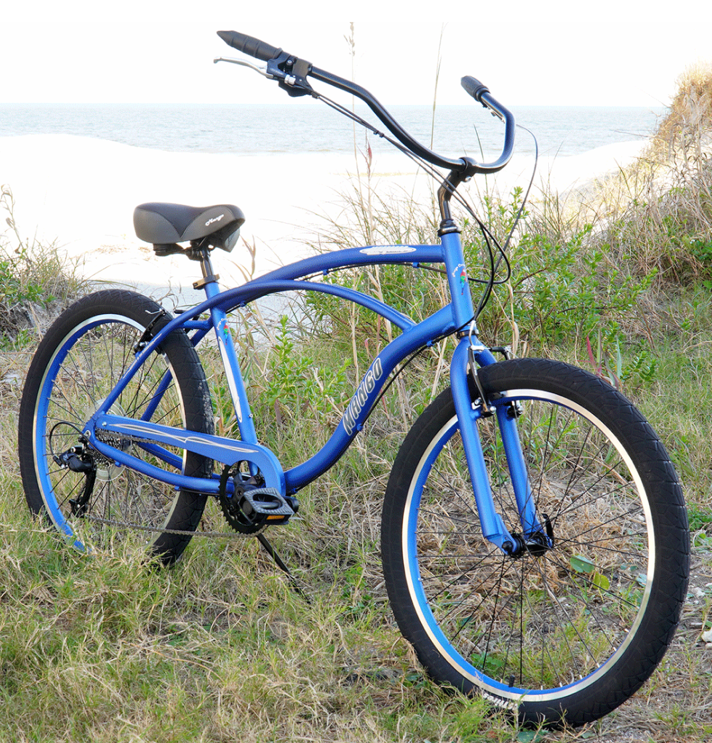
Many cruisers, like the Mango Toucan, come with single-speed setups. This means less maintenance and no complicated gear shifting, perfect for flat terrains like beaches and city paths.
For riders who want a bit more flexibility, models like the Mango Macaw 7 offer Shimano 7-speed drivetrains, giving you the ability to handle gentle inclines while maintaining comfort.
Cruiser bikes typically feature wide, balloon-style tires. These provide excellent balance and absorb bumps from uneven surfaces like boardwalks or gravel paths, something even a hybrid bike can’t always match in terms of comfort.
While bikes like a road or gravel bike focus on speed and performance, cruiser bikes are designed for slow, enjoyable rides.
The frame geometry encourages a laid-back riding style. You’re not racing, you’re cruising. This makes them ideal for casual riders, beginners, or anyone looking to unwind.
With fewer mechanical components, cruiser bikes are easier to maintain. Coaster brakes (pedal backward to stop) are common on models like the Mango Sandpiper, simplifying the riding experience even further.
Cruiser bikes aren’t just comfortable, they’re stylish.
From vintage-inspired frames to modern color fades, bikes like the Mango Salute1776 combine retro charm with contemporary flair.
Some models, such as the Mango Longboard 9spd, offer custom color rims, upgraded seats, and added accessories like kickstands, enhancing both functionality and visual appeal.
Cruiser bikes shine in environments where comfort and scenery matter most.
While a fat bike might handle sand better and a mountain bike excels on rough trails, cruiser bikes dominate when it comes to smooth, relaxing rides.
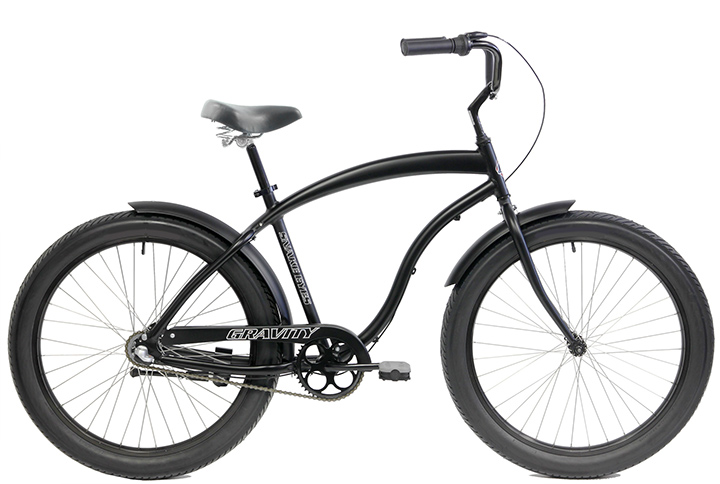
Understanding how cruiser bikes differ from other categories helps highlight their unique value.
In contrast, a beach cruiser focuses entirely on comfort, ease, and enjoyment.
If you’re ready to experience comfort firsthand, here are a few standout options:
Each of these models is designed to deliver maximum comfort while maintaining durability and style.
Comfort isn’t just a luxury, it’s what keeps you riding longer and more often. When a bike feels good to ride, you’re more likely to explore new places, stay active, and enjoy the experience.
The real beach cruiser bike benefits go beyond physical comfort. They create a mental shift, from rushing to relaxing, from commuting to cruising. It’s about slowing down and enjoying the moment.
If you’re ready to upgrade your riding experience, now is the perfect time to explore a beach cruiser. With factory-direct pricing, significant savings, and a wide selection of styles, you can find a bike that matches both your comfort needs and personal style.
One standout option is the Mango Longboard 9spd. This aluminum 9-speed cruiser features comfy seats, a free kickstand, and custom color rims, perfect for relaxed rides along the boardwalk or around town. Its combination of style, comfort, and performance makes it a top choice for anyone serious about leisure cycling.
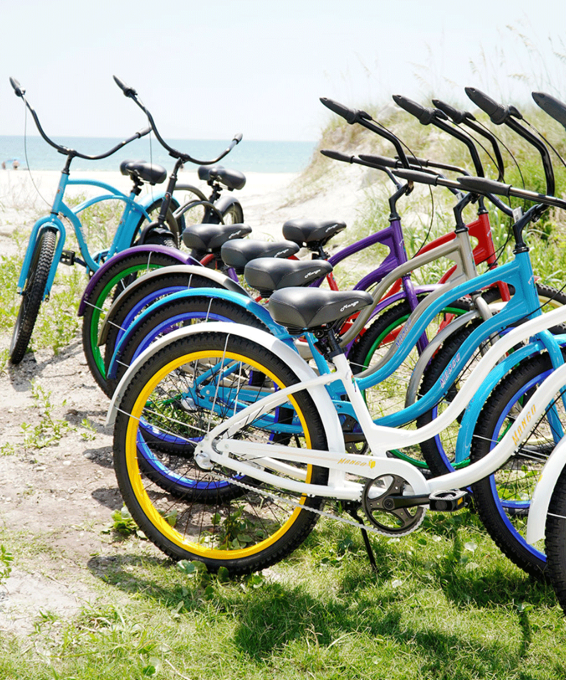
Don’t settle for a ride that feels like a workout when it could feel like a getaway. Discover unbeatable deals and a wide selection of quality bikes at BikesDirect, your destination for comfort, style, and performance.
Explore the full range of beach cruiser bikes today and discover how comfort can completely transform your cycling experience.