

Cyclists often ask “Does bike weight matter?” because the scale offers an easy number to compare. The honest answer is yes, but not equally on every route and not at any price. Weight affects climbing, acceleration, carrying, and handling, yet fit, tire pressure, aerodynamics, reliability, and rider fitness often change real-world speed more.
A lightweight road bike can feel lively because the rider repeatedly accelerates the bike and lifts it over hills. A commuter carrying a lock, laptop, water, and clothing may gain more from durable wheels and puncture-resistant tires than from saving a few hundred grams.
Think in Total System Weight
The bicycle is only one part of the moving system. Rider mass, shoes, bottles, tools, bags, and clothing all climb the same hill. Saving one pound from a 180-pound combined system changes the total by less than one percent.
That does not make bicycle weight meaningless. The rider feels the bike separately when lifting it onto a rack, carrying it upstairs, steering through turns, or accelerating after a stop. Perception and total-system physics are both valid, but they answer different questions.
The REI road-bike guide places frame material alongside geometry and components rather than treating weight as the only measure of performance. Buyers should do the same.
Where Lower Weight Pays Off
Long climbs reward lower mass because gravity must be overcome for every vertical foot. Riders who race uphill, repeat steep intervals, or live in mountainous areas can feel a meaningful difference between otherwise similar bikes.
Acceleration also changes. A lighter bicycle can respond more quickly when leaving a corner or increasing speed, although wheel and tire mass are only part of the complete system. Frequent racing surges make this more relevant than steady recreational riding.
Carrying is the most obvious case. Apartment residents, transit users, and travelers may handle the bike more often than they expect. A few pounds can determine whether daily storage is convenient or frustrating.
Where Grams Matter Less
On flat roads at steady speed, aerodynamic drag dominates more than small weight differences. Body position, clothing, wheel depth, and headwind exposure can matter more than a modest frame saving. A comfortable rider who holds an efficient position may outperform a strained rider on a lighter chassis.
Tires can also overwhelm a weight advantage. Pressure that is too high creates vibration and lost control on rough pavement, while pressure that is too low increases casing deformation and puncture risk. The SRAM tire pressure guide helps riders choose a starting point from total load, tire dimensions, and surface.
Reliability matters on every route. Lightweight parts may use less material or narrower safety margins. That can be appropriate for racing, but a utility rider may prefer stronger wheels, wider tires, metal pedals, and mounting hardware.
Four Bikes With Different Priorities
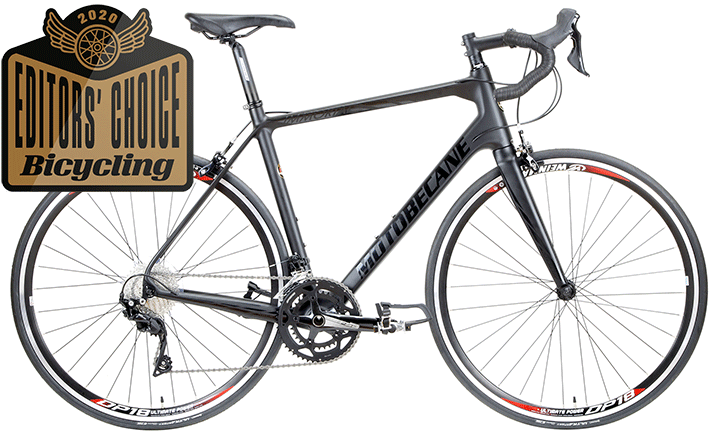
The Motobecane Immortal Spirit XTL represents a carbon platform where lower mass and road performance are central. It suits a rider who already knows that climbing and speed justify a higher frame tier.
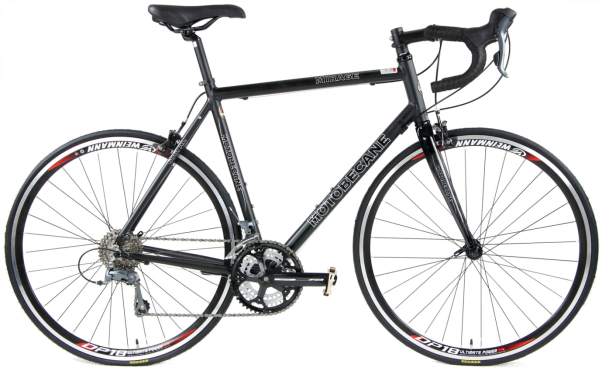
The Motobecane Mirage SLX-XTL uses aluminum for the frame and carbon for the fork. This hybrid material strategy directs money toward comfort and steering feel without requiring a full-carbon chassis.
The Motobecane Super Mirage SLX XTL accepts additional mass from disc brakes, wider tires, a chromoly fork, and extra brake levers. Those grams purchase braking access, rough-road capability, and practical versatility.
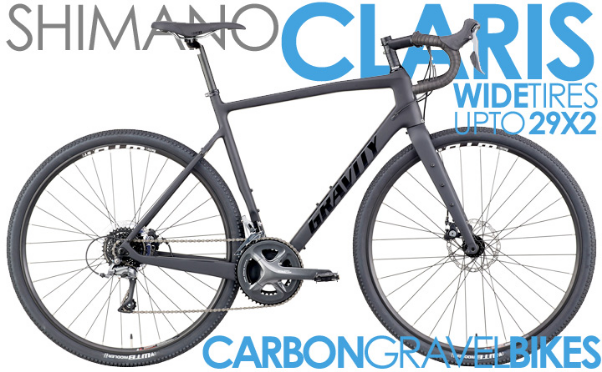
The Gravity Gravel CF Comp combines a carbon frame with large tires and disc equipment. It shows that a carbon bicycle can still prioritize traction and comfort rather than chasing a road-racing scale number. A fat bike takes that trade-off further because very wide tires serve flotation and grip, not minimum mass.
Spend Where the Ride Improves
Before paying for lower weight, fix fit, tire choice, pressure, brake setup, and drivetrain condition. These changes can improve comfort and speed without replacing the frame. The Park Tool bicycle cleaning guide is a useful reference for maintaining the equipment already owned.
Then identify a real weight-related problem. Is the bike difficult to carry upstairs, slow during repeated race accelerations, or burdensome on a long climb? If not, a lighter component may provide less value than better tires, a professional fit, or dependable lights.
Weight claims also vary by frame size, pedals, production parts, and measurement method. Compare bicycles under similar conditions and leave room for normal variation. A scale number without context can create false precision.
Rotating Weight Deserves Context Too
Cyclists often hear that a gram at the wheel matters more than a gram at the frame. Rotating parts do require energy during acceleration, but the effect is commonly overstated for steady riding. Tire casing, tread, pressure, and aerodynamic shape can matter more than a small rim-weight difference.
A lighter wheel may still feel more responsive during repeated surges and climbing. The purchase is most valuable when it also improves hub quality, rim width, or tire compatibility. Replacing sound wheels only for a modest scale saving may deliver little practical return. Riders should also include the weight of required pedals, bottle cages, racks, and repair equipment when comparing complete real-world setups used every single week in normal practice.
Buy for the Whole Ride, Not the Scale
A relaxed beach cruiser may carry more mass than a road racer, yet deliver a better experience for short, upright rides. The design succeeds by matching its purpose.
BikesDirect lists frame material, approximate weight, tires, brakes, and components across its categories. Those details help buyers see what the grams are buying or removing instead of treating lower weight as an automatic upgrade.
Weigh the complete specification and locate a mountain bike that balances durability, control, and reasonable mass through BikesDirect.