
Disc Brakes vs Rim Brakes: Which Offers Better Stopping Power

It was a damp Saturday morning when Evan rolled his road bike out of the garage. He had been riding with the same group for years, tackling long routes that wound through rolling hills and open highways. But today, something felt different. As the rain started to fall, he watched his friends with disc brakes descend confidently, slowing smoothly even on slick pavement, while his traditional rim brakes squealed and struggled to grip. By the bottom of the hill, Evan knew what many cyclists have debated for years: when it comes to braking technology, the battle between disc brakes vs rim brakes is far from simple.

This debate is one of the most important decisions a rider makes when buying a new bike. Your braking system determines not only how safely you stop but also how your bike feels, handles, and performs over the long haul. Whether you ride a mountain bike, a sleek road bike, a versatile gravel bike, or even a laid-back beach cruiser, understanding the differences between rim and disc brakes can help you choose the system that best matches your style.

In this guide, we’ll break down braking performance, maintenance, reliability, and long-term considerations to help you decide which option suits your riding.

The Basics: How Rim Brakes and Disc Brakes Work

For decades, rim brakes were the universal standard on bicycles, from casual beach cruisers to high-performance road bikes. The principle is simple: when the rider pulls the brake lever, brake pads press directly against the wheel’s rim. This friction slows the wheel’s rotation, bringing the bike to a stop. Rim brakes are light, inexpensive, and easy to maintain. A quick pad replacement or minor cable adjustment can often be done at home with basic tools. Their simplicity explains why they dominated the cycling market for so long, becoming the go-to braking system across nearly every category of bike in modern history.
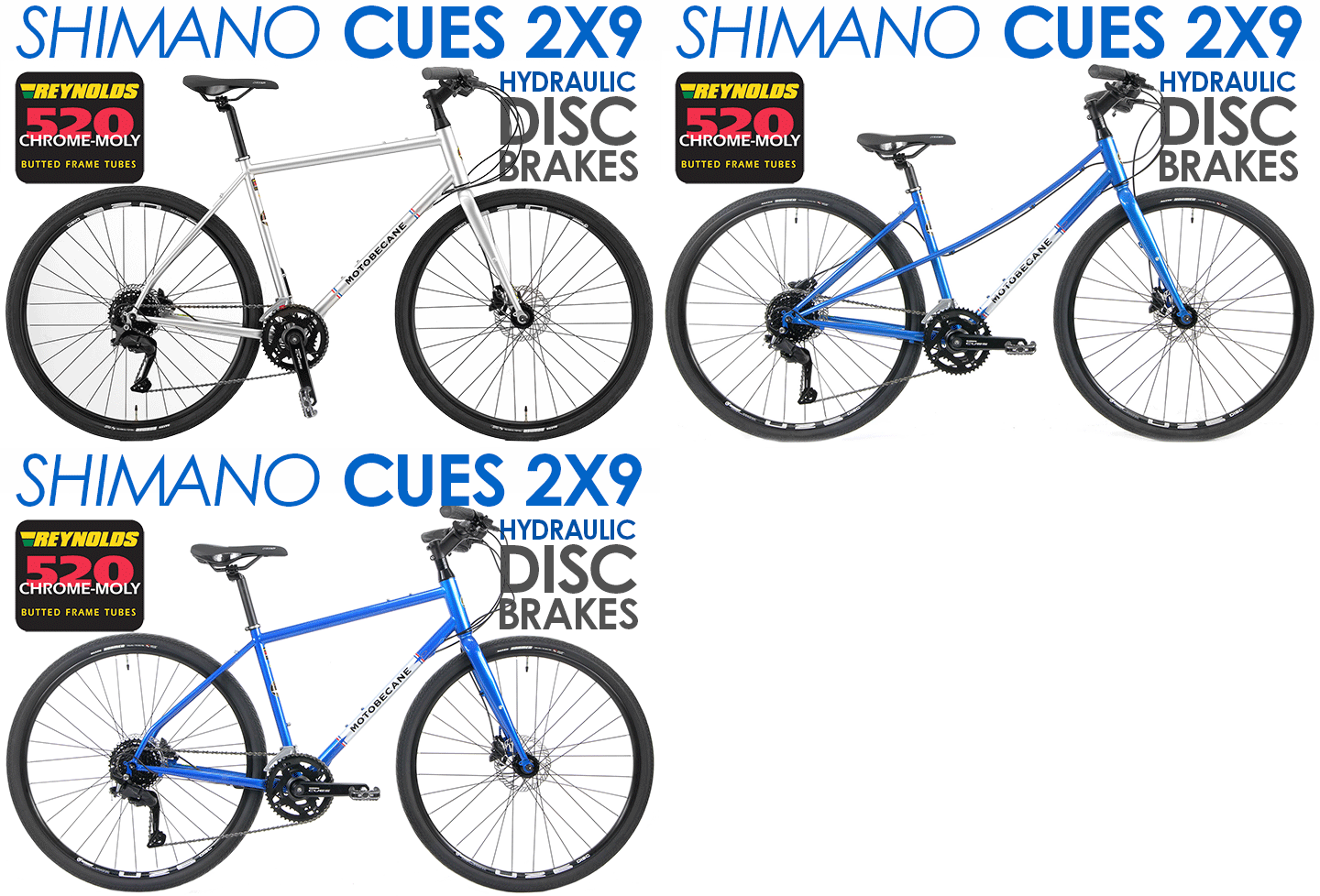
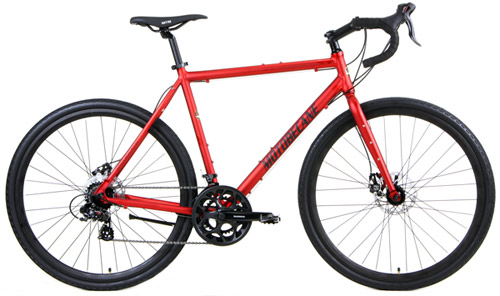
Motobecane gravel bike with Reynolds steel frame and Shimano CUES drivetrain featuring hydraulic disc brakes

Disc brakes, by contrast, represent a different approach. Instead of the rim acting as the braking surface, a small rotor is attached to the wheel hub. Calipers, often with hydraulic or mechanical actuation, squeeze brake pads onto this rotor to generate stopping power. By moving braking away from the rim, discs create a more centralized and efficient system. This design was first popularized in motorcycles before mountain bikers adopted it to gain control on steep, technical trails. Over time, the advantages became undeniable, and disc brakes spread into other segments, including gravel bikes, hybrid bikes, and even performance-focused road bikes.

Braking Power: The Core of the Debate

When it comes to sheer stopping power, disc brakes vs rim brakes is not a close contest. Disc brakes consistently provide stronger, more reliable braking in all conditions.

On a sunny day with dry pavement, rim brakes do an adequate job, especially on lightweight road bikes designed for speed. But add rain, mud, or dust, and their performance quickly declines. The pads struggle to grip wet rims, leading to longer stopping distances and less predictable control.
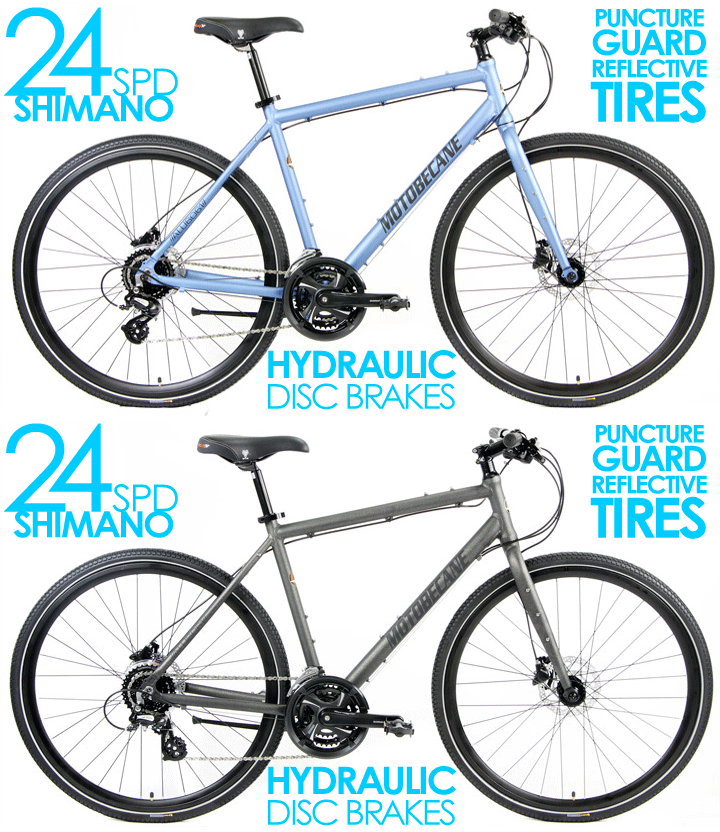
Motobecane flat bar fitness bike with hydraulic disc brakes and reflective puncture-guard tires

Disc brakes shine in these moments. Because the rotor is located away from the tire and road debris, it stays cleaner and maintains consistent grip. On a mountain bike, where steep descents and rocky terrain demand absolute control, disc brakes can mean the difference between riding a trail smoothly or skidding out of control. Gravel riders, too, appreciate the confidence disc brakes provide when navigating unpredictable surfaces.

Modulation and Control

Stopping power is only part of the story. How smoothly you can apply that power—known as modulation—is equally important.

Rim brakes can feel on-off, with less nuance in how force is applied. Disc brakes, on the other hand, allow for precise control. You can feather the brakes to slow gradually, or squeeze firmly for a strong stop, all with a smoother feel.

This modulation is particularly useful on fat bikes, where wide tires roll over snow or sand, and sudden braking could cause loss of traction. Disc brakes let riders apply just enough stopping power to stay in control without sliding.
Weight and Efficiency

One of the few areas where rim brakes still hold an edge is weight. Because they rely on fewer components, rim brakes are lighter overall. Competitive road cyclists, where every gram counts, often point to this advantage. A bike with rim brakes can also feel slightly more aerodynamic since it lacks the added rotor and caliper drag.

For riders who prioritize climbing speed or pure efficiency, rim brakes remain attractive. A road bike designed for racing might still use them in certain cases, though the industry trend continues to move toward disc.

Maintenance Needs

Maintenance is where disc brakes vs rim brakes becomes a nuanced conversation.

Rim brakes are simpler to maintain. Pads are inexpensive and easy to replace, and adjustments require only basic tools. However, the rim itself serves as the braking surface, which means long-term wear on the wheel. Over time, constant braking can erode the rim wall, eventually requiring replacement.

Disc brakes shift wear to the rotor, preserving the wheel’s lifespan. They also require more technical maintenance. Hydraulic disc systems need occasional bleeding to remove air bubbles, and rotors must be checked for trueness. While not difficult once you learn, it can be intimidating for new riders.

For hybrid bike riders using their bike for daily commuting, rim brakes may feel easier to service at home. But for adventure cyclists logging serious miles on gravel bikes or mountain bikes, the long-term reliability of discs often outweighs the added complexity.

Performance in Weather Conditions

Ask any commuter caught in a downpour or any mountain biker tackling muddy trails, and the verdict is clear: disc brakes rule in bad weather.

Rim brakes rely on a clean, dry surface to grip effectively. In the rain, they lose efficiency until water clears from the rim, which can add valuable seconds to stopping time. Disc brakes maintain performance regardless of weather, giving riders confidence in unpredictable conditions.

For riders living near the coast who often cruise on a beach cruiser, weather resistance may not be as critical since speeds are lower and riding is more leisurely. But for high-speed descents or unpredictable gravel paths, discs are unmatched.

Longevity and Reliability

Over the long term, disc brakes protect your wheels from wear. Since braking happens on the rotor, the rims stay intact. This matters for high-mileage riders who do not want to replace expensive wheelsets prematurely.

Rim brakes, while simpler, place stress on the rim. Over thousands of miles, particularly in wet or gritty conditions, this wear can become a safety issue. Still, many touring riders appreciate rim brakes because of their mechanical simplicity and global serviceability—finding replacement pads is easier in remote areas than sourcing disc components.

Cost Considerations

Price is often a deciding factor. Rim brake systems are generally less expensive upfront and cheaper to maintain. For budget-conscious riders or those just entering cycling, they remain a solid choice.

Disc brakes add to the cost, not only of the braking system itself but also of compatible wheels and frames. However, the performance benefits often justify the investment for riders who value safety, reliability, and versatility.

For example, an entry-level road bike with rim brakes might be more affordable, while a mid-range gravel bike or mountain bike with disc brakes provides the kind of performance upgrade that grows with your riding ambitions.

The Industry Shift

The cycling industry has always been shaped by technology. From steel frames to carbon fiber, from narrow tires to tubeless setups, innovations eventually become standards. The same is happening with braking systems. Over the last decade, manufacturers have been steadily moving toward disc brakes, and today that shift is nearly complete in several categories.

Nearly all high-end road bikes now ship exclusively with disc brakes. Riders who once clung to rim brakes for their lighter weight are finding that the advantages of discs—particularly in stopping power and control—outweigh the extra grams. Meanwhile, gravel bikes, which thrive on unpredictable surfaces and endurance rides, have almost universally adopted discs because riders demand consistency over long hours and varied terrain. In the world of mountain bikes, discs are not just common; they are essential. Navigating technical descents and sharp switchbacks without them would feel unthinkable for most riders today. Even fat bikes, built for snow and sand, rely on disc brakes for reliable performance in the most demanding conditions.

Interestingly, the shift has not stopped at performance-focused categories. Everyday bikes are changing too. Hybrid bikes, popular among commuters and fitness riders, are increasingly built with disc brakes because they offer peace of mind in traffic and on wet city streets. Even the classic beach cruiser, once known for simplicity and laid-back design, is starting to feature disc-equipped models. Riders may not need the same power as a mountain biker on a downhill trail, but the confidence of smooth, consistent braking appeals to casual cyclists as much as it does to seasoned enthusiasts.

This shift reflects more than engineering—it reflects consumer expectations. Riders want bikes that are safe, versatile, and future-proof. As disc brakes become the new standard, choosing them often feels like making a long-term investment, not only in performance but also in compatibility with the direction the industry is heading.

Personal Preference Still Matters

Despite the growing dominance of discs, the choice between disc brakes vs rim brakes is not absolute. Some cyclists still prefer the tried-and-true simplicity of rim brakes. They are lighter, less expensive, and easier to maintain. For riders who spend most of their time on smooth, dry roads, rim brakes remain perfectly capable. A lightweight road bike with rim brakes can still be the right tool for someone focused on speed, weight savings, and straightforward upkeep.

Others, however, embrace disc brakes for their superior stopping power, modulation, and all-weather reliability. A rider on a gravel bike descending a rain-slicked dirt road or a mountain bike tackling a rocky descent will feel the difference instantly. For them, discs are not a luxury but a necessity.

The key is understanding where and how you ride. If your cycling revolves around dry climates, short rides, or competitive weight-conscious events, rim brakes may still suit you well. But if you push into adventure riding, commute in unpredictable weather, or crave maximum confidence on technical trails, disc brakes quickly become indispensable.

In the end, technology shapes the industry, but the rider’s needs shape the choice. What matters most is that your braking system matches your style, your terrain, and your goals on the bike.

Conclusion

The debate over disc brakes vs rim brakes is not about declaring one a winner for all riders. It is about matching technology to your riding needs. Rim brakes remain lighter, simpler, and more affordable, while disc brakes deliver unmatched stopping power, modulation, and reliability in all conditions.

Whether you are eyeing a fast road bike, a rugged mountain bike, a versatile gravel bike, or even a fat bike for year-round adventures, your braking system will shape your riding experience. And with BikesDirect.com offering both rim and disc brake options across categories, you can find the setup that aligns with your priorities.

Choosing the right braking system is about more than components—it is about confidence, control, and comfort every time you ride. Explore the wide selection of rim and disc brake bikes at BikesDirect.com to see which system matches your style.

Whether you lean toward the lightweight simplicity of rim brakes or the all-weather stopping power of discs, you will find a bike that fits your budget and riding goals. Do not settle for less stopping power than you deserve—shop today and ride with total confidence.
5 Signs It’s Time to Upgrade Your Bike

Every cyclist remembers the thrill of their first bike—the sense of freedom it gave them, the miles they logged, and the memories they created along the way. But as time goes on, even the most beloved bikes can start to feel outdated or unable to keep up with your ambitions. If you’re finding yourself fighting with your ride more than enjoying it, that might be your cue: it’s time for an upgrade.

Knowing when to upgrade your bike isn’t always easy. Some issues show up in the form of worn-out components or a noisy drivetrain. Others are less obvious, like persistent discomfort on longer rides or realizing your current bike no longer matches the kind of cycling you want to do. In this guide, we’ll cover the five clearest signs that it’s time to consider a new ride, and we’ll highlight three excellent upgrade options from BikesDirect that deliver performance and value.

1. Your Components Are Wearing Out

One of the most common signs you need to upgrade is constant mechanical issues. If you’ve been hearing the chain skip when you pedal hard, or if your gears don’t shift smoothly no matter how often you adjust them, your drivetrain may be past its prime. Brakes that squeal or feel mushy even after servicing are another sign.

Yes, you can replace individual components. But here’s the catch: when several parts are wearing out at once, those repairs quickly add up. In many cases, riders spend hundreds of dollars replacing chains, cassettes, derailleurs, and brake systems, only to be left with a frame and wheels that are still dated.

By upgrading your entire bike, you get not just new parts, but the benefit of modern technology: wider-range gearing, stronger hydraulic disc brakes, and lighter, more efficient frames. For road riders, a model like the Motobecane Mirage SLX delivers smooth, precise Shimano shifting at a fraction of the price you’d pay in a traditional shop. Instead of patching an old ride, you can start fresh with equipment that’s designed to last.

2. Your Riding Style Has Outgrown Your Bike

Think back to when you first bought your current bike. Maybe you were commuting around town, or sticking to neighborhood loops on weekends. But now, perhaps you’ve discovered a love for long-distance road cycling, or maybe your friends have pulled you onto mountain trails. Suddenly, your old bike feels mismatched to the kind of riding you’re excited about.

As your cycling style evolves, so should your bike. A hybrid may be perfect for city streets, but it can’t deliver the speed and efficiency of a true road bike, like the Mercier Galaxy ST Express Road Bike. Likewise, a simple hardtail mountain bike might not provide the comfort and control you need if you’re tackling rock gardens or steep descents.

That’s where the right upgrade matters. The Motobecane Mirage SLX is perfect for riders transitioning into longer road rides or group cycling. Meanwhile, off-road enthusiasts can step up to something like the Motobecane HAL 5 Trail, which has the full-suspension setup to handle technical terrain. Choosing the right bike for your new goals ensures that every ride feels like an adventure, not a struggle.

3. You’re Experiencing Discomfort

Windsor Wellington 2.0 XV lightweight aluminum road bike

Cycling should make you feel energized—not sore, cramped, or in pain. If you’ve been dealing with recurring aches after every ride, your bike may be the culprit. Outdated geometry or poor sizing can put unnecessary strain on your back, shoulders, and knees. Narrow tires running at high pressure can make every crack in the road feel like a shock to your body.

Modern bikes are designed with comfort in mind. Endurance-style road frames, for instance, place riders in a more relaxed position, reducing strain over long distances. Cruisers and hybrids keep you upright, with wider saddles and ergonomic grips that prioritize relaxation over speed. Even mountain bikes today feature dropper posts and suspension systems designed to keep you balanced and comfortable through technical terrain.

For riders who want pure comfort, the Mango Toucan Deluxe 3 Speed Aluminum Cruiser is a perfect example of how far bike design has come. Its upright geometry, wide balloon tires, and padded saddle transform riding into a stress-free experience. If your bike leaves you sore after every ride, it may be time to upgrade to something that puts comfort first.

4. Your Bike Technology Is Outdated

Cycling has changed a lot in the past decade. Disc brakes, once a high-end feature, are now standard across road, gravel, and mountain bikes. Tubeless-ready wheels let you run lower pressures for more comfort and fewer flats. Frames are lighter yet stronger, and drivetrains offer more gears with smoother shifting.

If your bike still relies on rim brakes, narrow clearances, or heavy tubing, you’re missing out on the safety and efficiency modern bikes provide. Even small updates—like the ability to run wider tires—can drastically improve your ride quality.

The Motobecane HAL 5 Trail demonstrates what upgrading looks like in today’s market. With modern trail geometry, long-travel suspension, and tubeless-ready wheels, it’s built for riders who want cutting-edge features at direct-to-consumer prices. Compared to a ten-year-old mountain bike, it’s an entirely different experience.

5. You’re Ready for a New Challenge

Gravity Liberty GRV XTL gravel and road adventure bike

Sometimes the biggest sign you need to upgrade is your own ambition. Maybe you’ve set your sights on completing your first century ride, exploring gravel backroads, or conquering advanced singletrack trails. Your current bike may have served you well, but it wasn’t designed for the next stage of your cycling journey.

Upgrading your bike is as much about motivation as it is about equipment. A new ride inspires you to push further, ride longer, and embrace challenges with fresh confidence. Choosing a bike that aligns with your goals ensures you’ll actually enjoy the process.

Want to go faster on pavement? The Motobecane Mirage SLX is a road bike designed to give you that edge. Craving relaxed comfort for casual rides? The Mango Toucan Deluxe 3 Speed Aluminum Cruiser keeps things stylish and stress-free. Hungry for off-road adventures? The Motobecane HAL 5 Trail will take you places your old bike could never go.

Don’t Let Your Bike Hold You Back

Motobecane Super Mirage S XTL with disc brakes and carbon fork

Every rider eventually faces the moment when their bike feels more like a limitation than a companion. Whether it’s worn-out components, persistent discomfort, outdated technology, or simply the desire to explore new challenges, the message is clear: it’s time to upgrade your bike.

The good news? Upgrading doesn’t mean overspending. At BikesDirect, you can find high-quality models at up to 60% off typical retail prices. That means you can access bikes like the Motobecane Mirage SLX for road biking, the Mango Toucan Deluxe 3 Speed Aluminum Cruiser for relaxed comfort, and the Motobecane HAL 5 Trail for trail adventures—without straining your budget.

Cycling is about freedom, progress, and joy. Don’t let an outdated bike keep you from experiencing that. Upgrade your bike today, and open the door to rides that are faster, smoother, and more fun than ever before.

Ready to go full throttle? Explore our road bike lineup today and find your perfect fit, and contact us to learn more.

What Your Bike Style Says About You: Hybrid, Road, Fat, or Cruiser?

Your bike style says a lot about you. Whether you’re a practical hybrid rider, a speed-driven road bike lover, an adventurous fat bike explorer, or a laid-back cruiser fan, we help you find the perfect ride that matches your personality and lifestyle.

Gravel Bikes vs Road Bikes: Which One Should You Ride?

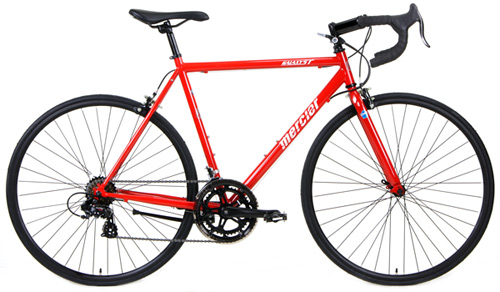
a red road bike
Road bike geometry positions you for aerodynamics, ideal for fast-paced rides

 Picture this. You’re coasting along a freshly paved road, wind in your face, tires humming a rhythm only cyclists know. The ride is smooth, efficient, and fast. Then, curiosity calls. A gravel trail veers off to your right. It winds through the trees, begging to be explored. But your narrow tires hesitate, whispering, “Not today.”

That moment — the decision between sticking to the road or venturing onto rugged terrain — marks the beginning of the story between the gravel bike and the road bike.

If you’ve ever stood at that fork, wondering which bike best fits your lifestyle, body, and ambitions, you’re not alone. As a passionate cyclist and a customer of Bikesdirect.com, I’ve lived this crossroads more than once.

Let’s dive into what setsthese bikes apart and which one is the right fit for your ride.

Understanding the Core Difference

At their core, bothroad bikes and gravel bikes are built for adventure, speed, and endurance, but they are designed with different terrains and riding experiences in mind. The key differences lie in their construction, intended use, and the way they interact with the world beneath their tires, which ultimately affects the performance and enjoyment each bike offers.

Road bikes are precision instruments crafted specifically for the smooth, paved roads that dominate much of cycling infrastructure. With lightweight frames, narrow tires, and an aerodynamic geometry, these bikes excel at high speeds on well-maintained surfaces. Their design emphasizes efficiency, allowing cyclists to achieve remarkable speed with minimal effort.

Riders benefit from a stiff structure that maximizes power transfer, making them ideal for both competitive racing and long-distance road rides. The sharp handling and quick response of road bikes contribute to a thrilling experience, but they can feel limiting if you veer off the beaten path.

In contrast, gravel bikes are the versatile explorers of the cycling world. They are designed to embrace a wide range of terrains, from well-packed dirt paths to rocky trails, providing a smooth transition across various surfaces.

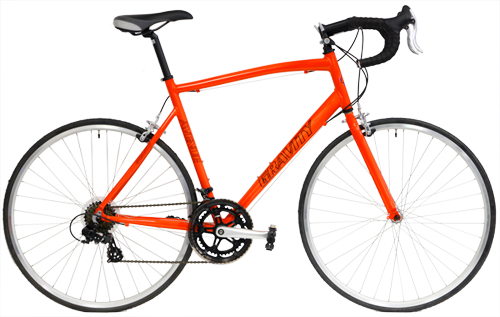
an orange road bike
Compare, choose, and conquer — find your perfect ride on Bikesdirect.com today.

Gravel bikes typically feature wider tires, a more relaxed geometry, and enhanced stability, which allow for greater comfort and control when navigating uneven ground. This adaptability lets riders break free from the confines of tarmac and explore new routes, discover hidden trails, or simply enjoy a leisurely ride through picturesque landscapes.

In summary, while both road bikes and gravel bikes foster a sense of adventure and endurance, their distinct designs cater to different cycling experiences. Choosing between them ultimately depends on where you intend to ride and the kind of journeys you wish to embark upon. Whether you prefer the speed of the road or the exploration of gravel, each offers unique opportunities for discovery and enjoyment on two wheels.

Terrain: Where Will You Ride Most?

When deciding on the right bike for your weekend rides, it’s essential to consider the terrain, as it serves as the foundation for your choice. If your adventures take you through smooth city streets, organized charity events, or challenging hill climbs on asphalt, a road bike is your gold standard for performance.

With its narrow tires designed for minimal rolling resistance, aggressive geometry prioritizing aerodynamics, and an ultra-lightweight frame crafted for speed, a road bike is engineered to help you achieve your best performance.

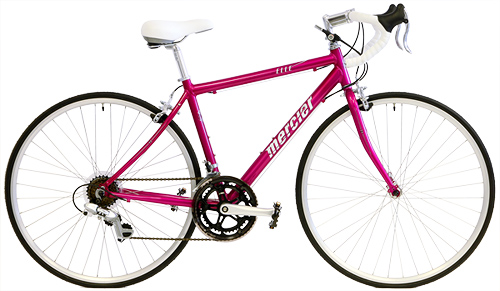
a pink road bike.
A sleek road bike built for speed and efficiency

Conversely, if your ideal ride involves navigating the unbeaten path — whether it’s exploring forest trails, tackling fire roads, or even joyfully traversing the occasional muddy detour — a gravel bike will serve as your dependable companion.

Built with wider tires for improved stability and traction, a relaxed geometry that provides comfort on longer rides, and increased clearance to accommodate a range of surfaces, a gravel bike can handle everything from crushed limestone to hard-packed dirt seamlessly and without compromise.

 In the end, understanding your preferred terrain will ultimately guide you in selecting the perfect bike that complements your riding style and ambitions, ensuring each ride is enjoyable and exhilarating.

Bikesdirect.com Recommendation for Road Enthusiasts:
 Windsor Wellington 3.0 Road Bike – An affordable yet performance-focused machine that makes every mile count.

Gravel Trail Hero from Bikesdirect.com:
 Motobecane Gravel X2 – Built for mixed terrain, it’s the perfect balance of adventure and comfort without breaking the bank.

Comfort: Geometry Matters More Than You Think

Geometry isn’t just for high school math class — in cycling, it’s the secret sauce to comfort.

Road bikes have a more aggressive geometry, positioning you lower for speed and aerodynamics. Great for short to medium rides when performance is the goal. However, this can be taxing on the lower back and wrists over long distances, especially for casual riders.

Gravel bikes, in contrast, offer a more upright position. The longer wheelbase and slacker head tube angle increase stability and reduce fatigue. It’s the kind of ride that invites you to go further, for longer — even if you’re not pushing your limits.

a gravel bike.
Gravel bikes handle unpaved paths with ease — perfect for riders who crave adventure.

I once took my gravel bike on a 70-mile mixed-surface ride through Colorado. The difference in posture and reduced fatigue over rough patches made it clear: for comfort over distance and variable terrain, gravel bikes win hands down.

Looking for comfort with a touch of city utility? Consider a Hybrid Bike from Bikesdirect.com. These are great for commuters who want the best of both road and trail capability.

Speed: The Road Bike’s Shining Moment

Let’s not sugarcoat it — road bikes are undeniably faster. Period. When it comes to performance on smooth pavement, they take the crown. Road bikes are engineered with a focus on being lightweight and aerodynamic, which translates to unparalleled speed. Their design optimizes efficiency; every component, from the frame to the gearing, works in harmony to minimize resistance and maximize propulsion. The slim tires not only cut through the air with minimal drag but also reduce rolling resistance, making each pedal stroke feel like you’re gliding forward effortlessly.

If you’re chasing those coveted KOMs (King of the Mountain) on Strava or gearing up for your first century ride, a road bike is undoubtedly your best ally. The thrill of flying down a long stretch of asphalt, feeling the wind against your face, is an experience that’s hard to replicate on any other type of bicycle.

On the other hand, gravel bikes, while certainly no slouches, are simply not built for the pure speed that road bikes offer. They often come with added weight and wider tires, which provide more traction and stability on unpaved surfaces but at the cost of outright velocity. Their relaxed geometry is designed for comfort over long distances and varied terrains, trading the high-speed capabilities of road bikes for a versatility that can’t be ignored.

That said, unless you’re in a competitive racing scenario where every second counts, the speed difference between road and gravel bikes may not outweigh the comfort and flexibility that gravel bikes provide. For many cyclists, particularly those who enjoy exploring a mix of terrains or prioritize comfort over cutthroat speed, a gravel bike can be an excellent choice. Ultimately, the right bike for you depends on your riding style, goals, and the types of terrains you wish to conquer.

Versatility: The Gravel Bike’s Superpower

Gravel bikes truly shine due to their remarkable adaptability, making them an excellent choice for a wide range of cycling experiences. Whether you’re looking to load up for an adventurous weekend bikepacking trip or simply need a reliable ride for daily commuting, gravel bikes are designed to meet those needs with ease. Most gravel bikes come equipped with mounting points for racks, fenders, and additional water bottle cages, allowing you to customize your setup for longer excursions.

Additionally, if you find yourself needing to tackle unpredictable weather conditions or navigate rough, unpaved surfaces, gravel bikes are equipped with specialized tires that offer enhanced traction and durability that traditional road bikes simply cannot match. This versatility allows riders to tackle varied terrains with confidence.

Many cycling enthusiasts have started to discover that gravel bikes can serve as the ideal “one bike to rule them all.” With a gravel bike, you can seamlessly transition from commuting during the week to enjoying off-road trails on the weekends, while still being able to participate in casual road group rides without missing a beat. This multifaceted utility makes gravel bikes particularly appealing to those who value efficiency and simplicity in their cycling gear.

For the cycling minimalist who desires a single, all-purpose bike, this flexibility is truly a dream come true. In essence, gravel bikes embody the spirit of exploration and versatility, allowing riders to take on different environments and experiences without the need for multiple specialized bicycles.

Bikesdirect.com’s Ultimate Gravel Pick for All-Road Riders:
 Gravity Liberty GRV – Lightweight, durable, and capable of both road and gravel adventures.

Budget: Getting the Most for Your Money

One of the standout features of shopping on Bikesdirect.com is the incredible value. Whether you’re just getting into cycling or looking to upgrade your ride, there’s something for every budget.

Entry-Level Road Bike:
 Mercier Galaxy AL – A budget-friendly speed machine that doesn’t skimp on quality.

Mid-Range Gravel Bike:
 Motobecane Gravel X1 – With disc brakes and wide tire clearance, it’s perfect for tackling real-world terrain.

High-End Road Bike:
 Windsor Knight SL Road Bike – A carbon-framed performance beast built for serious riders.

Top Gravel Adventure Option:
 Motobecane Night Train – Technically a fat bike, this one’s built to handle deep snow, loose gravel, and anything else nature throws your way. Think of it as a gravel bike on steroids.

Maintenance and Durability

Every bike needs love, but some demand more attention than others.

Road bikes, with their tighter tolerances and narrower tires, require more frequent tuning, especially if ridden hard. Potholes and rough patches can be harsh on their components.

Gravel bikes, built for abuse, are naturally tougher. Their beefier frames and components can shrug off wear and tear, and disc brakes (commonly found on gravel models) offer reliable stopping power in all conditions.

For riders who value reliability and lower maintenance, gravel bikes provide peace of mind — especially when venturing far from bike shops or civilization.

Gravel Bike vs Beach Cruiser: Apples and Oranges, or More Alike Than You Think?

You might not expect it, but there’s a touch of beach cruiser DNA in the relaxed ride of gravel bikes. Like cruisers, gravel bikes offer a smooth, upright ride and prioritize comfort. But unlike a beach cruiser, gravel bikes are built for endurance and exploration, not just boardwalk strolls.

If you’re someone who loves the laid-back feel of a beach cruiser but wants the option to explore off the beaten path, a gravel bike is a logical and exciting step forward.

The Final Verdict: Which One Is Right for You?

Ask yourself this important question: What kind of rider do I truly want to be? If your ideal ride revolves around speed, efficiency, and the thrill of covering asphalt miles, then the road bike remains the reigning champion of paved surfaces.

However, if you identify as a curious rider, someone who looks at an unpaved trail and thinks, “Why not explore this?” then the gravel bike is the perfect choice for you. It provides more than just a ride; it offers an exhilarating sense of freedom and adventure, allowing you to discover new paths and experience the great outdoors.

And if you’re not ready to commit either way? You’ll find solace in a versatile Hybrid Bike, which blends elements of both.

Ride It Your Way with Bikesdirect.com

Whether you’re all about conquering road climbs or diving into unpaved adventures, Bikesdirect.com has your perfect match — at a price that leaves room for your next trip, helmet, or gear upgrade.

From beginner bikes to carbon-framed champions, every model ships directly to your door, fully spec’d and ready for action.

So what are you waiting for? Choose your adventure. The road — or the trail — awaits.

Gravel Bike Showdown: Bikesdirect.com vs. In-Store Retailers – Who Offers the Best Deal?

a red gravel bike
Affordable Motobecane GravelX2 XTL: Great for new gravel riders seeking value without sacrificing quality.

Picture this: It’s a crisp morning, your tires crunching over gravel paths and winding country roads. The freedom and versatility of your gravel bike make every ride an adventure, blending the speed of road cycling with the toughness of off-road terrain. Gravel bikes have surged in popularity among cycling enthusiasts, offering unmatched versatility for riders who want to explore beyond pavement without sacrificing performance.

However, the booming gravel bike market has created a conundrum: Should you buy online directly from sites like Bikesdirect.com, where prices are often lower, or is it better to support your local bike shop and pay a premium for in-store service and experience? This detailed gravel bike price comparison will help you unpack the differences, from pricing and specs to long-term value and customer experience. By the end, you’ll be empowered to pick the perfect gravel bike and the right place to buy it.

What Is a Gravel Bike, and Why Are They So Popular?

Before diving into price and retailer comparisons, it’s helpful to understand what makes gravel bikes unique. Gravel bikes bridge the gap between road bikes, designed for smooth pavement and speed, and mountain bikes, built for rough trails and durability. They feature wider tires, relaxed geometry for comfort on longer rides, and components that balance efficiency with ruggedness.

For riders who want a bike that can handle a daily commute, weekend trail rides, or even multi-day adventures on mixed surfaces, a gravel or even a hybrid bike is a versatile choice. The ability to switch effortlessly between terrains without changing your setup is a game-changer.

Pricing Models: Bikesdirect.com vs. In-Store Retailers

One of the biggest factors in choosing where to buy your gravel bike is price. Bikesdirect.com employs a direct-to-consumer model, cutting out traditional retail overhead costs such as physical storefronts, multiple middlemen, and high-commission sales staff. This allows us to offer competitive pricing and value-packed bikes that often cost significantly less than those at local bike shops.

Take the entry-level Motobecane GravelX2 XTL, for example. Priced at just $549.95, it features a sturdy aluminum frame, Shimano 14-speed drivetrain, and reliable disc brakes—enough to satisfy beginners and budget-conscious riders. In contrast, an equivalent model from a popular in-store retailer, such as the Specialized Diverge E5, often lists for $1,299.99 or more. That’s more than double the price for very similar specs.

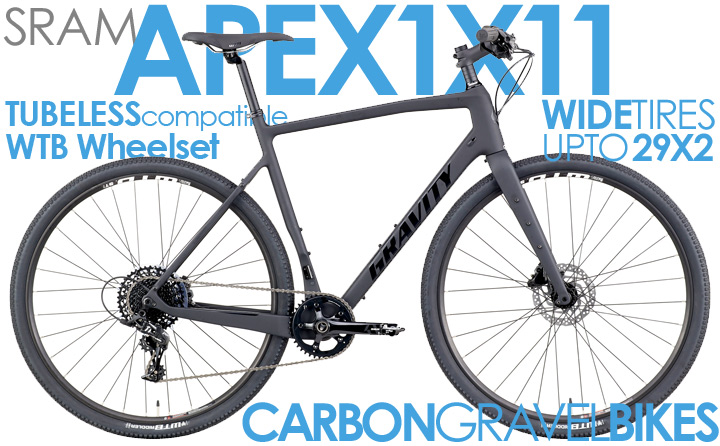
At the mid-range level, Bikesdirect.com’s Gravity Carbon Gravel CF Express offers a carbon frame, SRAM Apex 1×11 drivetrain, and hydraulic disc brakes at $1,199.95. A comparable model from a brick-and-mortar store, such as the Cannondale Topstone 4, can easily cost upwards of $1,375 or more.

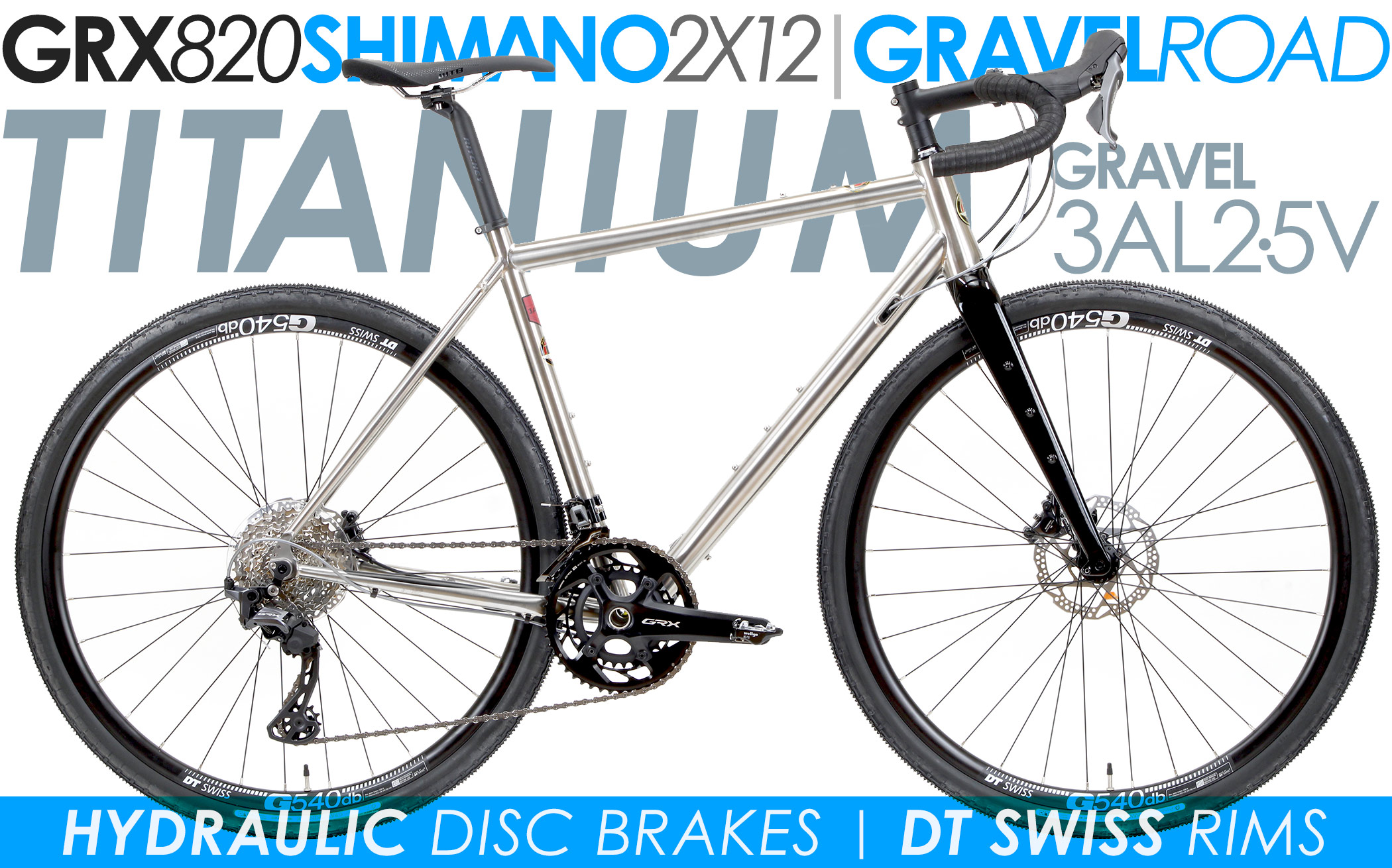
And when you look at high-end gravel bikes, the price gap widens further. Bikesdirect.com’s Motobecane Mulekick Ti PRO with a titanium frame and premium Shimano GRX 820 components is $2,999.95, whereas a comparable Trek Checkpoint SL 7 AXS Gen 3 can set you back $5,699 or more in-store.

This significant price disparity mainly stems from the online retailer’s lean operating model. Bikesdirect.com doesn’t pay for expensive retail space or in-person staff, savings that are passed directly on to the customer.

a grey gravel bike
Gravity Carbon Gravel CF Express: Mid-tier carbon frame gravel bike with hydraulic disc brakes.

Breaking Down Features: What Does Your Money Buy?

Price alone doesn’t tell the whole story. To understand value, you must examine the features and components of the bikes offered by both sources.

Frame Material is a major factor influencing price and ride quality. Entry-level gravel bikes typically use aluminum frames—light, durable, and affordable. Mid to high-end bikes often use carbon fiber or titanium, which reduces weight and improves ride comfort by dampening vibrations on rough terrain. Bikesdirect.com offers options across these materials, from the affordable Motobecane aluminum frames to the high-end titanium Mulekick Ti PRO.

Drivetrain systems influence shifting precision and maintenance. A 1x drivetrain, featuring a single chainring, is favored for gravel riding due to its simplified gear changes and reduced weight. Bikesdirect.com’s mid-range models tend to offer 1x drivetrains with quality SRAM or Shimano groupsets. Many in-store models offer 2x drivetrains, which provide a wider gear range but add complexity and weight.

Braking systems are critical for safety and control. Mechanical disc brakes, common in entry-level bikes, are reliable and easier to maintain. Hydraulic disc brakes provide superior stopping power and modulation, especially important on technical descents or in wet conditions. Bikesdirect.com’s mid to high-end gravel bikes come equipped with hydraulic brakes, matching or exceeding the specs of many in-store bikes.

Other features like tire clearance, frame geometry, and component brands can also vary but tend to be comparable between Bikesdirect.com’s offerings and similarly priced in-store bikes.

Long-Term Value: Maintenance and Durability

When considering price, factor in maintenance costs and durability. Bikesdirect.com sources components from reputable manufacturers, meaning their bikes hold up well and don’t require excessive upkeep. Additionally, many models offer straightforward assembly instructions and customer support to assist with maintenance.

a titanium gravel road bike
Motobecane Mulekick Ti PRO: High-end titanium gravel bike built for serious endurance and durability.

In contrast, in-store purchases often include perks like free tune-ups for a limited time, professional assembly, and personalized service. These benefits may justify the premium for some riders, particularly those who lack bike maintenance experience.

Warranty and Customer Support

Both Bikesdirect.com and in-store retailers offer warranties, but their approaches differ. Bikesdirect.com provides manufacturer warranties and online or phone support, while in-store retailers often offer direct, in-person assistance, including immediate exchanges or repairs.

If you value face-to-face support, an in-store purchase might be reassuring. But if you’re comfortable troubleshooting or working with online support, Bikesdirect.com’s warranties are competitive.

Buying Experience: Convenience vs. Interaction

The online buying experience with Bikesdirect.com is convenient, offering a vast selection available 24/7. Shipping is usually fast, and detailed specs and customer reviews help you make informed decisions. The downside is no test rides before purchase and the need to self-assemble or find local help.

In-store shopping offers tactile experience—test rides, expert advice, instant gratification—and the ability to ask questions. However, this comes at the cost of higher prices and limited inventory compared to the online marketplace.

Final Verdict: Which Side Wins the Gravel Bike Price Comparison?

Ultimately, the decision boils down to your priorities. If price and selection are paramount, Bikesdirect.com offers unbeatable value with quality bikes at every level. Their direct-to-consumer model delivers savings that add up, especially for budget-conscious or adventurous riders willing to manage assembly and tuning themselves.

By carefully evaluating your riding needs, budget, and comfort level with bike assembly and maintenance, you can choose the gravel bike and buying option that will deliver the best riding experience.

Ready to find your perfect gravel bike at the best price? Explore Bikesdirect.com today to discover unbeatable deals, quality components, and a wide selection of bikes including mountain bikes, beach cruisers, kids bikes, and more designed for every rider. Don’t miss out—start your gravel adventure now with savings that put you ahead of the pack!

Fat Bikes vs Mountain Bikes: Which Is Right for Your Ride Style?

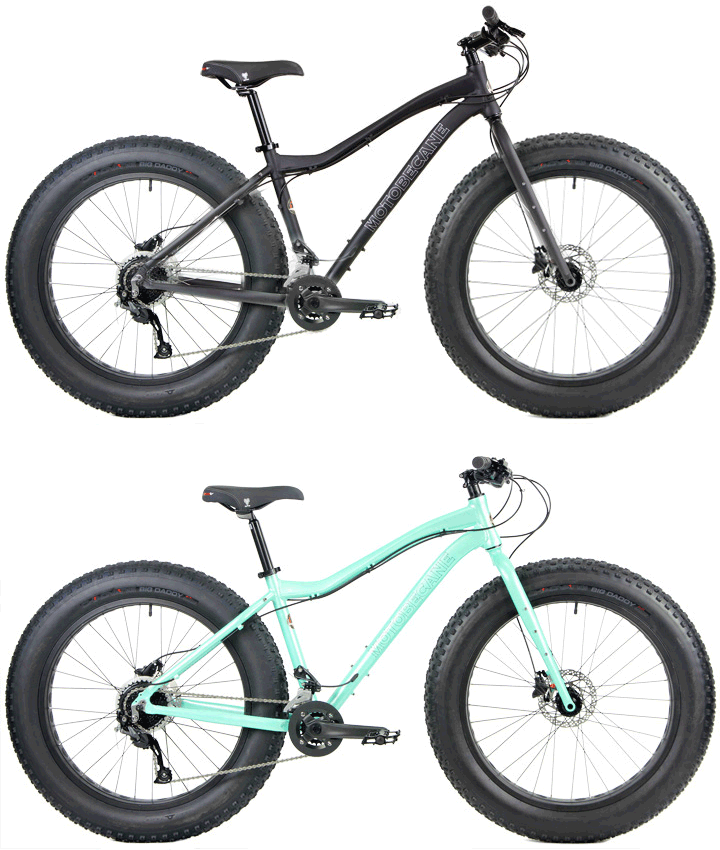
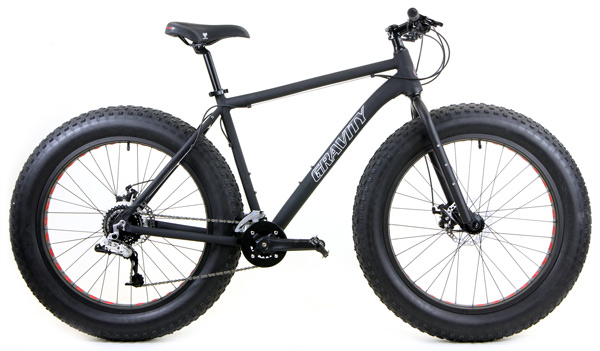
Fat bikes with oversized tires for off-road adventures from Bikesdirect.com
Discover our durable fat bikes designed for snow, sand, and rugged terrain — perfect for adventurous riders.

If you love the thrill of unpaved paths, rugged trails, and getting off the beaten track, chances are you’ve considered upgrading to a bike built for adventure. But when it comes to serious off-road riding, many cyclists find themselves torn between two powerful contenders: fat bikes and mountain bikes.

At Bikesdirect.com, we know that choosing the right bike can make or break your ride. Each style offers distinct advantages depending on where and how you like to ride. Whether you’re cruising over snow and sand or tackling rocky singletracks, we’re here to help you decide which bike is best suited to your terrain and riding goals.

In this guide, we’ll break down the differences between fat bikes and mountain bikes, highlight the pros and cons of each, and feature some of our favorite models—so you can ride with confidence, no matter the surface.

What Is a Fat Bike?

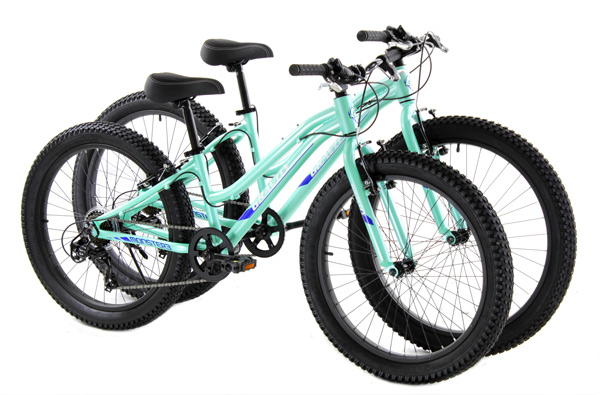
Gravity Monster3 kids' fat bike with 26x3 tires for trail riding
The Gravity Monster3 is a fun and sturdy fat bike built for young riders eager to tackle all terrains.

Fat bikes are designed to conquer the kind of terrain most bikes shy away from. With oversized tires (typically 3.8 inches wide or more), these bikes float over sand, snow, mud, and loose gravel with ease. The extra surface area creates more contact with the ground, delivering superior traction and stability in slippery or unstable conditions.

When to Choose a Fat Bike

If your riding routine includes snowy winter trails, sandy coastlines, or deep backcountry terrain, a fat bike could be your best friend. Their low tire pressure provides excellent shock absorption, which means a smoother, more stable ride even when the path is unpredictable.

Fat bikes aren’t just for extreme conditions—they’re also great for new riders who want extra control and cushioning without the complexity of suspension systems.

Recommended Models from Bikesdirect.com

What Is a Mountain Bike?

Mountain bikes are built for a wide range of off-road conditions, from forest paths and gravel roads to steep hills and rocky descents. These bikes usually feature suspension systems—either front suspension (hardtail) or both front and rear (full suspension)—to absorb impacts and maintain control over uneven surfaces.

Unlike fat bikes, mountain bikes come with narrower tires (usually 2–2.6 inches wide) that offer less rolling resistance, making them faster and more agile on dry, firm trails.

When to Choose a Mountain Bike

If you’re planning to tackle mountain trails, ride long-distance cross-country routes, or enjoy technical descents, a mountain bike is often the better fit. With its responsive handling, optimized gearing, and lighter build, it offers more efficiency and speed on standard off-road terrain.

While not as floaty as fat bikes on snow or sand, mountain bikes excel in versatility—ideal for both beginner trail riders and experienced adventurers who enjoy mixing up their riding environments.

Recommended Models from Bikesdirect.com

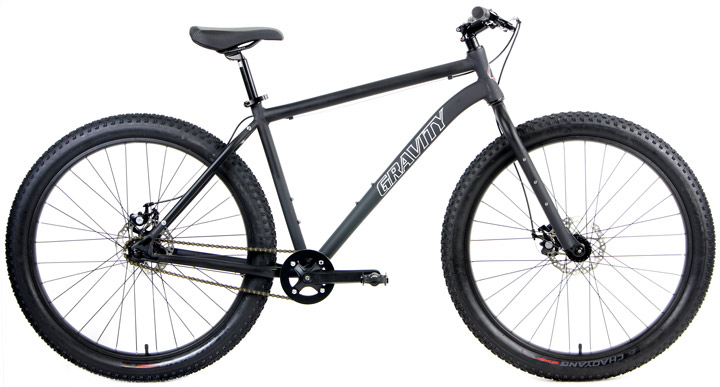
Gravity Deadeye mountain bike for versatile off-road use
Ride with confidence on the Gravity Deadeye 27.5+ Single Speed Mountain Bike. Engineered for comfort and control on any terrain.

Comparing Fat Bikes and Mountain Bikes

Choosing between a fat bike and a mountain bike depends largely on your riding environment, preferences, and performance expectations. Here’s a detailed breakdown to help you decide which one suits your style best.

1. Terrain Compatibility

  • Fat Bikes: Ideal for soft, loose, or slippery surfaces—think snow, sand, mud, or deep gravel. The ultra-wide tires provide flotation and grip where traditional tires would sink.
  • Mountain Bikes: Perfect for packed trails, rocky paths, forest roads, and technical descents. Suspension and geometry help navigate more varied terrain with agility and speed.

2. Ride Feel and Comfort

  • Fat Bikes: Known for a smooth, cushioned ride thanks to their large tires acting as natural suspension. This makes them excellent for casual adventure rides or beginners who prioritize comfort over speed.
  • Mountain Bikes: Offer more responsive handling and a firmer ride. Suspension systems absorb big hits, but the overall feel is more connected to the trail—great for those who crave performance.

3. Speed and Agility

  • Fat Bikes: Tend to be slower and heavier due to the added tire weight and rolling resistance. Great for stability, but not the best choice if speed is your top priority.
  • Mountain Bikes: Typically lighter and more aerodynamic. The narrower tires and tailored gearing allow for better acceleration and climbing ability.

4. Maintenance and Complexity

  • Fat Bikes: Generally simpler with fewer components to manage—many models are even single-speed. Fewer moving parts can mean lower maintenance in the long run.
  • Mountain Bikes: Often feature complex drivetrains, suspension forks, and hydraulic brakes. These boost performance but require more regular tuning.

5. Year-Round Use

  • Fat Bikes: Shine in winter or extreme weather conditions where most bikes struggle. They’re an all-season option for riders who won’t let weather stop them.
  • Mountain Bikes: Best in dry to moderately wet conditions. While capable in light snow or mud, they don’t match the versatility of fat bikes in extreme environments.

Which One Is Right for You?

Gravity Bullseye Monster fat bike featuring massive 5-inch tires for extreme terrain
Conquer the wildest trails with the Gravity Bullseye Monster, boasting massive 5-inch fat tires for ultimate traction.

Choosing between a fat bike and a mountain bike comes down to your priorities: the type of terrain you ride, your fitness goals, and the kind of adventure you’re seeking.

Go with a Fat Bike if…

  • You regularly ride on soft, unstable surfaces like sand, snow, or mud.
  • Comfort and stability are more important than speed or technical handling.
  • You want a simple, rugged bike for year-round use.
  • You’re new to off-road cycling and prefer a forgiving, confidence-boosting ride.

Check out our complete collection of fat bikes for models built to tackle the most demanding conditions.

Choose a Mountain Bike if…

  • You ride more technical trails, rocky climbs, or fast descents.
  • Agility, speed, and suspension performance matter most to you.
  • You want a bike that’s lighter and more nimble for day-to-day trail riding.
  • You like tuning and upgrading your components for maximum performance.

Explore our rugged Deadeye 27+ Single-Speed Mountain Bike for a no-nonsense, trail-taming experience with oversized 27.5+ tires and a clean, minimalist design.

Find Your Perfect Ride with Bikesdirect.com

Whether you’re drawn to the rugged stability of fat bikes or the nimble precision of mountain bikes, choosing the right bike for your ride style is essential for enjoying every mile on the trail. At Bikesdirect.com, we’re proud to offer a diverse range of fat and mountain bikes that cater to every rider’s needs, from casual adventurers to hardcore trailblazers.

Our expert team is here to help you find the perfect match, with detailed specs, honest reviews, and unbeatable direct-to-consumer prices. Plus, with our convenient shipping options and support for assembly, you can get on the trail faster and with confidence.

Ready to explore our full collection and gear up for your next adventure? Visit Bikesdirect.com to find your ideal ride today.

Adventure awaits — let’s ride!

Hybrid vs Mountain Bike: Which Is Better for Fitness and Adventure?

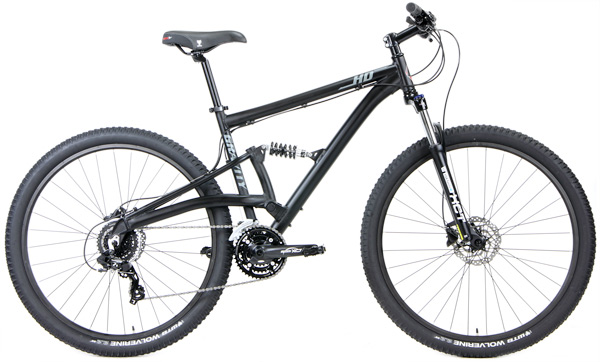
a full suspension mountain bike
Mountain bikes give you the confidence to explore even the toughest trails

It was a crisp Saturday morning in early spring. I hadn’t ridden in years, but something about the open trail calling me back to two wheels felt electric. I dusted off my old ride and set out — first through the park, then onto a winding dirt path.

By mile five, I was hooked again. But not long after that, the narrow tires skidded out on loose gravel. It was the kind of moment that makes you realize the importance of riding the right bike for the right purpose.

Whether you’re getting back into shape, exploring new trails, or commuting across town, choosing between a hybrid bike and a mountain bike can dramatically impact your experience. Fitness, adventure, comfort — each category has its strengths. Fortunately, Bikesdirect.com offers outstanding options for both.

So, how do you decide between the two? Let’s break it down from the perspective of performance, comfort, terrain, and your personal goals.

What Is a Hybrid Bike, Really?

A hybrid bike combines features from both road and mountain bikes, making it a versatile option for various types of cycling. This design typically offers a comfortable upright riding position that is easier on the back and neck compared to the more aggressive posture of traditional road bikes.

The gearing on hybrid bikes is moderate, allowing for smooth transitions on different terrains, while the tires are wider than those found on road bikes but narrower than mountain bike tires. This unique combination gives the hybrid bike its all-around capabilities, making it suitable for a variety of riding conditions.

Think of a hybrid bike as a do-it-all machine: it excels on smooth pavement, performs decently on unpaved trails, and is perfect for casual riders who may also want to venture into parks or light off-road paths. Unlike specialized road or mountain bikes, the hybrid is built for versatility, striking a balance between speed and stability without overwhelming the rider with complex features.

This type of bike is especially ideal if you’re commuting during the week and prefer a reliable and comfortable ride to navigate city streets. On weekends, it can serve you well for fitness rides, allowing you to get the exercise you need while enjoying the outdoors. Additionally, if you enjoy exploring light trails or parks, a hybrid bike can handle those environments without issue.

While it won’t perform like a mountain bike on rugged terrain—climbing rocks or leaping over logs—it stands out as one of the most practical choices for general riders who seek an adaptable bicycle for both urban commuting and leisurely weekend adventures. Overall, a hybrid bike is an excellent investment for those who value comfort, practicality, and the ability to ride in various conditions.

What Defines a Mountain Bike?

A mountain bike is a rugged, trail-tackling beast designed for those who crave adventure in the great outdoors. These bikes are built with advanced suspension systems, which can be either front suspension or full suspension, allowing for a smoother ride over uneven terrain.

Additionally, they are equipped with powerful disc brakes that provide excellent stopping power, essential for navigating steep descents and technical trails. The wide, knobby tires enhance grip and stability, ensuring that riders can conquer rocky paths, root-riddled singletrack, and sharp descents with confidence and control.

a black mountain bike
Tackle roots, rocks, and rugged trails with a hard-hitting mountain bike.

The geometry of a mountain bike is meticulously designed to optimize performance when traversing challenging landscapes. Riders benefit from a more aggressive riding position, which improves balance and maneuverability in rough conditions. Whether you’re tackling steep climbs or navigating through tightly woven trails, a mountain bike is engineered to handle various obstacles with ease.

However, this rugged durability does come with certain tradeoffs. Compared to a hybrid bike, mountain bikes tend to be heavier, which can be a drawback when agility and speed are paramount on paved surfaces.

The robust construction and specialized components mean that mountain bikes may not be the most efficient choice for longer rides on smooth roads or commutes through urban areas. For riders whose adventures rarely extend beyond city limits or local greenways, investing in a mountain bike could be overkill.

Ultimately, the decision to ride a mountain bike should be based on your specific needs and intended usage. If you frequently venture into varied terrains and seek thrilling experiences on rugged trails, a mountain bike is undoubtedly a fantastic choice. For those who primarily ride on paved pathways or urban environments, a hybrid or road bike might be more suitable.

a white hybrid bike
A hybrid bike offers the perfect blend of comfort and efficiency for everyday fitness rides

Fitness Rides: Which Bike Works Best?

If your primary goal is improving your fitness, the terrain you ride on is key. Are you planning long rides through suburban neighborhoods or on bike paths? A hybrid bike is a strong contender. The more efficient tires and lighter frame help you cover more distance with less effort — ideal for cardio workouts and consistent fitness goals.

On the other hand, if your version of “working out” involves powering up steep hills, navigating switchbacks, or training with full-body engagement, a mountain bike delivers an intense, sweat-drenched experience. You’ll burn more calories per mile, engage different muscle groups, and push your limits with every twist of the trail.

Personally, I’ve ridden both to get in shape, and while I love the technical challenges of mountain biking, it’s the hybrid bike that kept me consistent during the week. It became my go-to for early morning rides and afternoon errands — turning every trip into a chance to move more.

Adventure Riding: Where Do You Want to Go?

Let’s talk adventure — because that’s the soul of cycling. If your idea of adventure includes discovering forest trails, climbing mountain paths, or taking on backcountry roads, a mountain bike is essential. It offers the control, shock absorption, and traction you need to handle unpredictable terrain.

That said, adventure doesn’t always have to mean wild trails. Exploring a long scenic byway, navigating through a national park’s paved and gravel roads, or enjoying a weekend ride through hills and farms can be equally rewarding — and for those trips, a hybrid bike excels. It handles varied surfaces better than a road bike, while still being smooth and speedy enough for longer distances.

the X-Rod hybrid bike
For those who want versatility and performance, a hybrid bike is the clear winner.

For those craving even more off-road flexibility, check out the Gravel Bike category. It’s like a more adventurous cousin to the hybrid — equally at home on dirt and asphalt, with drop bars and bigger tire clearance.

Comfort and Control

When it comes to comfort, both hybrid bikes and mountain bikes offer unique benefits that cater to different types of riders.

A hybrid bike is designed to provide a more upright riding position, which significantly reduces strain on your neck, back, and wrists. This ergonomic design makes it an excellent choice for casual riders and those who prioritize comfort. Many hybrid bikes come equipped with front suspension forks, which help to absorb shocks from uneven surfaces and enhance the overall riding experience. Additionally, cushioned saddles are a common feature, providing extra comfort during longer rides, making them particularly popular among commuters and recreational cyclists. The main focus of a hybrid bike is on enjoyment; it caters to those who are riding primarily for pleasure or fitness rather than for high-performance goals.

On the other hand, mountain bikes, while they may appear more aggressive with their rugged designs, also offer their own form of comfort. The geometry of mountain bikes is specifically engineered to keep riders centered and stable, especially during steep descents or when navigating over challenging obstacles like tree roots and rocks.

The wide handlebars provide excellent control, allowing for precise maneuvering, while the robust suspension systems are specifically designed to absorb big hits and rough terrain effectively, offering a smooth ride even on the bumpiest trails.

If you’re new to cycling or if your primary goal is to ride for fun and exercise on paved paths or light trails, the comfort-oriented design of a hybrid bike might be exactly what you need. However, if you thrive on the challenge of overcoming difficult terrains and enjoy the thrill of adrenaline, a mountain bike can give you the control and confidence to tackle those obstacles. Each bike type has its merits, ensuring that riders can find the perfect fit for their preferences and riding style.

Durability and Maintenance

Mountain bikes are built tough, and for very good reason. They are designed to handle various challenging terrains, from rough paths to unexpected obstacles, enabling riders to power through mud and rocky terrain without hesitation. The sturdy frames, robust tires, and resilient drivetrains of mountain bikes are specifically engineered to endure the rigors of rugged use, making them generally more durable compared to other bike types. This durability allows mountain bikers to tackle extreme trails with confidence.

However, it’s important to note that this ruggedness often comes with a trade-off: more frequent maintenance is required to keep the bike in peak condition. The mud, water, and overall abuse from challenging trails can lead to quicker wear and tear on components. Key parts, such as the suspension, require periodic servicing to ensure optimal performance, while the drivetrain can accumulate dirt and grime rapidly, necessitating regular cleaning and maintenance.

On the other hand, hybrid bikes—which are primarily used for riding on pavement or well-maintained trails—tend to remain cleaner and wear down more slowly over time. This makes them easier to maintain and generally less expensive to repair.

For those who are short on time or prefer a lower-maintenance biking experience, choosing a hybrid bike might be the ideal solution. Especially for individuals who plan to ride daily, a hybrid can provide a hassle-free experience and allow for more riding and less time spent on upkeep. In summary, considering your riding habits and maintenance preferences is key when choosing the right bike for your needs.

Hybrid Bike vs Beach Cruiser: A Surprising Comparison

People often confuse hybrid bikes with beach cruisers, but while they share a relaxed and comfortable feel, that’s where the similarities largely end. A beach cruiser is specifically designed for slow, leisurely rides on boardwalks or coastal paths. These bikes typically feature wide, comfortable seats and curved handlebars that provide an upright riding position.

Some models even come with just a single speed, which makes them perfect for casual riding on flat terrain. They excel in providing a laid-back cycling experience, ideal for people who enjoy leisurely rides along scenic routes but are not particularly focused on fitness or tackling varied terrains.

In contrast, a hybrid bike is far more versatile and capable. It is engineered to handle a range of conditions, making it suitable for cycling enthusiasts who enjoy a variety of environments. Whether you’re climbing hills, embarking on long-distance rides, or navigating gravel paths or grassy terrain, a hybrid bike is built to perform admirably. It combines elements of both road bikes and mountain bikes, offering various gear options to tackle different challenges while still maintaining a comfortable ride quality.

If you’re in the market for a bicycle and are looking for a balance between form, style, and function, a hybrid bike stands out as the better investment. Its versatility allows riders to explore diverse landscapes and engage in fitness activities, making it a practical choice for those who want to enjoy cycling beyond just casual rides. Thus, understanding the distinctions between these two bike types is essential for making an informed decision based on your cycling needs.

Making the Right Choice for You

So — hybrid bike or mountain bike? The answer depends on how you ride.

If your goals are fitness, comfort, commuting, and the occasional off-road path, a hybrid bike will become your trusted partner. It’s versatile, efficient, and easy to maintain.

If your soul yearns for dirt, climbs, and adrenaline-filled descents, then a mountain bike is your ticket to adventure. The control, rugged build, and trail capabilities are unmatched.

Still not sure? Ask yourself: Where do I want to ride tomorrow? Your answer will lead the way.

Whether you’re team hybrid or team mountain, Bikesdirect.com has incredible deals and a wide range of bikes to match your lifestyle and budget. Get fit, explore more, and ride with confidence.