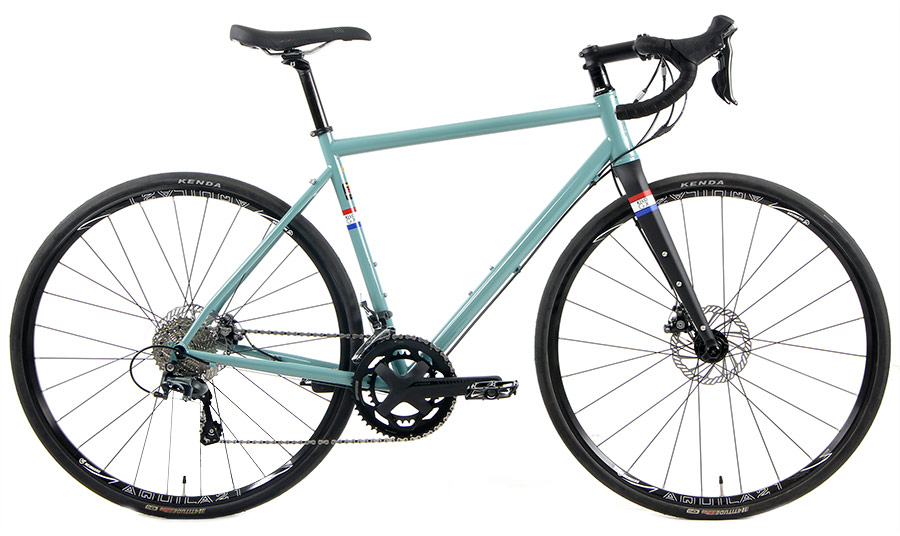
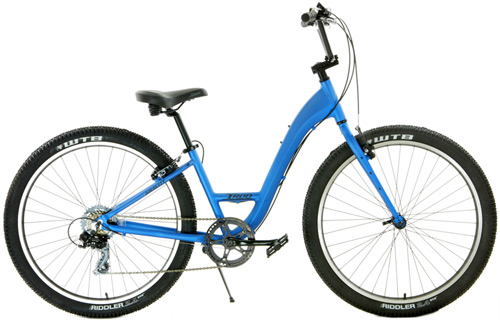
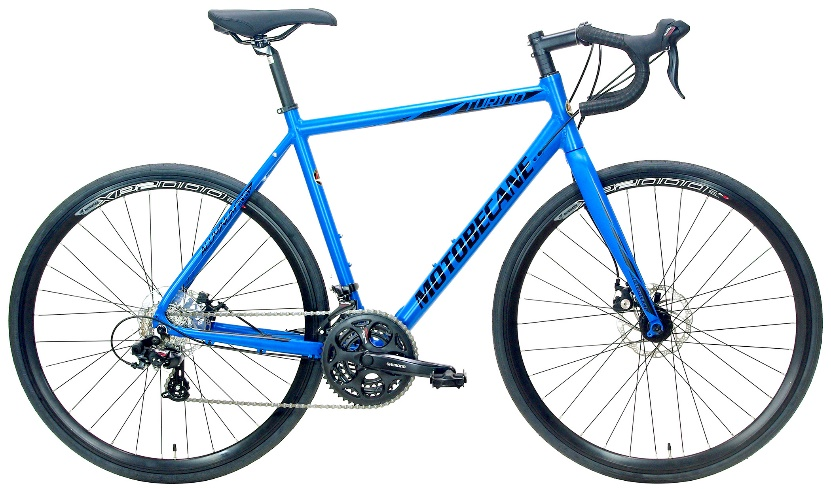
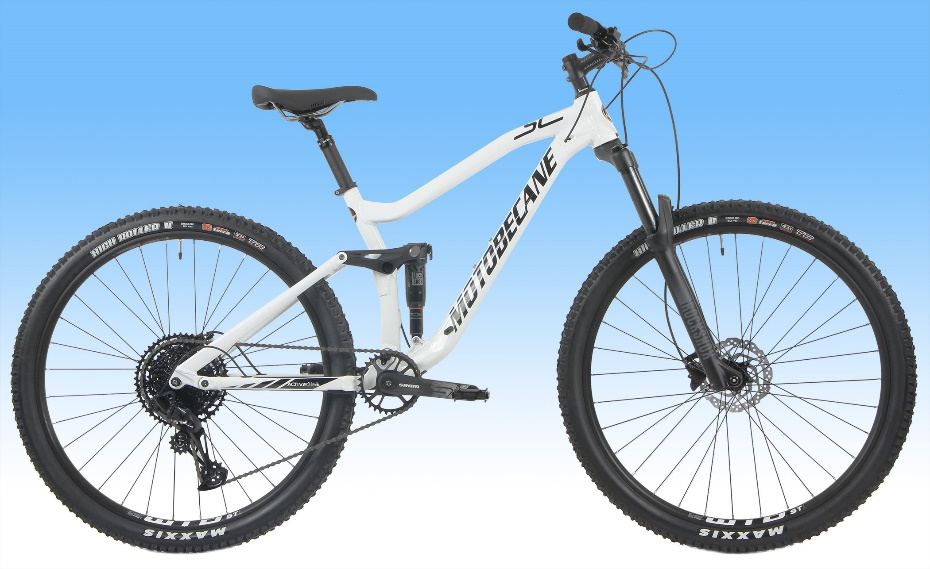
“Future bicycle technology” often sounds abstract—AI this, IoT that. The most useful way to understand where hybrid bikes are headed is to ride it today. So we’re treating three smart, urban-focused e-bikes as living previews of the next five years and comparing them like products you can buy right now. You’ll see how connectivity, assist intelligence, safety systems, and serviceability translate into daily gains for commuting, errands, and weekend explorations—and what to expect in future bicycle technology.
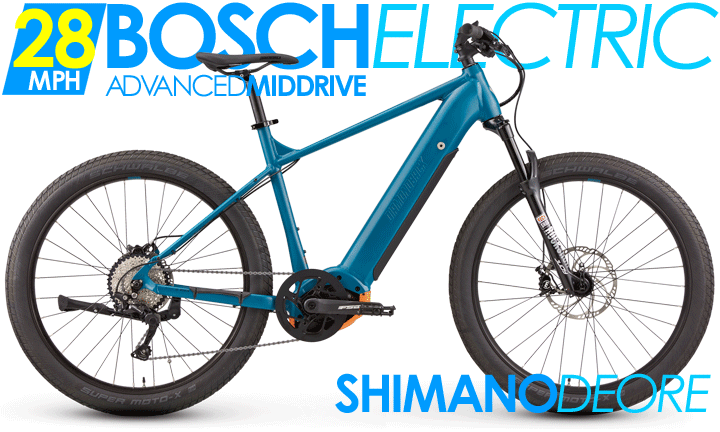
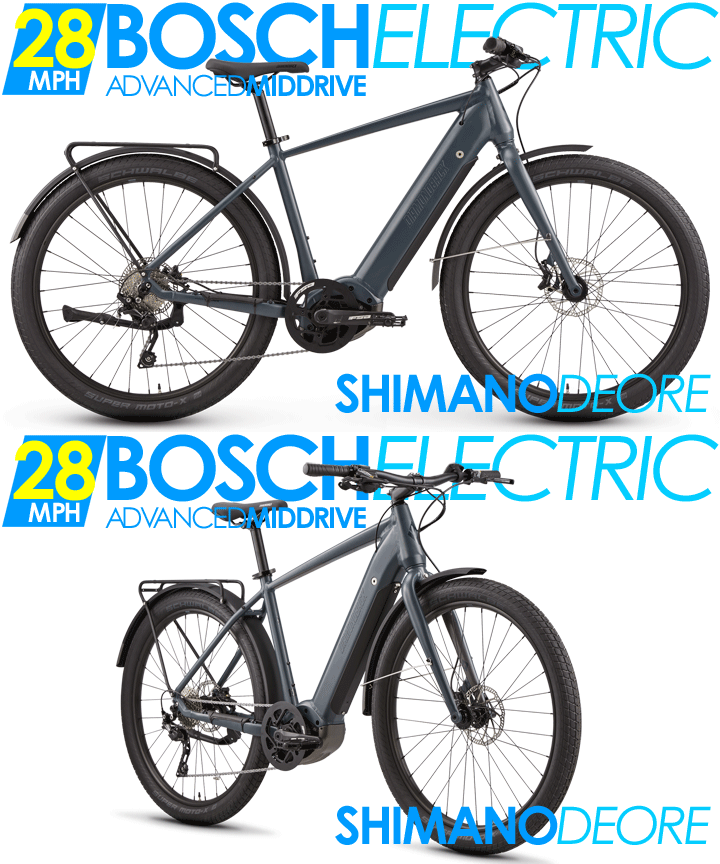
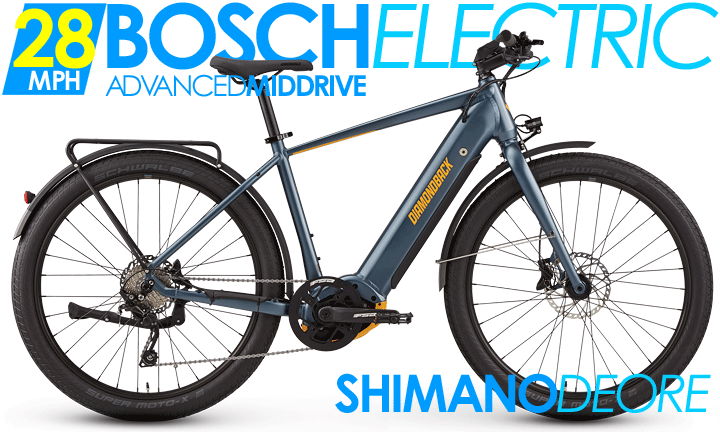
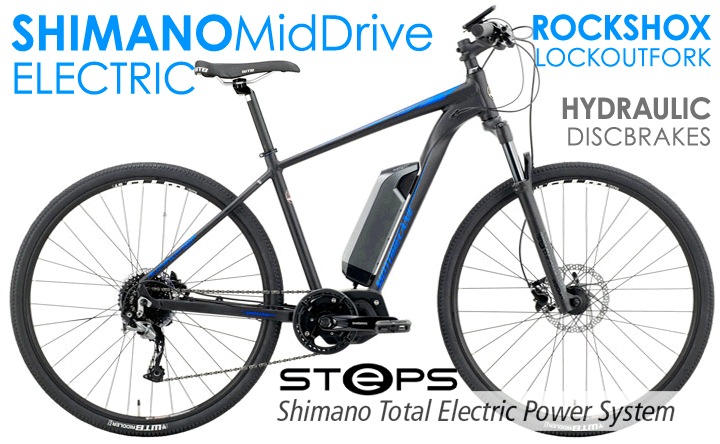
Our three reference points are the Diamondback Union 2, the Diamondback Union 1, and the Diamondback Response—three flavors of modern e-commuters that already embed the trends reshaping the category. Explore them here:Union 2,Union 1, andResponse.
Assist intelligence: from “power on” to ride-aware support
The biggest shift in e-bike feel is how the motor chooses to help. Early systems were binary: tap the button, get a surge. Modern torque-sensing units read your pedal force dozens of times per second and blend in power so you still feel like you. On a route with rolling grades and traffic cues, that nuance is everything. The Union 2 and Union 1 focus on that calm, predictable ramp—no lurch off the line, no empty lag when you need to thread a gap. The Response takes the same principle into rougher, mixed-surface use, where seamless assist keeps your weight balanced over uneven patches rather than pitching you forward.
This ride-aware support is the foundation for the next wave—AI-assisted profiles that learn your habits. In the near term, expect “adaptive eco” modes that quietly stretch range on tailwinds or dial up support when you consistently arrive late to a meeting on Tuesdays. The hardware in these Diamondback platforms is already tuned for smooth blending; firmware is where future wins stack up.
Connectivity: batteries, diagnostics, and anti-theft that actually help
Connectivity has matured from novelty apps to useful tools. The obvious win is range confidence—knowing, not guessing, you’ll make it home. Union-series connectivity focuses on simple status you’ll check routinely: charge state, estimated range based on recent riding, and service reminders. The next step—already trickling into premium lines—is over-the-air updates for motor tuning and battery management. That will feel like your phone’s OS update, but with tangible ride effects: a smoother torque curve, smarter regen on long descents, or quicker wake-from-sleep at lights.
Anti-theft is growing up, too. Expect tighter integration with location services and tamper alerts that matter in busy bike racks. We’re already seeing “movement detected” pings and lockout features that render the assist unusable if a bike is powered without the owner’s credential. The Union and Response frameworks are designed to accept those integrations as the ecosystem standardizes.
Progress in safety is incremental but compounding. Integrated lighting is moving toward automotive-style beam shaping: cutoffs that light the road without dazzling, and day-flash patterns that stand out against urban clutter. The Union models are lighting-ready by design; riders typically mount a compact, road-legit headlight and a high-placement rear. Over the next five years, expect DIN-style standards for brightness and patterns to spread from Europe, making “good” lights more consistent across brands.
Braking is already “the new normal”: hydraulic discs with consistent lever feel in rain and better pad compounds for longevity. The Response’s spec leans into that for mixed surfaces, where tire grip can vary by the meter. Combine predictable braking with bigger urban tires at honest pressures and you get the magic safety cocktail: shorter stops, straighter lines, and calmer hands.
Batteries: chemistry, longevity, and smart charging
Battery gains are less about headline capacity and more about usable cycles and smarter management. The near-term future is improved cell chemistry paired with BMS logic that reduces stress: charging that slows at high percentages, storage modes that preserve health when you travel, and temperature-aware safeguards. For riders, this translates into multi-year reliability and fewer range surprises in winter. The Union 2 and Union 1 emphasize easy, routine charging workflows; the Response’s mixed-surface intent benefits from the same predictability when you stretch routes off pavement.
We expect “fleet thinking” to filter down—analytics that show you which assist modes, speeds, and stop patterns age your pack faster, then suggest tweaks. The hardware is there; software will surface those insights in plain language.
Drivetrains and maintenance: toward cleaner, quieter, easier
Another future-ready shift is the move from oily chains to belt drives and sealed gear hubs on more urban bikes. That change reduces weekly fuss, keeps pant legs clean, and pairs perfectly with e-assist torque. While our three Diamondback references use conventional drivetrains, the chassis decisions—frame stiffness, dropout design, hub spacing—are increasingly made with future upgradability in mind. Expect more commuter lines to add belt-ready frames, even when they ship with chains for price accessibility.
Digital maintenance is the wildcard. We’re already seeing simple service logs in companion apps. The next evolution is guided troubleshooting: “That click is likely pad rub; loosen caliper bolts, squeeze lever, retighten to X Nm.” For riders without a home workshop, that’s time back every month.
Frames, materials, and integration: lighter without fragility
Weight reductions will be real but modest; urban e-bikes prioritize durability. The bigger gains are where grams disappear—rotational mass and accessory sprawl. Expect slimmer, stiffer wheel builds and cleaner cable paths, with mounts that disappear when unused but accept racks, child seats, and fenders without creaks. Union-series frames already take this seriously: plenty of mounts, tidy routing, and geometry that stays predictable when you add cargo. The Response extends that thinking to harsher terrain, where a quiet bike becomes a safe bike because you can hear the city around you.
Which future fits which rider today?
Choose the Diamondback Union 2 if you want the most refined road-mannered assist and an urban package that feels “finished” now, with clear upgrade paths for lighting and software features as they arrive. Choose the Union 1 if your routes are shorter or flatter and you want the same predictability at a friendlier price; you still get the smooth torque-sensing ride and the daily-driver calm that makes e-commuting stick. Choose the Response if your city miles include rough connectors, canal paths, or steep cut-throughs; its stance and component picks are built for surfaces that change under you while the motor keeps your rhythm even.
How we expect the next five years to play out
Assist gets more adaptive. The bike learns your week and quietly optimizes support to hit your arrival times with comfortable battery margin.
Connectivity gets more useful. Over-the-air tweaks become routine; anti-theft blends alerts with genuine immobilization.
Safety becomes standardized. Headlight cutoffs and day-flash norms make visibility less of a lottery; wet-brake performance converges upward.
Maintenance gets guided. Apps turn anxious noises into simple, confidence-building fixes—or tell you exactly what to ask a mechanic.
Urban spec shifts cleaner. Belts and hubs move downmarket; mounts and racks integrate better; tires get wider by default because comfort is control.
The future should feel calmer, not just faster
Good tech fades into the background and delivers reliable, predictable rides. That’s the through-line across Union 2, Union 1, and Response: smooth assist that respects your inputs, components chosen for real city surfaces, and frames prepared for accessories you’ll actually use. If you want help deciding which setup matches your streets, hills, and weekly range, we’ll map your routes to the right spec today and keep an eye on the upgrades that matter tomorrow. Tell us how you ride and what must never go wrong—launches at busy lights, rainy descents, late-evening returns—and we’ll build a shortlist that’s future-ready without future-shock. To compare sizes, features, and pricing side-by-side,contact our team and we’ll configure a hybrid bike or gravel bike that feels like tomorrow while solving your commute today.
On a sunny Saturday morning not too long ago, I walked past a row of shiny bicycles outside a big box retailer. A bright tag on a simple, entry-level model read $649.99. The bike looked decent from a distance, but the closer I got, the more corners I could see had been cut. Basic rim brakes, heavy steel frame, and a drivetrain better suited for a garage sale than daily riding.
Right next to it, a customer was asking a store associate if they could help choose a size. After a long pause, the reply was: “I’m not really sure. I just work with electronics.”
For many riders, that’s the experience when shopping in traditional stores. What looks affordable at first often comes with compromises on durability, performance, and long-term value.
The Big Difference: Direct Pricing vs Retail Markups
When buying a hybrid bike, most shoppers want the same thing: something comfortable, reliable, and versatile enough for fitness rides, commuting, and weekend adventures.
The challenge is that brick-and-mortar retail stores add layers of markup long before the bike hits the sales floor. Those extra costs aren’t about performance — they’re about overhead.
Bikesdirect removes that overhead by selling directly to riders. The result is a surprising contrast:
A $550 hybrid from a big box store might include low-end parts and heavy frames, while a Bikesdirect hybrid at the same price point often includes:
Lightweight aluminum frames
Disc brakes (including hydraulic options)
Better gearing for hills
Name-brand tires and components
Riders get more value per dollar because the budget goes into performance, not display lighting or floor space.
Example Models That Show the Value
To understand the real differences, look at the bikes themselves.
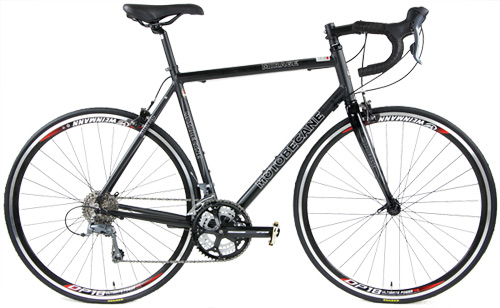
A model like the Motobecane Mirage sells in big box retail at an entry-level price, but a performance upgrade from Bikesdirect with disc brakes is often available for less.
Take the Swift Flatbar series, a popular commuter favorite with tuned geometry and quality drivetrain. On shelves elsewhere, bikes with similar parts regularly retail at $700–$900.
But the Swift DLX comes in under $600 and includes features most big box hybrids never touch.
The difference shows up during the first mile: smooth shifting, better power transfer, more confidence downhill.
Frame Quality Is the Real Secret
A hybrid can look basic at first glance, but the frame tells the truth. Cheaper retail-store bikes often rely on heavy hi-ten steel. It may be affordable, but riders notice the weight quickly, especially if they climb hills or lift the bike onto a rack.
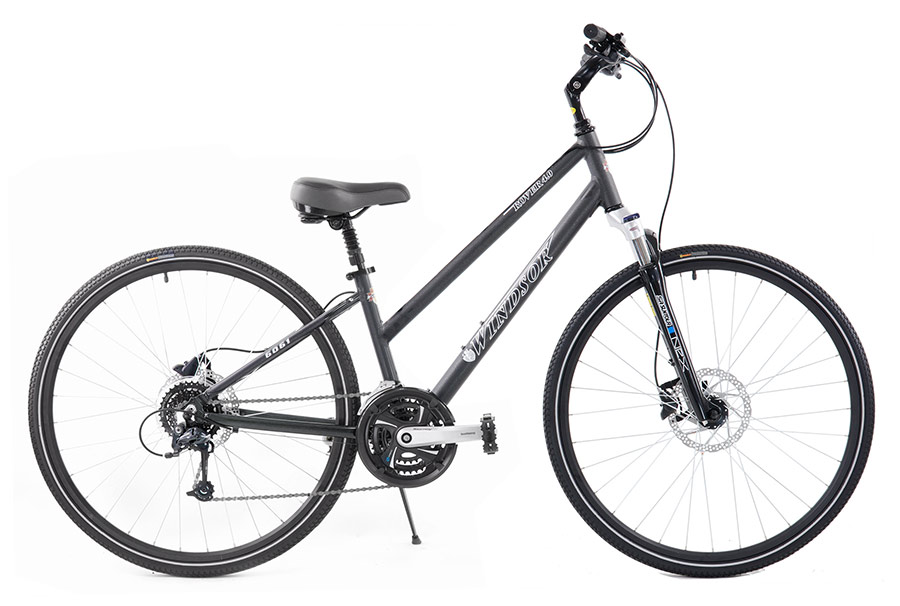
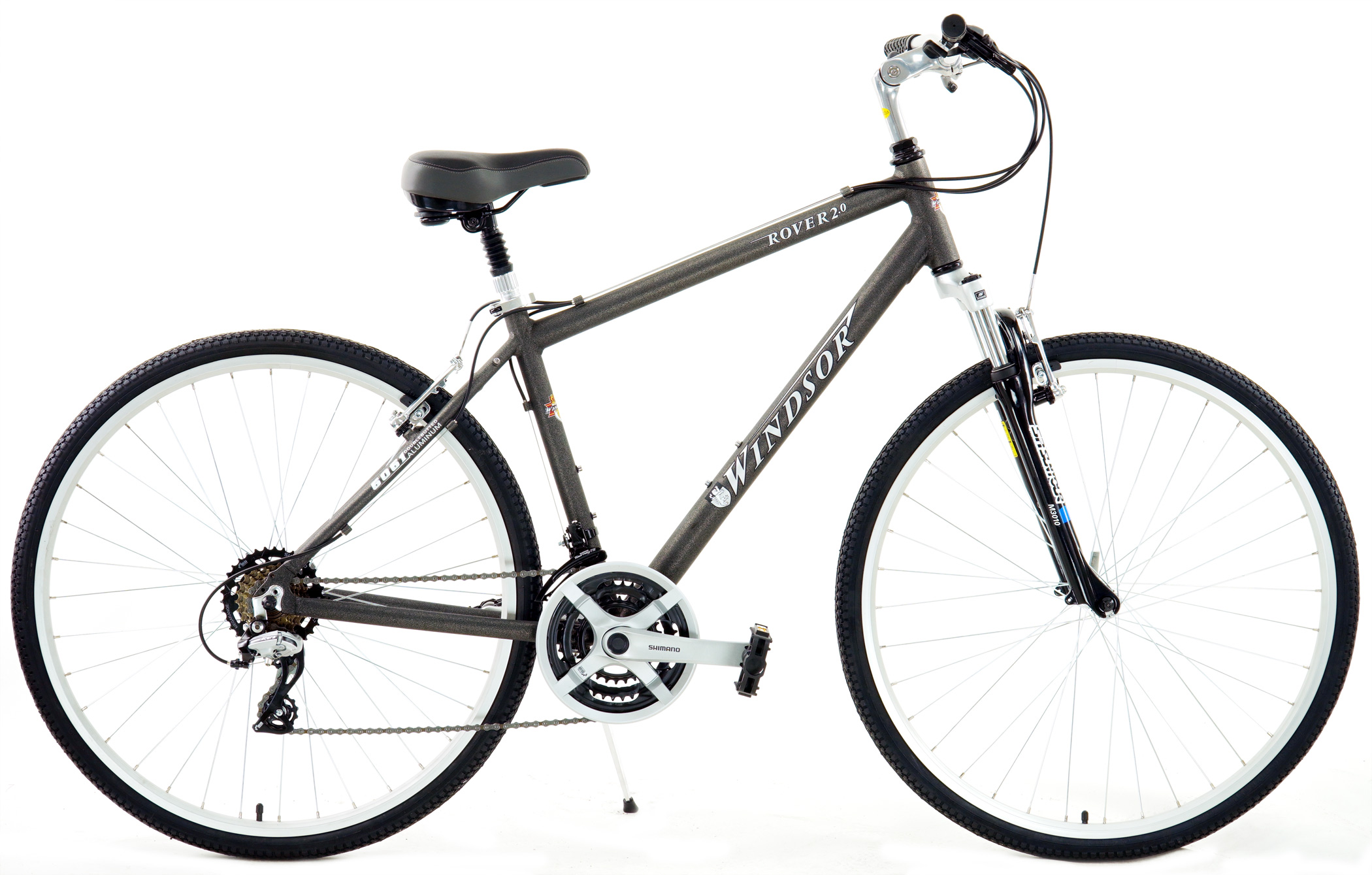
Bikesdirect hybrid models usually use lighter aluminum, including high-end tubesets found on performance platforms. The Windsor Rover, for example, brings comfort-first geometry with modern brake upgrades.
Every one of these models reflects the concept behind a hybrid bike: efficiency on pavement, comfort on paths, and room for accessories.
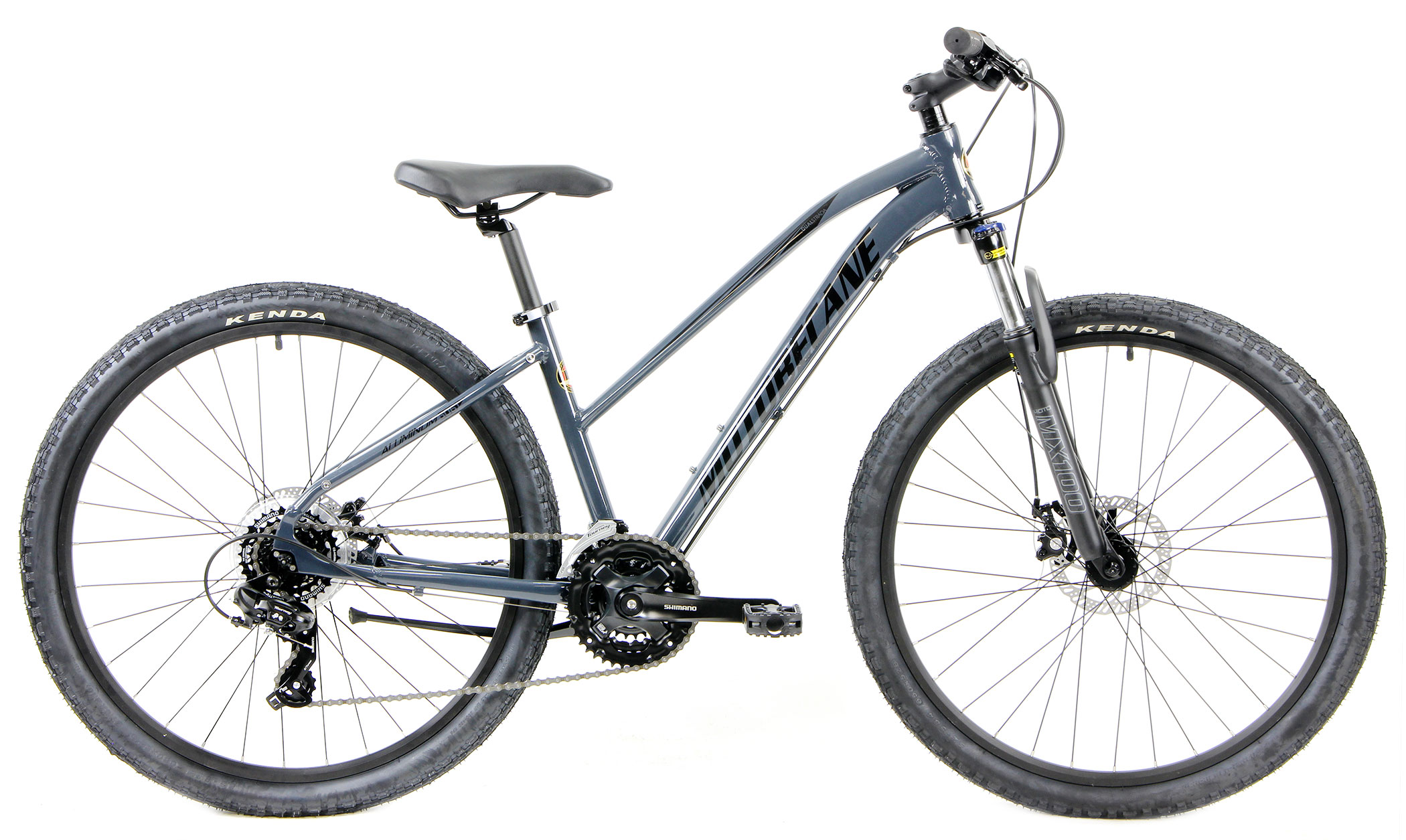
The Dual Strada ST proves that a step-through frame doesn’t mean compromised performance — it simply makes riding more inviting.
Component Choices That Matter Over Time
The heart of this hybrid bike price comparison is component longevity.
Once riders start using their bikes regularly, cheap parts wear quickly. Brake levers get sticky, cables stretch, and gears click under load. Upgrades become expensive.
Many Bikesdirect hybrids come with:
Shimano drivetrains
True alloy rims
Double-wall wheelsets
Disc brakes on most builds
A model like the Dual Strada Comp even offers hydraulic disc brakes — something you almost never find under $600 at physical retail.
Hydraulic performance transforms daily riding: effortless stopping in rain, smooth modulation on descents, and minimal hand fatigue.
More Versatility for Real Riding
Hybrid riders don’t want a specialist bike. They want one machine that handles fitness, errands, commuting, and exploration.
That’s why so many riders compare hybrids to other platforms:
A gravel bike gives confidence on dirt roads. A road bike offers speed and long-distance efficiency. A fat bike rules snow and sand. A beach cruiser keeps coastal riding fun and relaxed. A mountain bike tackles wilderness trails.
Hybrids blend parts of all these categories. They keep tires fast enough for pavement, add comfort positioning, and allow upright riding that feels natural for new riders.
The Elite Adventure 29er handles mixed terrain thanks to bigger wheels and surprisingly confident handling. At under $600, it’s a platform that carries riders past pavement and into something new.
Where the Savings Actually Come From
The conversation isn’t about cutting corners — it’s about eliminating unnecessary ones. No membership fees, no sales floor, no showroom. Just bikes.
When the budget isn’t spent on retail overhead, it goes into:
Stronger wheels
Better drivetrains
Higher-quality frames
Longer-lasting brakes
Riders get more for less because the business model puts performance first.
Buying Confidence With Better Value
Many beginners worry that an affordable hybrid means compromise. In practice, the opposite is true. Bikesdirect hybrids give riders confidence from day one because the bike simply works. It shifts cleanly, holds lines, and stops when needed.
That confidence leads to more miles, more fitness, more fun — and fewer regrets.
A customer can buy a bike today without wondering if the brake levers will need upgrading next season. That reliability is worth more than the price tag.
The easiest way to see the difference is to ride one. Bikesdirect has hundreds of hybrid models ready to ship, including step-through frames, disc brake options, and versatile 29er builds. It only takes a few minutes to compare features and pricing online, and many bicycles that would cost $700–$900 elsewhere fall under $600 here. Riders who want more value from their next purchase will find it when they start with Bikesdirect.com.
Short city trips are a poor match for cars: stop-and-go traffic, parking hunts, and tiny distances that devour time. Cargo bike commuting wins by launching cleanly with weight, stopping straight in rain, staying stable at walking speed, and carrying loads low and tight. To show how that feels on real streets, we compare three routes to “errand-proof” riding: a value flat-bar commuter, a route-flexible all-road bike, and an e-assist utility platform.
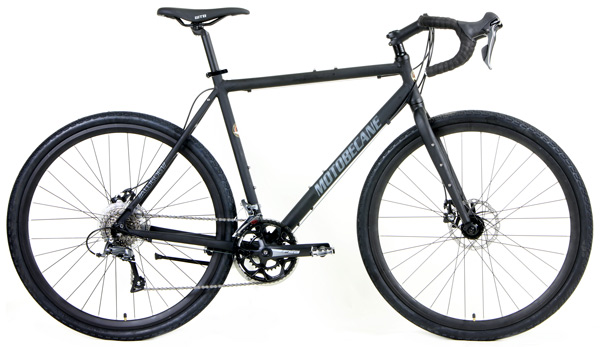
Motobecane Gravel X3 Disc (All-Road/Gravel) — longer wheelbase, 38–45 mm tire room, lots of mounts:Gravel X3 Disc
Motobecane Elite eAdventure (E-Assist Utility) — torque-sensing assist for hills, headwinds, heavy loads:Elite eAdventure
Load Handling & Mounts: Carry More, Sway Less
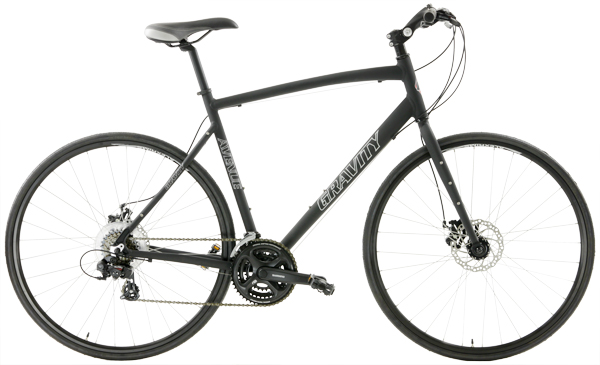
Avenue FXD Disc
Rear rack and twin panniers fit neatly; 32–38 mm tires keep steering composed. For two-bag grocery trips and clustered errands inside six miles, it’s effortlessly practical.
Gravel X3 Disc
Multiple frame and fork mounts stabilize front platforms or low-rider panniers. The longer wheelbase and wider tires tame asymmetric or bulky loads—hardware store runs, odd-shaped parcels, market crates.
Elite eAdventure
E-assist normalizes 20–30 kg payloads. With a rated child seat and stout rear rack, school runs and steep blocks stop being scheduling gambles.
Low-Speed Stability & Maneuvering
Avenue feels planted yet nimble weaving through parked cars. Gravel X3 is calmest at walking pace, especially with front loads; big tires track steadily over seams and cobbles. eAdventure wins uphill restarts with cargo—assist eliminates the wobbly first pedal stroke.
Braking, Wet or Dry
All three use disc brakes for predictable power in rain. Avenue is straightforward to keep aligned after wheel removal. Gravel X3 gains a traction bonus from wider rubber, shrinking stopping distances on grit. eAdventure remains linear at assisted speeds when descending with weight.
Comfort = Control: Tires and Pressure
Avenue FXD Disc
At rider-appropriate PSI, 32–38 mm tires turn chatter into background texture and keep corner entrances precise, not tentative.
Gravel X3 Disc
Tubeless 40 mm at modest pressure smooths alley cobbles, tram tracks, and broken shoulders. With front load, the bike still points where you look.
Elite eAdventure
Keep volume generous; add a few PSI with fully loaded panniers to prevent squirm while preserving wet grip. The motor’s smoothness reduces over-gripping the bars on climbs.
Speed, Range & Time Certainty
Avenue is quick off lights and perfect for stacked errands over short distances. Gravel X3 may be slightly slower on pristine pavement but faster overall if your route uses park paths and cut-throughs. eAdventure provides the most consistent arrival times across wind and hills; you charge like a phone and leave each day with margin.
Real Errands, How They Feel
Groceries (≈20 lb): Avenue carries low and tight; steering stays precise even across damp paint. Gravel X3 glides the back-alley shortcut without rattling jars. eAdventure makes the uphill home trip conversational instead of labored.
School Run (child seat + backpack): Avenue prefers gentle starts. Gravel X3 remains steady during curbside remounts. eAdventure smooths launches in chaotic drop-off windows and keeps cadence even on inclines.
Hardware Store (long + heavy items): Avenue straps diagonally across the rack—ride conservatively and keep weight centered. Gravel X3 distributes volume with a front platform plus rear panniers. eAdventure offsets awkward mass so braking stays predictable.
Setup Tips That Multiply Ease and Safety
Mount loads low and symmetric; two panniers beat one bulging tote. Add 3–6 PSI over your solo baseline when carrying cargo, but keep enough suppleness for wet grip. Use a bright headlight aimed slightly down, a high-mount pulsing taillight, and reflective ankle bands for motion visibility. Full-coverage fenders keep braking and drivetrains cleaner—especially important when stopping distances matter.
Ownership & Running Costs
Avenue is the lowest-cost pathway to reliable errands: universal spares, easy DIY maintenance, and a short accessory list to go fully “car-replacement.” Gravel X3 expands route freedom; tubeless reduces flats, mounts future-proof your carry system. eAdventure has the highest sticker price but the lowest schedule stress; electricity costs are tiny, and many riders report they ride more days because assist flattens the hard parts.
Which One Fits Your Life?
Apartment living, mostly flat trips, value first: Avenue FXD Disc. Suburban cut-throughs, winter grit, or frequent mixed-surface shortcuts: Gravel X3 Disc with 40 mm tubeless and full fenders. Steep neighborhoods, multiple kid activities, or bulk shopping on a timetable: Elite eAdventure with a rated child seat, stout rack, and bright lights.
Replace Two Errands This Week—We’ll Configure the Right Bike to Do It
Cargo cycling sticks when the bike is stable at walking speed, brakes straight in rain, and carries weight without wobble. Each of these platforms delivers that core experience in a different way: Avenue solves daily trips with minimal fuss; Gravel Bike X3 opens calmer, traffic-free routes; eAdventure restores time certainty on hills and headwinds. Tell BikesDirect your streets, loads, and time windows—we’ll match racks, tires, and fit so your first two errands become the easiest rides of your week. Ready to compare road bike sizes and accessories?Contact BikesDirect for a tailored shortlist and pricing.
Two riders rolled into a frozen trailhead last January. The parking lot was quiet, snow piled high, and every usual weekend cyclist had disappeared indoors. One of the riders was on a traditional suspension mountain bike. The other had wheels almost twice as wide: a fat bike.
They dropped into the woods together. Minutes later, the mountain bike wobbled, lost traction, and slowed to a crawl. Meanwhile, the fat bike floated across the surface like a snowshoe.
When they reached the clearing, both were smiling — but one had worked much harder. The experience sparked a conversation that has been growing for years:
Which bike performs better year-round: a fat bike or a mountain bike?
This question is bigger than winter. It affects summer singletrack, beach access, gravel epics, and shoulder-season mud. To answer it clearly, we must look beyond marketing and examine how both bikes behave in real conditions—across twelve months of riding.
Why This Comparison Matters in 2025
Cycling has changed. A decade ago, mountain bikes dominated trails, and fat bikes were still a niche winter tool. Today, the situation is different. Riders now want:
Comfort Confidence Versatility Four-season access
People are choosing bikes not only for performance but for lifestyle. For many, the bike is a way to stay outside all year, avoid gym treadmills, and explore more terrain locally.
That is why the fat bike vs mountain bike discussion has become important. Each bike represents a philosophy.
A mountain bike says: Ride fast, flow hard, and carve the trail.
A fat bike says: Ride always — no seasons, no limits.
Understanding how those philosophies translate to actual riding helps cyclists choose wisely.
Defining the Bikes: What Really Makes Them Different
Before comparing performance, we must define what separates the two machines.
A mountain bike uses narrower tires, usually 2.0–2.6 inches. They feature:
• Front suspension, sometimes full suspension • Faster rolling speed • Lower rotational mass • Sharper handling
Mountain bikes excel in:
• Dry singletrack • Technical climbs • Fast descents • Forest loops • Rocks and roots
Both bikes handle rough terrain — but they do so differently.
Winter: Where the Fat Bike Becomes the King
When the first snow falls, riders split into two groups:
Group one puts their bikes away. Group two keeps riding — and they are usually on fat bikes.
Fat bikes were originally designed for Alaskan snow races. Their width distributes weight so tires float on the surface instead of sinking. Even slush, powder, and refrozen tracks remain rideable.
Traction is almost supernatural.
Climbs that would be impossible on narrow tires become accessible. Corners that would cause sliding on a mountain bike feel controlled.
In winter:
Fat bike wins clearly.
Mountain bikes can ride with studded tires, but the narrower footprint will still sink when the snow deepens. No suspension, brake upgrade, or frame geometry can overcome physics when surface conditions are soft.
Summer: Where the Mountain Bike Returns to the Throne
When snow melts and trails dry, mountain bikes reclaim dominance. Their lighter wheels and faster tire profiles are designed for momentum, acceleration, and directional precision.
On summer singletrack:
• Cornering is sharper • Climbing efficiency is higher • Descending feels more dynamic
A mountain bike rewards technique. Riders can carve lines, pump rollers, and launch small features. The sensation is playful and fast.
Fat bikes still work in summer, and many riders enjoy them, but they feel different. Steering is slower. Acceleration requires more effort. On long climbs, the rider feels the extra mass in the wheels.
In summer:
Mountain bike wins decisively.
Spring and Fall: Two Seasons, Shared Advantages
What surprises many riders is how well fat bikes handle spring and fall. These are messy seasons:
Wet leaves Mud Roots Freeze–thaw cycles
Fat tires maintain traction when debris masks the trail or when moisture makes surfaces unpredictable. Meanwhile, mountain bikes excel when conditions dry out even briefly.
Across both seasons:
It depends on the day.
Some weekends are muddy and slick — perfect fat bike territory. Others are tacky and fast — ideal mountain bike weather.
This shared strength is why many riders eventually want both.
Climbing: Efficiency vs Grip
Climbing highlights one of the clearest differences.
A mountain bike uses:
• Light wheels • Fast tires • Narrow footprint
Momentum is preserved, and the bike rewards steady cadence.
Meanwhile, fat bikes climb extremely well when traction is poor. On snow or wet clay, they grip where nothing else would. But when the slope gets steep and dry, heavier wheels become noticeable.
To summarize:
Mountain bike climbs faster on dry terrain. Fat bike climbs better on low-traction surfaces.
This is not a tie — it is specialization.
Descending: Precision or Plow?
Descending exposes another difference in riding feel.
A mountain bike descends like a scalpel:
Sharp Reactive Linked to rider technique
Suspension smooths rough sections while geometry keeps the wheelbase stable at speed.
A fat bike descends like a bulldozer:
Stable Comfortable Unbothered by roots and ruts
Large tires act as suspension, muting trail chatter. The bike feels calmer, but less precise. Cornering is slower, and riders rely on body movement instead of razor steering.
Neither is objectively better. It depends on preference.
If a rider values speed and agility, mountain wins. If comfort and traction matter most, fat wins.
Rider Comfort and Daily Enjoyment
One of the most overlooked benefits of fat bikes is comfort. The high-volume tires absorb vibration, especially on gravel paths, boardwalks, and multi-use trails.
This makes fat bikes appealing to:
New riders Families Riders with joint sensitivity Beach or snow communities
Mountain bikes can be comfortable, especially with suspension, but fat bikes often feel like floating.
This explains a trend: many riders who do not race choose fat bikes simply because they enjoy riding them more.
All-Season Use: The Real Decision Point
Most riders do not buy a bike for racing or peak performance. They buy it to stay active, go outside, and integrate movement into everyday life. When viewed this way, seasonality matters.
If winter riding is part of your lifestyle, a fat bike opens months that otherwise disappear. Trails that are closed to cars or unridable by narrow tires suddenly become adventure routes.
If summers are long and dry where you live, a mountain bike keeps energy high and speed addictive.
Both bikes serve a full year — just differently.
Considering Other Categories: Hybrid, Gravel, Road, and Cruiser
Before choosing between fat and mountain, some riders benefit from understanding related categories.
A Hybrid Bike combines comfort and efficiency for commuting, paved paths, and fitness riding. It is not a replacement for a trail bike, but it complements one.
A Gravel Bike fills the gap between pavement and dirt roads. Many riders use them for exploration, bikepacking, and adventure loops that include pavement and trails.
A Road Bike offers pure speed and cardio training on asphalt.
A Beach Cruiser provides relaxed coastal riding with an upright posture.
These categories are not competing — they are tools. Many riders eventually own two or three because each delivers joy in different conditions.
Real-World Scenarios: Which Bike Wins?
Let’s look at practical situations.
Scenario 1: Snowy Suburb With Plowed Roads
If winter is long, icy, and snowy, a fat bike is transformational. Even bike paths become rideable. Winter no longer means inactivity.
Winner: Fat bike
Scenario 2: Rocky, Rooted, Dry Forest Singletrack
Mountain bikes dominate here. Line choice, suspension, and geometry matter.
Winner: Mountain bike
Scenario 3: Beach Town or Sand Dunes
Fat tires float. Narrow tires sink.
Winner: Fat bike
Scenario 4: Summer Trail System
Speed, cornering, and agility define summer riding.
Winner: Mountain bike
Scenario 5: Year-Round Fitness Rider Who Wants Only One Bike
It depends on the climate.
If winter is intense → fat bike If winter is mild → mountain bike
There is no universal answer — only local truth.
Long-Term Ownership: Cost and Maintenance
A surprising detail: fat bikes often have lower mechanical wear because tires absorb impact. Components experience less shock. Maintenance tends to be:
This is not a disadvantage — it reflects their performance engineering. Riders who enjoy tuning, upgrading, and optimizing love it.
Fat bikes can be rugged, low-maintenance machines that feel reliable through the seasons.
What Experienced Riders Say
At trailheads across North America, the pattern repeats:
Many seasoned riders own both.
The mountain bike comes out when conditions are perfect. The fat bike comes out when conditions are impossible.
Ask them which bike they would give up, and many choose to keep the fat bike. Why? Because without it, winter disappears.
The Best Year-Round Strategy
If choosing only one:
• If weather is harsh → choose fat • If trails are mostly dry → choose mountain
If choosing the best lifestyle solution:
Own both over time.
It is not extravagance. It is optimizing joy.
Why Bikesdirect Makes This Easier
At traditional retail shops, pricing often reflects overhead. Bikesdirect uses a direct-to-consumer model that removes middle layers. Riders get more bike per dollar.
Whether you want a year-round fat bike, a trail-focused mountain bike, or something in between, you can compare components, specifications, and geometry without pressure.
You will find:
• Hydraulic brakes at lower prices • Suspension choices • Alloy and carbon frames • Name-brand drivetrains • Bikes for every season
This makes the fat bike vs mountain bike question a lifestyle decision, not a financial limitation.
Conclusion: The True Winner Is the Rider Who Keeps Riding
The comparison is not about superiority. It is about access. The rider who stays outdoors more months of the year gains:
Better fitness More sunlight More nature More joy
If snow, sand, and slush are part of your world, a fat bike unlocks seasons.
If speed, flow, and summer trails define your riding, a mountain bike delivers endless fun.
If you want both? The paths are waiting.
If the idea of choosing between a fat bike and a mountain bike has you rethinking the trails you could ride this year, the next step is simple: explore the options that match your terrain and your lifestyle. Bikesdirect makes it easy to compare components, pricing, and ride characteristics across both categories without retail markup.
Riders who want winter traction, summer speed, and all-season freedom will find models ready to perform year-round. Whether you ride snow, sand, singletrack, or park paths, there is a bike built to make every season rideable. Visit Bikesdirect, browse the latest fat bikes and mountain bikes, and keep riding every month of the year.
It often starts the same way. Someone tries a friend’s fast, lightweight bike on a weekend ride, and suddenly a switch flips. The speed feels addictive. The freedom feels bigger than any gym workout. They go home ready to buy… but the price of road bikes in most bike shops hits like a bucket of ice water.
Entry-level models that used to cost $799 now sit closer to $1400. Add in accessories, shop fees, and assembly, and the total often climbs past $2000. That shock is a major barrier for new riders, even though the desire to ride is real.
That is where a real, data-driven road bike price comparison becomes helpful. Because when you compare similarly equipped models from traditional retail to the direct-to-consumer pricing at Bikesdirect.com, the difference is not subtle. It can be hundreds — sometimes over a thousand dollars — saved on the exact same level of parts, gearing, and braking.
This blog breaks down what to look for when shopping under $1000, why online value is rising, and which models deliver the most performance for the price.
What Matters Most on a Sub-1000 Road Bike
When you are browsing, it is tempting to focus on flashy paint or brand names. But performance comes from the parts, not the decals.
Three features deserve the most attention:
Frame material influences weight and efficiency. Aluminum is standard. Carbon frames at this price are rare — unless you buy direct.
Drivetrain determines how smoothly you shift. Shimano Claris, Sora, Tiagra, or 105 are typical ranges. When a bike offers higher-level drivetrain under 1000, that is worth noticing.
Brakes are for safety. Disc brakes are increasingly popular, especially for mixed conditions or hilly routes.
Paying attention to those three features will tell you more about value than any marketing slogan.
To give context, a rider choosing between a gravel bike and a road bike should think about surface. Gravel adds versatility for dirt paths. Road adds efficiency for paved speed. Both are good, but priced differently depending on features.
The Challenge With Retail Markup
Local bike shops have undeniable strengths. They offer fitting services, local advice, and maintenance. What they cannot bypass is overhead. Rent, staffing, shipping, assembly, and showroom costs all roll into price tags.
This is why many entry-level bikes in retail stores arrive dressed in budget parts while still carrying premium prices. Direct-to-consumer avoids most of that. You get the same parts, same frames, same drivetrains, but without paying store markup. It is like buying your own “shop-quality” build without the store’s operating costs attached.
That is where Bikesdirect.com has built its reputation — strong performance for far less money.
A Real-World Price Comparison Using Four Models
To make this real, let us look at four bikes currently offered online, each meeting the sub-1000 category and offering excellent value.
Motobecane Mirage SLX – Classic Lightweight Speed
The Mirage SLX shows how far value has come. Lightweight aluminum frame, modern geometry, and smooth shifting make it ideal for anyone wanting fitness rides or weekend group cycling without overspending.
Similar spec bikes in retail? Commonly 1199–1499.
Mirage SLX? Under 1000.
That price difference could cover riding shorts, pedals, a helmet, and still save money.
Turino Expert – Disc Brakes for Modern Conditions
Disc brakes offer better control on climbs, wet pavement, or fast descents. This is the style of braking most new riders want, and the Turino Expert brings it into affordable territory.
Disc brake models in shops usually start near 1400. Direct pricing lands far lower, but with the same control and stability you would expect from more expensive builds.
Turino Elite – A Higher-Spec Option Still Under Budget
The Elite adds upgraded drivetrain precision. Shifts are smoother, the ride feels more responsive, and the overall build pushes performance without pushing budget. You would rarely see this drivetrain and disc brakes together under 1000 in a retail environment.
This is the power of direct sale.
Carbon Aero Speed That Should Cost More
The R600 is a bike that surprises anyone used to retail shopping. Carbon fork and aero shaping at well under traditional pricing. Most carbon bikes in shops start closer to 2000, so finding one below 1000 is eye-opening.
Carbon at this price is the definition of value.
A Gravel Option for Riders Who Want Versatility
Not everyone rides perfect pavement. Some want adventure. The Gravel X3 brings disc brakes, wider tires, and stable geometry for dirt paths, side roads, or weekend wandering.
This gravel bike expands what a sub-1000 purchase can do. When compared to retail, the savings stay consistent: similar spec for hundreds less.
What Riders Gain Per Dollar
Price is only part of the story. What matters most is ride experience.
Buying direct often means better parts for the same money. A road bike at this price can include features normally associated with higher tiers:
For many new cyclists, this is their first real performance bike. They are transitioning from a hybrid bike, a mountain bike, or even a beach cruiser, chasing speed and efficiency.
Direct pricing makes that transition easier.
Final Thoughts: The Best Budget Is the One That Lets You Ride More
Cyclists who spend less often end up riding more — not because the bike is cheaper, but because the savings give them freedom. They can buy accessories, clothing, upgraded tires, or even save toward a second bike later.
A fat bike for winter? A gravel bike for adventures? A mountain bike for trails? Options grow when the budget is not blown on the first purchase.
That is what value means.
Riders looking for true performance under 1000 can explore an entire range of bikes at Bikesdirect.com. Our company highlights real value through direct pricing, offering components and features normally priced much higher at traditional retail. Whether someone wants a fast road machine, a versatile gravel build, or something built for fitness and weekend enjoyment, Bikesdirect.com makes cycling more accessible without cutting quality.
If you’ve ever shopped for a new bike, you’ve probably noticed how much emphasis goes into what your frame is made of. And no wonder — your bike frame isn’t just the backbone of your ride; it is your ride. It affects weight, comfort, handling, durability, and even how much joy you feel pedaling down your favorite stretch of road.
But with so many frame materials, like aluminum, steel, carbon, and titanium, how do you choose the one that truly fits your riding style? Let’s dive into this friendly face-off and see what each bike frame material brings to the road (or trail).
1. Aluminum: The Lightweight Workhorse
Ah, aluminum — the crowd favorite and perhaps the most common material you’ll find on bikes today. It’s affordable, light, and gives you plenty of speed for your dollar.
Weight: Aluminum bikes are generally on the lighter side, making them great for quick commutes or zippy rides through the city. You’ll feel that instant responsiveness when you push down on the pedals.
Comfort: Now, let’s bust one of the biggest myths out there: “Aluminum rides harsh.” Nope, not anymore. Modern frame engineering and better tubing designs have made today’s aluminum bikes smoother and more forgiving than ever. Many even rival steel in ride comfort, especially when paired with the right tires and seatpost.
Repairability & Longevity: Aluminum isn’t as easy to repair as steel, but it’s incredibly durable for everyday use. You might not pass it on to your grandkids, but it’ll faithfully get you to work, the café, and weekend rides for years.
Best For: Commuters and budget-conscious riders who want performance without breaking the bank.
2. Steel: The Classic That Keeps on Rolling
There’s a reason people get poetic about steel bikes. They have that unmistakable feel — smooth, solid, and connected to the road. It’s a material that has stood the test of time (and then some).
Weight: Steel bikes are typically heavier than aluminum or carbon, but that added heft translates into stability. You won’t be flying up hills quite as fast, but you’ll glide down them with confidence.
Comfort: Steel has a natural springiness that absorbs vibrations beautifully. That’s why touring cyclists and gravel grinders love it—it smooths out the bumps and keeps you comfortable hour after hour.
Repairability & Longevity: Steel wins hands down in repairability. Got a dent or crack? A skilled welder can bring it back to life. And with proper care, a steel frame can last decades. Think of it as the “forever bike” material.
Best For: Gravel grinders, touring enthusiasts, and anyone who values durability and comfort over shaving a few seconds off their Strava time.
3. Carbon Fiber: The Speed Demon
If aluminum is practical and steel is soulful, carbon fiber is the overachiever. It’s the go-to choice for racers and performance-driven riders for a reason—it’s light, strong, and sleek.
Weight: Carbon frames are often the lightest of the bunch, which makes them ideal for climbing, sprinting, or anyone who simply wants to feel like they’re flying.
Comfort: Another myth alert: “Carbon is fragile.” Nope! High-quality carbon frames are actually tougher than many people realize. And when it comes to comfort, carbon shines because engineers can precisely tune the material to dampen road chatter in specific areas. That means you get stiffness where you need power and softness where you need comfort.
Repairability & Longevity: While carbon can’t be welded like steel, minor cracks can be repaired by specialists. And when properly maintained, a carbon bike can last a very long time—it doesn’t rust or corrode like metal frames.
Best For: Racers, serious cyclists, and anyone who wants the perfect blend of speed, stiffness, and technology-driven comfort.
4. Titanium: The Dream Ride
If there were a “luxury class” in the world of frame materials, titanium would be it. It’s strong, corrosion-resistant, and offers a ride quality many describe as “magic.”
Weight: Titanium splits the difference between steel and aluminum. It’s lighter than steel but not as featherweight as carbon. What you gain, though, is incredible strength-to-weight efficiency and better performance.
Comfort: Titanium frames deliver buttery-smooth rides with excellent vibration damping. They have the smoothness of steel with a hint of liveliness that makes long rides feel effortless.
Repairability & Longevity: Titanium is nearly indestructible—it won’t rust, corrode, or fatigue easily. Though repairs require specialized tools, you’ll rarely need them. Many titanium bikes last a lifetime, and look as good on their 20th ride as they did on their first.
Best For: Riders who want a “forever bike,” one that’s equally at home on mountain passes, gravel trails, or century rides.
5. Head-to-Head Comparison
Feature
Aluminum
Steel
Carbon
Titanium
Weight
Light
Moderate
Very Light
Medium-Light
Comfort
Good (modern designs)
Excellent
Excellent
Exceptional
Repairability
Difficult
Easy
Moderate (specialist)
Moderate (specialist)
Longevity
Moderate
High
High
Very High
6. Choosing the Right Frame for You
Your ideal frame material really depends on your lifestyle and priorities:
City Commuter: Aluminum — it’s light, affordable, and efficient for daily rides.
Gravel Grinder or Tourer: Steel — for all-day comfort and durability on rough roads.
Speed Seeker: Carbon — for pure performance and power.
Lifelong Cyclist: Titanium — for that dream bike you’ll never want to sell.
Whatever your choice, the most important part is that the bike feels right when you ride it—balanced, responsive, and fun.
The Frame is Just the Beginning
At BikesDirect, we believe your bike should match your lifestyle. That’s why we offer high-quality aluminum, steel, carbon, and titanium bikes for every rider and every budget.
There’s something magical about a hill. It’s both a challenge and a teacher, testing your limits, rewarding your grit, and offering that sweet sense of victory when you crest the top.
Whether you’re grinding up a local climb or taking on mountain passes that stretch for miles, mastering the art of climbing isn’t about brute strength alone. It’s about rhythm, efficiency, and knowing how to work with the hill instead of against it.
Let’s break down how you can climb like a natural, finding your perfect cadence, choosing the right gears, pacing smartly, and breathing your way to the summit without burning out too soon.
1. Understanding Cadence: Finding Your Climbing Rhythm
Cadence, your pedal revolutions per minute, is the secret sauce to smooth, efficient climbing. Think of it as your cycling heartbeat. Too slow, and you’ll fatigue your muscles early; too fast, and you’ll burn energy without gaining speed.
A good climbing cadence usually sits between 70–90 RPM, depending on your fitness level and terrain. The goal? Keep your pedal stroke fluid and consistent, like a smooth circle rather than a stomp.
Try this: next time you hit a moderate hill, shift into an easier gear and focus on steady pedal revolutions. Keep your upper body relaxed, hands light on the bars, and imagine you’re spinning rather than pushing. When you find that steady tempo where you feel both in control and powerful — that’s your magic zone.
2. Gearing Smart: Choosing the Right Cassette Range
When it comes to climbing, your gears are your greatest allies. A well-chosen cassette can make the difference between powering up a hill or feeling like you’re towing a car.
For most riders tackling varied terrain, a cassette with a wide range, such as 11–34T or 11–36T, is ideal. These give you enough low-end options to spin up steep grades without grinding your knees into dust. Pair that with a compact or mid-compact crankset (like 50/34T), and you’ll have a setup that’s forgiving yet fast.
If you’re still finding your climbing legs, don’t be afraid of easier gears. Using your gears smartly isn’t a sign of weakness — it’s a sign of wisdom. The goal is to keep a sustainable cadence and conserve energy for when you really need it.
3. Standing vs. Sitting: When to Get Out of the Saddle
Ah, the great climbing debate — should you sit or stand? The truth is, both have their place.
Seated climbing is your go-to for longer ascents. It conserves energy and allows your large muscle groups (glutes and quads) to work efficiently. Keep your core engaged, shoulders relaxed, and hands light.
Standing climbs, on the other hand, are great for short bursts, powering through steep pitches or giving your muscles a change of engagement. When you rise, shift to a slightly harder gear to prevent “spinning out,” and let your bike sway naturally under you.
A good rule of thumb: stay seated 80% of the time and stand strategically when you need extra torque or relief.
4. Pacing for the Long Game: Don’t Blow Up Early
It’s easy to get caught up in the adrenaline of a climb — that urge to attack the hill, legs pumping like pistons, heart racing. But blow up early, and you’ll be crawling before the halfway mark.
Start every climb at a controlled pace, even if it feels too easy. Your heart rate will naturally rise as the grade steepens, so let your effort build gradually. The best climbers don’t sprint up; they flow up.
If you use a power meter, aim for 80–90% of your FTP (Functional Threshold Power) during longer climbs. Without one, rely on your breathing and perceived exertion. You should be able to talk in short sentences — if you’re gasping, you’re going too hard too soon.
5. Breathing: Your Built-In Performance Booster
Breathing might sound like the simplest part of riding, but when you’re pushing uphill, it becomes a powerful performance tool.
Instead of shallow chest breathing, focus on deep belly breathing, inhaling through your nose, expanding your diaphragm, and exhaling steadily through your mouth. This helps maximize oxygen intake, calm your heart rate, and keep your mind focused.
Here’s a cue: as you climb, imagine breathing down into your pedals. Each deep inhale fuels your legs; each exhale releases tension. Stay in rhythm — your breath, cadence, and effort should all flow together.
6. A Repeatable Climbing Workout to Build Strength and Endurance
Want to make climbing second nature? Here’s a simple, repeatable workout to train your body and mind for hills. You can do it indoors on a trainer or outdoors on your favorite local climb.
5 minutes climbing at moderate effort (75–80% effort, 75–85 RPM)
1 minute of standing climbing at harder effort (85–90%)
3 minutes easy recovery spin between rounds
Cool Down (10 minutes): Gentle pedaling, light breathing, full relaxation.
This workout builds muscular endurance, improves pacing awareness, and teaches your body how to shift gears smoothly under load — all essentials for real-world climbs.
The Mental Game: Turning Hills Into Opportunities
At BikesDirect, we believe every rider deserves the tools to climb higher, ride farther, and enjoy every pedal stroke along the way. Whether you’re looking for hybrid bikes, mountain bikes, road bikes, gravel bikes, or fat bikes, we’ve got you covered with unbeatable prices.
Don’t just dream about conquering climbs — ride them with confidence, power, and style. Reach out now.
If you’re shopping drivetrains, you’re really asking two questions: how does it shift when the ride gets messy, and how much performance do I buy for each dollar? This shimano vs sram comparison answers both by looking at real-world tiers—from value builds to weekend-race machines—and weighing shifting feel, durability, serviceability, and upgrade paths. You’ll also see how those tradeoffs show up on actual Bikes Direct models, such as an affordable hardtail that’s often equipped with Shimano value groups, an alloy full-suspension bike that commonly ships with SRAM’s Eagle ecosystem, and a light 27.5 trail bike with a simple, fast single-ring setup.
Our goal isn’t to crown one brand for every rider. It’s to show where each wins on price-to-performance so you can spend smart and smile more.
How to Read This Comparison
Every brand stacks features from entry level to premium. Shimano’s family names run from Tourney/Altus/Acera/Alivio into Deore, SLX, XT, and XTR on the mountain side; on road and gravel, think Claris/Sora/Tiagra into 105, Ultegra, and Dura-Ace. SRAM’s mountain progression goes SX/NX → GX → X01/XX (with T-type Transmission at the top), and its drop-bar line moves Apex → Rival → Force → Red. Rather than list them all, we’ll translate typical price brackets into riding experience and value. Exact pricing changes, but the patterns below hold steady.
Entry Value (Everyday Fitness and New-to-Trails)
If your budget lands in the true “starter bike” zone, the best drivetrain is the one that shifts dependably in the grit, survives knocks, and is cheap to replace when you inevitably wear out a chain and cassette. Shimano has long dominated this space with sensibly geared 2x or 3x setups and, increasingly, wide-range 1x options. The shifting feel at this level is pleasantly light and consistent; you give up some crispness under heavy load compared to mid-tier, but you gain easy parts availability and low running costs.
SRAM’s answer in this bracket is usually 1x with SX or NX Eagle. The upside is intuitive shifting and a very large 12-speed range that flattens hills. The tradeoff is a bit more sensitivity to perfect setup and hanger alignment; keep cables fresh and limit screws dialed and it’s great.
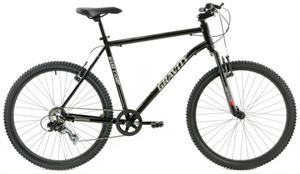
Where this shows up in our lineup: a value hardtail like theGravity BaseCamp V7 is frequently spec’d with reliable Shimano components that are easy to live with and cheap to service—exactly what new riders need. If you prefer the simplicity of 1×12 from day one, an alloy trail bike with SRAM SX or NX is a smart place to start; our full-suspension example below shows why.
Value verdict: At the true entry point, Shimano often wins cost of ownership with low-priced cassettes and chains, while SRAM wins simplicity via 1x 12-speed range. If you ride in all weather and want “set and forget,” Shimano’s value tiers are hard to beat. If you want a single ring and massive range for steep trails, SRAM SX/NX offers real performance per dollar—just be a bit more attentive to setup.
Mid-Tier Sweet Spot (Enthusiast Trail and Fast Fitness)
This is where most riders get the best “wow per dollar.” For Shimano, Deore and SLX bring crisp, forgiving shifts, clutched derailleurs that tame chain slap, and cassettes that last. For SRAM, GX Eagle is the everyday hero—lighter, snappier than NX/SX, and still well-priced. Both brands deliver wide-range 1x, strong clutches, and lever ergonomics that encourage frequent, confident shifting.
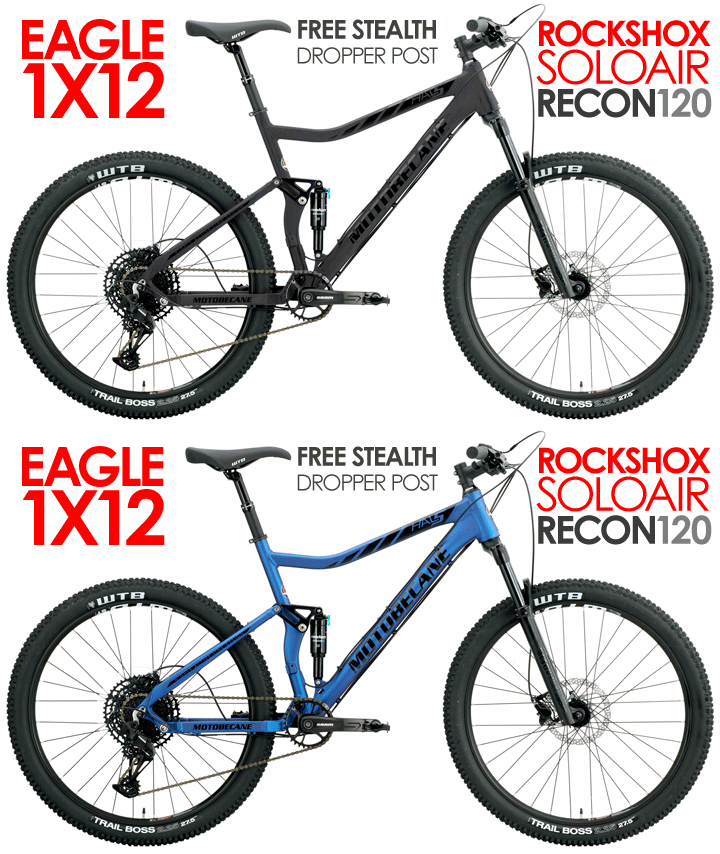
A great real-world example is a value-packed full-suspension mountain bike that commonly ships with SRAM Eagle SX/GX. TheMotobecane HAL5 Eagle SX 27.5 shows why this tier is so popular: big 12-speed range for climbs, chain management that stays quiet on descents, and upgrade paths that don’t force a full drivetrain swap. On the Shimano side, Deore/SLX builds on alloy hardtails and short-travel bikes deliver buttery, predictable shifts under load with parts that feel nearly bombproof for the price.
Value verdict: In the mid tier, it’s effectively a tie on ride quality. Your decision tilts with priorities: Shimano mid-tiers excel in shift feel under load and long wear life; SRAM GX wins with broad ecosystem support and upgrade flexibility (mix-and-match cassettes/derailleurs/chainrings). If you want to keep spares cheap, Shimano has the edge. If you dream of incremental upgrades toward premium 12-speed (or Transmission later), SRAM’s path is smooth.
Upper-Mid and Race-Curious (Lighter, Crisper, Still Sensible)
Move one tier up and you’re paying for less weight, snappier engagement, and extra polish. Shimano SLX/XT and SRAM GX/X01 are the classic pairings. Shift quality under power tightens, clutch behavior quiets the bike, and cassettes often jump to lighter carriers. You’ll feel the difference on punchy climbs and in tight, technical shifting where precision saves dabs.
This is also where 1x drivetrains truly shine for everyday riders. A simple, light front end with a wide 10-50/52T cassette makes the bike feel modern and fast. If you want to keep that same simplicity with a quick, light platform, theFantom 2.5 SS12 27.5 is a great illustration of the “less is more” mindset—light wheels, agile handling, and a single-ring drivetrain keep focus on the ride, not the wrench.
Value verdict: If your budget can stretch here, both brands return a lot on investment. Shimano XT is legendary for durability and buttery shifts; SRAM X01 (and even well-specced GX) feels taut and racy. The best “money well spent” choice is whichever shows up on the frame you love at the better total price—because the differences in this band are subtle and all good.
Shifting Feel, in Plain English
Shimano’s signature at any tier is silky engagement that remains smooth when you’re still pedaling hard. The lever stroke is light and the chain tends to climb cogs gracefully even if your timing isn’t perfect. SRAM’s hallmark is positive, mechanical snap—you feel the click, and the shift completes decisively. On rough trails with lots of on-off power, SRAM’s tactile feedback can be confidence-building; on long climbs and steady road or gravel miles, Shimano’s fluidity feels effortless. Neither is “better”; they’re different flavors of good. If you’re unsure, your best-value choice is the one attached to the best-priced complete bike that fits you well.
Durability and Running Costs
Cassettes and chains are your recurring costs. Shimano’s steel cassettes at value and mid tiers typically undercut SRAM on price while wearing very well with frequent chain swaps. SRAM’s GX cassettes are durable and shift beautifully but can cost more than a comparable Deore/SLX unit. Derailleur clutches are excellent from both companies; service intervals and feel are similar in real life. If you ride lots of wet grit or commute year-round, budget for chains more than anything else, and replace early to protect the cassette—whichever brand you choose.
Upgrades and Ecosystems
SRAM’s Eagle ecosystem makes mixing tiers straightforward: you can start SX/NX and move to a lighter GX derailleur and cassette later, or go all the way to X01. Shimano offers similar compatibility within 12-speed Deore/SLX/XT/XTR, with the added perk that replacement parts are easy to find worldwide. If you plan to upgrade piece-by-piece, SRAM’s ladder is particularly friendly; if you plan to ride a bike “as-is” for years with low fuss, Shimano’s parts availability and pricing are compelling.
Road and Gravel Sidebar
While this comparison leans MTB, the value logic mirrors on drop-bar bikes. Shimano 105 and Ultegra deliver astonishing performance per dollar for pavement and endurance gravel; SRAM Rival and Force bring intuitive eTap AXS wireless shifting that many riders love. The calculus is similar: Shimano = excellent price/performance with long wear; SRAM = cutting-edge ergonomics and simple upgrades within the same family.
Start by choosing the frame and suspension platform that match your trails and fitness. Then look at the total bike price for the drivetrain tier you want. For example, if your heart says “playful full-suspension,” and you find a sharp deal on a SRAM-equipped build like theHAL5 Eagle SX 27.5, you’re buying a complete experience—geometry, tires, brakes, and a 12-speed range that climbs anything. If your plan is “learn, explore, upgrade slowly,” a Shimano-equipped value hardtail such as theBaseCamp V7 keeps costs low while delivering dependable shifting on day one. If you crave nimble and minimal, a light 27.5 single-ring trail bike like theFantom 2.5 SS12 maximizes speed-per-dollar by spending money on the parts you feel every second: wheels, tires, cockpit—and one good derailleur.
Bottom Line: Best Performance for Your Money
Tightest budgets and all-weather utility: Shimano value and Deore tiers usually win total cost of ownership without sacrificing shift quality.
Mid-tier trail riders who love simple 1x range and clear, tactile shifts: SRAM GX (and well-set-up NX/SX) delivers huge capability per dollar.
Upper-mid budgets chasing durability and polish: Shimano XT vs SRAM X01/GX is a rider-preference tie; choose the better-priced complete bike you love.
We ride what we sell, and we’re happy to steer you toward the best value for how and where you ride your mountain bike. Tell us your budget, terrain, and upgrade appetite, and we’ll point you to the exact build—Shimano or SRAM—that turns money into miles the smartest way. When you’re ready,contact our team and we’ll help you pick the drivetrain and the bike that make the most sense for you right now—and for the rides you’ll be doing six months from now.
For decades, the daily commute has been defined by car keys, congested highways, and a cup of coffee balanced precariously in the cupholder. But as Forbes notes, the way we commute is undergoing a seismic shift. With fuel costs rising and eco-consciousness taking center stage, more workers are ditching the gas pump for the saddle. Cycling to work is no longer just for fitness buffs—it’s fast becoming the commuter’s choice.
The reasons? They’re compelling: affordability, sustainability, efficiency, and, quite honestly, the joy of starting the morning with fresh air instead of brake lights. According to Business Insider, bicycles are transforming urban commutes globally, offering a solution that balances cost-effectiveness with environmental responsibility. And at BikesDirect.com, we’ve witnessed this cultural shift firsthand as thousands of new riders join the cycling community each year.
Let’s dive into why the bicycle is replacing the car for so many daily commuters and explore the best commuter bikes—road bikes, hybrids, and e-bikes—that are reshaping the office commute.
The Changing Face of Commuting
When gas prices spike, it’s not just the road trip budget that feels the pinch—it’s the everyday commute. What was once considered the cost of living has become an unsustainable burden for many workers. Parking fees, tolls, and vehicle maintenance only pile onto the expense. Enter the bicycle: an upfront investment that pays dividends every single day you roll to the office without stopping at the gas station.
This shift isn’t just about saving money. It’s also about reclaiming time. In dense cities, cycling often beats traffic. Studies show that for trips under five miles, bikes can be quicker than cars, especially during rush hour. And unlike public transportation, there’s no waiting for delayed trains or squeezing into crowded buses—you set the pace.
Health, Happiness, and Pedals
Commuting by car often means sedentary hours behind the wheel. On the other hand, cycling transforms that same time into exercise. Riding to work daily helps maintain cardiovascular health, strengthens muscles, and boosts mental clarity. It’s multitasking at its finest—fitness while you commute.
The mental health benefits are equally compelling. Instead of starting the day stressed out from traffic, cyclists arrive energized. And when the workday wraps, a ride home becomes a decompression ritual—time to unwind, reflect, and reset before stepping back into home life.
The Rise of Eco-Friendly Commuting
Beyond health and savings, there’s a bigger motivator at play: the environment. With urban areas grappling with air pollution and climate change, bikes offer a sustainable mode of transport that produces zero emissions. For workers who want their commute to align with their values, cycling represents a daily contribution to a greener future.
Cities are responding too. Bike lanes are expanding, and employers are offering incentives like bike storage, showers, and even commuter stipends. It’s a cultural shift that signals cycling isn’t a fringe option anymore—it’s mainstream.
The Best Commuter Bikes: What to Look For
Choosing the best commuter bike depends on lifestyle, terrain, and personal preference. Unlike a one-size-fits-all car purchase, bikes can be tailored to your exact commuting needs. Let’s break down the top categories.
Road Bikes: Speed and Precision
For those with longer commutes or a need for speed, a Road Bike is the ultimate choice. Designed for efficiency, road bikes feature lightweight frames, narrow tires, and aerodynamic geometry. Riders glide effortlessly across pavement, covering distance quickly.
Perfect for:
Suburban-to-city commuters who want to minimize travel time.
Workers with smooth, paved routes.
Cyclists who crave a touch of athletic challenge.
Hybrid Bikes: The Everyday Workhorse
If versatility is the goal, the Hybrid Bike earns the crown. Combining the comfort of flat handlebars with the efficiency of road-inspired design, hybrids are built for the modern commuter. They can handle everything from city pavement to light gravel trails, making them ideal for mixed-route riders.
Perfect for:
Commuters navigating city streets and park paths.
Riders who want comfort without sacrificing efficiency.
Cyclists who need a dependable all-rounder.
E-Bikes: Power Meets Convenience
E-bikes have exploded in popularity, and for good reason. They provide pedal-assist that flattens hills, extends range, and makes commuting accessible for riders of all fitness levels. They’re also a perfect solution for workers who want to avoid arriving at the office drenched in sweat.
Many companies now allow employees to store or even charge e-bikes on-site, further cementing their role in modern commuting.
Perfect for:
Long-distance commuters.
Riders with hilly routes.
Professionals who want effortless, sweat-free travel.
Gravel Bikes: Off-Road Commuting Style
For commuters who prefer flexibility, a Gravel Bike is a smart pick. Gravel bikes feature wider tires for stability, disc brakes for all-weather stopping power, and endurance-focused geometry for comfort on longer rides.
Perfect for:
Riders mixing city streets with unpaved shortcuts.
Those looking for weekend adventure versatility.
Commuters who value stability in all conditions.
Fat Bikes: Year-Round Reliability
Snow, sand, or unpredictable terrain? That’s where a Fat Bike shines. With oversized tires, these bikes float over soft or rough surfaces that would challenge traditional wheels.
Perfect for:
Commuters in snowy regions.
Cyclists who want a rugged, do-anything bike.
Riders embracing year-round commuting.
Beach Cruisers: Comfort with Flair
Sometimes, commuting isn’t about shaving minutes—it’s about enjoying the ride. A Beach Cruiser offers unmatched comfort with upright seating, wide tires, and retro style. They’re perfect for shorter urban commutes where relaxation matters more than speed.
Perfect for:
Short-distance city riders.
Professionals who value comfort and style.
Anyone who wants to feel like they’re on vacation, even en route to work.
Mountain Bikes: Tough Routes, No Problem
For commuters with rugged terrain or a preference for durability, a Mountain Bike handles it all. Suspension absorbs bumps, while wide tires offer grip on uneven surfaces.
Perfect for:
Riders with potholed city streets or dirt trails.
Commuters who want a durable, go-anywhere bike.
Workers blending weekday commuting with weekend adventure.
Accessories That Make the Commute
The bike is just the beginning. To transform commuting into a seamless experience, accessories matter:
Panniers or backpacks: Carry laptops and essentials without breaking a sweat.
Lights and reflectors: Keep visibility high during early or late commutes.
Fenders: Stay clean on rainy days.
Helmet and lock: Non-negotiables for safety and security.
The right setup ensures the daily ride is as smooth as possible.
The Economic Case for Commuting by Bike
Crunch the numbers, and the logic is undeniable. Between fuel, parking, maintenance, and insurance, driving racks up thousands annually. A quality commuter bike costs a fraction of that, often paying for itself within months.
Plus, as The Spruce has highlighted in lifestyle reports, investing in activities that improve both health and finances creates long-term value—a win-win for modern workers.
Why Workers Are Choosing Two Wheels Over Four
It’s tempting to think that the sudden uptick in bike commuting is just about rising gas prices. Sure, the financial relief is part of it, but the story runs deeper. The choice to hop on two wheels rather than slide behind a steering wheel ties into larger lifestyle shifts happening across the globe. Let’s break down the mosaic of reasons behind why more and more workers are choosing bicycles as their main commuting tool.
1. The Economics of Everyday Travel
Driving has always been expensive, but in recent years the cost of ownership has grown downright staggering. Between skyrocketing fuel costs, insurance premiums, car payments, parking fees, and maintenance, the average American spends thousands annually just to get to work. For many younger workers, especially Gen Z and millennials, that math doesn’t add up anymore.
A bicycle, on the other hand, is a one-time purchase with minimal upkeep. Even with upgrades like quality tires, lights, or panniers, the long-term cost pales in comparison to owning and maintaining a car. Workers are realizing that every mile pedaled is essentially money saved. And with inflation pinching household budgets, that savings is more than welcome—it’s necessary.
2. Urban Congestion and the Time Factor
We’ve all been there—creeping along in bumper-to-bumper traffic, staring at the clock, and realizing you’ll be late for work despite leaving “early.” Cars may have been the default choice for generations, but in crowded metropolitan areas, they’re often the least efficient option.
Cycling, by contrast, provides something cars rarely can: consistency. Commute times don’t fluctuate wildly depending on whether there’s a fender bender on the freeway. For short to medium distances—say two to five miles—bikes can be quicker than cars or buses during rush hour. Many commuters have realized that while their neighbors sit trapped in gridlock, they’re already at their desks, coffee in hand.
3. Environmental Awareness and the Climate Connection
We can’t ignore the elephant in the room: climate change. With transportation being one of the largest contributors to carbon emissions, many workers are choosing bikes as a personal solution to a global problem. One less car on the road may feel like a small drop, but multiplied by thousands of commuters, it adds up to cleaner air, reduced noise pollution, and more livable cities.
Employees working for eco-conscious companies are especially motivated. Some businesses even incentivize cycling with commuter stipends, onsite bike storage, or “green travel” recognition programs. It’s not just about how you get to work anymore—it’s about aligning your commute with your values.
4. Health as a Daily Priority
We live in a world that glorifies busyness, where workers struggle to squeeze gym time into packed schedules. Cycling solves this by merging commuting and exercise into one efficient activity. Instead of driving to work and then hitting the gym after, riders are integrating fitness directly into their daily routines.
This isn’t just about toned legs or calorie burning—it’s about holistic health. Commuter cyclists report lower stress levels, improved cardiovascular health, and better overall mood. Riding to work is like building resilience into your day, and that health dividend is one reason why workers are choosing bikes over cars.
5. Mental Clarity and Workday Performance
Car commutes often mean starting the day frazzled—hunting for parking spots, dealing with aggressive drivers, or listening to the same repetitive radio ads. Cycling flips that narrative. The ride in becomes a kind of meditation in motion. The rhythm of pedaling, the fresh air, the ability to notice your surroundings—these all add up to a calmer, more centered start to the day.
There’s also growing evidence that physical activity before work boosts productivity and focus. Workers who bike commute arrive with sharper attention spans and improved problem-solving skills. Instead of stumbling through the first hour with a caffeine IV, they’re already firing on all cylinders.
6. Freedom and Flexibility
Cars may seem to offer freedom, but the reality is they often tether you to traffic patterns, parking headaches, and high costs. Bicycles restore true freedom. You can choose scenic routes, cut through parks, or zip down backstreets that cars can’t access. You can stop on a dime for a coffee or a chat without worrying about where to park.
This flexibility also applies to job location. Workers who cycle aren’t restricted by parking availability or public transportation routes. They can accept jobs in neighborhoods where driving or transit would be impractical, knowing their bike can take them there efficiently.
7. Workplace and Cultural Shifts
Ten years ago, showing up to work in bike gear may have been unusual. Today, it’s increasingly common—and in some circles, even admired. Offices are adapting with showers, lockers, and indoor bike storage. Companies are realizing that promoting cycling fosters a healthier, happier workforce, which reduces healthcare costs and absenteeism in the long run.
There’s also a cultural cachet to bike commuting. It’s become a badge of honor for professionals who value sustainability, wellness, and independence. For many workers, cycling is not just how they get to work—it’s part of their identity.
8. The Boom of E-Bikes
It’s impossible to talk about this shift without mentioning e-bikes. These machines are bridging the gap for workers who want to bike but live farther from the office or dread steep hills. Pedal-assist technology levels the playing field, making cycling accessible to a much broader demographic.
E-bikes are especially appealing to workers who don’t want to arrive sweaty but still want the benefits of cycling. They’ve opened the door for older workers, less experienced riders, and those with longer commutes to confidently choose two wheels over four.
9. Community and Connection
Biking isn’t just a solitary act. Many commuters join local cycling groups or connect with coworkers who ride, creating a sense of camaraderie that’s hard to replicate behind a windshield. Some cities host “bike to work” days or events that celebrate cycling culture.
This sense of community reinforces the habit. When you ride to work alongside others, it feels less like a fringe lifestyle choice and more like being part of a movement. Workers are finding belonging through biking, something driving rarely provides.
10. The Practicality of Multimodal Commuting
Not every worker has the luxury of a straight-line bike commute. But bicycles blend beautifully with other modes of transport. Many riders cycle partway, then hop on a train or bus for the rest. Folding bikes, in particular, make this easier than ever. Workers are discovering that two wheels don’t have to replace four—they can complement them.
This hybrid model allows commuters to bypass the most congested parts of their routes while still enjoying the cost savings and health benefits of cycling.
11. Government Support and Infrastructure
The rise of bike commuting is also fueled by policy changes. Cities across the globe are investing in bike lanes, greenways, and safe intersections. Employers are receiving tax breaks for encouraging cycling. Some municipalities even offer subsidies for bike or e-bike purchases.
For workers, this makes cycling safer, more affordable, and more appealing. Infrastructure is no longer an afterthought—it’s becoming a central part of urban planning.
12. A Generational Shift in Values
Finally, we can’t ignore the generational dynamics. Younger workers entering the labor force place less emphasis on car ownership as a status symbol. For many, cars are viewed as financial burdens rather than necessities. Instead, they value flexibility, sustainability, and experiences. Cycling fits seamlessly into these values.
Workers in their 20s and 30s are also more likely to live in urban areas where car ownership is impractical. Bikes allow them to embrace city life without the hassle of vehicle expenses and storage. For this demographic, riding isn’t just a commute—it’s a lifestyle choice.
Final Thoughts
The bicycle renaissance isn’t a passing trend—it’s a reimagining of how we move through our daily lives. As more workers join the cycling movement, the benefits ripple outward: healthier individuals, greener cities, and lighter wallets. At BikesDirect.com, we’re proud to be part of this shift, helping riders find the best commuter bikes for their unique journeys.
Ride Smarter, Save More with BikesDirect.com
Thank you for choosing BikesDirect.com. BikesDirect.com has been selling high-quality bicycles on the internet for over 20 years—longer than many bike shops near you. We believe in bringing you the best deals possible, and some are almost unbelievable! Over two decades ago, Dr. Mike Spratt combined his passion for bicycles, computers, and the internet to create BikesDirect.com. Since then, more than 100,000 cyclists have trusted us for their rides. From the versatile Hybrid Bike to the adventurous Gravel Bike, the sleek Road Bike, or even a rugged Fat Bike, we’ve got you covered. Looking for leisure? A Beach Cruiser or a durable Mountain Bike might be your match. Explore our full range, learn about our warranty, or call now to speak with our team. Wherever your commute takes you, we’ll help you ride smarter and save more.
There’s never been a better time to buy a bike. From sleek road bikes that could double as art pieces to rugged mountain bikes that devour trails, the choices (and prices) have exploded. But here’s the real question: do you need to spend thousands to ride something worth bragging about?
There’s never been a better time to buy a bike. From sleek road bikes that could double as art pieces to rugged mountain bikes that devour trails, the choices (and prices) have exploded. But here’s the real question: do you need to spend thousands to ride something worth bragging about?
At BikesDirect.com, we’ve seen it all—commuters who score killer value from $400 setups, and performance-driven cyclists who swear their $2,000 carbon beauty changed their life. Truth is, there’s a sweet spot for everyone. And this post will help you figure out when it makes sense to save, and when it’s worth splurging.
(Also, if you want to see how cycling tech has evolved and what’s driving innovation, check out Forbes—they’ve covered the cycling boom from every angle.)
The Modern Bike Market: The Wild Price Spectrum
A few decades ago, the choice was simple—steel frames, rim brakes, and not much else. Today, you can find hybrid bikes starting under $300 and carbon-fiber race rockets topping $12,000.
That massive gap exists for good reason: materials, manufacturing precision, and components drive performance. But here’s the twist—budget bikes have never been better. Thanks to modern engineering, even entry-level bikes now use tech that used to belong exclusively to pro racing circles.
At our shop, we carry everything from the affordable Gravity Avenue road series to the high-end Motobecane Le Champion carbon bikes. Both roll beautifully—one’s just built for the everyday rider, the other for someone chasing KOMs on Strava.
When “Budget” Doesn’t Mean “Basic”
The word “budget” often gets a bad rap. But in cycling, it’s more about smart choices than cheap compromises.
Take the Windsor Wellington 2.0, for instance—a road bike that costs under $500 but comes with a lightweight aluminum frame, Shimano drivetrain, and double-walled rims. Ten years ago, those specs were considered mid-tier luxury.
Or the Gravity FSX 1.0 mountain bike—front and rear suspension, disc brakes, and rugged performance at a fraction of what big-box stores charge.
Budget bikes shine when you’re:
New to cycling and figuring out your riding style.
Using the bike for casual commuting or weekend leisure rides.
Focusing on fitness rather than podiums.
You’ll get 85% of the experience for 40% of the cost—without the anxiety of scratching an ultra-expensive frame.
The Hidden Cost of Going Cheap
Of course, “budget” has limits. A $300 bike might get you rolling, but if you’re hitting steep climbs or trail descents regularly, components start showing stress.
Cheaper bikes often use heavier frames and entry-level drivetrains that wear faster under heavy mileage. Over time, those replacement parts can add up.
In short: if you’re logging serious miles or tackling demanding terrain, consider spending a little more now to save a lot later.
Premium Bikes: What You’re Actually Paying For
When you cross into premium territory, the difference isn’t just about brand prestige—it’s about materials, precision, and ride quality.
1. Frame Materials: Carbon fiber isn’t just lighter—it absorbs vibration better and offers superior stiffness-to-weight ratios. It’s what makes the Motobecane Century Pro glide on the road while feeling solid in sprints.
2. Components: Premium drivetrains (like Shimano 105, Ultegra, or SRAM Rival) shift smoother, last longer, and require less maintenance.
3. Weight Savings: Every pound matters—especially on climbs. A lighter bike feels more responsive, accelerates quicker, and handles better.
4. Wheelsets and Tires: Higher-end wheelsets roll faster and stay truer longer. They’re also typically tubeless-ready, meaning fewer flats and smoother rides.
So while premium bikes do cost more upfront, they deliver a smoother, more efficient, and more reliable experience that serious riders appreciate every single mile.
The Psychological Edge: The Feel-Good Factor
Let’s be real—part of buying a premium bike is emotional. When you unbox a carbon-framed beauty, clip in, and feel that instant acceleration, it’s hard not to smile.
Cycling, after all, is as much about how it feels as how it performs. That’s why many riders upgrade—not because they need to, but because they want that connection between machine and momentum.
And honestly, that’s okay. A better bike can motivate you to ride more often, push harder, and even join new riding communities.
Component Quality: The Great Equalizer
The component set—gears, brakes, derailleurs—often defines how a bike feels on the road.
On budget bikes, you’ll typically find Shimano Tourney, Altus, or MicroShift. These work beautifully for commuting and casual rides. On mid-range or premium models, you step into Shimano 105, Tiagra, or SRAM Apex—offering lighter shifting, tighter tolerances, and better long-term reliability.
But again, thanks to direct-to-consumer pricing at BikesDirect.com, you can get these premium components on bikes that cost hundreds less than similar retail models. It’s not uncommon to find a $1,200 bike on our site that would retail for $2,000 elsewhere.
When It’s Worth Splurging
So, when should you stretch your budget? Here are the situations where spending more genuinely pays off:
You ride frequently. If you’re logging 100+ miles per week, durability and comfort matter.
You love climbing. Lighter frames and smoother gearing will make a world of difference.
You compete or train seriously. Power transfer, aerodynamics, and precision shifting become non-negotiable.
You’re upgrading from a starter bike. Going from an aluminum frame to carbon is like switching from economy to first class—it’s that noticeable.
When You Shouldn’t Overspend
However, not everyone needs a top-shelf setup. If your bike is more about lifestyle than lap times, a budget model might make more sense.
For example, if you’re cruising along beach boardwalks, a simple Beach Cruiser like the Micargi Tahiti does the job beautifully. You don’t need carbon rims for that sunset ride.
Or if you’re commuting a few miles daily, a Hybrid Bike with fenders and a rack might serve you better than a race-ready road machine.
Hybrid Bikes: The Perfect Middle Ground
Hybrid bikes are where budget and performance often meet halfway. You get comfort, speed, and practicality rolled into one ride.
At BikesDirect.com, our Hybrid Bike range—like the Gravity Liberty 2.0 or Motobecane Café Century—offers lightweight aluminum frames, disc brakes, and versatile gearing.
They’re ideal for riders who want a bike that can handle morning commutes, weekend fitness rides, or even light gravel paths—all without breaking the bank.
Mountain Bikes: From Budget to Beast Mode
Mountain biking is where bike pricing can really escalate—but also where value engineering shines.
Entry-level models like the Gravity FSX 1.0 give you dual suspension and disc brakes under $600, perfect for beginner trails. Step up to the Motobecane HAL 6 Expert, and you’re looking at full-suspension aluminum with advanced geometry and top-tier components.
If you love rough terrain, investing in a higher-end Mountain Bike is money well spent. The improved suspension performance, geometry, and durability make every descent smoother and every climb less punishing.
Road Bikes: The Price of Precision
Road cycling is all about efficiency—power transfer, aerodynamics, and weight savings.
Our Road Bike lineup runs the gamut from the Windsor Wellington to the Motobecane Le Champion CF. The main jump from budget to premium here is the frame (aluminum vs carbon) and the drivetrain (Claris vs Ultegra).
If your goals include group rides, racing, or covering long distances, you’ll feel the benefit of spending more here. But if you’re riding for fitness or fun, aluminum will do just fine.
Gravel Bikes: The New All-Rounders
Gravel bikes have blurred the lines between road and off-road adventures.
Budget models like the Gravity Liberty CXD let you explore dirt paths, crushed limestone trails, and rough pavement without the weight of a mountain bike. Higher-end models like the Motobecane Immortal CX Carbon bring race-ready performance with lightweight frames and hydraulic brakes.
If you want a bike that can do it all—commuting, touring, exploring—investing in a good Gravel Bike might be the smartest choice.
Fat Bikes: Pure Fun on Two (Big) Wheels
Fat bikes are adventure machines—those oversized tires float over sand, snow, and loose gravel.
The Fat Bike category at BikesDirect.com includes models like the Motobecane Boris X7, which proves you don’t have to overspend to get premium quality. Fat bikes offer unparalleled stability and versatility, perfect for riders who love off-season adventure or unconventional routes.
Here, the jump from budget to premium usually means lighter wheels and better drivetrains, but even the entry-level models deliver smiles for miles.
Beach Cruisers: The Art of Simplicity
For pure relaxation, nothing beats a classic Beach Cruiser.
Our cruisers blend vintage design with modern materials—aluminum frames that won’t rust, cushioned saddles, and relaxed geometry that screams “weekend mode.”
In this category, paying more usually gets you design flair or upgraded comfort features, not performance. So if you’re riding for leisure, a modest budget works perfectly.
Durability vs Upgradability
Another thing to consider: how much do you plan to tinker with your bike?
Budget bikes are great for riders who prefer simple, ready-to-go setups. Premium bikes, however, often use modular designs—allowing for future upgrades to drivetrains, wheelsets, or suspension.
If you love customizing and upgrading, a slightly pricier frame with better long-term compatibility might be worth the investment.
Brand and Build Quality: Why Direct-to-Consumer Wins
Traditional bike shops often mark up prices 30–40% to cover overhead. By selling direct, we cut that out entirely. That’s how BikesDirect.com can offer a Motobecane, Windsor, or Gravity bike with mid-tier components for hundreds less than equivalent store models.
You’re getting the same performance and engineering—just without the middleman.
Final Thoughts: Finding Your Balance
Cycling has a funny way of reflecting life itself — it’s all about balance. Not just the kind that keeps you upright on two wheels, but the balance between passion and practicality, dreams and budget, want and need. Whether you’re a weekend cruiser, a trail junkie, or someone finally swapping the car commute for a morning spin, the truth is simple: the best bike isn’t always the most expensive one. It’s the one that fits your lifestyle like a favorite pair of jeans.
At BikesDirect.com, we’ve spent decades helping riders find that balance. Some come in convinced they need carbon everything, only to fall in love with a $600 Hybrid Bike that does it all. Others start small, then circle back after a season or two ready to upgrade to a lightweight Road Bike or a full-suspension Mountain Bike. And that’s the beauty of cycling — it evolves with you.
The Real Value Lies in the Ride
When you strip away all the marketing jargon, the value of a bike isn’t measured in dollars or component tiers — it’s measured in rides. The morning commute that clears your head. The weekend ride that reconnects you with nature. The grin when you coast downhill, no matter what kind of drivetrain you’re rocking.
A $400 bike that gets you outside three times a week is infinitely more valuable than a $4,000 bike that collects dust. That’s why we always tell our riders: don’t buy for prestige, buy for purpose.
Sure, premium materials, carbon layups, and top-tier groupsets are incredible — but they only matter if you’ll truly feel the difference. If your routes are mostly flat and your rides social, an entry-level aluminum frame might be perfect. But if you chase elevation, crave speed, or train for endurance, investing in lighter components or advanced geometry pays back every mile.
Ride Frequency Changes Everything
How often you ride is the simplest and most honest metric for how much to spend. Think of your bike as cost-per-ride, not cost-per-purchase.
If you ride twice a week year-round, even a $1,200 Gravel Bike pays for itself in joy within months. But if you’re hopping on occasionally, an affordable all-rounder — like a Hybrid Bike or Beach Cruiser — gives you unbeatable value without financial guilt.
That’s the kind of math we love: every pedal stroke brings returns in health, happiness, and adventure.
Technology Has Leveled the Playing Field
What makes today’s market so amazing is that the gap between “budget” and “premium” is narrower than ever. Direct-to-consumer brands like ours have democratized access to high-end performance.
Ten years ago, features like internal cable routing, disc brakes, and tubeless-ready wheels were luxury upgrades. Now they’re practically standard across most of our range. Even entry-level Mountain Bikes and Gravel Bikes come with the kind of thoughtful engineering once reserved for elite racers.
That means riders can focus less on what they can afford and more on what kind of riding they want to do.
Longevity vs. Lifestyle
Another factor to weigh is how long you want to keep the bike. If this is your “starter” ride — a way to test if cycling fits your lifestyle — start modest. Aluminum frames are lighter than ever, and modern drivetrains are easy to maintain. You can always trade up later when you discover what you really love — road speed, trail grit, or all-terrain exploration.
But if you already know you’re in it for the long haul, investing in a bike with upgrade potential makes sense. Premium models tend to use higher-end hubs, bottom brackets, and frame materials that support future component swaps. It’s not just about buying one bike — it’s about building your perfect setup over time.
The Emotional Side of the Purchase
Let’s be honest: buying a bike isn’t just a transaction. It’s an emotional experience. The first time you roll out of the garage on a new ride, the world feels bigger, brighter, and faster.
That connection — that click between you and your machine — is priceless. It’s why cyclists name their bikes, polish their drivetrains like jewelry, and talk about “ride feel” as if it’s poetry.
And that feeling doesn’t discriminate based on price. A budget commuter that fits like a glove can bring as much joy as a race-ready carbon rocket.
Resale and Future-Proofing
Another angle to consider is resale. Premium bikes tend to retain value better, especially if they use industry-standard components and clean geometry. Riders upgrading every few years often recoup part of their cost by selling or trading up.
However, the depreciation gap between mid-range and high-end bikes isn’t always as wide as people think. Because BikesDirect.com sells directly to riders, you’re already skipping the retail markup. That means even if you sell your bike later, your cost-to-own remains lower than buying from a brick-and-mortar shop.
In other words: value doesn’t just come from the sticker price — it comes from smart buying.
Comfort and Fit Always Trump Price
A $5,000 bike that doesn’t fit your body is worse than a $500 one that does. Fit is the single biggest performance upgrade you’ll ever make.
That’s why we always tell new riders: invest first in fit, then in fancy. When your posture, reach, and saddle position are dialed in, every pedal stroke feels smoother and more natural.
Even the lightest carbon frame can’t compensate for poor ergonomics. But a properly fitted aluminum frame can feel like an extension of yourself.
The Direct-to-Consumer Advantage
Let’s not forget one major point: value doesn’t always mean “cheap.” It means smart. And the smartest way to buy a bike today is direct.
Our model eliminates middlemen, letting you get high-quality bikes — from entry to elite — for hundreds or even thousands less. You’ll see the same drivetrains, same wheelsets, and same frame materials that big brands use, but at honest prices. That’s why over 100,000 cyclists have chosen us — not just for savings, but for trust.
Whether you’re choosing a Road Bike for daily rides or a Fat Bike for winter fun, the value you get through BikesDirect.com is real, tangible, and time-tested.
Your Riding Story Starts Here
In the end, there’s no universal rule for what you “should” spend — only what feels right for you. Think of your bike as the beginning of a story, not the end of a purchase. Maybe it’s your gateway into weekend adventures. Maybe it’s your return to fitness after a few lazy years. Maybe it’s just your favorite way to grab coffee on a Saturday.
The best bike is the one that makes you want to ride. That might mean saving up for that dream carbon frame — or it might mean embracing a simple, durable, no-fuss aluminum model that just works. Either way, it’s about momentum.
At the end of the day, every spin of the crank is a little celebration — of freedom, movement, and choice. Whether your next ride costs $500 or $5,000, what really matters is that it takes you somewhere new.
Ride Smart, Spend Right
Thank you for choosing BikesDirect.com! We’ve been delivering top-tier bikes directly to riders for over 20 years—longer than most local shops around. From the first Hybrid Bike you buy to your dream Mountain Bike, we’re here to help you ride better, faster, and smarter.
Our commitment is simple: unbeatable value and uncompromised quality. Learn more about our warranty, explore our Gravel Bike or Road Bike collections, and if you ever need assistance, call now—our team’s got your back.
At the end of the day, every great ride starts with a great deal—and that’s what we’re here for.