Touring Bikes: The Ultimate Choice for Long-Distance Adventures

Long rides ask more from a bicycle than speed alone. When you are carrying clothes, tools, food, water, and camping gear across many miles, stability and comfort matter as much as efficiency.

This touring bike guide explains why touring bikes remain a favorite for cyclists planning multi-day adventures, cross-country routes, and self-supported travel.

What Makes a Touring Bike Different?

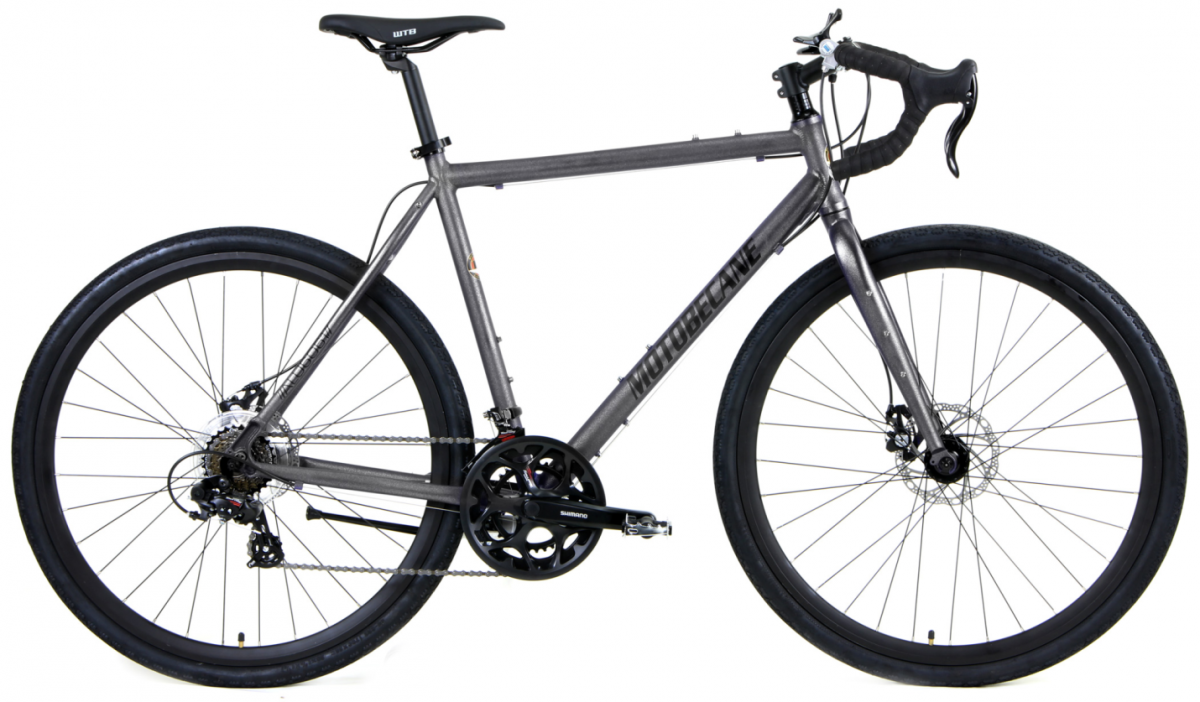
A touring bike is designed to carry a rider and loaded gear safely over long distances. Instead of focusing only on low weight or race speed, it prioritizes strength, balance, predictable handling, and comfort. The frame usually includes mounting points for racks, fenders, extra bottle cages, and bags. These details may look small, but they become essential when your ride stretches from one day into many.

Unlike a lightweight road bike, a touring bike is not meant to feel twitchy or fragile under load. It should remain steady while climbing, descending, cornering, and braking with panniers attached. That dependable feel is one of the biggest reasons travelers choose touring-specific designs.

Continue reading “Touring Bikes: The Ultimate Choice for Long-Distance Adventures”

Best Mountain Bikes Under $800 for New Trail Riders

Walk into any trailhead on a Saturday morning, and you’ll see riders on bikes that cost five times the price of yours and others on bikes that look brand new and cost half of what you’d expect. The truth nobody tells beginners is that an $800 mountain bike, chosen well, can deliver a full first season on real singletrack — climbs, descents, roots, and rocks included. Pick the wrong one, and you’ll fight the bike instead of the terrain. Unlike a road bike built for smooth pavement, a trail-ready hardtail prioritizes durability over speed, control over efficiency, and forgiveness over aerodynamics. This guide narrows down the best mountain bikes under $800 currently available through Bikesdirect.com.

We compare frame quality, suspension, drivetrain reliability, and brake performance across four trail-ready options, steering you toward the bike that builds confidence rather than drains it. Whether you’re upgrading from a department-store ride or buying your first proper trail bike, the four picks below punch well above their price tag and have earned thousands of verified rider reviews. The best mountain bikes under $800 in this lineup share one important quality: they were built by serious bike-industry factories, not assembled from generic parts in a warehouse.

What Matters Most at This Price

Before we get to specific models, it helps to understand where mountain bikes sit in the broader cycling landscape. A hybrid bike excels at casual urban riding, and a gravel bike handles mixed surfaces beautifully. Still, neither was engineered for the loose dirt, exposed roots, and unpredictable terrain of real singletrack. The best mountain bikes under $800 prioritize three non-negotiable features: a hydroformed aluminum frame, real disc brakes, and a drivetrain that won’t shred after the first muddy ride. Suspension performance matters too, but at this price, no fork will rival what you’d get on a $2,000 rig — and that’s perfectly fine for new trail riders.

Gravity Basecamp LTD29: Big Wheels, Solid Foundations

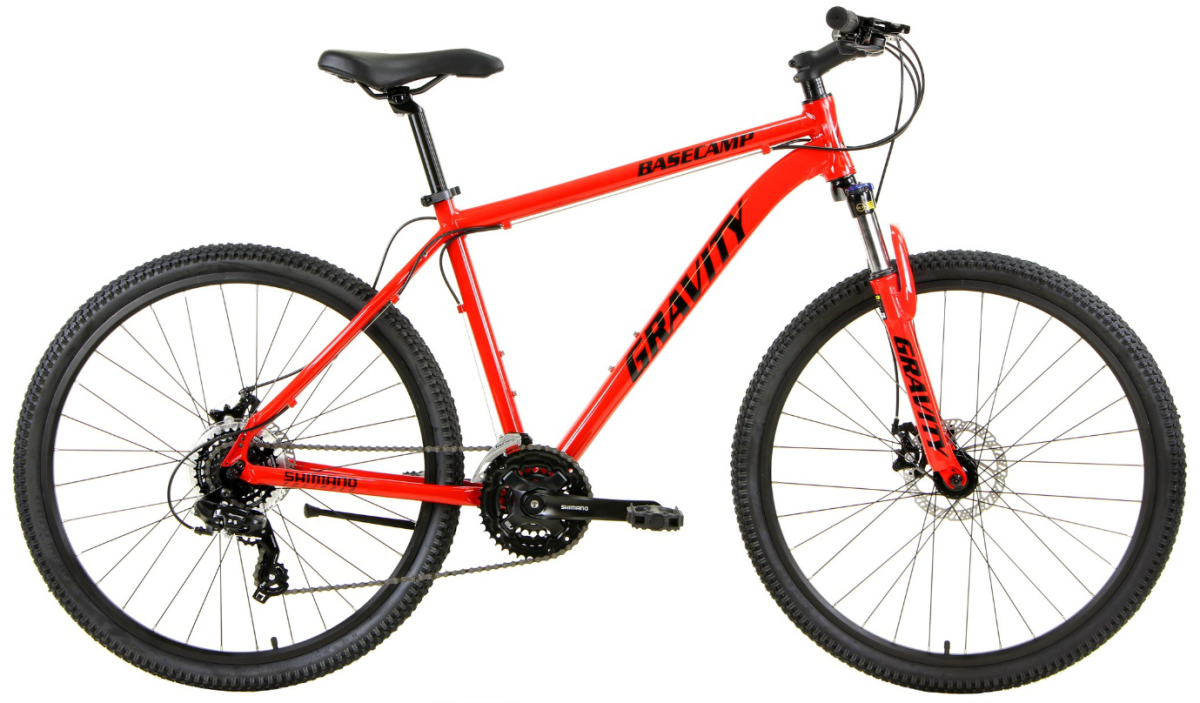
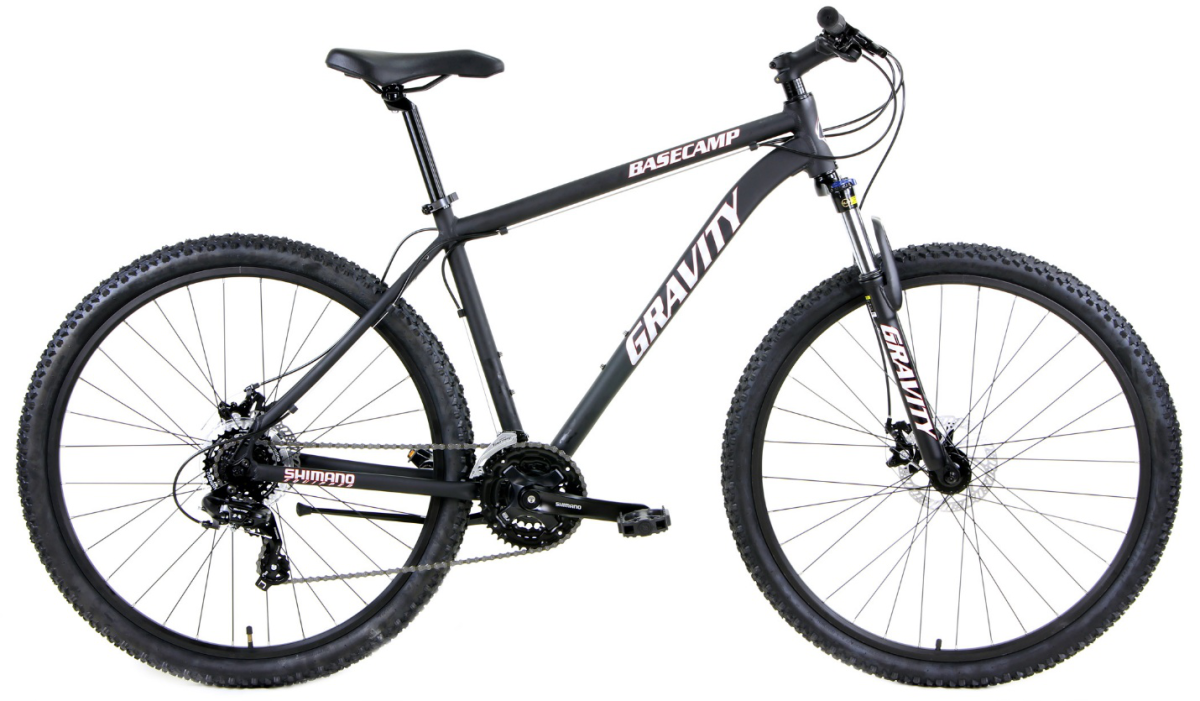
The Gravity Basecamp LTD29 is one of the most popular entry-level mountain bike models on Bikesdirect.com, and for good reason. Its hydroformed aluminum frame, 29-inch wheels, and Shimano 21-speed drivetrain deliver a stable, easy-rolling ride that flatters first-time trail riders. The larger wheels roll over roots and rocks more easily than smaller 26-inch wheels — a real advantage on technical terrain where most beginners hesitate. Mechanical disc brakes deliver solid stopping power in all conditions, and reviewers have described the frame as more substantial than that of several big-brand bikes at comparable retail prices. That value disparity is exactly where the best mountain bikes under $800 earn their reputation.

Gravity Basecamp LTD27: Confidence in a Smaller Frame

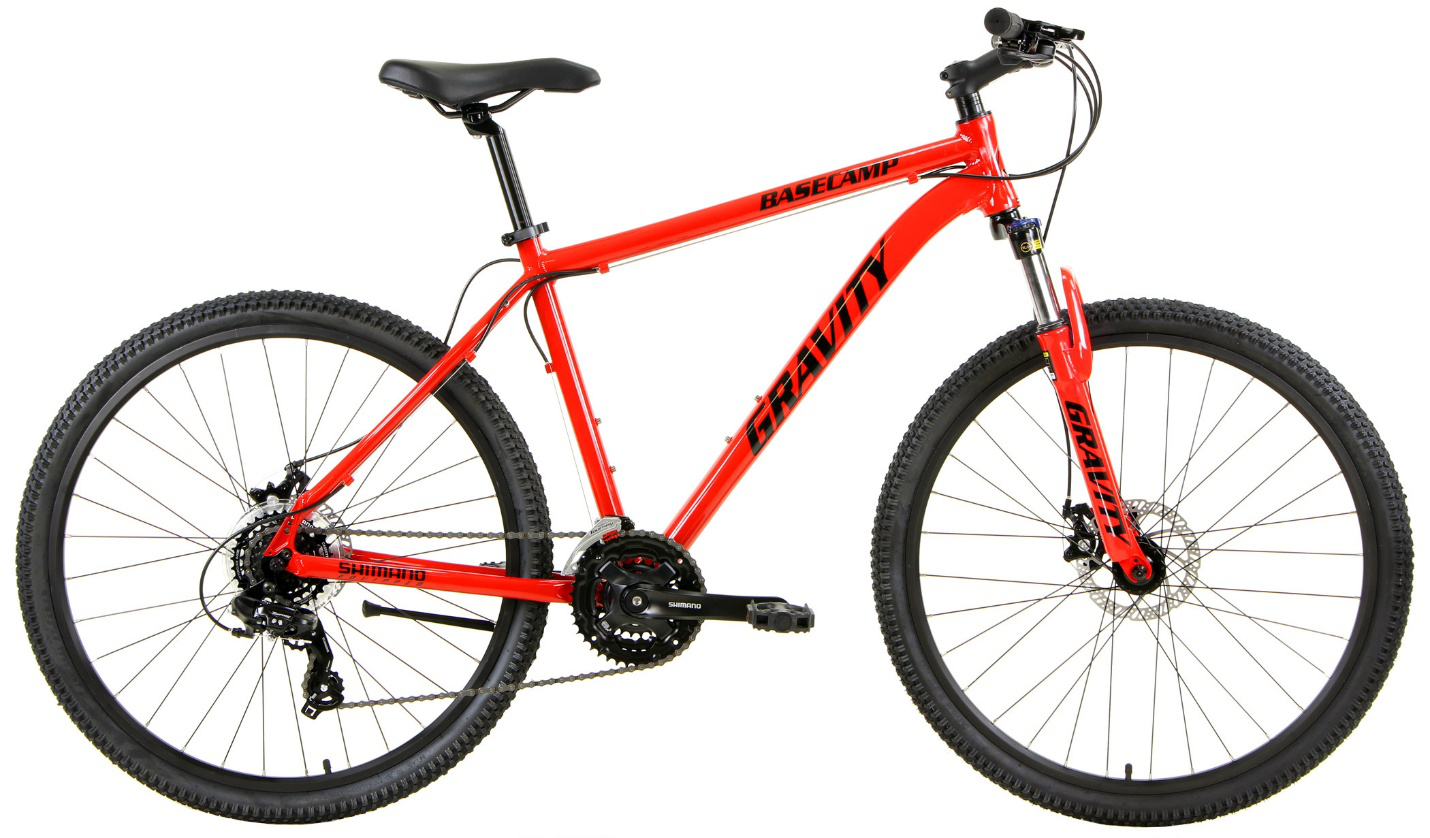
For riders on the shorter side or those who prefer a more agile feel, the Gravity Basecamp LTD27 brings the same trail-tested frame design to a 27.5-inch wheel platform. The smaller wheels accelerate faster and turn more nimbly, which helps new riders learn to weight, lean, and pivot through corners without feeling overpowered by the bike. Like its 29-inch sibling, the LTD27 ships with disc brakes and a wide-range drivetrain that handles real climbs. Among the best mountain bikes under $800 we’ve reviewed, this one earns particular praise for fitting riders between 5’2″ and 5’8″ — a demographic often pushed into oversized rigs at big-box stores.

Gravity HD29 Trail: Hydraulic Brakes That Change Everything

If your budget can stretch toward the upper end of this category, the Gravity HD29 Trail deserves serious consideration. The major upgrade here is hydraulic disc brakes, which provide far better modulation and stopping power than mechanical alternatives — especially in wet or muddy conditions where confidence really matters. The frame uses the same 29-inch geometry as the Basecamp series, paired with a longer-travel suspension fork for trail-friendly compliance. According to Bicycling magazine’s technical coverage, the single biggest jump in component value for entry-level bikes happens the moment you add hydraulic disc brakes. The HD29 Trail makes that case clearly without crossing the $800 line, securing its place among the best mountain bikes under $800 for serious beginners.

Gravity FSX 1.0 Advent26: A Real Full-Suspension Option

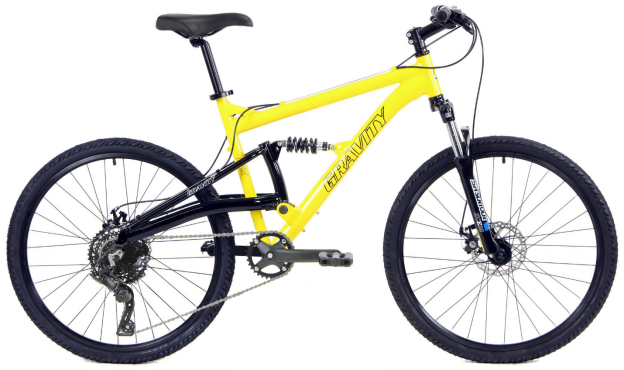
Full-suspension bikes in this price range remain controversial. Honestly, most new riders should buy a hardtail for the durability and value. But if you ride rocky, rough terrain regularly and find that constant chatter discourages you from getting out, the Gravity FSX 1.0 Advent26 gives you a legitimate full-suspension option within the best mountain bikes under $800 range. Its CantiBeam single-pivot rear suspension and 1×9 MicroShift Advent drivetrain make it the rare full-sus model that delivers a genuine trail experience at this price. The International Mountain Bicycling Association (IMBA) advises beginners to favor hardtails on flow trails — for casual paved-path rides, a beach cruiser is the better fit — but full-sus earns its place when chunky terrain is the daily reality.

How to Pick Between These Four

Choosing between these four bikes comes down to two questions: how rocky is your typical trail, and how much do hydraulic brakes matter? If most of your riding will happen on smoother flow trails or fire roads, the Basecamp LTD29 or LTD27 will serve you for years without complaint. If you ride frequently in wet conditions or on steep descents, jump to the HD29 Trail for the hydraulic brake upgrade. The full-suspension Advent26 wins for riders who prioritize comfort and rough-trail capability above all else. Riders chasing snow or sand should consider a fat bike instead, but for traditional trail riding, the best mountain bikes under $800 in this lineup pair well with later component upgrades — a smart path for budget-conscious riders who want a bike that grows with them.

Ready to Find Your Trail Bike?

You don’t need a $3,000 setup to ride real trails confidently. You need a bike that fits your body, suits your terrain, and uses parts that won’t fail mid-ride. Browse the full selection of the best mountain bikes under $800 on Bikesdirect.com, use our size guide to find your fit, and order the bike that gets you on the trail sooner rather than later. We’ll handle the rest — you focus on the first descent.

Gravel Bikes vs Mountain Bikes: Understanding the Differences

Somewhere between the pavement and the trailhead, a lot of riders hit a familiar question: gravel bike vs mountain bike, which one actually fits how we ride? Over the past decade, both categories have expanded significantly, and the line between them can feel blurry from the outside. But spend time on each, and the differences become impossible to ignore. We put together this breakdown to help you understand what each bike is genuinely built for, so you can make a decision that serves your riding for years rather than just the first few seasons.

Whether your goal is exploring fire roads and scenic backroads or attacking singletrack trails and rocky descents, the right bike makes every ride more rewarding. Neither category is universally better. What separates them is purpose, and understanding that purpose is the key to choosing wisely.

Built for Different Ground

The most fundamental difference between these two categories comes down to terrain. A mountain bike is designed from the ground up for unpredictable, technical off-road conditions. Steep descents, loose rocks, rooted singletrack, and muddy switchbacks are exactly where this bike earns its reputation. Frame geometry is slack and low, suspension travel absorbs impacts that would throw a rider on a more rigid setup, and the overall build prioritizes control over efficiency on open ground.

A gravel bike takes a different approach. It is engineered for terrain that sits between smooth pavement and true off-road trails: gravel roads, packed dirt, farm tracks, and mixed-surface adventures. The geometry is more upright and endurance-focused than a road bike, but less aggressive than a mountain bike. Where a mountain bike wants to dive into technical chaos, a gravel bike prefers to roll confidently and efficiently across varied conditions without hesitation.

Continue reading “Gravel Bikes vs Mountain Bikes: Understanding the Differences”

How to Choose the Perfect Mountain Bike for Trail Riding

Trail riding is one of the most exciting ways to experience cycling. From winding forest paths to rugged mountain terrain, trail riding challenges riders with changing surfaces, climbs, and descents. To fully enjoy these adventures, having the right bike is essential.

A properly chosen mountain bike can make the difference between a smooth, controlled ride and a frustrating experience on rough terrain. For beginners and experienced riders alike, understanding the key features of trail bikes, such as suspension, wheel size, and frame design, helps ensure the bike performs well where it matters most.

In this guide, we’ll explain everything you need to know to choose the best mountain bike for trail riding, helping you find a bike that fits your terrain, riding style, and comfort needs.

What Makes a Mountain Bike Ideal for Trails?

Trail riding requires a bike that can handle unpredictable terrain. Rocks, roots, loose dirt, and steep climbs demand durability, control, and traction.

A mountain bike is specifically designed to handle these conditions through features such as:

  • Wide, knobby tires for grip
  • Strong frames built to absorb impacts
  • Suspension systems that smooth out rough trails
  • Powerful brakes for better control on descents

Unlike a road bike, which is designed primarily for smooth pavement and speed, mountain bikes focus on stability and off-road capability. Their design allows riders to tackle uneven terrain confidently.

Hardtail vs Full Suspension: Which Is Better?

One of the most important decisions when choosing a mountain bike is deciding between a hardtail and a full suspension design.

Hardtail Mountain Bikes

Hardtail bikes feature suspension in the front fork but have a rigid rear frame.

Advantages include:

  • Lighter weight
  • Lower cost
  • Efficient power transfer when climbing

Hardtail bikes are excellent for beginner riders and smoother trails. They require less maintenance and offer a responsive riding experience.

Full Suspension Mountain Bikes

Full suspension bikes include both front and rear suspension.

Benefits include:

  • Better shock absorption
  • Improved traction on rough trails
  • Greater comfort during long rides

These bikes are ideal for more technical trails that include rocks, drops, and steep descents. Riders who spend significant time on challenging terrain often prefer full suspension for better control and comfort.

Understanding Suspension for Trail Riding

Suspension plays a major role in how a bike performs on trails. It helps absorb impacts from bumps and obstacles, allowing the rider to maintain control.

Most trail bikes offer between 120mm and 150mm of suspension travel, which balances climbing efficiency with downhill capability.

Front suspension forks compress when hitting obstacles, helping maintain traction and reduce rider fatigue. On full suspension bikes, the rear shock also absorbs impacts from the back wheel.

Compared to other bike types, such as a hybrid bike designed for paved roads or light trails, mountain bike suspension is specifically engineered to handle rough terrain and aggressive riding conditions.

Choosing the Right Wheel Size

Wheel size significantly affects how a bike handles different trail conditions. Most mountain bikes use one of three common wheel sizes.

27.5-Inch Wheels

These wheels offer a balance between agility and stability. Riders often find them easier to maneuver through tight turns and technical trails.

29-Inch Wheels

29ers roll over obstacles more easily and maintain speed on longer trails. They are popular among riders who enjoy cross-country riding or longer trail routes.

Plus-Size Wheels

Some trail bikes feature wider “plus-size” tires for extra traction. These provide greater grip on loose terrain.

For extreme conditions such as sand or snow, riders may opt for a fat bike, which uses oversized tires designed for maximum flotation and grip. However, traditional mountain bikes remain the most versatile option for most trails.

Frame Design and Geometry

The geometry of a bike’s frame plays a crucial role in comfort, stability, and control.

Trail bikes typically feature:

  • Slacker head tube angles for better downhill stability
  • Longer wheelbases for improved balance
  • Slightly upright riding positions for comfort on long rides

This design allows riders to maintain control when navigating steep descents or technical terrain.

By contrast, bikes like a road bike prioritize aerodynamics and speed, while a beach cruiser focuses on comfort and relaxed riding on flat surfaces. Mountain bikes are engineered specifically to handle rugged environments where stability and strength are essential.

Image Filename: motobecane-jubilee-elite-fs-full-suspension-trail-mountain-bike

Image Alt Text: Motobecane Jubilee Elite FS full suspension mountain bike with hydraulic disc brakes for trail riding

Image Caption: The Motobecane Jubilee Elite FS Mountain Bike delivers superior trail comfort with full suspension, hydraulic disc brakes, and fast-rolling 27.5-inch tires.

Tire Grip and Trail Control

Tires are another key component that affects how a bike performs off-road.

Mountain bike tires typically feature aggressive tread patterns designed to grip loose dirt, mud, and rocks. Wider tires also provide better traction and stability.

Tire pressure can be adjusted depending on trail conditions. Lower pressure improves grip and shock absorption, while higher pressure increases efficiency on smoother sections.

Compared to bikes such as a gravel bike, which balances speed and off-road capability, mountain bike tires are designed specifically for rugged terrain and technical riding.

Other Features to Consider

When choosing a mountain bike, a few additional features can significantly enhance your riding experience.

Brakes

Most modern mountain bikes use hydraulic disc brakes. These provide powerful stopping performance and better control in wet or muddy conditions.

Gearing

Trail bikes often include wide gear ranges that make it easier to climb steep hills while still maintaining speed on descents.

Dropper Seatposts

Many trail riders appreciate dropper seatposts, which allow the saddle height to be adjusted quickly while riding. Lowering the saddle improves maneuverability during technical descents.

Finding the Right Bike for Your Riding Style

Choosing the right bike ultimately depends on where and how you plan to ride.

If you enjoy relaxed rides on paved paths or city streets, a hybrid bike or beach cruiser might be a better fit.

Riders who prefer mixed-surface adventures may enjoy the versatility of a gravel bike.

But for riders seeking challenging terrain, technical trails, and outdoor adventure, nothing compares to a well-designed mountain bike built specifically for trail riding.

Taking time to understand your terrain, riding goals, and comfort preferences will help you select the perfect bike for your adventures.

Image Filename: gravity-hd-expert-27-5-hydraulic-disc-trail-mountain-bike

Image Alt Text: Gravity HD Expert 27.5 mountain bike with hydraulic disc brakes and long travel suspension fork

Image Caption: The Gravity HD Expert Mountain Bike combines a 1x drivetrain, hydraulic disc brakes, and long-travel suspension for responsive trail riding performance.

Explore High-Quality Trail Bikes

If you’re ready to upgrade your riding experience, the right bike can open the door to incredible trail adventures.

At BikesDirect, riders can explore a wide selection of high-performance bicycles built for durability, comfort, and value. Whether you’re new to trail riding or looking to upgrade your equipment, BikesDirect offers reliable bikes designed to perform on a wide variety of terrain.

Browse their selection today to find the perfect mountain bike and start exploring new trails with confidence.