BMX Bikes: A Beginner’s Guide to Styles and Uses

BMX riding is fast, creative, and surprisingly diverse. At first, every BMX bike may look small and similar, but different styles are built for very different goals. Some are made for racing around dirt tracks, while others are designed for tricks, jumps, rails, and skatepark sessions.

This BMX bike beginner guide explains the main BMX disciplines, what features matter, and how new riders can choose a bike that matches their interests instead of guessing from looks alone.

What Makes a BMX Bike Different?

A BMX bike is usually compact, strong, and simple. Most have 20-inch wheels, one gear, flat handlebars, and durable frames built to handle hard landings. Unlike a road bike, which is designed for speed and efficiency on pavement, BMX bikes focus on control, toughness, and quick movements. They are not meant for long-distance commuting like a hybrid bike, nor are they built for loose adventure routes like a gravel bike or wide-tire fat bike.

That specialized design is part of the appeal. BMX riders want a bike that feels responsive underfoot, easy to lift, and strong enough for repeated practice. The right setup depends on where you ride and what you want to learn.

Freestyle BMX: Built for Tricks

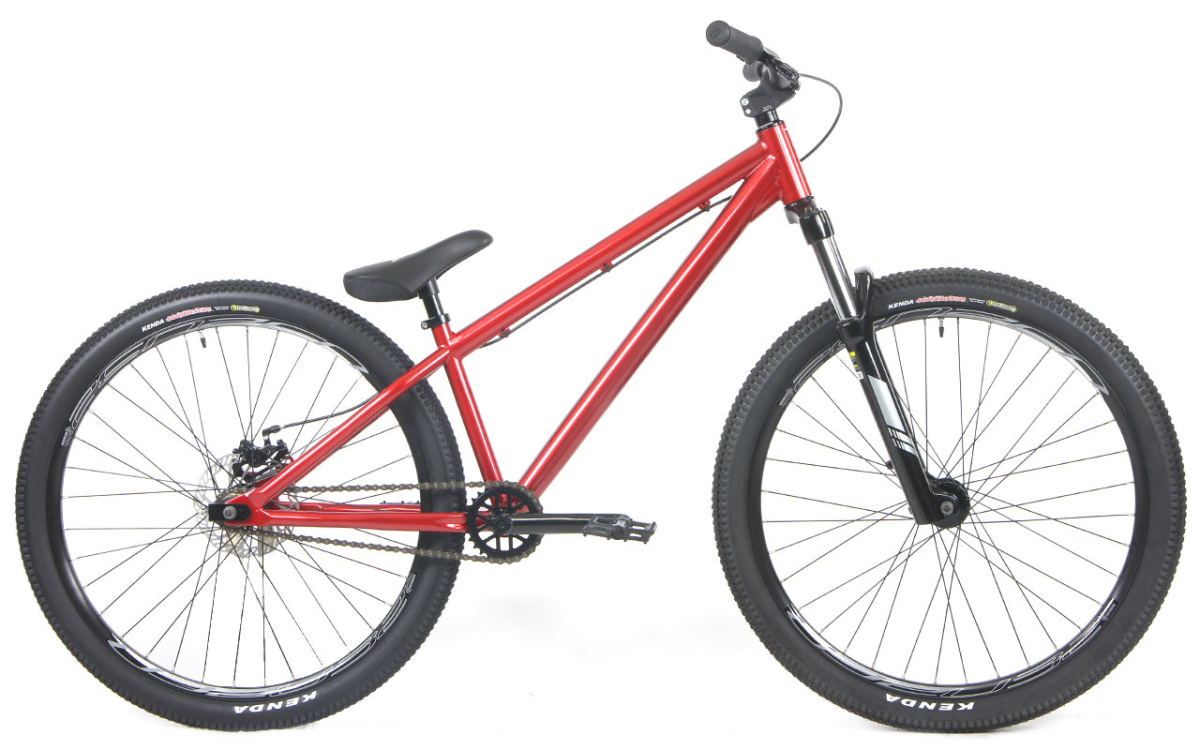
Freestyle BMX is the broad category most beginners picture when they think of tricks. These bikes are made for spins, manuals, bunny hops, grinds, ramps, and creative riding. They usually have strong frames, reinforced wheels, and smaller gearing for control. Some include pegs for grinding or flatland moves.

If your goal is to ride skateparks, learn tricks in a driveway, or explore creative lines around town, freestyle is a smart starting point. This BMX bike beginner guide recommends looking for durability over low weight. Beginners crash, drop bikes, and practice the same move many times, so strength matters.

Continue reading “BMX Bikes: A Beginner’s Guide to Styles and Uses”

Touring Bikes: The Ultimate Choice for Long-Distance Adventures

Long rides ask more from a bicycle than speed alone. When you are carrying clothes, tools, food, water, and camping gear across many miles, stability and comfort matter as much as efficiency.

This touring bike guide explains why touring bikes remain a favorite for cyclists planning multi-day adventures, cross-country routes, and self-supported travel.

What Makes a Touring Bike Different?

A touring bike is designed to carry a rider and loaded gear safely over long distances. Instead of focusing only on low weight or race speed, it prioritizes strength, balance, predictable handling, and comfort. The frame usually includes mounting points for racks, fenders, extra bottle cages, and bags. These details may look small, but they become essential when your ride stretches from one day into many.

Unlike a lightweight road bike, a touring bike is not meant to feel twitchy or fragile under load. It should remain steady while climbing, descending, cornering, and braking with panniers attached. That dependable feel is one of the biggest reasons travelers choose touring-specific designs.

Continue reading “Touring Bikes: The Ultimate Choice for Long-Distance Adventures”

Cyclocross Bikes Explained: A Versatile Option for Mixed Riding

Cyclocross bikes can look confusing at first glance. They resemble road bikes, handle loose surfaces better than many pavement machines, and feel faster than most rugged commuters. This cyclocross bike guide explains what makes them special, where they came from, and why riders love them for pavement, gravel, grass, mud, and quick weekday miles.

If you want one bike that feels lively without being limited to perfect asphalt, cyclocross is worth understanding before buying.

What Is a Cyclocross Bike?

A cyclocross bike is built for cyclocross racing, a fast discipline that mixes pavement, dirt, grass, sand, mud, barriers, and sharp corners. Riders often dismount, shoulder the bike, run short sections, then jump back on and keep racing. Because of that heritage, cyclocross bikes are light, responsive, and designed to accelerate quickly.

Unlike a pure road bike, a cyclocross bike has more tire clearance, stronger braking, and geometry that helps control the bike on uneven ground. It is not as relaxed as many adventure bikes, but it offers impressive versatility for riders who want speed and grit in one package.

Racing Roots, Everyday Benefits

Cyclocross began as a way for road racers to stay sharp during colder months, but the bike design became useful beyond race tape. The same features that help on muddy courses also help urban riders, commuters, and fitness cyclists. You get quick handling, solid traction, confident braking, and a frame that can handle imperfect surfaces.

That is why this cyclocross bike guide matters for everyday riders. Even if you never race, you may appreciate a bike that can move quickly from smooth pavement to park paths, gravel shortcuts, wet streets, and packed dirt trails without feeling out of place.

Continue reading “Cyclocross Bikes Explained: A Versatile Option for Mixed Riding”

The Best Bike Accessories Every New Cyclist Should Own

Buying your first bike is exciting, but the ride feels even better when you have the right gear. Accessories are not just extras. They help you stay safe, comfortable, organized, and ready for small surprises on the road or trail. Whether you ride a road bike, hybrid bike, fat bike, or gravel bike, the best beginner setup starts with practical choices.

Here’s why these essential bike accessories can make every mile smoother, safer, and more enjoyable.

Start with a Proper Helmet

A helmet should be your first purchase after the bike itself. Look for a certified helmet that fits snugly without pinching. It should sit level on your head, with straps forming a comfortable V around your ears. Lightweight ventilation is helpful for warm rides, while adjustable retention systems make fit easier.

Continue reading “The Best Bike Accessories Every New Cyclist Should Own”

Why Single Speed Bikes Are Making a Comeback in Urban Cycling

City riders want bikes that are practical, affordable, stylish, and easy to manage. That is why single speed bikes are getting attention again. They offer a clean, no-fuss experience for commutes, errands, and weekend coffee rides.

Here’s why single speed bikes are making a strong comeback among urban cyclists looking for simplicity, affordability, and everyday practicality.

The Appeal of Simplicity

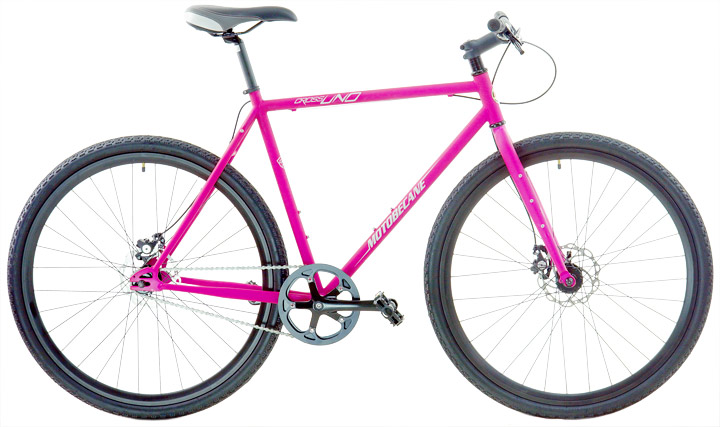
A single speed bike has one gear ratio. There are no shifters to adjust, no front derailleur, and no complicated gear decisions at every traffic light. You pedal, coast, brake, and keep moving. For urban riders facing stop signs, bike lanes, and short routes, that simplicity feels refreshing.

One of the biggest single speed bike benefits is mental ease. You do not have to think about shifting before a hill or finding the right cadence in traffic. The bike responds directly to your effort. This creates a connected riding feel that many cyclists find addictive, especially on flat streets where multiple gears are unnecessary.

Lower Maintenance for Busy Riders

Urban bikes work hard. They face rain, dust, curb hops, and rough pavement. A bike with fewer moving parts is easier to maintain, and that is where single speed models shine. With no derailleurs, cassette stacks, or shift cables, fewer components to bend, adjust, replace, or clean.

This does not mean single speed bikes are maintenance-free. Tires still need air, chains need lubrication, brakes need checks, and bolts should stay tight. However, routine care is usually quicker and less expensive than servicing a complex drivetrain. For commuters who want dependable transportation without constant tuneups, these single speed bike benefits are hard to ignore.

Affordability That Makes Sense

Price matters, especially for transportation riders. Single speed bikes are often more affordable because they use simpler parts. That lower cost can make cycling more accessible for students, commuters, delivery riders, and anyone reducing car dependence.

Continue reading “Why Single Speed Bikes Are Making a Comeback in Urban Cycling”

Top Features to Look for in a Modern Road Bike

Buying a road bike today can feel exciting. The category has changed dramatically, with lighter materials, smarter drivetrains, and better braking. Understanding the most important modern road bike features helps you separate useful performance from flashy marketing.

Here are the top features to look for when choosing a modern road bike that delivers the best combination of speed, comfort, efficiency, and long-term value.

A Frame That Balances Speed and Comfort

The frame is the heart of any road bike, and modern designs focus on more than low weight. Aerodynamic tube shapes reduce drag, especially when you ride fast or face headwinds. Carbon fiber frames are popular because they can be shaped for stiffness, comfort, and efficiency, while quality aluminum frames still offer excellent value for newer riders.

The best frame is not always the most aggressive one. Race geometry places you lower and farther forward, which can improve speed but may feel uncomfortable on longer rides. Endurance geometry keeps the position slightly more relaxed, making it better for daily fitness, charity rides, and weekend mileage. Among modern road bike features, frame fit affects every mile.

Aerodynamics That Work in the Real World

Aerodynamics used to matter mostly to racers, but today’s riders benefit from smoother frames, hidden cables, deeper wheels, and integrated cockpits. These details can help a bike hold speed. However, buyers should be realistic. A fully aerodynamic setup is most valuable if you ride quickly, train seriously, or spend long stretches on open roads.

For casual riders, comfort and handling may matter more than the sleekest profile. A bike that feels stable encourages longer rides. That is why aerodynamic design should complement your riding style rather than control the entire purchase.

Continue reading “Top Features to Look for in a Modern Road Bike”

Electric Bikes vs Traditional Bikes: Which Is Right for Your Lifestyle?

Choosing a bicycle used to be simple: pick a frame, adjust the seat, and start pedaling. Today, riders also have electric options that make hills easier, commutes faster, and longer rides more realistic. That is why the electric bike vs. traditional bike question matters for commuters, fitness riders, and weekend explorers. Both choices can improve your health, lower transportation costs, and add freedom.

Below is a detailed comparison to help you determine which option best matches your lifestyle, fitness goals, commuting needs, and budget.

The Basic Difference

A traditional bike runs completely on human power. Every mile, climb, and sprint comes from your legs. That simplicity keeps it lightweight, affordable, and easy to service. An electric bike includes a rechargeable battery and motor that assist your pedaling. You still ride, balance, brake, and steer, but the motor helps you maintain speed or reduce effort when the road gets demanding.

In the electric bike vs. traditional bike comparison, one is not automatically better. A traditional bicycle is ideal for riders who enjoy pure pedaling and mechanical simplicity. An e-bike is ideal for riders who want practical transportation, extra confidence, or support over longer distances.

Continue reading “Electric Bikes vs Traditional Bikes: Which Is Right for Your Lifestyle?”

Shimano vs SRAM: Which Drivetrain Is Right for You?

Few decisions spark more debate in our shop than the shimano vs sram drivetrain question, and the honest answer changes depending on how and where you ride. Both brands build excellent shifting, strong brakes, and reliable parts, so the choice is less about good versus bad and more about feel and fit. When a rider is cross-shopping a Gravel Bike from each camp, the differences in shifting style, gear range, and upgrade path start to matter quickly. We wrote this guide to help you decide which system suits your riding before you spend a dollar.

How the two brands approach shifting

The clearest difference between the brands is how you actually change gears. Shimano uses two paddles behind the brake lever, while SRAM long favored a single paddle that pushes one way to climb and taps the other to drop down. Neither is harder to learn, but they feel distinct in your hands, and most riders develop a preference after a few rides. Trying both, even for a short loop, tells you more than any spec sheet ever will.

Beyond the levers, each brand builds a clear ladder of parts from entry-level up to professional grade. The BikeRadar guide to road groupsets lays out how those tiers climb in price and drop in weight as you move up. Shimano runs from Claris and Sora through 105, Ultegra, and Dura Ace, while SRAM steps through Apex, Rival, Force, and Red. Knowing where a bike sits on that ladder helps you compare value across the two brands fairly.

Ergonomics is a quieter difference that riders feel over time. Hood shape, lever reach, and button placement vary between the brands, and small hands or large hands can change which one feels better. We often suggest sitting on a bike from each camp and working the levers before deciding. What looks identical on a spec sheet can feel quite different once your hands have been on the bars for an hour.

History explains part of why the two brands feel so different. Shimano has refined its shifting over many decades, which shows in how polished and predictable it feels. SRAM arrived later and built its reputation by rethinking how a drivetrain should work, especially off-road. Both approaches are valid, and the rivalry between them keeps pushing shifting quality higher for everyone.

Road and endurance favor Shimano for many riders

On the road, Shimano remains the choice for a large share of riders, and its reputation for crisp, dependable shifting is well earned. The two paddle action makes quick, repeated shifts feel natural during fast group rides and hard efforts. A bike like the Gravity Comp22 with Shimano 105 gives most road riders everything they need, while the Gravity Pro22 with Ultegra adds polish for those who want it. Closer gear spacing also helps riders hold a steady cadence on rolling terrain.

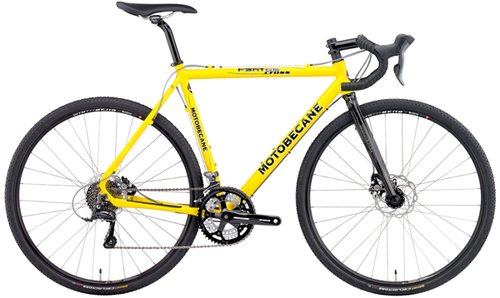
Endurance and mixed surface riders often lean the same way, since Shimano spacing keeps effort smooth over long distances. The Motobecane Fantom Cross shows how a Shimano equipped cross and gravel bike handles both pavement and dirt with familiar, confident shifting. The evo comparison of SRAM versus Shimano groupsets notes that Shimano tends to offer the closer gear steps many road riders prefer. For riders who value tradition and tight cadence control, that consistency is a strong draw.

Availability of spare parts is another reason many road riders stick with Shimano. Because Shimano equips such a large share of bikes, shops tend to stock its cassettes, chains, and small parts on the shelf. That can mean shorter waits and easier fixes when something wears out mid-season. For riders who value convenience and quick service, that wide support network is a real and practical benefit.

Many of our customers simply grew up shifting Shimano and see no reason to switch away from it. That familiarity makes every ride feel intuitive from the very first pedal stroke. Being comfortable with a system you already know and trust is a perfectly good reason to choose it again.

Gravel and 1x simplicity suit SRAM

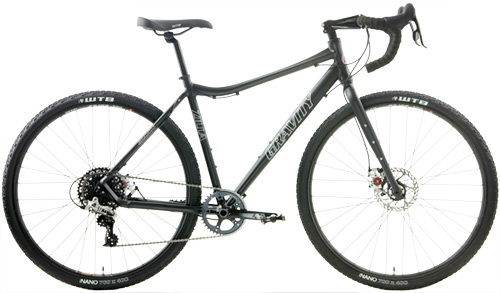
Gravel is where SRAM truly hits its stride, largely because the brand pushed single-chainring drivetrains into the mainstream. A 1x setup drops the front derailleur, which means one less thing to adjust, fewer parts to fail, and cleaner shifting on rough ground. The Gravity Zilla 1x shows how a SRAM 1x build keeps things simple while still covering a wide spread of gears. For riders who want fuss free shifting on loose terrain, that simplicity is hard to beat.

Of course, simplicity comes with trade-offs that are worth understanding before you choose. The Pro’s Closet breakdown of 1x versus 2x drivetrains explains that single-ring setups improve chain retention and ease of use, while two-ring systems offer smaller jumps between gears. For gravel racing and rough adventure riding, many riders happily accept slightly bigger gear gaps in exchange for fewer mechanical worries. The right call depends on whether you prize range and tight spacing or sheer reliability.

Gravel riders also like how a single-ring setup simplifies life on long, remote days. With only one shifter to think about, you can focus on the trail ahead instead of hunting for the perfect gear combination. There is no chance of an awkward cross-chained gear or a dropped chain from a front shift on rough ground. That mental simplicity is a big part of why single-ring drivetrains have taken over the gravel scene so quickly.

Mountain bikes: Eagle versus Shimano off-road

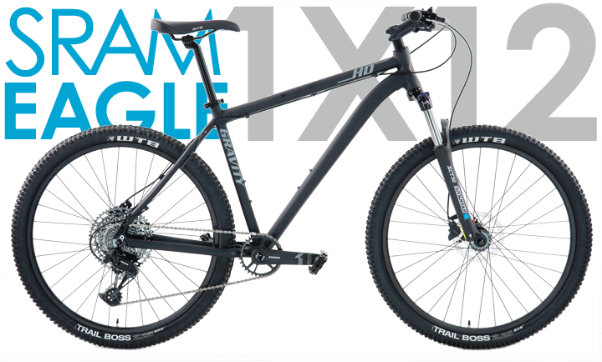
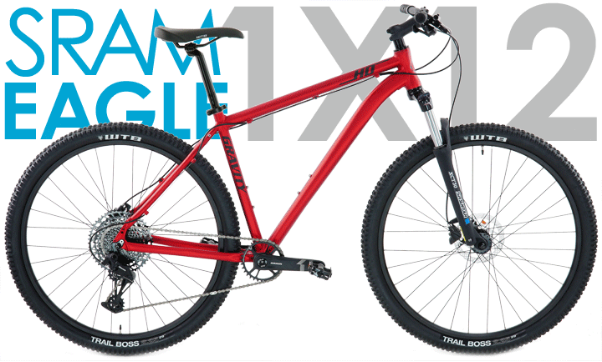
Off-road is the strongest case for SRAM, whose Eagle drivetrains set the standard for wide range, single-ring mountain shifting. A SRAM 1×12 system gives riders a huge spread of gears for steep climbs and fast descents without a front derailleur to bang on rocks. The Gravity HD27.5 SX Eagle and the Gravity HD29 SX Eagle both pair that proven SRAM setup with capable hardtail frames. For trail riders, a clutch rear derailleur also keeps the chain quiet and secure over chatter.

That said, Shimano remains a serious force on the trail, and many riders prefer its shifting feel and braking power off-road. A modern Shimano Mountain Bike offers wide range cassettes and crisp engagement that rival anything from its competitor. The Cyclists Hub comparison of Shimano and SRAM highlights how strongly SRAM leads in mountain biking while Shimano still wins plenty of loyal fans. Trying both on a real trail is the surest way to know which one clicks for you.

Wheel size and frame design interact with the drivetrain choice more than people expect. A wide range cassette pairs naturally with the big wheels and longer travel that modern trail bikes favor. Both of our SX Eagle hardtails are built around that thinking, giving climbers a low enough gear without giving up speed on the flats. The result is a bike that feels balanced whether the trail points up or down.

Electronic options and the upgrade path

Electronic shifting has moved from exotic to attainable, and both brands offer it near the top of their ranges. Shimano Di2 uses wired connections for fast, precise shifts, while SRAM eTap AXS goes fully wireless for a cleaner cockpit and easy setup. Both add cost and ask you to keep a battery charged, so they suit riders who want the latest tech and lowest maintenance. For most buyers, a well-tuned mechanical drivetrain still delivers the vast majority of that performance for far less money.

Thinking ahead about upgrades can also guide your first choice between the brands. Parts within a brand and gear count generally work together, so staying in one ecosystem keeps future swaps simpler. Mixing brands is possible in places, yet it adds complexity that most riders are happier avoiding. Picking the system you enjoy now usually makes the cleanest long-term path.

Brakes and the rest of the build

Drivetrains get most of the attention, but brakes are part of the same groupset decision. Both brands offer strong hydraulic disc brakes, though they differ in lever feel and how sharply they bite. Some riders prefer the progressive feel of one brand, while others like the firmer initial grab of the other. Since brakes affect confidence on every descent, they deserve a place in your comparison.

It also helps to remember that the frame, wheels, and tires shape how any drivetrain feels in the real world. A great groupset on a poorly matched bike will never shine the way it should. We build our bikes so the drivetrain, brakes, and frame work together rather than fighting each other. Looking at the whole package keeps you from overvaluing one component at the expense of the ride.

Tire clearance and gearing range round out the picture when you compare complete bikes. A drivetrain only helps if the bike can fit the tires and reach the gears your riding demands. We pay attention to those details so a bike works as a whole rather than as a list of parts. That way the drivetrain you choose supports the kind of riding you actually plan to do.

Living with each system day to day

Maintenance is where the two brands feel most similar for the average rider. Both need a clean chain, occasional cable or housing care on mechanical setups, and the usual attention to a worn cassette. Mechanical drivetrains from either brand are simple to adjust at home with basic tools and a little patience. For riders who like working on their own bikes, neither brand will frustrate you.

Electronic versions shift the maintenance picture slightly toward charging and software rather than cables. A wireless or wired electronic system removes cable stretch from the equation, which keeps shifting crisp for longer between adjustments. The trade is remembering to charge a battery and occasionally updating the system through an app. Riders who enjoy that level of tech tend to love it, while others happily stick with proven mechanical parts.

Wear parts are easy to plan for with either brand once you know what to watch. Chains stretch over time and should be replaced before they wear the cassette, which saves money in the long run. Cassettes, chainrings, and brake pads all wear at predictable rates that depend on your miles and conditions. Keeping a few spares on hand means a worn part never has to end a riding week early.

Common questions we hear about the two brands

One question we hear often is whether you can mix Shimano and SRAM on the same bike. The short answer is that a few parts cross over, but shifters and derailleurs generally need to stay within one brand and gear count. Trying to blend systems usually creates more headaches than it solves, so we steer most riders toward picking one and staying with it. That keeps shifting reliable and future upgrades straightforward.

Another common question is whether a more expensive groupset is worth it for a casual rider. For most weekend cyclists, a mid-tier drivetrain from either brand shifts beautifully and lasts for years. The jump to top-tier parts mainly saves weight and adds electronic features that competitive riders value most. Spending that money on better wheels or tires often improves the ride more than chasing the highest groupset.

Picking the drivetrain that fits how you ride

So where does that leave you? If you ride mostly on the road and value smooth, familiar shifting with tight gear spacing, Shimano is a natural fit. If you ride gravel or mountain trails and want the simplicity of a single chainring with a wide range, SRAM often makes more sense. Many riders are happy on either brand, which is why we encourage a test ride over loyalty to a logo.

At BikesDirect.com, we have offered name-brand bikes factory direct since 1997, with models spec’d around both Shimano and SRAM at prices well below traditional retail and free shipping to 48 states. Whether you are after a smooth shifting Gravel Bike or a wide range Mountain Bike built for the trail, our team can match you with the drivetrain that suits your riding. Shop our current models and choose the drivetrain that feels right for you.

Aluminum vs Carbon Fiber Bike Frames: Which Is Worth the Investment?

Choosing a new frame usually comes down to one question we hear almost every day: is the jump to carbon actually worth the money? The aluminum vs carbon fiber bike frame decision shapes how a bike rides, what it costs, and how long it lasts. When we help someone weigh an aluminum Road Bike against a carbon build, the real differences show up in weight, comfort, and price more than anywhere else. Our goal here is to give you an honest picture so the upgrade choice feels clear by the time you finish reading.

What aluminum frames do well

Aluminum has earned its spot as the default material for budget and mid range bikes, and for good reason. It is light, stiff, and affordable, which makes it easy to build a fast, responsive bike without a premium price tag. Modern shaping and hydroforming let builders tune tube profiles for a livelier feel than the harsh aluminum frames of twenty years ago. For most riders moving up from an entry-level bike, a well-built aluminum frame already feels like a serious step forward.

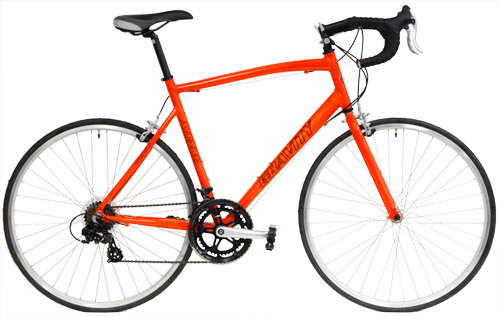
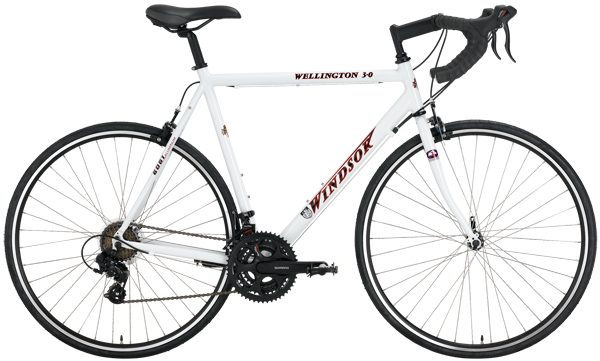
We see that value play out in bikes like the Gravity Avenue A, an aluminum road machine that keeps weight low while staying easy on the wallet. The Windsor Wellington 3.0 tells a similar story, pairing a stiff alloy frame with a dependable build for riders who want speed without overspending. According to the REI overview of bike frame materials, aluminum delivers a strong, light ride that suits everything from climbing to quick handling. That mix is exactly why so many of our customers start here and never feel shortchanged.

Aluminum also shrugs off the kind of daily wear that worries many new owners. It does not rust the way steel can, it handles being locked up outside, and it tolerates the bumps of commuting and travel without much fuss. A scratch in the paint is rarely more than cosmetic, which makes aluminum a relaxed choice for riders who simply want a bike they can use hard. For a first serious bike, that low maintenance peace of mind counts for a great deal.

Where carbon fiber pulls ahead

Carbon fiber changes the conversation because it is not one fixed material the way aluminum is. Engineers lay up sheets of fiber in specific directions, which lets them add stiffness where a frame needs to transfer power and flex where a rider wants comfort. That control is why a premium carbon frame can feel razor sharp under hard pedaling and forgiving over rough pavement at the same time. The trade off is a more complex, more expensive build process that shows up in the final price.

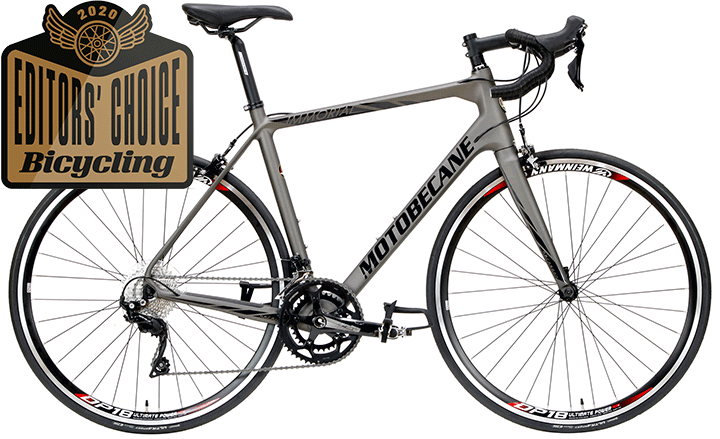
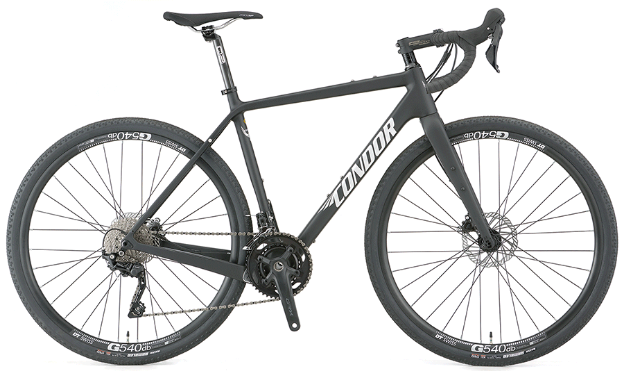
The payoff is real on bikes like the Motobecane Immortal Spirit, a full carbon road frame designed to be light, fast, and responsive. We also point gravel riders toward the Condor carbon gravel build, where careful carbon shaping helps soak up vibration on long mixed surface days. The BikeRadar breakdown of frame materials explains that carbon lets designers fine tune ride quality in ways metal cannot match. Even a carbon hardtail Mountain Bike uses that tuning to stay planted on rough trails without beating you up.

Aerodynamics is another area where carbon shows its strengths. Because the material can be molded into almost any shape, designers use it to create deep, wind cheating tube profiles that are hard to achieve in metal. On fast group rides or solo efforts against the clock, that shaping can save real energy at higher speeds. For riders who care about going fast on the flats, an aero carbon frame offers something aluminum struggles to match.

Ride comfort and road buzz

Ride comfort is where many riders feel the upgrade most. A carbon frame can damp the high frequency buzz that travels up from rough chip seal, which keeps your hands and shoulders fresher on long rides. Aluminum has closed much of that gap through smarter tube shaping and the near universal use of carbon forks, yet the very best carbon frames still hold an edge in taking the sting out of bad pavement. For riders who spend hours in the saddle, that smoother feel can matter more than any number on a scale.

Weight is the other half of the comfort story, and the gap is smaller than most people assume. The REI guide to choosing a mountain bike points out that the best aluminum frames sit only about a pound behind comparable carbon, while budget aluminum can be noticeably heavier. For everyday fitness and weekend miles, that difference rarely changes how much fun a ride is. It becomes far more important once you start racing or chasing personal records on long climbs.

Tire choice often matters more than frame material for comfort, and we never want riders to overlook it. Wider tires run at lower pressure smooth out far more road buzz than any frame tweak, and both aluminum and carbon bikes can fit them. Pairing a quality frame with the right tires gives you most of the comfort benefit for very little money. We always suggest experimenting with tire width before assuming you need a pricier frame.

Weight and stiffness: what the numbers really mean

Frame stiffness sounds technical, but it simply describes how much power reaches the road instead of flexing away in the frame. Both materials can be built stiff, though carbon gives engineers more freedom to add it exactly where it helps and remove it where it hurts comfort. Aluminum frames tend to feel uniformly firm, which some riders love for sprinting and others find tiring over distance. The right answer depends on whether you value raw efficiency or all day comfort.

We always remind riders that a lighter frame is only part of a bike. Wheels, tires, and components often make a bigger difference to how a bike feels than the frame material alone. A smartly specced aluminum bike can easily out ride a heavy, poorly built carbon one, so the badge on the down tube is never the whole story. Looking at the complete build keeps your money working where you will actually notice it.

Handling is the part of stiffness that riders notice without ever looking at a chart. A frame that resists twisting tracks cleanly through corners and feels secure when you push the pace downhill. Aluminum and carbon can both deliver that planted feel, though carbon makes it easier to tune precisely. For most riders, a confident, predictable bike matters far more than shaving a few hundred grams off the frame.

Durability, repairability, and crash behavior

Durability is one of the most misunderstood parts of this comparison. Aluminum tends to dent or bend in a crash, which often leaves a frame that looks damaged but is still rideable enough to limp home. Carbon behaves differently, since a hard impact can cause internal damage that is not always obvious on the surface. That does not make carbon fragile, but it does mean a careful inspection matters more after any significant hit.

The encouraging news is that carbon is far more repairable than its reputation suggests. VeloNews has covered how skilled shops use crack inspection and professional repair to bring damaged carbon frames back to safe, full strength. Aluminum, by contrast, is hard to repair well once it cracks and is usually replaced rather than fixed. For most riders, both materials last for years with normal care, so durability should reassure you rather than scare you off either choice.

Storage and handling habits affect how long any frame lasts, no matter the material. Clamping a bike carefully in a stand, avoiding hard knocks during transport, and keeping it clean all extend its life. We see well cared for aluminum and carbon bikes still riding strong many seasons after purchase. A little routine attention does more for longevity than the material choice ever will.

Price and resale: Is the upgrade worth it?

Price is usually the deciding factor, and it is where the two materials separate most clearly. A quality aluminum bike like the Gravity Comp30 delivers a Shimano equipped road build at a price that leaves money for wheels, kit, or travel. Step up to carbon and you pay more for the frame technology, the layup work, and the lower weight that comes with it. Whether that premium is worth it depends entirely on how much you ride and what you want from the bike.

For riders chasing performance, a carbon frame like the Gravity Zilla Elite Carbon can justify its cost through lighter weight, sharper handling, and that tuned ride feel on long days. For riders who mostly want a dependable, fast bike for fitness and weekend miles, aluminum often makes far more sense. We always tell people to be honest about their riding before they spend, because the best frame is the one that matches your goals and your budget.

Resale value is worth a quick mention too, since most bikes change hands eventually. Carbon bikes from known brands often hold their value well, which can soften the higher upfront cost if you sell later. Aluminum bikes cost less to begin with, so the drop in dollars tends to be smaller even when the percentage is similar. Either way, buying the right bike for your needs matters far more than trying to predict resale years down the road.

Common myths about carbon and aluminum

A few stubborn myths follow this debate around, and clearing them up makes the choice easier. The first is that carbon always breaks while aluminum lasts forever, which simply is not true in normal riding. Quality carbon frames survive years of hard use, and aluminum can fatigue and crack over a long enough life just as carbon can. Both materials are reliable when built well and treated with reasonable care.

The second myth is that aluminum is only for beginners and carbon is only for racers. Plenty of fast, experienced riders choose aluminum for training, commuting, or simply for its value and toughness. Plenty of newer riders enjoy carbon because the smoother ride keeps them comfortable for longer. The truth is that both materials work across every level of the sport, so your budget and goals should lead the decision rather than any label.

Matching the frame to your riding goals

The clearest way to choose is to start with the riding you actually do, not the riding you wish you did. If your weeks are filled with short fitness rides, commutes, and the occasional longer weekend loop, aluminum covers all of it without straining your budget. If you are training for events, riding several times a week, or simply value the lightest, most refined feel, carbon earns its keep over those miles. Being honest about your real habits prevents both overspending and underbuying.

Budget is the other half of that equation, and we encourage riders to think about the whole bike. Spending every dollar on a carbon frame can leave you with weaker wheels or a lower tier drivetrain that holds the bike back. A well-chosen aluminum bike with better components often rides nicer than a carbon bike built down to a price. Balancing frame, wheels, and parts is how you end up genuinely happy with what you ride.

Our take on getting the most frame for your money

So which frame is worth the investment? If you are upgrading from an entry-level bike or riding mainly for fitness and fun, a modern aluminum frame gives you most of the performance for a fraction of the cost. If you ride often, race, or simply want the lightest, most refined ride you can get, carbon rewards the extra spend. Neither choice is wrong, and both can serve you well for years when matched to how you actually ride.

At BikesDirect.com, we have sold name-brand bikes factory direct since 1997, which lets us offer both aluminum and carbon builds at prices well below traditional retail, with free shipping to 48 states. Whether you want a light carbon Road Bike for fast group rides or a tough aluminum Mountain Bike for the trails, our team can help you find the right frame at the right price. Compare our full lineup and pick the frame that fits your goals today.