

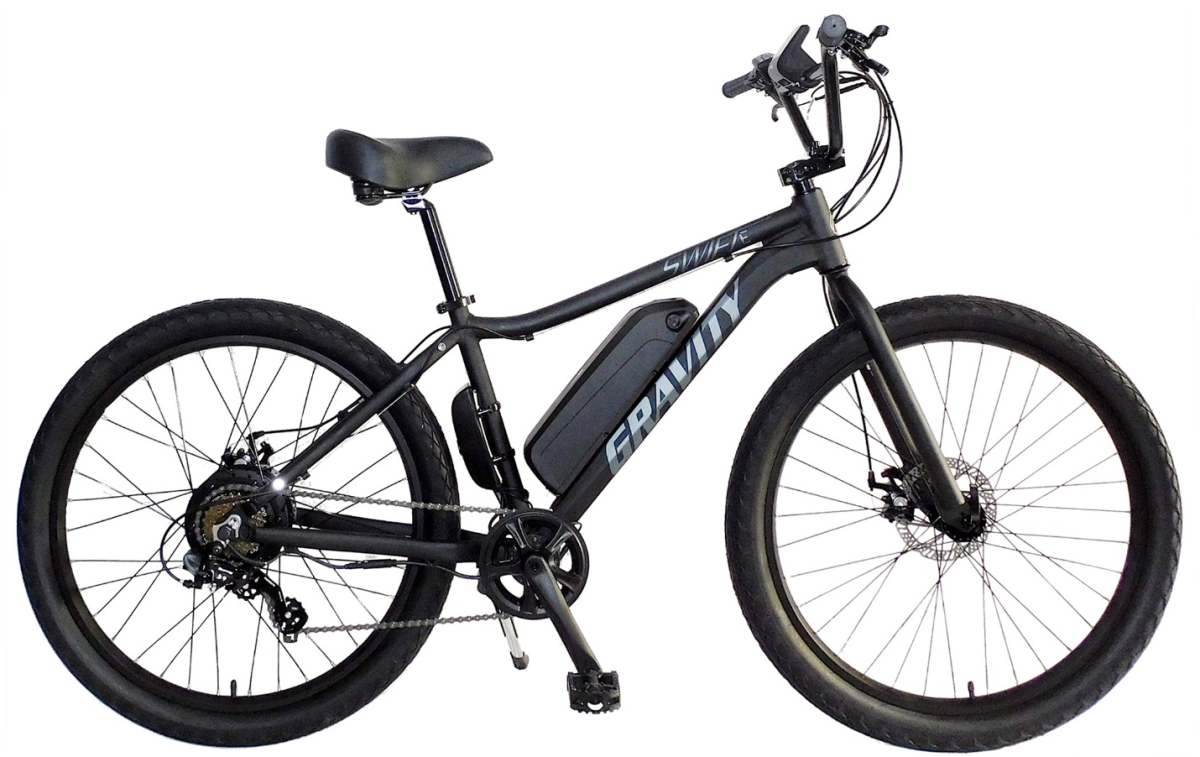
Electric bikes have gone from curiosity to category leader in less than a decade. Walk into any cycling event in 2026, and you will see riders of every age switching to electric. Some chose them to flatten brutal hill climbs on the way to work. Others picked one up to keep pace with faster riding partners. A growing number wanted a low-impact way to spend more time outdoors. The surge has produced more models, more technology, and, honestly, more confusion than the industry has ever dealt with. Choices that once boiled down to color and frame size now involve motor placement, battery chemistry, software firmware, and federal class designations. New buyers feel overwhelmed before they even pedal a test bike around the parking lot, and that frustration leads many to either delay the purchase or grab the wrong machine on impulse.
That is exactly where this complete electric bike buying guide earns its keep. The right e-bike for a downtown Boston commuter looks nothing like the right one for a weekend trail rider in Vermont or a parent hauling two kids and a week of groceries through Denver traffic. Sorting through power systems, battery capacities, class regulations, and frame styles takes patience, and the wrong purchase can mean a heavy, slow, or short-range machine gathering dust in the garage. Read on, and you will know exactly what to look for, what to ignore, and what questions to ask before you ever click the buy button.
Why E-Bikes Earned a Permanent Place in Cycling
The numbers tell the story. Sales of electric bikes have outpaced traditional bicycle sales in many U.S. markets for three straight years, and industry tracker PeopleForBikes reports that e-bikes now make up a substantial share of every dollar spent in bike retail. Cities have responded by expanding bike lanes and updating local ordinances. Employers offer e-bike commuter benefits. Older riders who quit cycling because of knees or stamina have returned to the sport. The category exists because it solved real problems, not because it followed a fad. Any complete electric bike buying guide worth your time has to start with that context, because understanding why people buy these machines tells you a lot about which one you should pick yourself.

Understanding E-Bike Classes: Class 1, Class 2, and Class 3
Federal and state regulators in the United States sort e-bikes into three classes, and the class your bike belongs to determines where you can ride it, how fast it will assist you, and whether you need a license or registration. Class 1 e-bikes provide pedal-assist only and cap out at 20 mph. They mimic the feel of a regular bicycle and meet the rules for most paved paths and many natural-surface trails. Class 1 covers the largest share of new e-bike sales for a reason — it offers the broadest legal access for the average rider.
Class 2 e-bikes also top out at 20 mph but add a throttle that propels the bike without pedaling. They suit riders with knee or hip issues, delivery workers, and anyone who occasionally wants a break from pedaling. Some trail networks ban throttle-equipped bikes, so check local rules before buying a Class 2 model for off-road use. An e-mountain bike typically falls into Class 1 to preserve trail access. At the same time, urban delivery rigs and cargo haulers often land in Class 2 territory because riders need that throttle on hills and from a dead stop with heavy loads.

Class 3 e-bikes assist up to 28 mph through pedal-assist only and represent the fastest legal category on most public roads. They suit serious commuters who need to cover real distances quickly, but they often require helmets by law and are barred from many multi-use paths. Knowing which class fits your riding life is the first practical filter when you shop, and any complete electric bike buying guide that skips this step has failed you before page two.
Motor Types: Hub Drive vs Mid-Drive
The motor sits at the heart of every e-bike, and you really only need to understand two main configurations. Hub-drive motors mount inside the rear or front wheel and push the bike directly. They tend to cost less, run quietly, and require almost no maintenance. Their flat-road performance feels smooth and predictable. The drawback shows up on steep hills and rough terrain, where they pull rather than respond to your pedaling input, and they can feel sluggish under heavy loads or during prolonged climbs. For flat-state commuters, hub drives often deliver everything they need at a much lower price than premium alternatives.
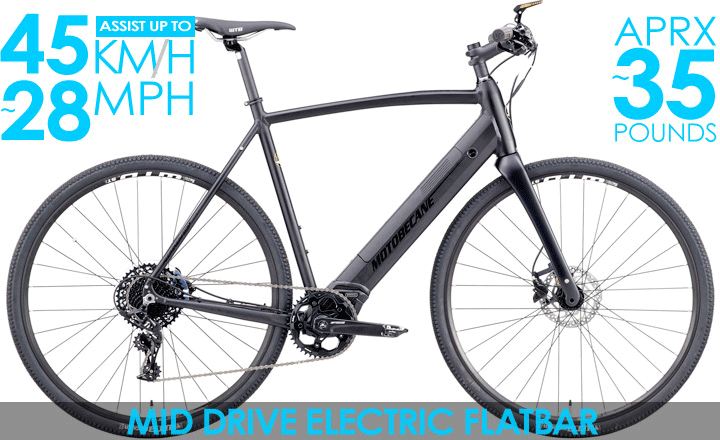
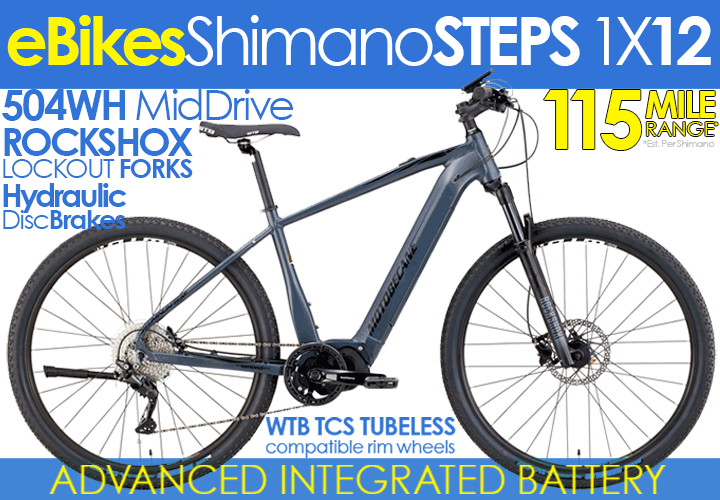
Mid-drive motors sit at the bottom bracket and put their power through the bike’s chain and gears. Because they leverage your drivetrain, mid-drives climb beautifully, accelerate naturally, and use battery power more efficiently per mile. Brands like Bosch, Shimano, Brose, and Specialized dominate this category, and you will pay more for the privilege. If you ride hills, haul cargo, or want a sportier feel that mimics a stronger version of yourself rather than a scooter, mid-drive earns its premium. Riders converting from a fitness-oriented road bike usually prefer the natural cadence response of a mid-drive system because it preserves the pedaling rhythm they already know.

Battery Range and Real-World Capacity
Battery capacity, measured in watt-hours (Wh), determines how far you can ride on a single charge. A 500 Wh battery typically delivers 25 to 50 miles of mixed riding, while larger 700-plus Wh packs push that range past 70 miles for efficient mid-drive bikes. Manufacturer range claims live in fantasy land — they assume flat ground, low assist levels, light riders, and no headwind. A useful complete electric bike buying guide always tells you to halve the advertised number for hilly terrain or aggressive riding, and to plan for a 20 percent reserve at the end of every trip. Hence, you never coast the last mile on a dead battery.
Battery chemistry matters too. Lithium-ion packs from established cell makers like Samsung, LG, and Panasonic last 600 to 1,000 charge cycles before noticeable capacity loss. Cheap, unbranded packs may save money up front, but lose 30 percent of their range within two seasons. Look for UL 2849 certification, which signals the battery has passed safety testing — a serious concern given the recent surge in e-bike battery fires reported by the Consumer Product Safety Commission. A pack that costs $400 to replace deserves more attention than the color of the frame, and any reputable complete electric bike buying guide will tell you to inspect certification stickers before you pay.
Match Your E-Bike to How You Actually Ride
The single biggest mistake new buyers make is picking a bike based on looks or price rather than honestly assessing how they plan to ride. Commuters need integrated lights, fenders, rack mounts, durable tires, and frame geometry that handles potholes, curb cuts, and stop-and-go traffic. A Class 3 commuter bike with a 500 Wh battery and a 28 mph top assist will transform a six-mile each-way ride into something you actually look forward to. Even a comfort-focused hybrid bike platform makes sense when fitted with electric assist for daily city travel, especially for riders who want an upright posture and a relaxed ride to the office.
Trail riders need a completely different machine. An electric mountain rig with 140 to 160 mm of front and rear suspension travel, plus a mid-drive motor and a 630 Wh or larger battery, will conquer climbs that once required a shuttle and leave you with energy for two or three more descents. Make sure the brand offers a torque-sensing motor rather than a cadence-sensing one — the difference between feeling like an athlete and feeling like a passenger comes down to that single sensor choice. A thoughtful, complete electric bike buying guide will not steer you toward a hub drive on a trail bike, no matter how attractive the price.
Cargo haulers belong in their own conversation. A purpose-built cargo e-bike with a long wheelbase, a 750 W mid-drive motor, and dual battery capacity replaces a second car for many families. These bikes carry 400 pounds of cargo or two children safely up steep hills, and the right model pays for itself within a year compared to gas, parking, and insurance. The category includes long-tail, front-loader (bakfiets), and trike configurations, and the best choice depends on your storage space and load profile. Editorial coverage from Bicycling magazine has documented this category’s explosive growth among urban families.
Recreational riders looking for fun rather than utility have the easiest decision to make. A Class 1 e-bike with comfortable geometry, mid-power assist, and 40-mile range delivers the joy of a long ride without the suffering. If your weekend rides veer toward dirt roads or light gravel, a flat-bar e-version of a gravel bike opens up routes you would never tackle on a pure road machine. Even a relaxed beach cruiser gets a second life with electric assist for boardwalk rides and lakeside loops, turning casual weekend cruising into something the whole family can enjoy together.
Frame Materials, Components, and Build Quality
Aluminum dominates the e-bike market for good reason. It resists corrosion, costs less than carbon, handles the extra weight of the motor and battery without flexing, and offers easy access for repairs. Carbon fiber appears on high-end e-road and e-mountain builds where weight savings matter, but the price jump rarely makes sense for everyday riding. Steel survives on cargo and touring builds where comfort and load capacity matter more than weight, and a steel frame on a heavily loaded build with proper components will outlast almost anything else on the road. A practical, complete electric bike buying guide keeps you from spending carbon money on aluminum needs.
Components separate the bargains from the regret. Hydraulic disc brakes belong on every modern e-bike — these machines weigh 50 to 80 pounds with battery and reach speeds that demand serious stopping power. Look for thru-axles, name-brand drivetrains from Shimano or SRAM, and tires rated for the weight and speed your bike will see. Even a category as terrain-specific as a fat bike has gone electric, and on those builds, the brake and tire specs matter even more, given the weight involved and the soft surfaces these machines tackle, like sand and snow.
Charging Habits That Extend Battery Lifespan
Battery care extends far beyond the original purchase decision, which is why any thorough, complete electric bike buying guide treats charging habits as part of buying smart. How you charge an e-bike day-to-day determines whether the pack delivers full performance for two years or eight. Avoid leaving the battery at 100 percent charge for extended periods, especially in hot environments. Lithium-ion cells degrade fastest when stored fully charged at high temperatures, and the difference between 80 percent storage charge and 100 percent storage charge can amount to thousands of miles of usable battery life over the bike’s lifetime. Most premium systems include charge limiters in their apps or displays that cap charging at 80 to 90 percent for daily use, with full charges reserved for longer rides. Use that feature.
Cold weather changes the math differently. Lithium-ion batteries lose 30 to 50 percent of their effective range in freezing temperatures because the chemistry slows down. Capacity returns once the pack warms up, but riders in cold climates should store batteries indoors, charge them at room temperature, and avoid charging a pack that is frozen. If you commute year-round, plan for a shorter winter range or invest in an insulated battery cover to retain warmth during the ride. The complete electric bike buying guide approach also extends to long off-season storage: keep the battery at roughly 50 to 60 percent charge in a cool, dry place, and top it off every couple of months to prevent deep discharge.
Charging speed matters too, and a careful, complete electric bike buying guide always covers it. Most stock chargers deliver about 4 amps and fill an empty battery in three to five hours. Fast chargers cut that time roughly in half but generate more heat, which shortens cell life when used frequently. For most owners, the stock charger overnight is the right answer — slow, cool, and gentle on the cells that ultimately determine how much your bike will be worth in five years when you trade up or pass it down to a family member.
Legal Considerations and Where You Can Ride
E-bike law in the United States changes by state, county, and even city. About 40 states have adopted the three-class framework, which means a Class 1 bike can be legally ridden anywhere a regular bicycle can in those jurisdictions. Other states regulate by motor power, top speed, or lump e-bikes in with mopeds. Federal land follows separate rules: the Bureau of Land Management and U.S. Forest Service allow Class 1 models on most non-motorized trails, while individual National Parks set their own policies. Always check the local rules for paths and trails you ride before buying, and pay attention to any helmet, age, or registration requirements your state imposes. Insurance is another underrated consideration that any complete electric bike buying guide should flag — a fast Class 3 commuter qualifies for coverage under most homeowner policies, but high-value cargo bikes deserve their own rider.
The Test Ride and Sizing
Nothing replaces a real test ride. The geometry that looks great on paper can feel completely wrong under your hands, and the assist mode that sounds powerful in the marketing copy can feel either pushy or sluggish in practice. Spend at least 20 minutes on any bike you seriously consider, ride a real hill, hit a real pothole, and feel how the bike behaves when you stop pedaling at 18 mph. Sizing matters even more on e-bikes than on traditional bikes because you will spend more time in the saddle once your range expands. A careful, complete electric bike buying guide always pushes test rides over spec-sheet shopping for exactly this reason.
The Final Buying Checklist
Before you finalize any purchase, run through a short mental list. Confirm the class designation matches the laws and trails where you plan to ride. Verify the motor type, manufacturer, and warranty length. Check the battery brand, capacity, certifications, and replacement cost. Inspect the brake type, tire spec, and frame material. Read the warranty terms carefully — the best brands cover the motor and battery for two years and the frame for life. Ask about parts availability and service. Confirm sizing through the brand’s fit guide. Most importantly, ride the bike. A thoughtful, complete electric bike buying guide gives you the framework, but only your own legs and hands can deliver the verdict on whether a specific model truly belongs in your garage.
Ready to Find Your Next Ride?
Browse our full lineup at Bikesdirect.com and find an e-bike built around every use case covered in this complete electric bike buying guide. From sleek urban commuters to powerful electric trail machines and family-ready cargo haulers, we stock the models that match your life. Use our sizing tools, compare specs side by side, and ride out with confidence. Your next adventure is one click away — pick the bike, and let us help you start riding more, sooner.